Artwork
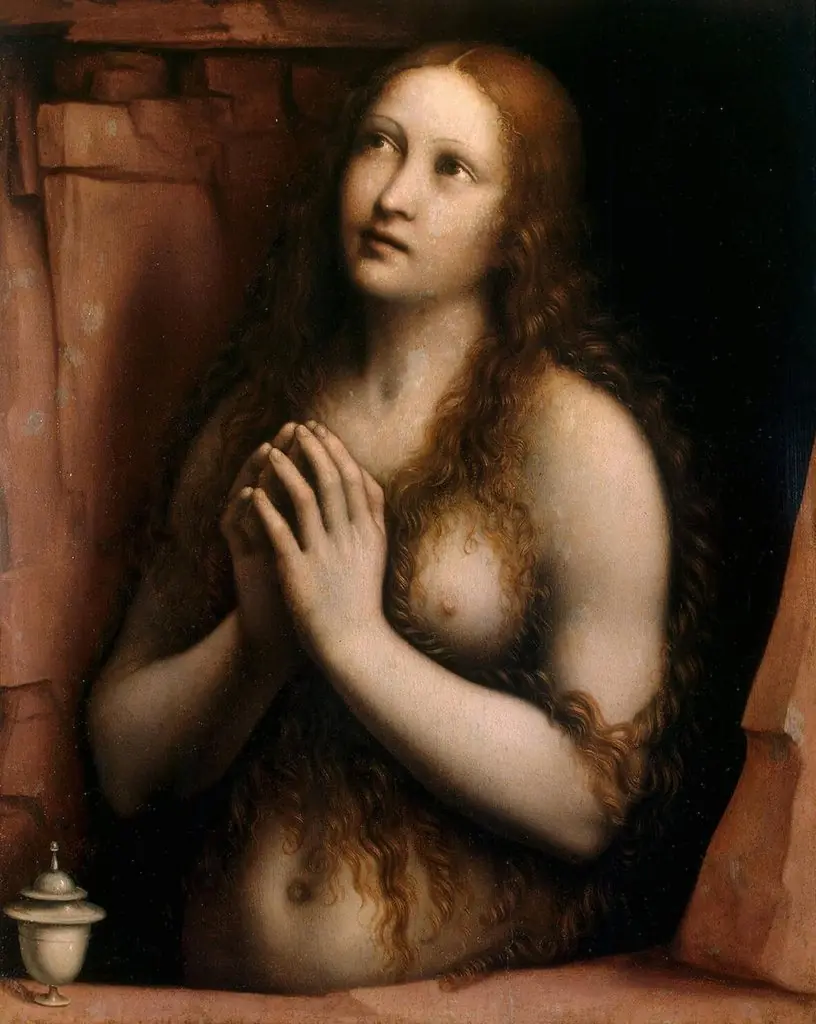
Hl. Magdalena
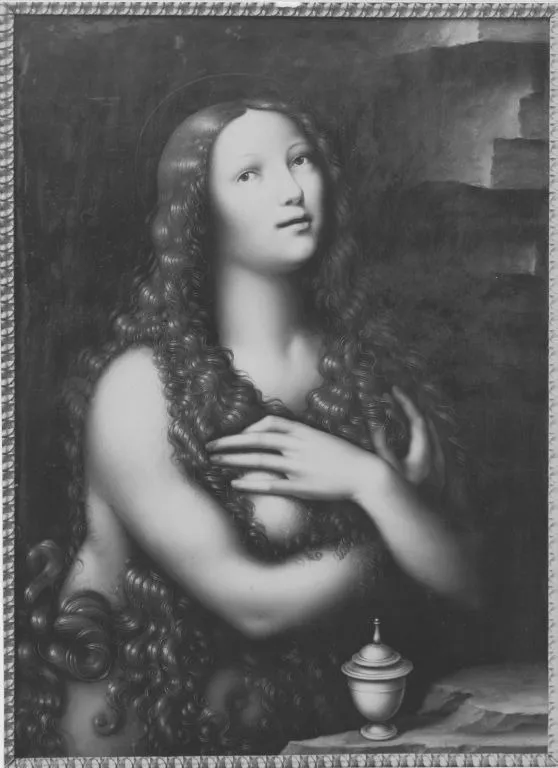
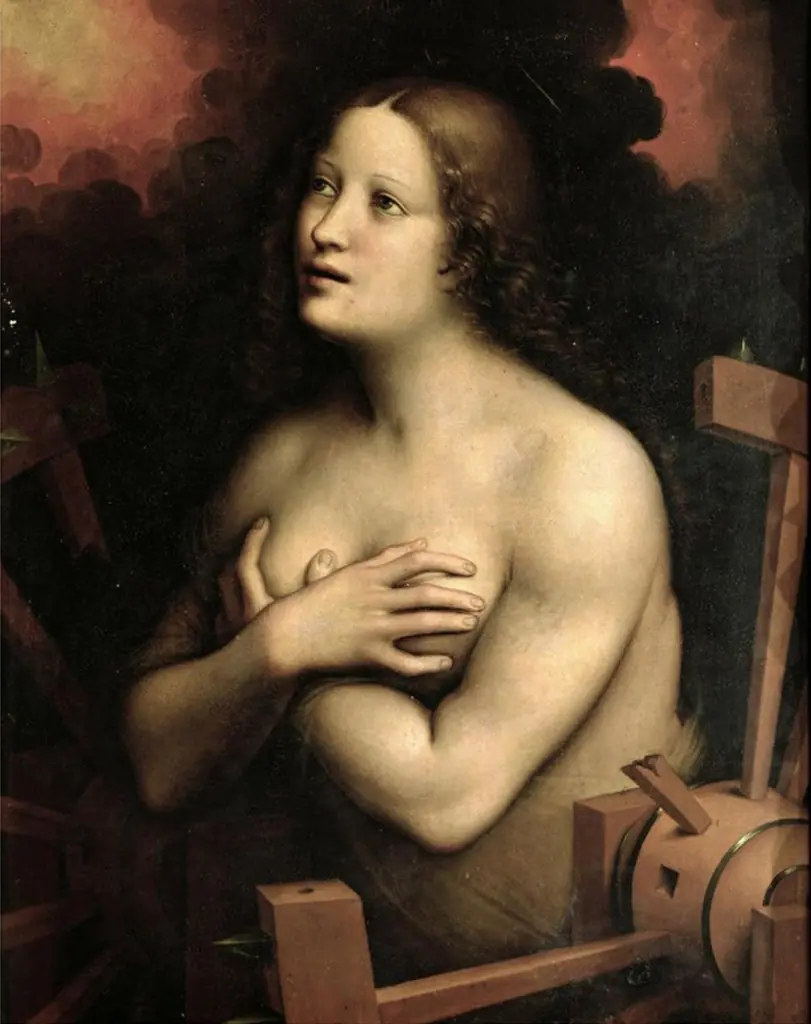
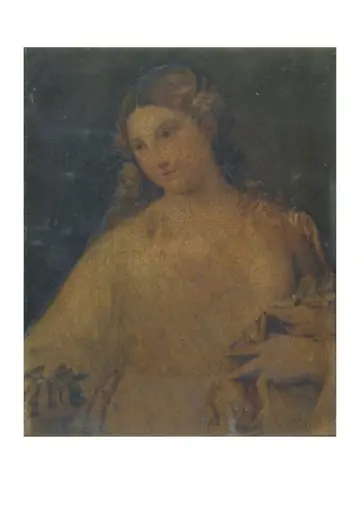
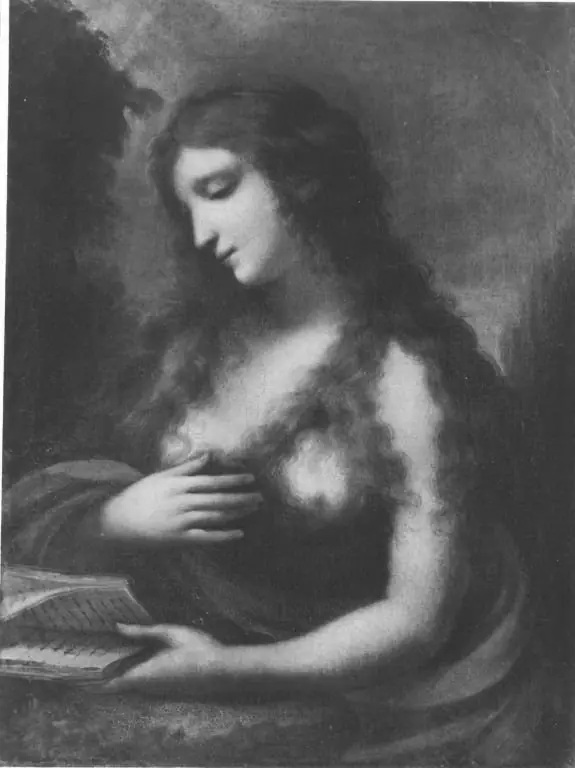
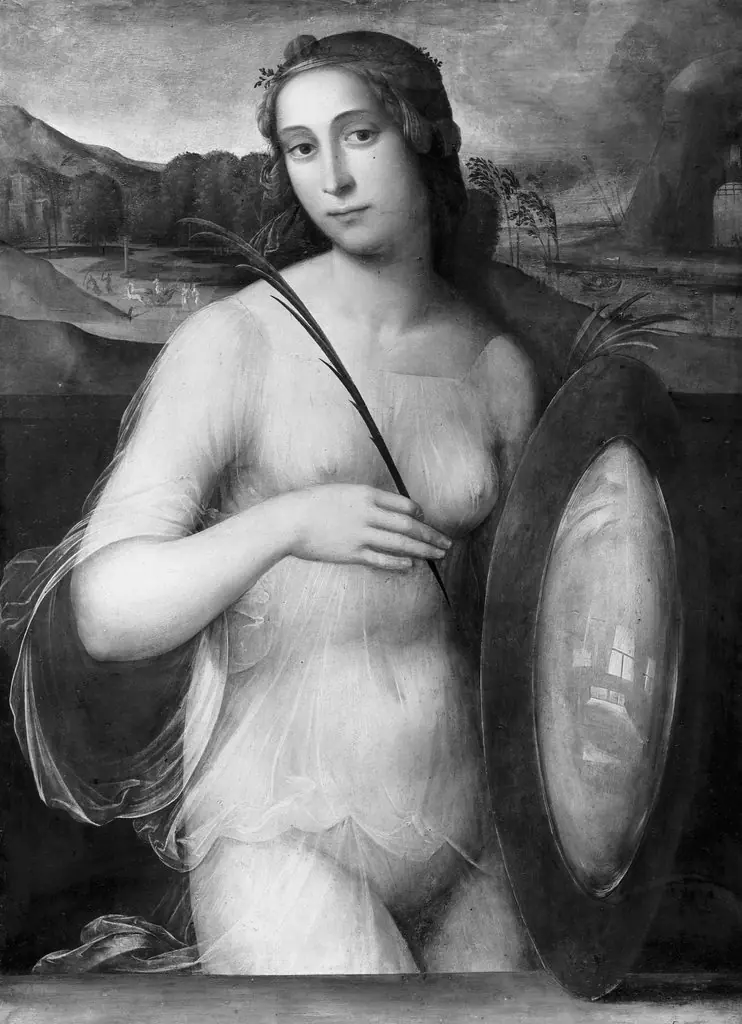
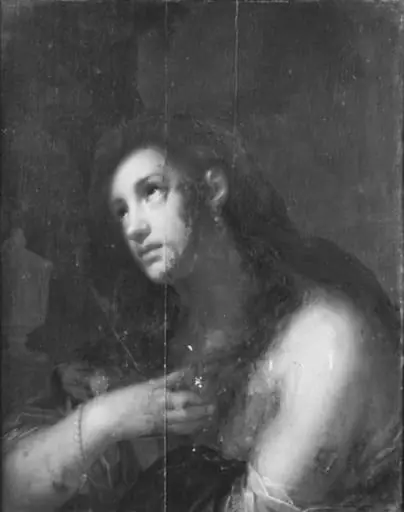
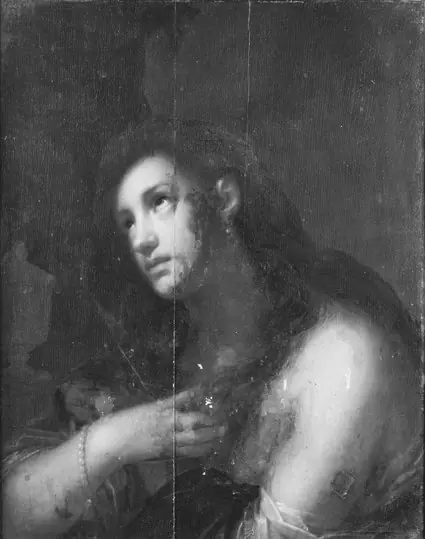
Hl. Magdalena is an unspecified painting by the Mannerist artist Giampietrino. It dates from 1520 and is held in the collection of the Bavarian State Painting Collections.
About this work
Subject & Meaning
The painting depicts Mary Magdalene, a central figure in Christian devotional imagery.
The painting depicts Mary Magdalene, a central figure in Christian devotional imagery. As a work of religious art, it belongs to the long tradition of Magdalene portraits that flourished in the early modern period, presenting the saint as a subject of contemplation and veneration rather than as part of a narrative scene. The identification of the figure as Mary Magdalene anchors the work's meaning within the iconography of penitent and devotional saints, inviting reflection on themes of faith and spiritual contemplation.
The relatively intimate format of the panel, measuring 69 by 50 centimetres, is consistent with private devotional use, allowing the viewer to engage closely with the saint's image.
History & Provenance
The painting titled Hl. Magdalena, depicting Mary Magdalene, was created by the artist Giampietrino (also known as Giovanni Pedrini) in 1520. Classified as a work of religious art, the piece measures 69 cm in height and 50 cm in width.
It is currently held within the collection of the Bavarian State Painting Collections, specifically located at the Alte Pinakothek. No further details regarding the original commission, specific patron, or the chain of ownership prior to its current residence are provided in the available records.
Overview
Giampietrino, identified as Giovanni Pietro Rizzoli, was an active painter in northern Italy from the late 15th to the mid‑16th century. Working within the Lombard tradition and influenced by Leonardo da Vinci, he produced a religious composition titled Hl. Magdalena around 1520. The work is presently part of the collection of the Alte Pinakothek in Munich.
Technique & Style
Executed in a mannerist idiom, the image employs Leonardo’s chiaroscuro to model the figure’s form against a dark, subtly graded background. The artist renders each curl of hair with meticulous precision, while the contrast of light and shadow gives the body a palpable sense of volume and three‑dimensionality.
Context
Giampietrino’s work reflects the diffusion of Leonardo’s compositional devices among his followers, adapted here to a more exaggerated, mannerist sensibility. The emphasis on emotional introspection and the elegant, elongated figure align with broader trends in early‑16th‑century northern Italian painting, where devotional subjects were often rendered with heightened psychological nuance.
Artist & collection
Artist
Giampietrino, probably Giovanni Pietro Rizzoli (active 1495–1549), was a north Italian painter of the Lombard school and Leonardo's circle, succinctly characterized by S. J. Freedberg as an "exploiter of Leonardo's repertory."