Artwork
James Monroe
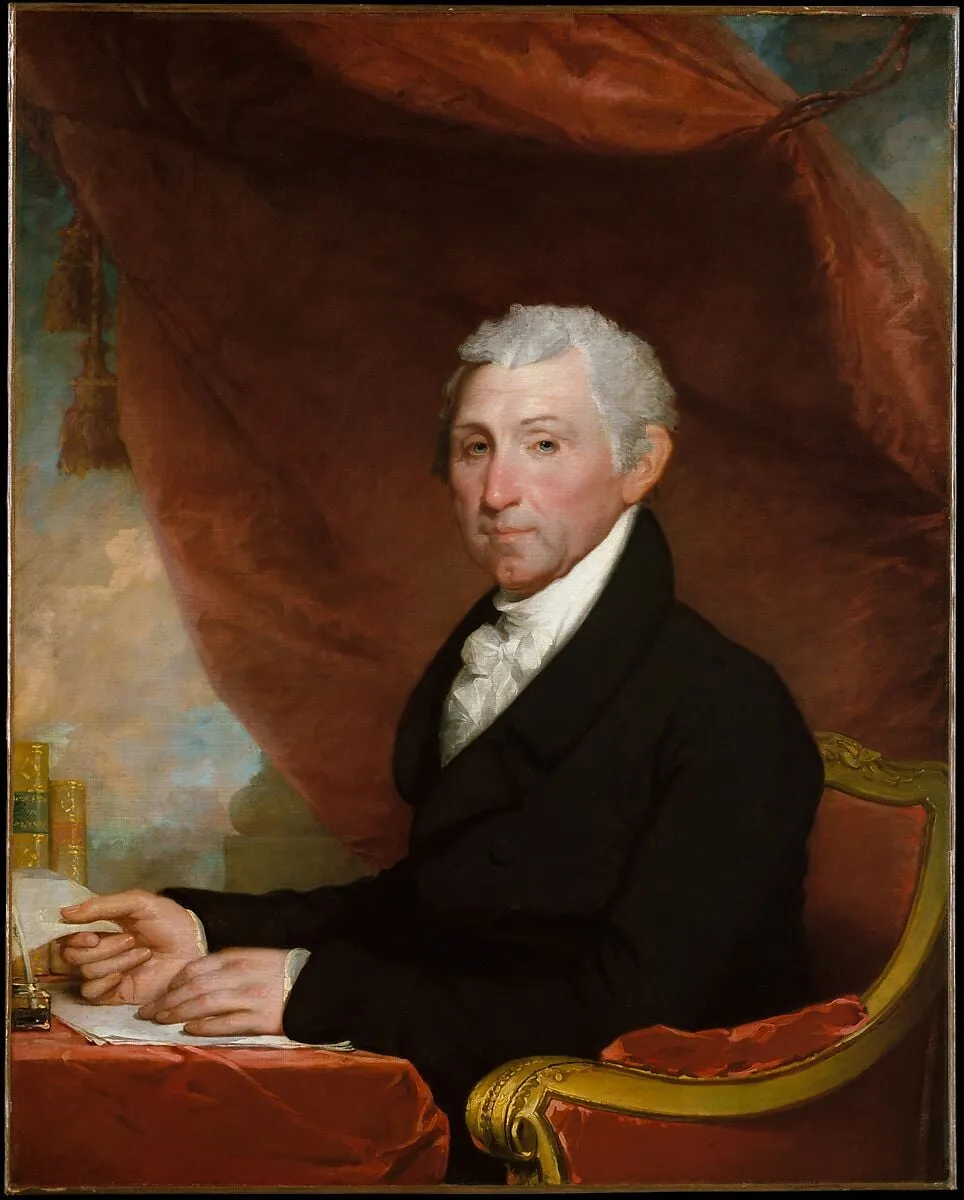
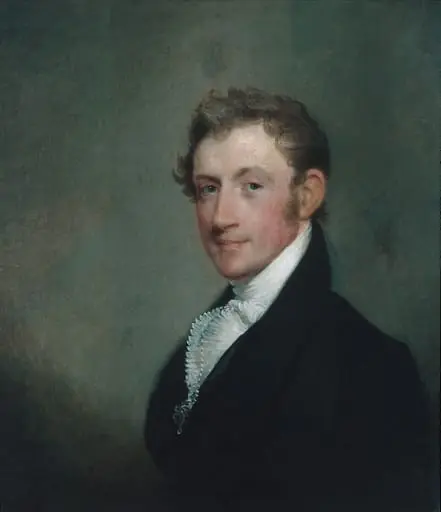
James Monroe is an oil painting by the American Impressionist artist Gilbert Stuart. It dates from 1821 and is held in the collection of the Metropolitan Museum of Art.
About this work
Subject & Meaning
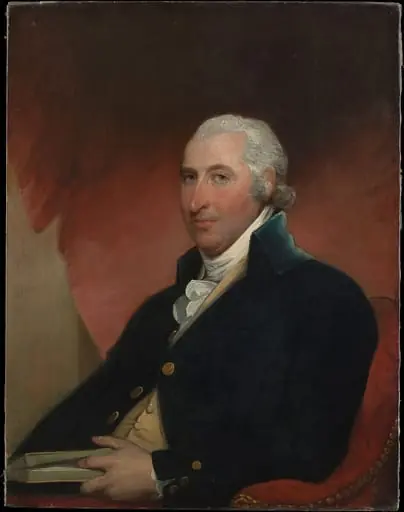
Gilbert Stuart's 1820 painting is a portrait that depicts James Monroe, a man who serves as the central and primary subject of the artwork.
Gilbert Stuart's 1820 painting is a portrait that depicts James Monroe, a man who serves as the central and primary subject of the artwork. As a work within the portrait genre, the painting focuses on representing the physical likeness and presence of Monroe. The composition is dedicated entirely to his figure, embodying the traditional iconography of early 19th-century portraiture, which sought to capture the identity and stature of its subject.
Ultimately, the work functions as a formal representation of Monroe, preserving his image and signifying his historical importance.
Technique & Style
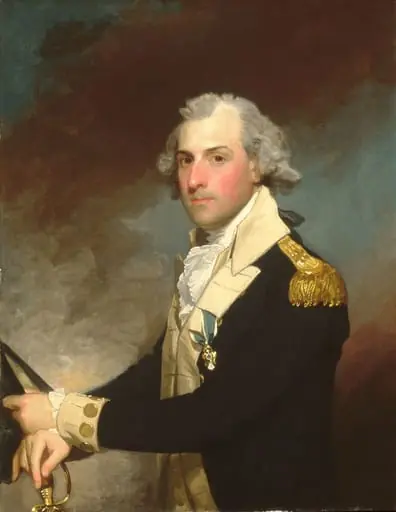
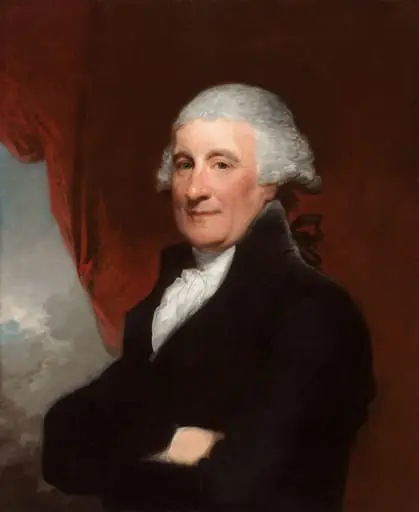
Gilbert Stuart’s 1820 portrait of James Monroe is executed in oil on canvas, employing a direct, high-contrast handling characteristic of Stuart’s mature style. The composition features a three-quarter view of Monroe’s head and shoulders against a neutral background, with careful attention to facial modeling through subtle glazing to convey the sitter’s features and expression. The handling emphasizes smooth transitions in flesh tones, while the costume, dark coat and white cravat, is rendered with looser, more fluid brushwork to suggest texture without overworking detail.
The work’s condition appears stable, with no significant losses or abrasions reported in institutional records. Stylistically, the portrait exemplifies Stuart’s late-period approach, balancing naturalistic likeness with an understated monumentality that elevates the subject’s civic presence.
History & Provenance
The portrait of James Monroe by Gilbert Stuart was painted circa 1820 in oil on canvas. The work was created late in Stuart’s career, following his renowned series of presidential likenesses begun in the 1790s. The painting was commissioned as part of Stuart’s broader project to depict American leaders, though specific details of the commission are not recorded in available sources.
By 1820, Stuart had already completed portraits of Monroe from life in earlier decades, but this version represents a posthumous rendering, completed after Monroe’s death in 1831. The work entered the collection of The Metropolitan Museum of Art, where it remains housed; its dimensions are recorded as 102.2 cm in height and 81.3 cm in width.
Overview
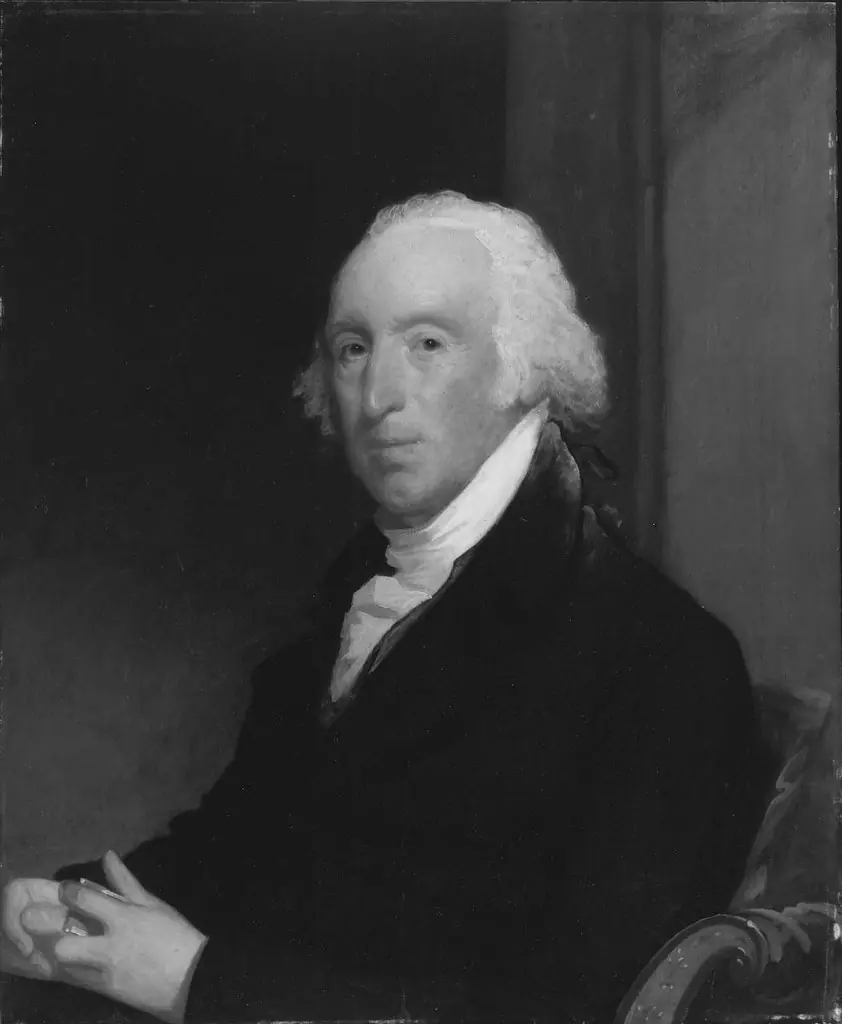
Painted in 1821, Gilbert Stuart's portrait of James Monroe captures the fifth President of the United States during the final years of his life. The work depicts Monroe seated in a dark, upholstered armchair, dressed in formal black attire with a white cravat, his hands resting calmly on his lap. Stuart employs his characteristic technique of loose, fluid brushwork to render the textures of the fabric and the subtle modeling of the face, contrasting the detailed physiognomy with a simplified, dark background that isolates the figure.
Monroe's expression is composed and serious, reflecting the dignity of his office and the gravity of his tenure, which included the acquisition of Florida and the formulation of the Monroe Doctrine. This portrait belongs to Stuart's extensive series of presidential likenesses, a body of work that established the visual archetype of the American presidency in the early 19th century. Executed when the artist was in his late sixties, the painting demonstrates his mature style, prioritizing psychological presence and character over ornamental detail.
It stands as a significant document of the Era of Good Feelings and remains one of the definitive images of Monroe's public persona.
Context
This portrait was created during a period when painted likenesses held considerable cultural importance in the United States. Such works served not only as personal mementos but also as public declarations of status and identity. The style, emphasizing a direct and detailed representation of the sitter, aligns with the prevalent artistic trends of the era, drawing parallels to the work of contemporaries like Gilbert Stuart.
Artist & collection

Artist
Gilbert Stuart (né Stewart; December 3, 1755 – July 9, 1828) was an American painter born in the Rhode Island Colony who is widely considered one of America's foremost portraitists.