Artwork
Man in a Green Coat
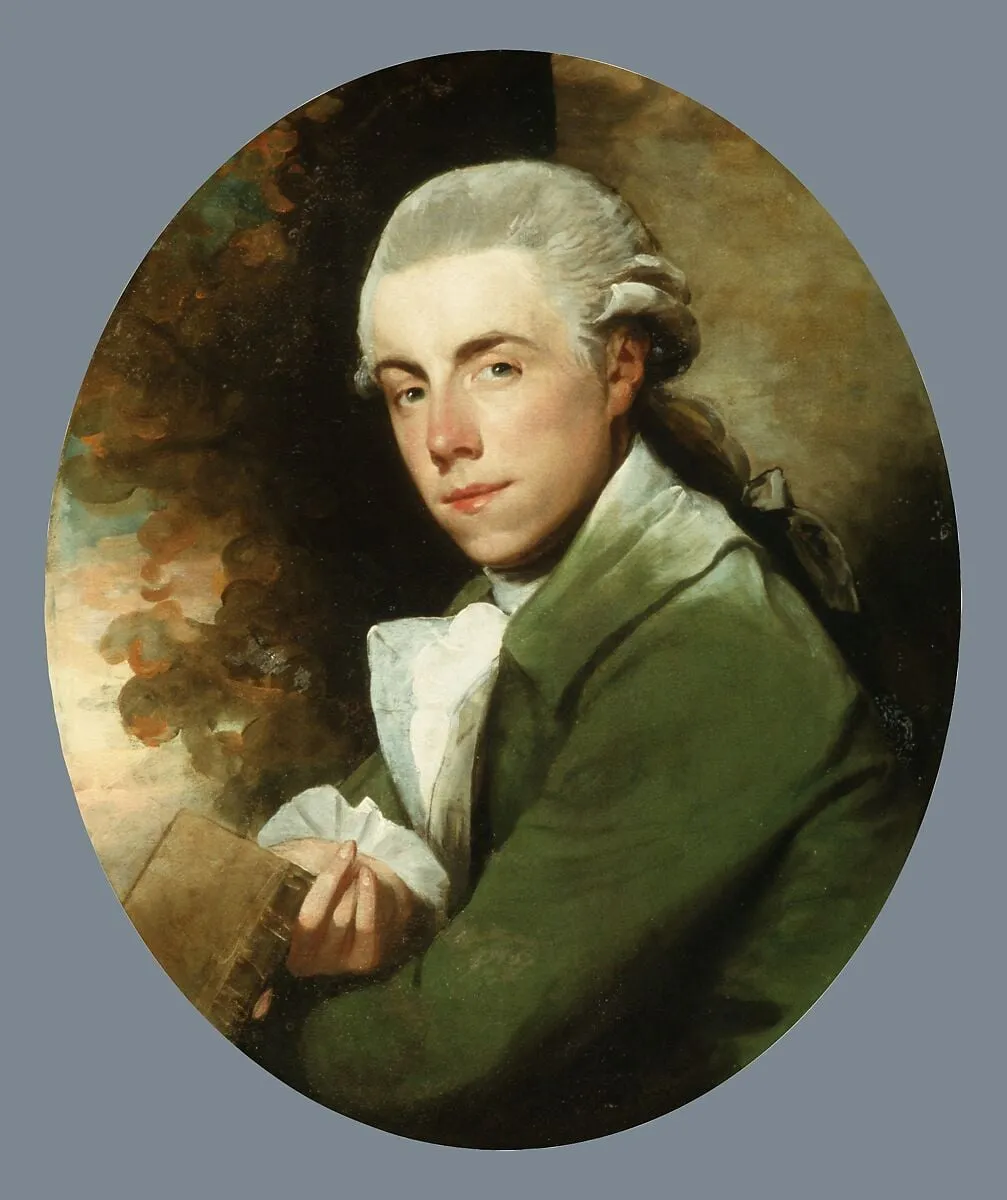
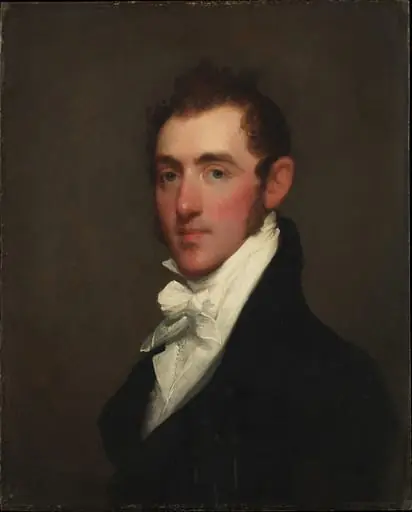
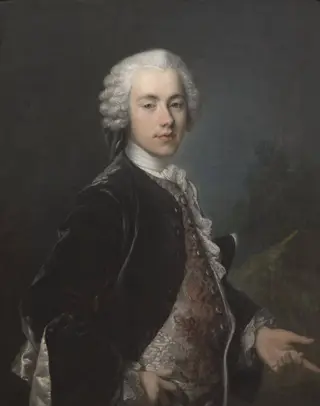
Man in a Green Coat is an oil painting by the American Impressionist artist Gilbert Stuart. It dates from 1782 and is held in the collection of the Metropolitan Museum of Art.
- Accession no.
- 50.145.37
- Credit line
- Bequest of Mary Stillman Harkness, 1950
About this work
Technique & Style
Executed in the oil painting medium on a canvas support, the piece depicts a male subject and is classified within the portrait genre.
Created in 1782, Man in a Green Coat is an oil-on-canvas portrait by Gilbert Stuart. The work measures 72.3 centimeters in height and 59.7 centimeters in width. Executed in the oil painting medium on a canvas support, the piece depicts a male subject and is classified within the portrait genre.
The painting is currently held in the collection of the Metropolitan Museum of Art, where it resides in The American Wing. While the specific handling techniques and current physical condition are not detailed in the available records, the formal classification identifies it as a standard oil portrait from the late 18th century.
History & Provenance
The portrait was executed in 1782 by Gilbert Stuart as an oil on canvas work, classified within The American Wing as a portrait genre piece. Its creation history is anchored to the year 1782, matching the documented inception date. Following its production, the painting entered the collection of the Metropolitan Museum of Art, where it remains.
Prior to its acquisition by the museum, the work was owned by Mary Emma Stillman Harkness, who held it as part of her personal holdings. The piece continues to be cited as a portrait depicting an unidentified man, reflecting its enduring attribution and scholarly interest.
Overview
Gilbert Stuart, an American painter, created Man in a Green Coat around 1782. This oil on canvas work presents a direct portrait of an unidentified man. The painting is characterized by its focused composition and a subdued palette, which together contribute to a sense of quiet dignity.
It represents an early example of Stuart's approach to portraiture, a genre in which he would later become highly celebrated.
Subject & Meaning
The painting features a man seated in a formal pose, his gaze directed forward. He is depicted wearing a distinct green coat, which provides a central point of color against a muted backdrop. Despite the conventional formality of portraiture, the subject conveys an unexpected sense of ease. The artist emphasizes the man's face, drawing the viewer's attention to his expression and individual features.
Legacy
Gilbert Stuart's reputation as a leading American portrait painter grew significantly after this period. He is particularly renowned for his unfinished Athenaeum Portrait of George Washington. This iconic image, depicting the first U.S. president, later became the enduring basis for the portrait found on the American one-dollar bill, cementing Stuart's place in both art history and national iconography.
Artist & collection

Artist
Gilbert Stuart (né Stewart; December 3, 1755 – July 9, 1828) was an American painter born in the Rhode Island Colony who is widely considered one of America's foremost portraitists.

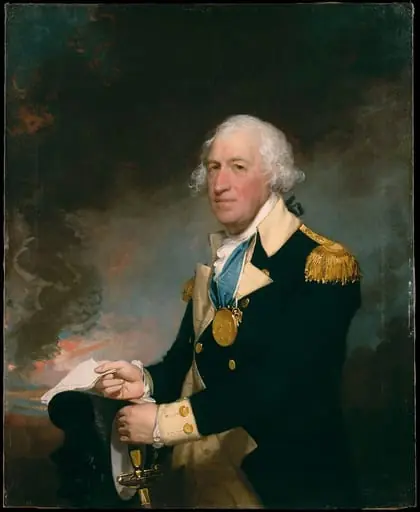
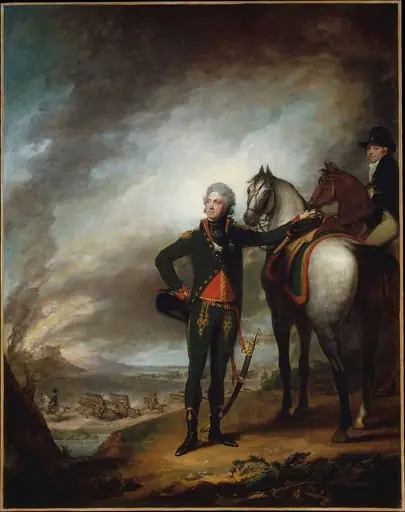
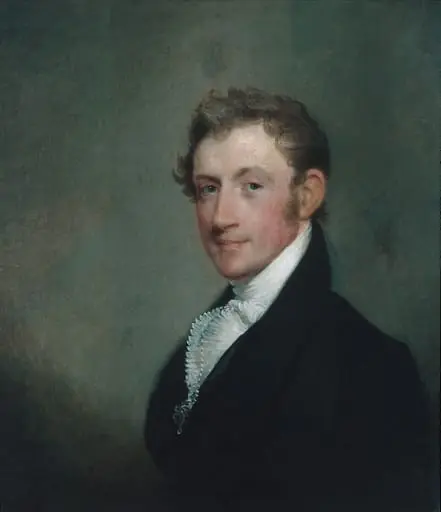
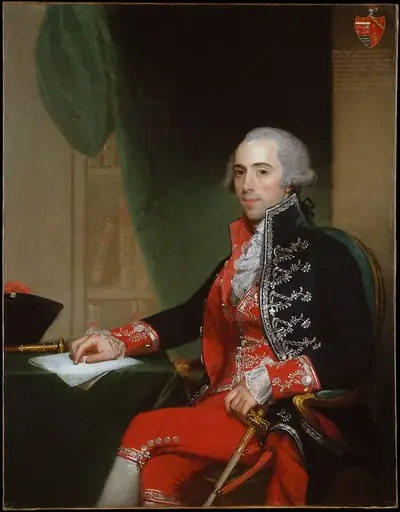
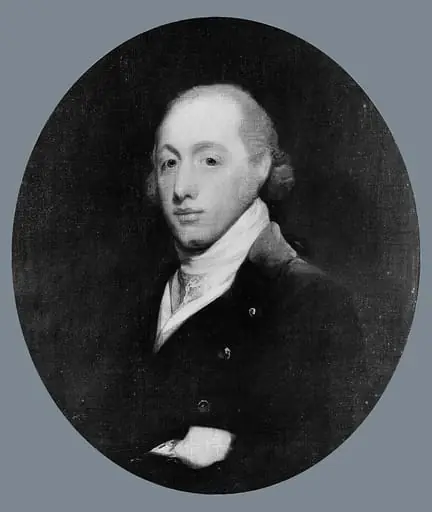
- Edward Swinburne
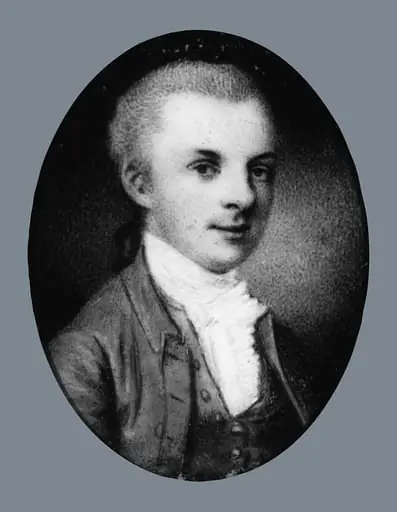 Anthony Butler
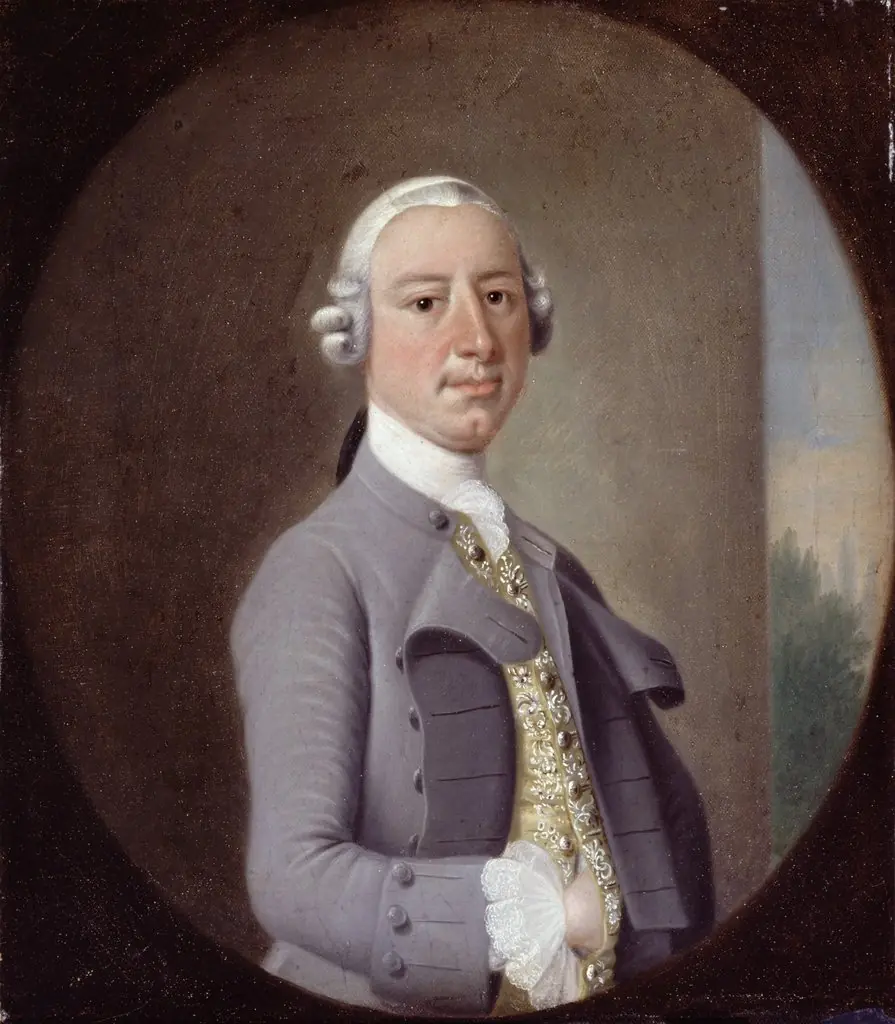 William Wragg
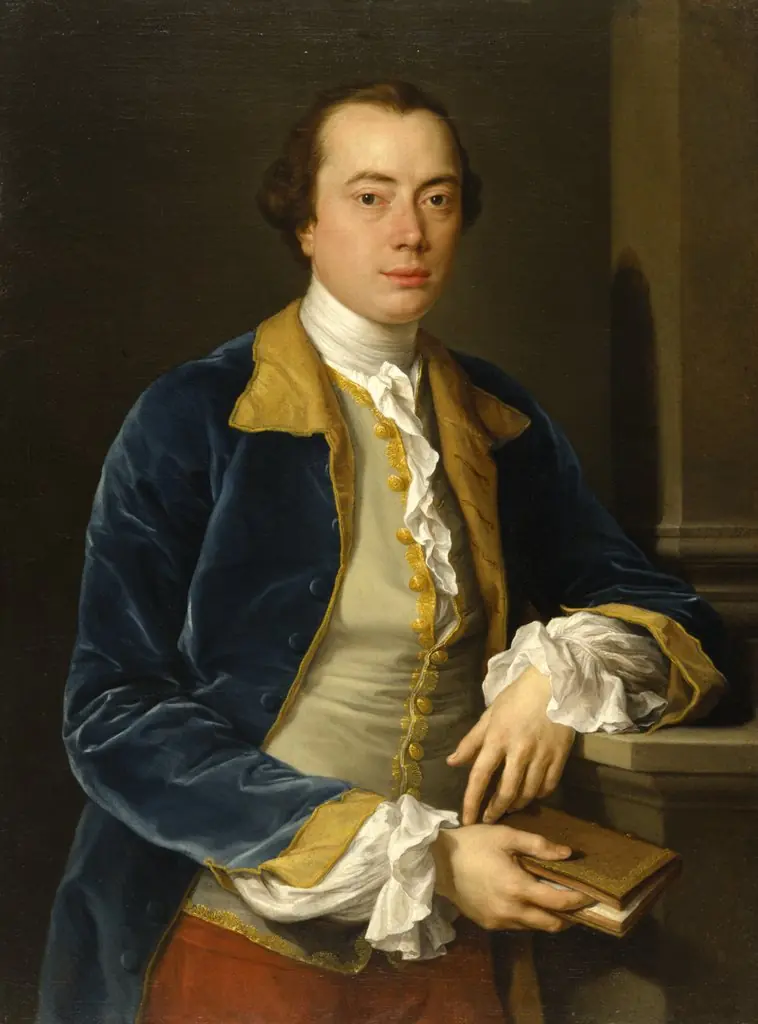 Portrait of Joseph Henry of Straffan
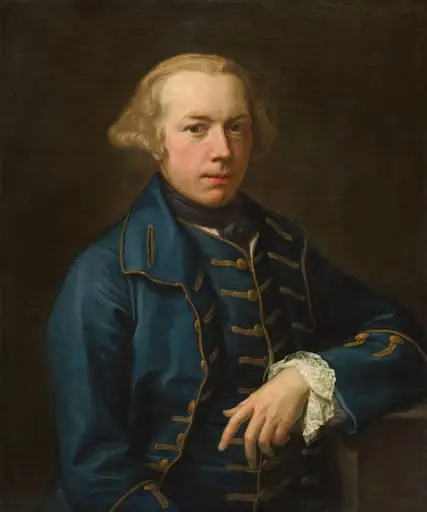 Portrait of a Gentleman
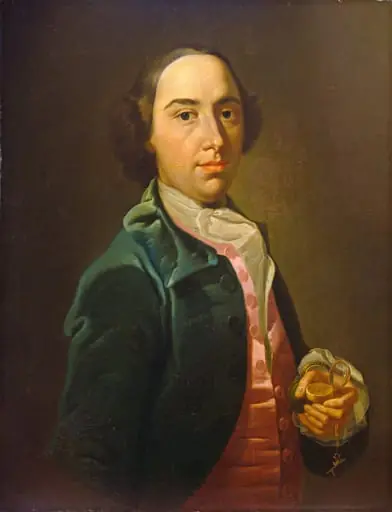 Portrait of a Gentleman
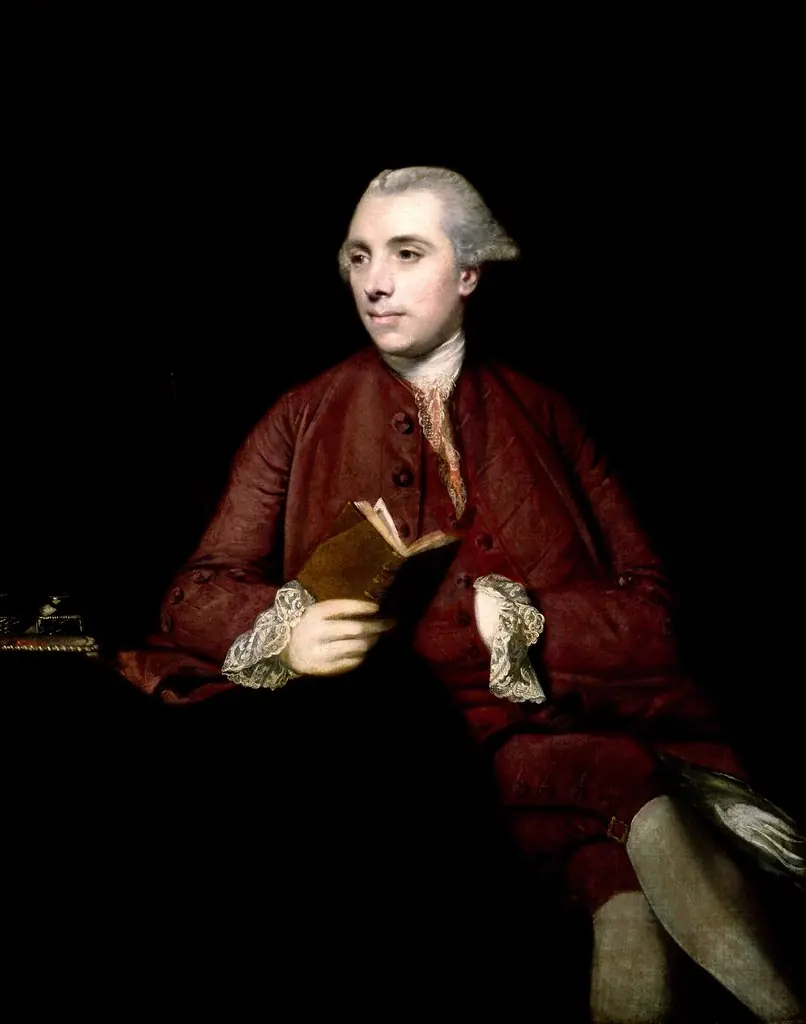 Anthony Chamier
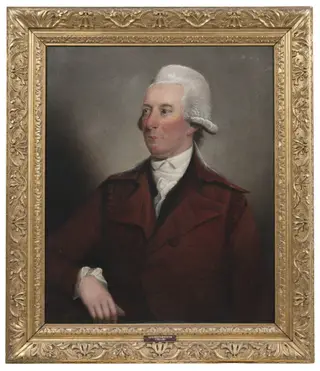 Alexander Baron Seton (1738-1814), jur.dr., godsägare, född i Skottland, verksam i Sverige och Skottland, g.m. 1. Elizabeth Angus, 2. Anne Innes of Cathlow, systerson till och adopterad av George Seton
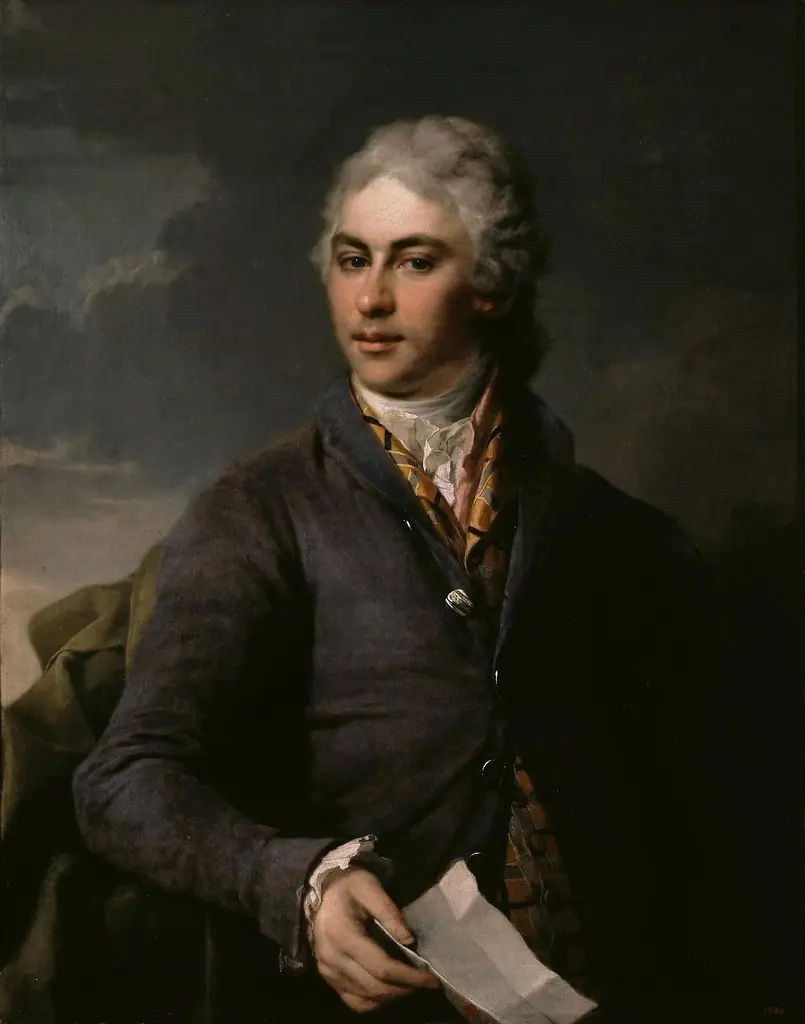 Portrait of Yakov Bilibin
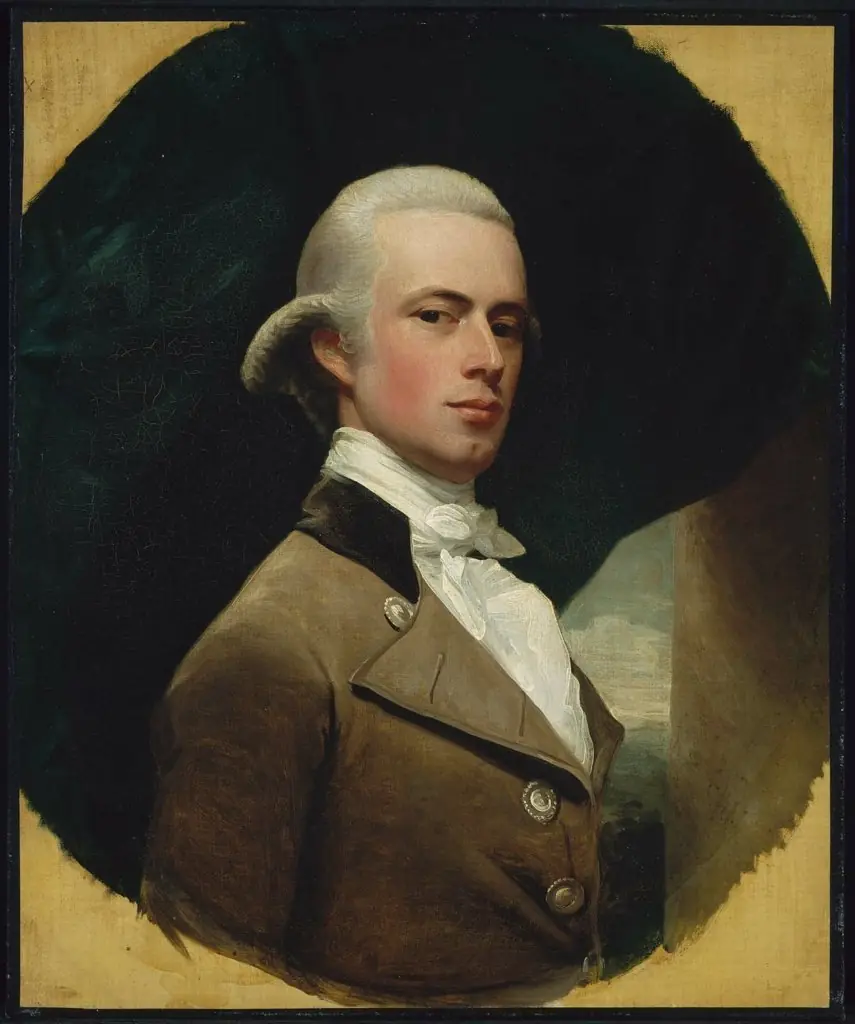 Winslow Warren
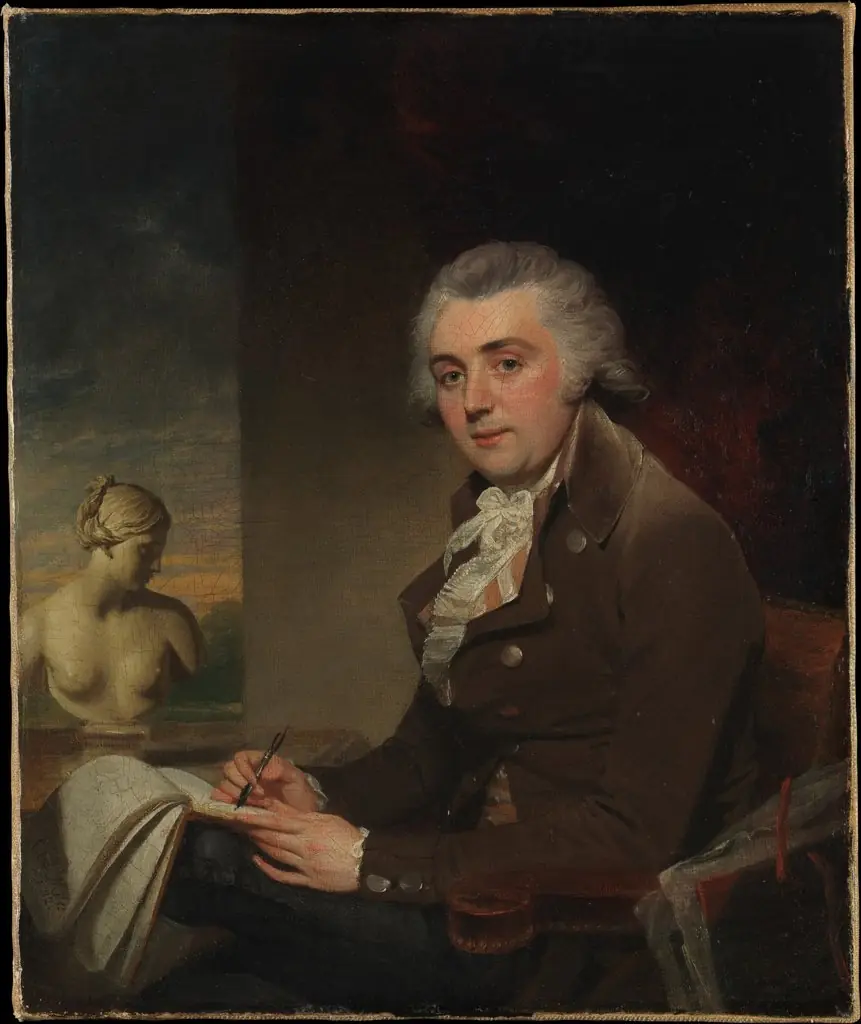 Edward Miles (1752–1828)
 Portrait of Frederik Berregaard