Artwork
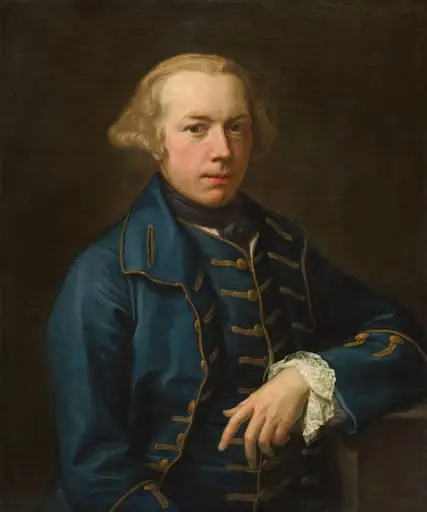
Portrait of a Gentleman
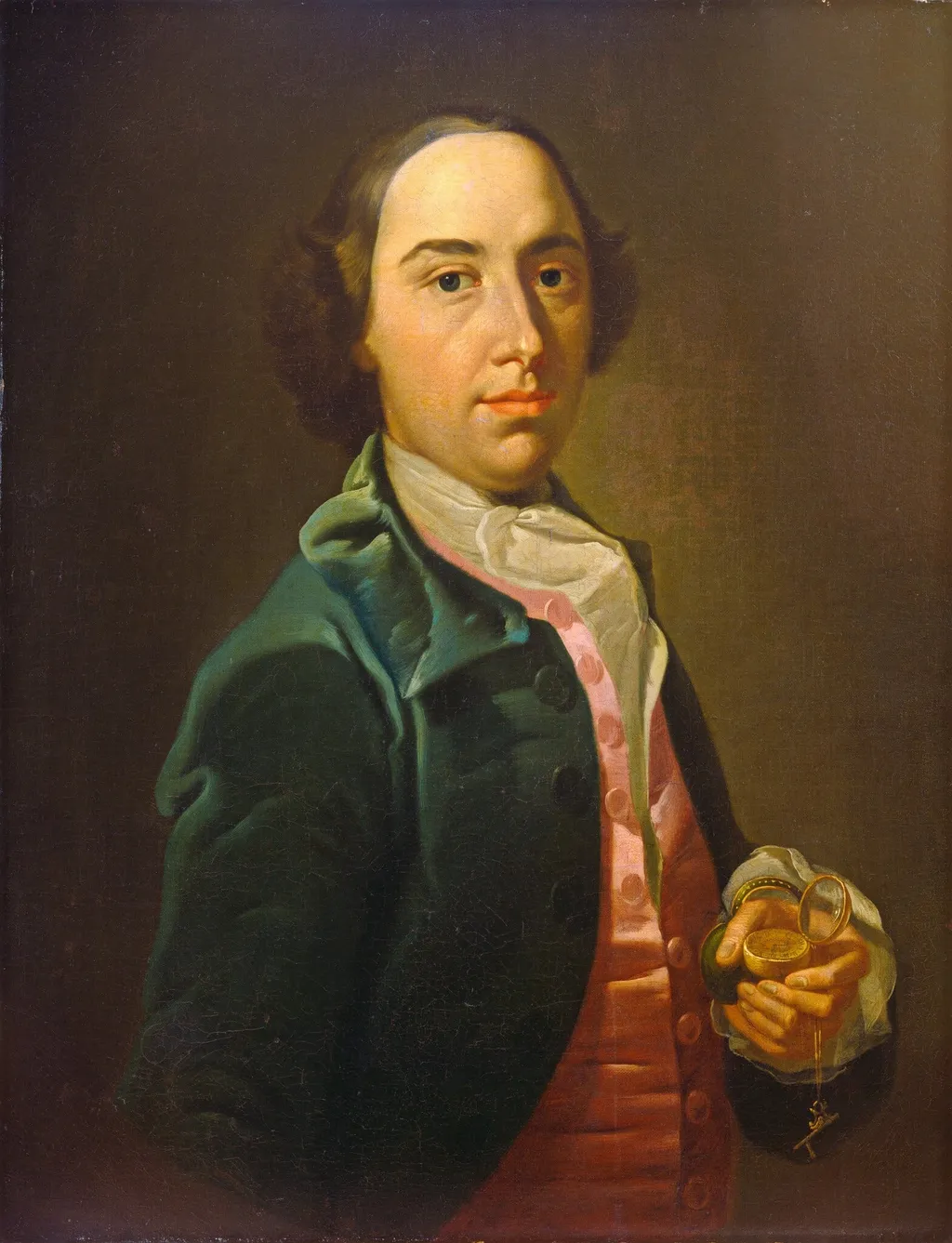
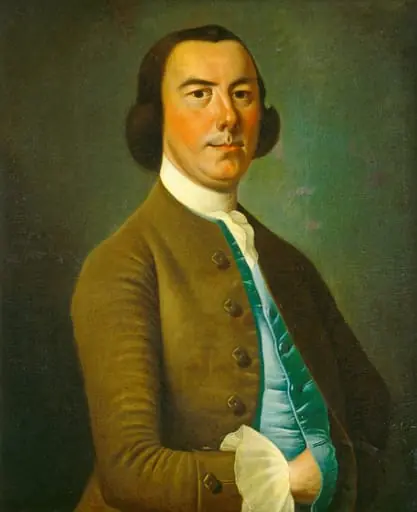
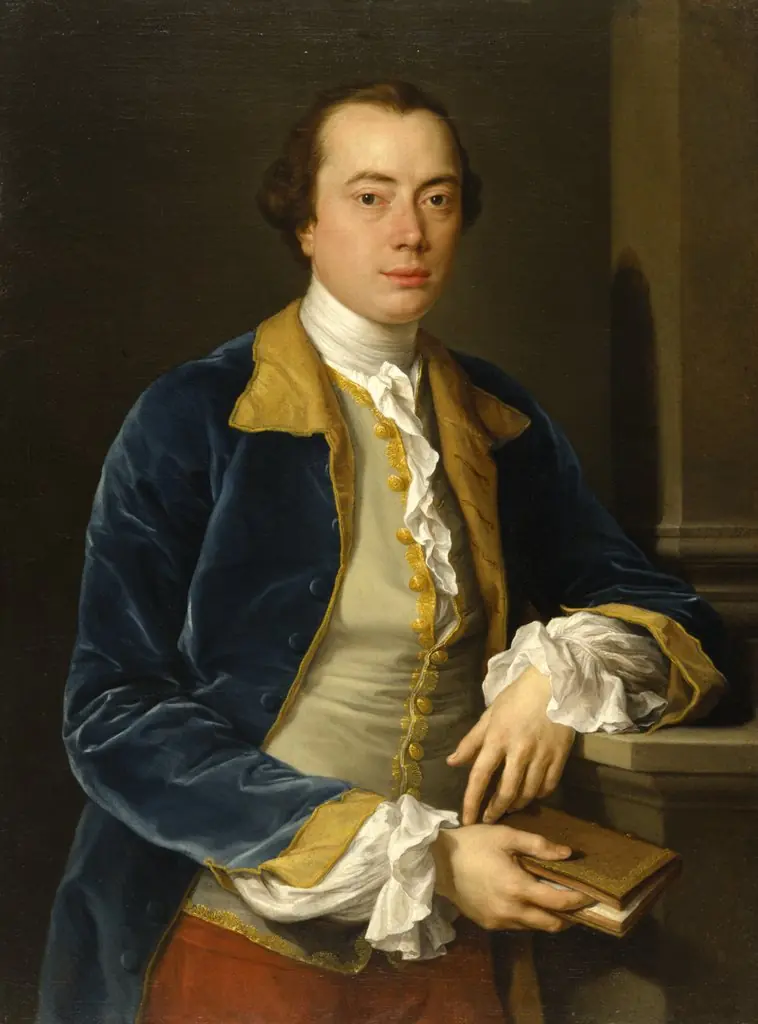
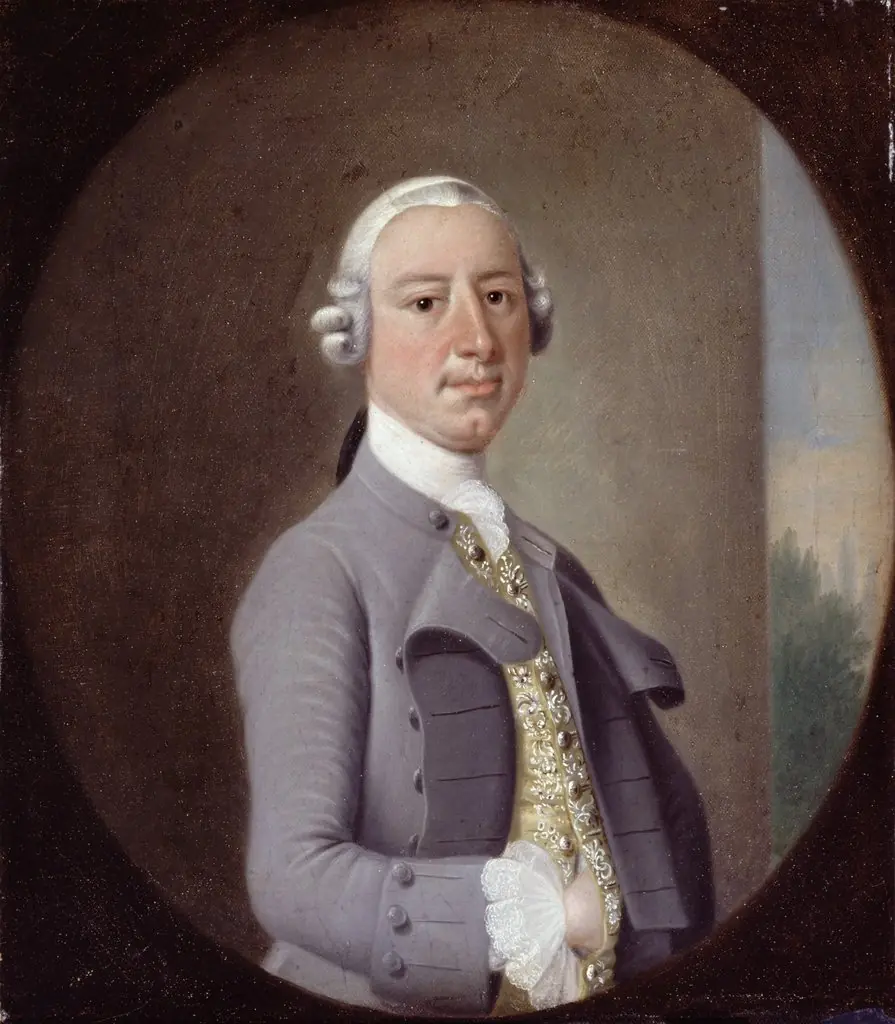
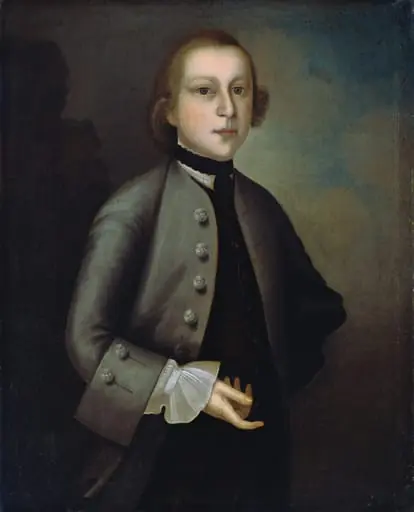
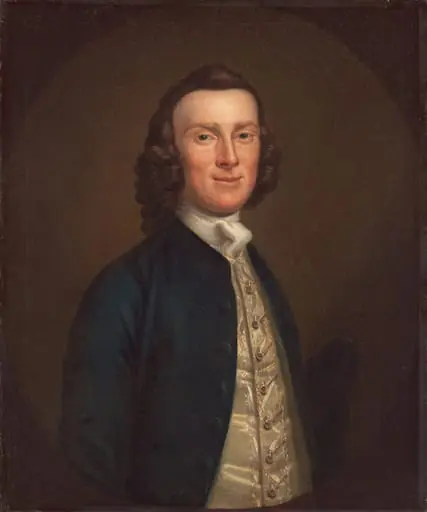
Portrait of a Gentleman is an oil painting by the Rococo painting artist George Knapton. It dates from 1752 and is held in the collection of the National Gallery of Art.
About this work
Subject & Meaning
The painting’s provenance through prominent collectors underscores its recognized importance as a representative example of Georgian portraiture.
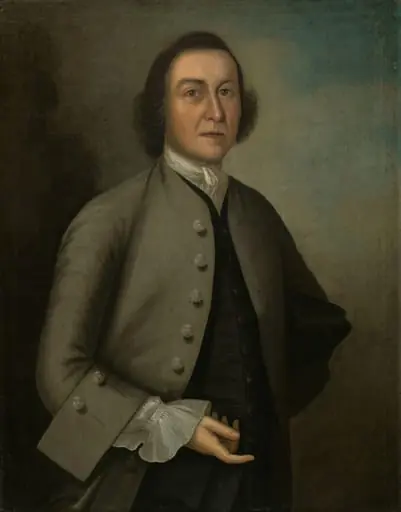
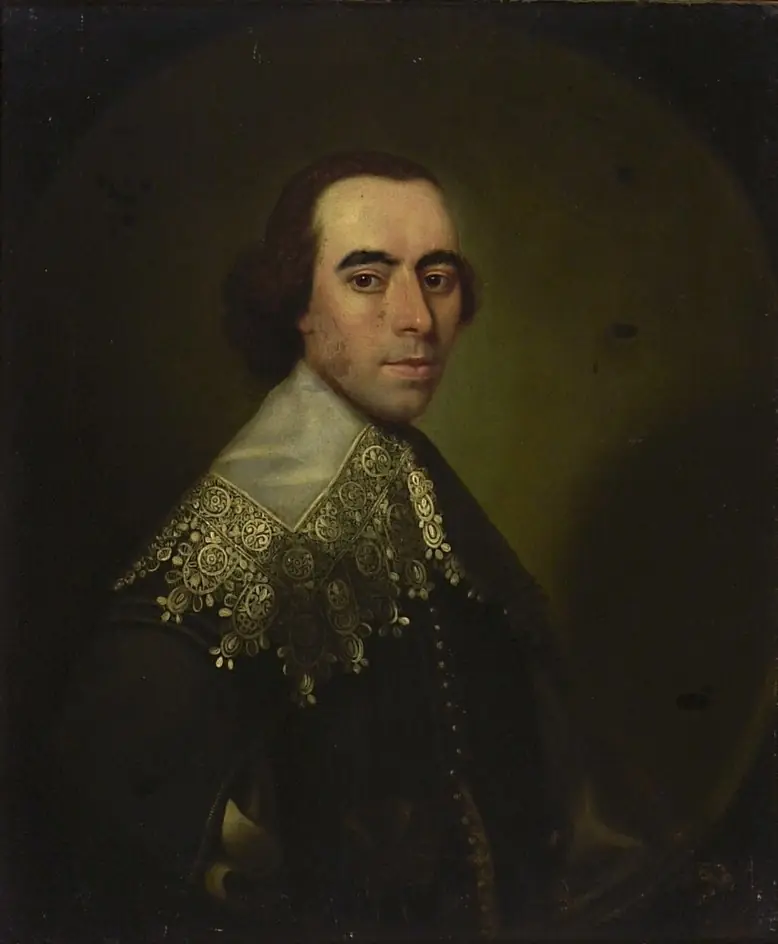
The work presents a seated gentleman in formal 18th‑century attire, his pose and clothing signalling elite status and refined masculinity typical of British portraiture. The sitter’s identity is not explicitly named, but the emphasis on dignified posture, fine fabrics and the intimate scale of the canvas function as visual markers of social distinction. As a portrait, the image serves both as a record of the sitter’s appearance and as a statement of his place within contemporary hierarchies, reflecting the cultural value placed on lineage and genteel conduct. The painting’s provenance through prominent collectors underscores its recognized importance as a representative example of Georgian portraiture.
Technique & Style
The portrait is executed in oil on a prepared canvas support, measuring 71.1 cm in height and 55.7 cm in width. The handling reflects mid-eighteenth-century British portrait conventions, characterized by smooth, blended modeling of the face and crisp delineation of costume and accessories. The sitter’s attire, likely formal mid-century dress, is rendered with careful attention to fabric texture and reflective highlights, while the facial features are softly modulated to convey a reserved dignity.
No abrasions or significant losses are recorded in the provenance, suggesting the painting has remained in stable condition since its first documented appearance in 1920. The composition centers on the figure’s three-quarter pose, engaging the viewer with understated poise and an emphasis on individual likeness within a restrained, courtly idiom.
History & Provenance
The portrait was commissioned and painted by George Knapton circa 1750. It entered the United States by 1920, when it appeared as lot 122 in the Frank Bulkeley Smith estate sale in New York, catalogued as a portrait of Gawen Brown by Copley but attributed to Knapton in the annotated copy of the sale catalogue. It was purchased by William J. Kain, likely for collector Thomas B. Clarke, before being sold by Clarke’s executors in 1935 to M. Knoedler & Co.
The firm then sold it in January 1936 to The A.W. Mellon Educational and Charitable Trust as part of Clarke’s collection. The Trust gifted the painting to the National Gallery of Art, Washington, D.C., in 1942.
The Portrait of a Gentleman by George Knapton is held in the permanent collection of the National Gallery of Art in Washington, D.C., where it is part of the Andrew W. Mellon collection. The work entered the museum's holdings in 1942 as a gift from the A.W. Mellon Educational and Charitable Trust, having been purchased by the trust in January 1936 from the estate of Thomas B. Clarke. Prior to its acquisition by the National Gallery of Art, the painting was sold by Clarke's executors in 1935 to M. Knoedler & Co. in New York.
The inventory history traces back to Frank Bulkeley Smith of Worcester, Massachusetts, whose estate sale in April 1920 at the American Art Association in New York included the work, at which time it was erroneously cataloged as a portrait of Gawen Brown by Copley. The painting was subsequently acquired by Wm. J. Kain, likely for Thomas B. Clarke.
Overview
George Knapton's Portrait of a Gentleman, created around 1752, is an oil on canvas painting. This work exemplifies the Rococo style prevalent in the mid-18th century. It presents a formally posed male figure, reflecting the artist's skill in capturing individual likenesses and the sartorial trends of the era. Knapton was a notable English portraitist with significant institutional roles during his career.
Own this work as a print
Artist & collection

Artist
George Knapton (1698 – December 1778) was an English portrait painter who specialised in portrait painting.