Artwork
Six Studies of Commedia dell'Arte Actors: Polchinelle, Columbine, Pierrot, a Captain, Harlequin "en femme," and Scaramouche
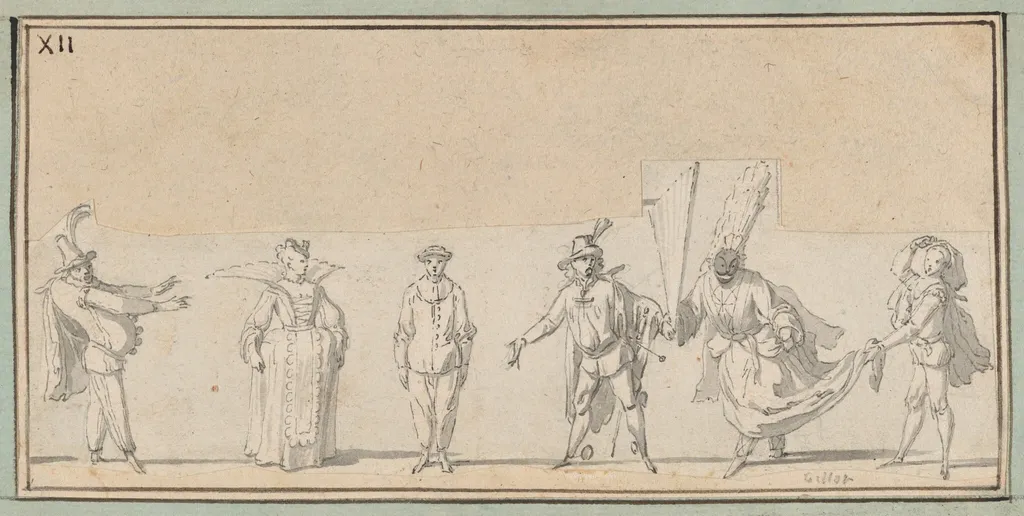
Six Studies of Commedia dell'Arte Actors: Polchinelle, Columbine, Pierrot, a Captain, Harlequin "en femme," and Scaramouche is a watercolor drawing by the Baroque artist Claude Gillot. It dates from 1711 and is held in the collection of the National Gallery of Art.
- Inscription
- Inscribed:upper left in pen and black ink: XII
About this work
Overview
The irregular trimming and transfer incisions suggest its use as preparatory material, possibly for prints or stage designs.
Created in 1711 by French artist Claude Gillot, this drawing comprises six rapid studies of Commedia dell'Arte characters rendered in pen and black ink with gray wash over graphite. The work, executed on laid paper and mounted on an album sheet with faint blue watercolor, reflects Gillot’s interest in theatrical performance and his skill in capturing gesture and costume with minimal means. The irregular trimming and transfer incisions suggest its use as preparatory material, possibly for prints or stage designs.
Subject & Meaning
The six figures represent archetypal roles from the Italian improvisational theater tradition: Polchinelle, Columbine, Pierrot, a Captain, Harlequin dressed as a woman, and Scaramouche. Each is rendered with distinct posture and attire, emphasizing their established personas, authority, wit, melancholy, bravado, disguise, and cunning. Gillot’s focus on costume and stance, rather than facial detail, underscores the performative nature of these characters, rooted in physical expression rather than psychological depth.
Technique & Style
Gillot employed swift, fluid pen lines and subtle gray washes to suggest volume and movement, while graphite underdrawing guided the composition. The figures are arranged in a horizontal sequence, each isolated yet rhythmically connected by gesture. The sketchy, economical handling conveys immediacy and observation, typical of preparatory studies.
Incised lines along contours indicate possible intent for transfer, revealing the drawing’s function as a working document for later artistic or theatrical use.
History & Provenance
The drawing entered the collection of the National Gallery of Art in Washington, D.C., as part of a broader acquisition of 18th-century French drawings. Its presence on an old album sheet suggests it was once part of a personal compilation, possibly collected by a patron or fellow artist. Though its early ownership is undocumented, its survival in good condition reflects its value as a record of theatrical culture and artistic practice in early 18th-century France.
Context
Gillot’s interest in Commedia dell'Arte coincided with a broader French fascination with Italian theater during the reign of Louis XIV and the Regency. These characters, imported from Italy, became popular in Parisian entertainments and provided a rich visual vocabulary for artists. Gillot’s studies contributed to a shift away from formal courtly imagery toward more lively,民间-inspired subjects, paving the way for the Rococo’s emphasis on intimacy and theatricality.
Legacy
Gillot’s engagement with Commedia dell'Arte directly influenced his pupil Antoine Watteau, who would later elevate these figures into poetic, dreamlike scenes. The drawing exemplifies a transitional moment in French art, where theatrical archetypes moved from popular spectacle to refined artistic subject matter. Its emphasis on gesture and costume over narrative helped shape the visual language of Rococo genre painting, embedding theatricality into the fabric of French decorative art.
Artist & collection
Artist
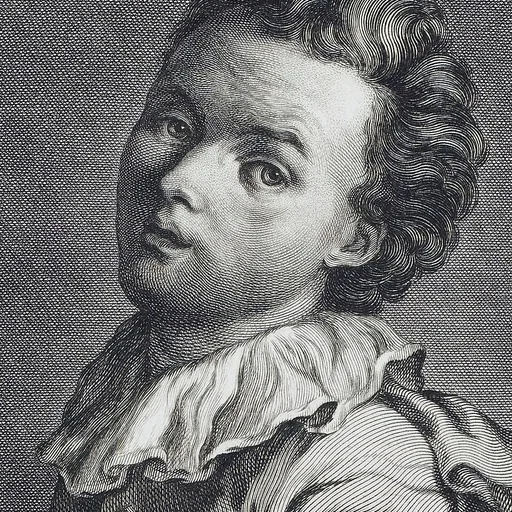
Claude Gillot (April 27, 1673 – May 4, 1722) was a French painter, printmaker, and illustrator, best known as the master of Watteau and Lancret.

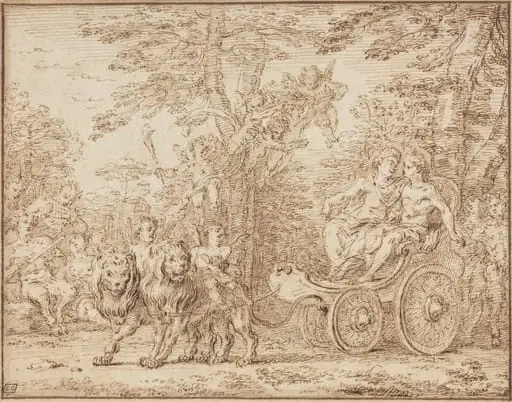 The Triumph of Marriage
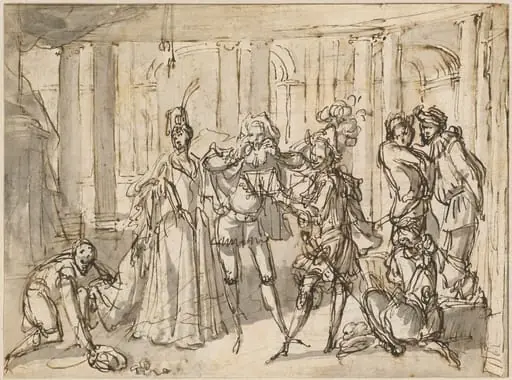 A Performance by the Commedia dell'Arte
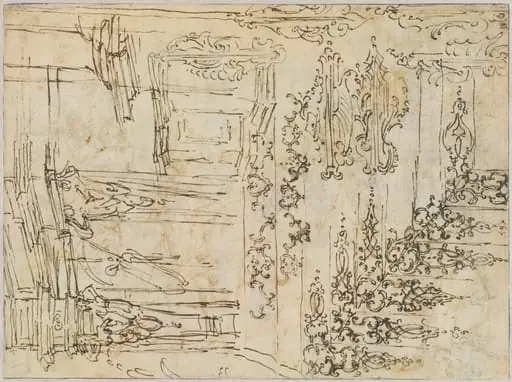 Studies of Ornament and Architecture
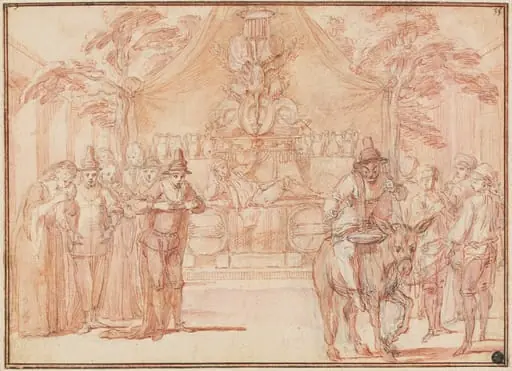 Scene from "The Tomb of Master André"
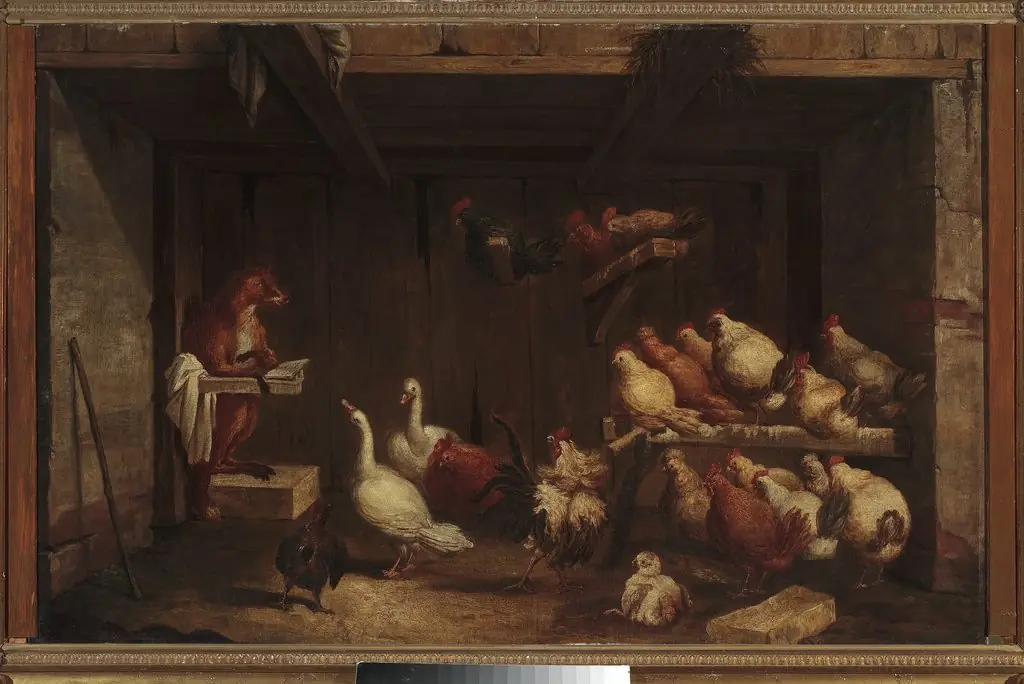 Fox preaching to birds
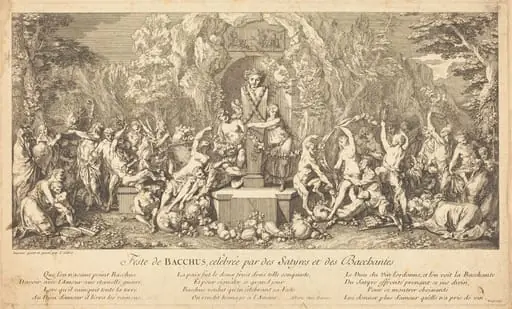 Feste de Bacchus, celebree par des Satyres et des Bacchantes (Feast of Bacchus Celeb rated by Satyrs and Bacchanales)
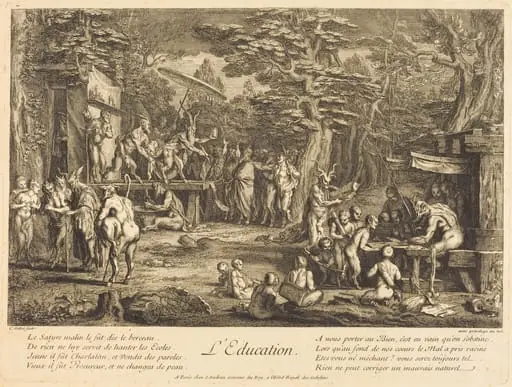 L'Education (Education)
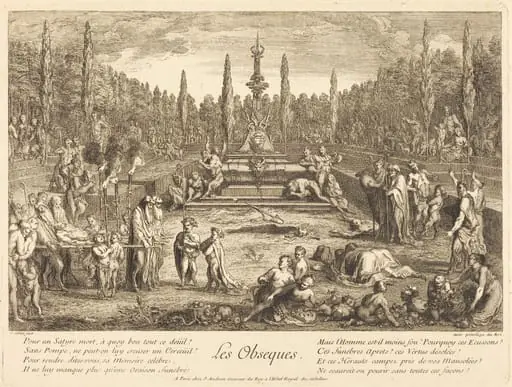 Les Obseques (The Funeral Rites)
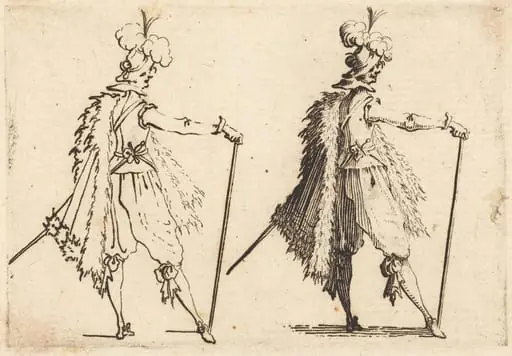 Gentleman with Cane
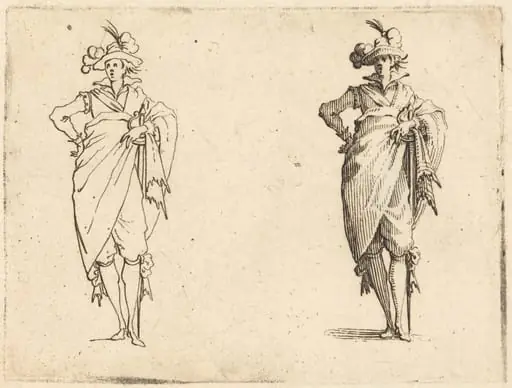 Gentleman Viewed from the Front with Hand on Hip
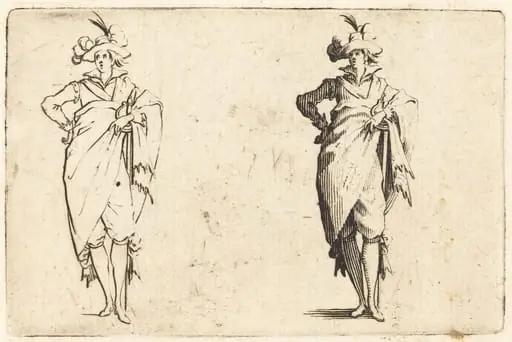 Gentleman Viewed from the Front with Hand on Hip
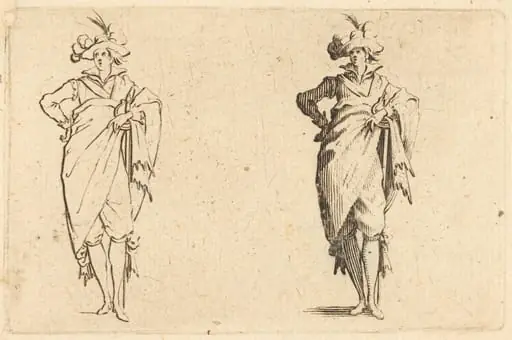 Gentleman Viewed from the Front with Hand on Hip
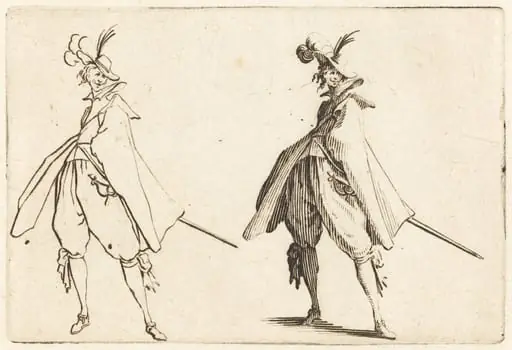 Gentleman in Large Mantle, Front View
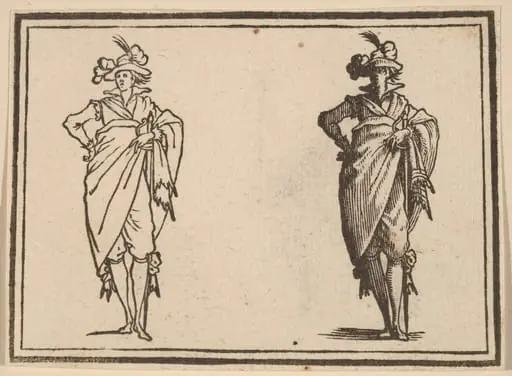 Gentleman Viewed from the Front with Hand on Hips
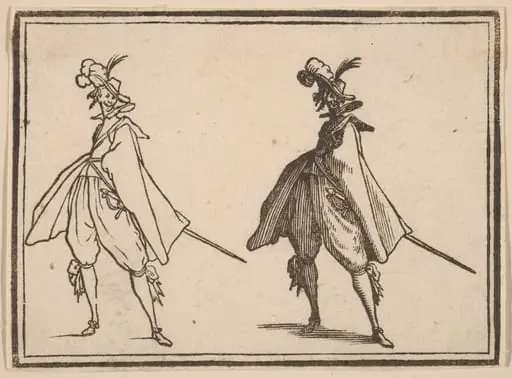 Gentleman in a Large Mantle, Front View
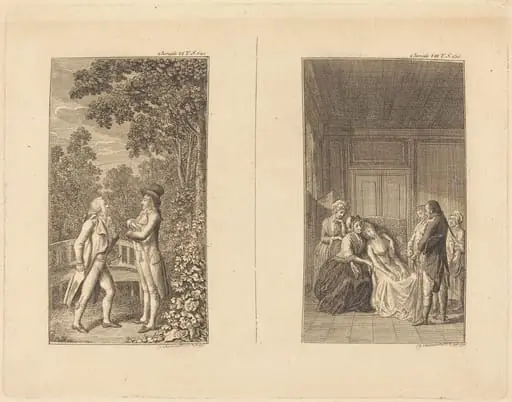 Clarissa
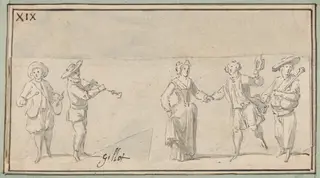 Peasant Musicians and Dancers