Artwork
祇園南海筆 「竹窗雨日」図|Window onto Bamboo on a Rainy Day
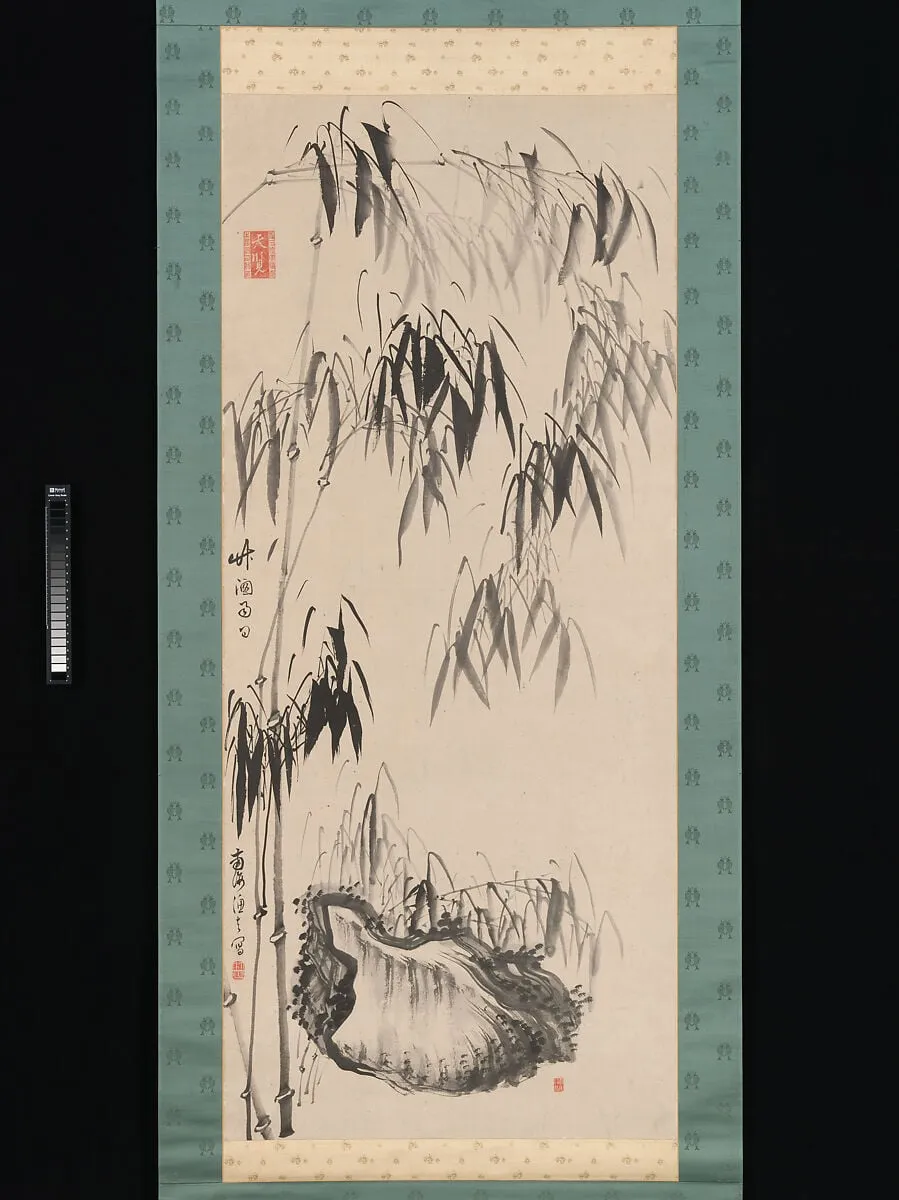
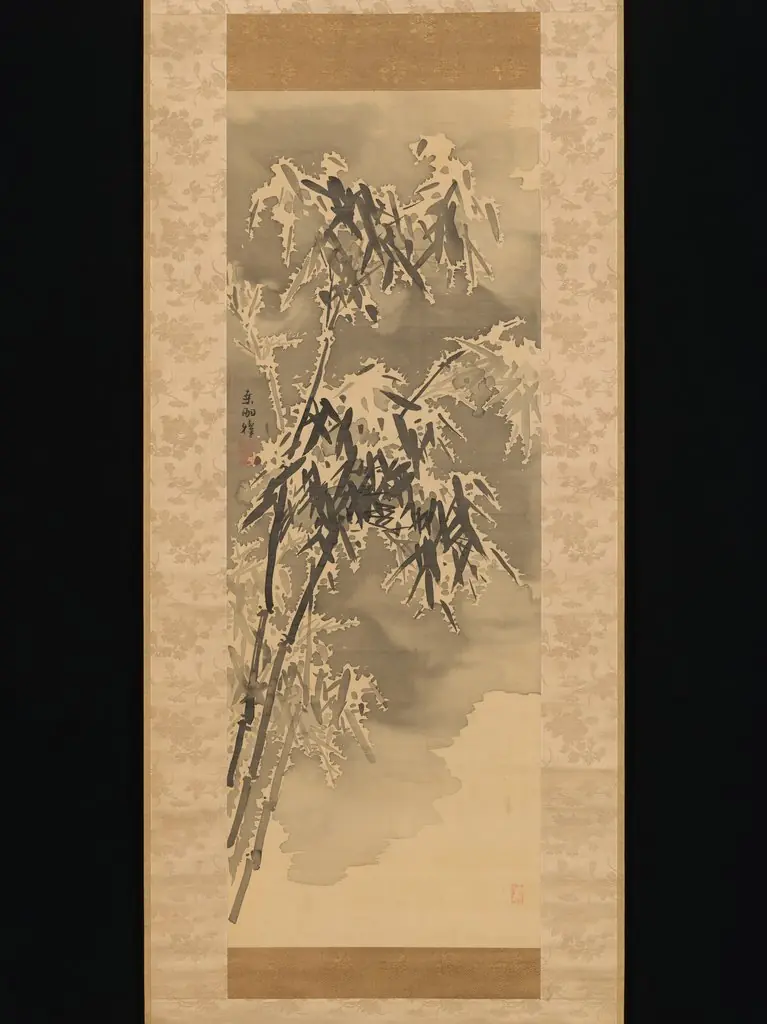
祇園南海筆 「竹窗雨日」図|Window onto Bamboo on a Rainy Day is an ink painting by the Baroque artist Gion Nankai. It dates from 1724 and is held in the collection of the Metropolitan Museum of Art.
About this work
Subject & Meaning
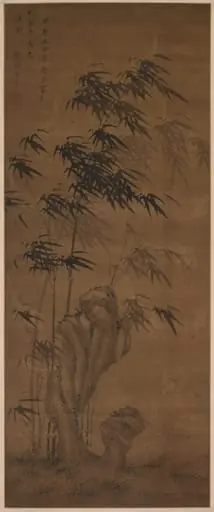
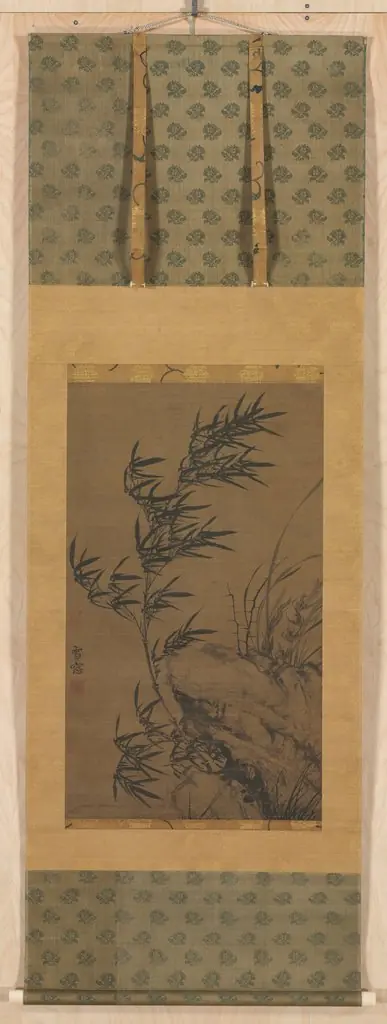
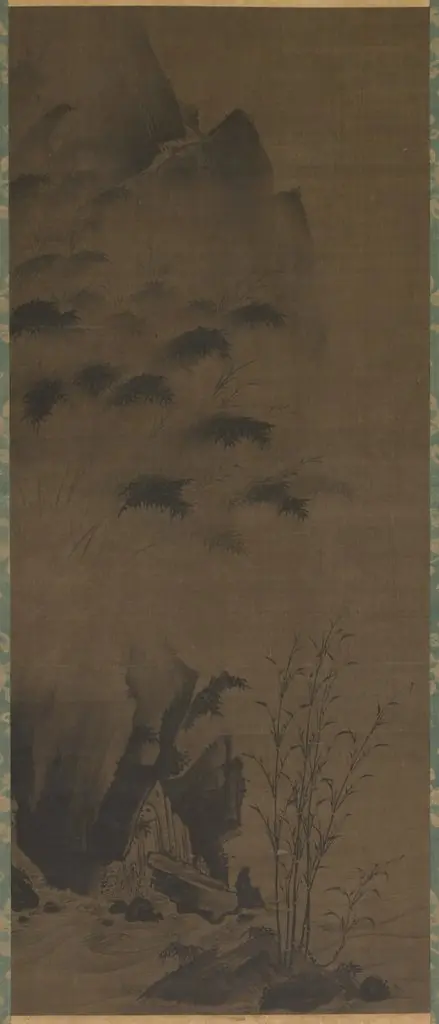
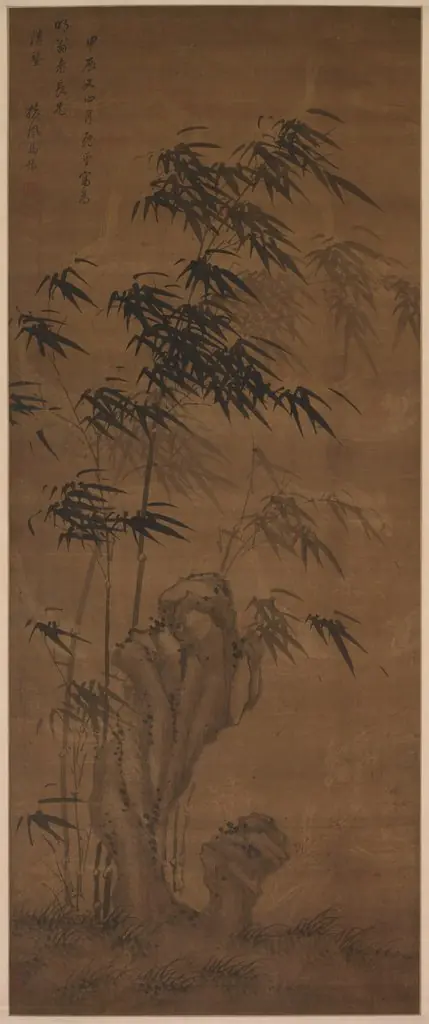
The work depicts a landscape scene focused on bamboo (Bambusoideae) as viewed through a window on a rainy day.
The work depicts a landscape scene focused on bamboo (Bambusoideae) as viewed through a window on a rainy day. Created by Gion Nankai in 1724, the painting uses ink on paper to render this specific natural motif. The subject matter centers on the bamboo stalks, framing the view to emphasize the interaction between the architectural element of the window and the organic forms of the plants during inclement weather.
Technique & Style
Created in 1724 by Gion Nankai, this work is a hanging scroll executed in ink on paper. The composition focuses on a landscape genre, specifically depicting bamboo, known botanically as Bambusoideae. As a monochromatic piece, the artist relies solely on the application of ink to define the forms and atmosphere of the rainy scene suggested by the title.
The use of paper as the support allows for the specific absorption qualities characteristic of East Asian brushwork, while the hanging scroll format indicates its intended display method. The visual narrative centers entirely on the botanical subject matter within a naturalistic setting.
History & Provenance
The scroll was painted in 1724 by Gion Nankai, as indicated by the artist’s inscription on the work itself. It entered the Metropolitan Museum of Art, New York, with no documented intervening history prior to acquisition; no record survives connecting the painting to a specific patron or commission. The work is recorded in the museum’s collection under accession number 1975.268.14 and was first documented in the museum’s holdings in 1975.
Overview
Painted in 1724, 'Window onto Bamboo on a Rainy Day' is a hanging scroll by the Japanese scholar-painter Gion Nankai (1676–1751). Executed in ink on paper, the work depicts a single bamboo stalk bending under the weight of rain. Nankai employs a minimalist composition, leaving the majority of the surface blank to evoke the atmosphere of a rainy day.
The artist utilizes varying ink densities and wet-on-wet techniques, allowing the ink to bleed into the paper to simulate the visual effect of falling water and saturated foliage. This approach relies on the viewer's imagination to complete the scene, transforming negative space into the auditory and visual sensation of rain. As a representative work of the Nanga (Southern Painting) tradition, the piece reflects Nankai's synthesis of Chinese literati aesthetics with Japanese sensibilities.
Created during the height of his career, the painting demonstrates his mastery of expressive brushwork and his ability to convey mood through restraint rather than detailed realism. The work stands as a significant example of early 18th-century Japanese ink painting, prioritizing spiritual resonance and atmospheric suggestion over literal representation.
Artist & collection