Artwork
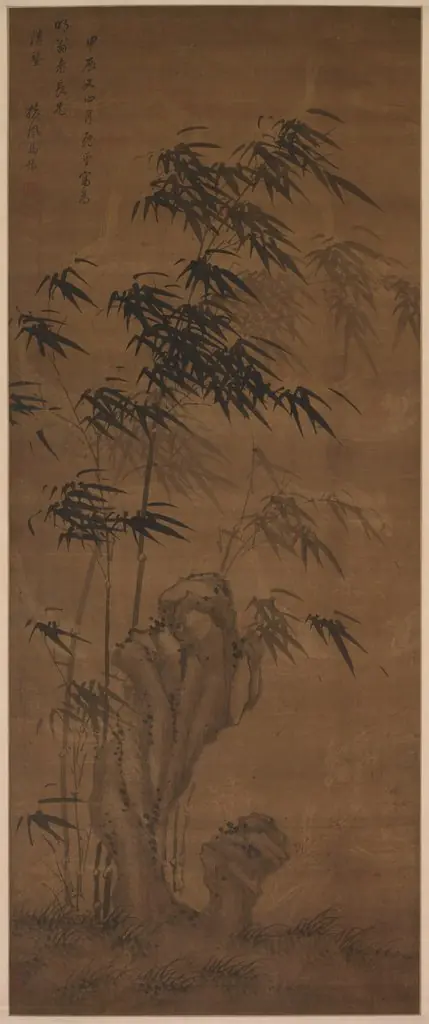
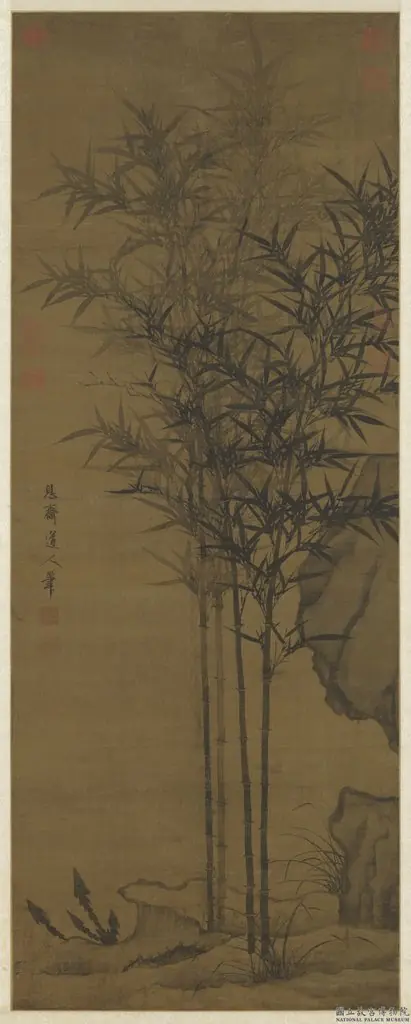
明 夏昶 清風高節圖 軸|Windblown bamboo
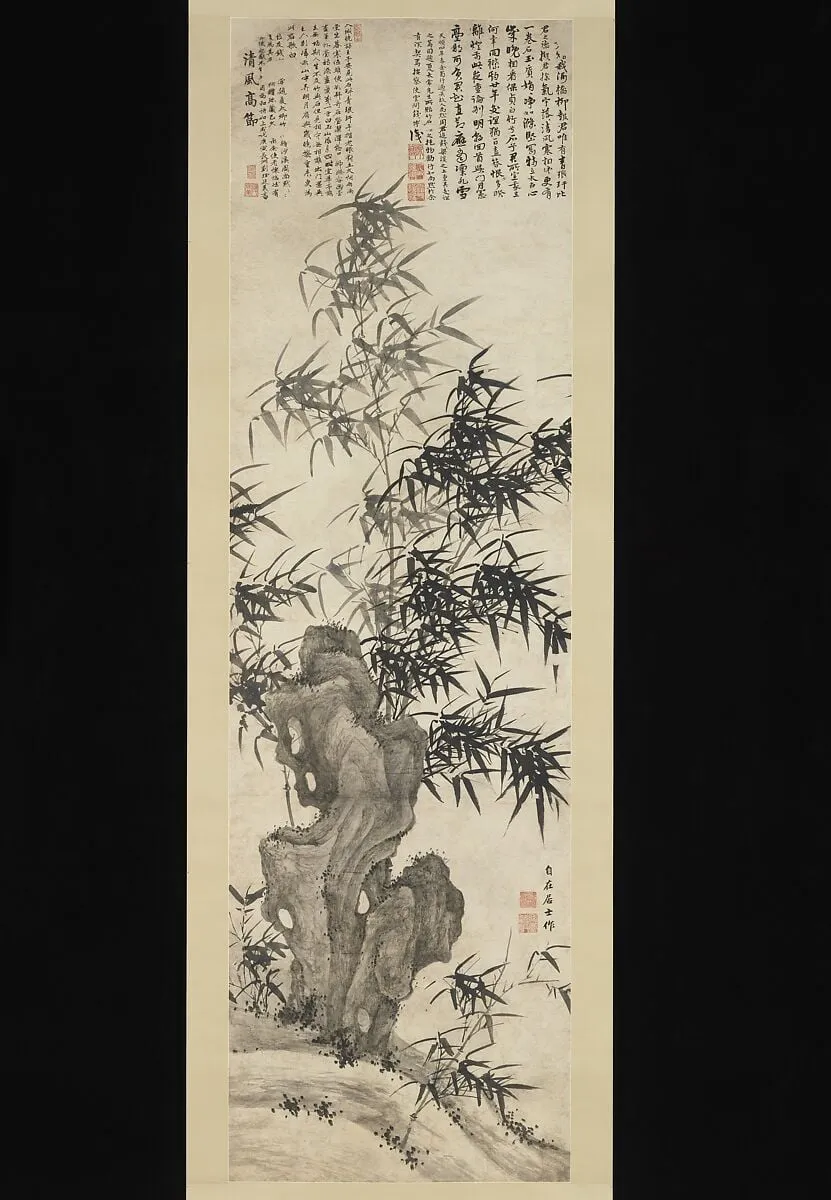
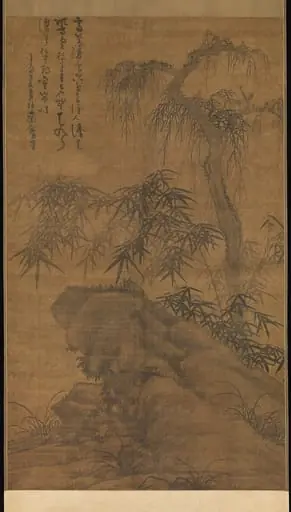
明 夏昶 清風高節圖 軸|Windblown bamboo is an ink painting by the Ming dynasty painting artist Xia Chang. It dates from 1460 and is held in the collection of the Metropolitan Museum of Art.
About this work
Subject & Meaning
The work depicts bamboo, specifically classified as Bambusoideae, rendered in ink on paper by the artist Xia Chang in 1460.
The work depicts bamboo, specifically classified as Bambusoideae, rendered in ink on paper by the artist Xia Chang in 1460. Bamboo was a classic subject in Chinese literati painting, conventionally symbolising moral integrity and resilience. The title Qingfeng gaojie tu (Clear Breeze, Lofty Integrity) makes this symbolism explicit, aligning the plant's upright, wind-bent form with the Confucian ideal of the cultivated gentleman. The work is executed as a hanging scroll.
History & Provenance
The hanging scroll Windblown Bamboo (Qingfeng gaojie tu) was created by the Chinese artist Xia Chang in 1460. Executed in ink on paper, the work depicts bamboo and is classified within the landscape genre. It is currently held in the collection of the Metropolitan Museum of Art in New York. Further details regarding the original commission or intermediate ownership are not documented in available records.
Context
Xia Chang created the hanging scroll Windblown Bamboo in 1460, a work classified as a landscape painting. The scroll, executed in ink on paper, is part of the Metropolitan Museum of Art's collection, reflecting its status as a notable example within Chinese Ming-period art. Its subject matter aligns with genre conventions of the period, and its inclusion in a major museum collection underscores scholarly interest in the artist's contribution to bamboo-painting traditions within mid-Ming literati culture.
Overview
Windblown Bamboo, created in 1460 by the Ming dynasty painter Xia Chang, is a hanging scroll executed in ink on paper. The composition centers on a single, tall bamboo stalk that bends dynamically under the force of an unseen wind. Xia employs swift, confident brushstrokes of varying density to render the leaves and stem, capturing the plant's immediate physical reaction to the elements.
Notably, the artist leaves the upper portion of the stalk unfinished, utilizing faint, tapering lines to suggest the stalk continuing its motion beyond the frame. This technique enhances the illusion of movement and vitality, distinguishing the work from static, formulaic depictions of bamboo common in the period. As a leading specialist in bamboo painting during the mid-fifteenth century, Xia Chang elevated the genre by infusing it with a sense of naturalism and rhythmic energy.
While bamboo traditionally symbolizes resilience and moral integrity in Chinese literati culture, this specific work emphasizes the aesthetic experience of nature's forces. The piece stands as a definitive example of Xia's mature style, demonstrating his mastery of ink tonality and his ability to convey the spirit of the subject through economical yet expressive calligraphic lines.
Technique & Style
Executed with ink on paper, the artwork showcases quick, dark brushstrokes that define the bamboo's form and suggest its movement. A notable stylistic choice is the artist's decision to leave the upper portion of the stalk lightly delineated with faint lines. This deliberate incompleteness enhances the illusion of the bamboo swaying in the wind, contributing to the overall impression of fluidity and natural motion within the composition.
Artist & collection

Artist
Xia Chang spent most of his life in the Ming dynasty, working as a painter and a government official in China.