Artwork
The Virgin and Child
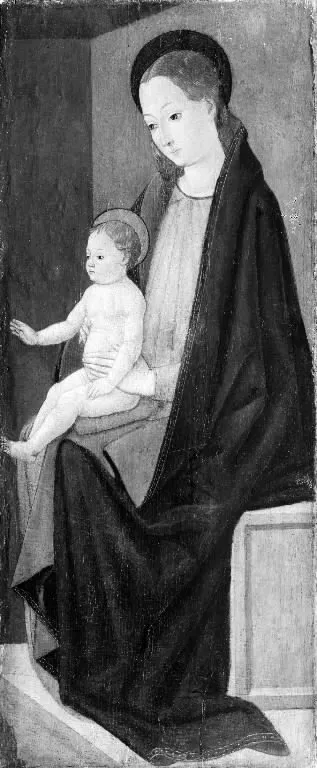
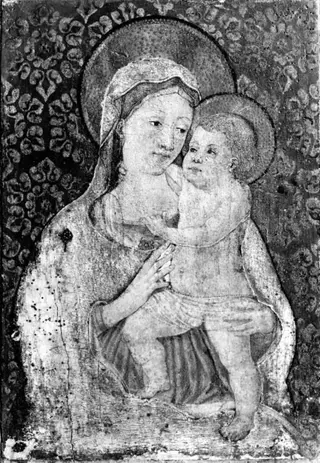
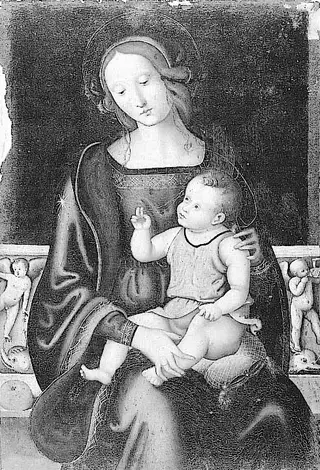
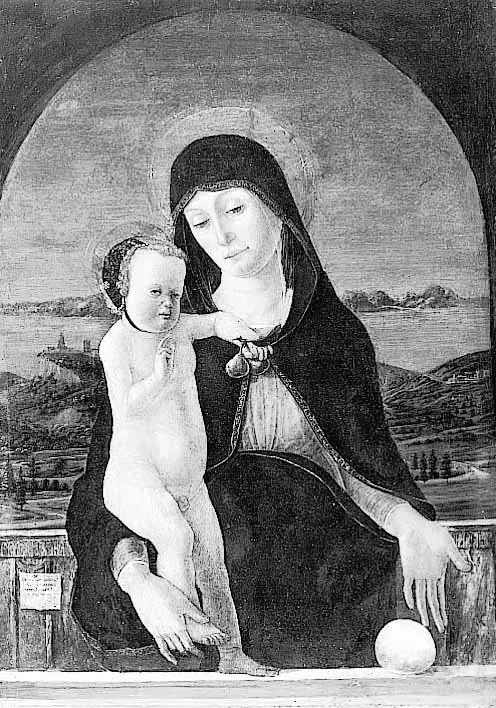
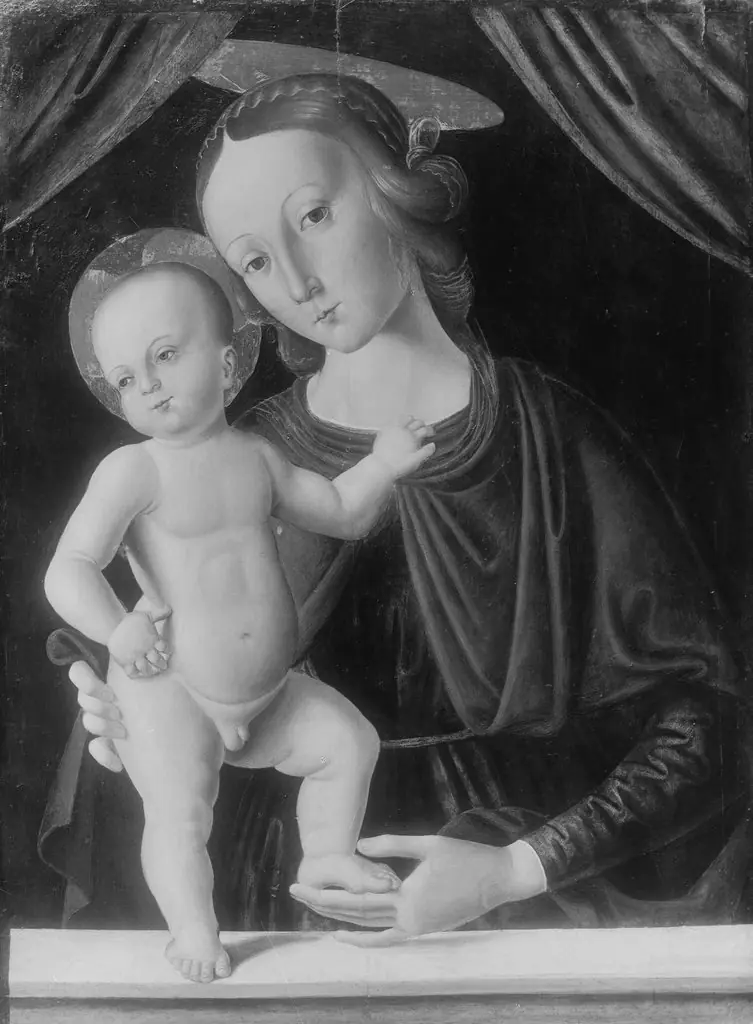
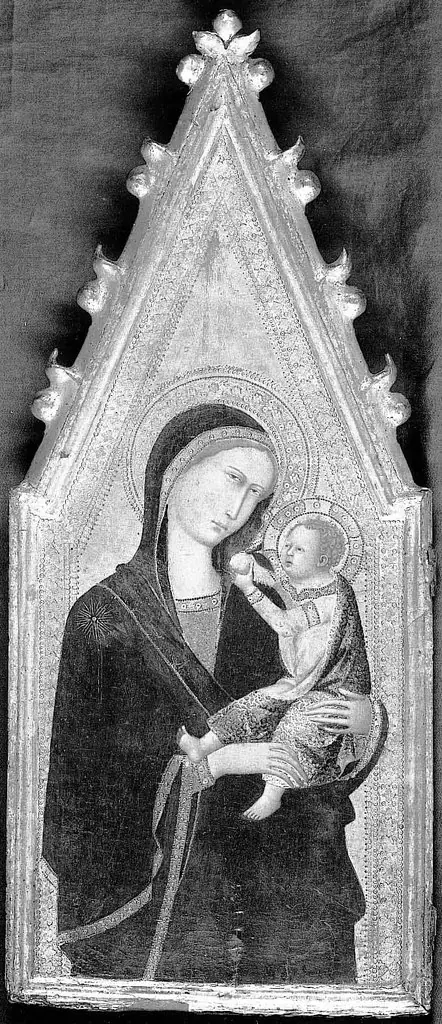
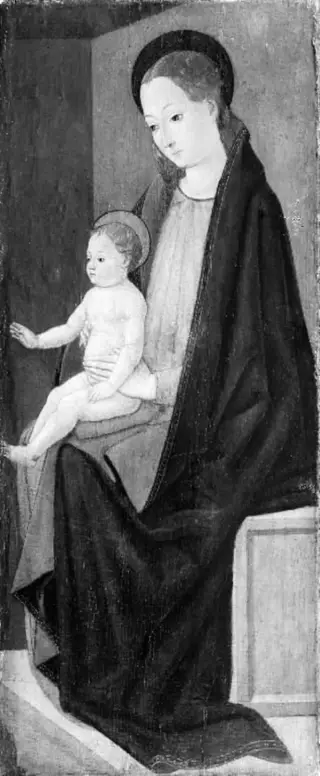
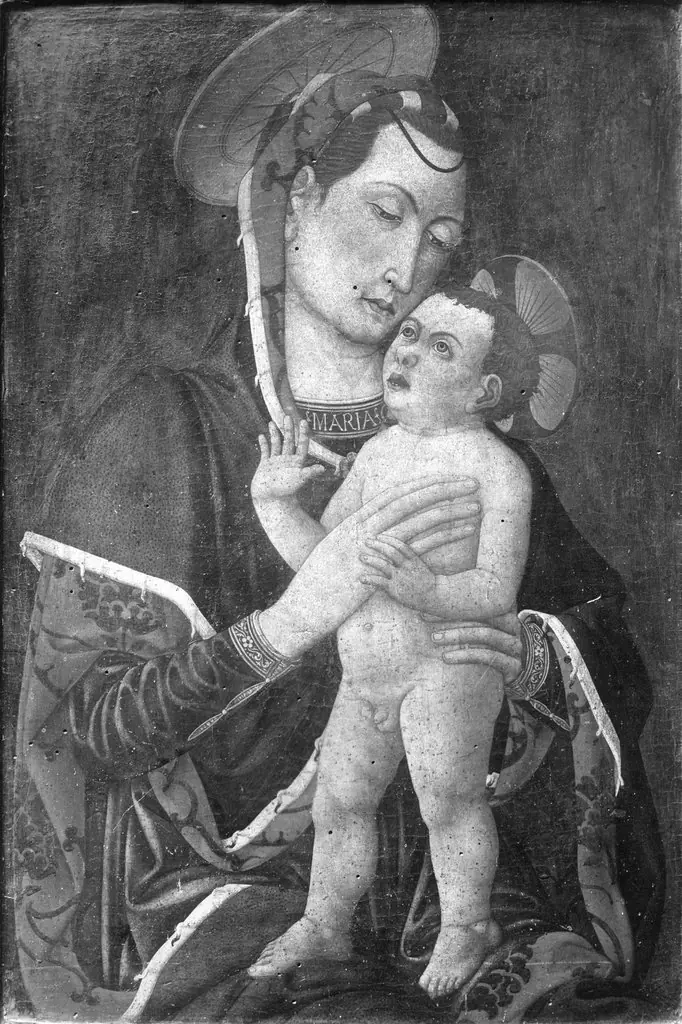
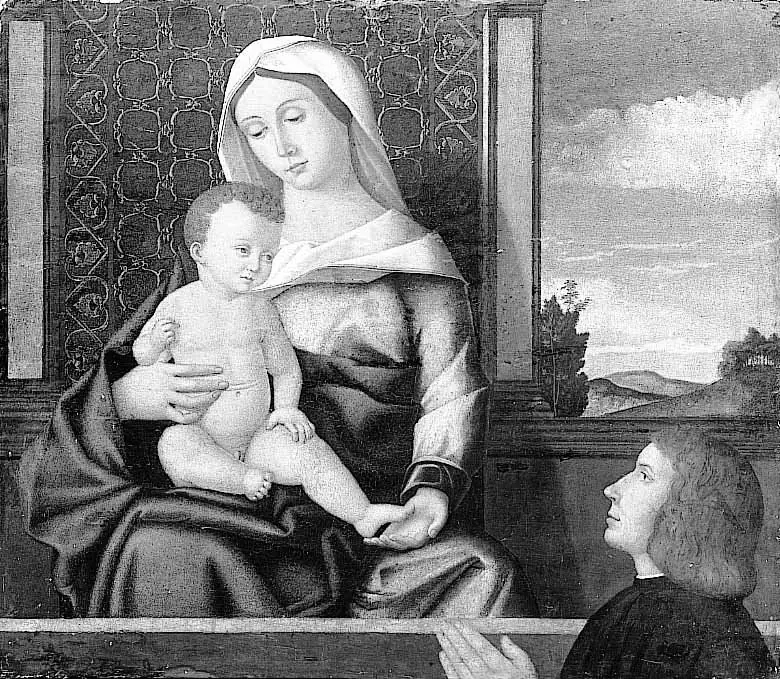
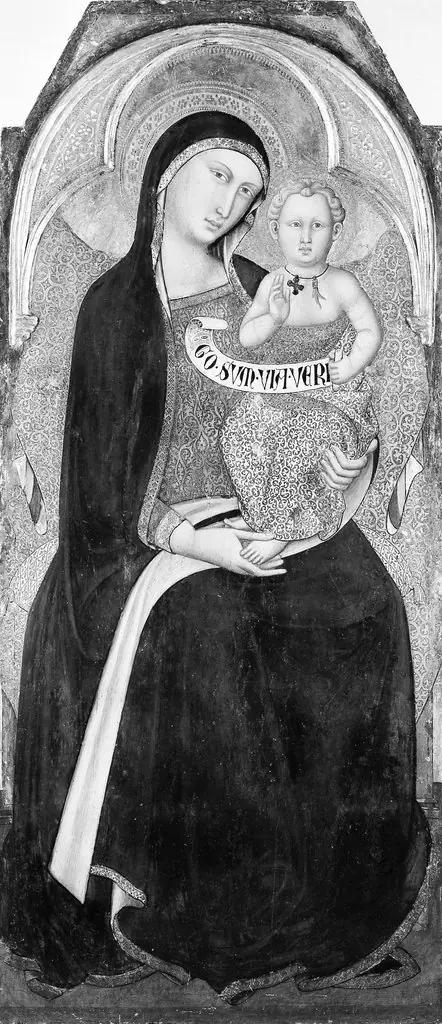
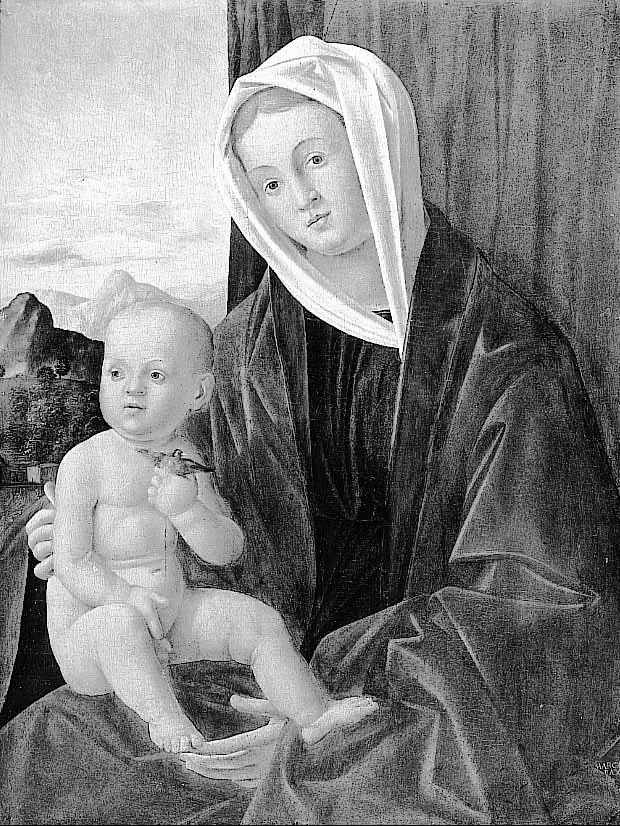
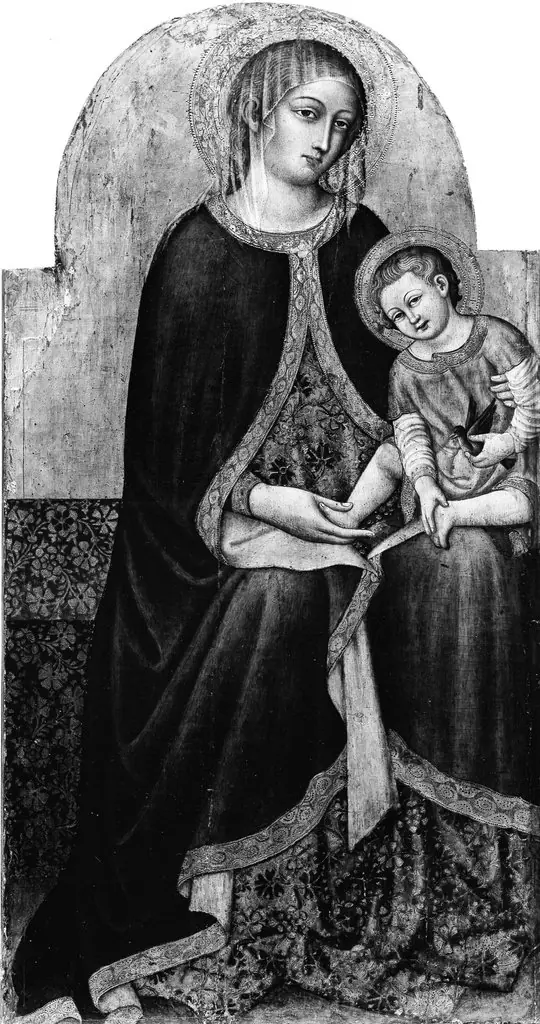
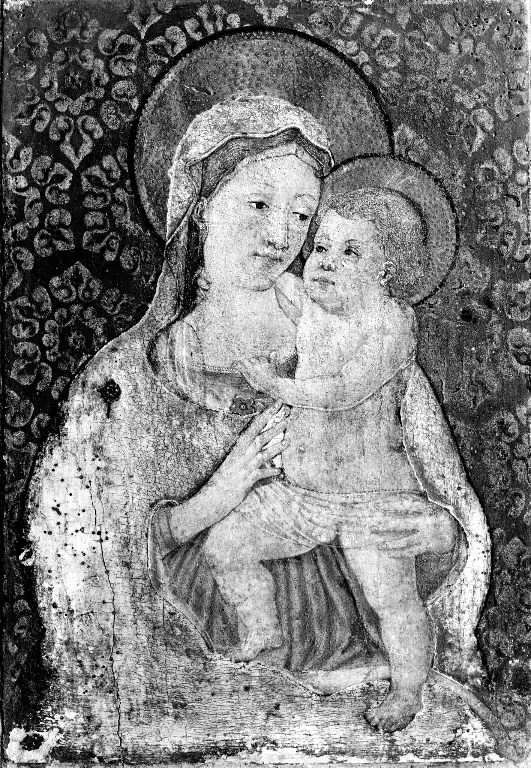
The Virgin and Child is an unspecified painting by the Early Renaissance artist Giovanni Canavesio. It dates from 1475 and is held in the collection of the Statens Museum for Kunst. Created circa 1475, this panel painting presents the Virgin Mary with the infant Christ.
About this work
Subject & Meaning
As a work of religious art, the image serves as a devotional object intended to inspire contemplation of these sacred figures.
Created in 1475 by Giovanni Canavesio, this religious painting portrays the Madonna and Child. The composition focuses on the Virgin Mary holding the Christ Child, a central theme in Christian iconography representing the incarnation of God and the bond between mother and son. As a work of religious art, the image serves as a devotional object intended to inspire contemplation of these sacred figures. The depiction aligns with traditional representations of the main subject found in late 15th-century European painting.
Technique & Style
The work is executed in tempera on wood panel, measuring 845 × 360 cm. Giovanni Canavesio’s handling emphasizes delicate modeling of the Virgin’s drapery and the Christ Child’s flesh, employing fine linear contours that define facial features and gestures. The composition balances intimate proximity with a flattened spatial depth, characteristic of late‑15th‑century devotional imagery.
History & Provenance
The work is held by the Statens Museum for Kunst in Copenhagen, where it is inventoried as accession KMS3578.
It has been exhibited at the Statens Museum for Kunst in 1959 as part of the exhibition "Norditaliensk malerkunst fra 1300-1550."
Legacy
The Virgin and Child by Giovanni Canavesio, painted in 1475, has been part of the collection of the Statens Museum for Kunst since its acquisition, influencing scholarly discussions on early Northern Renaissance religious imagery. Its depiction of the Madonna and Child, rendered in tempera on panel measuring 845.0 cm in height and 360.0 cm in width, continues to be referenced in studies of devotional art from the period.
The work's composition and iconography have informed later interpretations of maternal symbolism in European painting, with art historians citing its stylistic elements when analyzing shifts in devotional practices during the late 15th century.
Overview
Created circa 1475, this panel painting presents the Virgin Mary with the infant Christ. Executed by Giovanni Canavesio, an Italian painter active in Liguria and later in southern France, the work now belongs to the collection of the Statens Museum for Kunst.
Artist & collection
Artist
Giovanni Canavesio (before 1450 – 1500) was an Italian artist, documented as a "master artist" in 1450.