Artwork
The Penitent St Mary Magdalene
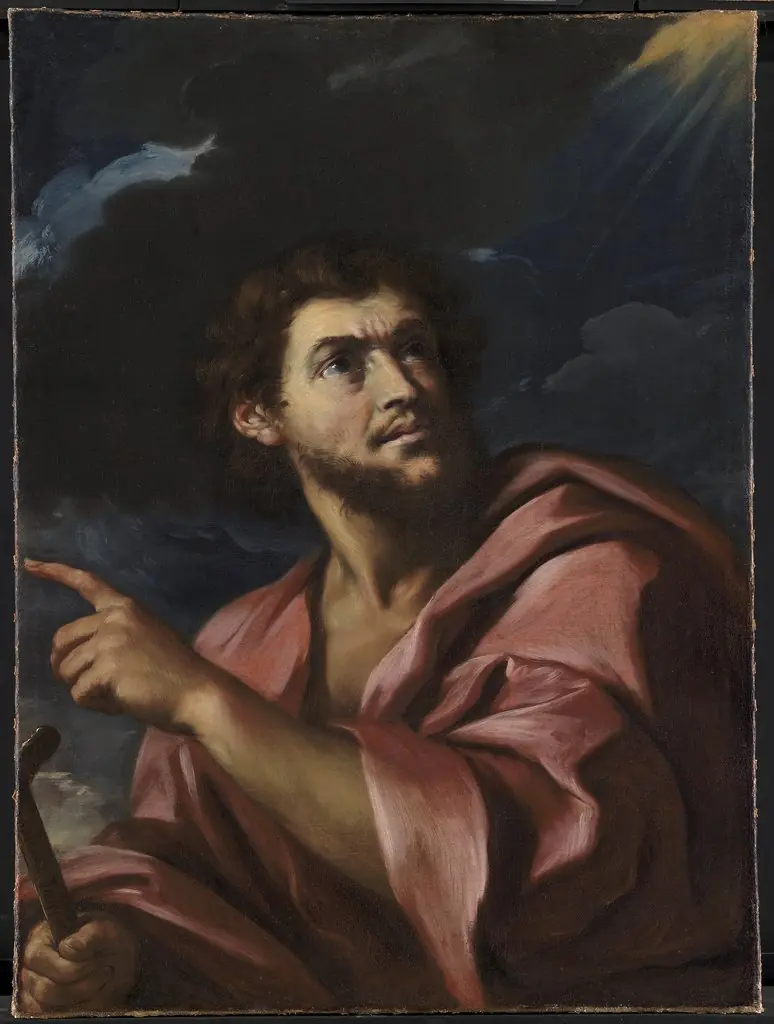
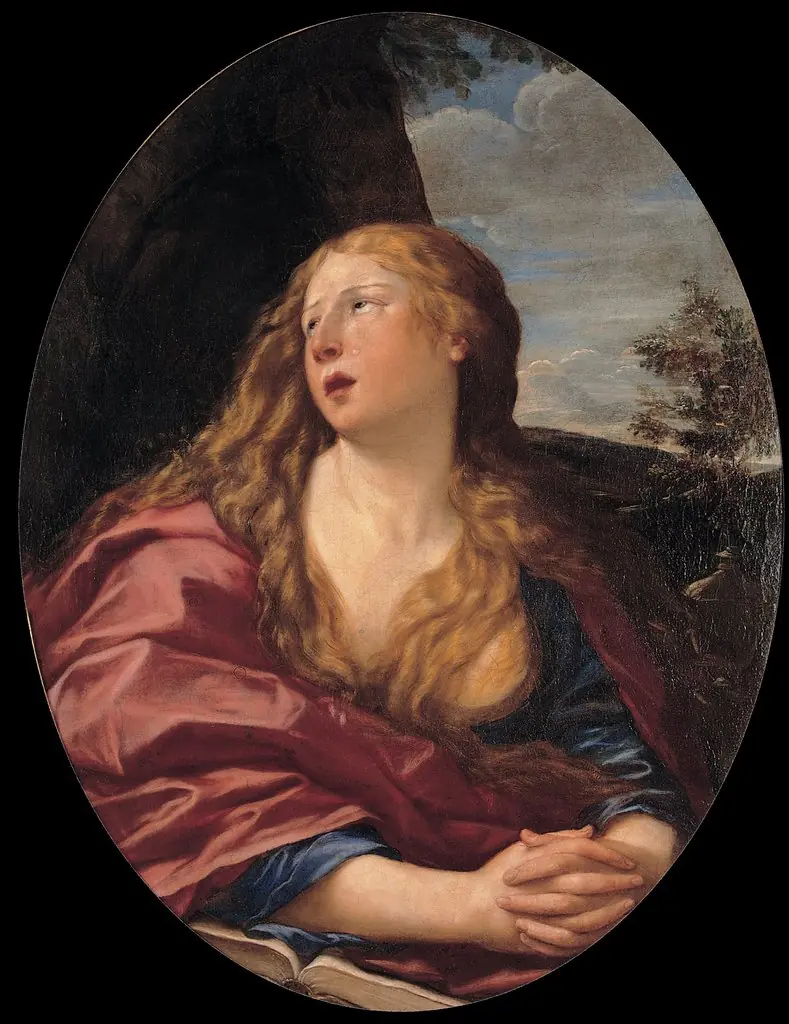
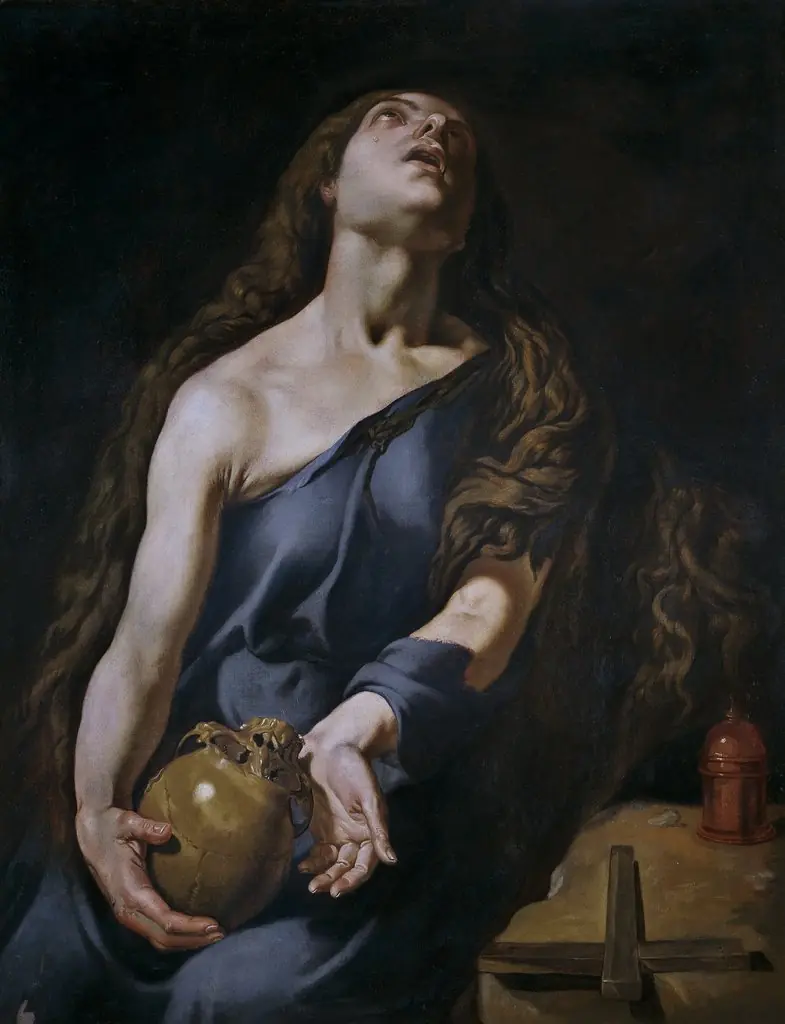
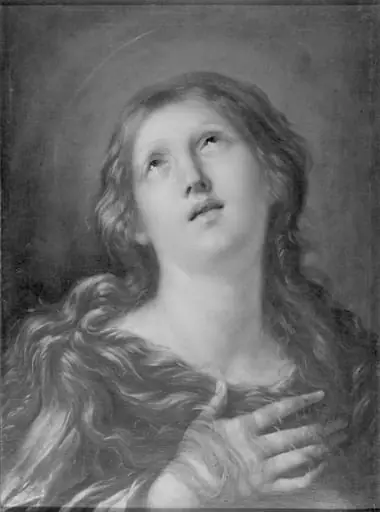
The Penitent St Mary Magdalene is an oil painting by the Early Baroque Italian artist Girolamo Troppa. It dates from 1660 and is held in the collection of the Statens Museum for Kunst.
About this work
Subject & Meaning
Girolamo Troppa painted The Penitent St Mary Magdalene in 1660, depicting the biblical figure Mary Magdalene in a moment of penitential reflection.
Girolamo Troppa painted The Penitent St Mary Magdalene in 1660, depicting the biblical figure Mary Magdalene in a moment of penitential reflection. The work portrays her in modest dress with a downcast gaze, embodying themes of repentance and spiritual contemplation central to Counter-Reformation devotional imagery. Symbolic elements such as the mirror and skull, though not listed in the source, are commonly associated with Magdalene’s iconography, representing vanitas and self-examination in the context of her transformation from sinner to saint.
The painting’s composition emphasizes emotional intensity and devotional intimacy, aligning with Baroque tendencies to engage the viewer through psychological realism and narrative immediacy.
Technique & Style
Girolamo Troppa executed The Penitent St Mary Magdalene in 1660 using oil paint applied to a canvas support. The work is classified as a religious painting depicting the figure of Mary Magdalene in a state of penitence. As a canvas-based oil painting from the mid-17th century, the piece adheres to the material conventions of its genre and period. The artwork is currently held in the collection of the Statens Museum for Kunst.
History & Provenance
The Penitent St Mary Magdalene is an oil-on-canvas painting executed by the Italian Baroque artist Girolamo Troppa in 1660. According to the work’s inception date, it was created that year and entered the collection of the Statens Museum for Kunst, where it remains today. No earlier owners or commission details are recorded in the available sources, so the known provenance runs from its creation in 1660 to its present holding at the Danish national gallery.
Legacy
The Penitent St Mary Magdalene has influenced subsequent interpretations of the Magdalene figure in religious art, particularly in depictions of penitence and contemplation. Girolamo Troppa’s compositional emphasis on quiet introspection contributed to Baroque portrayals of saints in moments of spiritual reflection, shaping later artists’ approaches to emotional nuance. The work remains part of the collection at Statens Museum for Kunst, where it continues to inform scholarly study of 17th-century devotional painting.
Overview
Girolamo Troppa’s oil painting The Penitent St Mary Magdalene dates from 1660. Executed in the Baroque period, the work presents a solitary female figure in a darkened setting, illuminated by a subtle, focused light. The composition reflects the devotional atmosphere typical of early Italian Baroque religious art and is currently part of the Statens Museum for Kunst collection.
Own this work as a print
Artist & collection
Artist
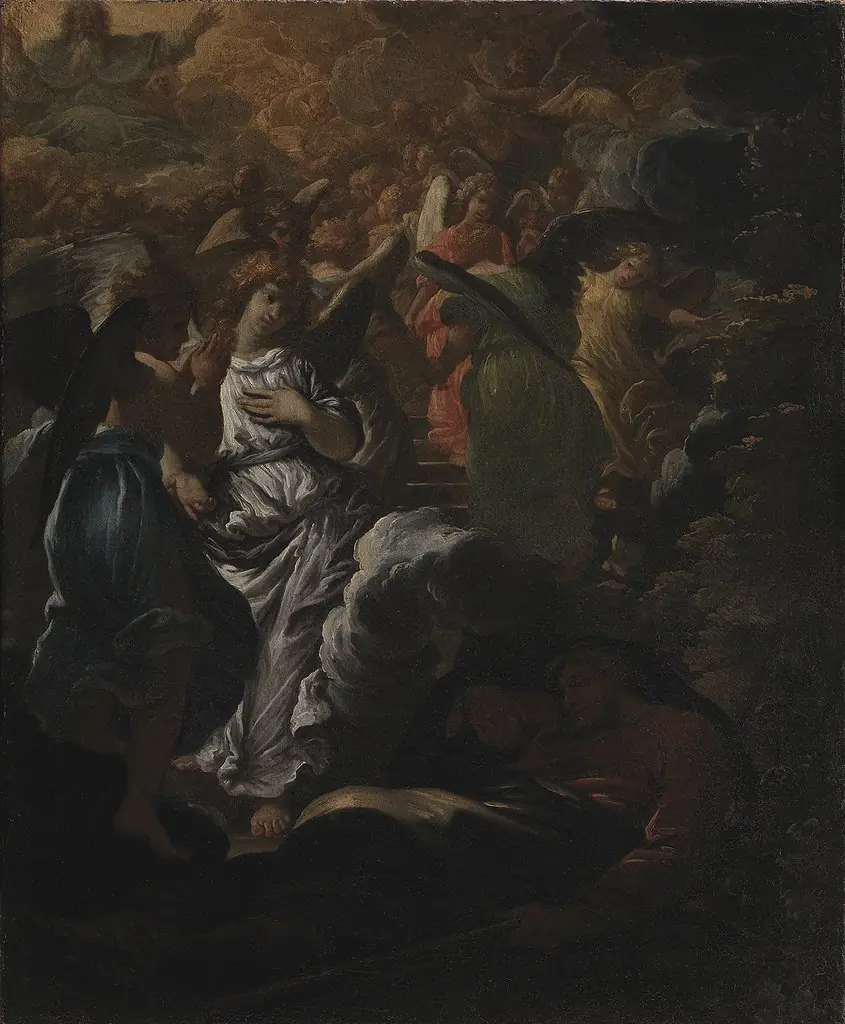
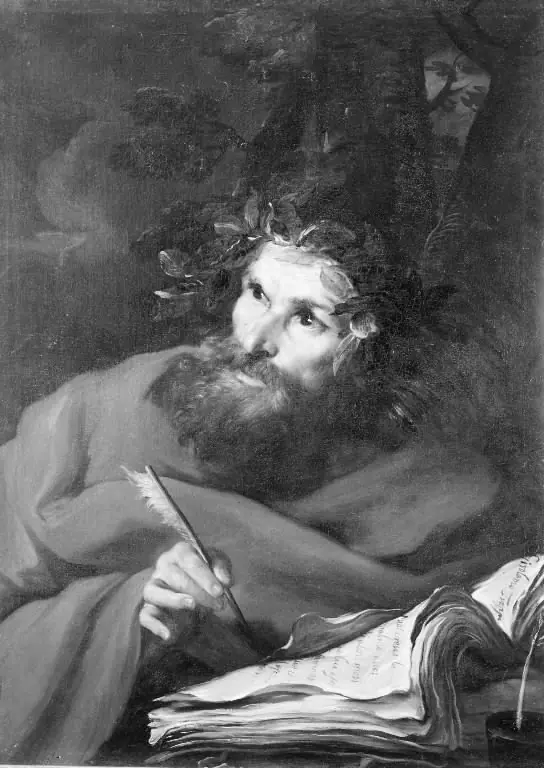
Girolamo Troppa (2 October 1636 – October 1711) was an Italian painter of the Baroque period, depicting mainly sacred subjects. A follower of Carlo Maratta, he was active in Rome and Umbria.