Artwork
The Sacrifice of a Goat to Jupiter
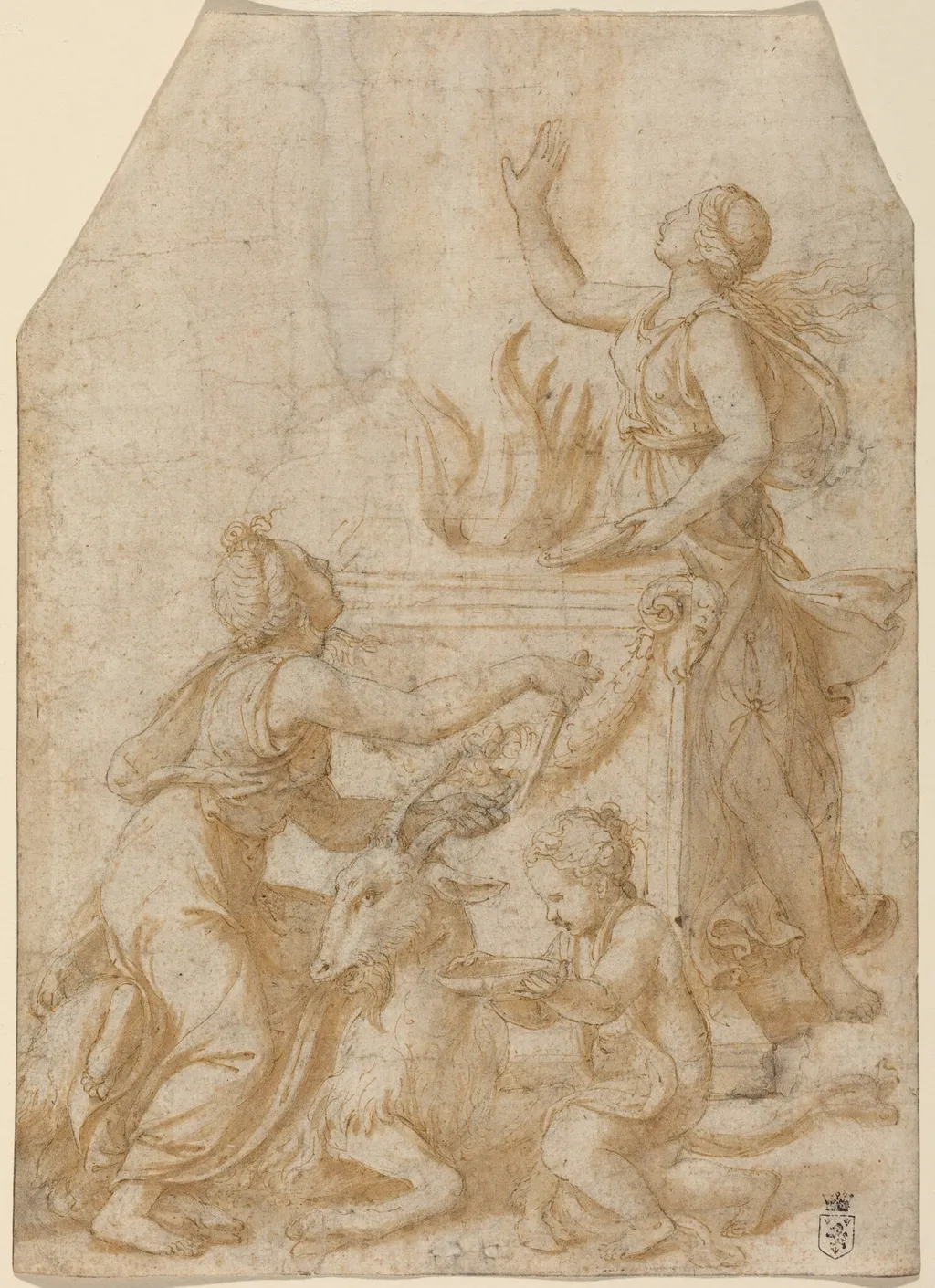
The Sacrifice of a Goat to Jupiter is a chalk drawing by the Renaissance artist Giulio Romano. It dates from 1528 and is held in the collection of the National Gallery of Art.
About this work
Overview
The Sacrifice of a Goat to Jupiter is a drawing created by Giulio Romano around 1528. It is executed in pen and brown ink with brown wash over black chalk on laid paper.
Subject & Meaning
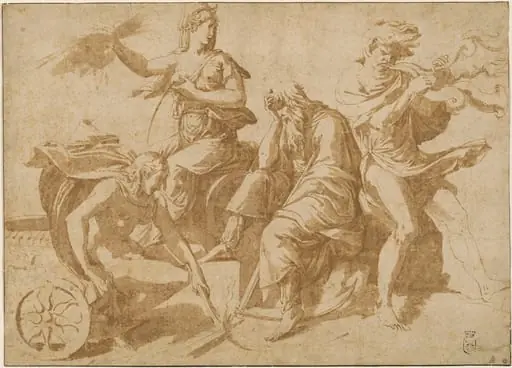
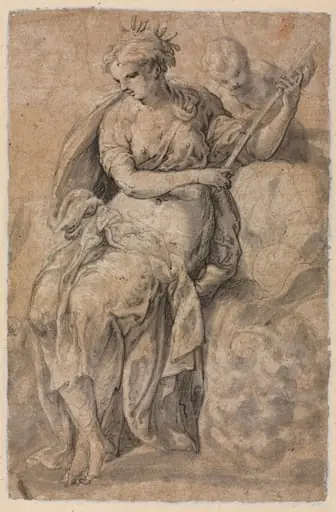
The drawing depicts a dramatic scene with three figures and a goat, conveying a moment of tension through their contrasting postures and gestures. The figures wear flowing robes, and a simple raised platform serves as the background.
Technique & Style
Romano's use of quick, sketchy lines creates a sense of movement and emotion. The drawing showcases his mastery of the medium, characterized by expressive lines and tonal contrasts achieved through the combination of pen and ink, wash, and chalk.
History & Provenance
As a pupil of Raphael and a prominent figure in the development of Mannerism, Romano's work was influential. His drawings were disseminated across Europe through prints engraved by Marcantonio Raimondi, spreading his stylistic innovations.
Context
The Sacrifice of a Goat to Jupiter reflects Romano's role in shaping the Mannerist style, which deviated from High Renaissance classicism. As both a painter and architect, Romano brought a diverse range of skills to his drawings.
Own this work as a print
Artist & collection
Artist
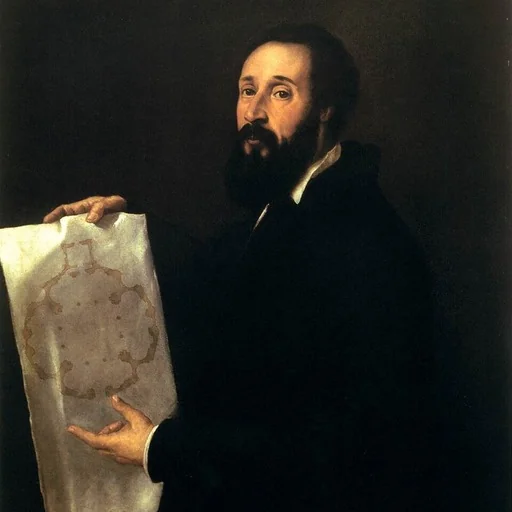
Giulio Pippi (c. 1499 – 1 November 1546), known as Giulio Romano (US: JOOL-yoh rə-MAH-noh( Italian: ) and sometimes known in French as Jules Romain, was an Italian painter and architect. He was a pupil of Raphael, and…

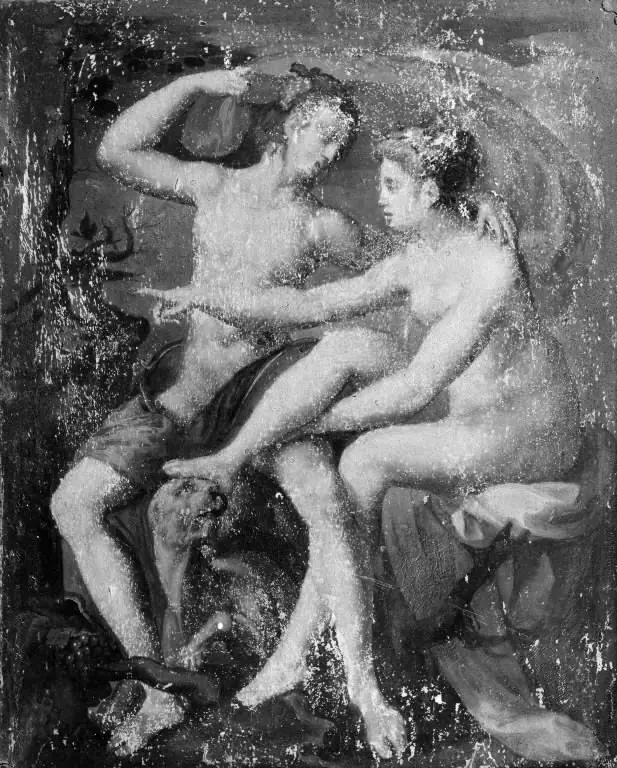
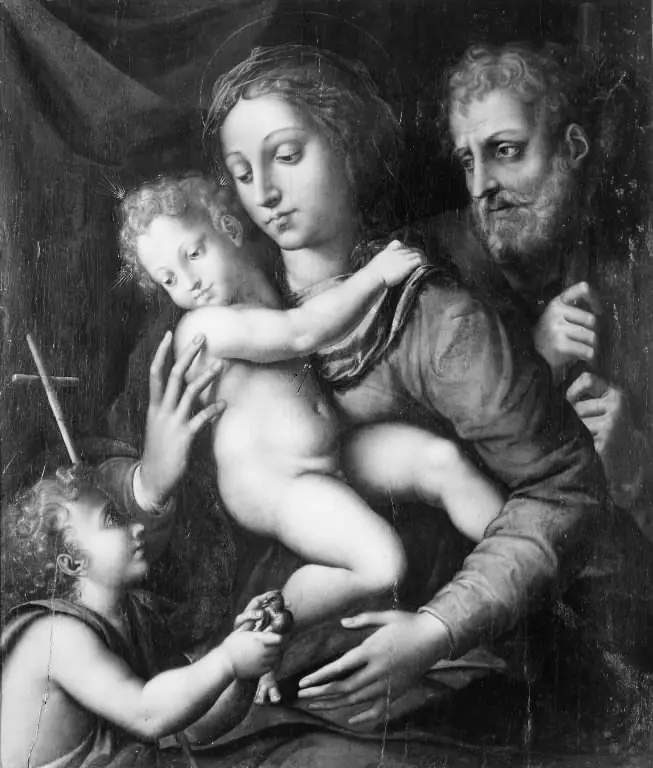
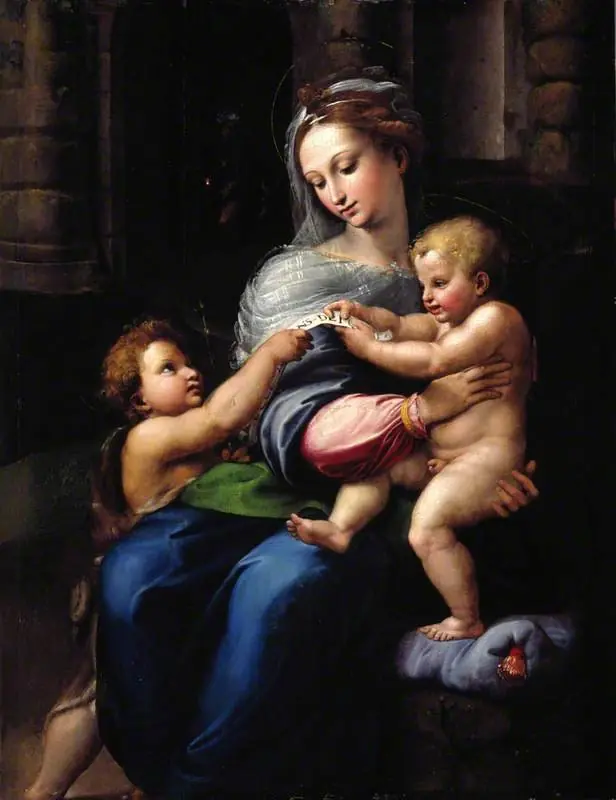

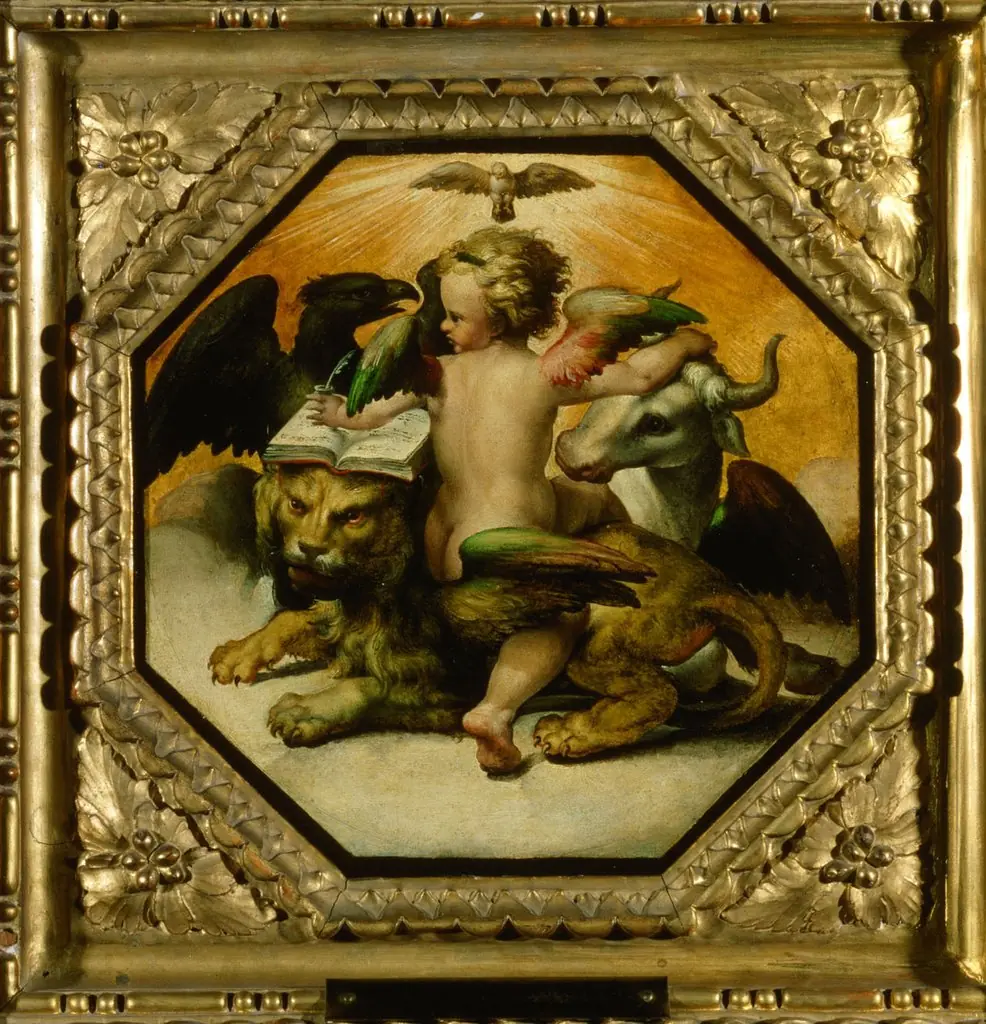
- Ecclesia Surrounded by Angels Holding the Instruments of the Passion
 The Four Elements
 Fortitude
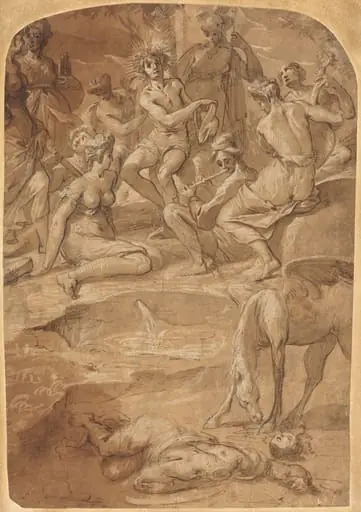 Apollo and the Muses on Mount Parnassus
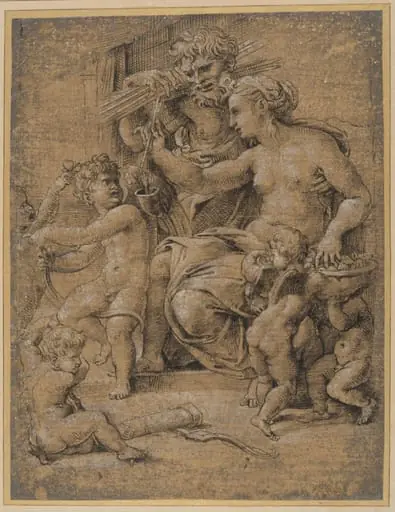 Venus and Vulcan
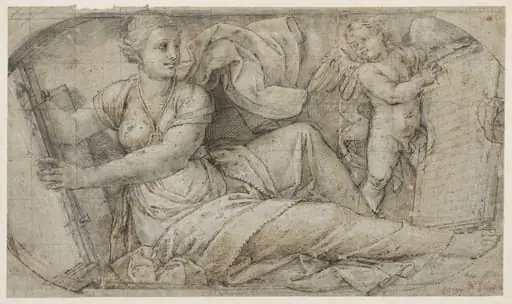 Reclining sibyl holding a book, with a winged putto supporting an inscribed tablet
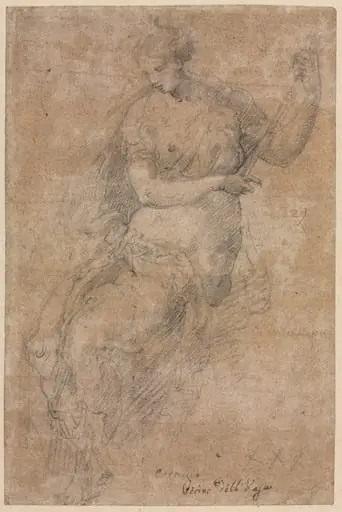 Allegorical Figure (recto)
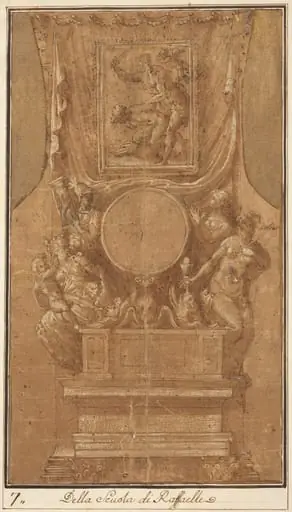 Design for an Altar
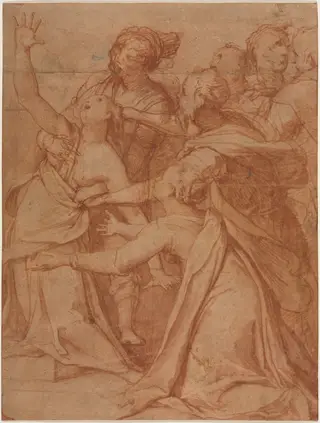 A Miracle of Saint Philip Benizzi: The Healing of a Demoniac Woman
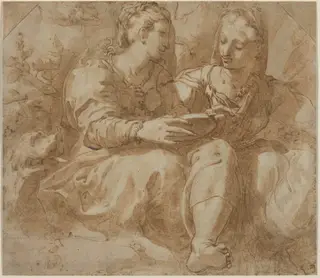 Two Seated Women
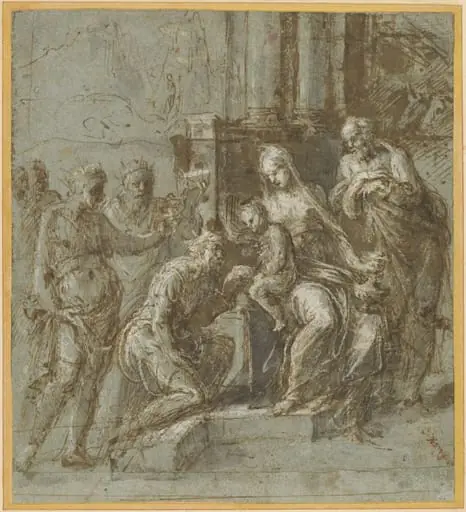 The Adoration of the Magi
 Allegorical Figure (verso)