Artwork
Allegory of Transience ("Homo Bulla")
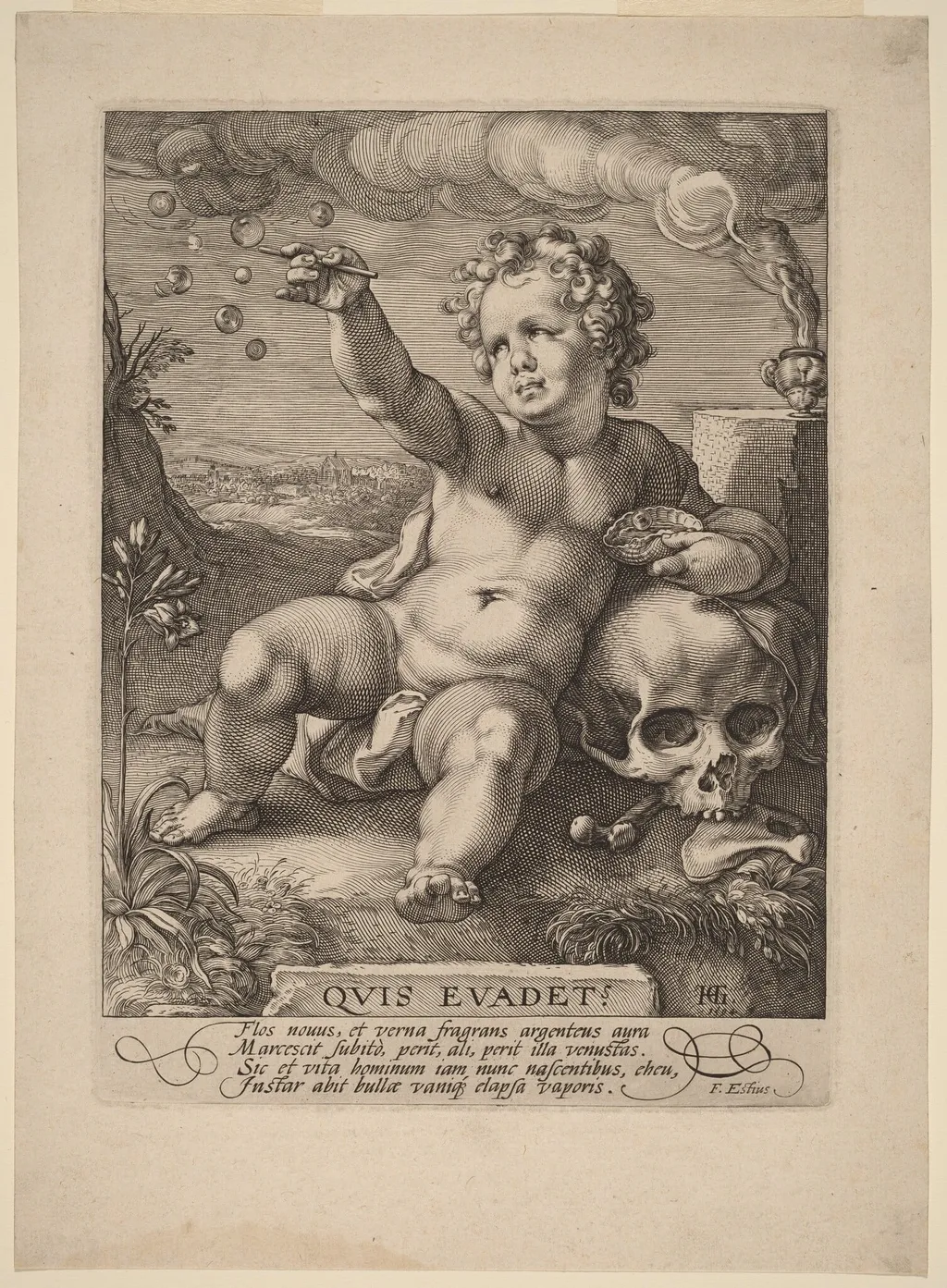
Allegory of Transience ("Homo Bulla") is an ink print by the Renaissance artist Hendrick Goltzius. It dates from 1594 and is held in the collection of the National Gallery of Art.
- Inscription
- Inscribed:lower center in plate: QUIS EVADET?; lower right in image: HG (in monogram) 1594; lower center in plate: Flos nouus, et verna fragrans argenteus aura / Marcescit subitò, perit, ali, perit illa venustas. / Sic et vita hominum iam nunc nascentibus, eheu, / Instar abit bullae vaniq. elapsa vaporis.; lower right in plate: F. Estius.
About this work
The engraving shows tiny details, from the sheen on the bubble to the texture of cloth, all carved into copper.
A man blows a delicate bubble while holding an hourglass. Around him, skeletons and children play with bubbles in a garden. The scene feels quiet, but full of small warnings.
This image is called "Homo Bulla," meaning "man is a bubble." It was made in 1594, when people often used symbols to talk about life's fragility. Each bubble could pop at any moment, just like human life.
The engraving shows tiny details, from the sheen on the bubble to the texture of cloth, all carved into copper.
Look up the technique: engraving, cross-hatching.
Overview
Allegory of Transience (Homo Bulla) is a 1594 engraving on laid paper by Hendrick Goltzius, a prominent Dutch printmaker and draftsman of the Northern Mannerism period. The work is characterized by its intricate composition and technical refinement.
Subject & Meaning
The engraving allegorically conveys the themes of impermanence and human frailty. Central to this is the depiction of a man blowing a delicate bubble alongside an hourglass, surrounded by skeletons and children playing with bubbles in a serene yet cautionary garden setting. The title Homo Bulla (Man is a Bubble) underscores the fragility of life, symbolized by the ephemeral nature of bubbles.
Technique & Style
Goltzius employed engraving techniques, notably cross-hatching, to achieve detailed textures and shading. The piece showcases his mastery in capturing subtle effects, such as the sheen on the bubble and the texture of clothing, through precise copperplate engraving.
History & Provenance
Created in 1594, during a period when symbolic representations of life’s fragility were prevalent, Allegory of Transience reflects the artistic and philosophical sentiments of its time. The exact provenance history is not detailed here, highlighting the need for further research on its ownership and exhibition timeline.
Context
Within the Northern Mannerism and early Baroque, Goltzius’s work stands out for its nuanced exploration of existential themes through elaborate and technically superior prints. The use of skeletons and ephemeral bubbles in a garden setting aligns with contemporary allegorical practices.
Legacy
As a seminal work by a leading engraver of his era, Allegory of Transience contributes significantly to the understanding of Northern Mannerist printmaking. Its themes and techniques have influenced subsequent generations of artists exploring mortality and the transient nature of human existence.
Own this work as a print
Artist & collection
Artist
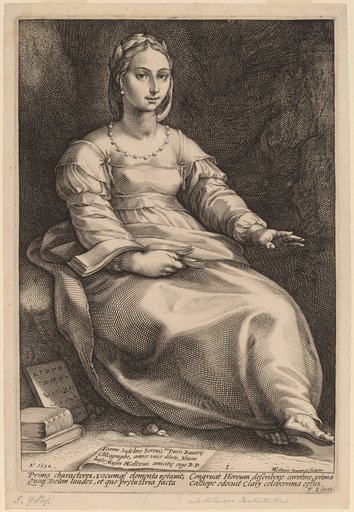
Hendrick Goltzius (German: , Dutch: ; né Goltz; January or February 1558 – 1 January 1617) was a German-born Dutch printmaker, draftsman, and painter.

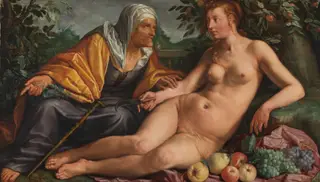
- An Allegorical Figure: Non sine labore
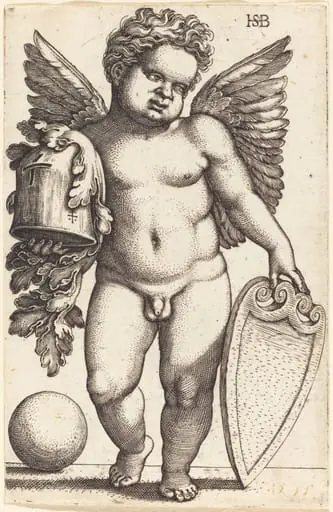 Male Genius Holding a Coat of Arms
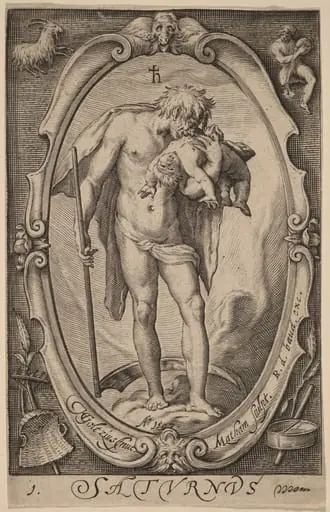 Saturn
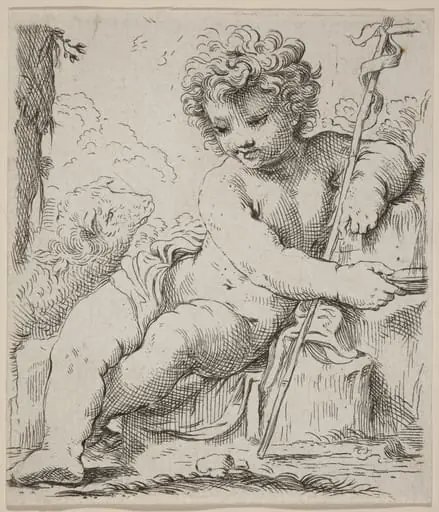 The Infant Saint John
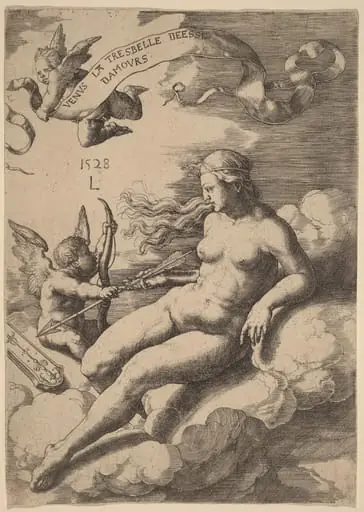 Venus and Cupid
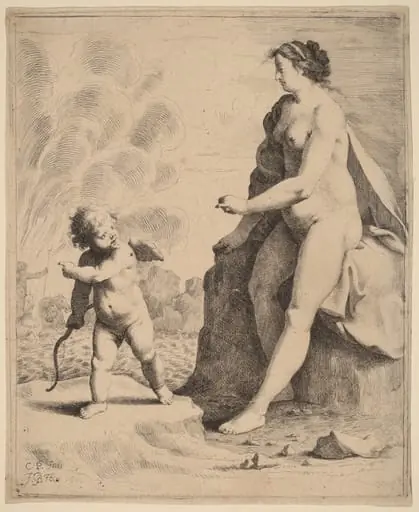 Venus and Cupid
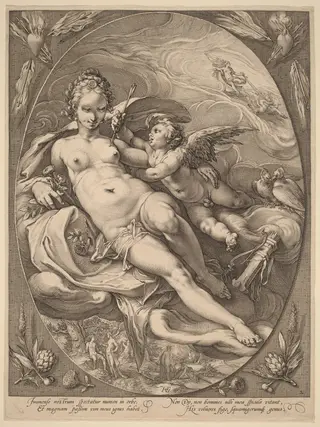 Venus and Cupid
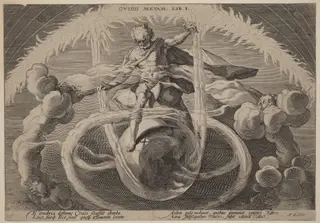 Chaos: The Untangling of Chaos, or the Creation of the Elements
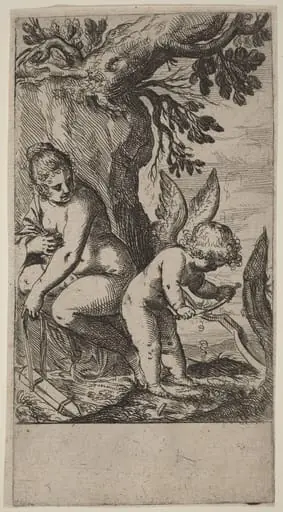 Venus with Cupid Whittling His Bow
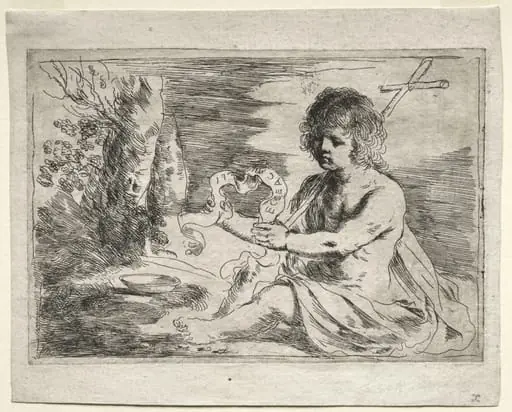 St. John the Baptist
 Genius with the Medici Coat-of-Arms
 Vanitas