Artwork
Franciscus Bacon
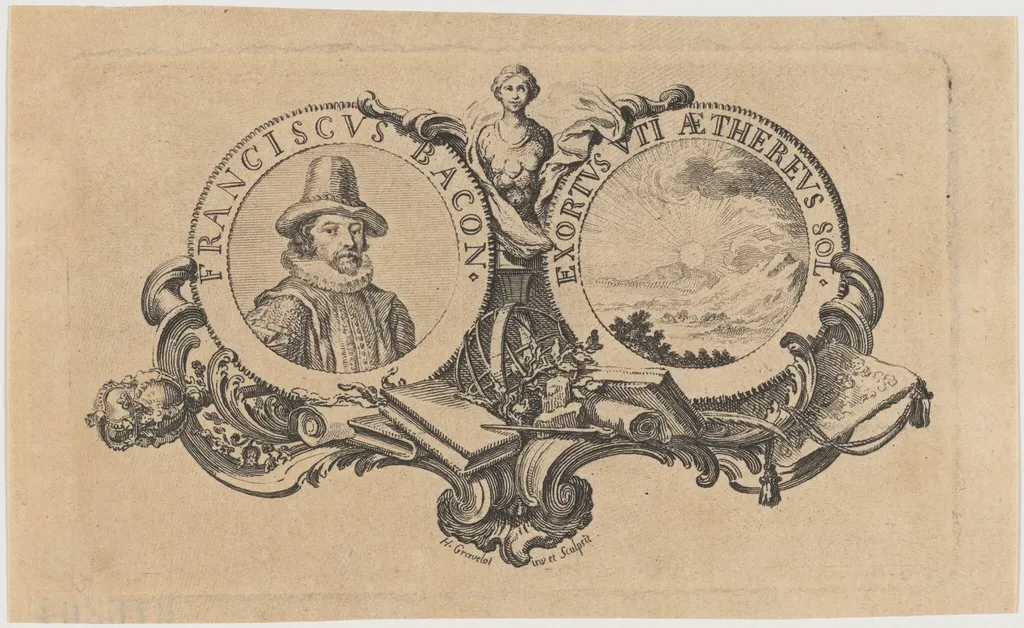
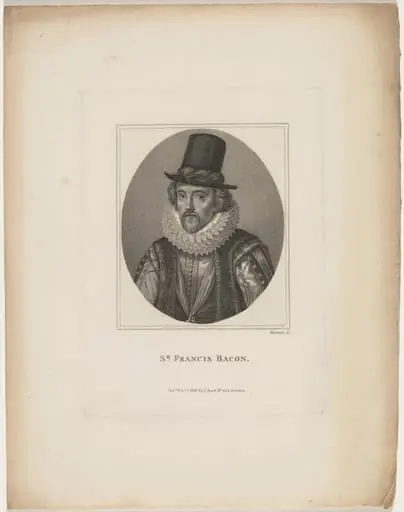
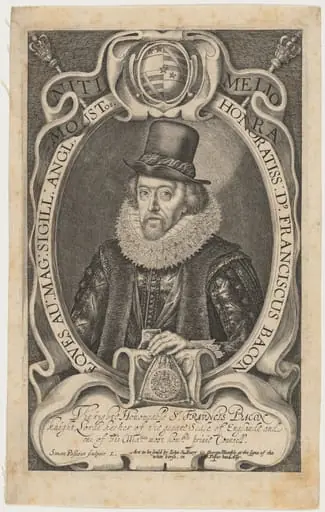
Franciscus Bacon is an ink print by the Baroque artist Hubert François Gravelot. It dates from 1736 and is held in the collection of the National Gallery of Art.
About this work
Overview
This 1736 engraving, Franciscus Bacon, is a work by Hubert François Gravelot, showcasing his contribution to introducing Rococo aesthetics to 18th-century Britain through his engravings and illustrations.
Subject & Meaning
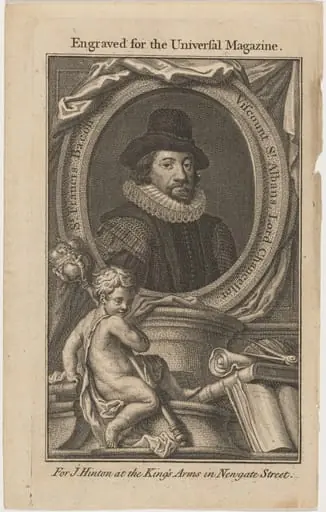
The print depicts Francis Bacon, framed circularly, with allegorical elements: a globe-bearing woman (possibly representing Wisdom or Discovery) above, and symbols of knowledge (compass, book) below, suggesting themes of wisdom, discovery, and the pursuit of knowledge.
Technique & Style
Characterized by a lighter, ornamental style, the engraving embodies Rococo's decorative tendencies, with swirling scrolls, curved typography, and detailed textures, highlighting Gravelot's mastery of the medium in disseminating French Rococo trends in Britain.
History & Provenance
Created in 1736 by Hubert François Gravelot, a Paris-born artist who relocated to London in 1732, the engraving reflects his role in popularizing French decorative arts in Britain during the early 18th century.
Context
Part of a broader cultural exchange, Franciscus Bacon illustrates how Gravelot's work facilitated the adoption of Rococo style in British art and design, influencing the period's visual culture through accessible printed media.
Legacy
While specific long-term impacts of Franciscus Bacon on individual artists are not well-documented, Gravelot's engravings, including this piece, played a significant role in the temporary popularity of Rococo in Britain, leaving a mark on the country's early 18th-century artistic landscape.
Own this work as a print
Artist & collection

Artist
Hubert-François Bourguignon, commonly known as Gravelot (26 March 1699 – 20 April 1773), was a French engraver, a famous book illustrator, designer and drawing-master.

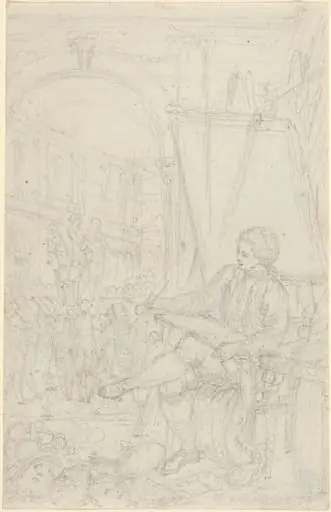 Self-Portrait
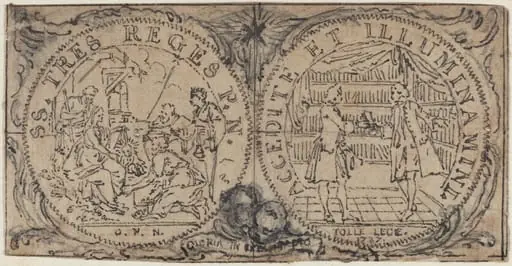 Ornamental Medallions with the Adoration of the Magi and Two Bibliophiles
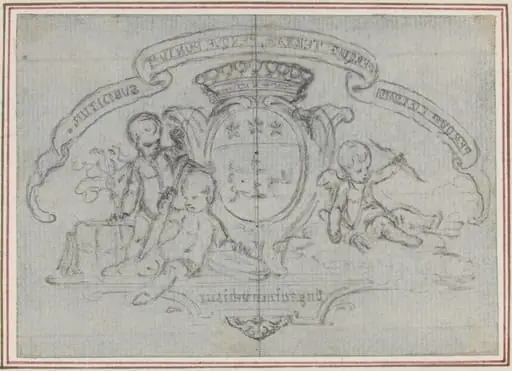 Coat of Arms with Three Putti
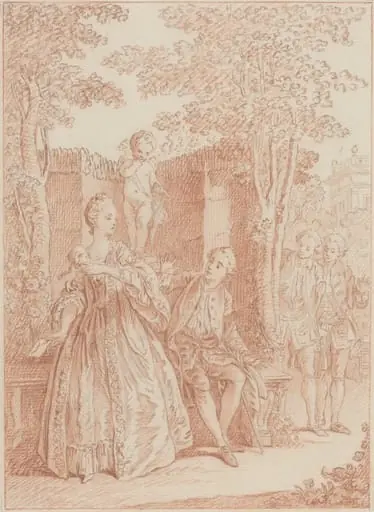 Oui, je la connais Traitre, et je connais ton Coeur
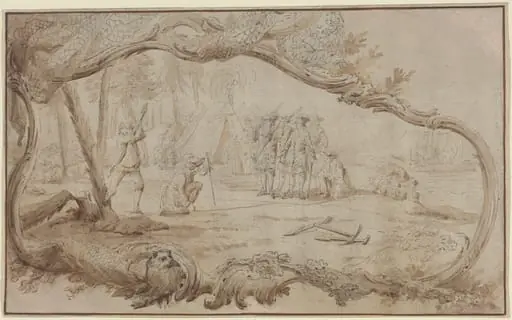 The Landing of the Dutch Expedition Party in New York
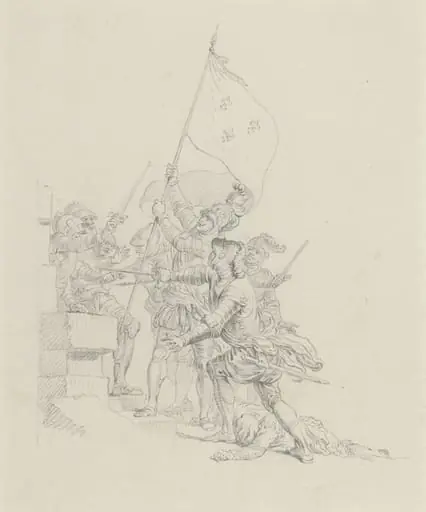 Il monte: il a déjà de ses mains triomphantes...
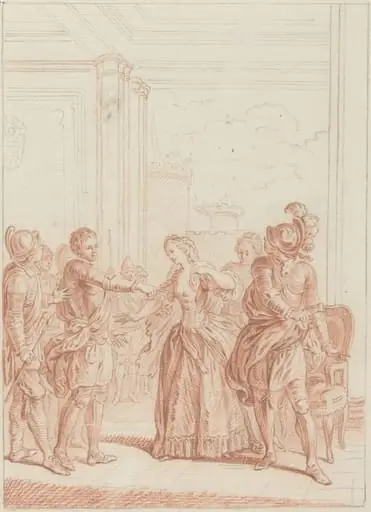 Je suis vengé de toi: l'on te hait, et l'on m'aime
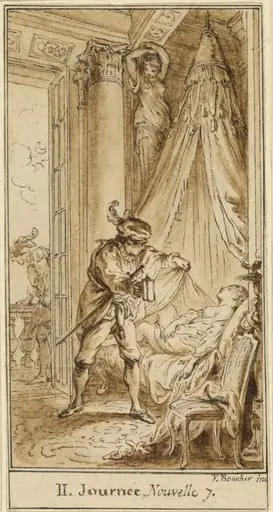 Second Day, Seventh Story: The Duke of Athens Contemplating the Sleeping Princess Alatiel