Artwork
Saint Martin and the Beggar
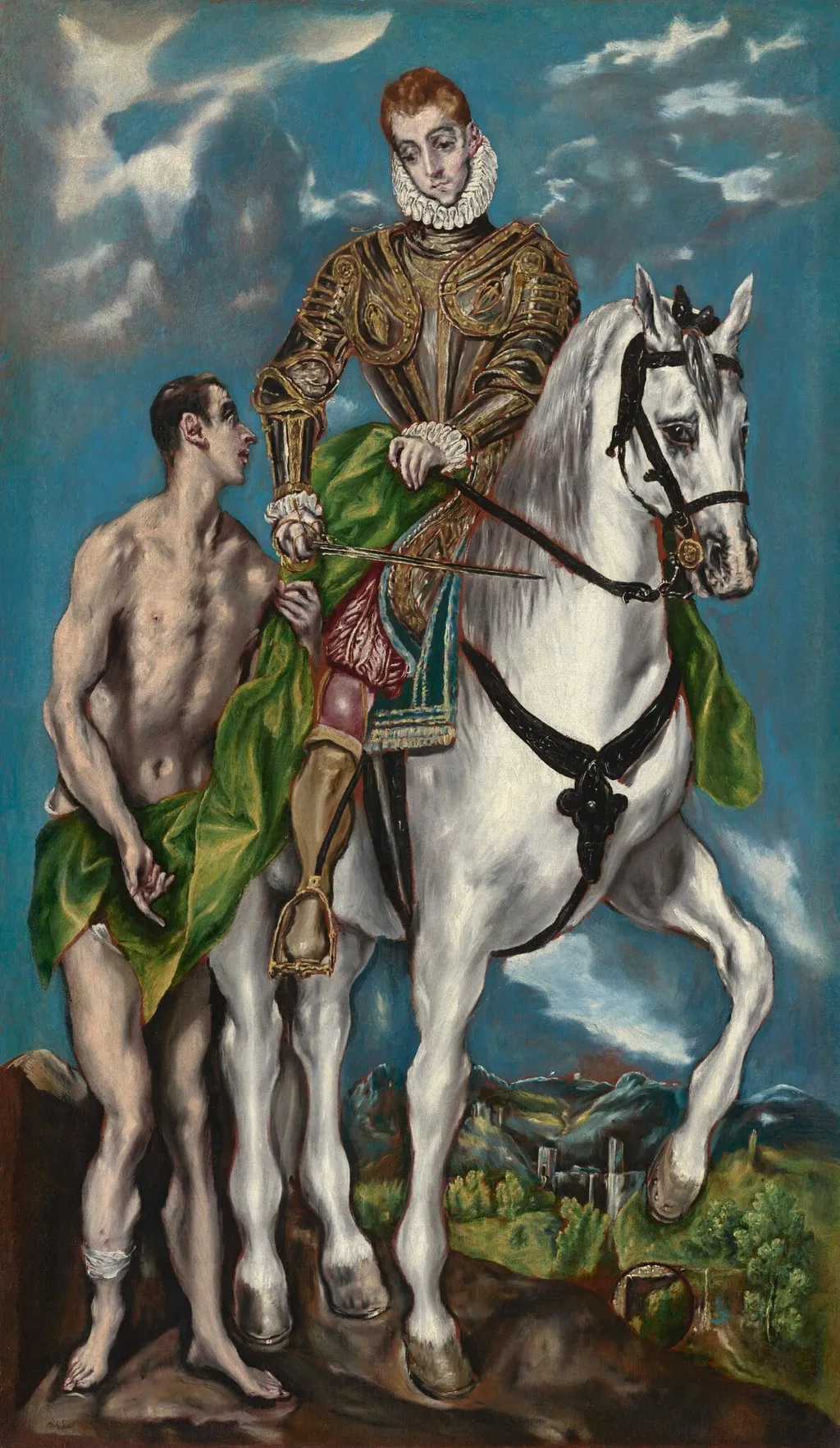
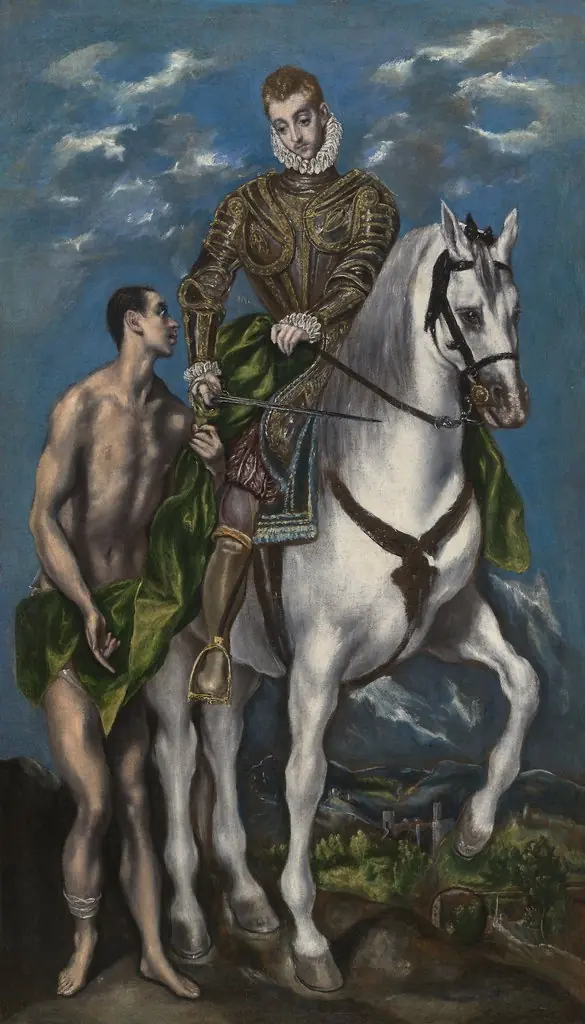
Saint Martin and the Beggar is an oil painting. It dates from 1607 and is held in the collection of the National Gallery of Art.
- Inscription
- Inscribed:lower left in cursive Greek: [Do] ménik [os Theotokopoulos]; formerly, unidentified inventory number at lower right: 387
About this work
Subject & Meaning
The painting illustrates the hagiographic legend of Saint Martin of Tours, specifically the moment he divides his military cloak to share with a beggar.
The painting illustrates the hagiographic legend of Saint Martin of Tours, specifically the moment he divides his military cloak to share with a beggar. As a work of religious art rooted in Mannerism, the composition centers on this act of Christian charity and mercy. The subject depicts the saint, traditionally shown as a mounted soldier, engaging directly with a destitute figure to provide warmth.
This narrative scene serves as a visual representation of the virtue of almsgiving, a core tenet of Martin's sanctity. The work functions as a devotional image, emphasizing the spiritual significance of selfless generosity toward the poor. By freezing this specific interaction, the artwork communicates the moral imperative of sharing one's possessions with those in need, a theme central to the saint's life and the broader religious context of the piece.
Technique & Style
Executed in 1607, this religious work is an oil painting on canvas. Created by the workshop of El Greco, the piece aligns with the Mannerist movement. The support measures 104.3 cm in height and 60.3 cm in width.
The composition depicts Saint Martin of Tours sharing his cloak with a beggar. The handling of the oil paint and the formal qualities reflect the stylistic characteristics of the artist's school during the early seventeenth century. The physical condition of the canvas and paint layers supports its attribution to this specific period and workshop within the Greek 16th Century tradition.
History & Provenance
Saint Martin and the Beggar is held by the National Gallery of Art in Washington, D.C., as part of the Andrew W. Mellon Collection. Its documented provenance traces a possible early appearance in the Baron Isidoro Taylor collection sale at the Hôtel Drouot in Paris on 24–26 February 1880 (lot 22), though identification with the present canvas remains uncertain. The painting subsequently passed through the Paris dealer Louis Manzi by 1908 and into the private collection of the Bernheim-Jeune dealers Josse and Gaston by 1919.
It was sold on 19 June 1929 to M. Knoedler & Co. in New York, purchased on 28 March 1930 by Andrew W. Mellon, deeded on 28 December 1934 to The A.W. Mellon Educational and Charitable Trust in Pittsburgh, and given to the National Gallery of Art in 1937.
Context
Scholarship on Saint Martin and the Beggar (1607) situates the work within the late output of El Greco’s workshop, reflecting the artist’s mature Mannerist style and his engagement with religious narrative. Harold E. Wethey (1962) and Manuel B. Cossío (1908) catalogued the painting among multiple versions of the subject, debating its provenance and attribution, though its precise relationship to El Greco’s hand remains contested. August L. Mayer (1929) speculated, without corroborating evidence, about its inclusion in the Spanish royal collection, underscoring the painting’s ambiguous status within the artist’s oeuvre.
Critically, the work exemplifies El Greco’s fusion of elongated figuration, dynamic composition, and expressive color, hallmarks of his influence on Counter-Reformation art and later Mannerist traditions. Its acquisition by major collectors, including the Bernheim-Jeune and Mellon families, further attests to its perceived significance in the canon of Spanish Renaissance painting.
Legacy
The painting is part of the National Gallery of Art's collection, acquired through the Andrew W. Mellon donation, underscoring its recognized significance in American museum holdings [2]. Its provenance traces from the Baron Isidoro Taylor sale in 1880, through dealers to Andrew W. Mellon, illustrating a documented chain that has been cited in scholarly studies of El Greco's workshop practice [1]. Art historians such as Wethey have used the work to exemplify the five small versions of Saint Martin and the Beggar, shaping current understanding of the artist's studio output and Mannerist religious imagery [1].
Consequently, the piece contributes to ongoing discussions of El Greco's influence on later religious iconography and 16th‑century European art [1][2].
Overview
This oil on canvas painting, titled Saint Martin and the Beggar, depicts a pivotal moment from the life of Saint Martin of Tours. The artwork captures the saint's act of charity, a foundational narrative in Christian hagiography. Through its detailed execution, the piece invites contemplation on themes of compassion and social disparity, central to its historical and religious context.
Artist & collection

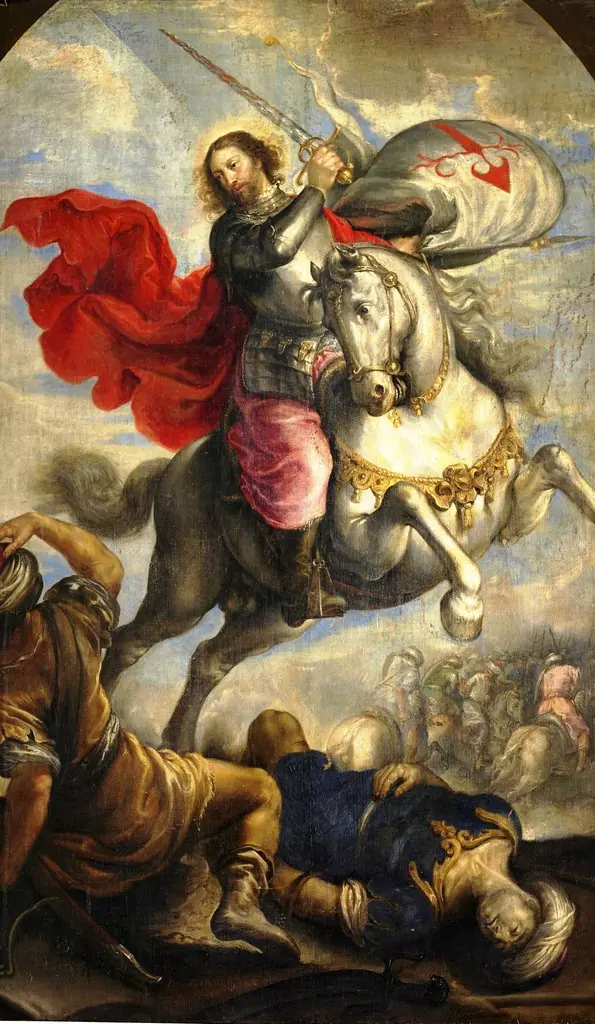 The Apostle Saint James or Saint James the Moor Slayer
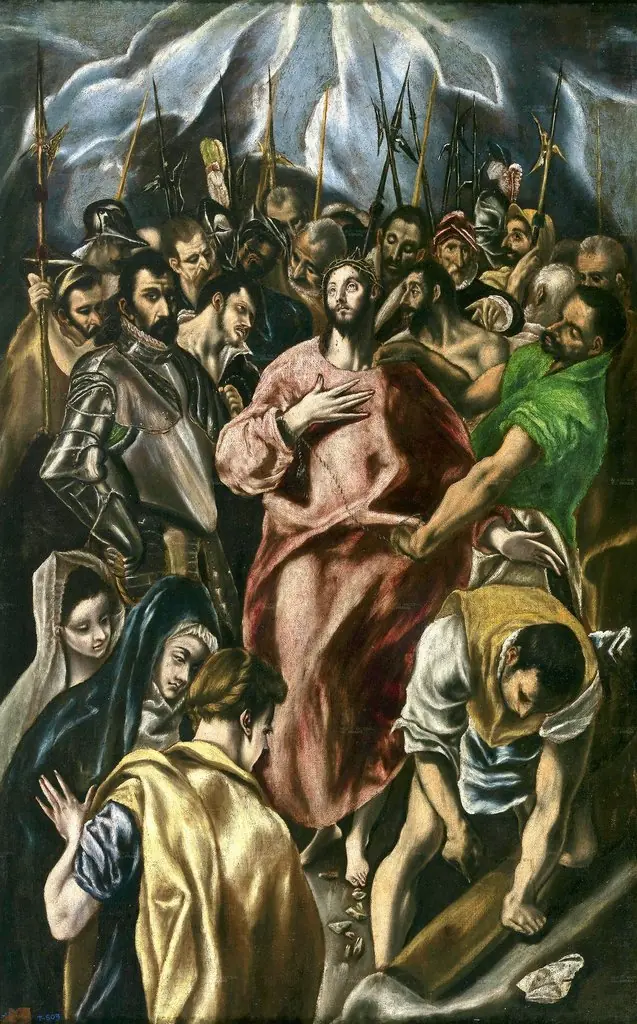 Disrobing of Christ (by J.M.Theotocópuli)
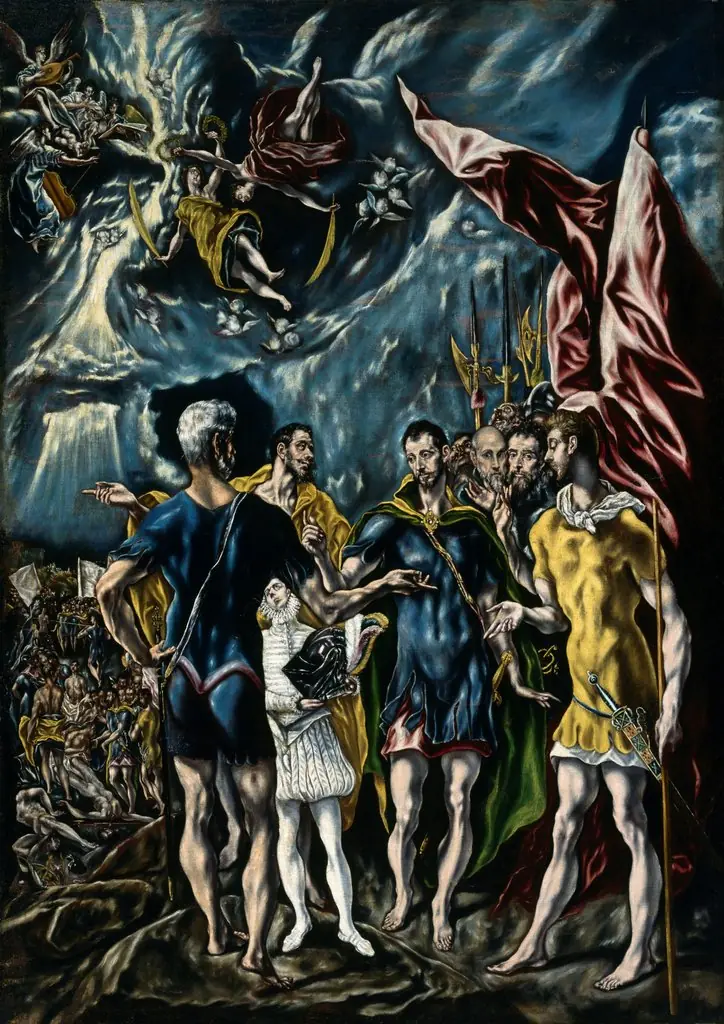 The Martyrdom of Saint Maurice
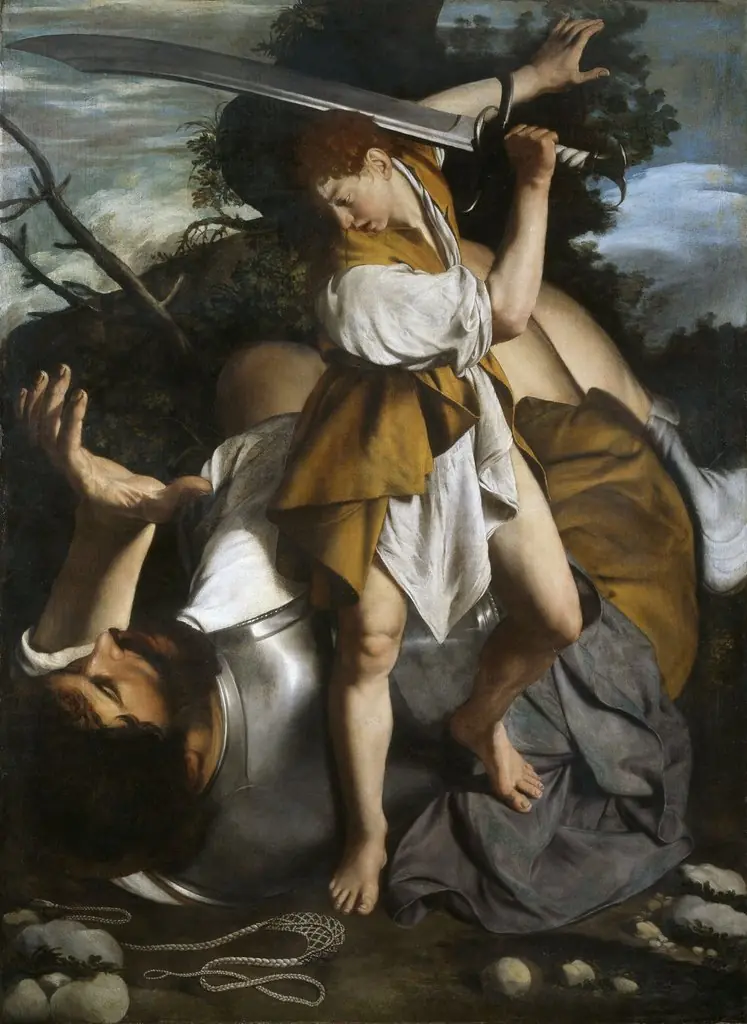 David and Goliath
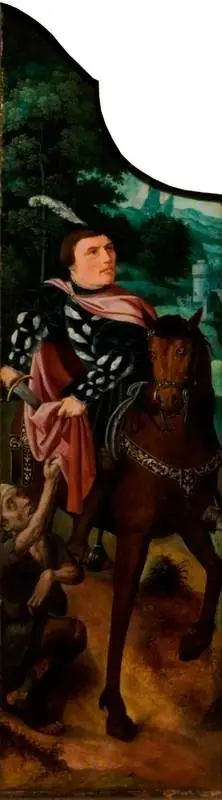 Saint Martin Dividing His Cloak (triptych, left wing)
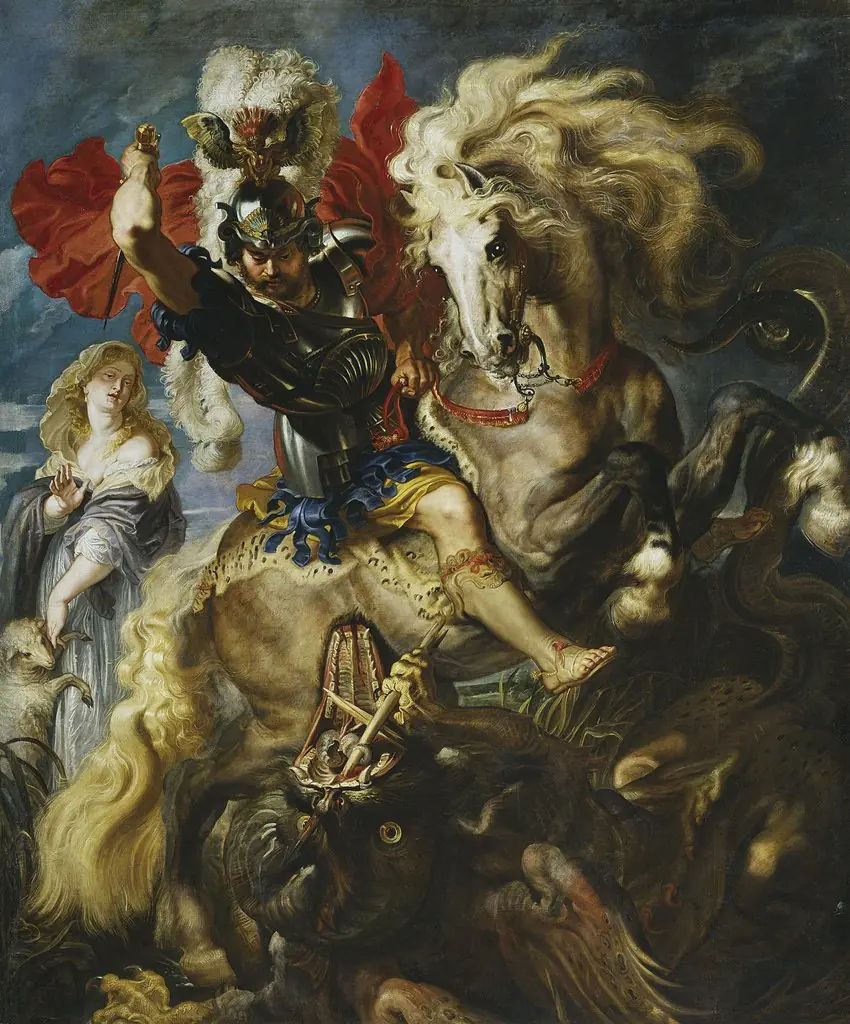 Saint George and the Dragon
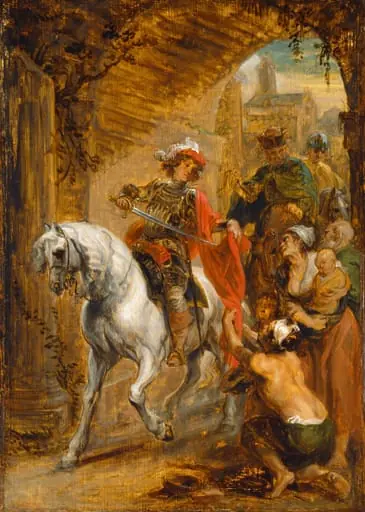 Saint Martin Dividing His Cloak
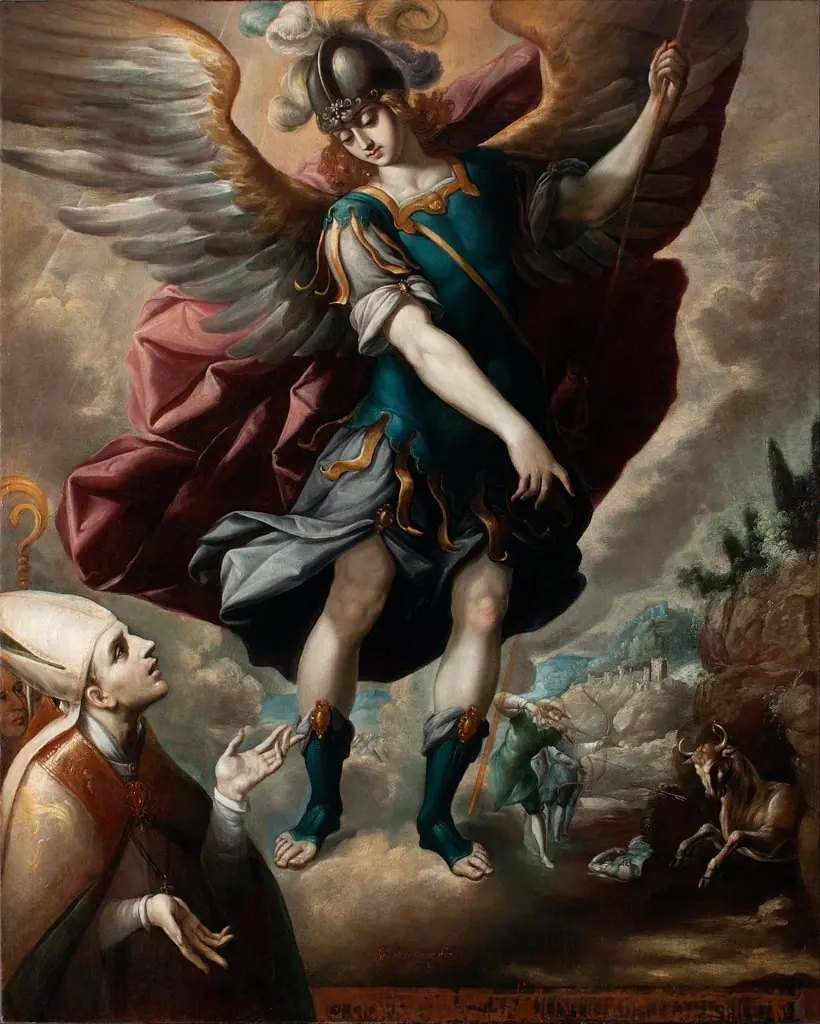 Saint Michael and the Bull
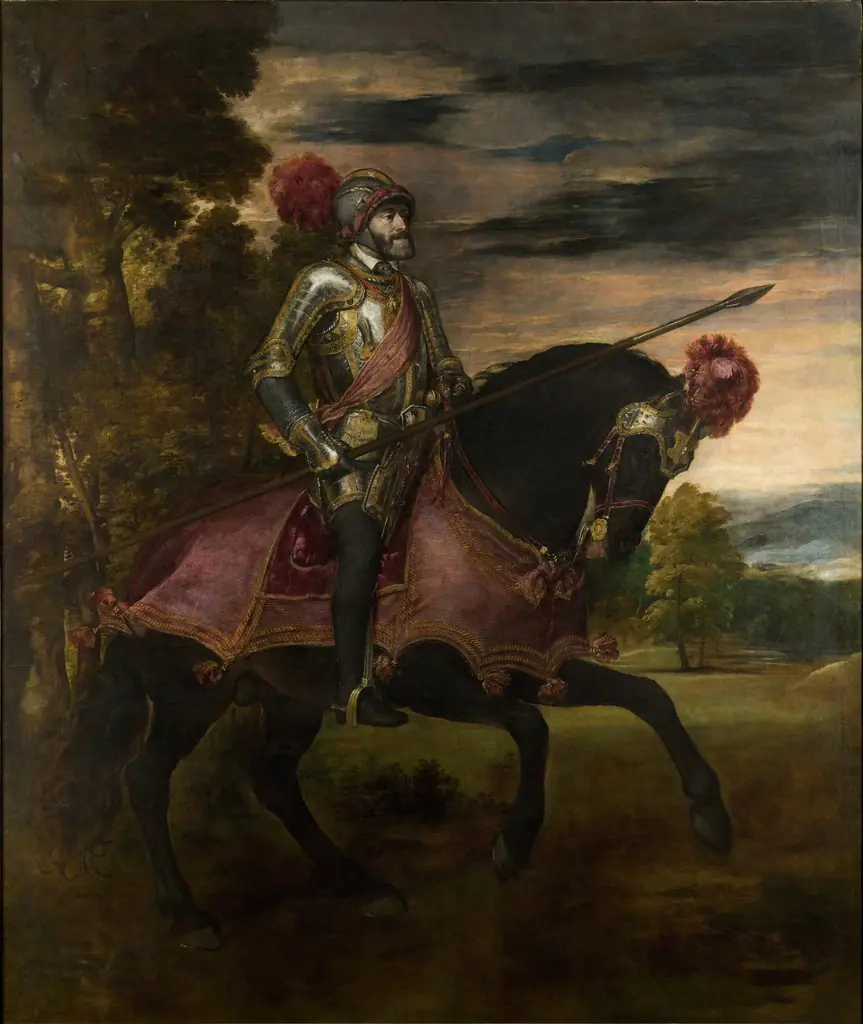 Equestrian Portrait of Charles V