Artwork
Robert Melunius
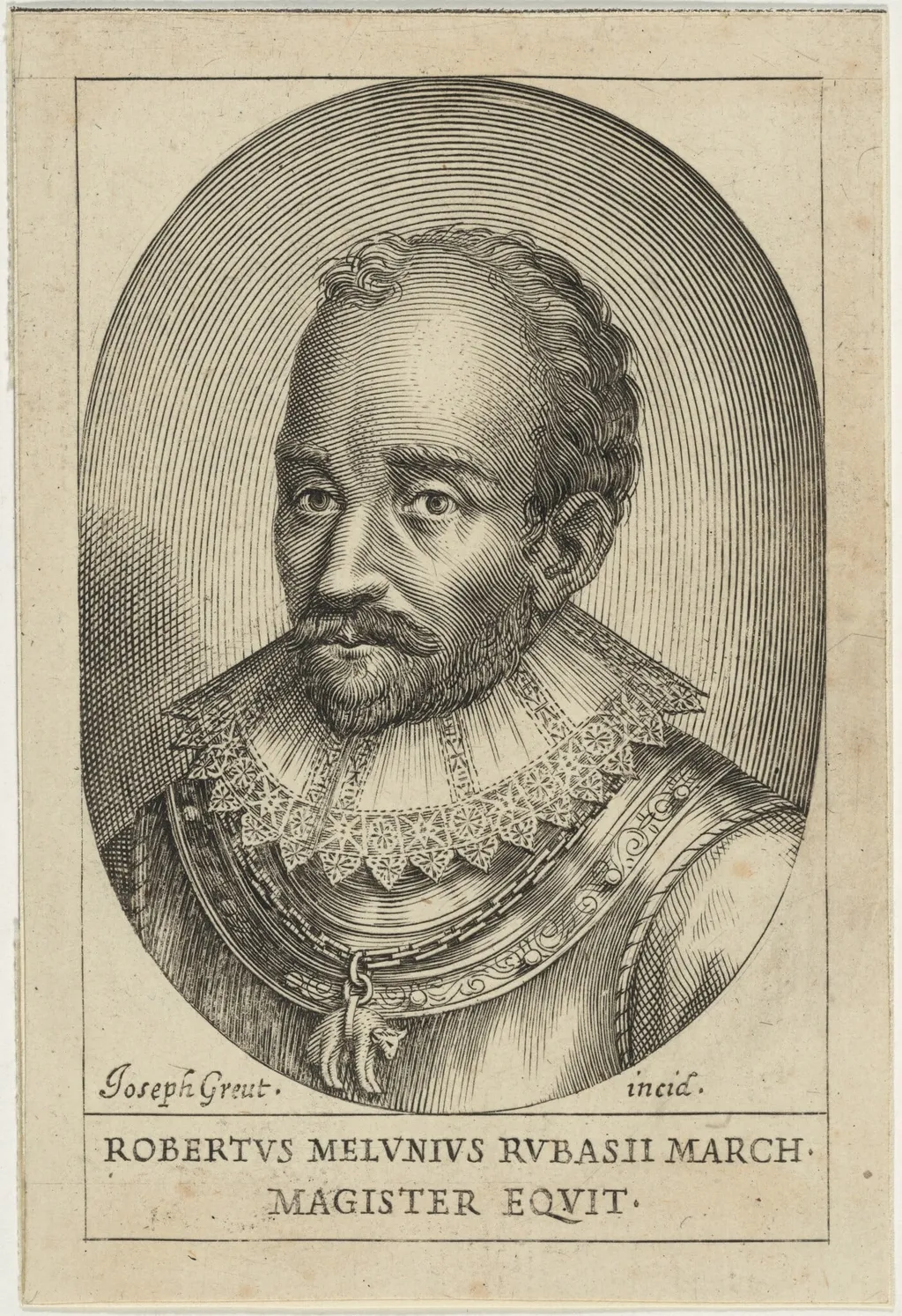
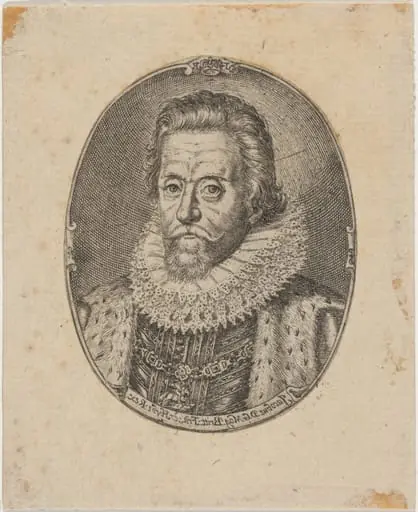
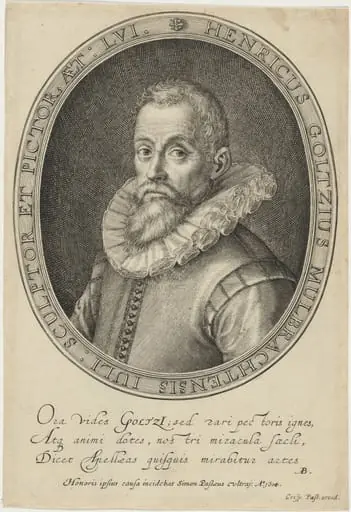
Robert Melunius is an ink print by the Renaissance artist Joseph Greuter. It dates from 1640 and is held in the collection of the National Gallery of Art.
About this work
Overview
Executed on a metal plate and transferred to paper with ink, the work belongs to the tradition of portrait prints common in early 17th-century Europe.
This black-and-white print, created in 1640 by Joseph Greuter, is an engraving depicting Robert Melunius. Executed on a metal plate and transferred to paper with ink, the work belongs to the tradition of portrait prints common in early 17th-century Europe. The composition is tightly focused on the sitter’s face and upper torso, eliminating background distractions to emphasize presence and character.
Subject & Meaning
Robert Melunius, likely a scholar or clergyman, is rendered with solemnity and precision. His thick beard, short curly hair, and deep-set eyes convey a sense of introspection. The high, lace-trimmed collar suggests formal attire, possibly indicating his social or professional status. The absence of symbols or context invites interpretation centered on individual dignity rather than external achievement.
Technique & Style
Greuter employed fine, controlled lines to model form through hatching and cross-hatching. The texture of the beard, the curl of the hair, and the delicate folds of the lace collar are built from repeated strokes, demonstrating mastery of tonal gradation without color. The technique reflects the precision expected in Renaissance and early Baroque printmaking, where clarity and detail were paramount.
History & Provenance
The engraving was produced in 1640, during a period when portrait prints circulated among educated elites as both likenesses and status objects. While specific ownership history is unrecorded, similar works by Greuter were distributed across Northern Europe. The Latinized name 'Robertus Melunius' aligns with scholarly conventions of the time, suggesting the sitter’s academic or ecclesiastical identity.
Context
Engraved portraits like this one were often commissioned to commemorate individuals who lacked the means for painted portraits. They served as affordable, reproducible records of personal identity, particularly among clergy, jurists, and academics. Greuter’s work fits within a broader network of printmakers who translated human likeness into ink, bridging art and documentation in pre-photographic society.
Legacy
Though not widely known today, this engraving exemplifies the quiet rigor of 17th-century printmaking. Its survival offers insight into how individual identity was visually constructed before modern media. The work remains a testament to the skill of engravers who shaped character through line alone, influencing later generations of portrait artists and illustrators.
Own this work as a print
Artist & collection