Artwork
Sir Robert Shirley
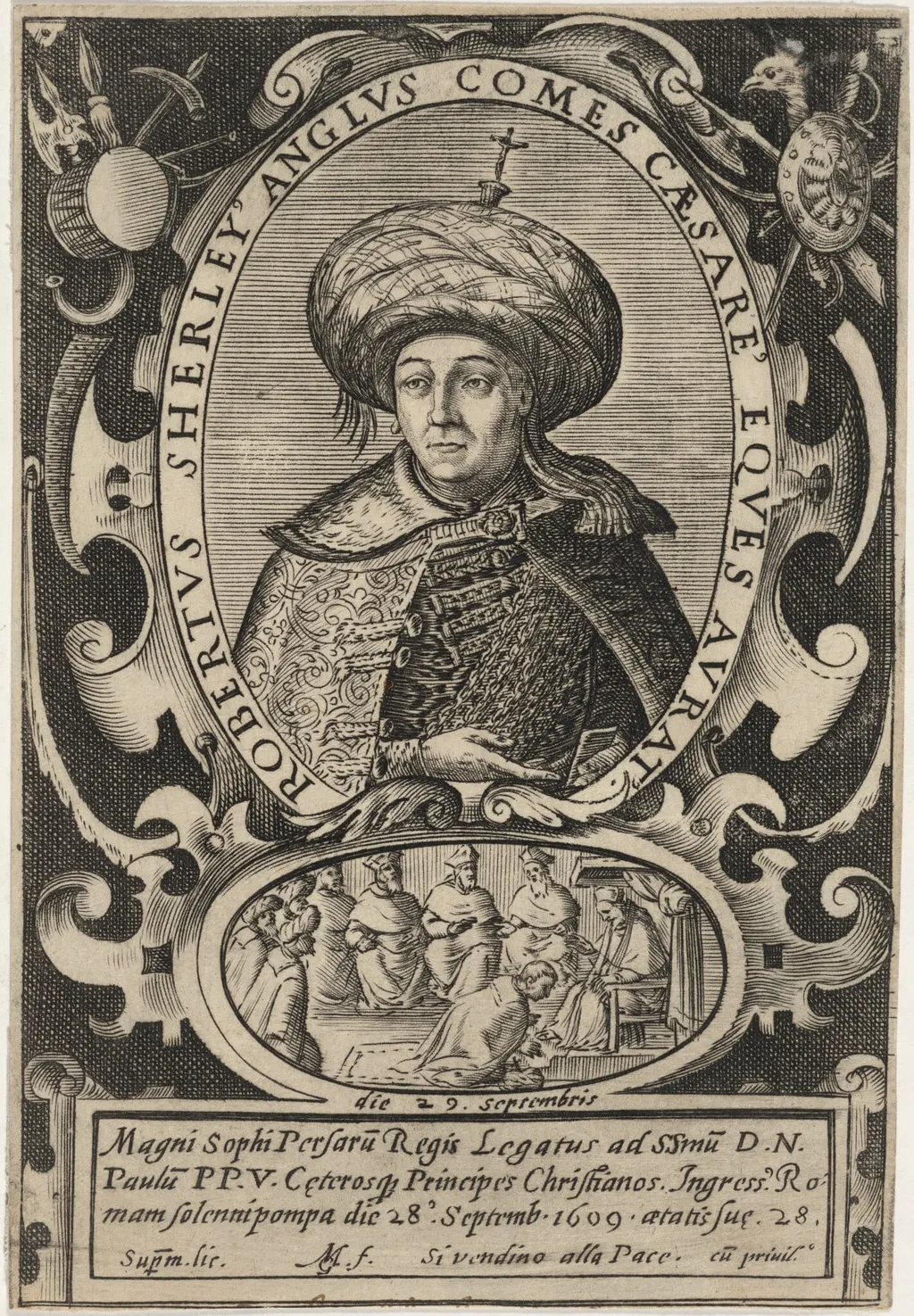
Sir Robert Shirley is an ink print by the Renaissance artist Matthaus Greuter. It dates from 1601 and is held in the collection of the National Gallery of Art.
About this work
Overview
This 1601 engraving by Matthaus Greuter depicts Sir Robert Shirley, an English diplomat, in formal attire. Rendered in monochrome, the portrait combines a full-length figure with a smaller narrative scene below. The composition reflects Renaissance traditions of combining portraiture with symbolic context, using fine lines to convey texture and status through clothing and gesture.
Subject & Meaning
The miniature scene beneath likely depicts a ceremonial gathering, possibly linked to his diplomatic missions or honors received abroad.
Sir Robert Shirley, a member of the English embassy to Persia, is shown in elaborate dress that blends European and Eastern elements, signaling his diplomatic role. The Latin inscriptions encircling his head identify him and reference his title, reinforcing his public identity. The miniature scene beneath likely depicts a ceremonial gathering, possibly linked to his diplomatic missions or honors received abroad.
Technique & Style
Greuter employed burin engraving on metal, incising fine lines to create tonal variation and intricate detail. The texture of fabric, the sheen of metalwork, and the delicate rendering of facial features demonstrate mastery of the medium. The use of a banner-like inscription and a subordinate scene below the figure follows conventions of early 17th-century portraiture, emphasizing status through layered symbolism.
History & Provenance
Created in 1601, the print was likely commissioned to commemorate Shirley’s diplomatic service in Persia. It circulated among European elites as a visual record of England’s expanding foreign relations. Early copies appear in royal and aristocratic collections, suggesting its role as both personal commemoration and political artifact in early modern Europe.
Context
During the early 1600s, European diplomats often commissioned portraits to document their international roles. Engravings like this one served as portable, reproducible tokens of status and achievement. The fusion of Eastern-inspired attire with Western engraving techniques reflects the cultural exchanges between Europe and the Islamic world during this period of expanding trade and diplomacy.
Legacy
The engraving remains a rare visual record of an English envoy in Safavid Persia, offering insight into how diplomats were visually represented abroad. Its technical precision and symbolic composition influenced later portrait prints, particularly those documenting cross-cultural encounters. Today, it is studied as a document of early modern identity and diplomatic representation.
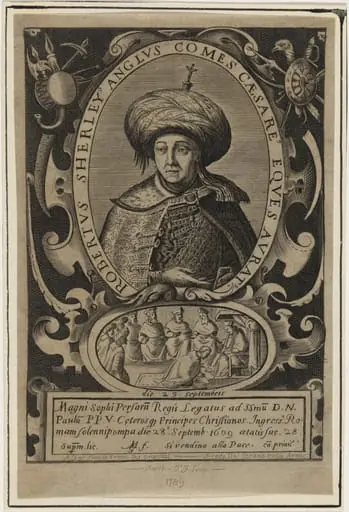
Own this work as a print
Artist & collection

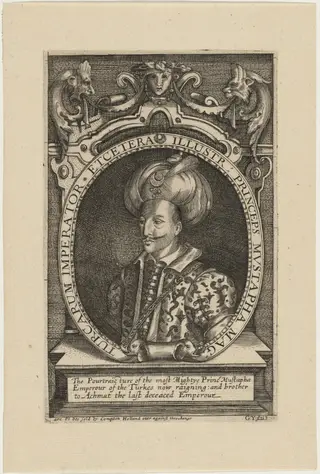 Mustapha III, Sultan of Turkey
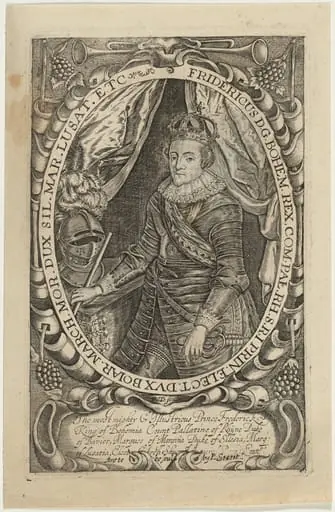 Fredericus D.G. Bohem. Rex (Frederick V, Kingof Bohemia)
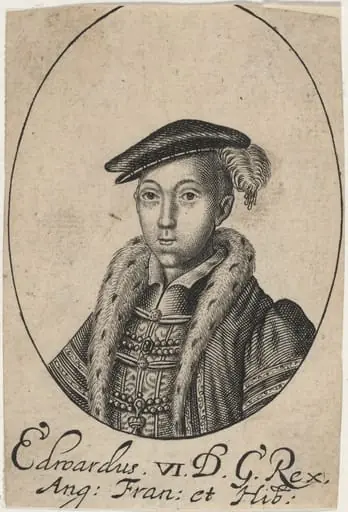 Edward VI
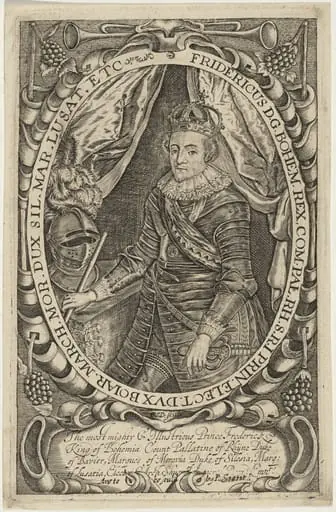 Frederick V, King of Bohemia
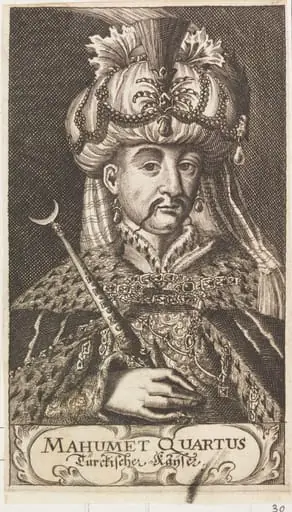 Turkish sultans, sultanas and other historical figures
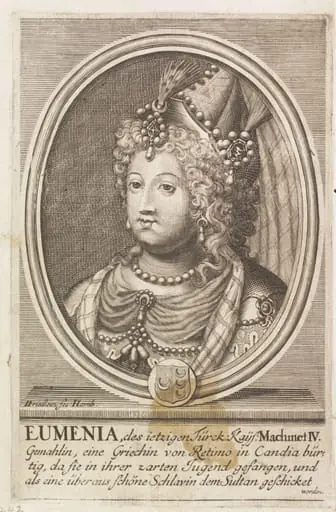 Turkish sultans, sultanas and other historical figures
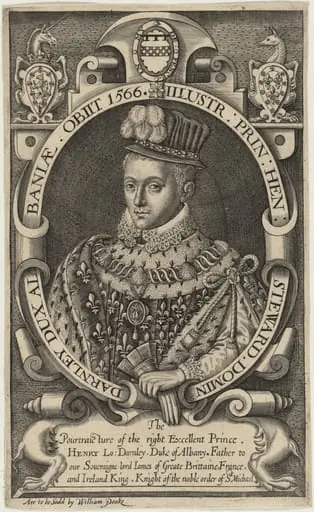 Henry Stuart, Lord Darnley
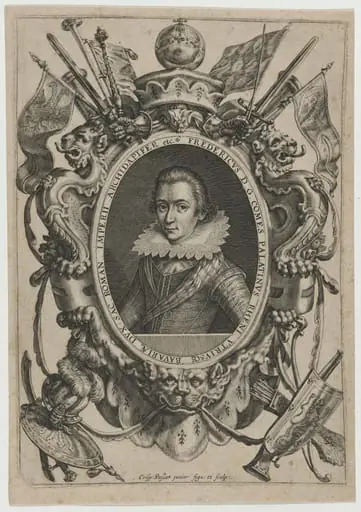 Frederick V, Elector Palatine, King of Bohemia
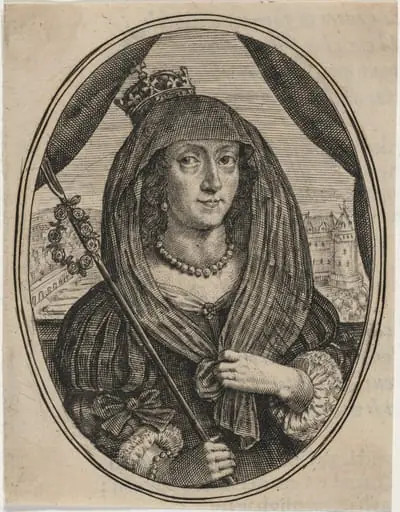 Henrietta Maria
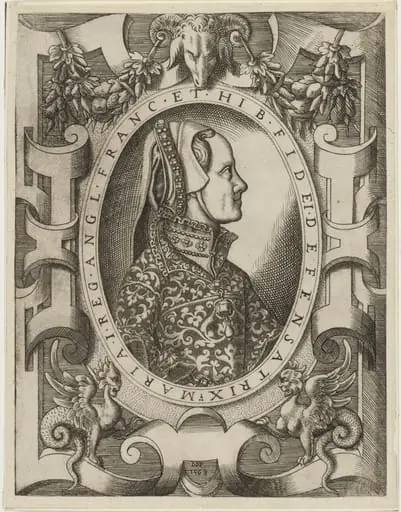 Queen Mary I of England