Artwork
Cupid
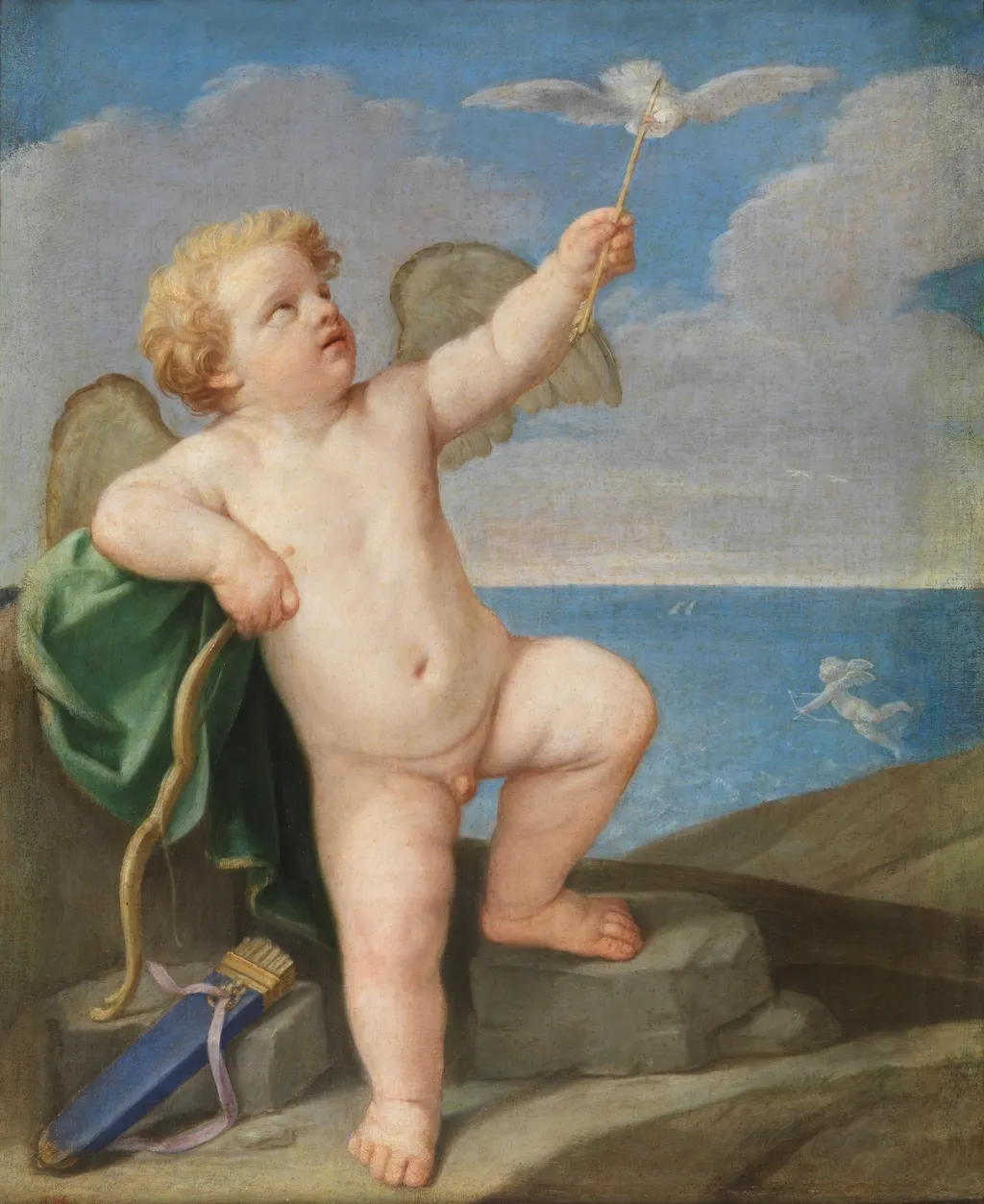
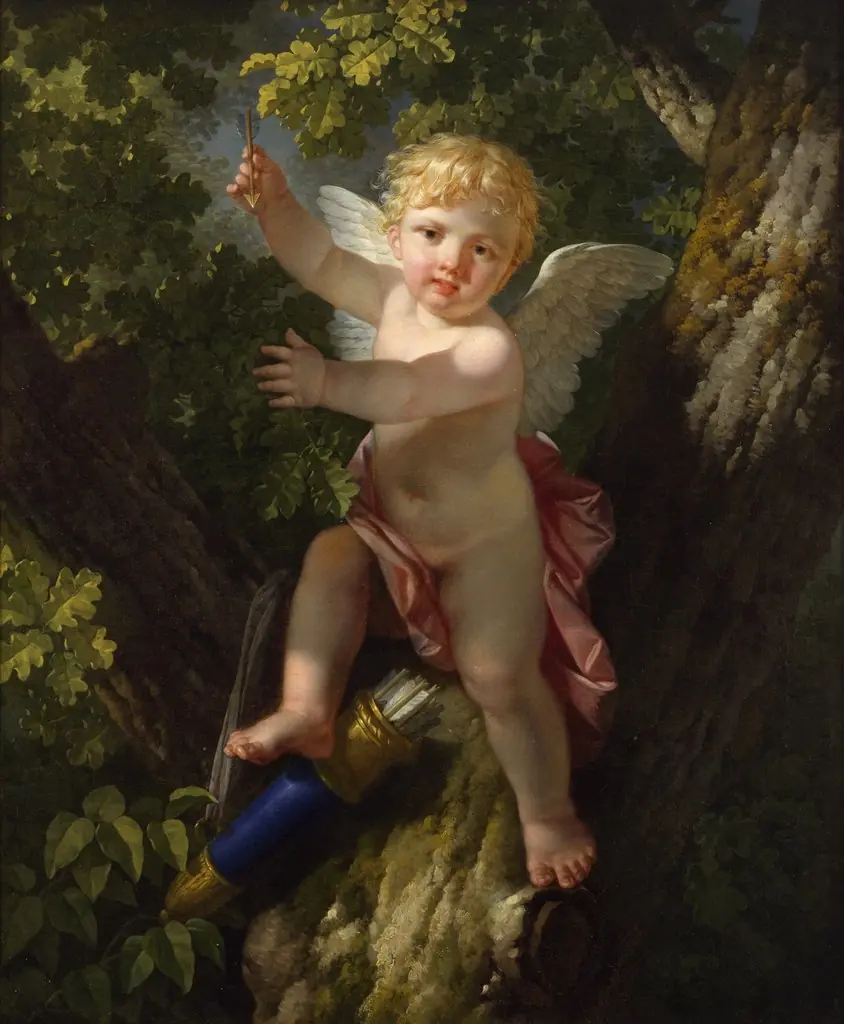
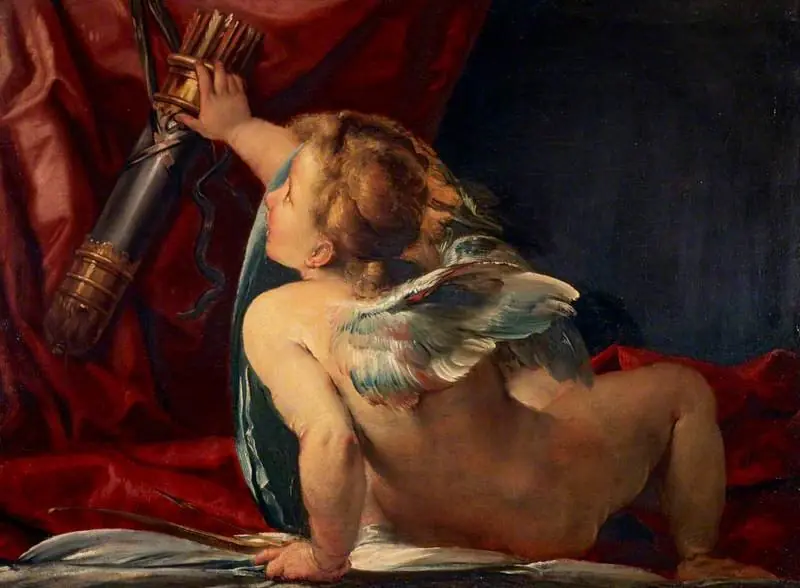
Cupid is an oil painting by the Early Baroque Italian artist Guido Reni. It dates from 1637 and is held in the collection of the Museo del Prado.
About this work
Subject & Meaning
The painting Cupid, executed by Guido Reni in 1637, portrays the Roman god of love as a cherubic child drawing a bow, embodying themes of desire and the playful yet potent power of affection. Depicted in a mythological context, the work reflects the Baroque fascination with sensuality and the divine aspects of love, aligning with the symbolic tradition of representing Cupid as both innocent and influential. The composition, housed in the Museo del Prado, underscores its historical significance as part of the Spanish royal collection amassed by Ferdinand VII, highlighting its role within the cultural patronage of the period.
Technique & Style
Guido Reni rendered Cupid with delicate brushwork that emphasizes the figure’s soft flesh and the subtle play of light across the musculature.
The work is an oil painting executed on canvas, measuring 101 cm in height by 88 cm in width. Guido Reni rendered Cupid with delicate brushwork that emphasizes the figure’s soft flesh and the subtle play of light across the musculature. The composition balances classical poise with a tender intimacy, reflecting the Baroque emphasis on sensuality and refined line.
The surface condition is stable, with the varnish layer showing only minor yellowing consistent with age, and the canvas remains taut without evidence of cracking or structural stress.
History & Provenance
The painting titled Cupid by Guido Reni was created in 1637. Executed in oil on canvas, the work measures 101 cm in height and 88 cm in width. Historical records indicate that the piece was owned by Ferdinand VII of Spain.
The artwork is currently held in the collection of the Museo del Prado, located within the Royal Palace of Madrid.
The painting Cupid by Guido Reni is held at the Museo del Prado in Madrid, where it is listed under inventory number P009682.
It entered the royal collection through Ferdinand VII of Spain and has been part of the museum's holdings since the 19th century.
The work was displayed in the Prado's 19th-century Spanish paintings gallery and featured in the 1995 exhibition 'Spanish Masters: From Velázquez to Goya.'
Overview
Guido Reni's 'Cupid' is a mythological oil painting created in 1637, featuring the mythological figure of Cupid in a naturalistic setting.
Context
Created in 1637, 'Cupid' reflects the Baroque period's emphasis on dramatic lighting and emotional intensity, characteristic of Reni's work during this time.
Legacy
While specific influences or direct artistic descendants of 'Cupid' are not highlighted, the painting remains a notable example of Reni's contribution to Baroque art, particularly in its use of chiaroscuro.
Own this work as a print
Artist & collection
Artist
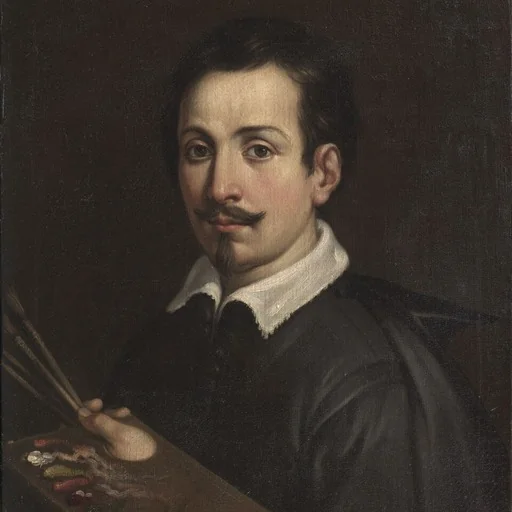
Guido Reni was an Italian Baroque painter, although his works showed a classical manner, similar to Simon Vouet, Nicolas Poussin, and Philippe de Champaigne.