Artwork
Cupid (Amor)

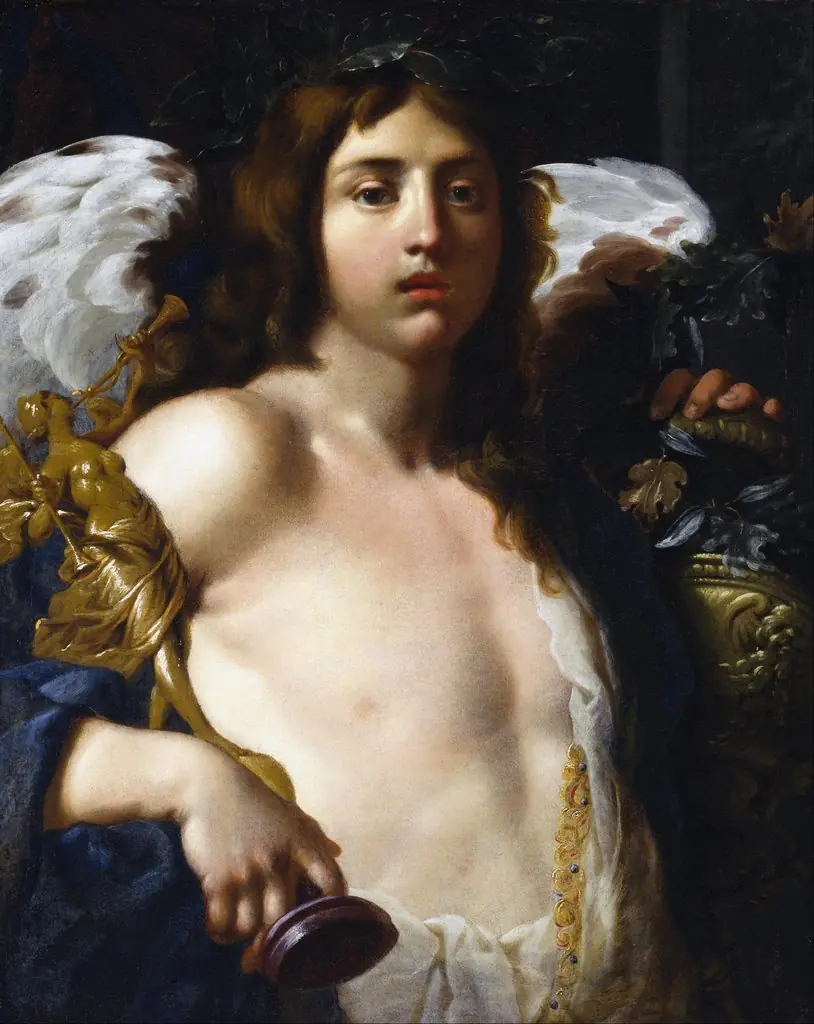
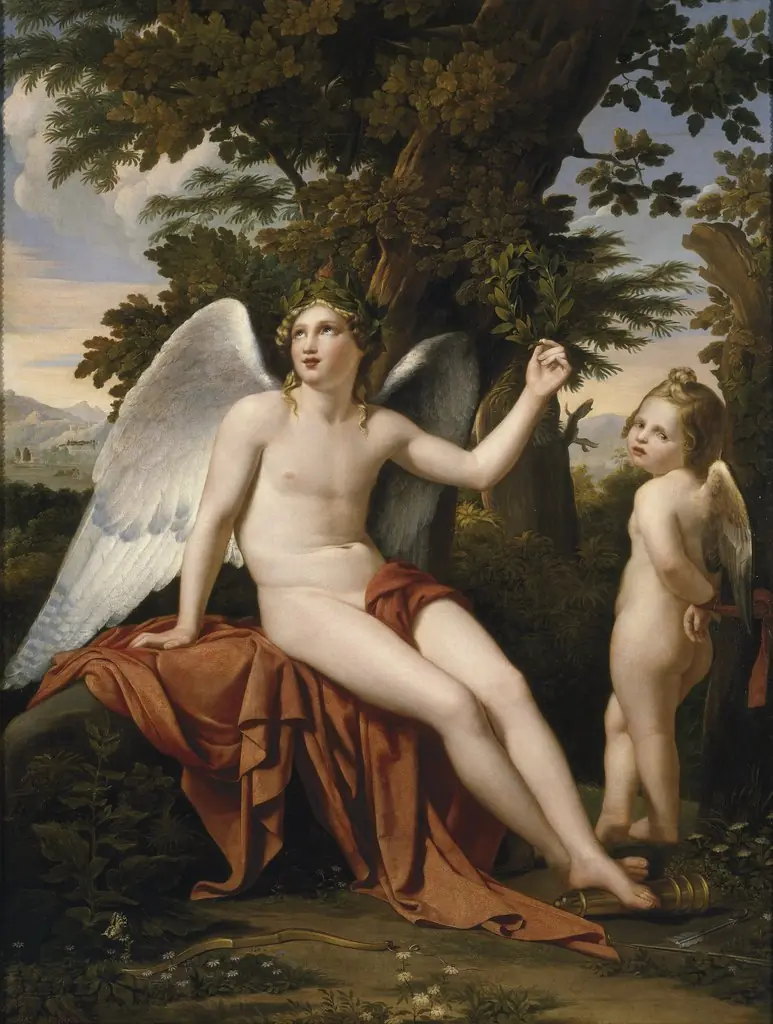
Cupid (Amor) is an oil painting by Johann Liss. It dates from 1630 and is held in the collection of the Cleveland Museum of Art.
About this work
Subject & Meaning
Johann Liss's 1630 oil painting depicts Cupid, also known as Amor, the Roman god of love and desire.
Johann Liss's 1630 oil painting depicts Cupid, also known as Amor, the Roman god of love and desire. As a work of mythological genre, the image centers on this specific deity, whose presence traditionally symbolizes the powerful and often capricious nature of romantic attraction. The identification of the figure as Cupid establishes the narrative framework, inviting viewers to consider themes of affection and longing consistent with classical mythology.
Created in Germany during the early seventeenth century, the piece utilizes the visual language of antiquity to explore human emotion through the lens of divine intervention.
Technique & Style
Executed in oil on canvas, the painting measures 87.7 cm in height and 65.7 cm in width. The handling is characterized by fluid, painterly brushwork that conveys both the delicate anatomy of the child and the softness of the surrounding drapery. Loose, luminous touches define the flesh and wings, while denser, blended passages model the fabric and foliage, creating a contrast between palpable texture and atmospheric recession.
The composition centers on a youthful Cupid, whose slender form and downy contours align with the idealized, graceful idiom of early Baroque mythological painting.
History & Provenance
Johann Liss executed the mythological painting Cupid (Amor) in 1630. Created in Germany, the work is an oil painting on canvas depicting the figure of Cupid. The artwork currently resides in the collection of the Cleveland Museum of Art, where it is cataloged under the accession number 1971.100.
Johann Liss's Cupid (Amor) is held in the collection of the Cleveland Museum of Art in Cleveland, Ohio. The work was acquired by the museum in 1971 and carries the accession number 1971.100. Painted in 1630, this oil on canvas depicts the mythological figure Cupid and originates from Germany. No specific exhibition history is recorded in the available sources.
Overview
Johann Liss, a prominent German Baroque artist who worked extensively in Venice, created Cupid (Amor) around 1630. This oil painting depicts the mythological figure of Cupid and is currently part of the collection at The Cleveland Museum of Art. The work exemplifies Liss's approach to mythological subjects, rendered with characteristic dramatic flair and a focus on classical narratives.
Context
Johann Liss was a significant figure in the German Baroque movement, though much of his career unfolded in Venice. His time in Italy profoundly influenced his artistic development, leading him to integrate Venetian color and light with northern European naturalism. This fusion contributed to his distinctive style, making him a notable contributor to the international Baroque aesthetic of the early 17th century.

Own this work as a print
Artist & collection
Artist
Johann Liss or Jan Lys (c. 1590 or 1597 – 1629 or 1630) was a leading German Baroque painter of the 17th century, active mainly in Venice.