Artwork
Martirio de Santa Apolonia
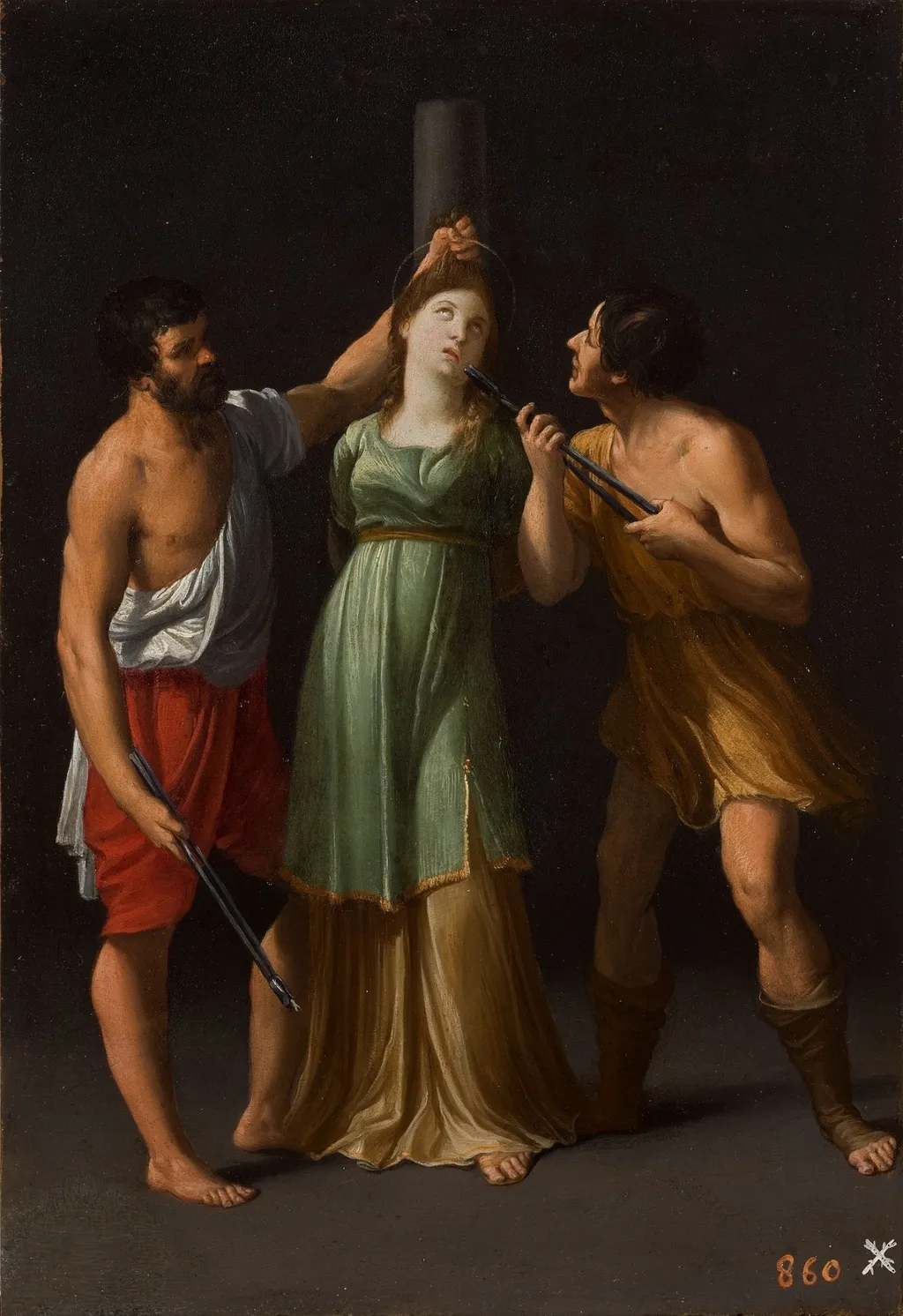
Martirio de Santa Apolonia is an oil painting by the Early Baroque Italian artist Guido Reni. It dates from 1600 and is held in the collection of the Museo del Prado.
About this work
Subject & Meaning
The work's iconography centers on this defining moment of her ordeal, with the saint shown alongside the tongs that identify her martyrdom.
The painting depicts the martyrdom of Saint Apollonia, an early Christian virgin traditionally said to have suffered in Alexandria during the anti-Christian persecutions of the third century. According to hagiographic tradition, her tormentors extracted her teeth, often with tongs, before she was condemned to the flames; she is said to have voluntarily leapt into the fire rather than renounce her faith, and she subsequently became the patron saint of dentistry and of those suffering toothache.
The work's iconography centers on this defining moment of her ordeal, with the saint shown alongside the tongs that identify her martyrdom. As a religious image, the painting functions both as a devotional object honoring Apollonia's steadfastness and as a meditation on the themes of bodily suffering, spiritual resistance, and the triumph of faith over persecution that characterize Counter-Reformation sacred art.
Technique & Style
The work is an oil painting executed on copper, combining oil paint with copper leaf. Its dimensions are 28 cm in height by 20 cm in width, and it portrays Saint Apollonia holding tongs. The composition reflects Reni’s characteristic emphasis on delicate facial expression and graceful drapery, while the use of metal support contributes to a smooth, luminous surface that distinguishes the piece within his religious oeuvre.
History & Provenance
The Martirio de Santa Apolonia is dated to 1600 and attributed to Guido Reni. It entered the Spanish royal collection under Philip V, who acquired the work by 1746. The painting was later held by Charles III and then Ferdinand VII before passing to the Museo del Prado, where it remains in the Royal Palace of Aranjuez. The small copper support suggests it was conceived as a cabinet piece rather than a large altarpiece.
Guido Reni's Martirio de Santa Apolonia is held in the collection of the Museo del Prado. The painting is currently located at the Royal Palace of Aranjuez. Historical records indicate the work was owned by Spanish monarchs Philip V, Charles III, and Ferdinand VII.
The sources do not provide a specific inventory or accession number for the piece. Additionally, the available documentation contains no information regarding the artwork's exhibition history.
Overview
Guido Reni’s early‑17th‑century oil, titled Martirio di Santa Apolonia, presents a compact interior scene illuminated by a stark chiaroscuro. The composition centers on a woman in a green gown, her head inclined backward, flanked by two men, one gripping a staff, the other brandishing a pair of tongs near her face. The limited light highlights their expressions and hands, creating a tense, suspended moment.
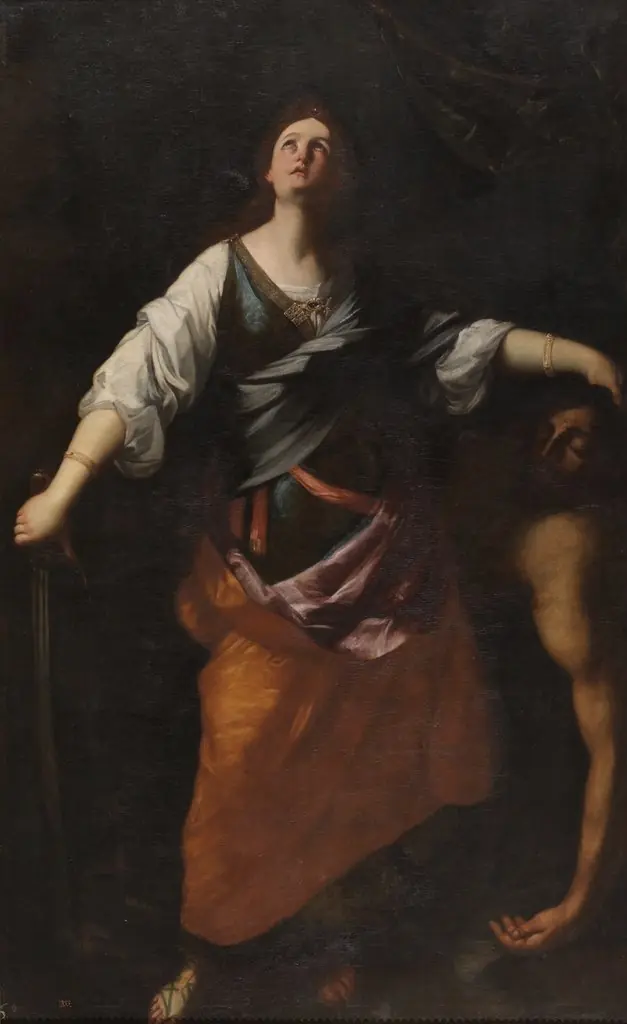
Own this work as a print
Artist & collection
Artist
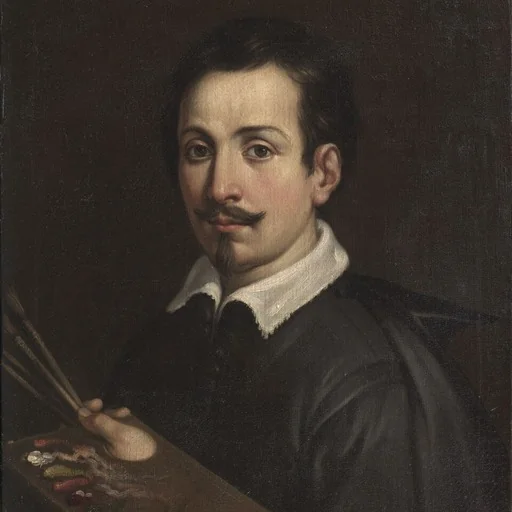
Guido Reni was an Italian Baroque painter, although his works showed a classical manner, similar to Simon Vouet, Nicolas Poussin, and Philippe de Champaigne.

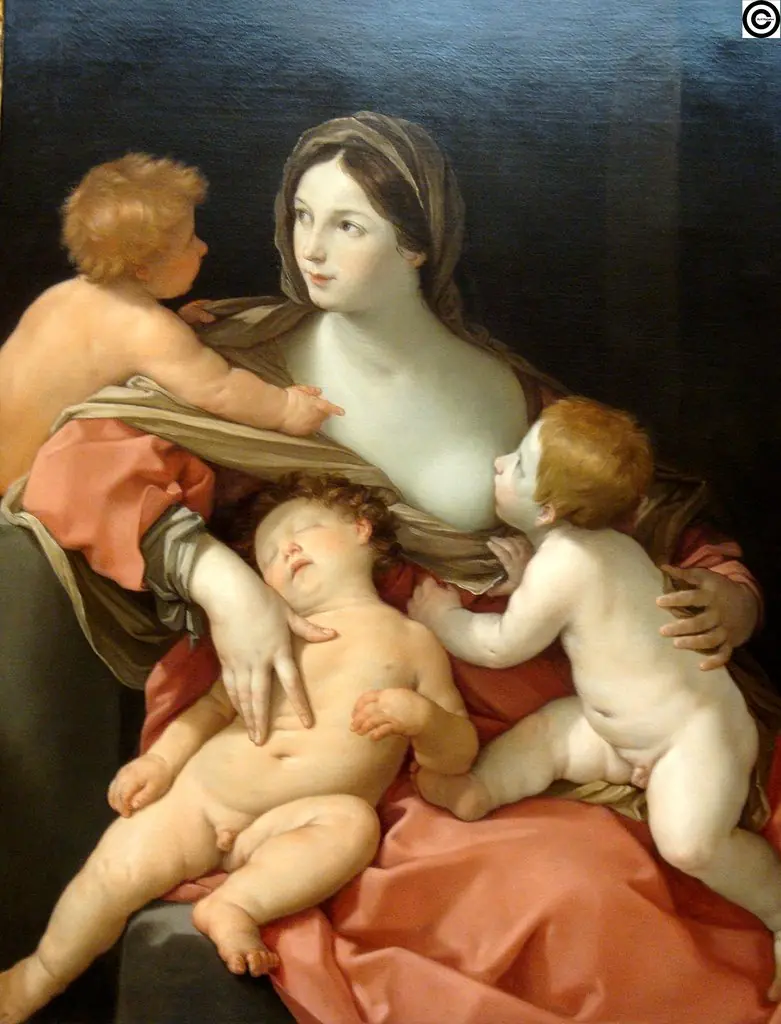

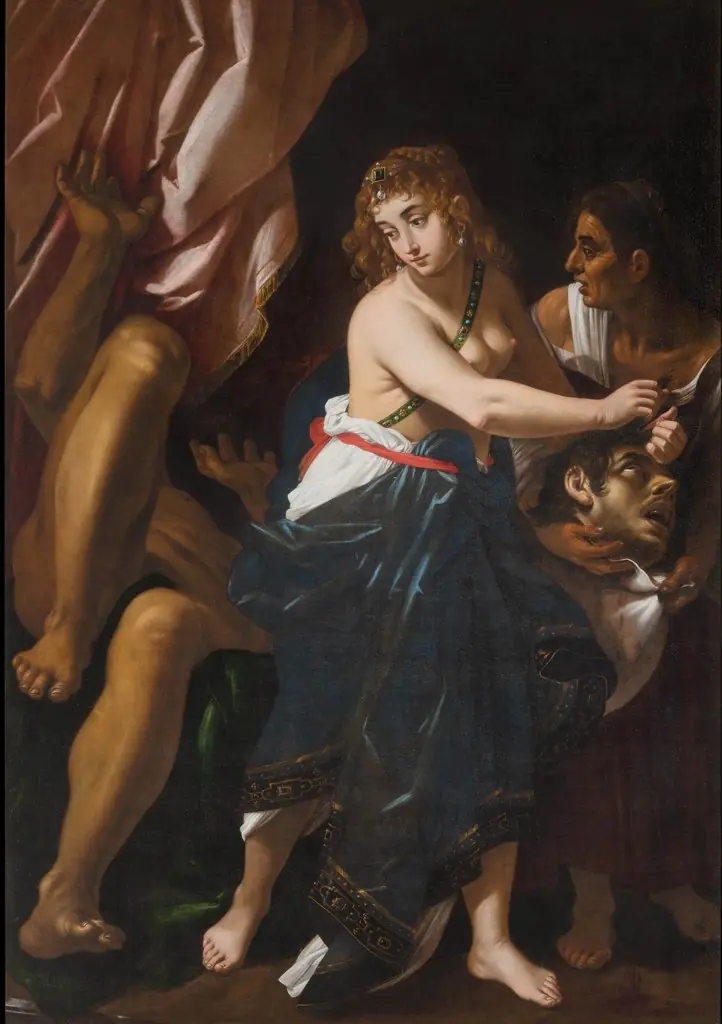 Judith and the Head of Holofernes
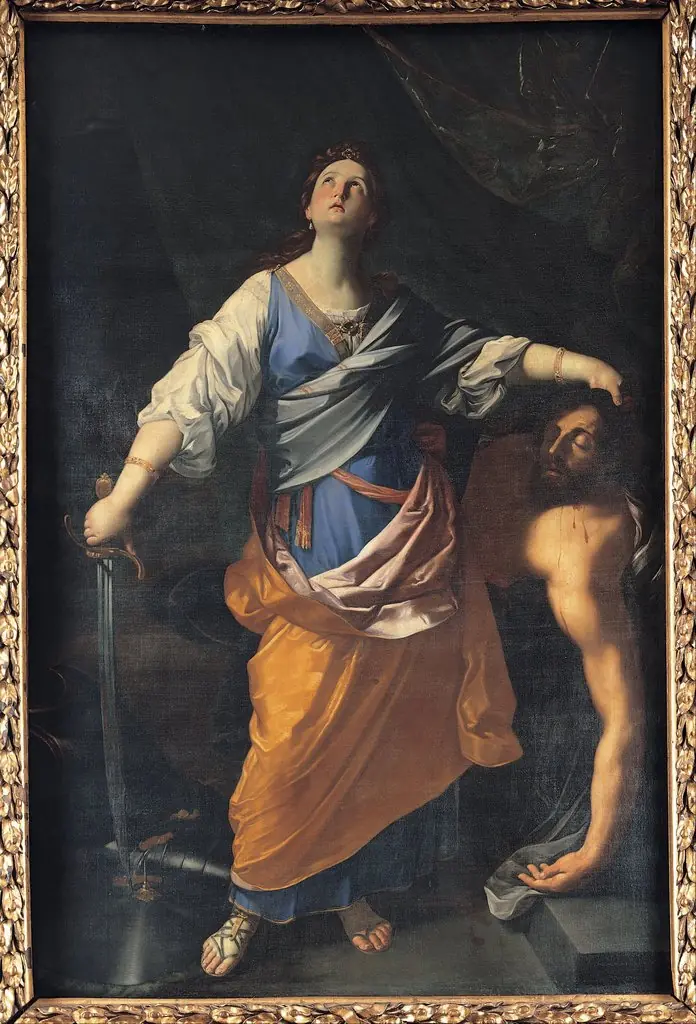 Judith
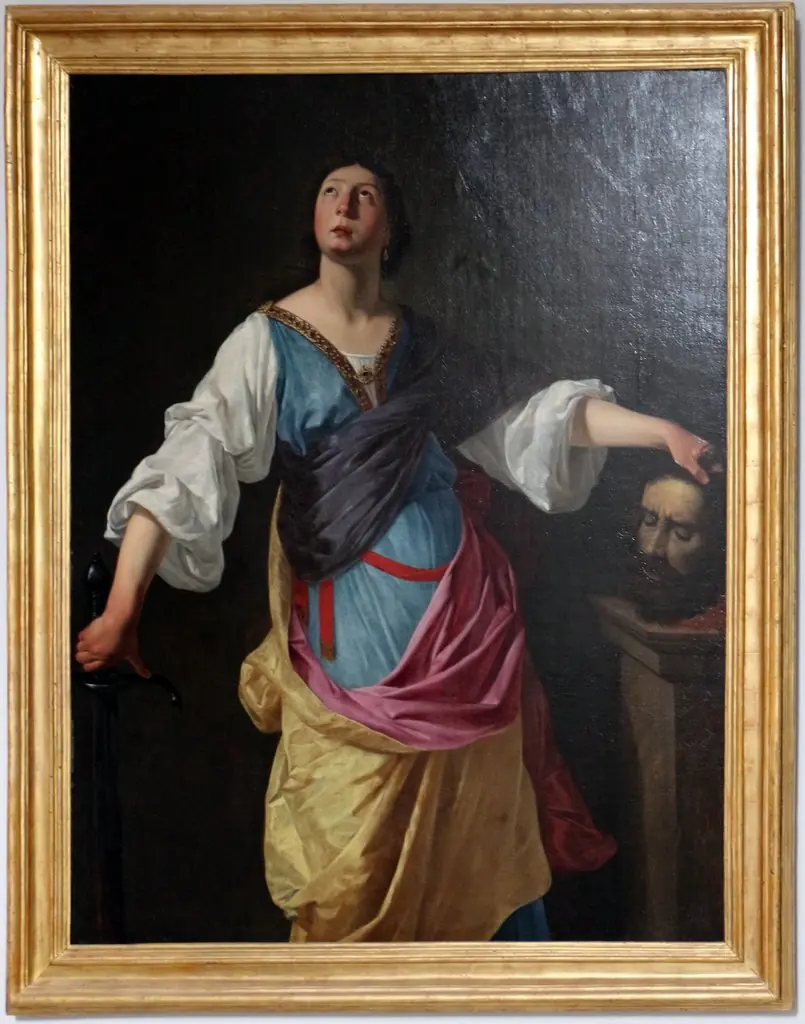 Judith and the Head of Holofernes
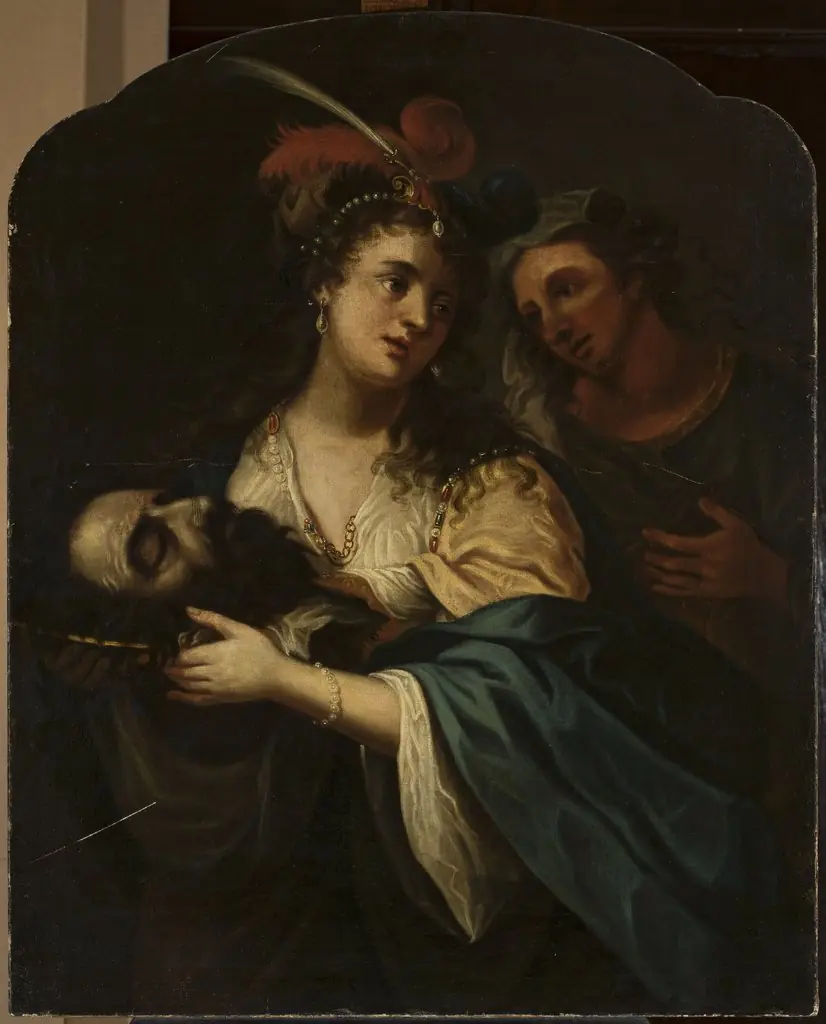 Salome with the head of St. John the Baptist
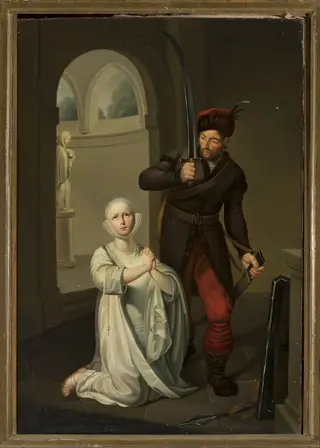 Virtuous nun
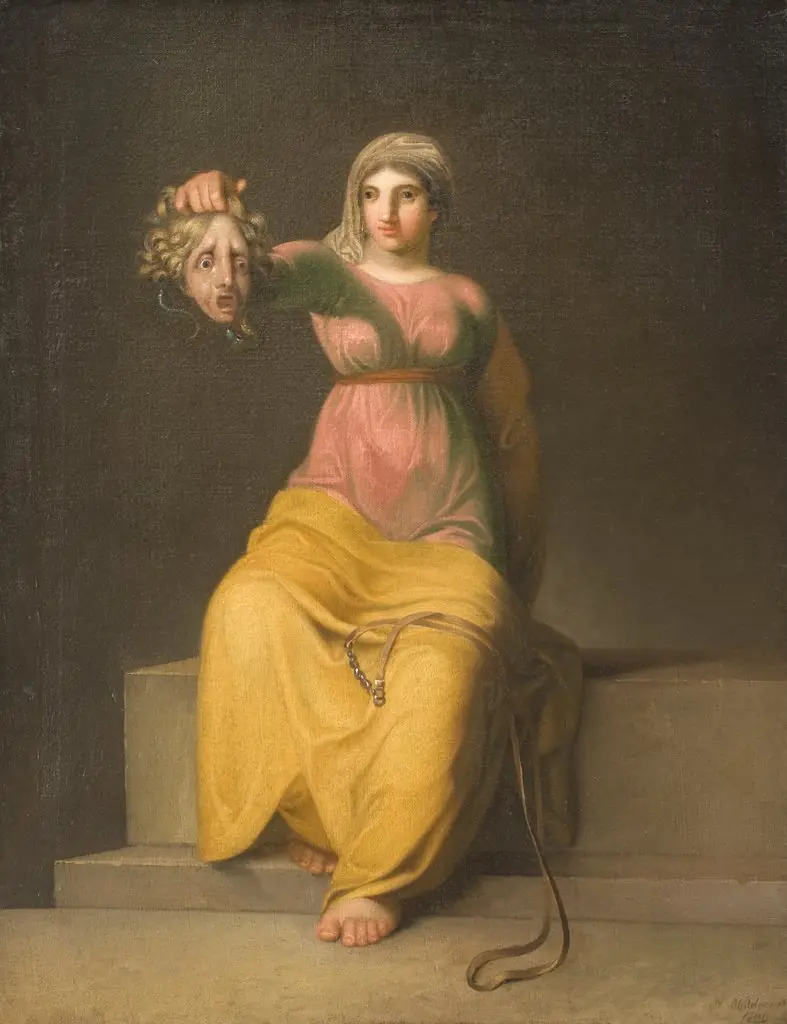 Theology. Allegorical figure
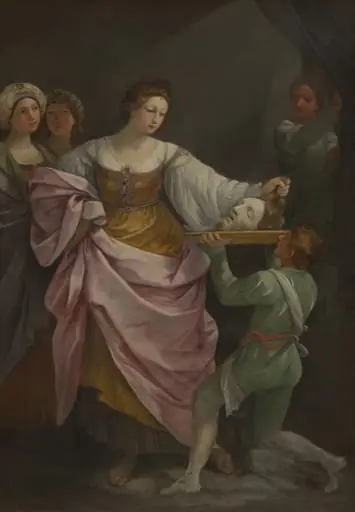 Salome with the Head of Saint John the Baptist
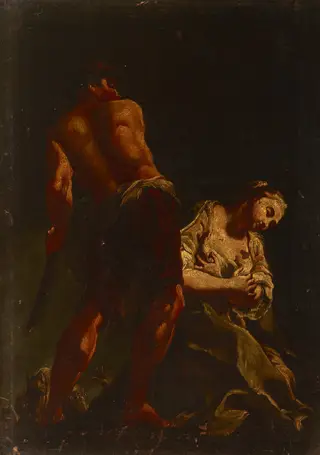 Martyrdom of the Saint Woman
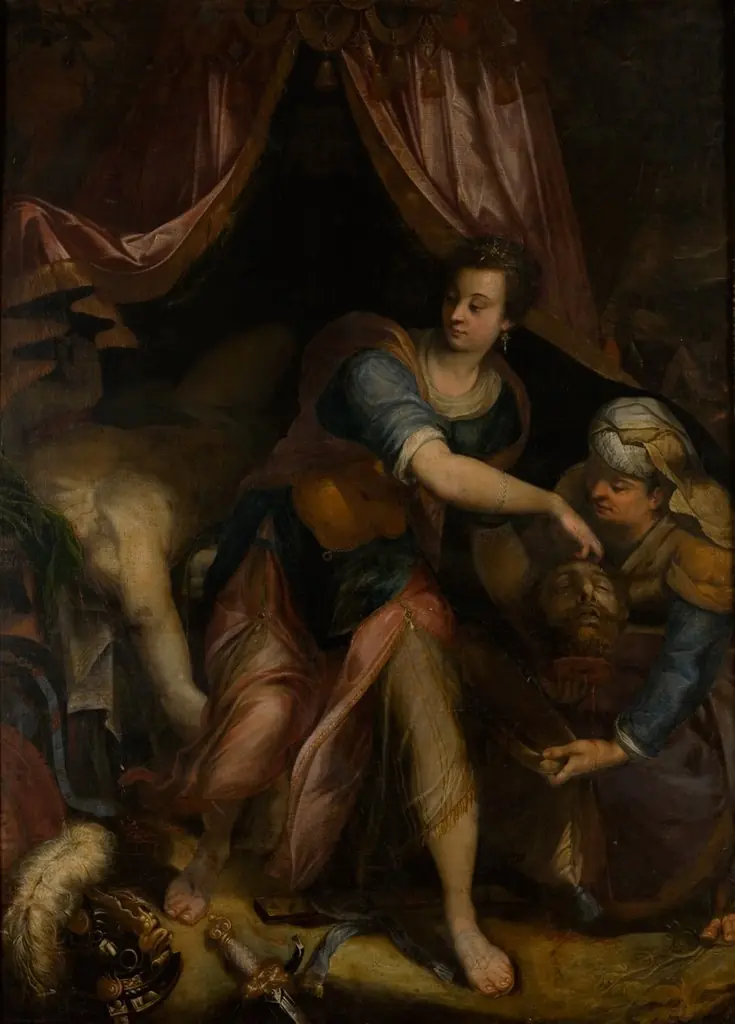 Judith with the Head of Holofernes
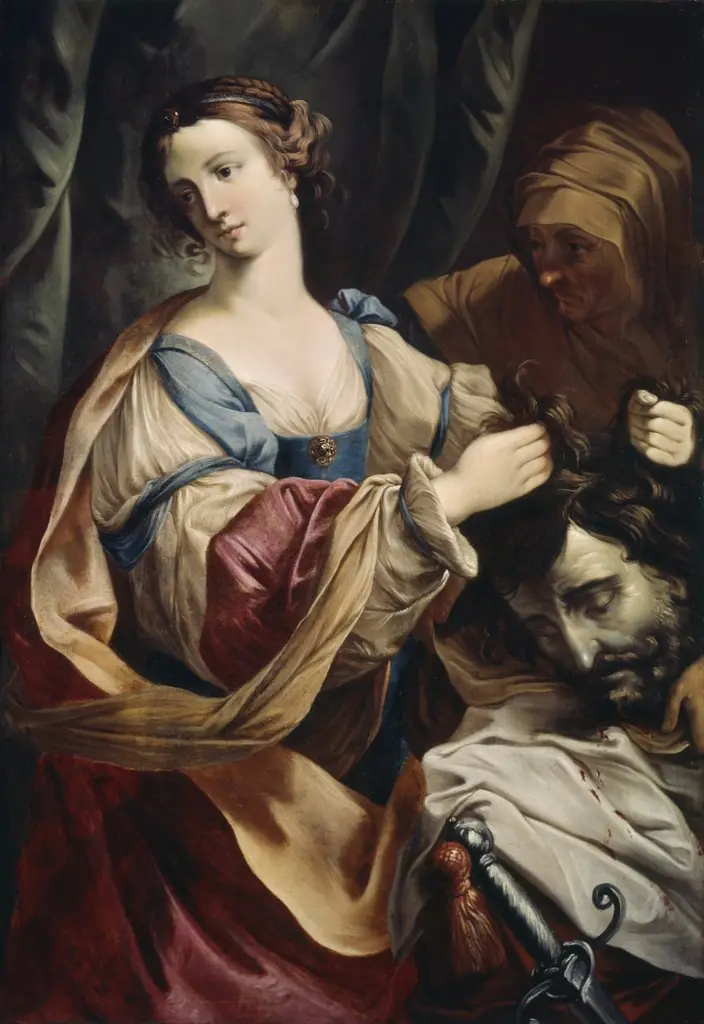 Judith with the Head of Holofernes
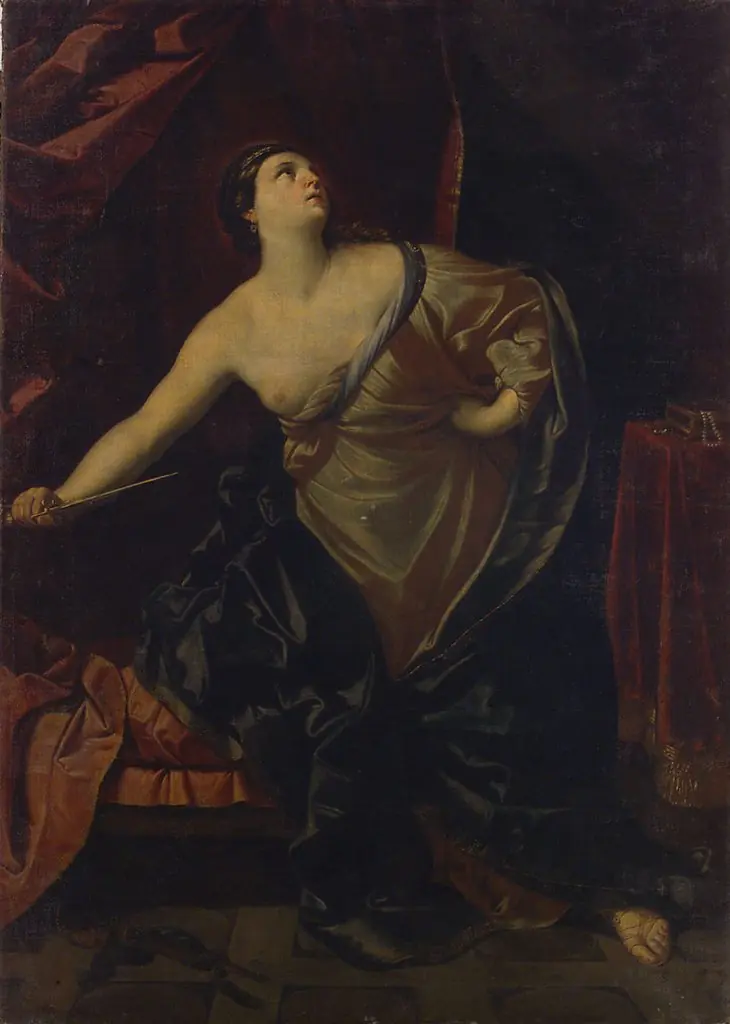 Lukrezia
- Judit y Holofernes