Artwork
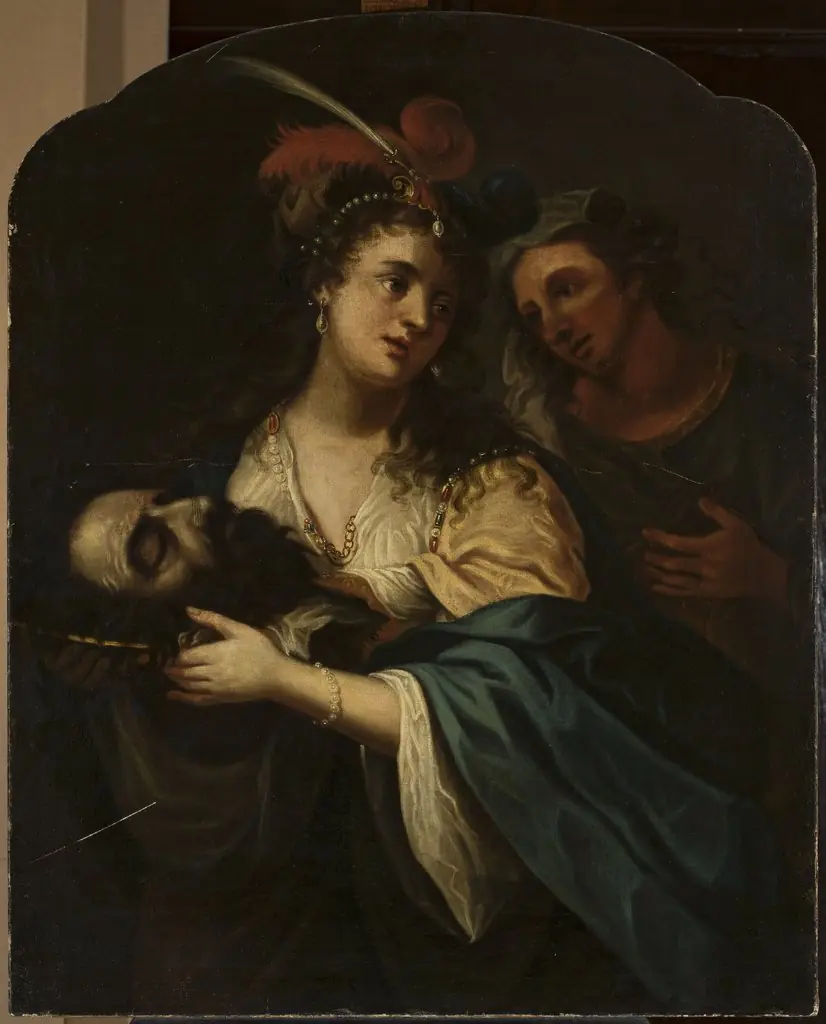
Judith with the Head of Holofernes
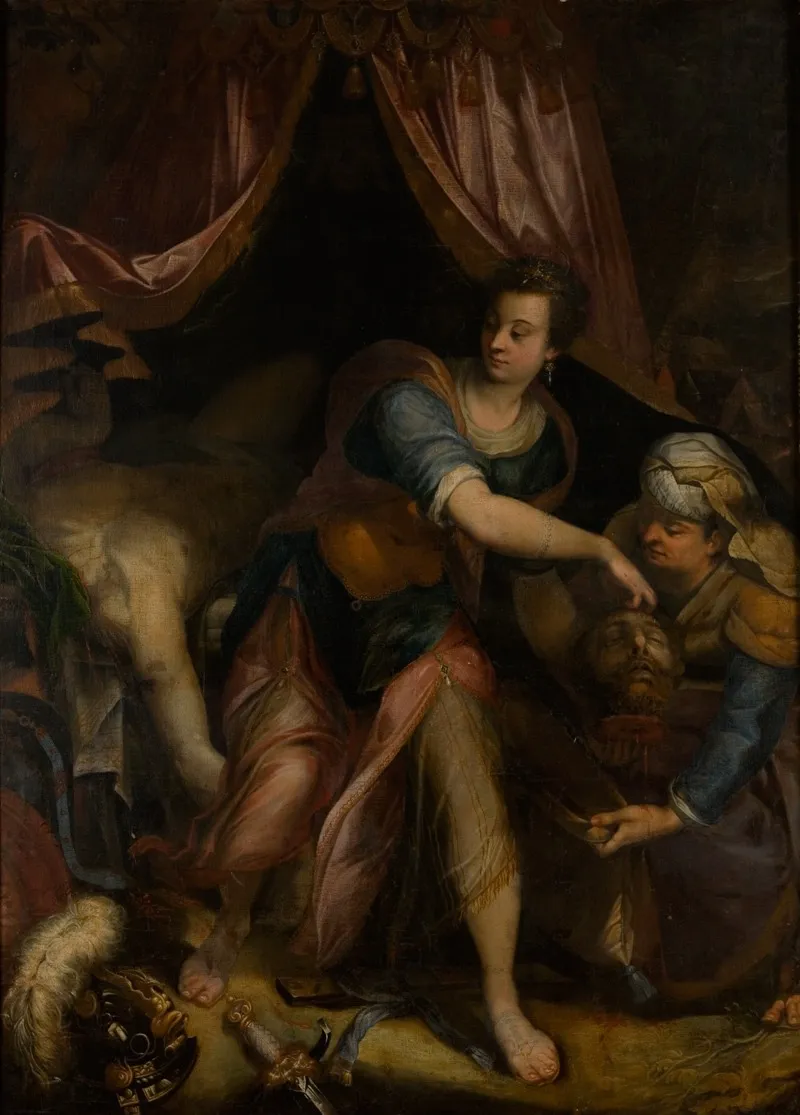
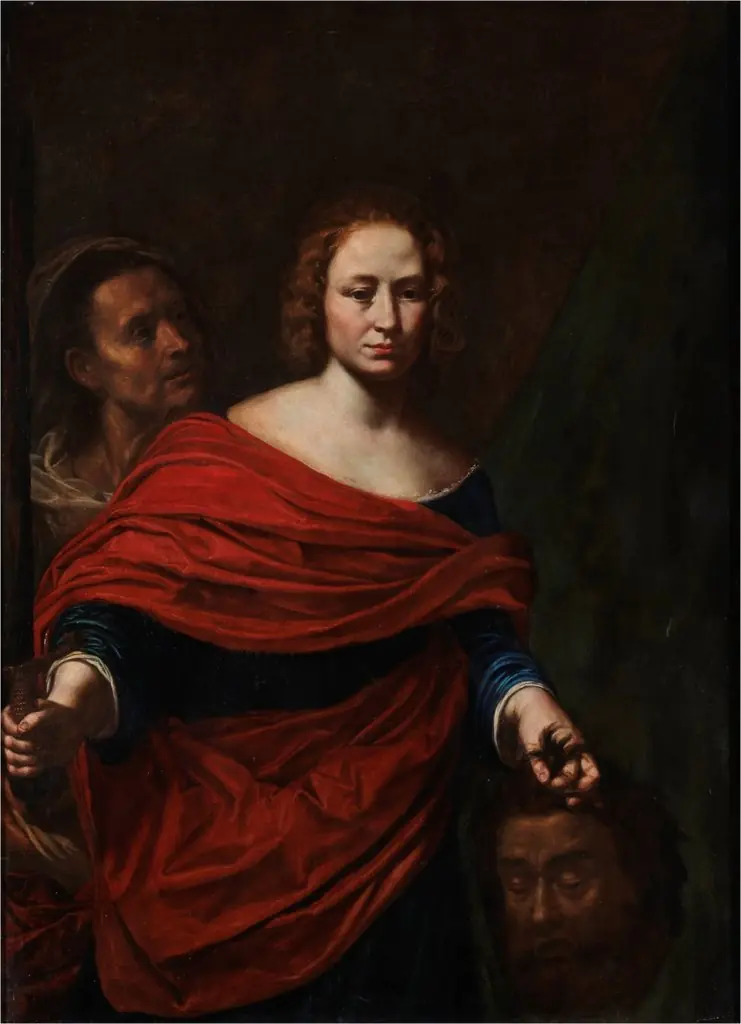
Judith with the Head of Holofernes is an oil painting by the Mannerist artist Denys Calvaert. It dates from 1589 and is held in the collection of the Statens Museum for Kunst.
About this work
Subject & Meaning
This scene symbolizes divine justice and the triumph of faith over tyranny, emphasizing themes of courage and the subversion of power.
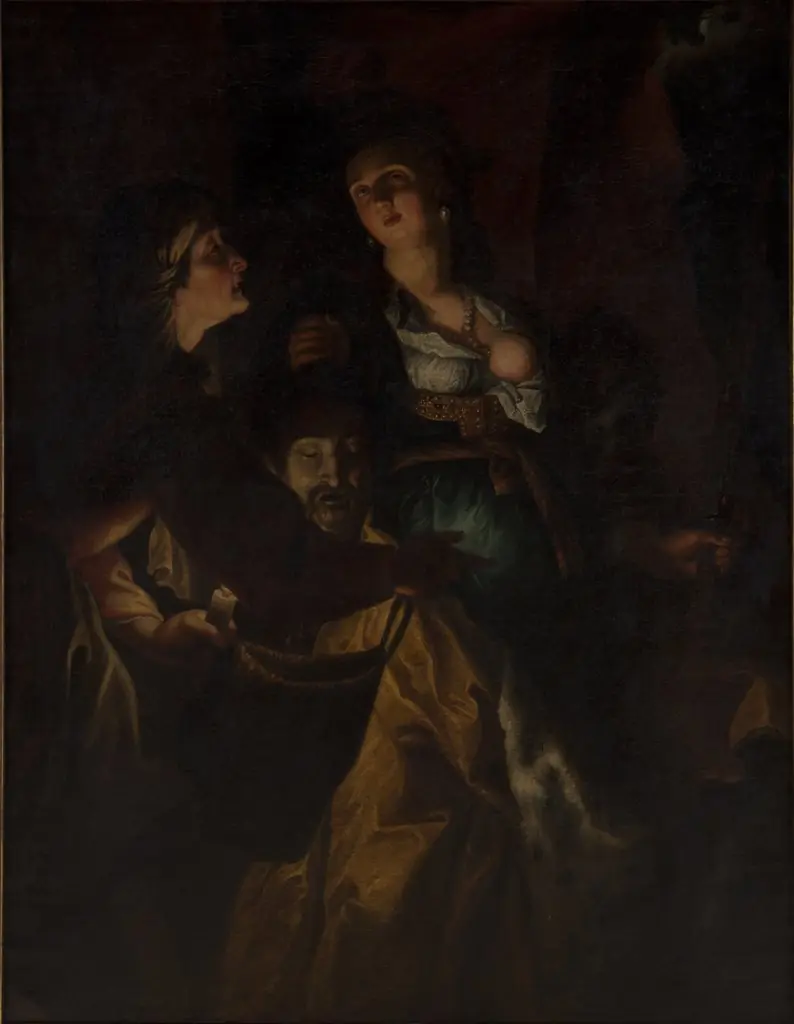
The painting portrays the biblical heroine Judith holding the severed head of the Assyrian general Holofernes, a moment drawn from the deuterocanonical Book of Judith. This scene symbolizes divine justice and the triumph of faith over tyranny, emphasizing themes of courage and the subversion of power. The work is classified as religious art, reflecting Counter‑Reformation ideals of moral exempla through narrative painting.
Technique & Style
The painting is executed in oil on canvas, as indicated by both the museum catalogue and the wikidata record.
Calvaert’s handling aligns with the late Mannerist idiom, evident in the polished, enamel-like surface and the stark, almost sculptural treatment of drapery and flesh. Forms are crisply delineated yet softly modeled, producing a cool, refined luminosity across the composition. The figure of Judith is posed with a studied elegance, her gaze directed outward while the decapitated head of Holofernes rests on the lower ledge, its paleness contrasting with the deep crimson of the blood trail.
The restricted palette, dominating blacks, whites, and umbers, sharpens the dramatic confrontation between the protagonist and her grisly trophy.
Overview
Denys Calvaert’s oil painting Judith with the Head of Holofernes, executed around 1589, presents a dramatic biblical episode. The work is part of the collection of Denmark’s Statens Museum for Kunst and exemplifies the artist’s engagement with religious narrative through a tightly composed tableau.
History & Provenance
Created in the late sixteenth century, the painting reflects the Counter‑Reformation’s demand for vivid, didactic imagery. It entered the Statens Museum for Kunst’s holdings in the twentieth century, though the precise path of acquisition remains undocumented in public records.
Context
Calvaert, a Flemish‑born artist active in Bologna, was known for integrating Northern detail with Italianate composition. This work aligns with contemporary depictions of Judith, which often highlighted the heroine’s moral resolve, while also showcasing the artist’s skill in rendering luxurious fabrics and reflective surfaces.
Artist & collection

Artist
Denis Calvaert was an Antwerp-born Flemish painter who spent most of his life in Italy, where he was known as Dionisio Fiammingo or simply Il Fiammingo.