Artwork
Sleeping Putto
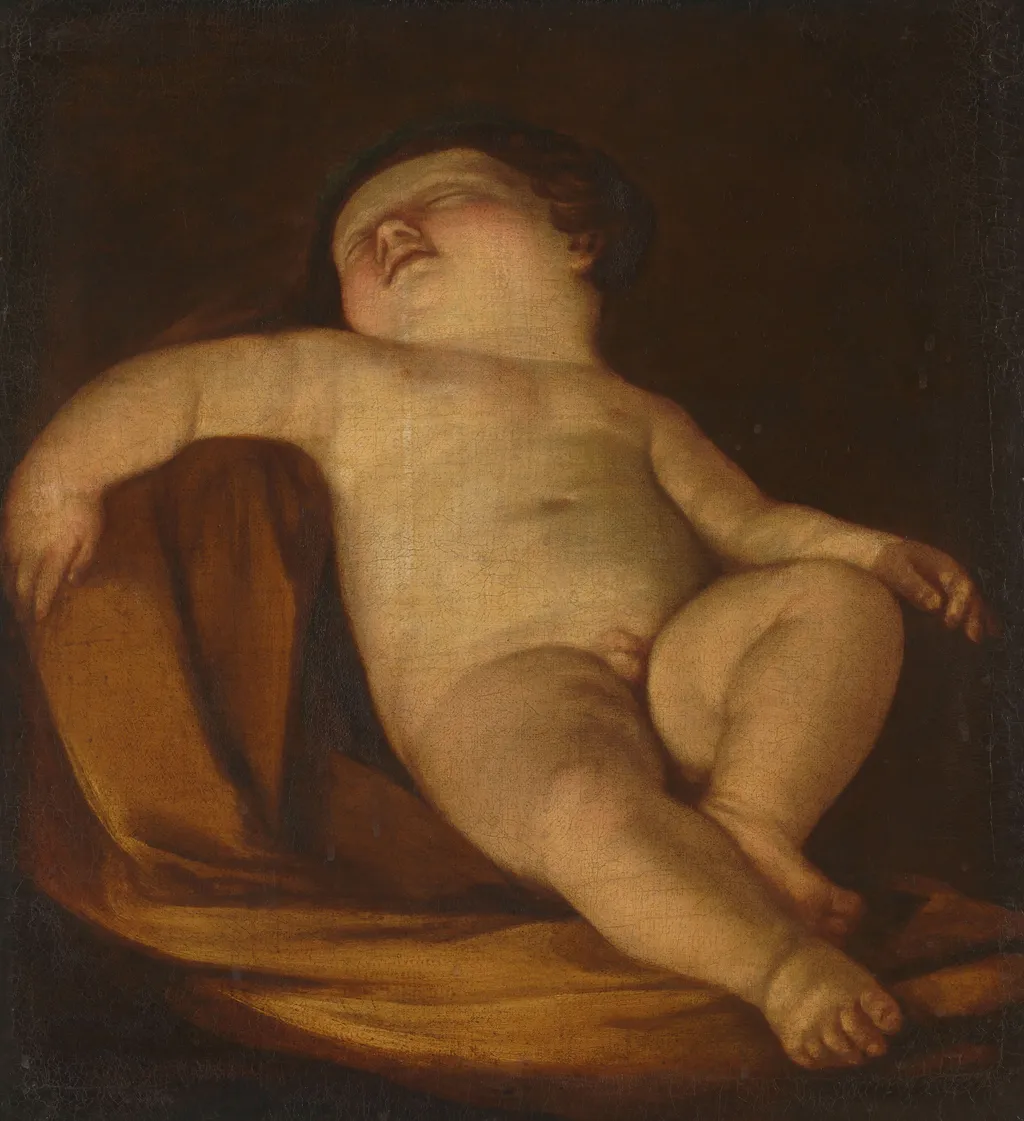
Sleeping Putto is an oil painting by the High Baroque Italian artist Guido Reni. It is held in the collection of the Rijksmuseum.
About this work
Overview
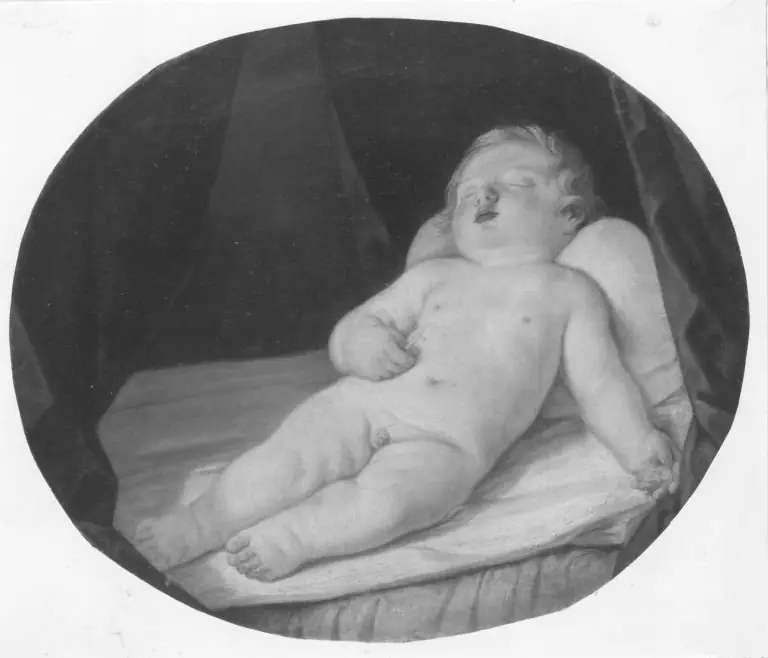
Guido Reni’s oil painting Sleeping Putto, dated 1663, depicts a nude infant figure in a state of repose. The child is curled on a dark, undefined background, his skin rendered with a warm, luminous quality that contrasts sharply with the surrounding shadow. The work is part of the Rijksmuseum’s collection and exemplifies the artist’s late‑Baroque sensibility.
Subject & Meaning
The composition presents a solitary putto, a cherubic child often used in allegorical and religious contexts, caught in a moment of sleep. The gentle pose, with one hand supporting the cheek and the legs loosely folded, conveys a sense of innocence and vulnerability, inviting contemplation of the tranquil, almost meditative state of the figure.
Technique & Style
Reni employs chiaroscuro, the dramatic interplay of light and darkness, to model the figure’s form. Soft, diffused illumination highlights the flesh, creating subtle gradations of shadow beneath the arms and around the belly, while the surrounding darkness recedes, intensifying the three‑dimensional effect. The brushwork is smooth, emphasizing the velvety texture of the skin.
History & Provenance
Created in 1663, Sleeping Putto entered the Rijksmuseum’s holdings in the 20th century, though earlier ownership records are limited. Its presence in a major Dutch institution reflects the broader European appreciation for Reni’s work and the continued interest in Baroque depictions of mythic and devotional subjects.
Own this work as a print
Artist & collection
Artist
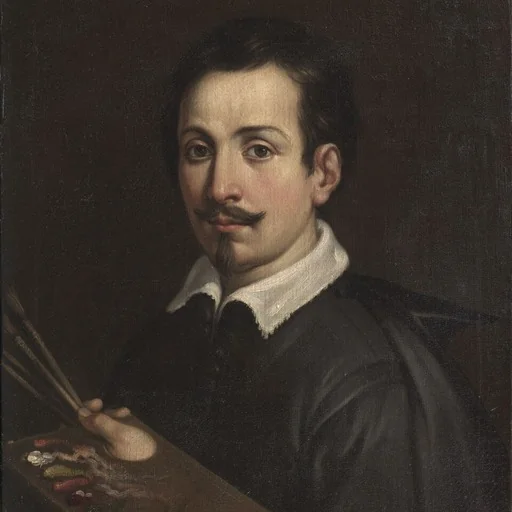
Guido Reni was an Italian Baroque painter, although his works showed a classical manner, similar to Simon Vouet, Nicolas Poussin, and Philippe de Champaigne.

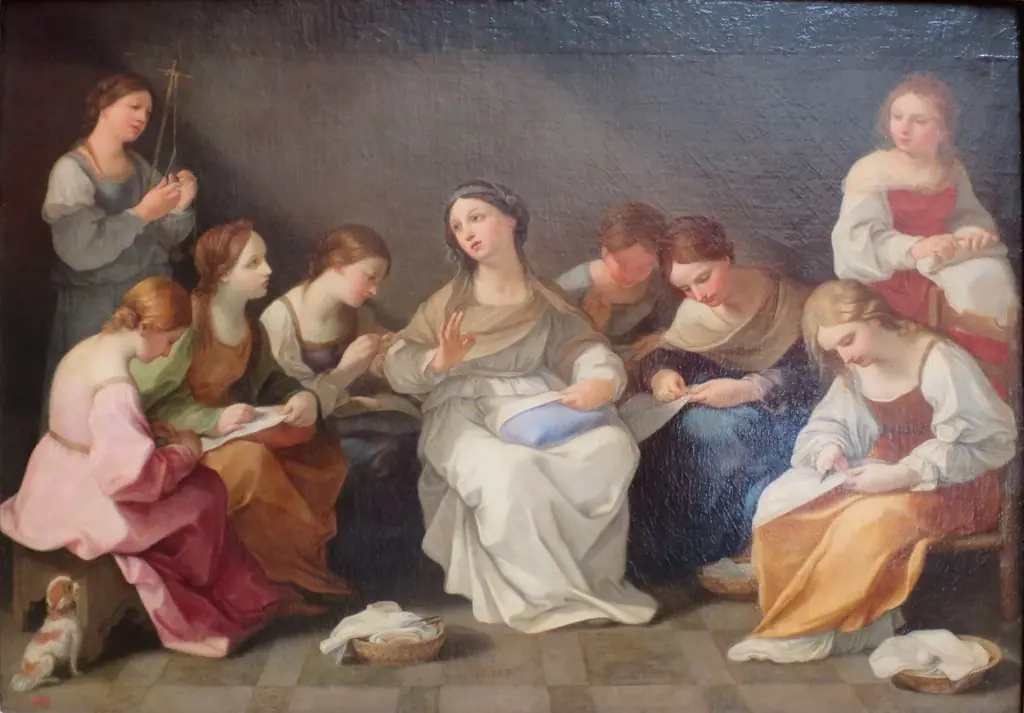
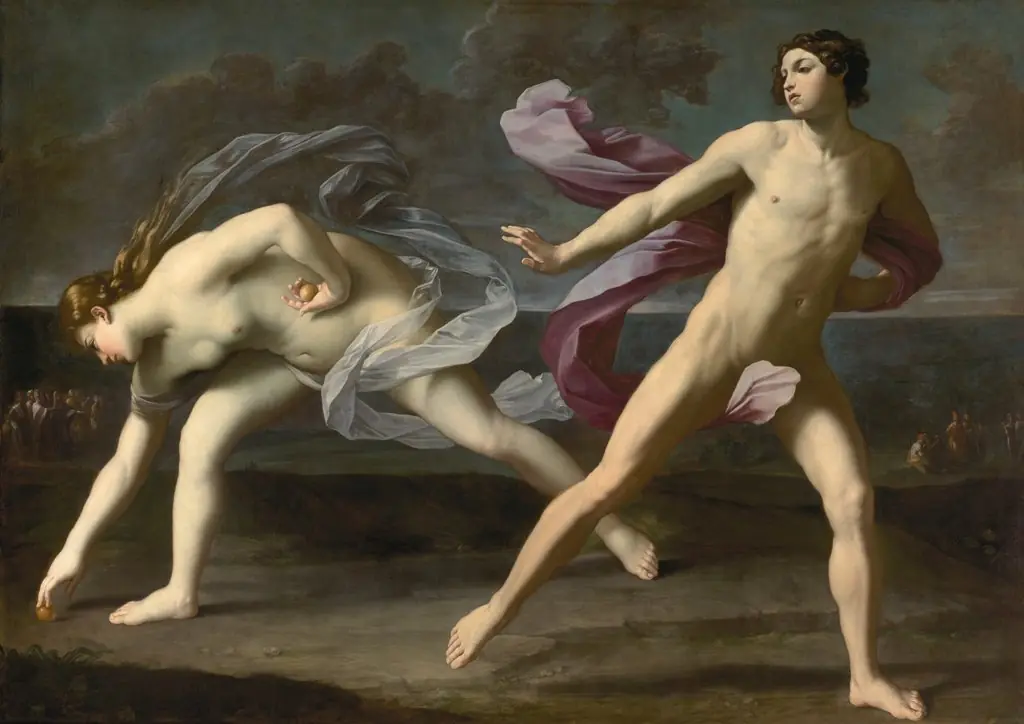
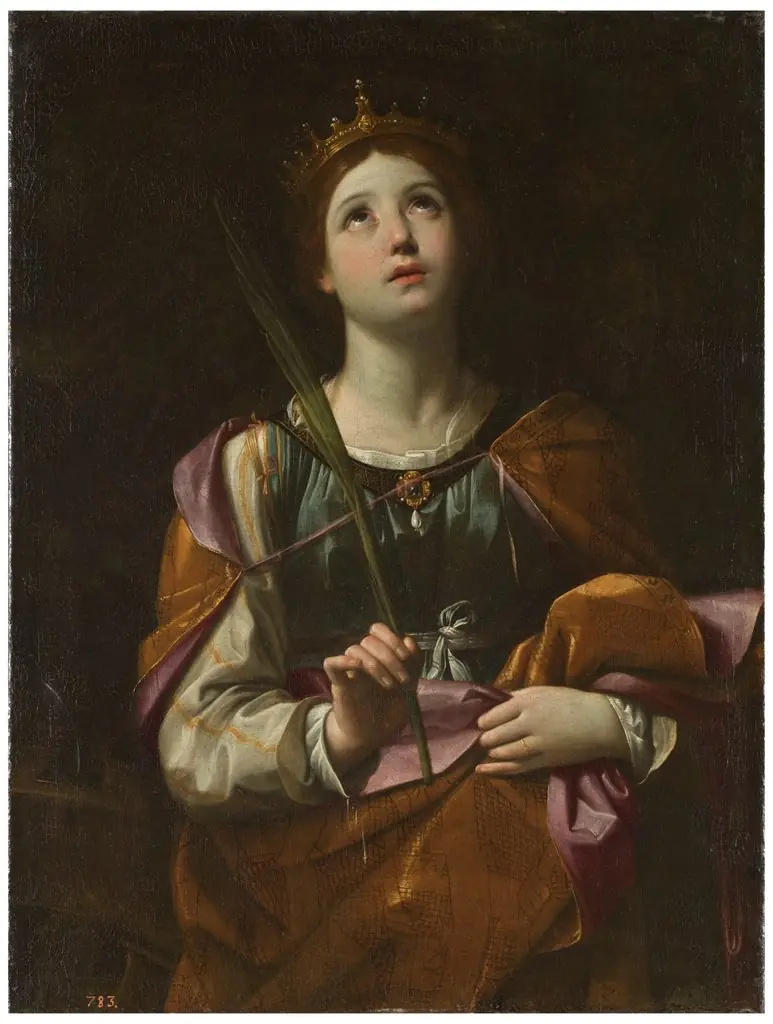
- The Sleeping Christ Child
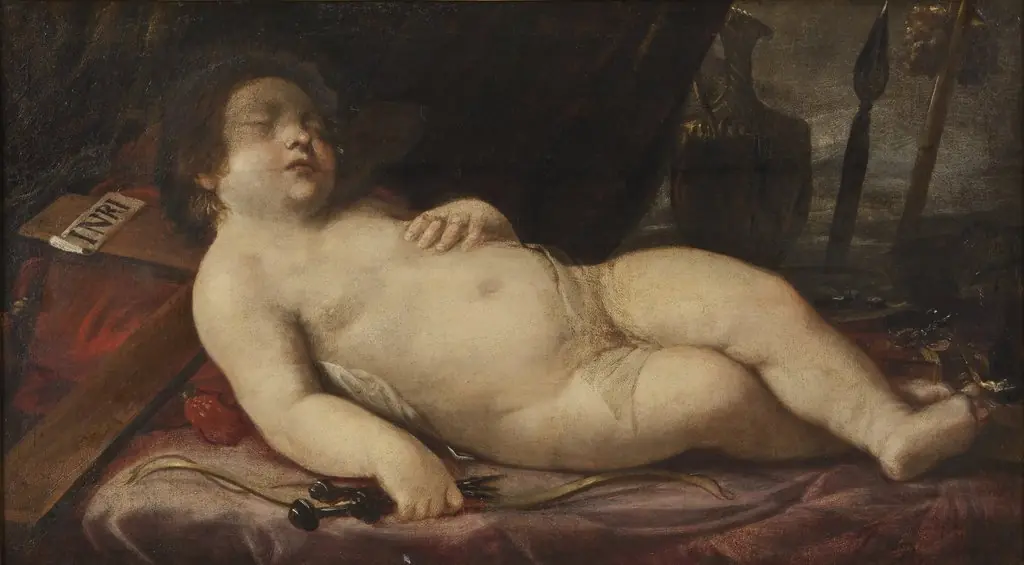 The Christ Child Sleeping on the Cross
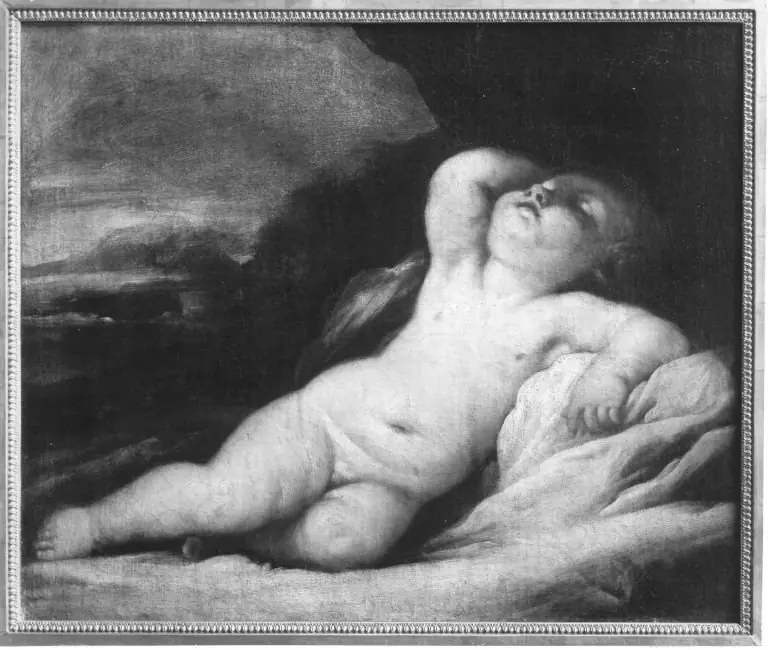 Schlafendes, nacktes Kind
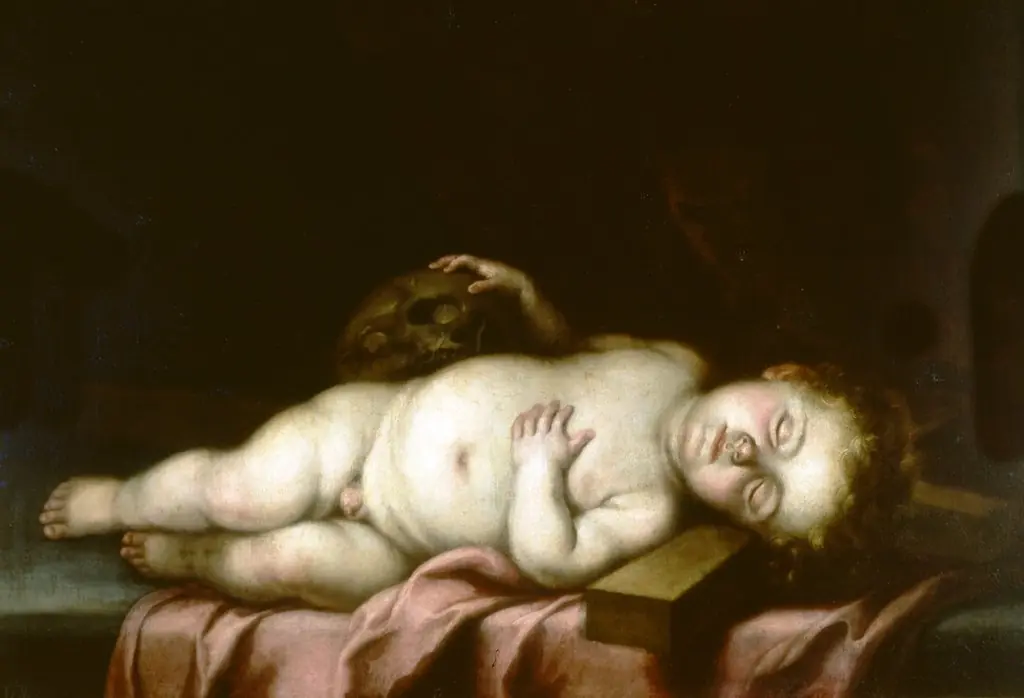 El Niño Jesús dormido sobre la Cruz
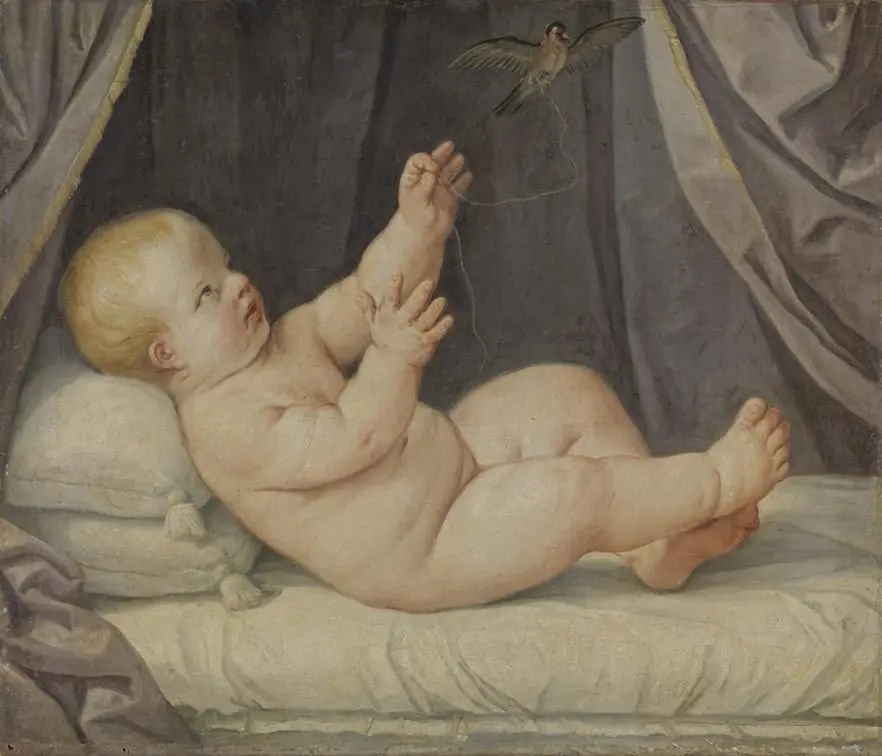 Kind mit Stieglitz
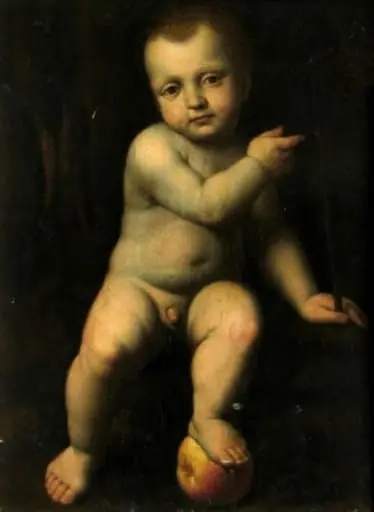 Salvator mundi (în registrul inventar: Micul Isus)
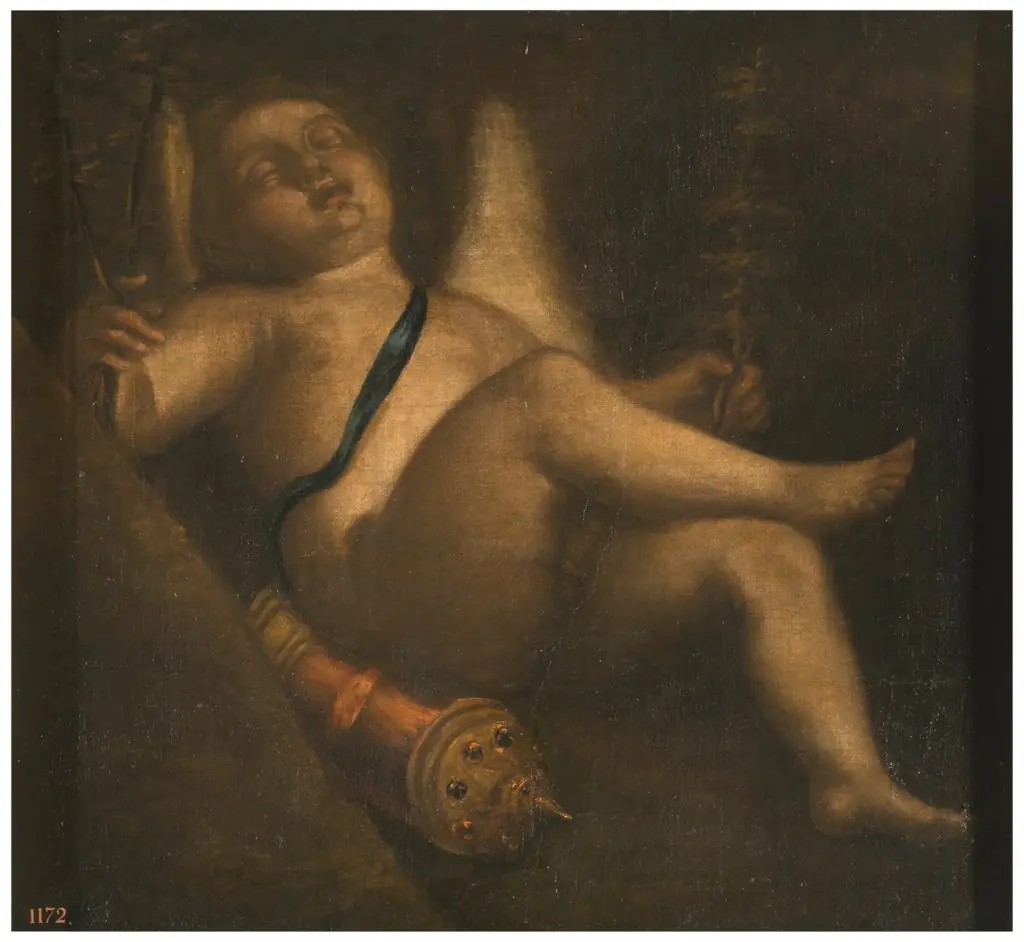 El Amor dormido
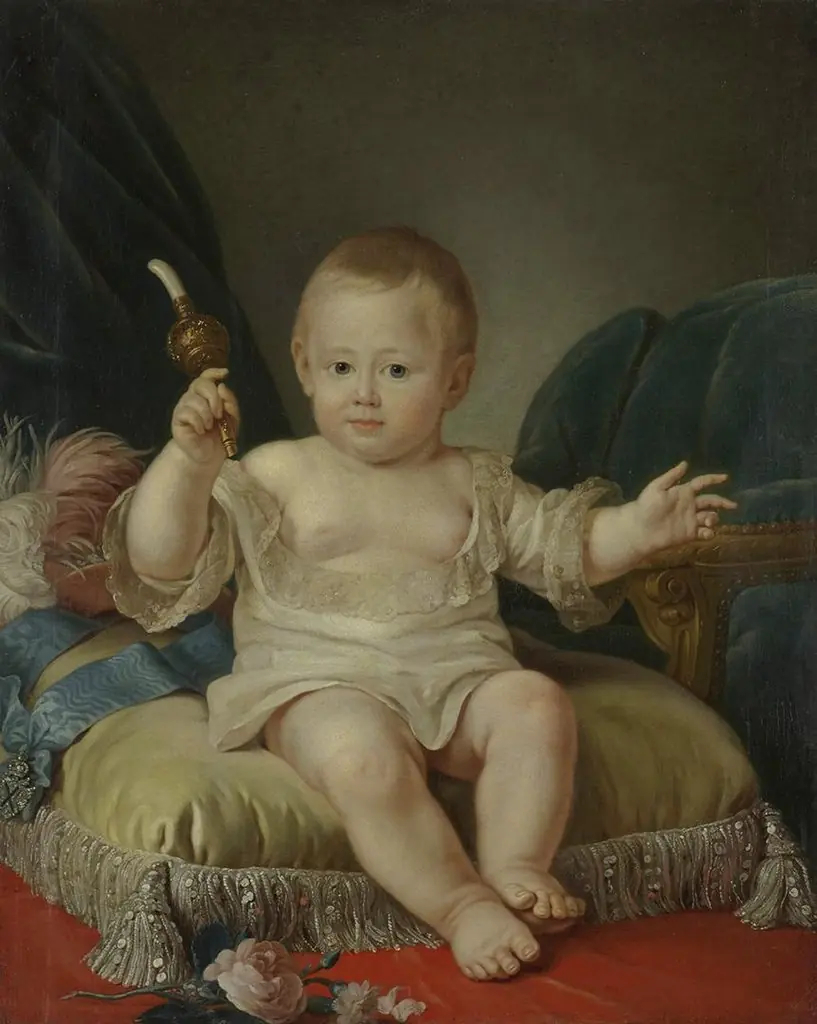 Portrait of Grand Duke Alexander Pavlovich as a Child
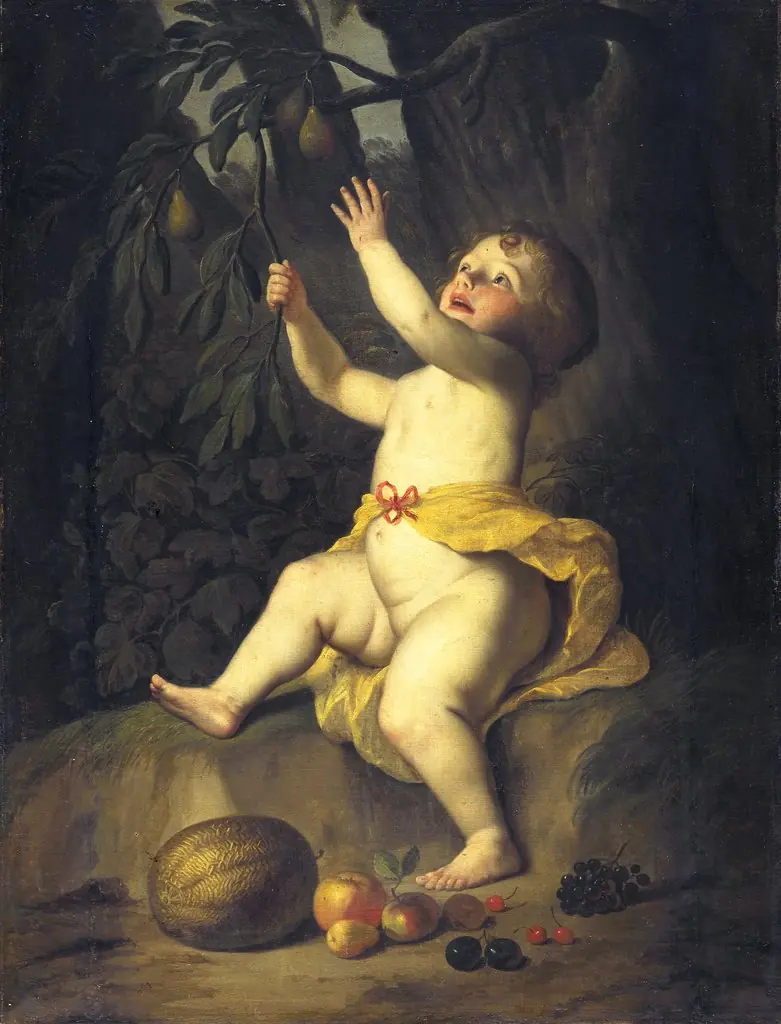 A Child Picking Fruit
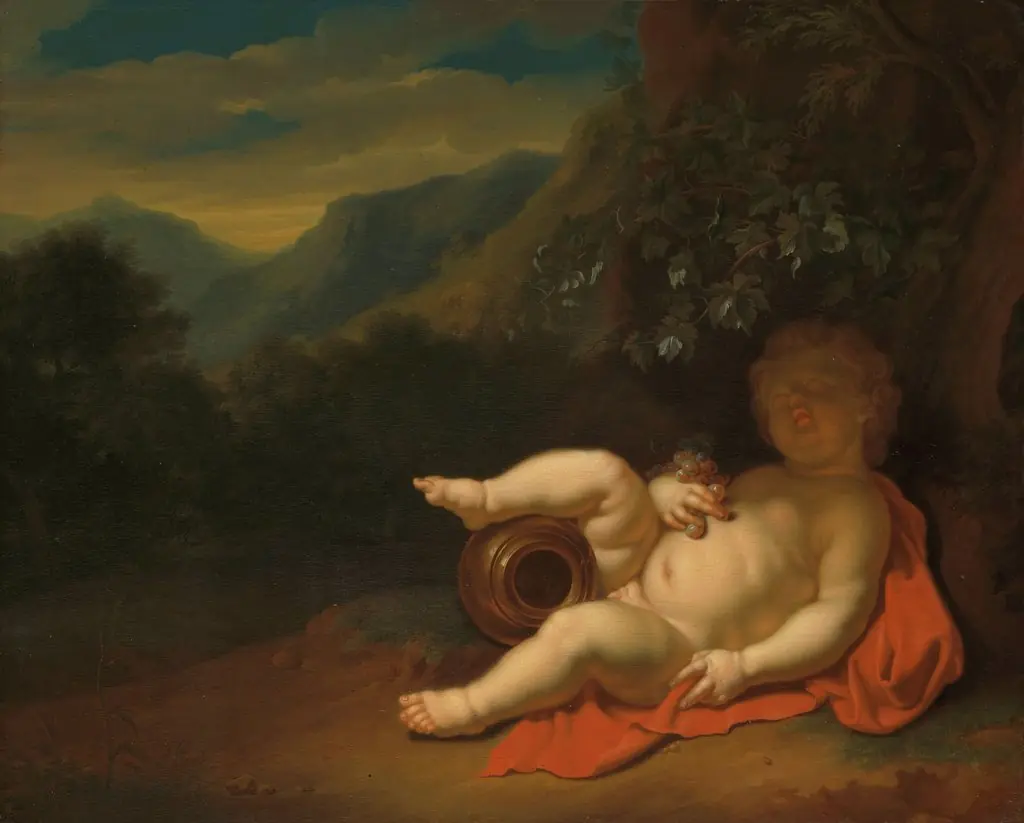 The Infant Bacchus
 Schlafendes Jesuskind (oval)
 Portrait of a Child as Cupid