Artwork
Der heilige Severin segnet das Land Österreich
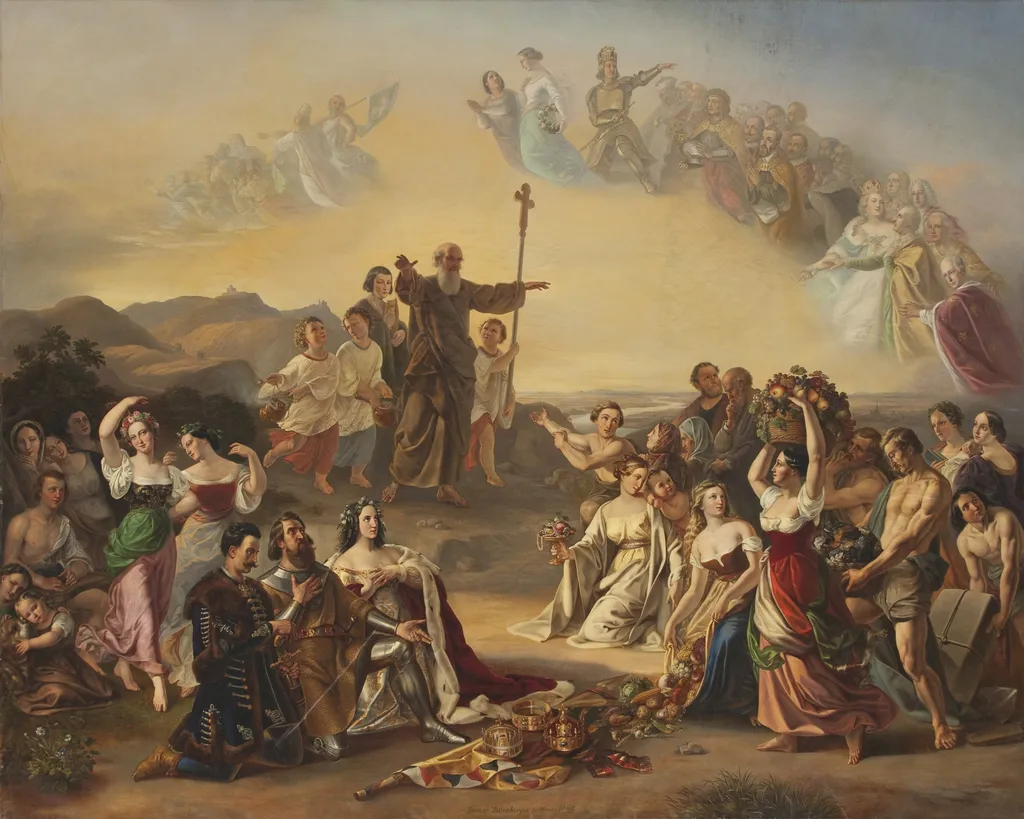
Der heilige Severin segnet das Land Österreich is an oil painting by the Biedermeier artist Hans Gustav Dittenberger von Dittenberg. It dates from 1849 and is held in the collection of the Kunsthistorisches Museum.
About this work
You can find this painting at the Kunsthistorisches Museum, which suggests it's a significant piece.
This painting is called Der heilige Severin segnet das Land Österreich. It was made by Hans Gustav Dittenberger von Dittenberg in 1849. The artist chose oil paint for this work, which is a traditional medium.
You can find this painting at the Kunsthistorisches Museum, which suggests it's a significant piece. The painting is related to religion, which was a common theme in art at the time. Check out the technique of glazing to learn more about how it was made.
Overview
Painted in 1849 by Hans Gustav Dittenberger von Dittenberg, this oil-on-canvas work depicts Saint Severin blessing the land of Austria. Created during a period when religious themes remained central to academic art, the painting reflects the cultural and spiritual values of mid-19th-century Austria. It is part of the permanent collection at the Kunsthistorisches Museum in Vienna, indicating its recognized historical and artistic standing.
Subject & Meaning
The painting portrays Saint Severin, a 5th-century Christian monk and missionary, extending his blessing over the Austrian landscape. This imagery connects the saint’s historical role in evangelizing the region with a 19th-century national identity rooted in Catholic tradition. The scene merges hagiography with patriotic sentiment, reinforcing the idea of divine protection over the Austrian territory.
Technique & Style
Dittenberger employed traditional oil painting methods, including layered glazing to achieve luminous skin tones and atmospheric depth. The composition follows academic conventions of the time: idealized figures, balanced symmetry, and a reverent tone. Details in clothing and landscape are rendered with careful precision, reflecting the artist’s training in classical techniques and his adherence to institutional standards.
History & Provenance
Commissioned or acquired by the Kunsthistorisches Museum shortly after its completion in 1849, the painting entered the institution’s collection during its early years of expansion. Its preservation within a state-sponsored museum suggests official endorsement of its religious and national symbolism. No significant changes in ownership are recorded, indicating continuous institutional custody since its creation.
Context
In the mid-19th century, Austria’s Habsburg monarchy emphasized Catholicism as a unifying force amid rising nationalism and political instability. Religious art like this served to legitimize imperial authority through spiritual imagery. Dittenberger’s work aligns with state-supported efforts to reinforce cultural continuity, using saints as symbols of enduring moral and territorial order.
Legacy
While not widely exhibited outside Austria, the painting remains a representative example of 19th-century Austrian religious art. It contributes to scholarly understanding of how state institutions used visual culture to promote national identity. Its continued presence in the Kunsthistorisches Museum underscores its role as a historical document rather than a celebrated artistic innovation.
Own this work as a print
Artist & collection
Artist
Hans Gustav Dittenberger von Dittenberg
German artist Hans Gustav Dittenberger von Dittenberg painted oil portraits in the mid-1800s.

 L'era cristiana
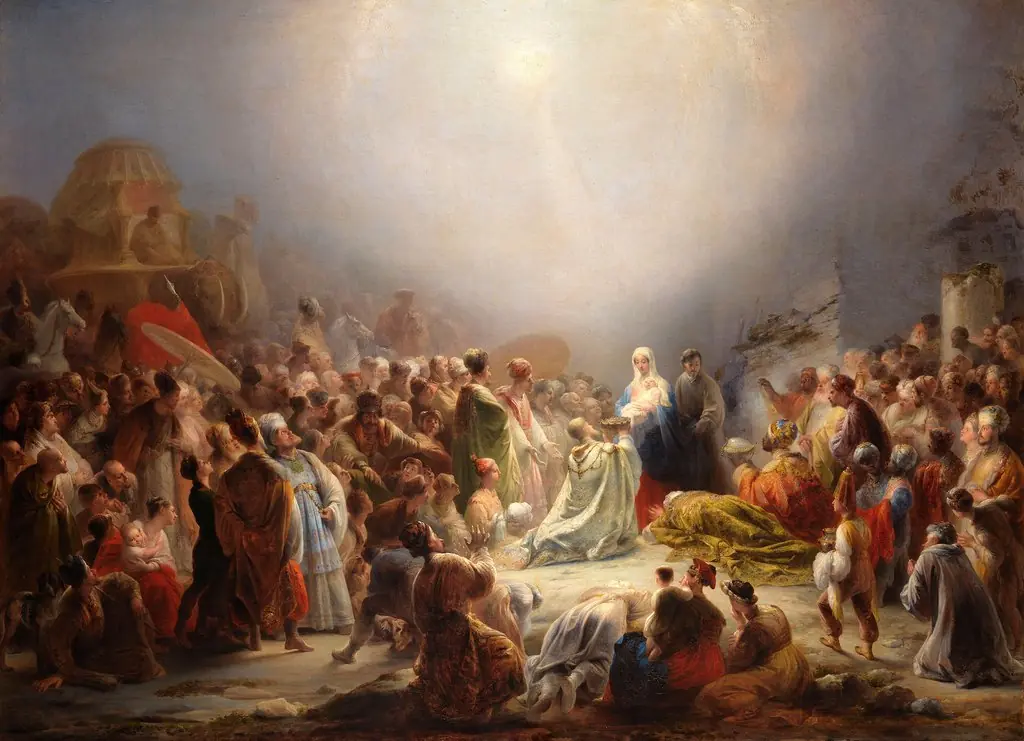 The Adoration of the Magi
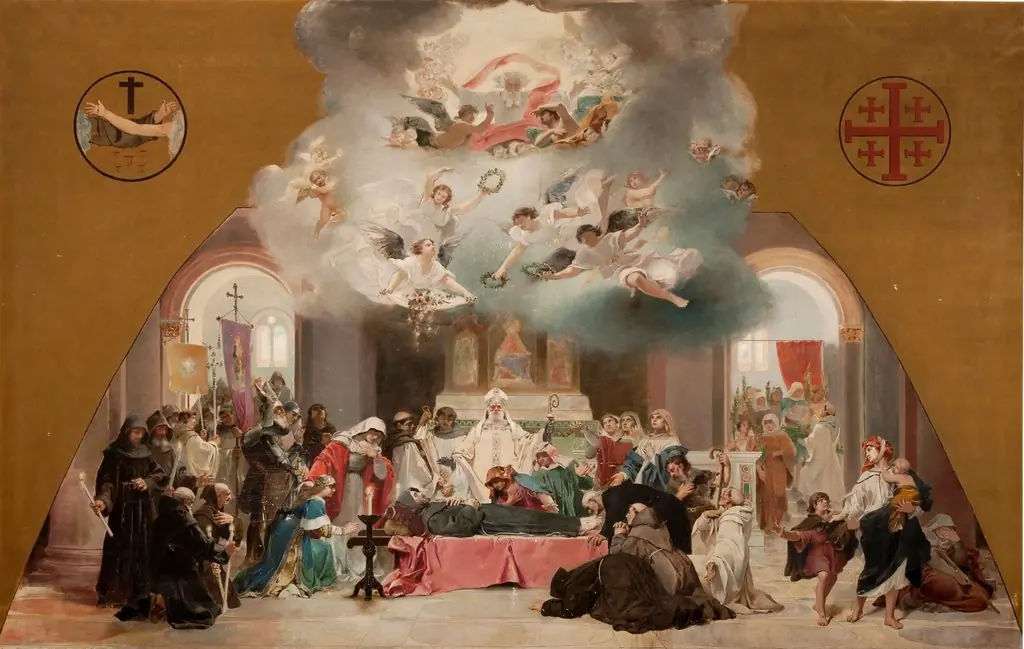 La muerte de San Francisco
 Christ Leaving the Temple
 Journey of the Magi with their Retinue
 The Appearance of Christ Before the People
 The Virgin Adored by Saints
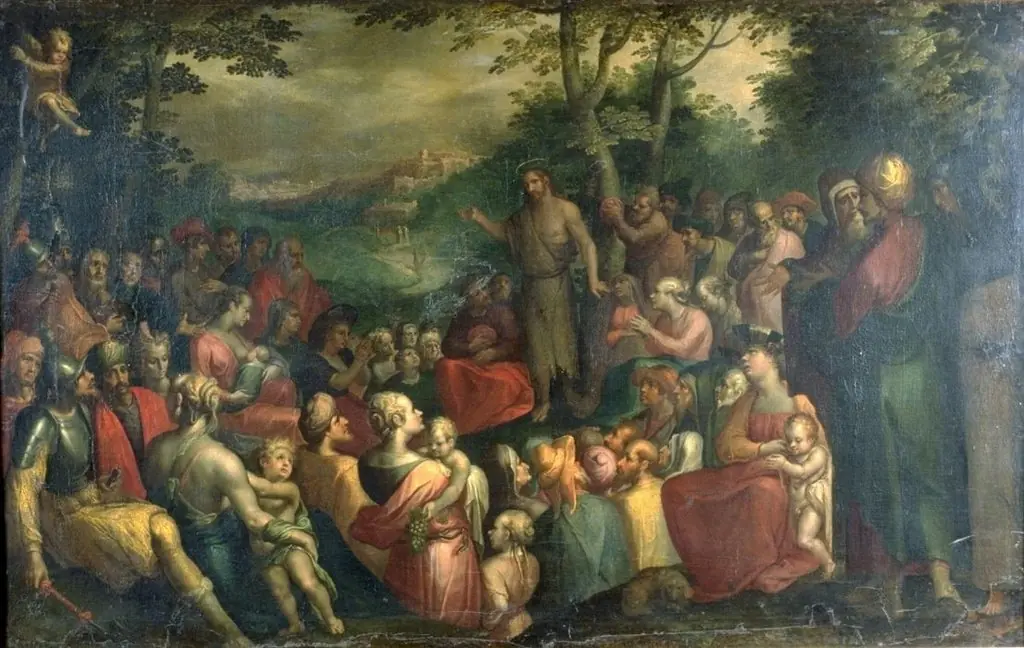 The Sermon of St. John the Baptist
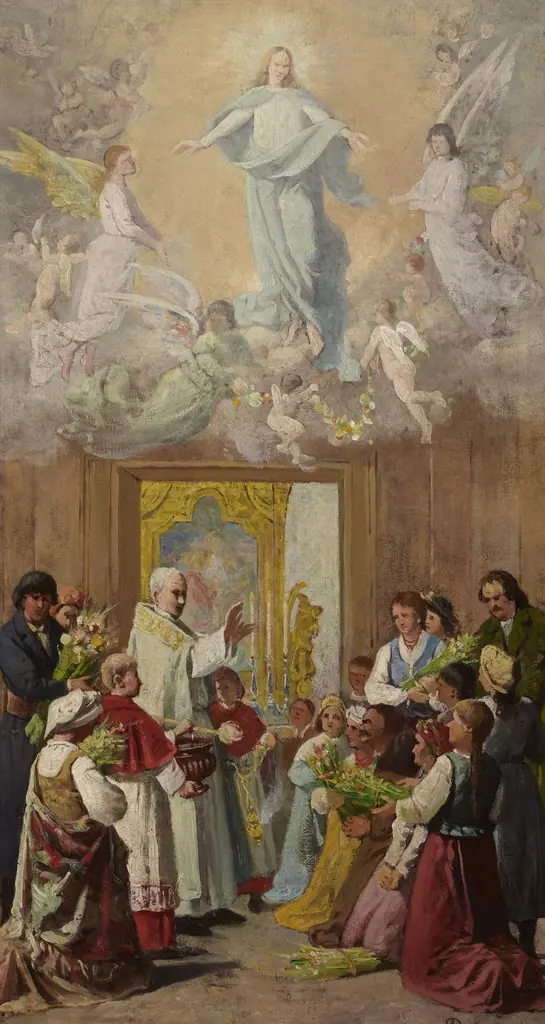 Feast of Our Lady of Herbs
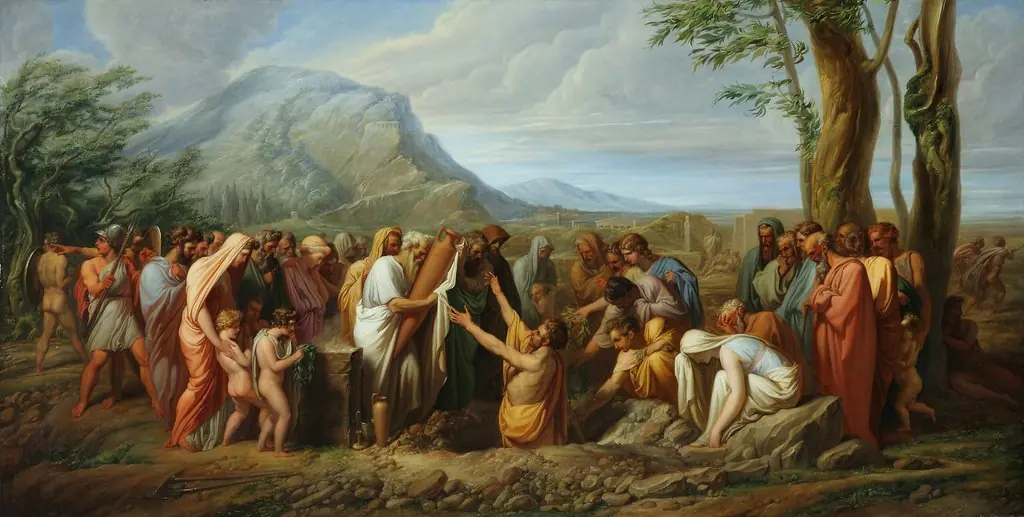 Sepoltura delle ceneri di Temistocle nella terra attica
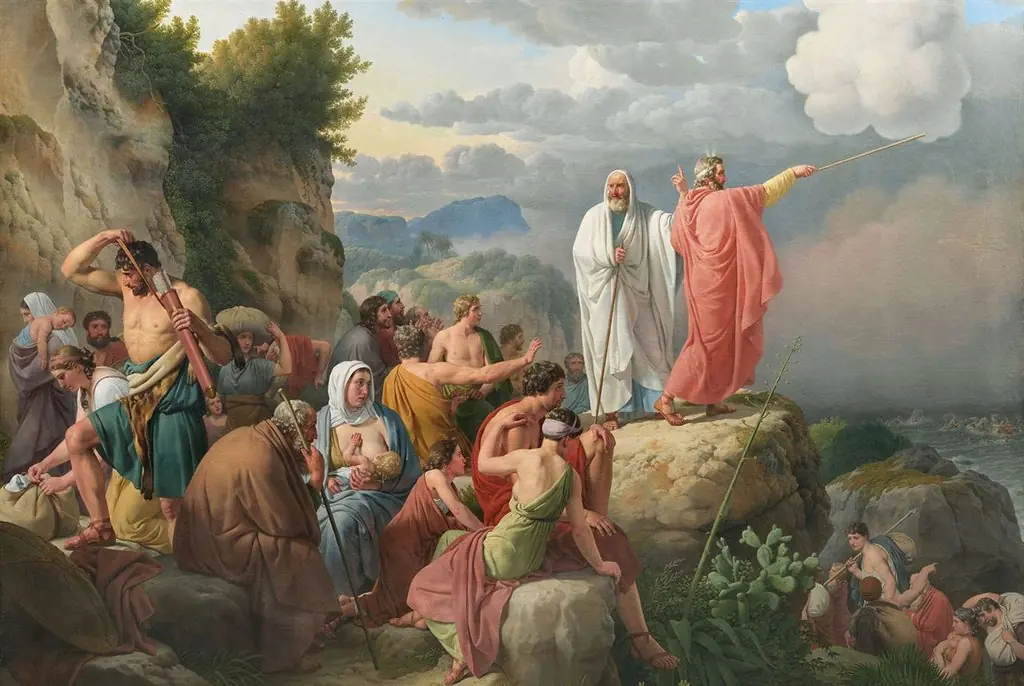 The Israelites Resting after the Crossing of the Red Sea
- Josef erzählt seine Träume