Artwork
Adoration of the Kings (Wurzach altarpiece)
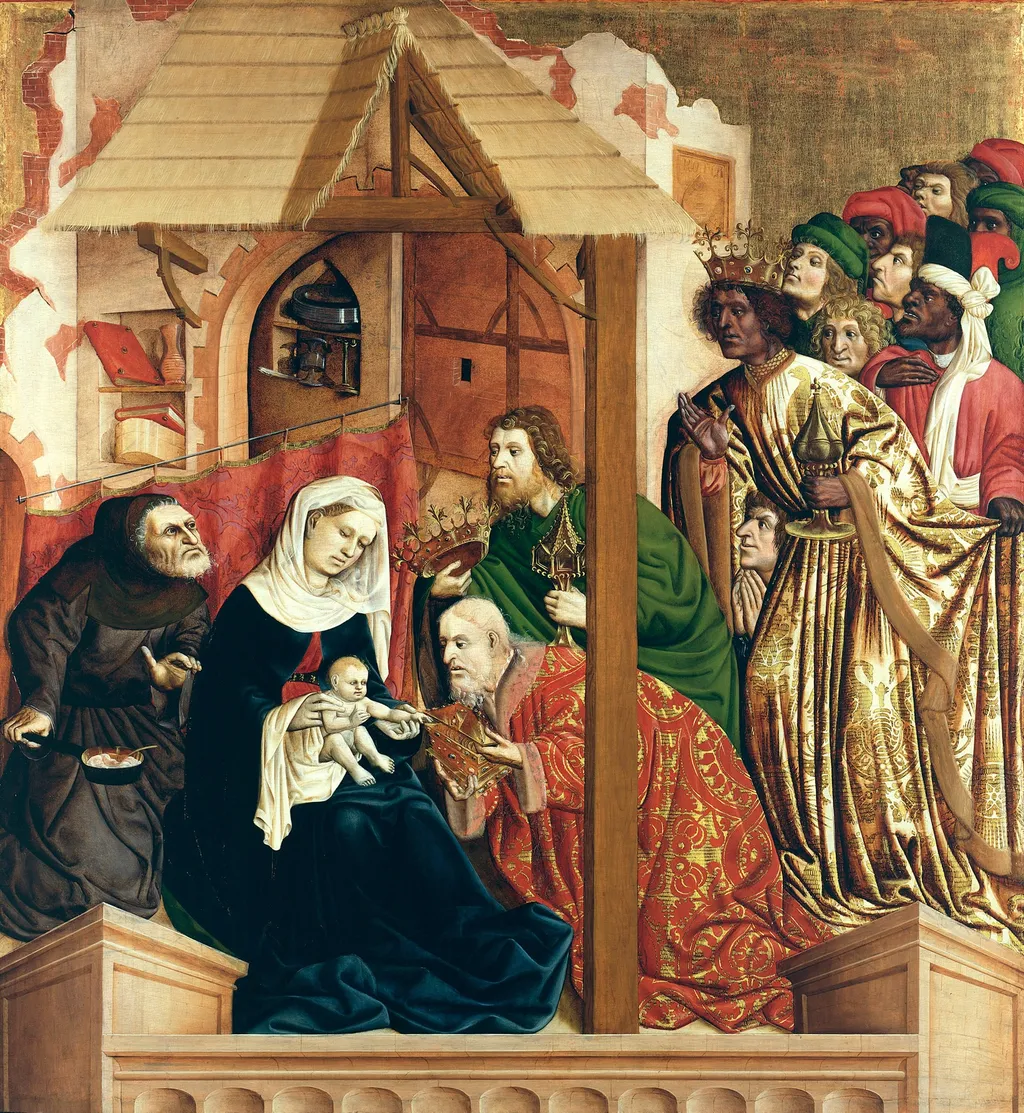
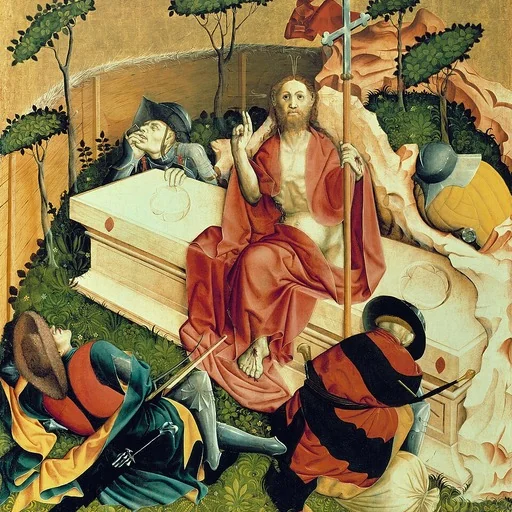
Adoration of the Kings (Wurzach altarpiece) is an oil painting by the Northern Renaissance artist Hans Multscher. It dates from 1437 and is held in the collection of the Gemäldegalerie Berlin.
About this work
Overview
The Adoration of the Kings is a panel painting by the German artist Hans Multscher, dated 1437.
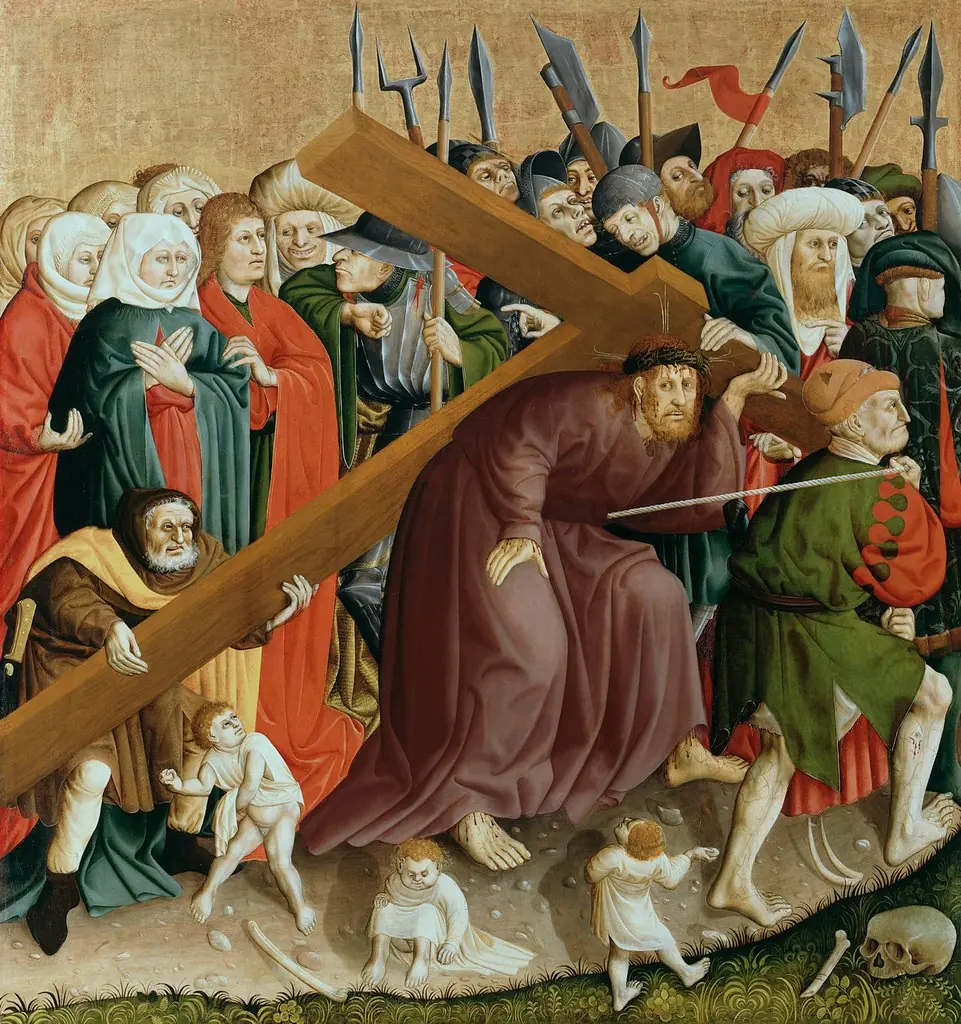
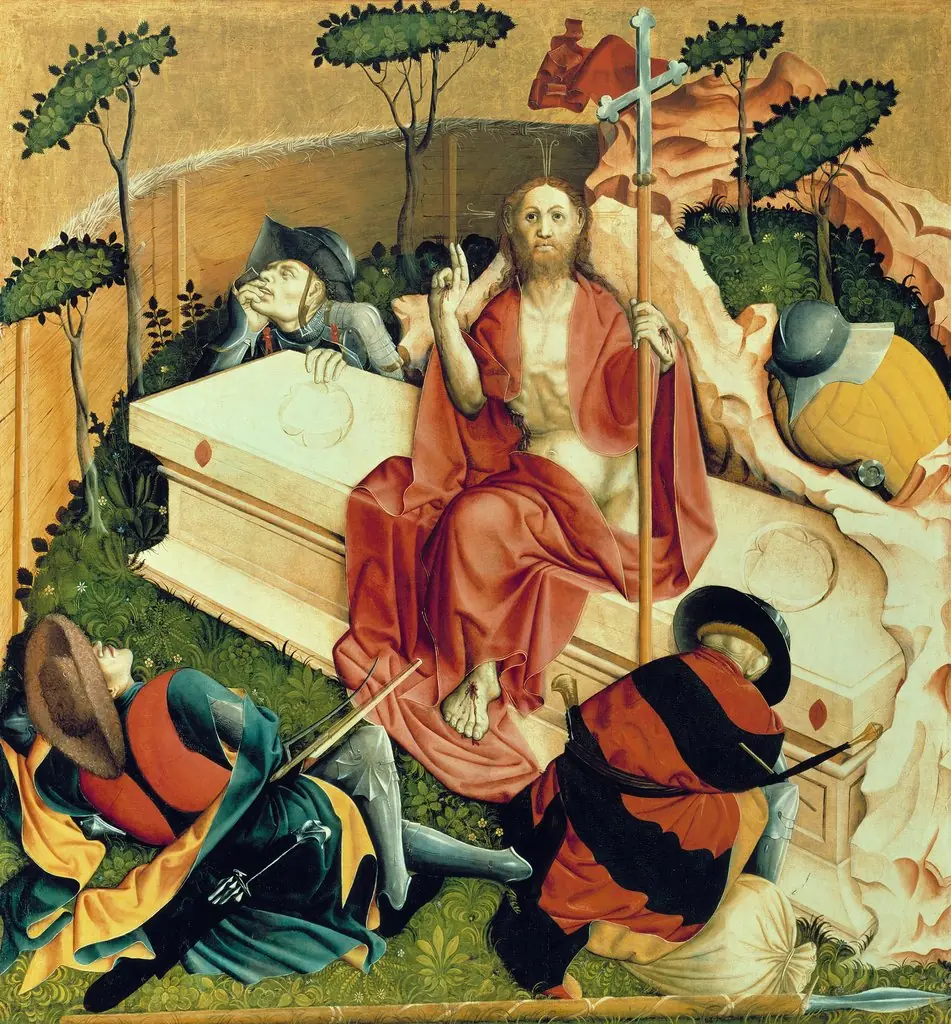
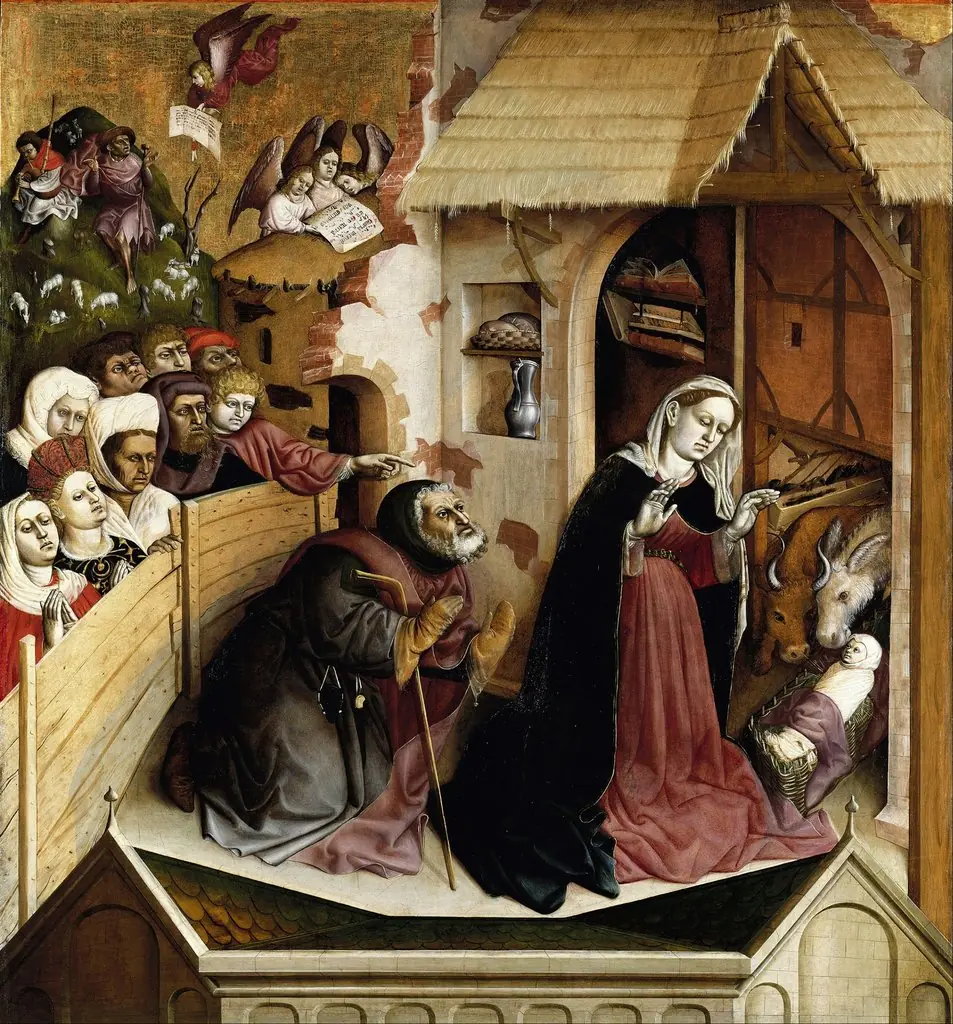
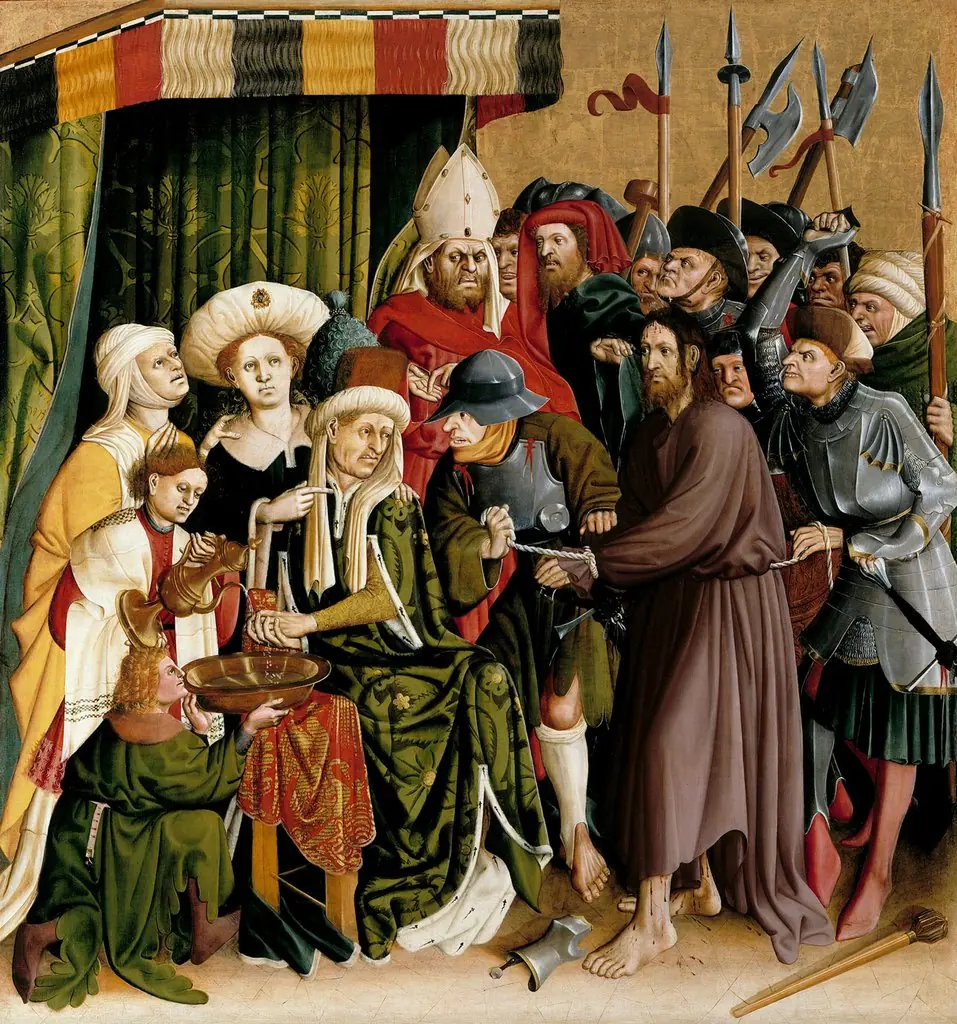
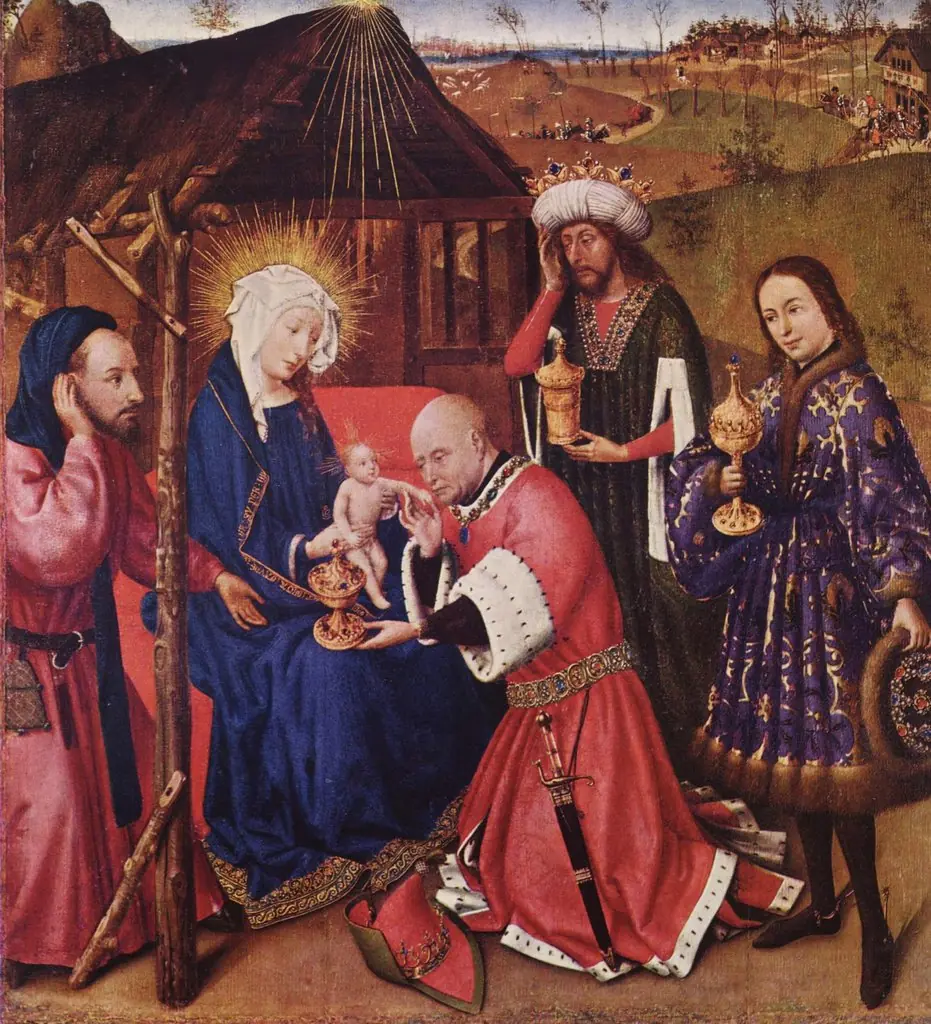
The Adoration of the Kings is a panel painting by the German artist Hans Multscher, dated 1437. Executed in oil on a fir panel measuring 150 by 140 centimeters, it is one of the eight surviving panels from the Wurzach Altarpiece, now held in the Gemäldegalerie, Berlin. The work occupies a pivotal position in early fifteenth-century German painting as a compelling synthesis of late Gothic formal conventions and the emerging Netherlandish realism associated with Jan van Eyck and Rogier van der Weyden. Multscher, primarily documented as a sculptor and citizen of Ulm, produced these painted wings as part of a larger altarpiece complex that has since been dismantled and partially lost. The panel's importance lies not only in its artistic quality but in its demonstration that Multscher, despite being recorded exclusively as a Bildhauer in contemporary documents, possessed extraordinary painterly abilities that scholars once disputed.
Technique & Style
The panel is executed in oil paint on a fir support, a medium that allowed Multscher to achieve the precise detail and rich color saturation for which the work is noted. The surface exhibits fine crackling throughout, consistent with its age and medium. The palette is dominated by deep blues, crimson reds with gold patterning, greens, and warm browns, creating a harmonious and luxurious visual effect. Light falls evenly across the scene with minimal shadow, a characteristic approach that emphasizes clarity and legibility over dramatic chiaroscuro. The figures are rendered with particular precision in the brocaded fabrics and individualized faces, demonstrating the artist's absorption of Netherlandish naturalism. The composition is staged on a raised wooden platform with carved detailing at the bottom edge, creating a shallow but coherent spatial recession. The relief-like density of the figures and their solid, sculptural presence reflect Multscher's primary training as a sculptor, a quality that distinguishes his painting from the more fluid linearity of contemporary German panel painting. The golden, textured upper section of the background preserves a connection to International Gothic decorative traditions even as the work advances toward greater naturalistic observation.
History & Provenance
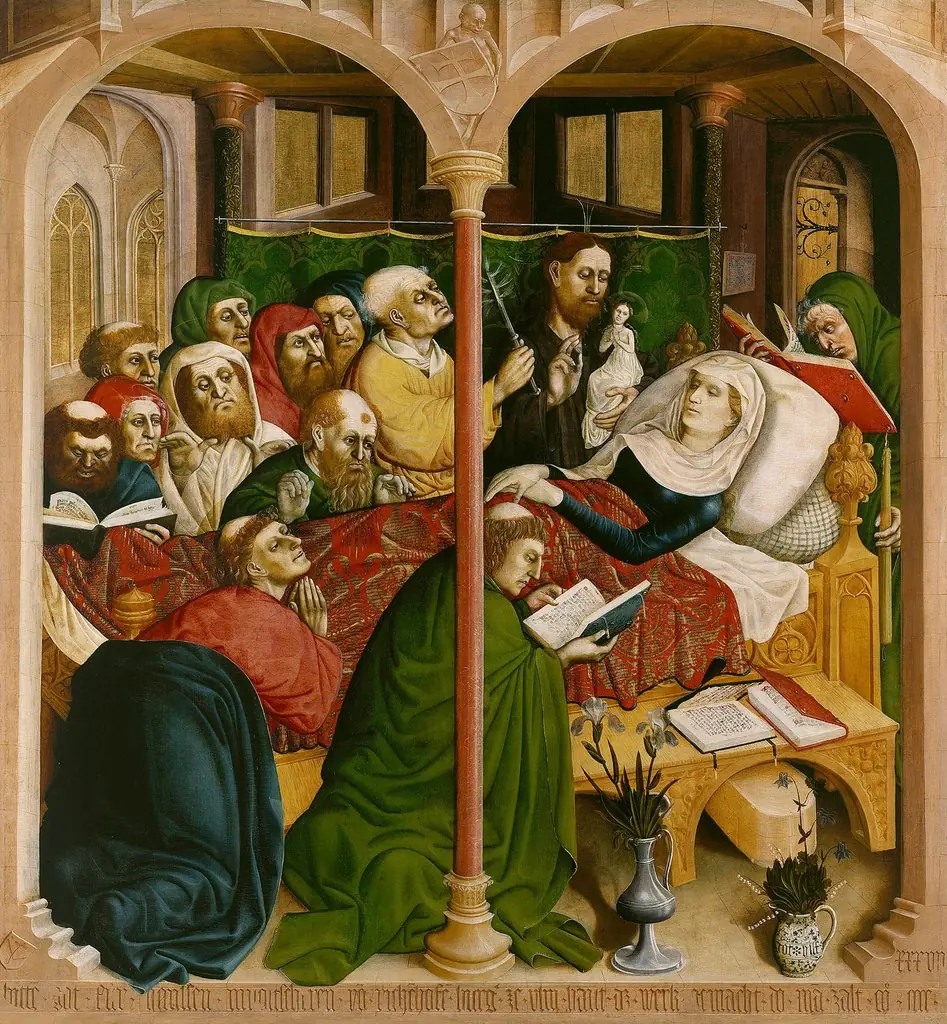
The panel's modern name derives from its provenance in the late eighteenth century, when the panels were in the possession of the Count of Waldburg-Zeil at Schloss Wurzach in Upper Swabia, having previously been in the convent of Franciscan nuns at Wurzach from which they passed to the count's gallery in 1785. The altarpiece had by this time been dismantled, with the front and rear sides of the wings separated. The original location and patron of the altarpiece remain uncertain, though the presence of a hospital coat of arms with patriarchal cross held by a monkey in the Death of the Virgin panel has led to speculation connecting it with Memmingen or Landsberg, without definitive proof. Multscher signed two of the panels, including one of the lower panels showing the Death of the Virgin, with an inscription that records his name, his origin from Reichenhafen near Leutkirch, his status as burgher of Ulm, and the date 1437. The central sculpted shrine of the altarpiece, which probably contained a Crucifixion group, has been lost without trace. The Adoration of the Kings is now in the collection of the Gemäldegalerie, Berlin, as part of the group of seven surviving panels from the Wurzach Altarpiece held there, though the precise accession details are not recorded in the available sources.
Context
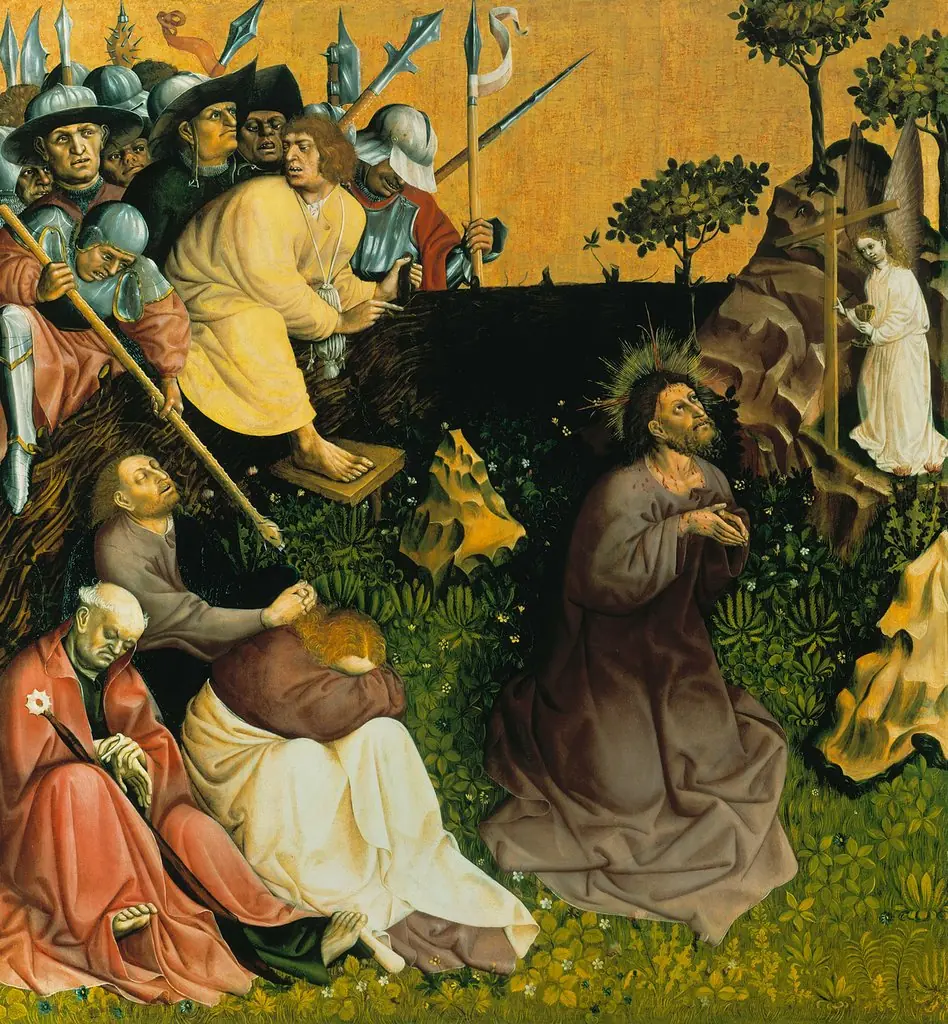
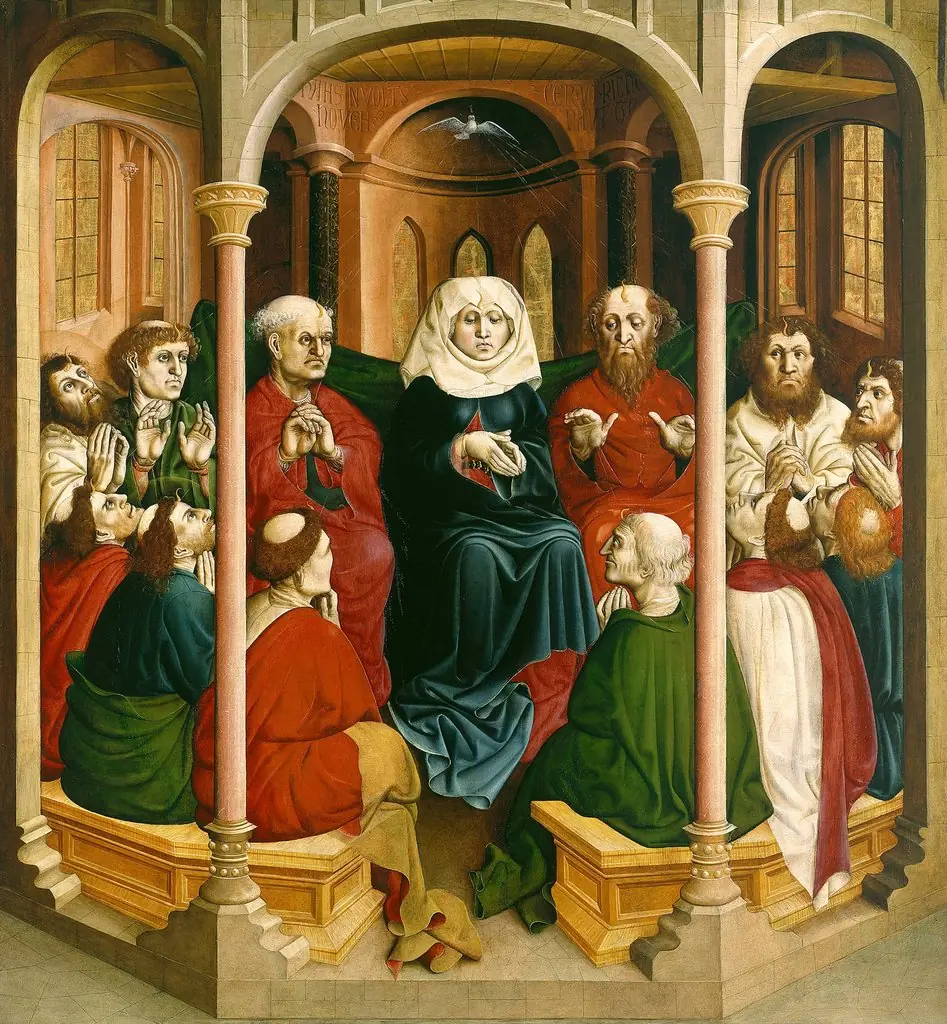
Hans Multscher was born around 1400 in Leutkirch im Allgäu and became a master and citizen of Ulm by 1427, where he established a large workshop that operated for forty years. Although he is documented exclusively as a sculptor in contemporary records, his painted works demonstrate a fully accomplished mastery of the painter's art. The Wurzach Altarpiece panels are among the earliest German works to absorb the new Netherlandish realism, placing Multscher at the forefront of artistic innovation in the Holy Roman Empire. The scholarly debate surrounding the panels has centered on two principal questions: whether the altarpiece was dedicated to the Virgin Mary or to the Passion, and whether the lost central shrine contained a Crucifixion or a mariological subject. The compositional interlocking of the Marian scenes, particularly the shared spatial setting between the Nativity and the Adoration, has been interpreted as evidence that Multscher conceived the work as a monumental pictorial wall intended to achieve its full effect when the wings were closed. The fact that Multscher signed the panels twice has been linked to his documented pride in his creative achievement, comparable to the proud inscription on the Karg Altar at Ulm Minster from 1433, and perhaps reflecting a concern that his capacity for such an extraordinary painted work might otherwise be doubted given his official status as sculptor.
Legacy
The Wurzach Altarpiece panels, including the Adoration of the Kings, are today recognized as among the most important works of German painting from the first half of the fifteenth century. Their rediscovery in the nineteenth century at Schloss Wurzach brought renewed attention to Multscher's painted oeuvre and helped establish his double reputation as both sculptor and painter. The panels now serve as key works in the Gemäldegalerie, Berlin's collection of German painting from the thirteenth to sixteenth centuries, where they represent the achievements of the Ulm school and the broader Swabian artistic tradition. Multscher's synthesis of sculptural solidity with painterly naturalism influenced subsequent generations of German artists working in the late Gothic idiom, and his engagement with Flemish models contributed to the broader diffusion of Netherlandish artistic ideas throughout the German-speaking lands. The ongoing scholarly discussion of the altarpiece's original configuration and purpose testifies to its continued importance for understanding the devotional and artistic practices of fifteenth-century Germany. The panels remain essential reference points for the study of early German oil painting and the cultural exchange between regional German schools and the innovations of Flemish art.
Own this work as a print
Artist & collection
Artist
Hans Multscher (ca. 1400–1467) was a German sculptor and painter. Multscher was born in Reichenhofen (today Leutkirch im Allgäu). He made himself acquainted with new artistic styles from northern France and the…