Artwork
Georg Brandes at the University in Copenhagen
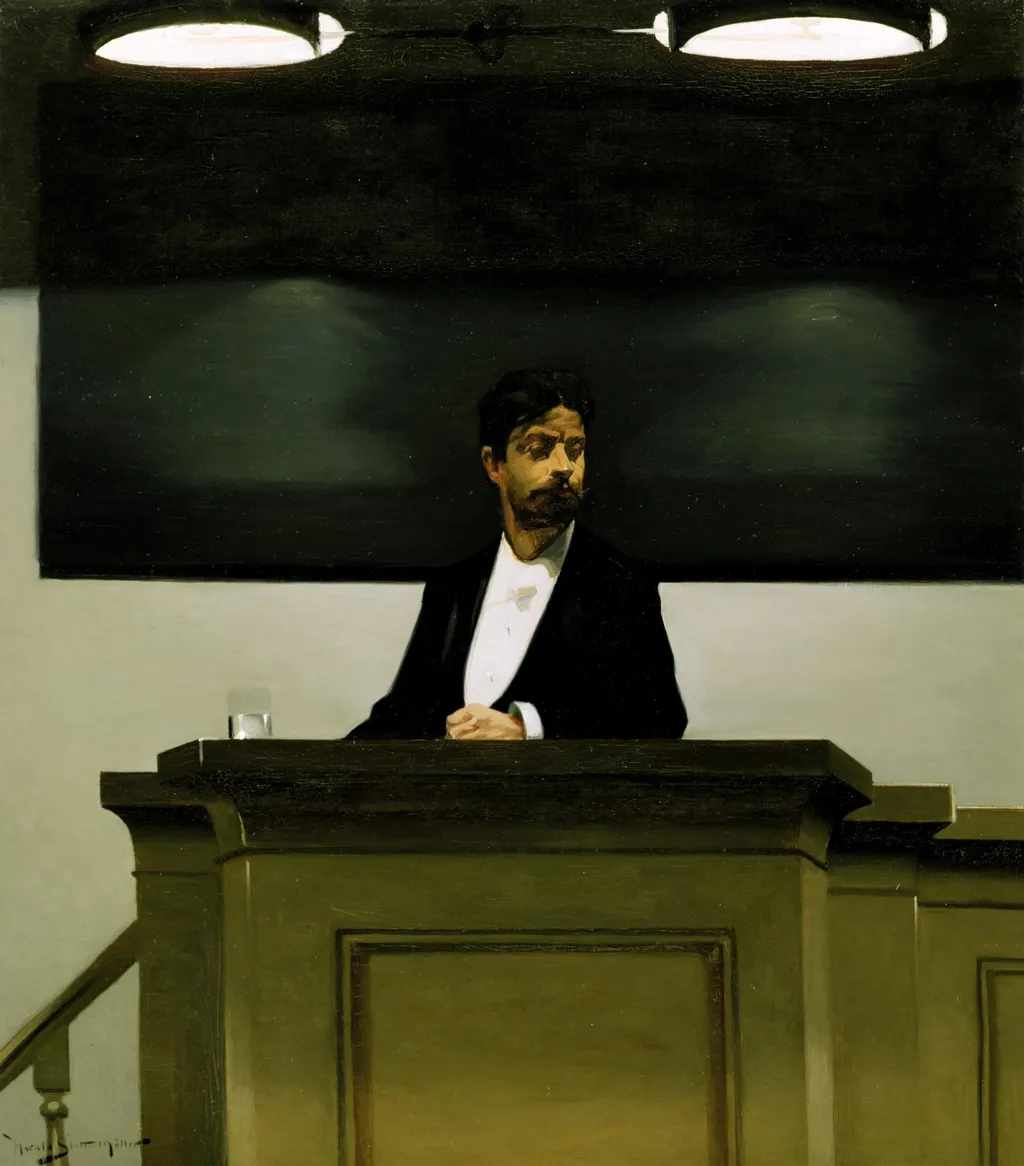
Georg Brandes at the University in Copenhagen is an oil painting by the Post-Impressionist artist Harald Slott-Møller. It dates from 1895 and is held in the collection of the Detroit Institute of Arts.
About this work
Overview
Painted in 1895 by Danish artist Harald Slott-Møller, this oil on canvas portrait captures the intellectual figure Georg Brandes in a university setting.
Painted in 1895 by Danish artist Harald Slott-Møller, this oil on canvas portrait captures the intellectual figure Georg Brandes in a university setting. The work reflects Slott-Møller’s engagement with post-impressionist sensibilities, emphasizing mood and structure over naturalistic detail. It resides in the collection of the Detroit Institute of Arts, where it stands as a quiet testament to the cultural life of late 19th-century Denmark.
Subject & Meaning
Georg Brandes, a prominent literary critic and academic, is depicted seated at a wooden desk, lost in thought. His posture and averted gaze suggest introspection rather than active lecturing or writing. The absence of direct engagement with the viewer or the blackboard behind him underscores his role as a thinker, not a performer.
The setting implies the university as a space of quiet intellectual labor, aligning with Brandes’s influence in shaping modern Danish thought.
Technique & Style
Slott-Møller employed oil paint with careful attention to texture and light, rendering the fabric of Brandes’s jacket and the grain of the desk with subtle precision. The composition is anchored by two overhead light sources that cast soft, directional illumination, enhancing the sense of solitude. Color is restrained, dominated by dark tones and muted whites, while brushwork remains deliberate, avoiding the spontaneity of impressionism in favor of controlled, contemplative form.
History & Provenance
Created in 1895, the painting was produced during a period when Slott-Møller was actively involved with Den Frie Udstilling, a progressive artists’ collective he co-founded with his wife, Agnes Slott-Møller. The work remained in Danish collections before entering the Detroit Institute of Arts’ holdings, though specific details of its early ownership and exhibition history are not widely documented.
Context
In late 19th-century Denmark, Georg Brandes was a central figure in the cultural awakening known as the Modern Breakthrough, challenging traditional norms through literary criticism. Slott-Møller’s portrait reflects this intellectual climate, portraying Brandes not as a public orator but as a private thinker. The painting aligns with broader European trends that valued psychological depth in portraiture, moving beyond mere likeness to convey inner life.
Legacy
Though not widely reproduced, the painting endures as a nuanced representation of intellectual authority in a time of cultural transformation. It preserves the visual identity of a key Danish thinker and exemplifies Slott-Møller’s ability to merge psychological insight with formal restraint. Its presence in an American museum underscores the transnational interest in Nordic cultural figures during the early 20th century.
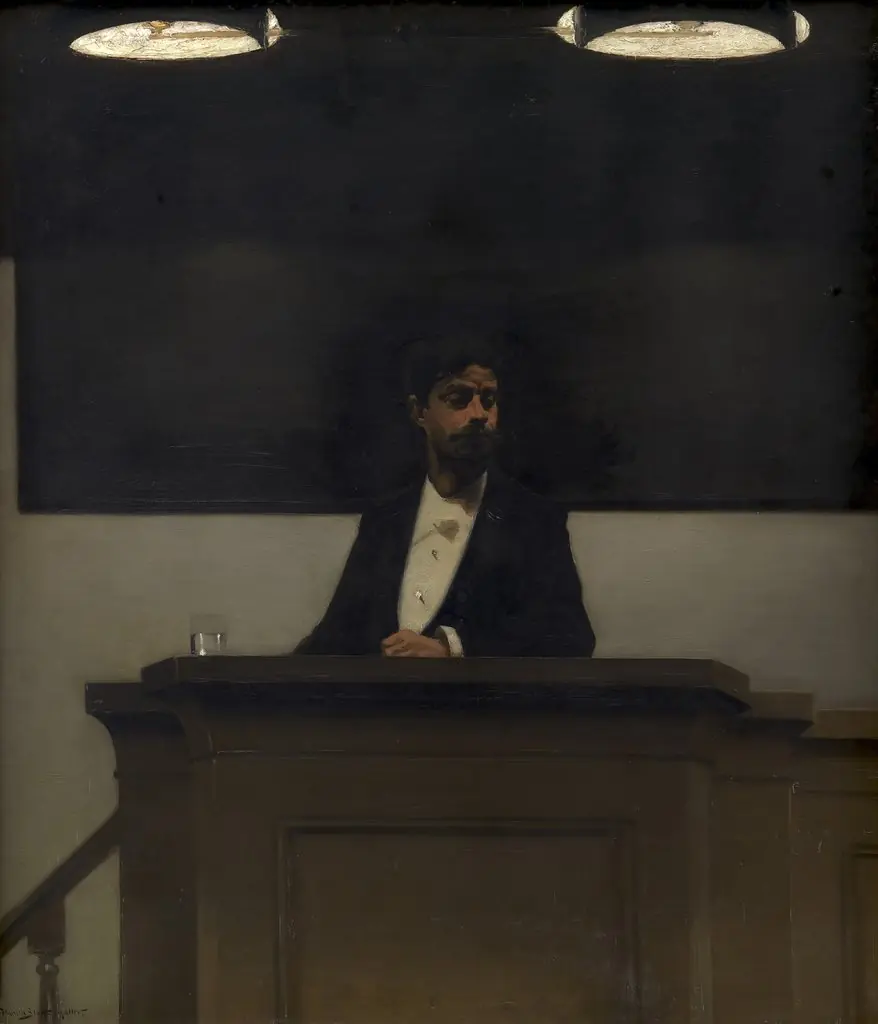
Own this work as a print
Artist & collection
Artist
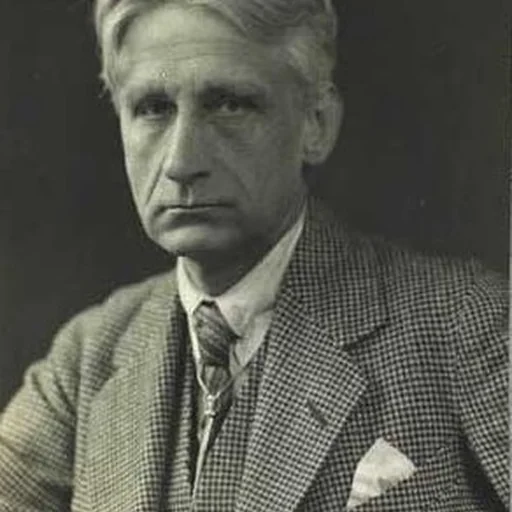
Harald Slott-Møller (Danish:; 17 August 1864 – 20 October 1937) was a Danish painter and ceramist. Together with his wife, the painter Agnes Slott-Møller, he was a founding member of Den Frie Udstilling (The Free Exhibition).

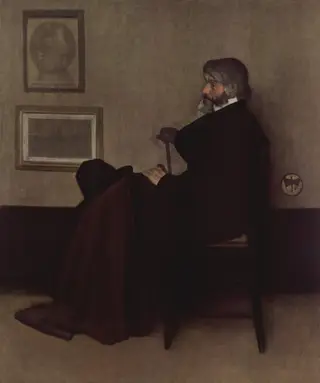 Arrangement in Grey and Black, No. 2: Portrait of Thomas Carlyle
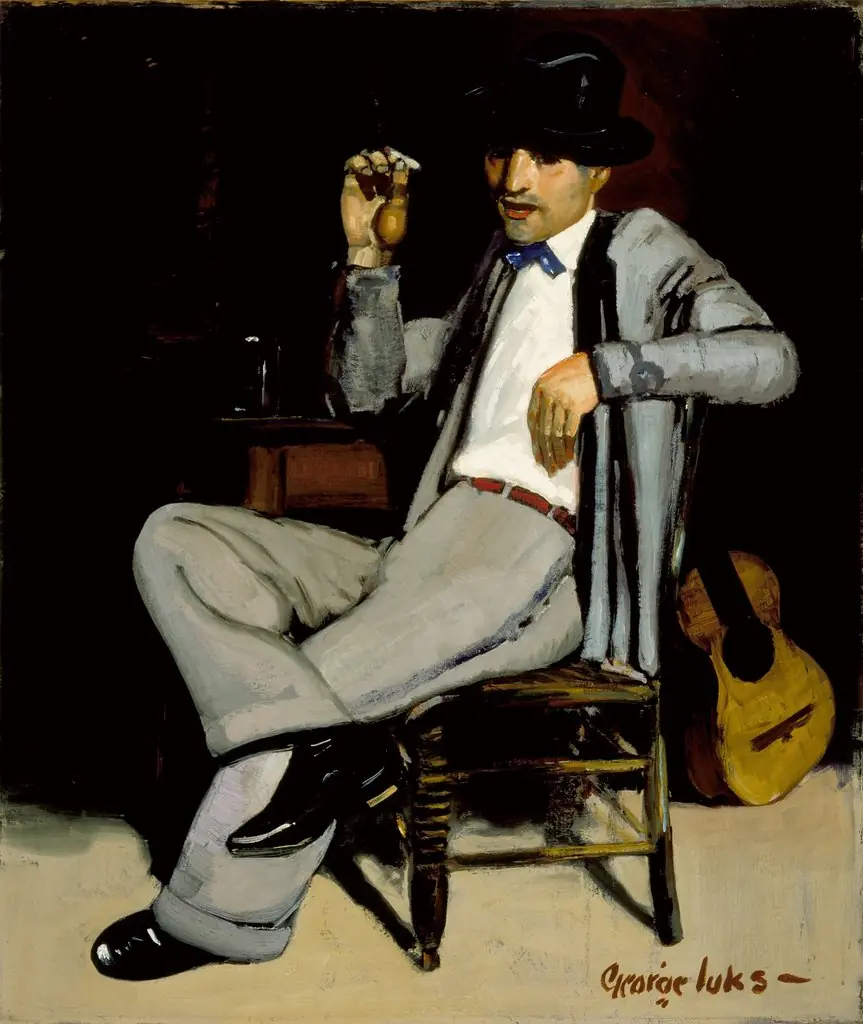 Pedro
Pedro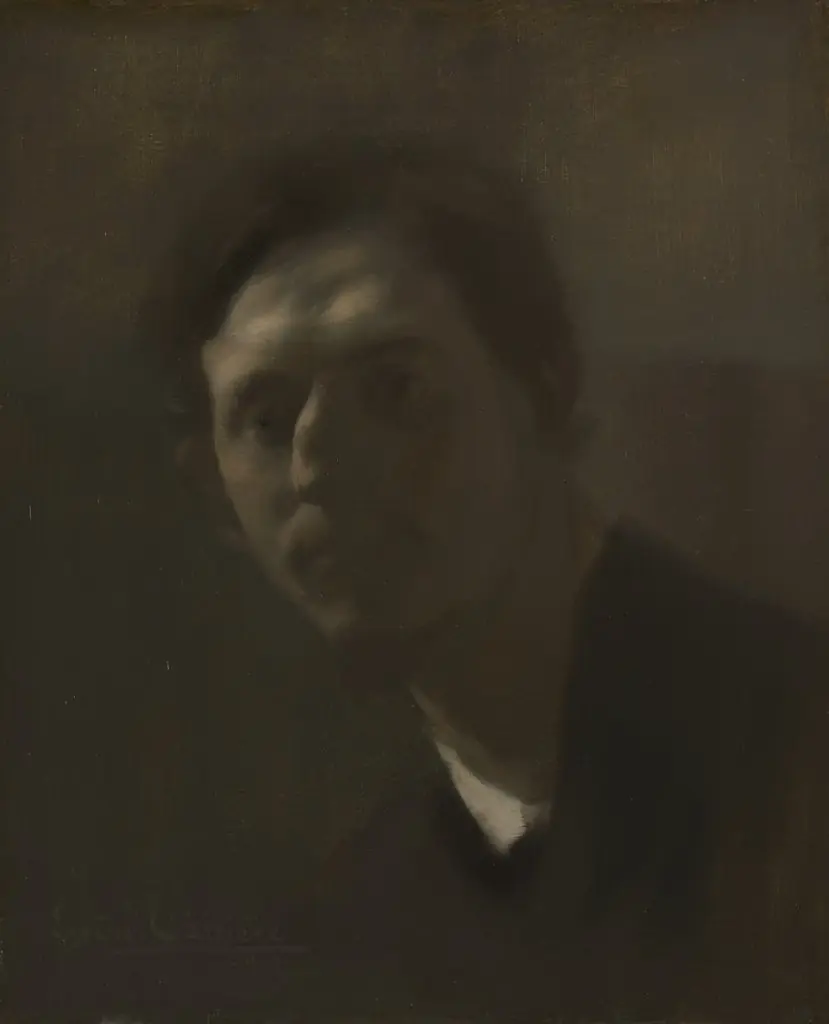 Armand Berton
 George W. Vanderbilt
 Beggar with a Duffle Coat (Philosopher)
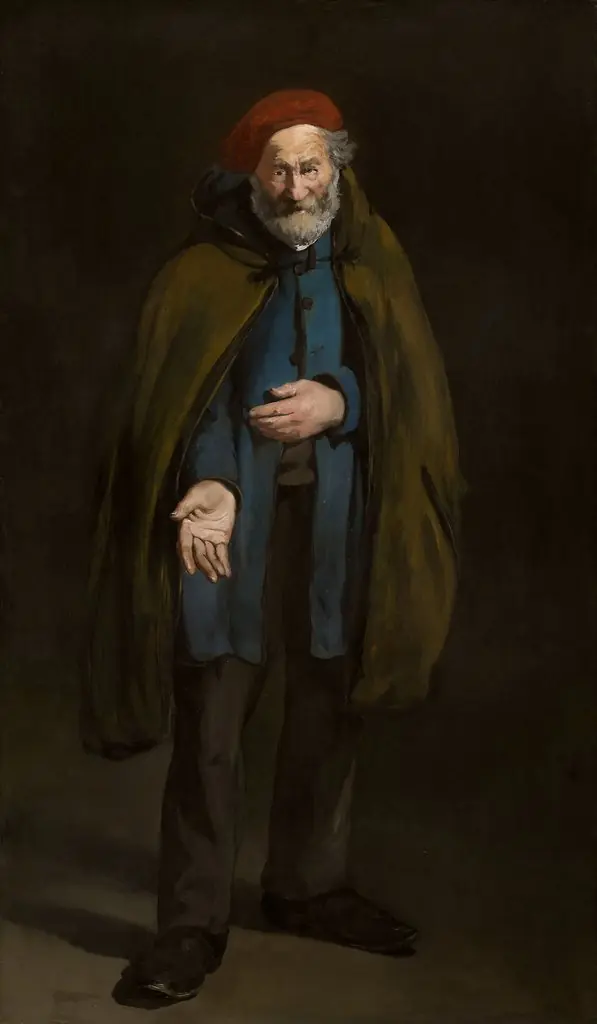 Beggar with a Duffle Coat (Philosopher)
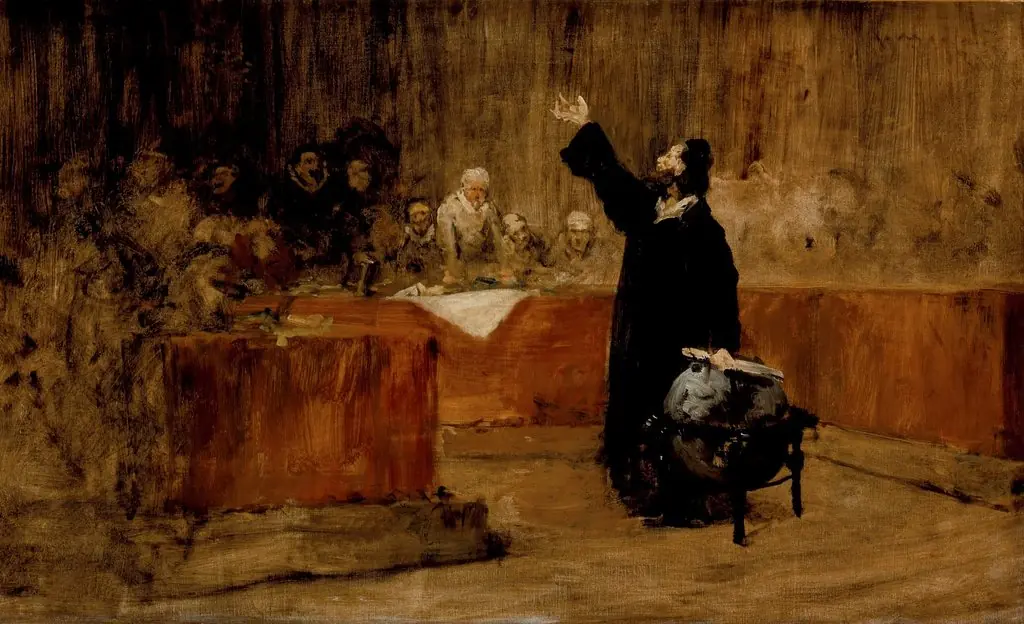 Sketch for a Picture--Columbus before the Council of Salamanca (A) (Christopher Columbus before the Council of Salamanca)
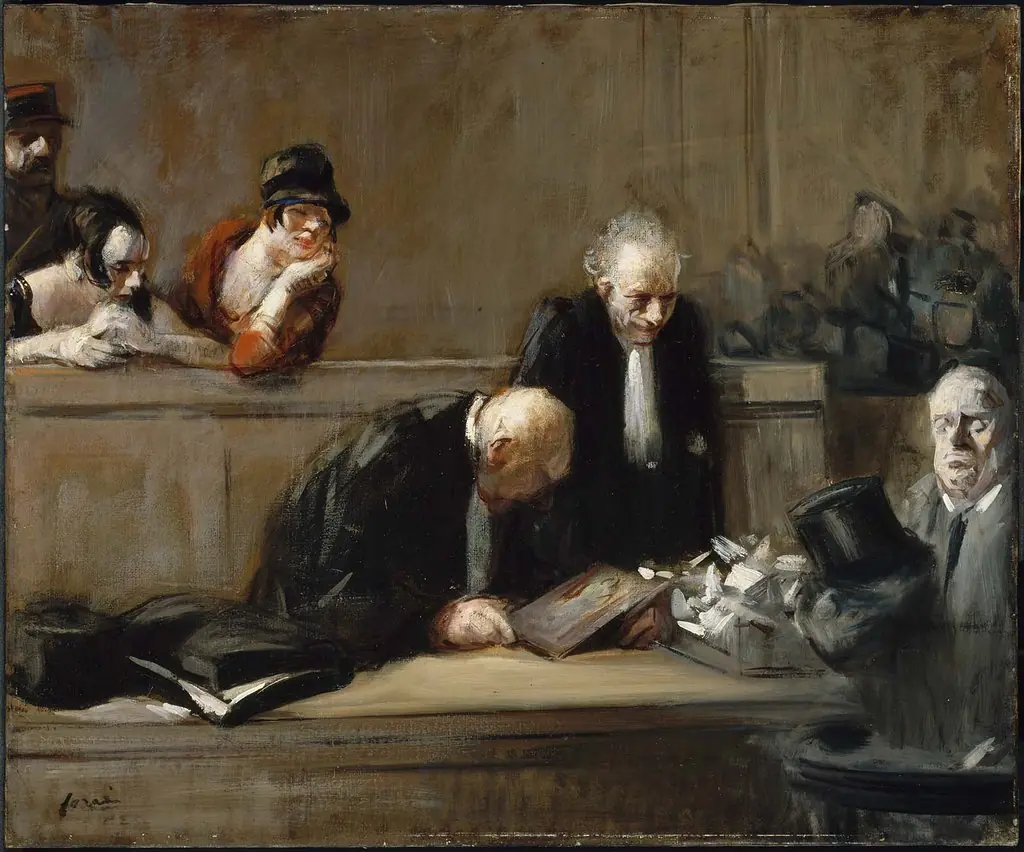 Witness Confounded
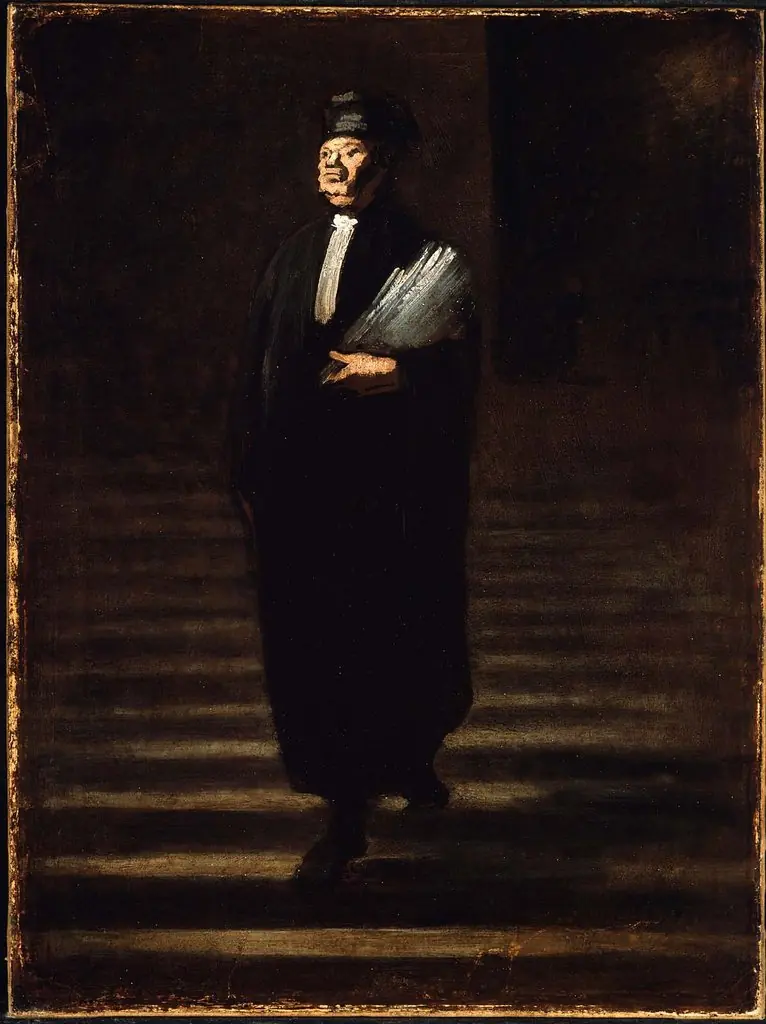 Triumphant Advocate
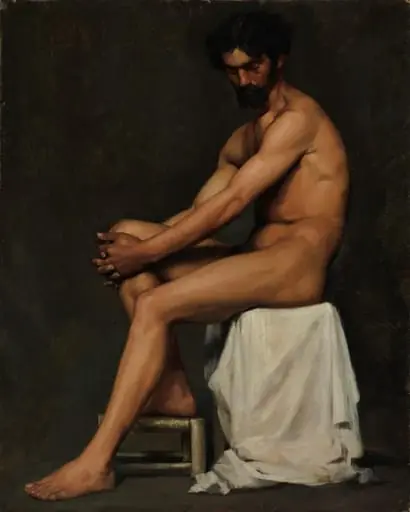 Istuva mies, akatemiaharjoitelma