Artwork
Arrangement in Grey and Black, No. 2: Portrait of Thomas Carlyle
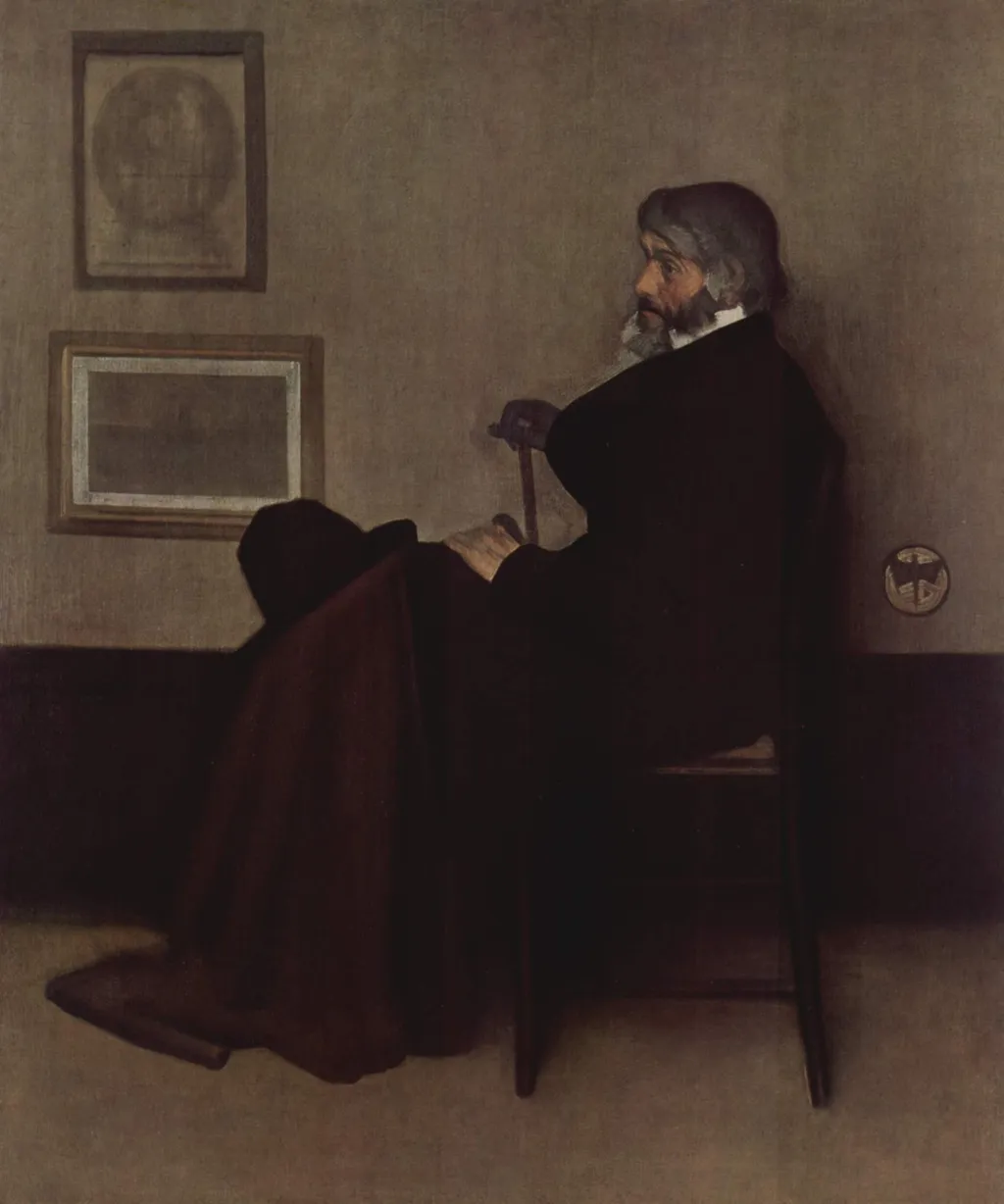
Arrangement in Grey and Black, No. 2: Portrait of Thomas Carlyle is an oil painting by the Impressionist artist James McNeill Whistler. It dates from 1873 and is held in the collection of the Kelvingrove Art Gallery and Museum.
About this work
You can learn more about the artist who created this work, the artist: James McNeill Whistler (American, 1834–1903).
This painting is called Arrangement in Grey and Black, No. 2: Portrait of Thomas Carlyle. It's an oil painting made by James McNeill Whistler.
The painting depicts Thomas Carlyle, a Scottish essayist, historian, and philosopher. It has a similar composition to another famous work by Whistler, Arrangement in Grey and Black No. 1: Portrait of the Artist's Mother.
You can learn more about the artist who created this work, the artist: James McNeill Whistler (American, 1834–1903).
Overview
Painted between 1872 and 1873, this oil portrait by James McNeill Whistler is the second in a series of works titled 'Arrangement in Grey and Black.' It presents Thomas Carlyle, the Scottish intellectual, seated in a contemplative pose. The composition echoes that of Whistler’s earlier portrait of his mother, though the subject and context differ significantly. The painting resides today in the Kelvingrove Art Gallery and Museum in Glasgow.
Subject & Meaning
Thomas Carlyle, a prominent 19th-century thinker known for his essays and historical writings, is portrayed not as a hero but as a solitary figure absorbed in thought. Whistler avoided idealization, emphasizing the weight of age and introspection. The muted tones and restrained posture reflect Carlyle’s reputation for intellectual gravity, aligning with Whistler’s interest in conveying mood over narrative.
Technique & Style
Whistler employed a limited palette of greys, blacks, and subtle earth tones, prioritizing tonal harmony over color. Brushwork is deliberate and controlled, with soft transitions between planes and a focus on the interplay of light and shadow. The formal structure, vertical lines of the chair, horizontal of the floor, creates a quiet rhythm, reinforcing the painting’s meditative character and its alignment with aesthetic principles over realism.
History & Provenance
Commissioned by the British government for display in a public collection, the painting was completed in 1873 and initially exhibited in London. It entered the collection of the Glasgow Corporation in 1899 and has remained at the Kelvingrove Art Gallery and Museum since. Its journey reflects Whistler’s growing recognition in Britain despite earlier controversies over his artistic methods.
Context
Whistler painted Carlyle during a period when he was refining his theory of art as arrangement of form and tone, independent of moral or literary content. The portrait emerged alongside broader debates about the role of art in society, with Whistler positioning himself against narrative painting traditions. Carlyle’s stature as a cultural figure lent the work symbolic weight, even as Whistler resisted overt symbolism.
Legacy
Though less widely recognized than its predecessor, this portrait remains a key example of Whistler’s mature aesthetic. It influenced later artists seeking to convey psychological depth through formal restraint. Its presence in a major public museum underscores its acceptance as a serious work of art, emblematic of the shift toward modernist concerns with composition and tone over traditional portraiture.
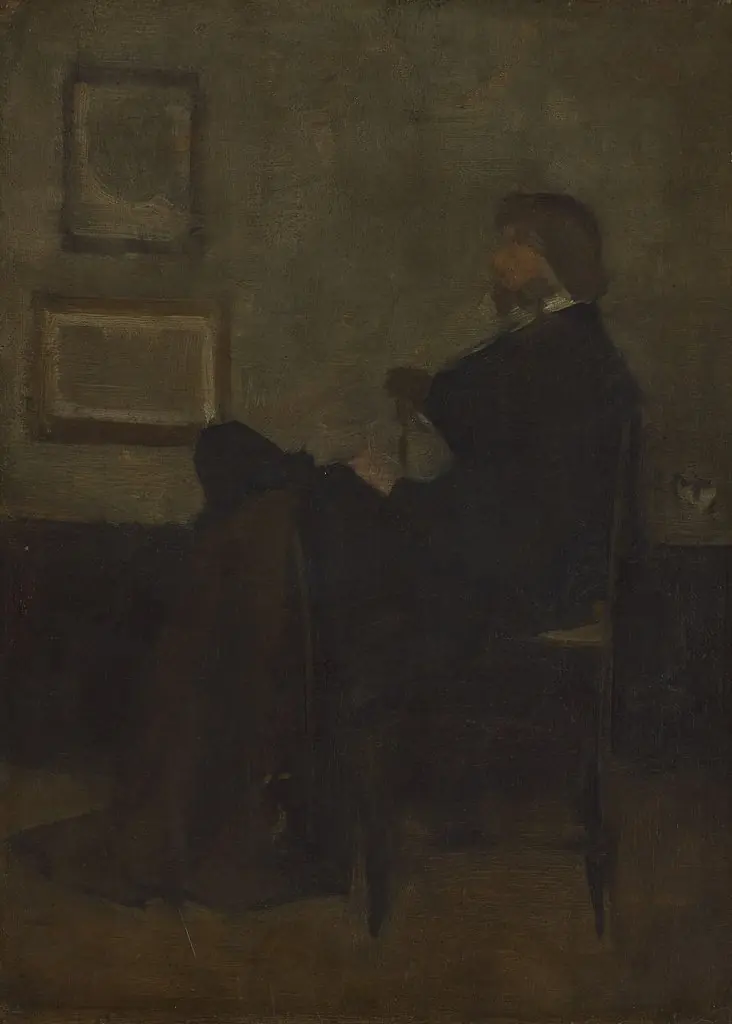
Own this work as a print
Artist & collection
Artist
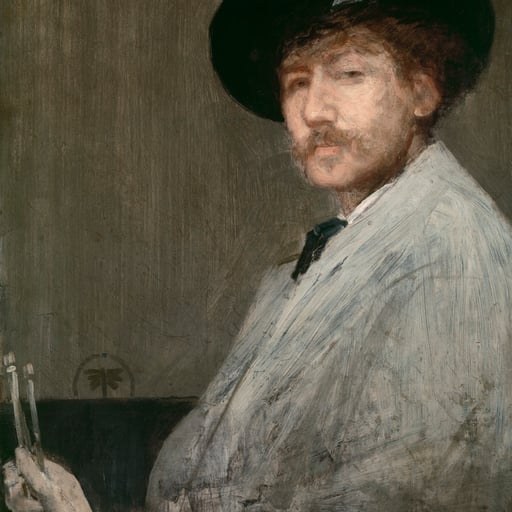
James Abbott McNeill Whistler (; July 10, 1834 – July 17, 1903) was an American painter in oils and watercolor, and printmaker, active during the American Gilded Age and based primarily in the United Kingdom.

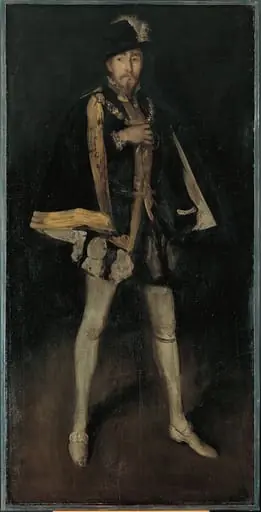 Arrangement in Black, No. 3: Sir Henry Irving as Philip II of Spain
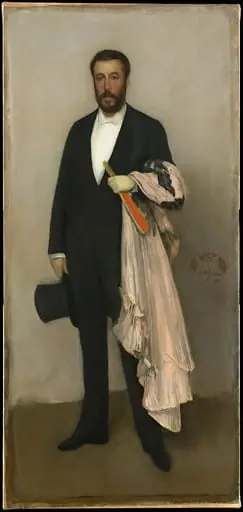 Arrangement in Flesh Colour and Black: Portrait of Theodore Duret
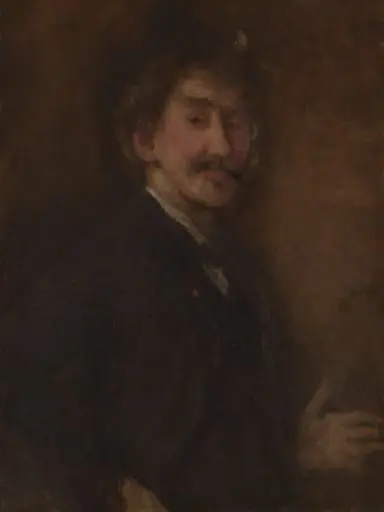 Gold and Brown: Self-Portrait
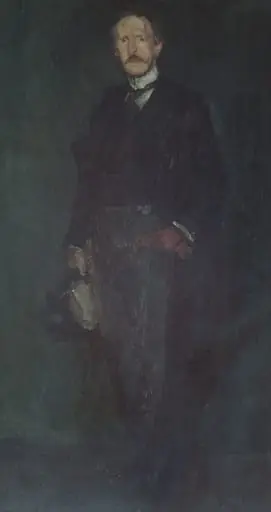 Edward Guthrie Kennedy
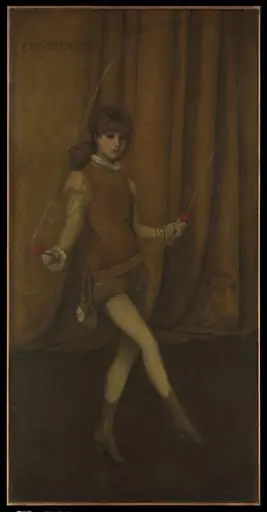 Harmony in Yellow and Gold: The Gold Girl—Connie Gilchrist
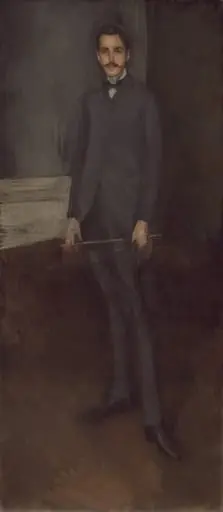 George W. Vanderbilt
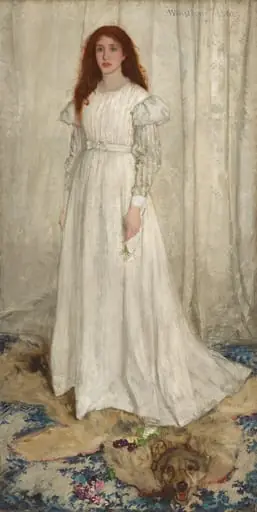 Symphony in White, No. 1: The White Girl
 Henry Irving as Philip II of Spain
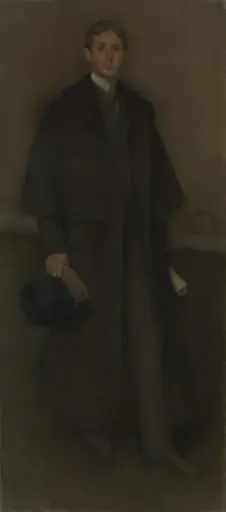 Arrangement in Flesh Color and Brown: Portrait of Arthur Jerome Eddy
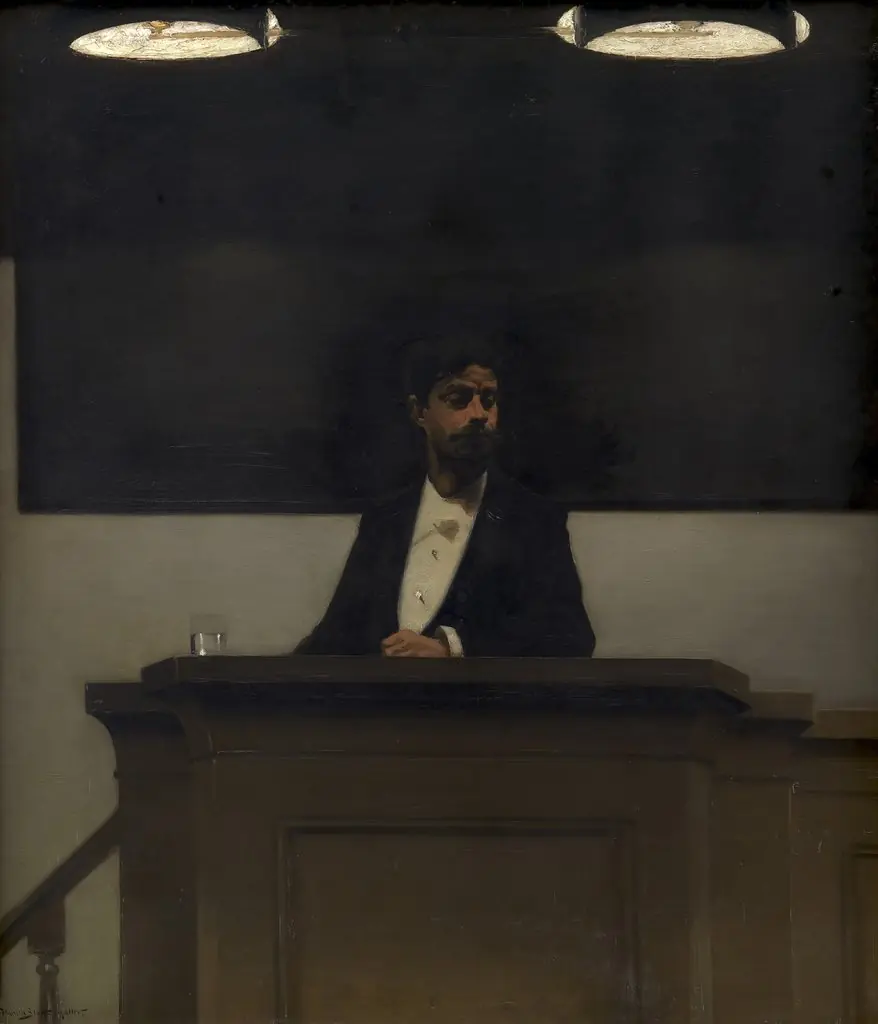 Georg Brandes at the University of Copenhagen
 Georg Brandes at the University in Copenhagen
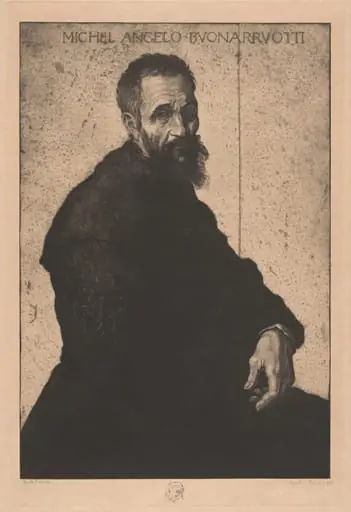 Michelangelo Buonarroti
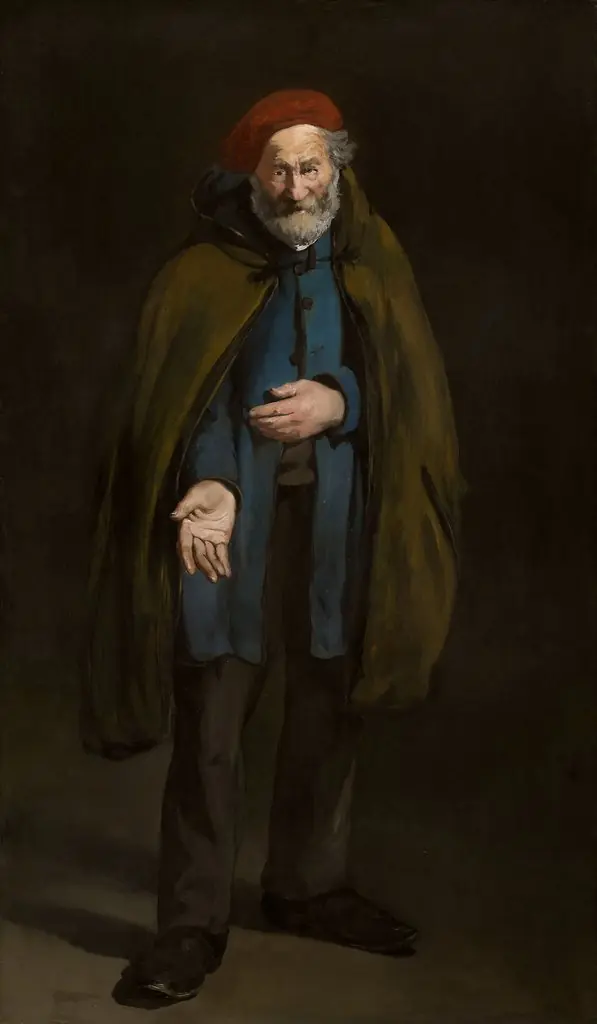 Beggar with a Duffle Coat (Philosopher)
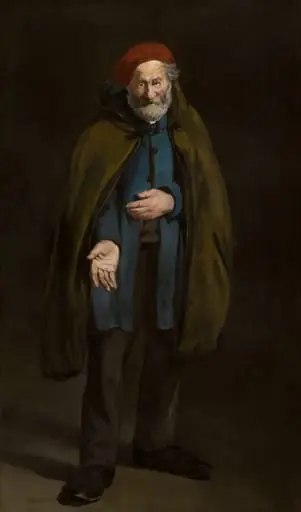 Beggar with a Duffle Coat (Philosopher)
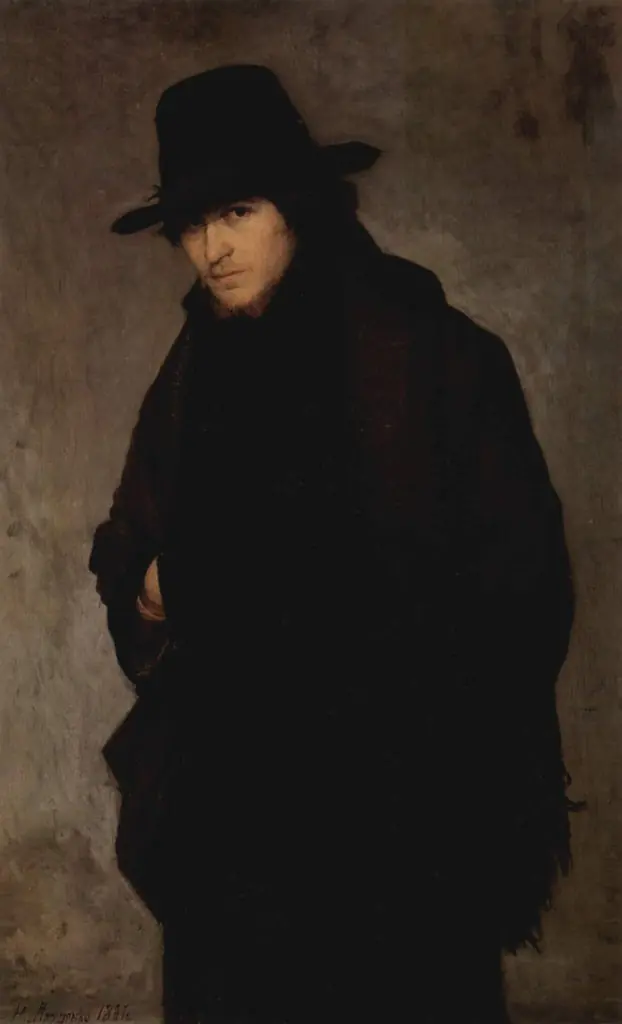 The Student
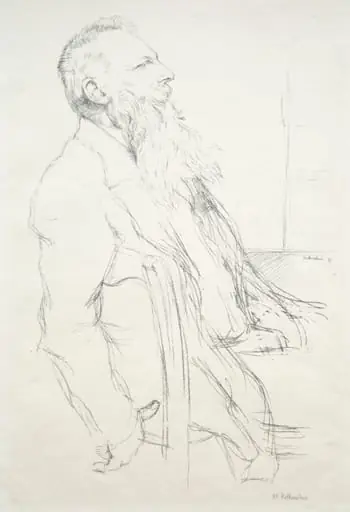 Auguste Rodin
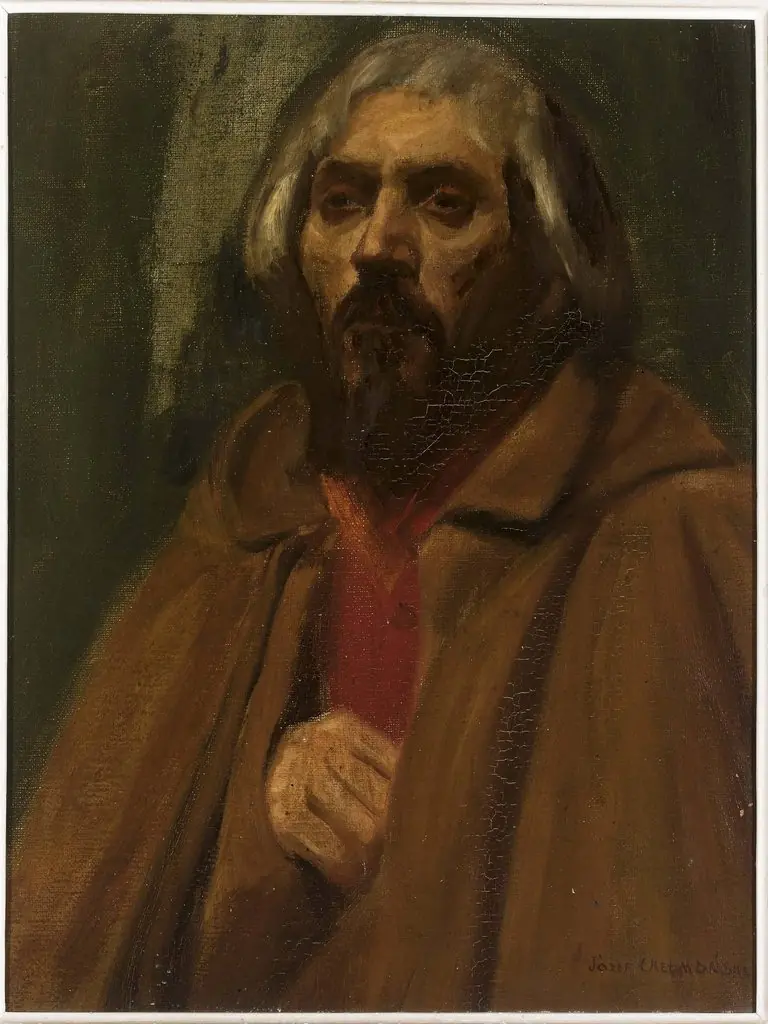 Portrait of a peasant