Artwork
George W. Vanderbilt
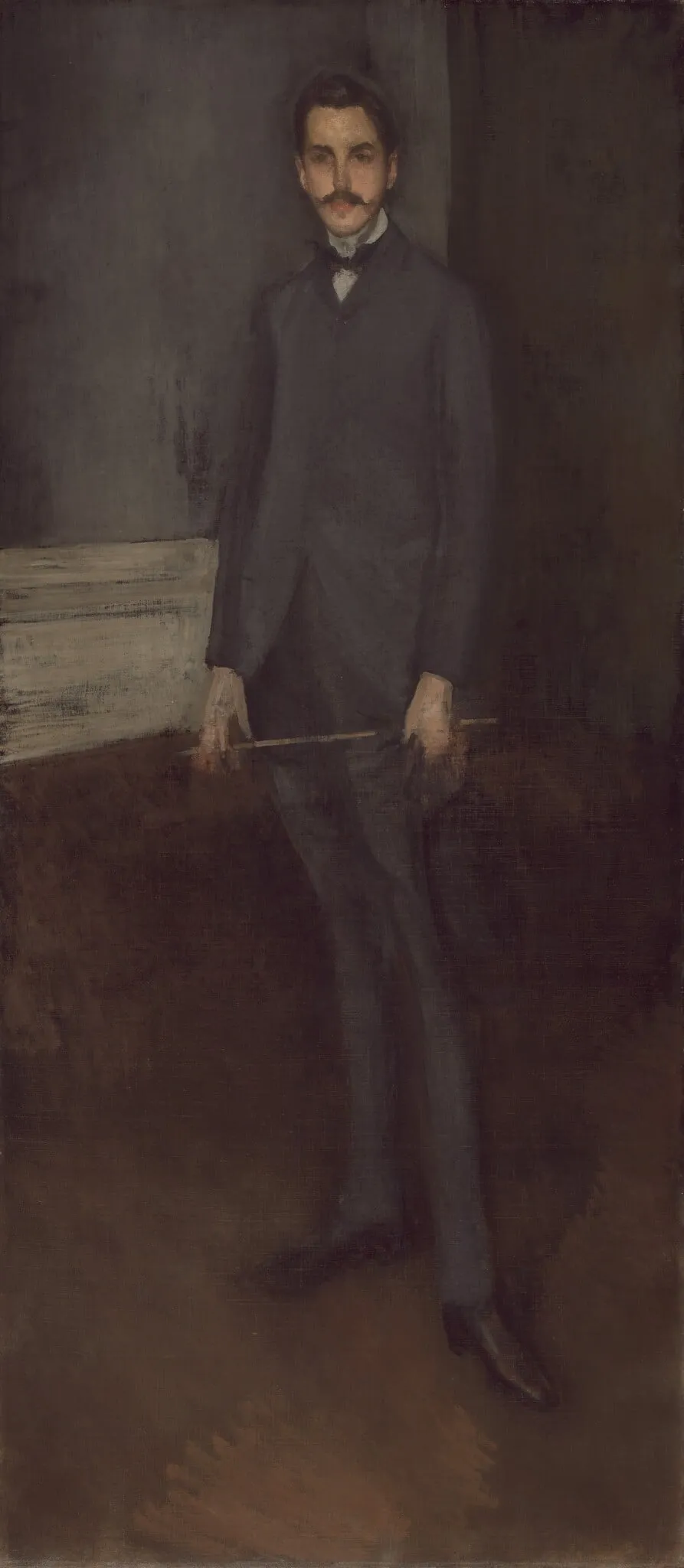
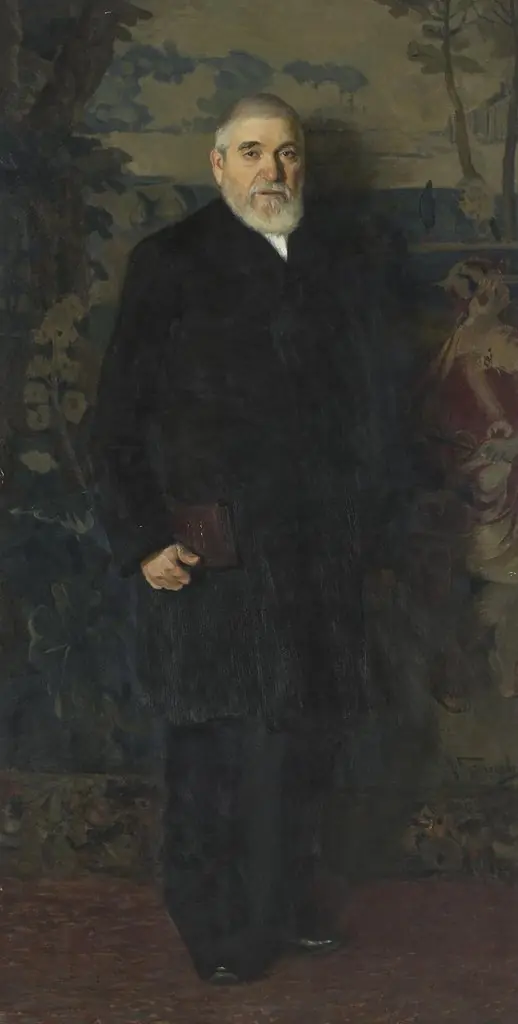
George W. Vanderbilt is an oil painting by the American Impressionist artist James McNeill Whistler. It dates from 1900 and is held in the collection of the National Gallery of Art.
About this work
Subject & Meaning
As a portrait, it functions as a visual record of the sitter’s status and personal identity within the elite circles of the Gilded Age.
The painting, completed in 1900 by James McNeill Whistler, presents George Washington Vanderbilt, a prominent American businessman and member of the influential Vanderbilt family. As a portrait, it functions as a visual record of the sitter’s status and personal identity within the elite circles of the Gilded Age. The work’s composition and subtle tonal handling reflect Whistler’s interest in capturing the psychological presence of his subject rather than merely his outward appearance.
By depicting Vanderbilt, Whistler created a lasting image that has been used to illustrate the cultural and economic influence of the Vanderbilt dynasty in American history.
Technique & Style
The portrait of George W. Vanderbilt by James McNeill Whistler (1900) is executed in oil on canvas, a medium typical of Whistler’s late works. The painting measures 208.6 cm in height and 91.1 cm in width, presenting a vertical format that emphasizes the sitter’s elongated silhouette. Whistler employs a refined, atmospheric handling, characteristic of his Tonalist approach, with soft transitions between tones rather than sharp outlines.
The composition prioritizes mood and elegance over detailed realism, using muted, harmonious color harmonies to convey a sense of quiet sophistication. The figure is rendered with delicate brushwork, particularly in the handling of the face and hands, while broader, more abstract passages describe the costume and background. The condition of the work, as documented by the National Gallery of Art, reflects stable conservation with no major structural issues reported.
History & Provenance
The portrait of George Washington Vanderbilt was painted by James McNeill Whistler in 1900 as an oil on canvas work. It was sold in 1898 to George W. Vanderbilt (1862‑1914) and remained in Whistler’s studio until 1903 before being delivered to its owner. Upon Vanderbilt’s death in 1914 the painting passed to his widow, Edith Stuyvesant Dresser Vanderbilt, and stayed in her possession in Asheville, North Carolina, and later Providence, Rhode Island. In 1959 the work was gifted to the National Gallery of Art, where it remains today.
The painting has been held by the National Gallery of Art in Washington, D.C., since 1959, when it entered the collection as a gift. It had previously been in the possession of George W. Vanderbilt's widow, Edith Stuyvesant Dresser Vanderbilt, who inherited the work in 1914 following Vanderbilt's death. The canvas had originally been sold to Vanderbilt in 1898 but was retained in Whistler's studio until 1903. No exhibition history is documented in the available sources.
Legacy
The portrait of George Washington Vanderbilt by James McNeill Whistler, painted in 1900, entered the National Gallery of Art collection through a series of bequests and gifts that traced its ownership from the sitter’s widow, Edith Stuyvesant Dresser Vanderbilt, to the museum in 1959. Its inclusion in the Gallery’s holdings has reinforced Whistler’s standing as a leading portraitist of the Gilded Age, allowing scholars to study the work as a benchmark of his late technique and social gravitas. The painting’s provenance, material details, and continued display underscore its lasting reputation within American art history.
Overview
This oil-on-canvas portrait, created in 1900 by American artist James McNeill Whistler, depicts George Washington Vanderbilt. The painting captures Vanderbilt in a formal pose, reflecting Whistler's characteristic emphasis on aesthetic subtlety. As a prominent figure of the American Gilded Age, Whistler was known for his refined approach to art, often prioritizing visual harmony over explicit storytelling. This work exemplifies his delicate style within the broader context of American Impressionism.
Context
James McNeill Whistler, an American painter who spent much of his career in the United Kingdom, was a significant artistic voice during the late 19th and early 20th centuries, a period encompassing the American Gilded Age. His artistic principles centered on "art for art's sake," advocating for the inherent value of beauty and form independent of external meaning. This portrait of George W. Vanderbilt, a wealthy American, exemplifies Whistler's commitment to aesthetic refinement over didactic content.
Artist & collection
Artist
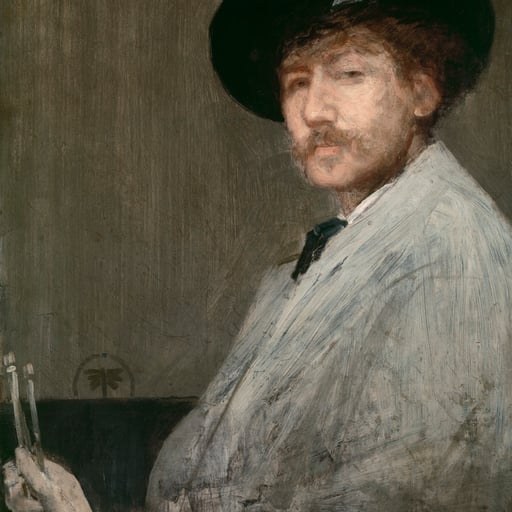
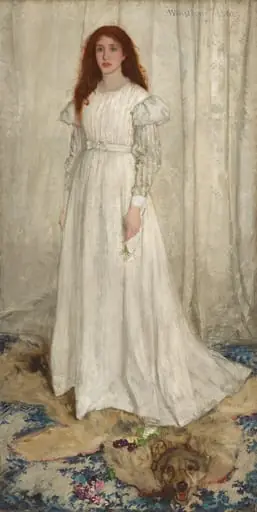
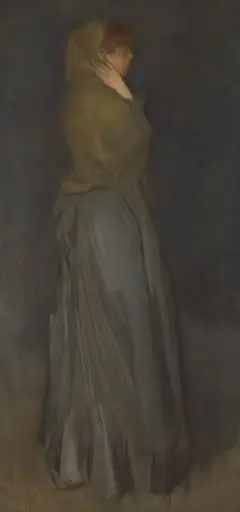
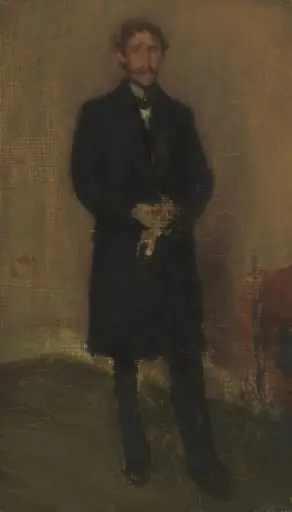
James Abbott McNeill Whistler (; July 10, 1834 – July 17, 1903) was an American painter in oils and watercolor, and printmaker, active during the American Gilded Age and based primarily in the United Kingdom.

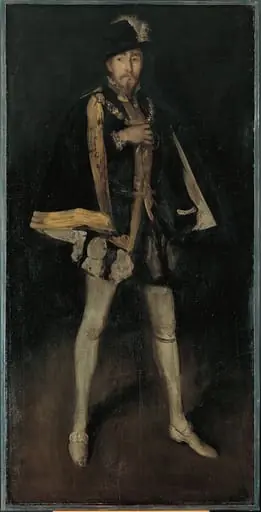 Arrangement in Black, No. 3: Sir Henry Irving as Philip II of Spain
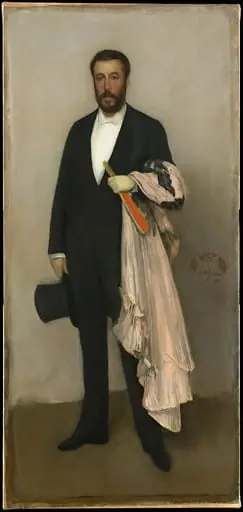 Arrangement in Flesh Colour and Black: Portrait of Theodore Duret
 Gold and Brown: Self-Portrait
 Edward Guthrie Kennedy
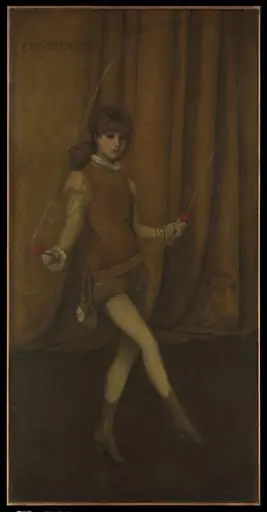 Harmony in Yellow and Gold: The Gold Girl—Connie Gilchrist
 Symphony in White, No. 1: The White Girl
 Henry Irving as Philip II of Spain
 ‘Arrangement in Yellow and Gray’: Effie Deans
- James Abbott McNeill Whistler
 Alexander Arnold Hannay
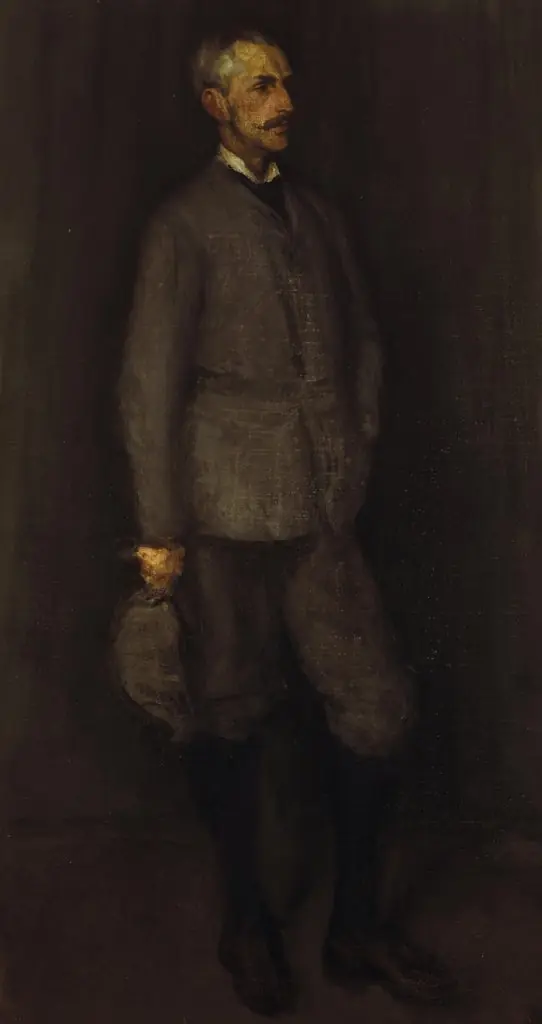 Arrangement in Grey and Green. Portrait of John James Cowan
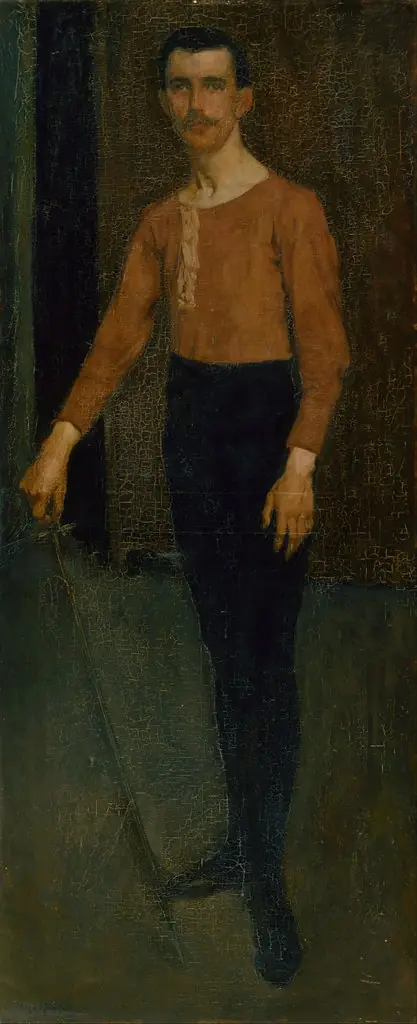 The foil
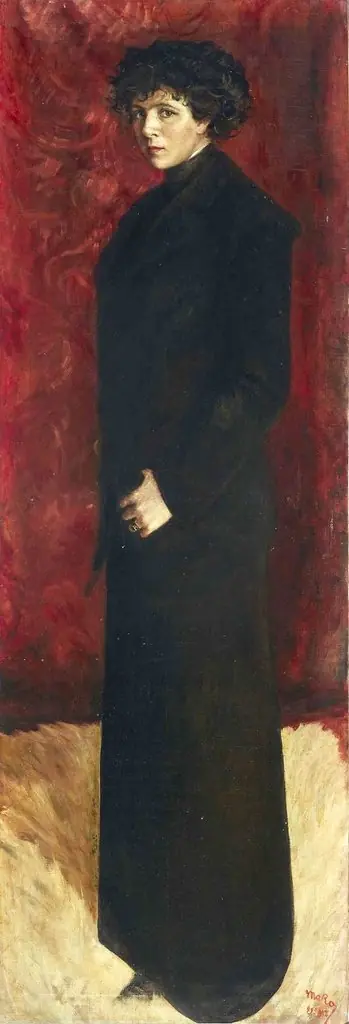 Autorretrato de cuerpo entero (María Roësset Mosquera)
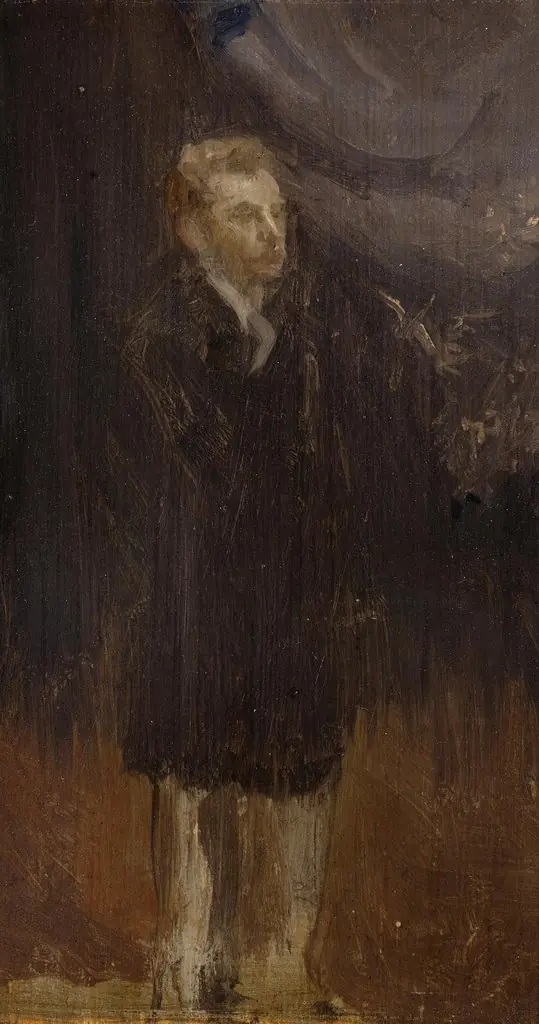 Portrait Study of a Man
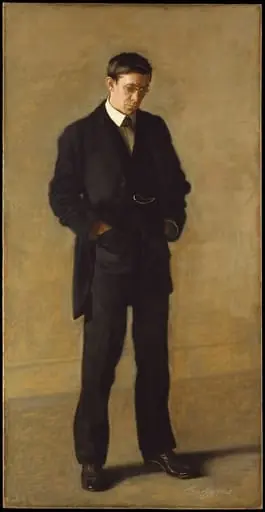 The Thinker: Portrait of Louis N. Kenton
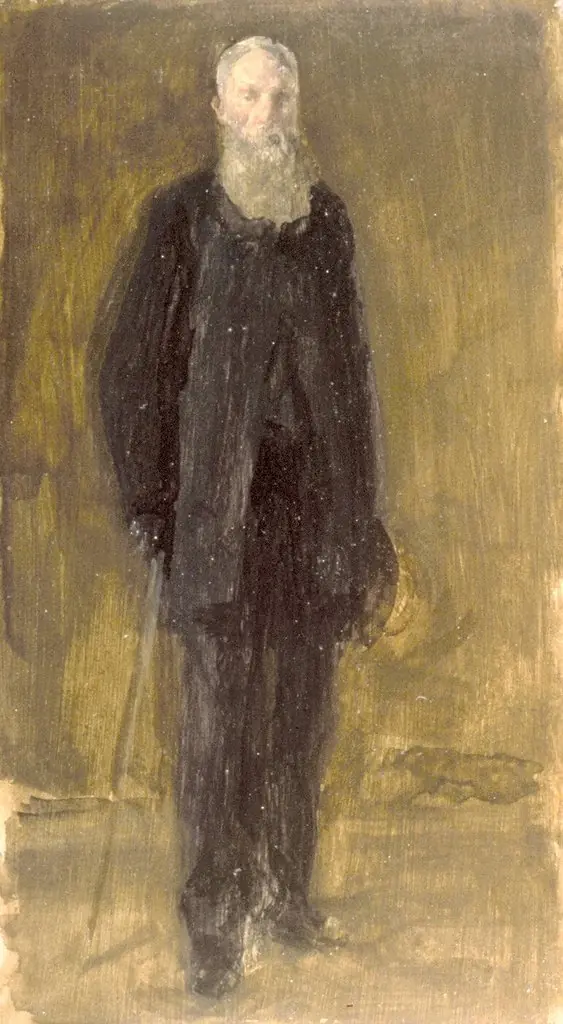 Portrait of George A. Lucas
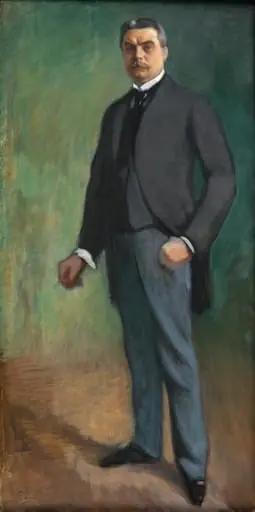 Albert Edelfelt
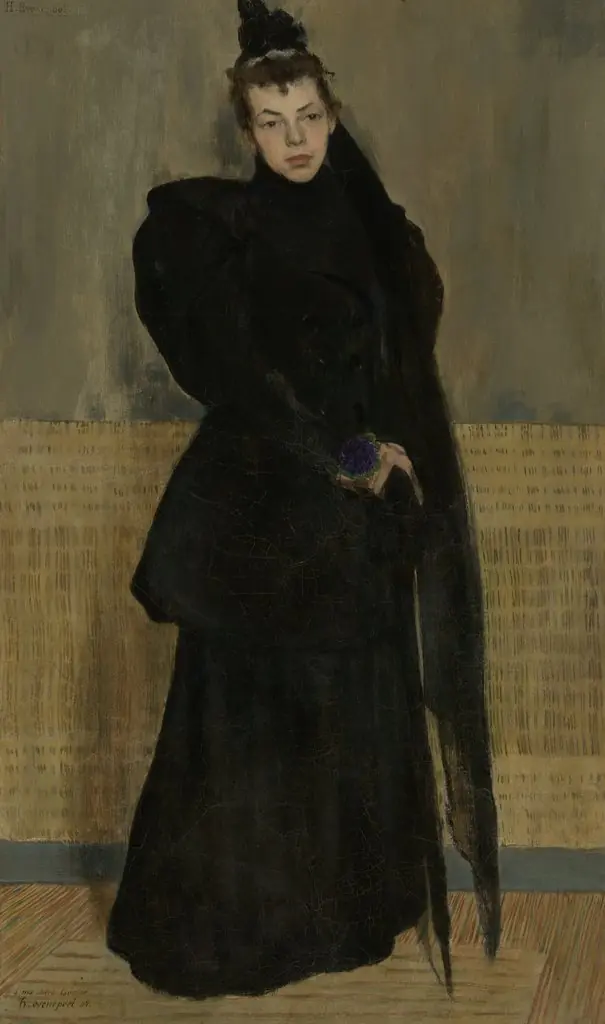 Louise in Mourning
 Kalman Ze'ev Wissotzky