Artwork
The Passing of Summer
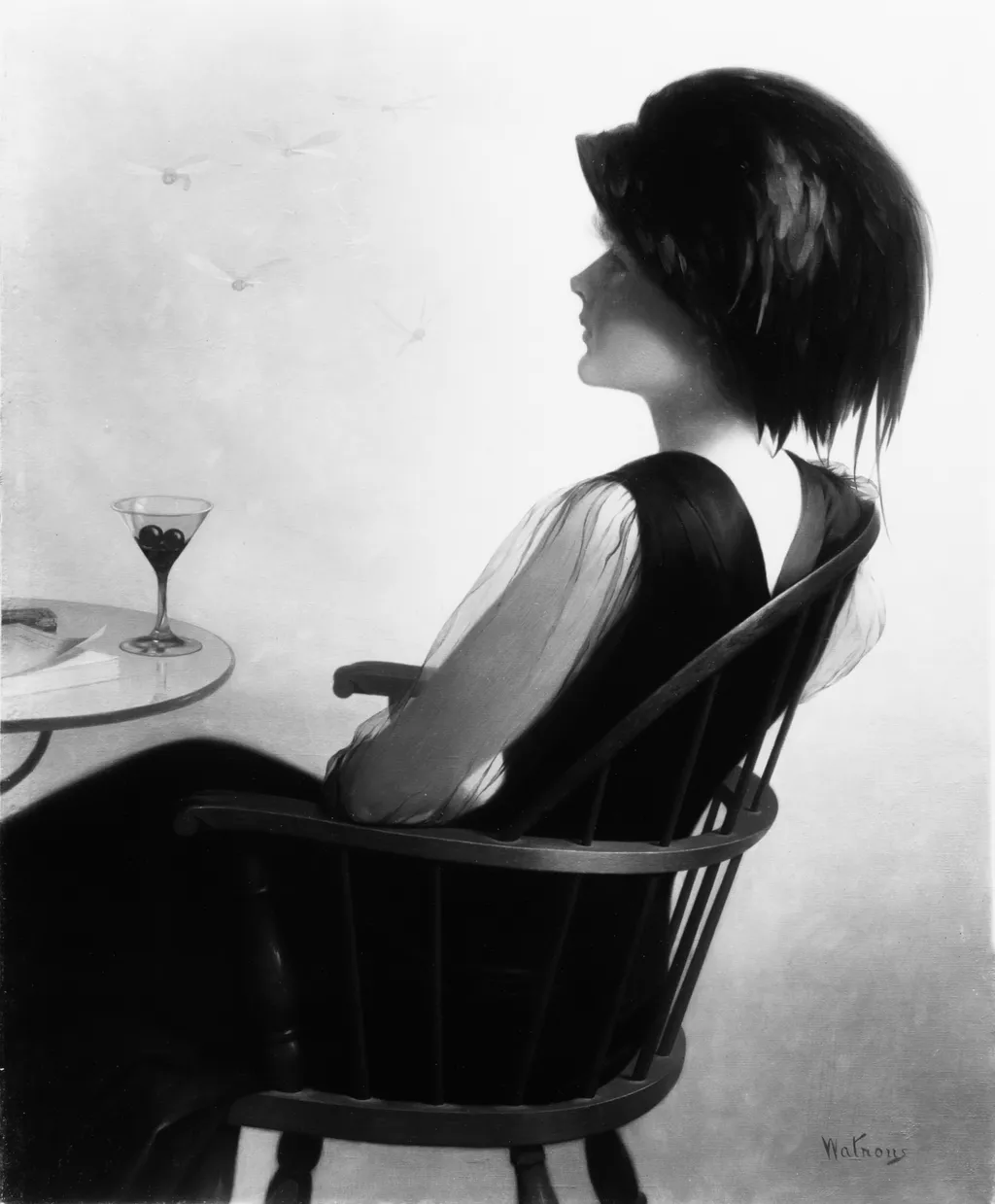
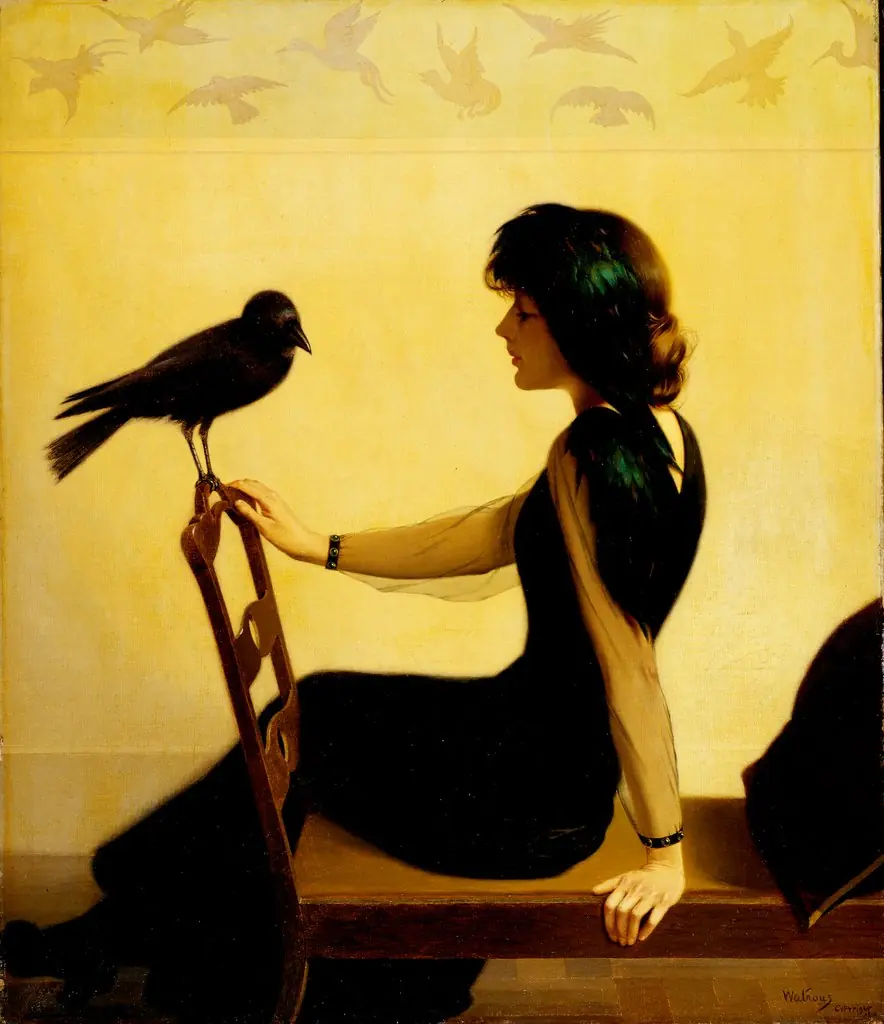
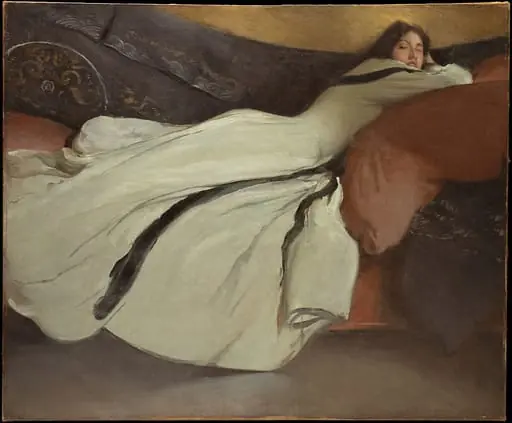
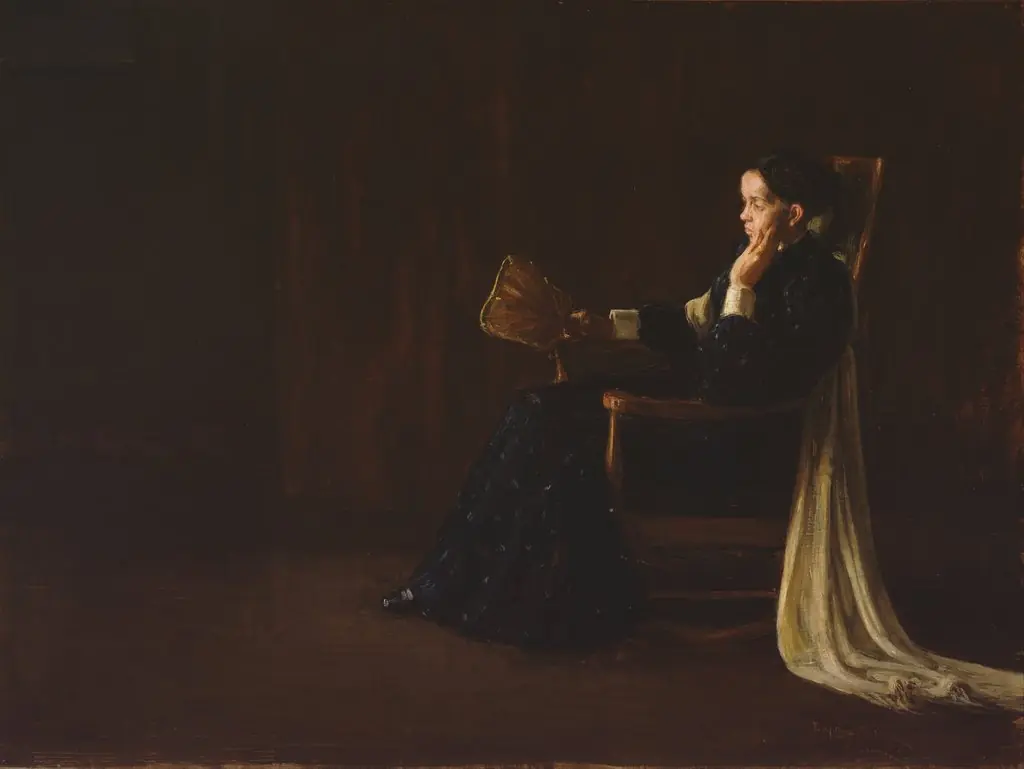
The Passing of Summer is an oil painting by the American Impressionist artist Harry Willson Watrous. It dates from 1912 and is held in the collection of the Metropolitan Museum of Art.
About this work
Technique & Style
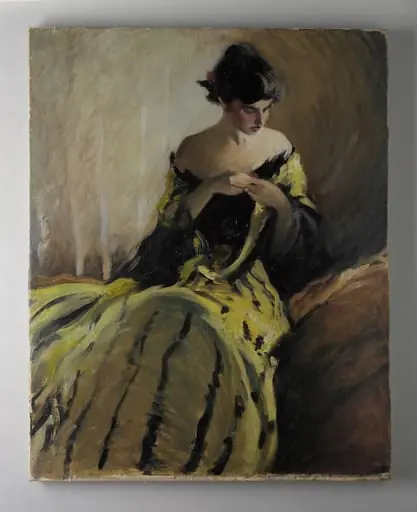
The paint is applied in thin, layered strokes that preserve the luminosity of the underpainting while building depth in the folds of the woman's dress.
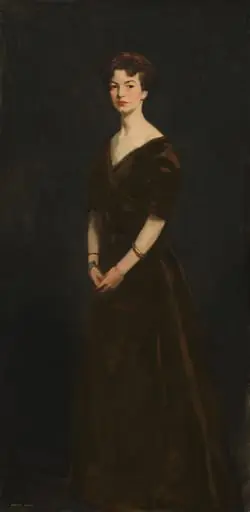
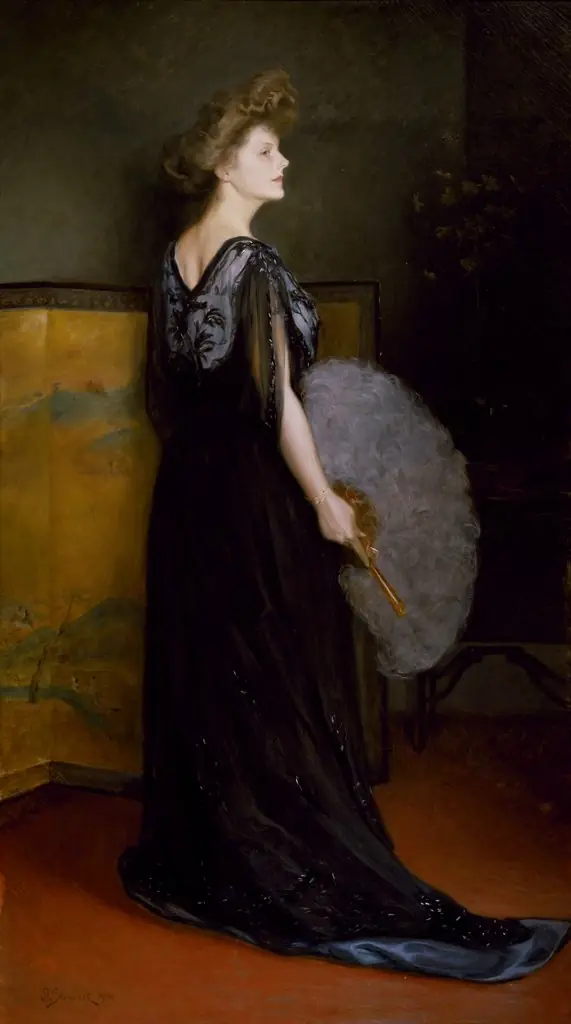
The Passing of Summer is an oil painting executed on canvas, reflecting early 20th-century American academic practice. Watrous rendered the scene with controlled brushwork that emphasizes the sitter's poised presence and the subtle interplay of light across fabric, aligning with the tonal realism characteristic of his genre work. The composition balances intimate detail with a restrained palette, conveying a quiet narrative of transition.
The paint is applied in thin, layered strokes that preserve the luminosity of the underpainting while building depth in the folds of the woman's dress.
History & Provenance
The Passing of Summer was created by Harry Willson Watrous in 1912 as an oil on canvas work measuring 91.9 cm in height and 76.2 cm in width. The painting entered the collection of the Metropolitan Museum of Art in 1912 under accession number 12.129.1, where it remains part of the permanent holdings.
Legacy
The Passing of Summer has been cited as an example of early 20th-century American plein air painting that influenced regionalist trends in the 1930s, particularly through its atmospheric treatment of seasonal change, a quality noted in later scholarly assessments of Watrous's contribution to American Impressionism.
The work's composition and handling of light were referenced in exhibitions focusing on New England landscape traditions, reinforcing its reputation as a subtle study in tonal modulation.
Overview
Harry Willson Watrous created The Passing of Summer in 1912, an oil painting now in the Metropolitan Museum of Art. Executed during his involvement with American Impressionism, the work presents a single female figure rendered with the subtle light effects typical of the period.
Subject & Meaning
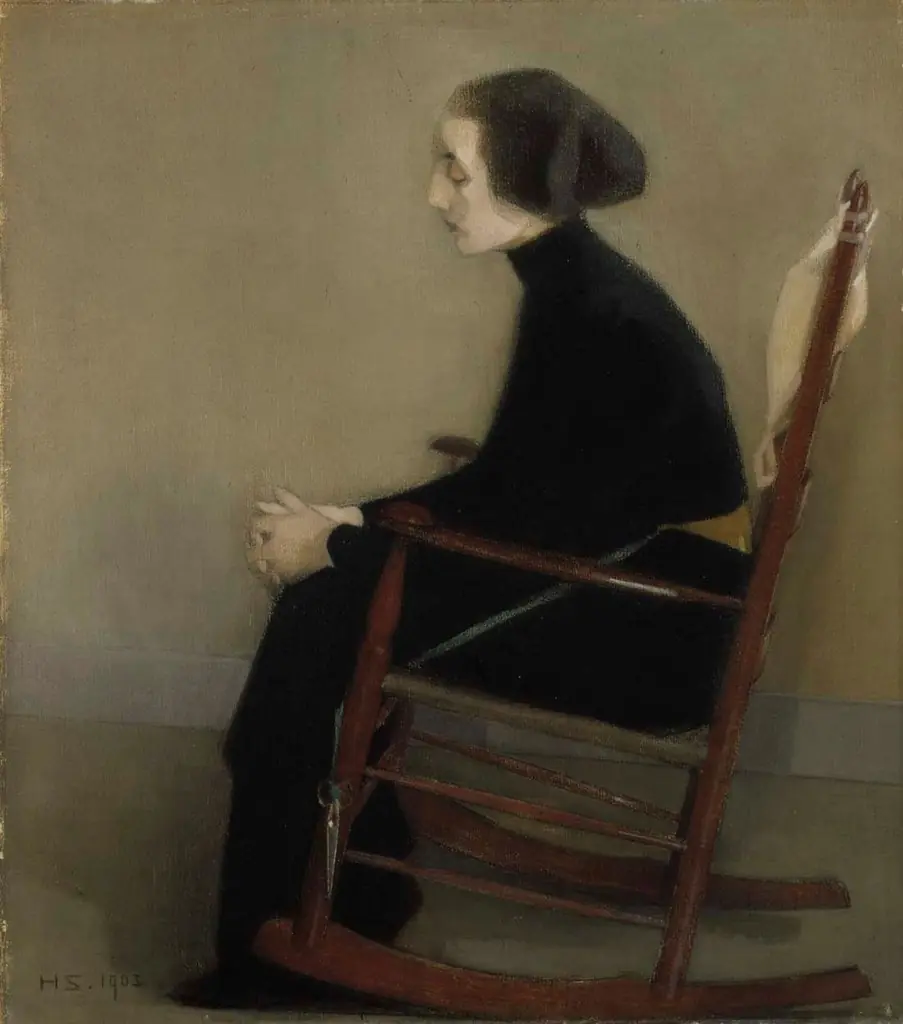
The composition centers on a woman seated sideways in a wooden chair, her back turned to the viewer. Dressed simply and with her hair pulled back, she rests a glass, containing olives and a stem, on a small table before her, suggesting a quiet, perhaps contemplative moment as the season changes.
Own this work as a print
Artist & collection
Artist
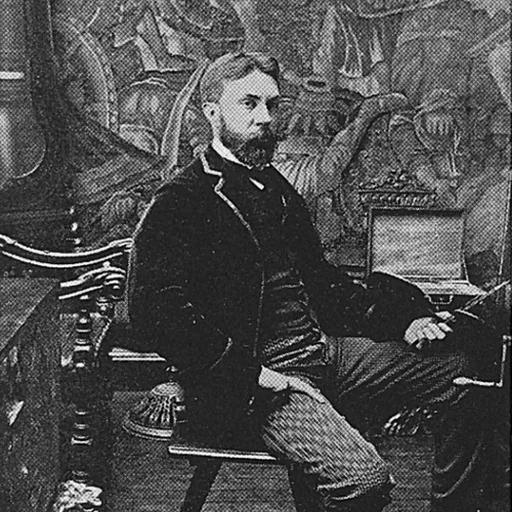
Harry Willson Watrous (17 September 1857 – 10 May 1940) was an American visual artist who received an academic education in France.