Artwork
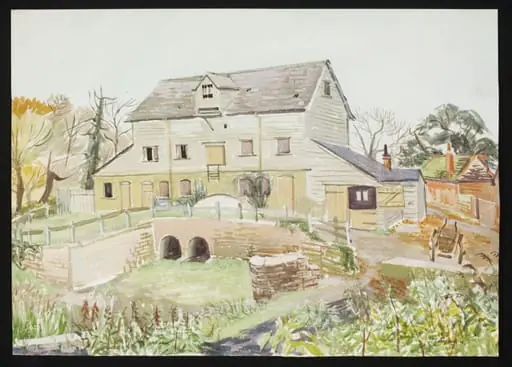
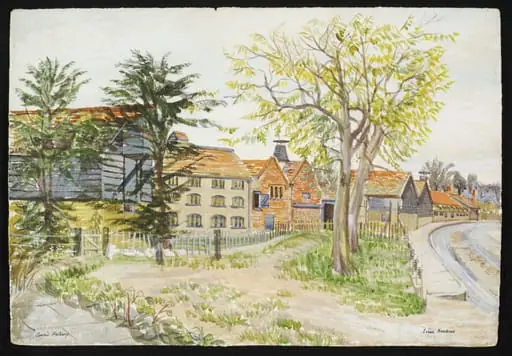
Barn at Westmill
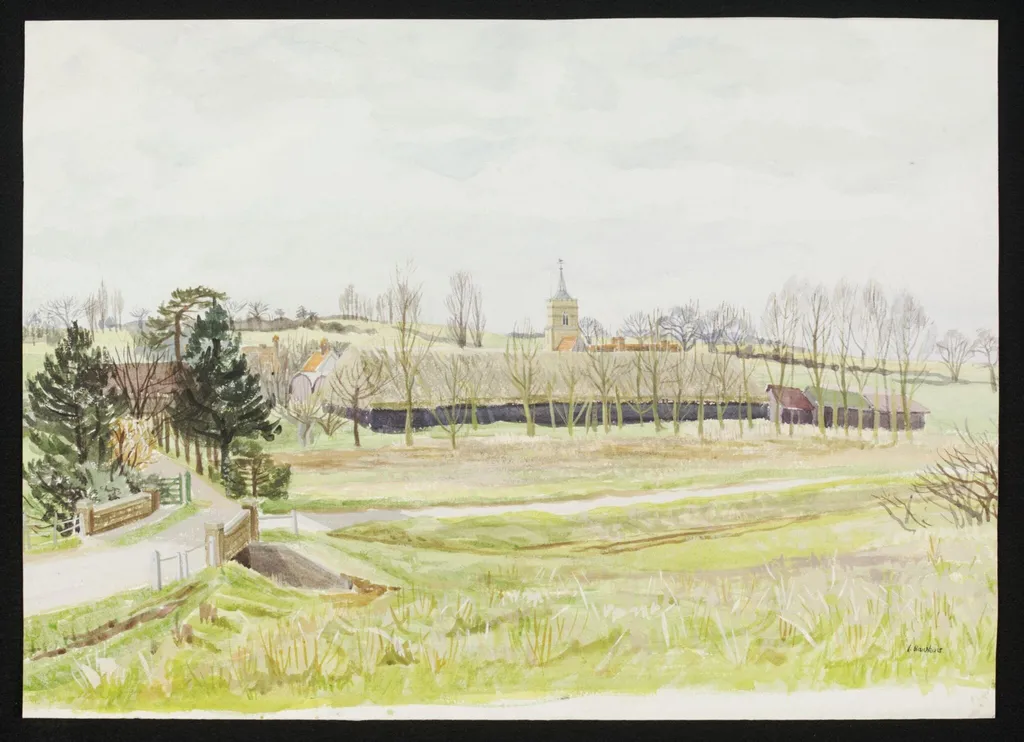
Barn at Westmill is a watercolor work on paper by the Regionalist artist Hawkins. It is held in the collection of the Victoria and Albert Museum.
About this work
Overview
The work was produced as part of the Recording Britain project, a wartime effort to visually archive the English countryside.
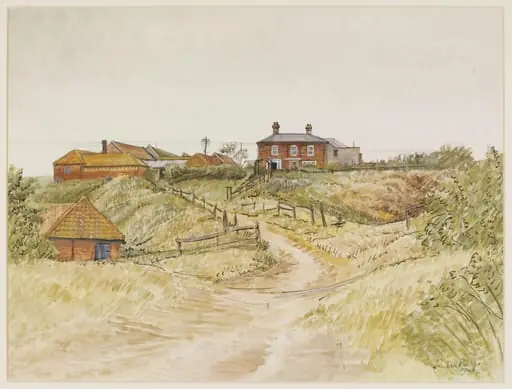
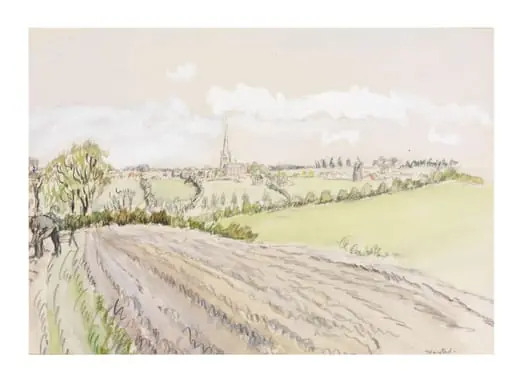
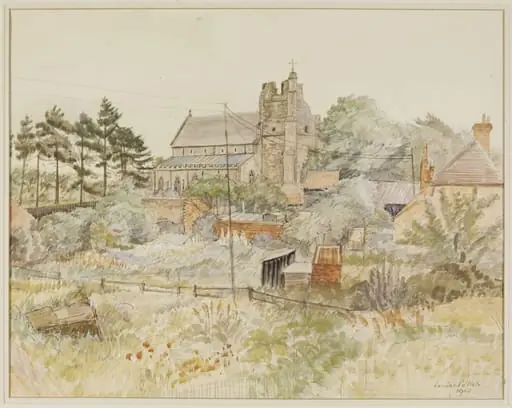
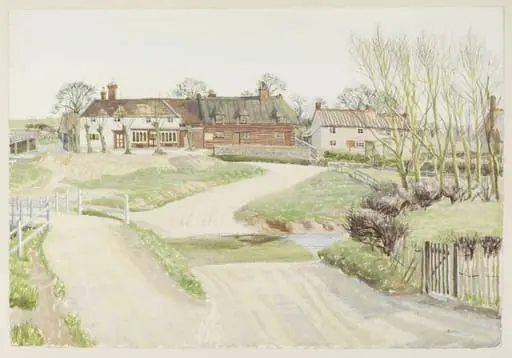
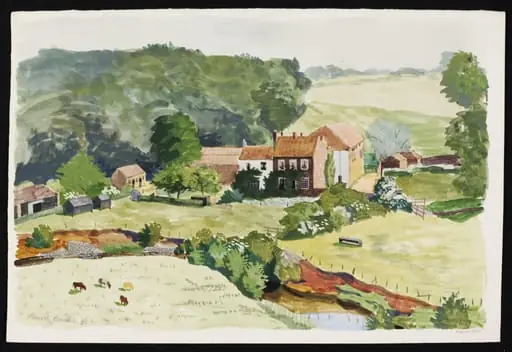
Barn at Westmill is a watercolour painting completed in 1940 by artist Hawkins. It captures a rural scene in Hertfordshire, focusing on a long, thatched barn near the edge of the village. The composition includes a grassy field with a dirt path and a small bridge in the foreground, leading the eye toward the barn and the distant steeple of St Mary’s Church.
The work was produced as part of the Recording Britain project, a wartime effort to visually archive the English countryside.
Subject & Meaning
The painting presents a quiet, unassuming corner of rural England at a time of national uncertainty. The barn, a symbol of agricultural tradition, stands alongside the church tower, representing enduring community structures. By framing these elements within a peaceful landscape, the work implicitly honors everyday rural life that seemed vulnerable to the disruptions of war and modernization, offering a visual record of continuity amid change.
Technique & Style
Hawkins employed delicate watercolour washes to render soft gradients of green and brown, capturing the texture of grass, foliage, and thatch with gentle, fluid brushwork. The absence of sharp outlines and the muted tonal range create a hazy, atmospheric effect. Light is diffused evenly, avoiding dramatic contrasts, which contributes to the scene’s calm, contemplative mood. The technique reflects a restrained, observational approach typical of the Recording Britain artists.
History & Provenance
Created in 1940, the painting was commissioned by the Recording Britain scheme, funded by the Pilgrim Trust and overseen by Sir Kenneth Clark. The initiative enlisted artists to document landscapes and architecture at risk from wartime destruction or societal shifts. Hawkins’s work was among hundreds acquired by the Victoria and Albert Museum, where it remains part of the permanent collection as a historical record of Britain’s rural heritage during the Second World War.
Context
During the early 1940s, Britain faced the threat of aerial bombardment and rapid industrial change, prompting cultural institutions to preserve visual records of traditional rural life. Recording Britain responded to this anxiety by commissioning artists to depict vernacular buildings, fields, and village scenes. Hawkins’s painting aligns with this mission, reflecting a broader cultural effort to safeguard national identity through art at a moment of profound uncertainty.
Legacy
Barn at Westmill endures as a quiet testament to the Recording Britain project’s archival purpose. It contributes to a collective visual archive that continues to inform historical and cultural studies of wartime Britain. The painting’s understated realism and focus on ordinary places have ensured its relevance as a document of place and memory, valued more for its historical testimony than for stylistic innovation.
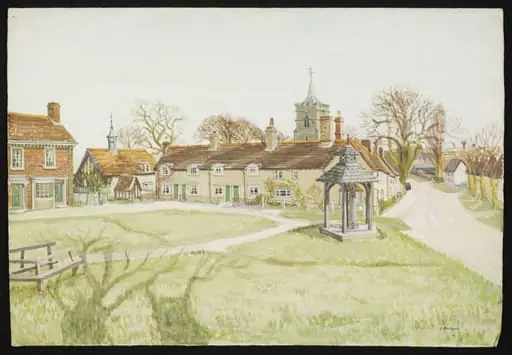
Own this work as a print
Artist & collection
Artist
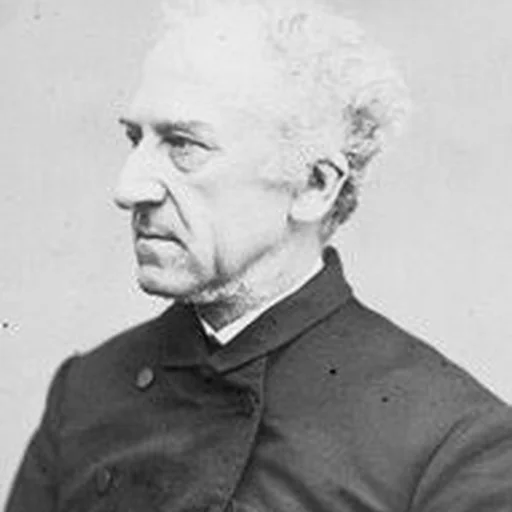
Benjamin Waterhouse Hawkins (8 February 1807 – 27 January 1894) was an English sculptor and natural history artist renowned for his work on the life-size models of dinosaurs in the Crystal Palace Park in south London.