Artwork
Johannes Puttkammer (1600-71). Licentiate in theology at the university of Utrecht, on his deathbed
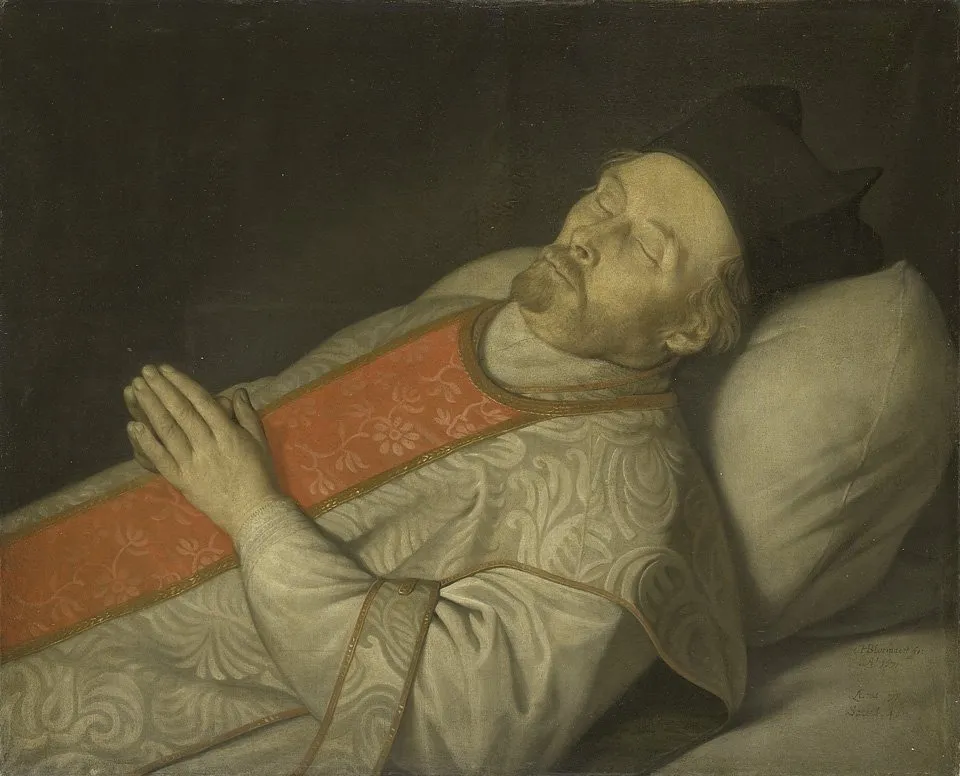
Johannes Puttkammer (1600-71). Licentiate in theology at the university of Utrecht, on his deathbed is an oil painting by the Dutch Golden Age artist Hendrick Bloemaert. It dates from 1671 and is held in the collection of the Rijksmuseum.
About this work
Subject & Meaning
The painting depicts Johannes Puttkammer, a licentiate in theology at the University of Utrecht, portrayed on his deathbed in 1671.
The painting depicts Johannes Puttkammer, a licentiate in theology at the University of Utrecht, portrayed on his deathbed in 1671. Created by Hendrick Bloemaert, the work belongs to the genre of the catafalque portrait, which traditionally represents the deceased in a state of repose, often accompanied by symbolic elements of mortality and mourning. As a theological scholar, Puttkammer's depiction on his deathbed likely serves to emphasize the contemplation of death and the afterlife, themes central to his field of study.
The image functions as a memorial, preserving the likeness of the subject at the moment of his passing while reflecting the solemnity associated with his academic and spiritual vocation.
Technique & Style
The work is executed in oil paint on canvas, a standard combination for Dutch portraiture of the period. Its horizontal format, measuring 67 cm in height by 82.5 cm in width, suits the recumbent pose required by the catafalque portrait genre. The composition centers on the deceased figure, with the broader arrangement of mourning attendants and symbolic elements arranged around the deathbed.
Stylistically, the painting belongs to the tradition of catafalque portraiture, a commemorative genre depicting the deceased on the deathbed, often produced shortly after the subject's passing. The 1671 date coincides with Puttkammer's death, indicating the work was likely completed as a memorial tribute.
History & Provenance
The portrait of Johannes Puttkammer on his deathbed was painted by Hendrick Bloemaert in 1671, the same year as the sitter's death. Executed in oil on canvas, the work measures 67 by 82.5 cm and is classified as a catafalque portrait, a genre specifically associated with memorial imagery of the deceased.
The painting is held in the collection of the Rijksmuseum, where it remains located. No further details regarding the original commission, intermediate ownership, or acquisition history are documented in the available sources.
Overview
This oil painting by Hendrick Bloemaert depicts Johannes Puttkammer on his deathbed in 1671.
Artist & collection


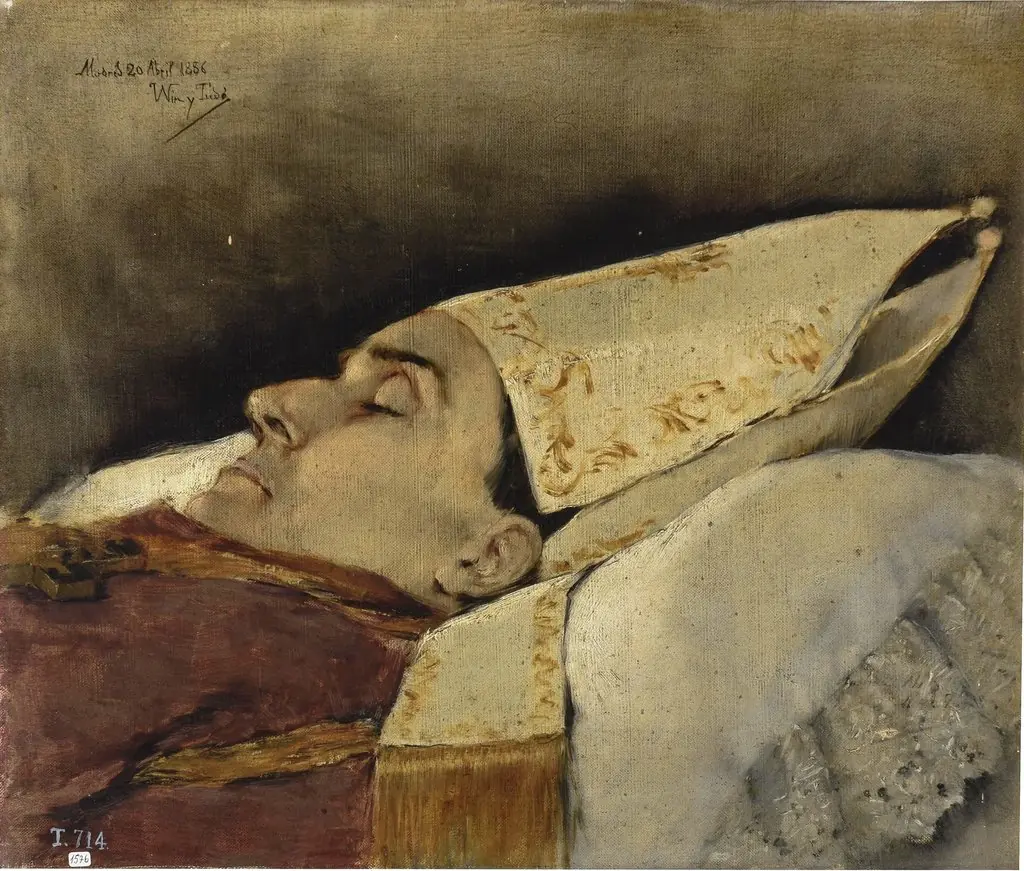
- Retrato mortuorio del obispo de Narciso Martínez Izquierdo
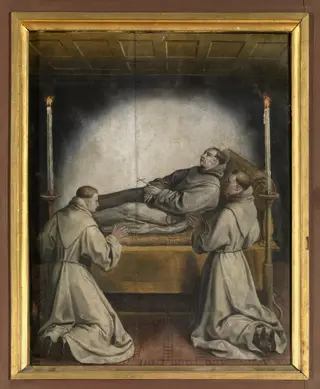 Death of Saint Didacus
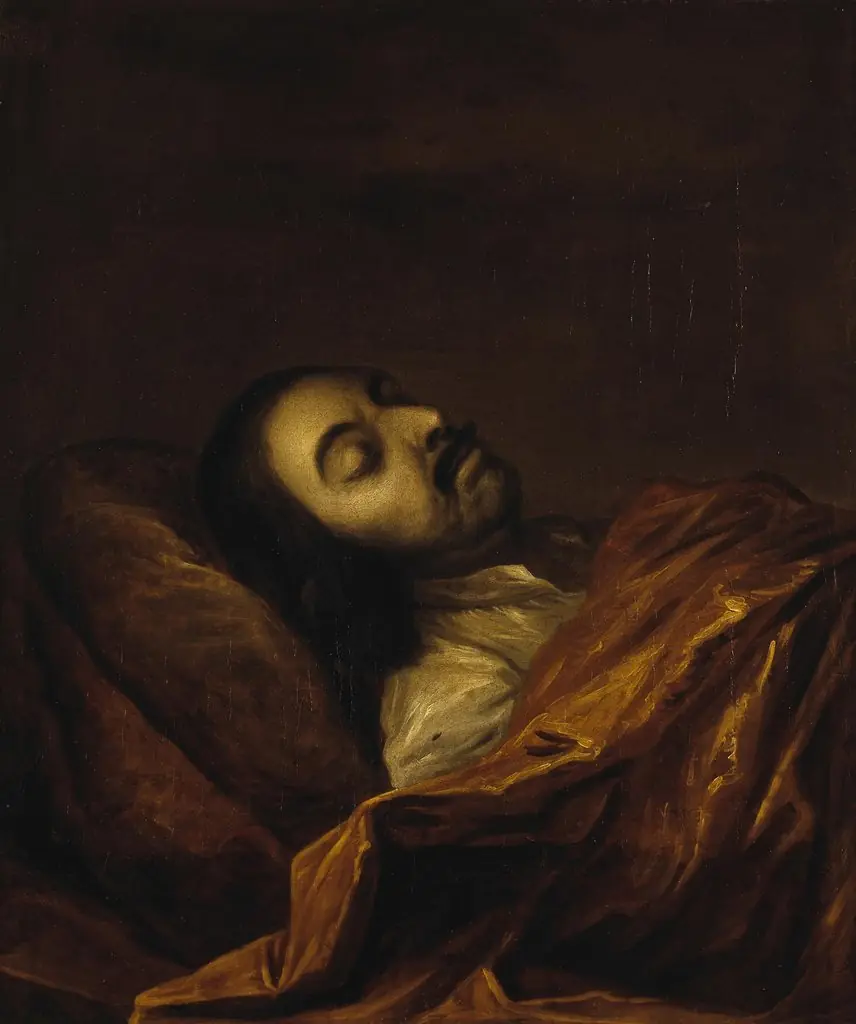 Portrait of Peter the Great on his Death-Bed
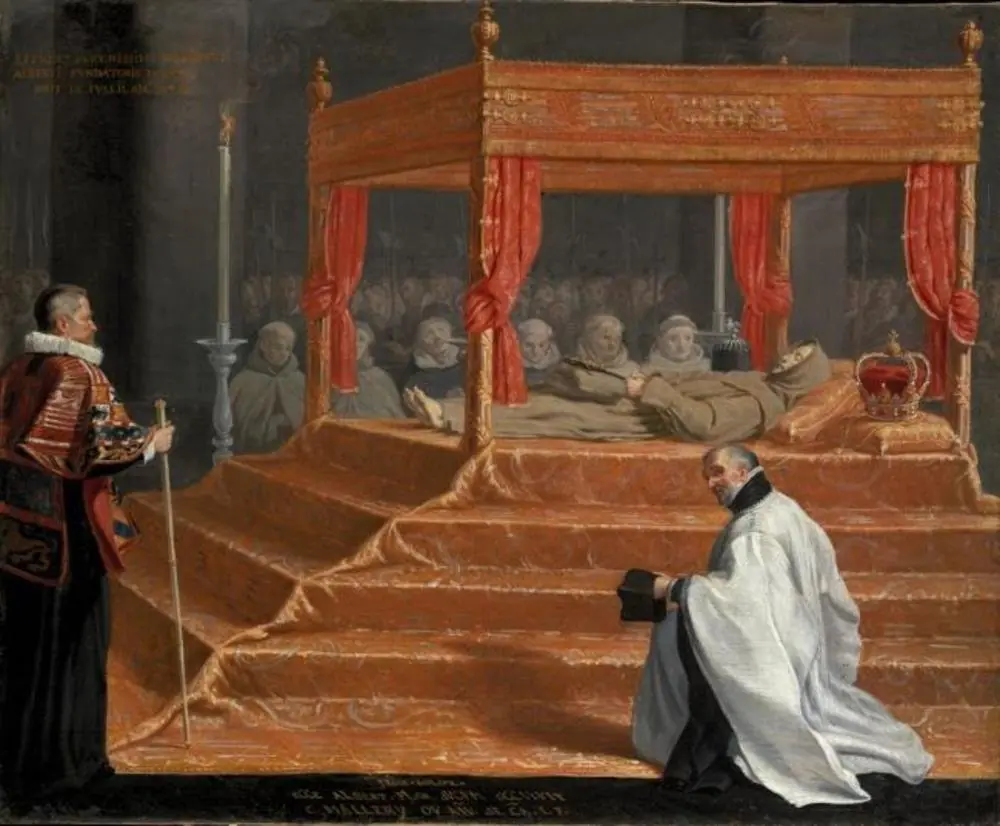 Albert VII on the Catafalque
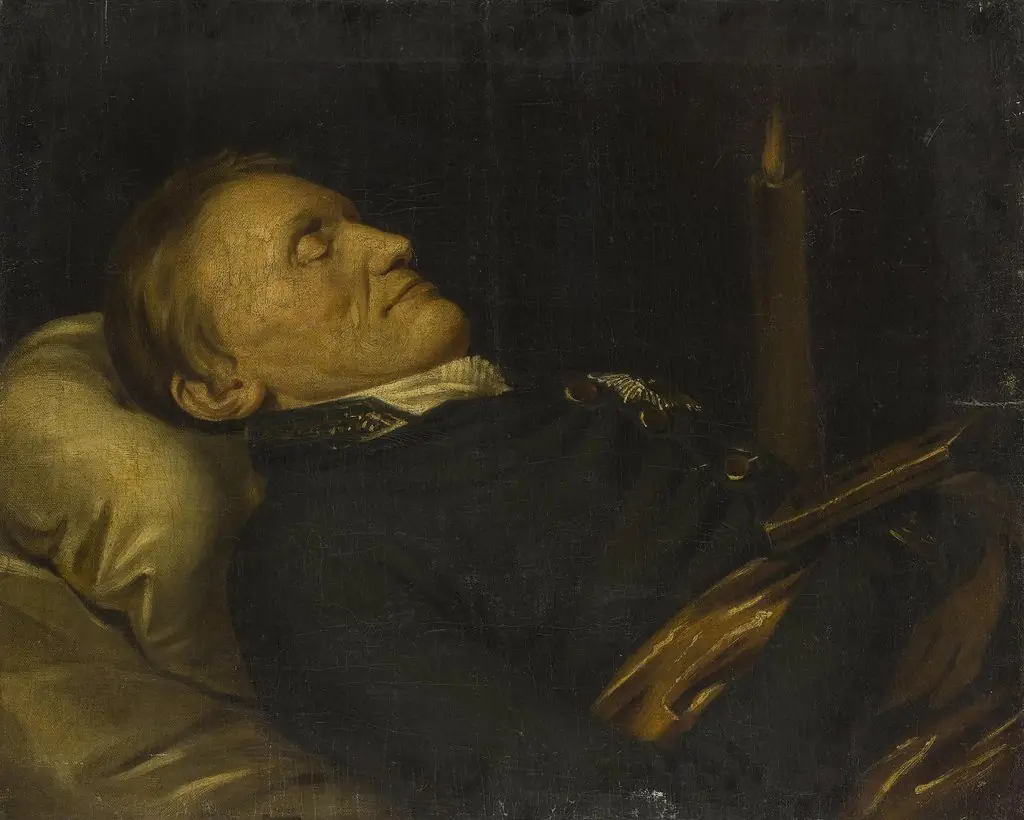 Portrait of Count Alexander Stroganov on His Death-Bed
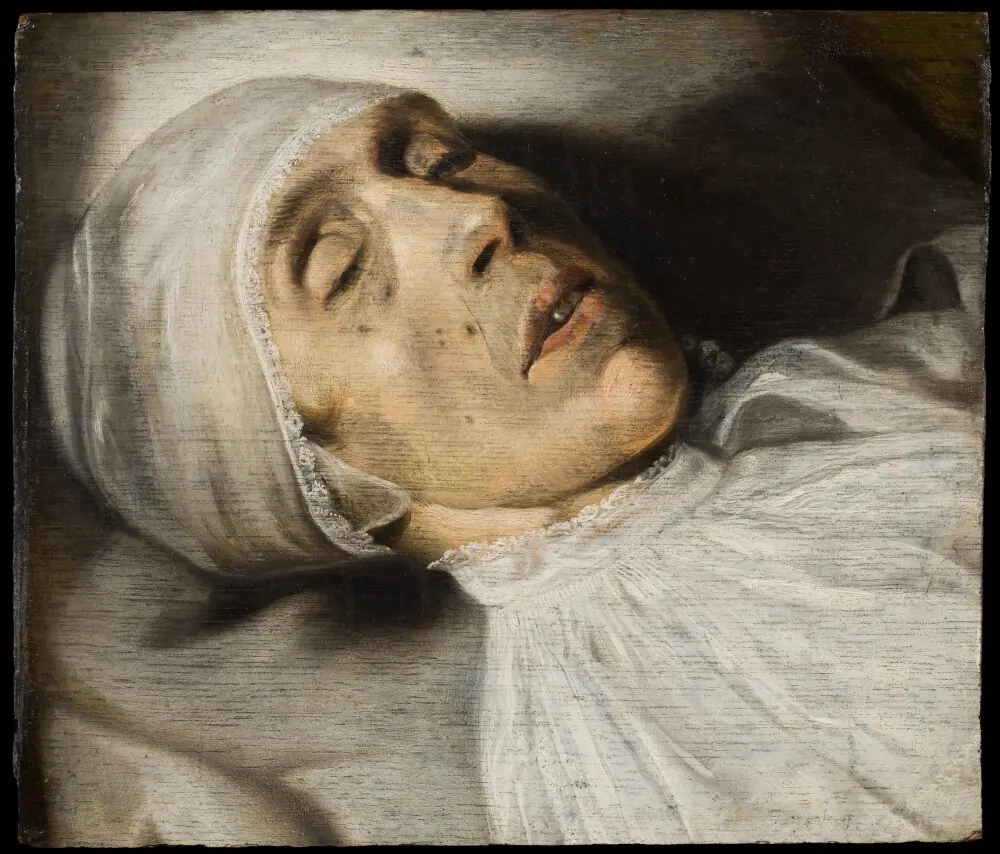 A Man at His Death Bed
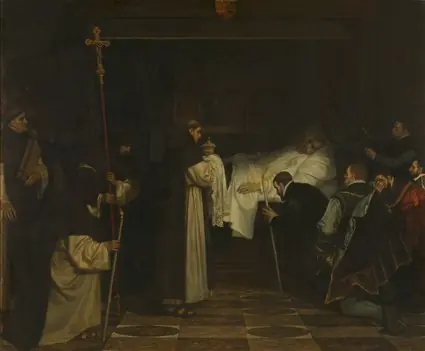 The death of Charles V
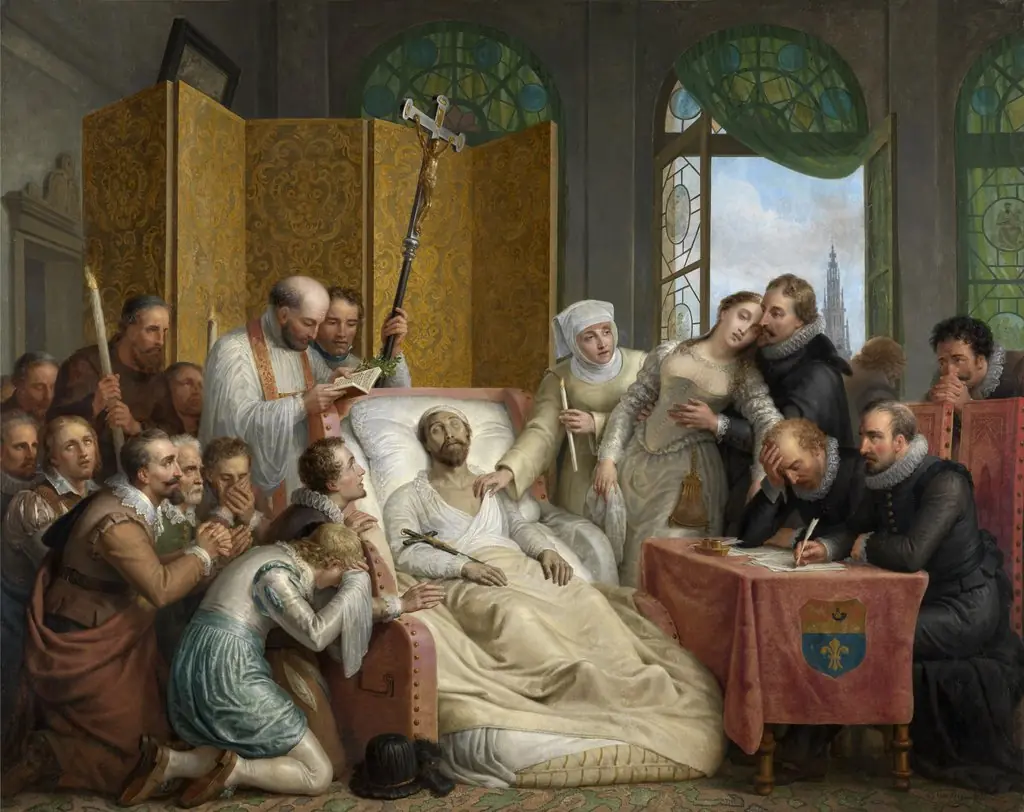 The Death of Peter Paul Rubens
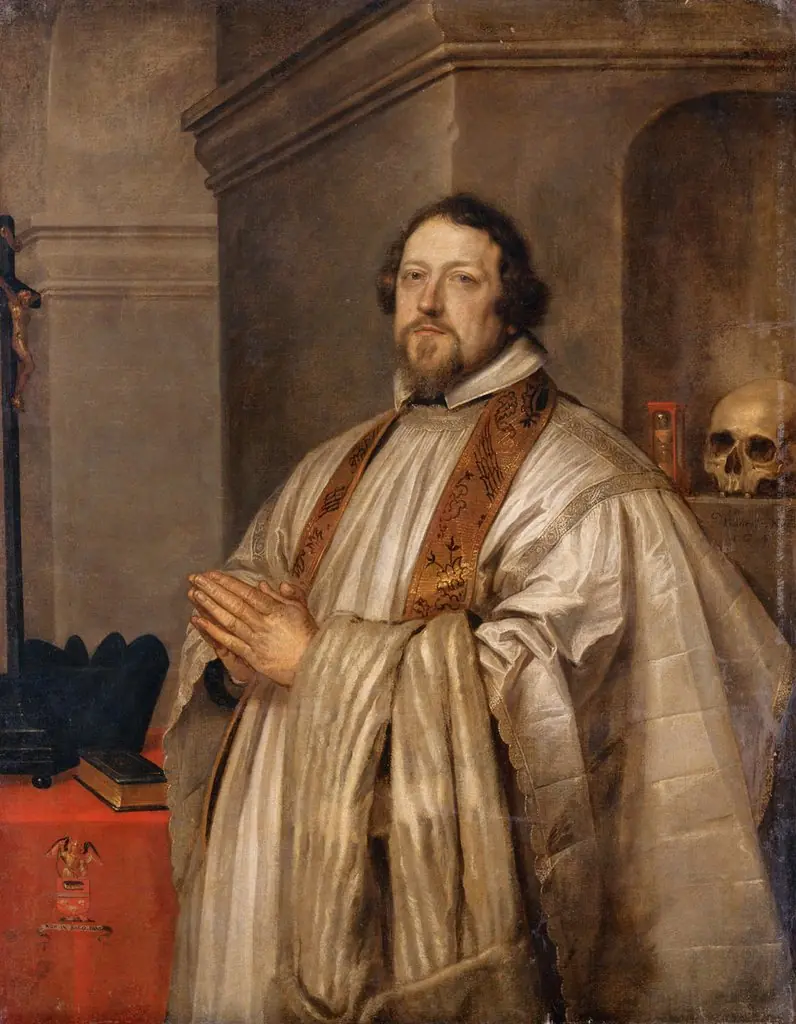 Portrait of a Clergyman
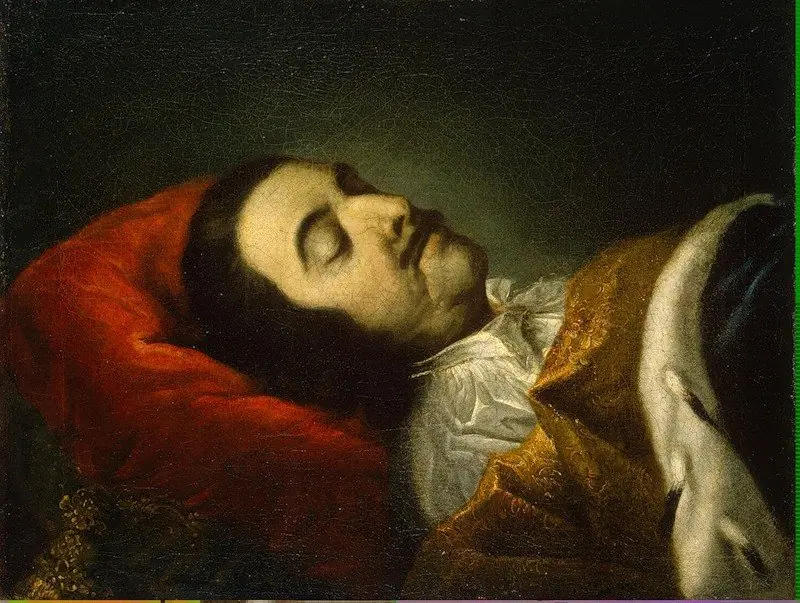 Peter I on His Death-bed
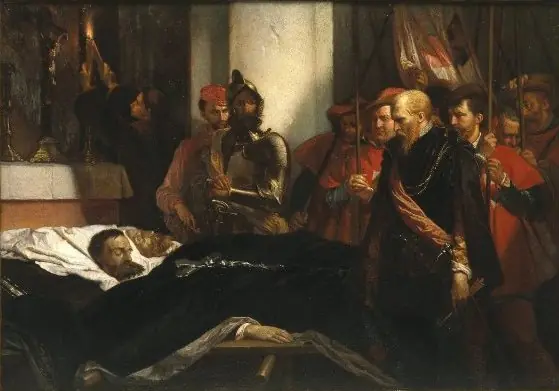 The Last Honors to Counts Egmont and Hoorne, reduction
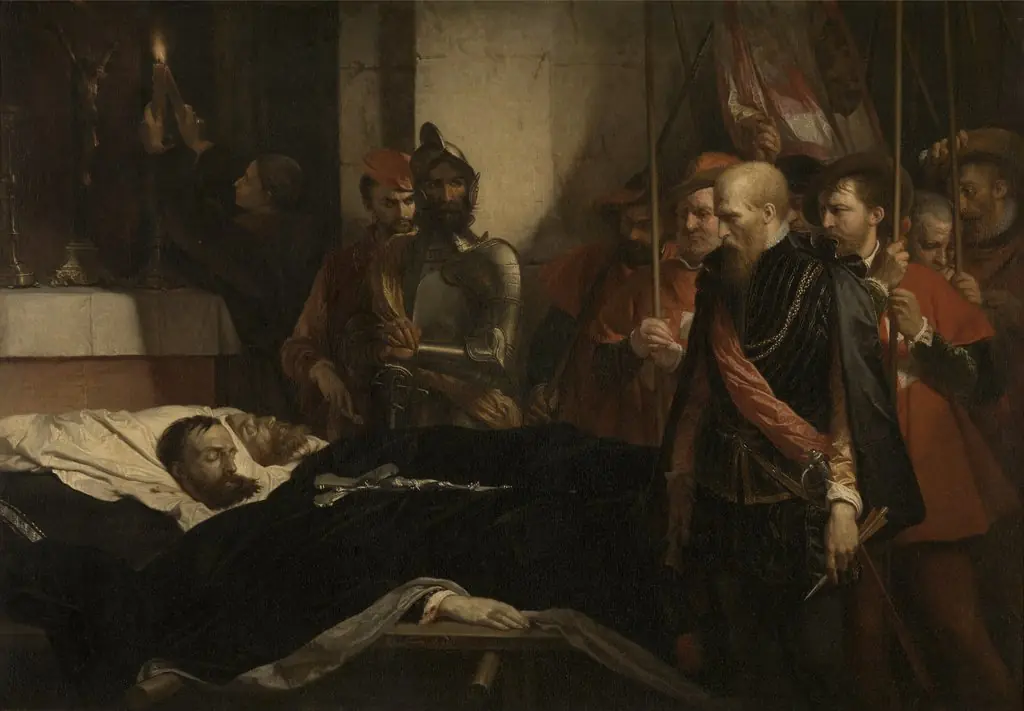 Last Tribute to the Counts of Egmont and of Horn