Artwork
Untitled
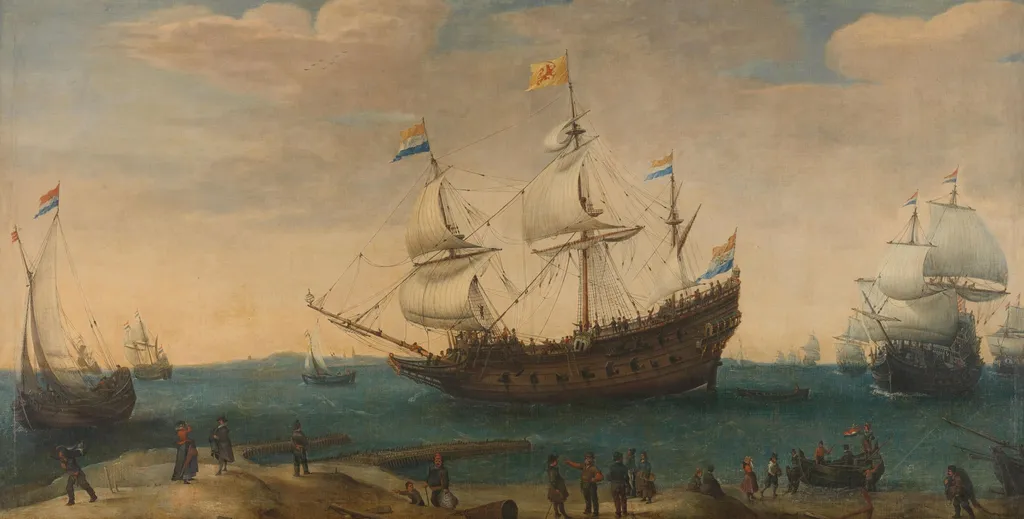
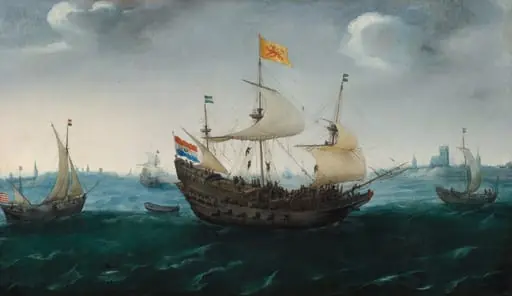
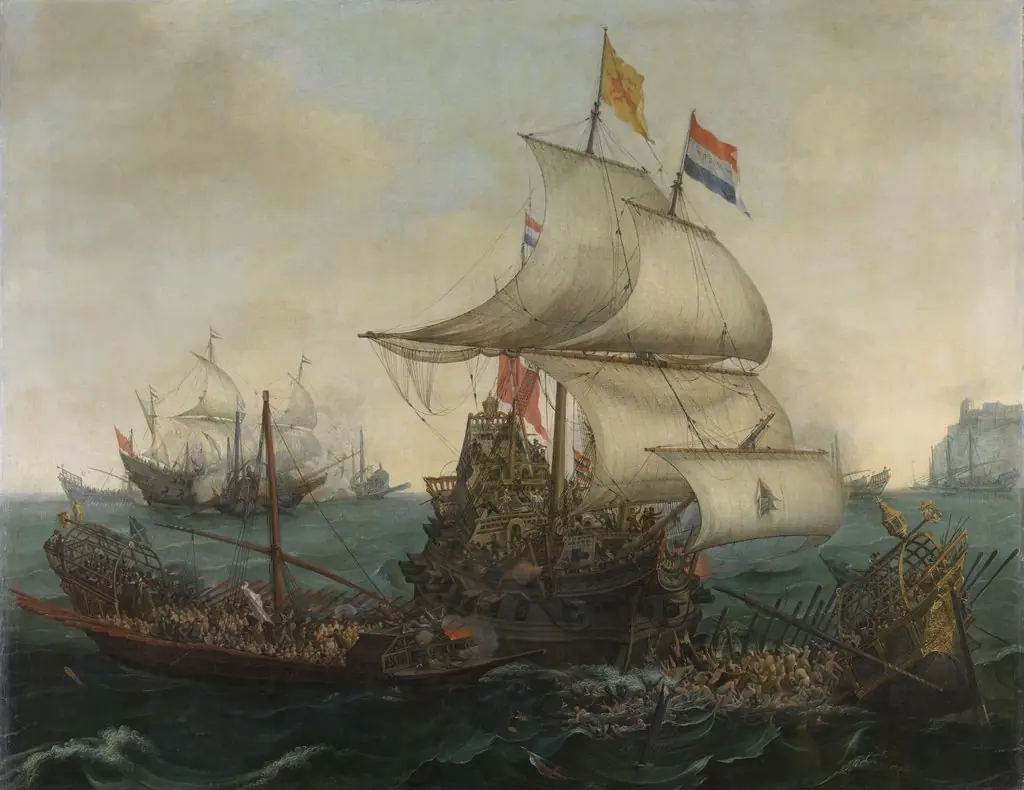
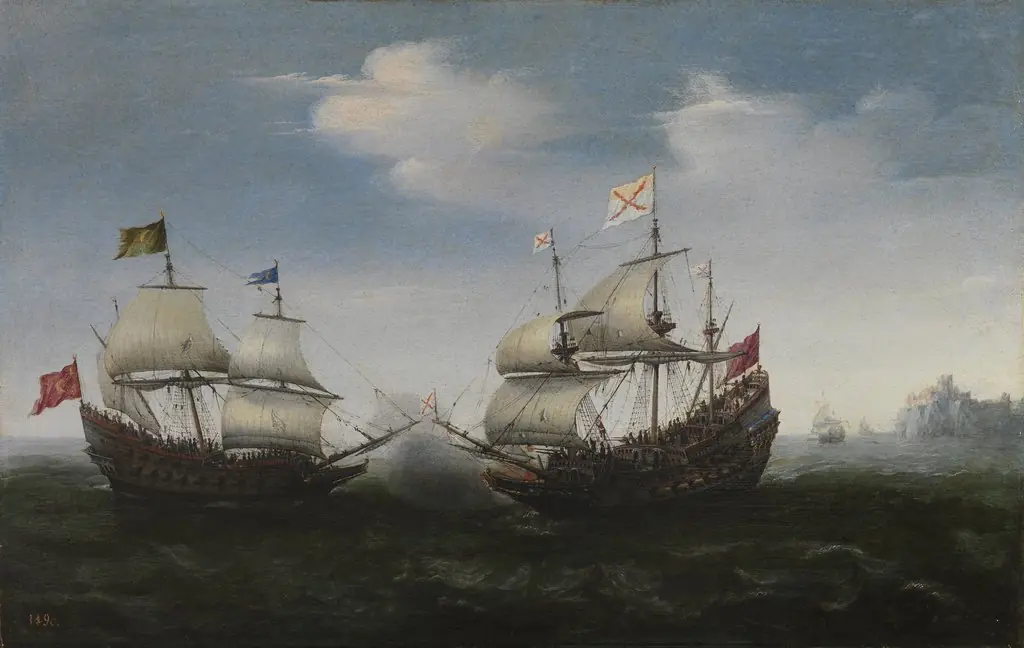
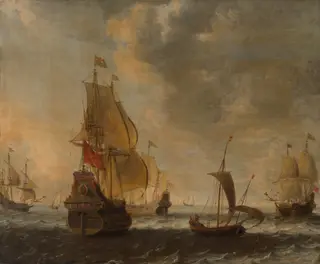
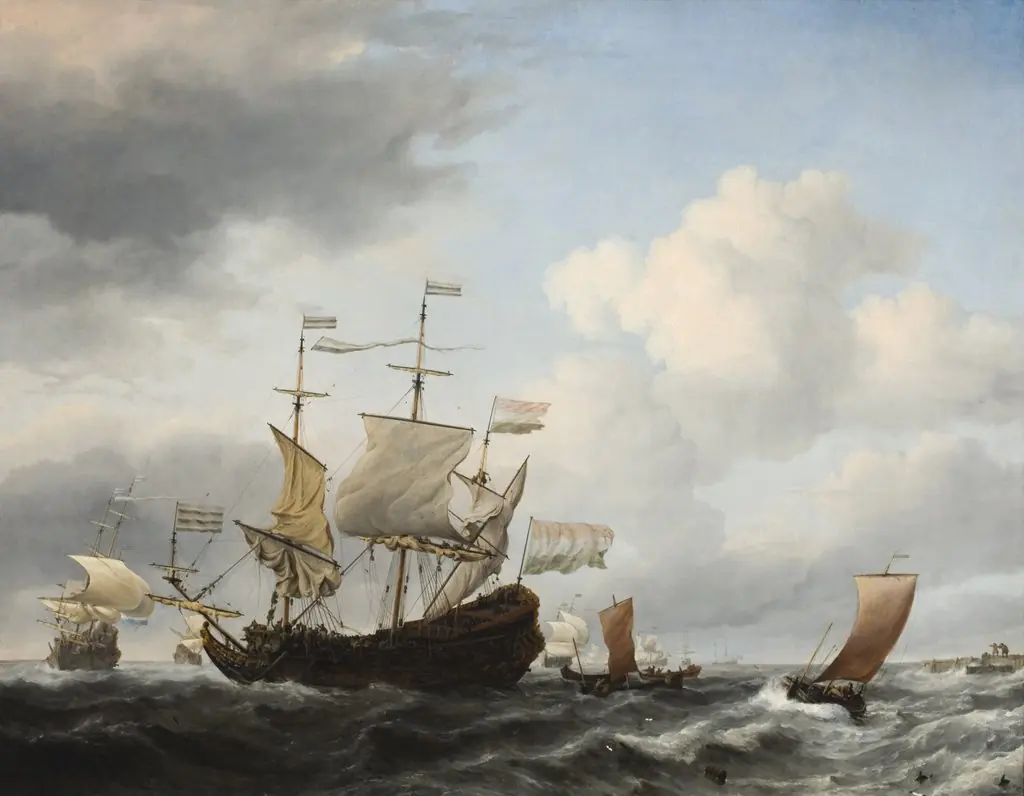
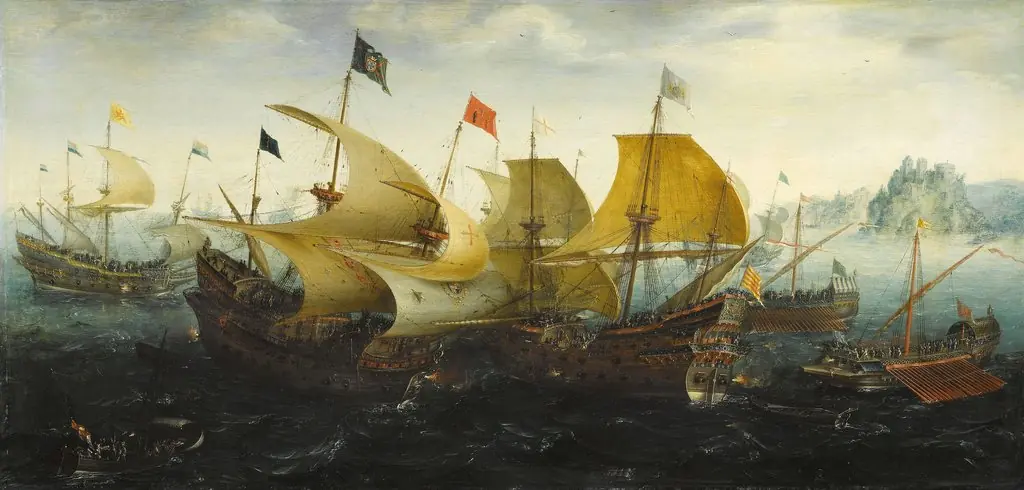
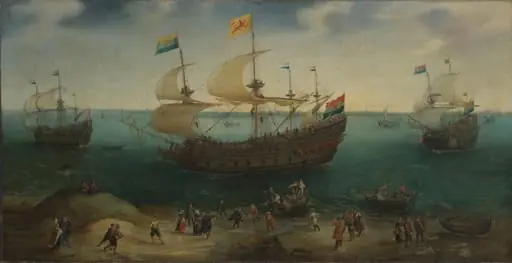
Untitled is an unspecified painting by the Dutch Golden Age artist Hendrick Cornelisz Vroom. It dates from 1600 and is held in the collection of the Rijksmuseum.
About this work
History & Provenance
Vroom died in Haarlem in 1640, and his legacy includes influencing Dutch marine painters such as Hans Goderis and Jan Porcellis.
Hendrick Cornelisz Vroom painted Untitled around 1600–1630, a marine scene attributed to him. The work passed through several owners: it was first recorded in the collection of Sir Thomas Howard, 1st Earl of Arundel, then sold to the Dutch merchant and art dealer Dirck van Bleyswijck in 1650, and later entered the Dutch Republic’s public collection before being acquired by the Rijksmuseum in 1885. Vroom’s documented career began with early training as a faience painter, followed by travels to Spain, Italy, and Portugal, during which he received patronage from Cardinal Ferdinando de' Medici in Florence.
He returned to Haarlem in 1590, married, and later received two major tapestry commissions, including one from Lord Howard of Effingham for a series of ten tapestries depicting the defeat of the Spanish Armada of 1588, executed in Brussels between 1592 and 1595;. Vroom died in Haarlem in 1640, and his legacy includes influencing Dutch marine painters such as Hans Goderis and Jan Porcellis.
Context
Hendrick Cornelisz Vroom is recognized as a foundational figure in Dutch marine painting, credited with establishing the genre during the Dutch Golden Age. His work, characterized by detailed ship depictions and historical naval scenes, influenced contemporaries such as Hans Goderis, Cornelis Verbeeck, and Cornelis Claesz van Wieringen. Vroom's international career included service under Cardinal Ferdinando de' Medici in Florence and commissions for tapestry designs, notably a series depicting the defeat of the Spanish Armada of 1588, executed in Brussels between 1592 and 1695.
These tapestries, later destroyed in a fire at the House of Lords in 1834, were documented through engravings. His legacy lies in pioneering compositional innovations in marine art, blending historical narrative with meticulous maritime detail, which shaped subsequent Dutch marine painters.
Legacy
Hendrick Cornelisz Vroom's legacy lies in establishing marine painting as an independent genre in Dutch art and influencing subsequent generations of marine painters. His compositions, particularly detailed battle scenes and beach views, introduced novel approaches that were adopted by younger Dutch marinists. Hans Goderis, Cornelis Verbeeck, and Cornelis Claesz van Wieringen were directly influenced by him.
Vroom was also a pioneering tapestry designer, creating the celebrated series depicting the defeat of the Spanish Armada for Lord Howard of Effingham, executed in Brussels between 1592 and 1595. Though the original tapestries were destroyed in the 1834 fire at the House of Lords, preparatory drawings were recorded in engravings. His works, including the 1607 Battle of Gibraltar and depictions of dignitaries' arrivals, contributed to maritime patriotism during the Dutch Golden Age.
He was a member of the Haarlem Guild of St. Luke and trained pupils such as Aert Anthonisz, Nicolaes de Kemp, Jan Porcellis, and his sons. His influence extended across Europe, with his marine scenes shaping artistic representations of naval power and maritime history.
Overview
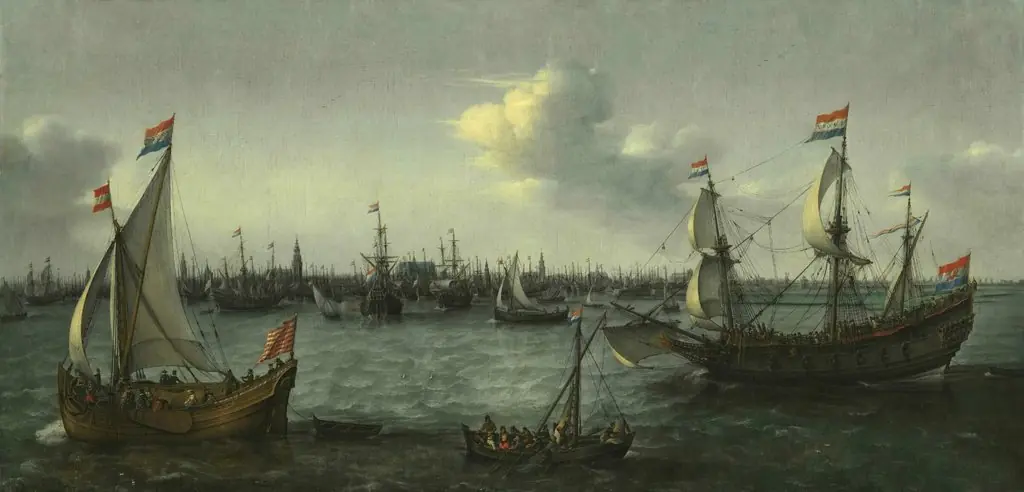
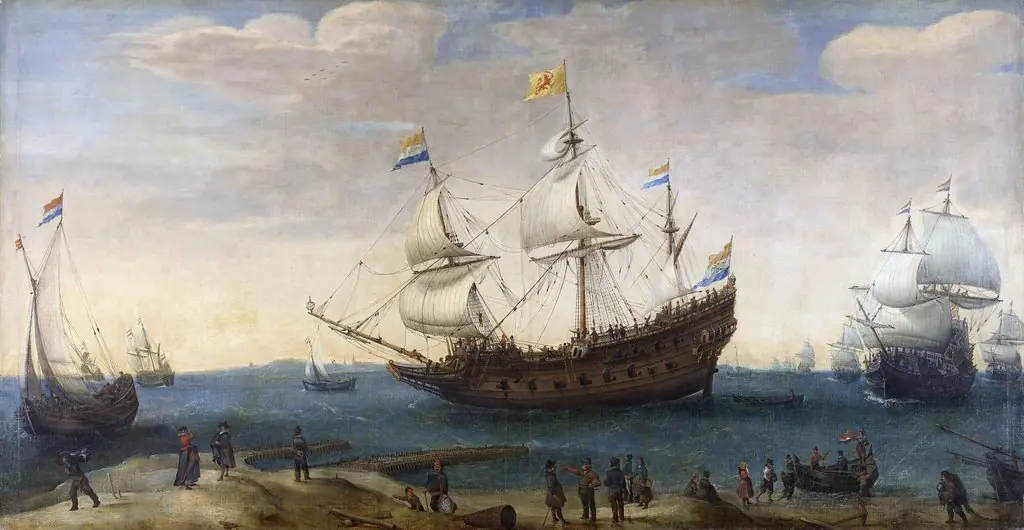
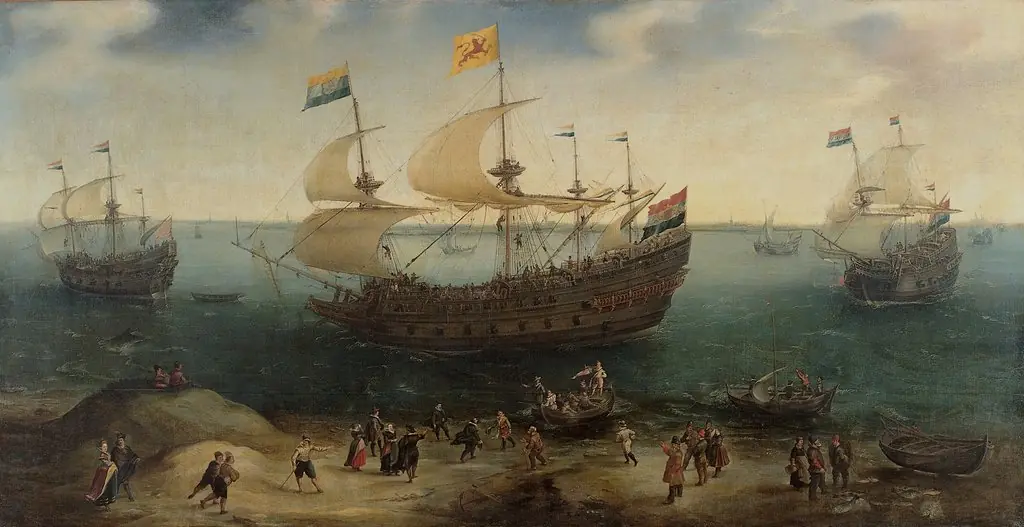
Hendrick Cornelisz Vroom’s 1599 painting records the arrival of Jacob van Neck’s fleet in Amsterdam after a fourteen‑month voyage to the East Indies. The canvas captures the bustling harbor scene as the ships unload a cargo of valuable spices, a pivotal moment that preceded the establishment of the Dutch East India Company.
Subject & Meaning
The work commemorates the first successful Dutch trading expedition to the Indonesian archipelago, emphasizing the economic potential of Asian goods. By depicting the fleet’s triumphant return, the painting underscores the commercial ambition of Amsterdam’s merchant class and foreshadows the formation of a unified trading enterprise.
Technique & Style
Executed as a copy of Vroom’s larger original, the version on view employs looser brushwork that suggests a rapid sketch. The composition is dense with detail: towering ships with billowing sails, diminutive rowboats, and a sea rendered in crumpled‑foil textures, all contributing to a sense of movement and activity.
Artist & collection

Artist
Hendrik Cornelisz Vroom (c.1562 – February 4, 1640 (buried)) was a Dutch Golden Age painter credited with being the founder of Dutch marine art or seascape painting.