Artwork
Madame Uhring
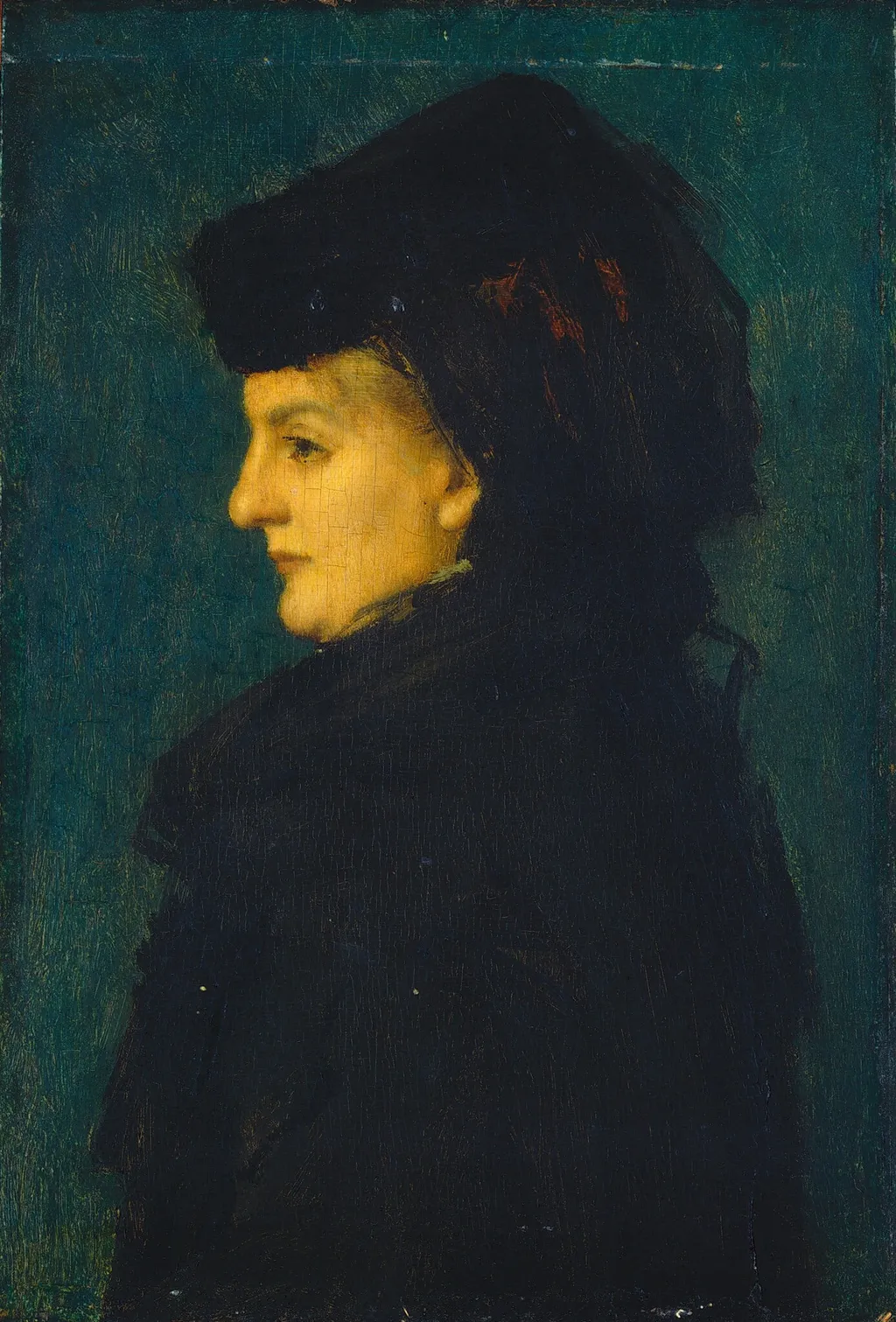
Madame Uhring is an oil painting by the Impressionist artist Jean-Jacques Henner. It dates from 1890 and is held in the collection of the National Gallery of Art.
About this work
Technique & Style
Executed in 1890, this portrait utilizes oil paint as its primary medium. While internal curatorial records identify the support as wood, alternative documentation describes the material as canvas. The work presents a small-scale format, with dimensions recorded as 27.3 by 18.7 cm. The piece is classified as a painting within the artist's oeuvre.
History & Provenance
The provenance is documented in the Chester Dale papers held within the NGA curatorial records.
The work was commissioned directly from the artist by its sitter, Madame Uhring, in 1890. It remained in private hands until it was offered at the Galerie Georges Petit in Paris on 23 October 1925, where it was acquired by the American collector Chester Dale. Dale bequeathed it to the National Gallery of Art, Washington, D.C., in 1963, where it remains in the collection. The provenance is documented in the Chester Dale papers held within the NGA curatorial records.
Overview
Madame Uhring, executed in oil on wood in 1890, is a portrait by French painter Jean‑Jacques Henner. The work presents a seated woman turned slightly away, dressed in a dark gown and a broad black hat. Her face is illuminated from the side, creating a warm glow on one cheek while the opposite side recedes into shadow, set against a deep green backdrop that resembles a curtain.
Subject & Meaning
The sitter, identified only by the title, is rendered with a quiet dignity, her posture and attire suggesting a modest, perhaps middle‑class, status. The contrast between light and darkness emphasizes the inner life of the figure, inviting contemplation of her character through the subtle play of illumination rather than overt narrative detail.
Context
Madame Uhring exemplifies Henner’s synthesis of Impressionist sensibilities with classical chiaroscuro, a combination that positioned him among contemporaries exploring light’s expressive potential. The portrait contributes to the broader narrative of 19th‑century French art, where the interplay of illumination and form became a central concern for artists seeking psychological depth.
Own this work as a print
Artist & collection

Artist
Jean-Jacques Henner (5 March 1829 – 23 July 1905) was a French painter, noted for his use of sfumato and chiaroscuro in painting nudes, religious subjects and portraits.

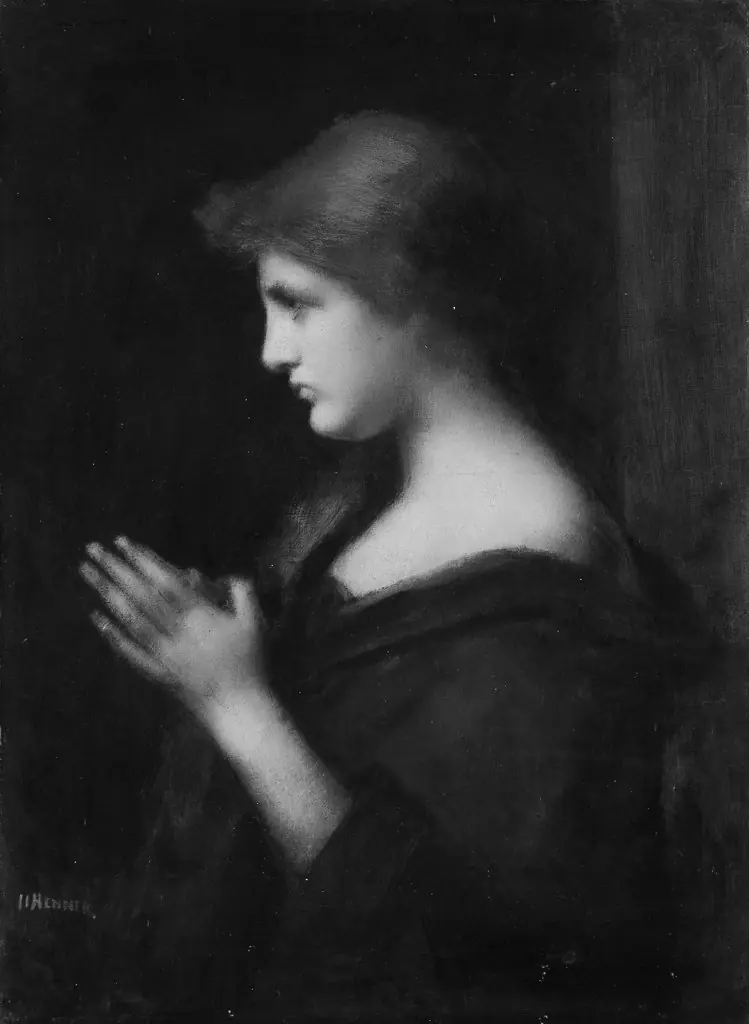
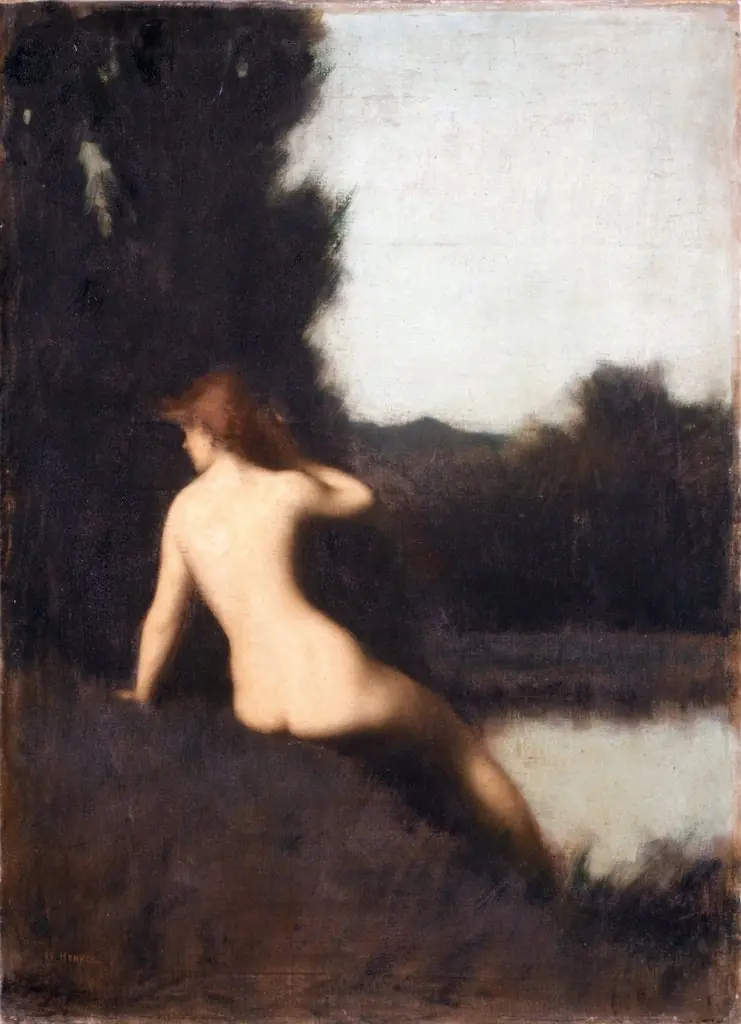
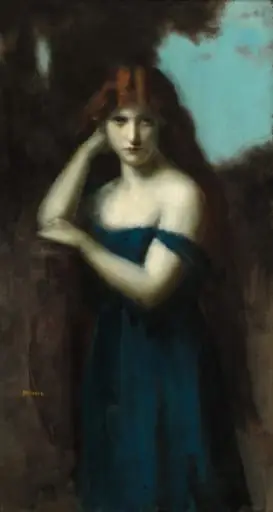
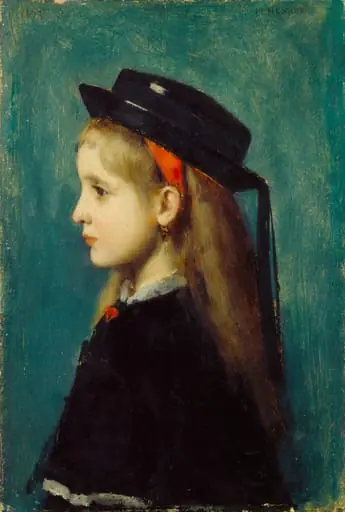
- Portrait of a Lady
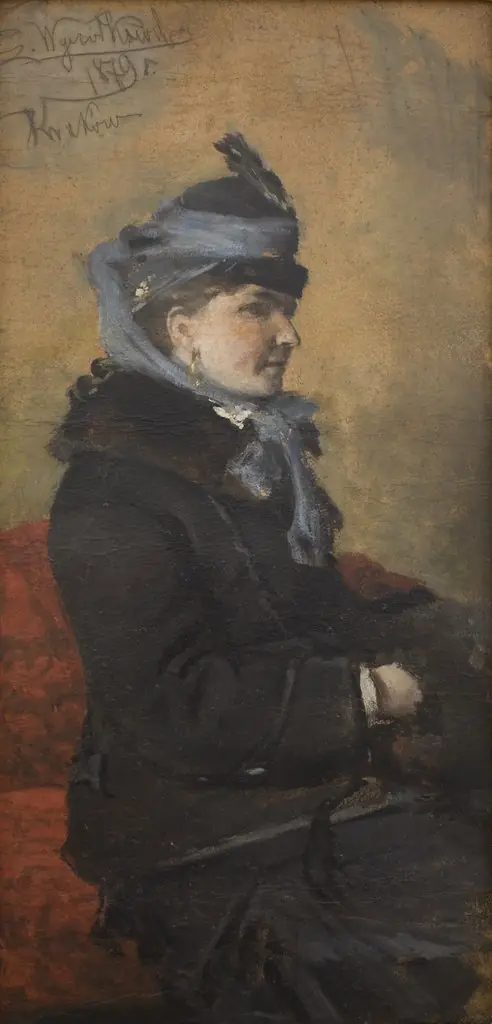 Portrait of a Woman
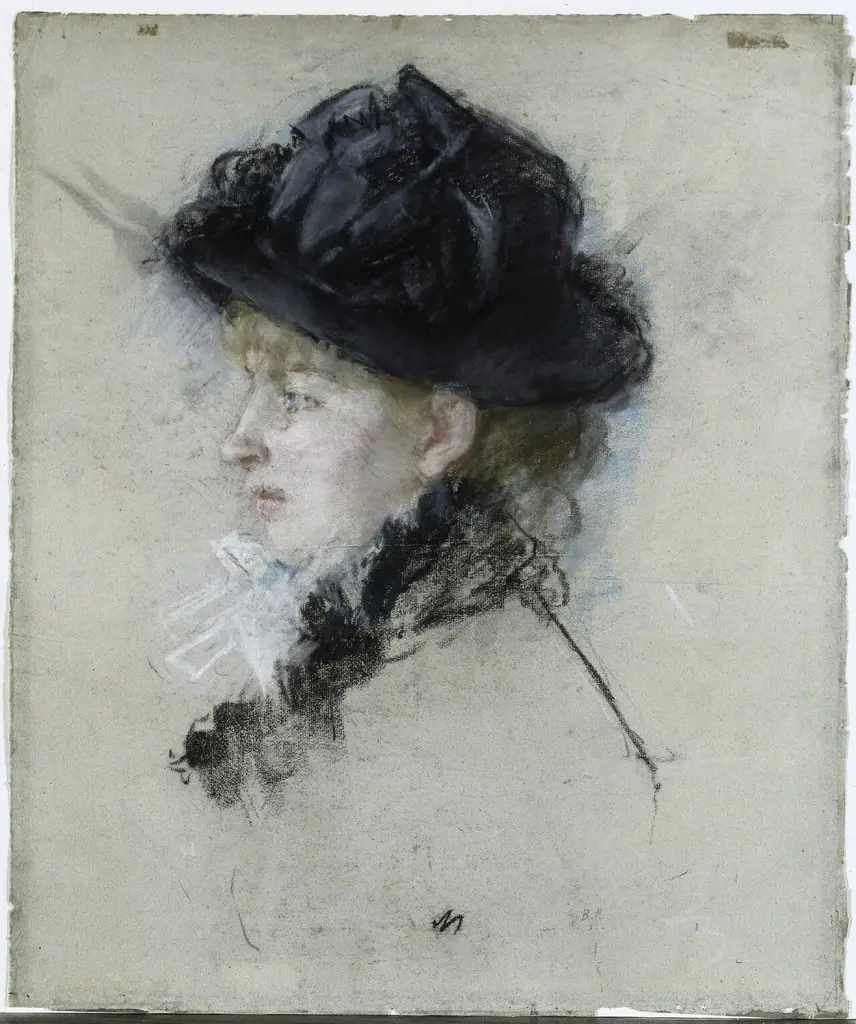 Mlle Louise Riesener au chapeau
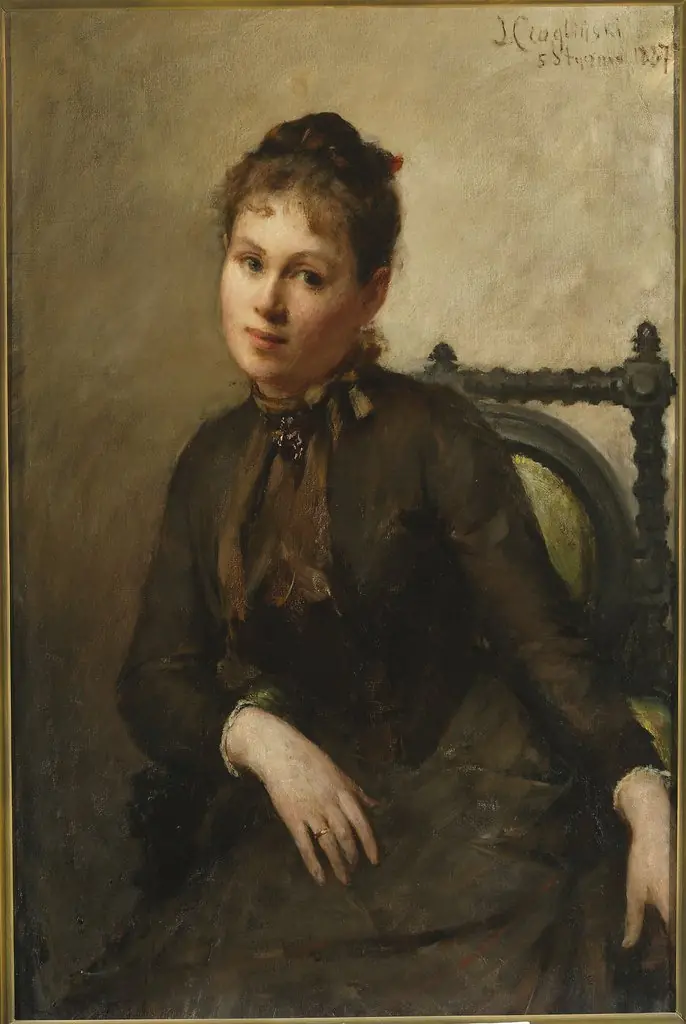 Portrait of Helena Piltz née Rymowicz
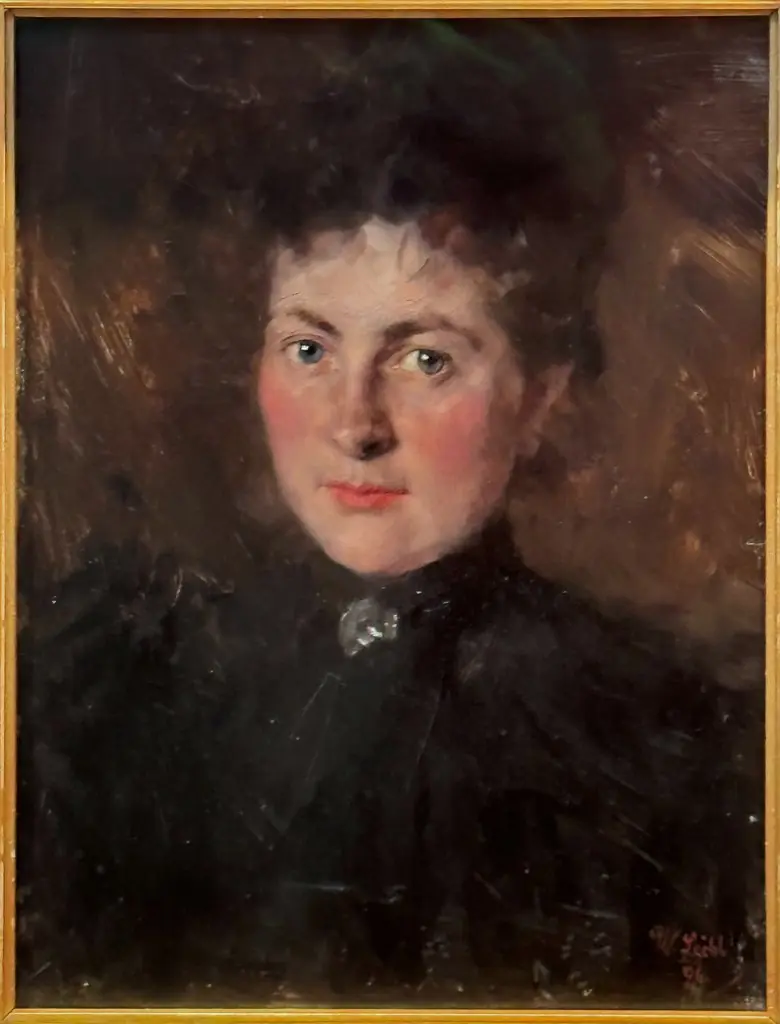 Felicia Kirchdorffer, die Nichte des Künstlers
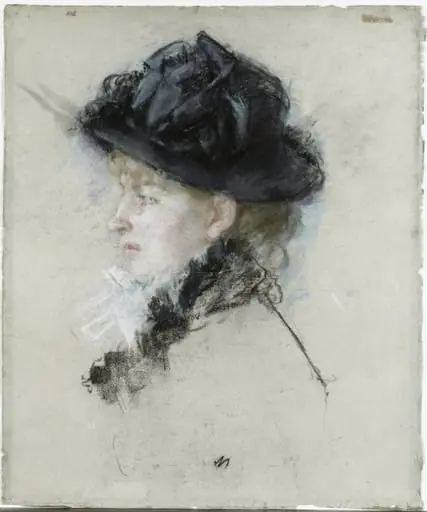 Mademoiselle Louise Riesener in a Hat
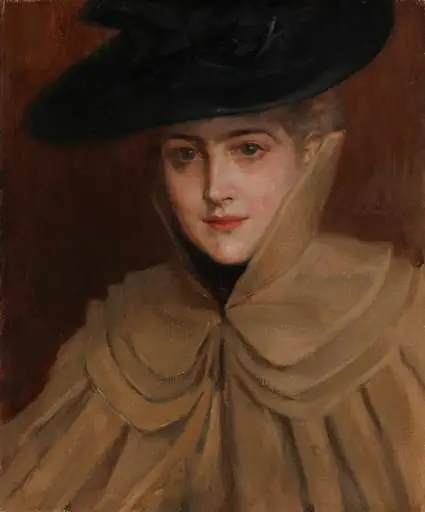 Nuoren naisen muotokuva
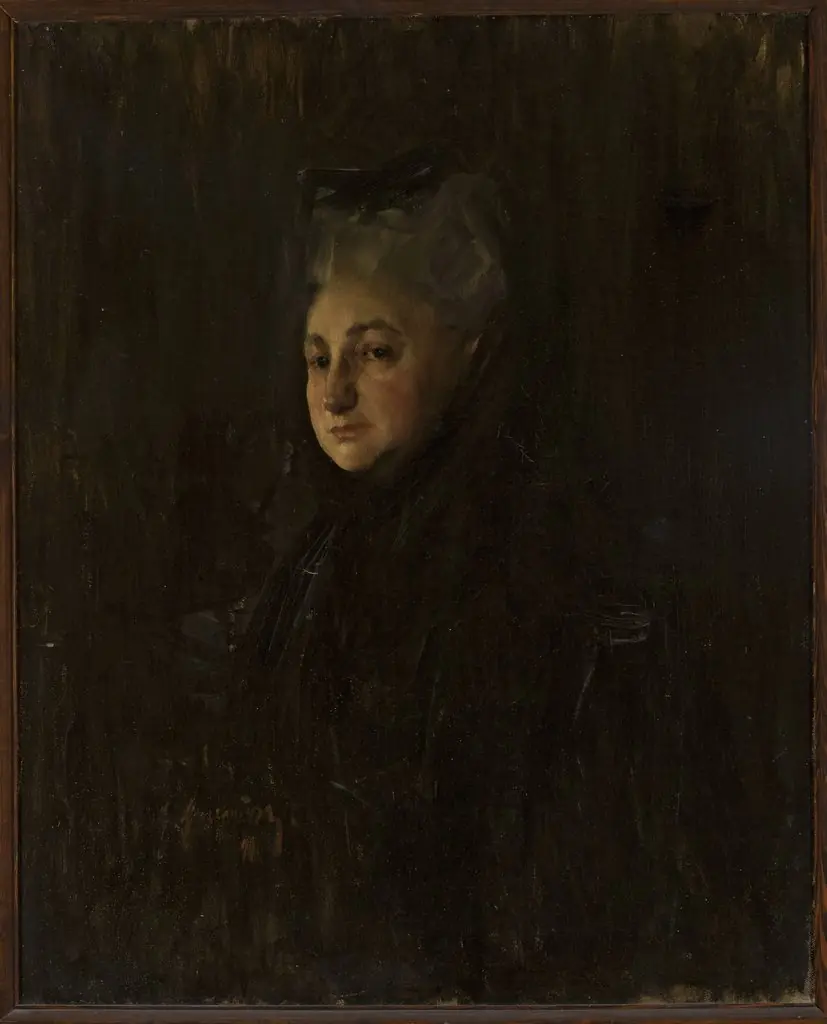 Portrait of Teresa Silberstein née Cohn
 Portret de femeie
 Portrait of Isabel Llorach
 Self-portrait