Artwork
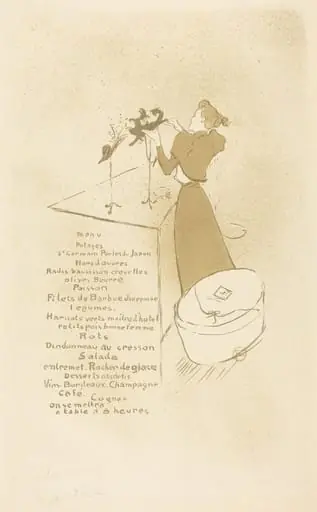
Menu from the Dinner Tarnais (Dîner des Tarnais)
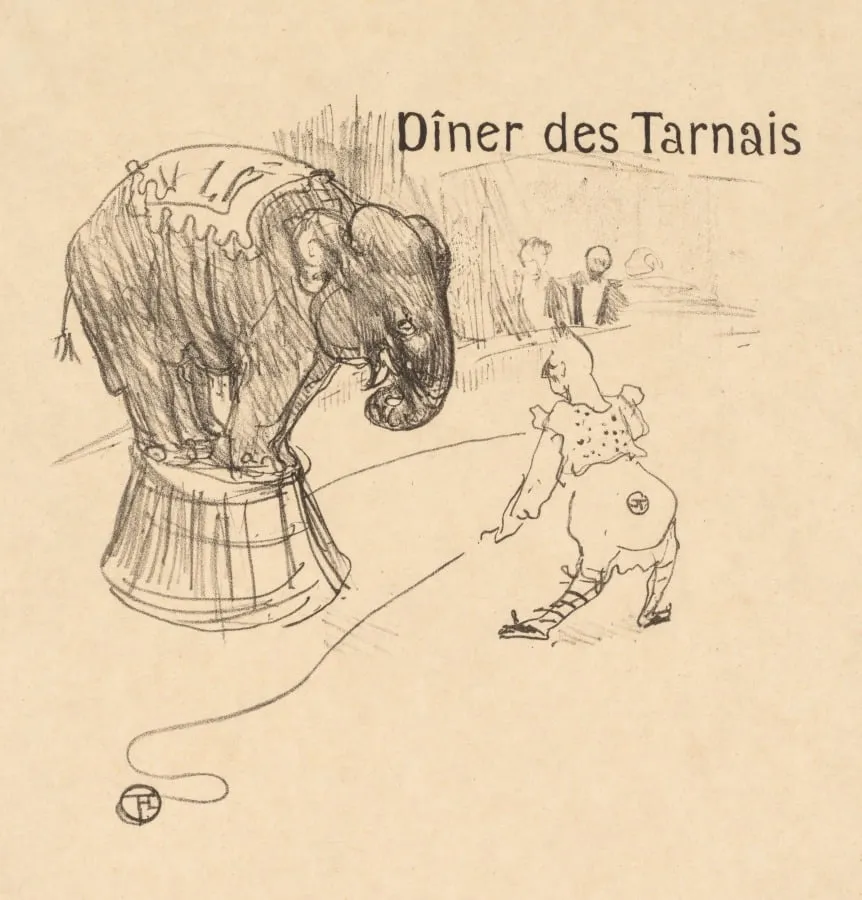
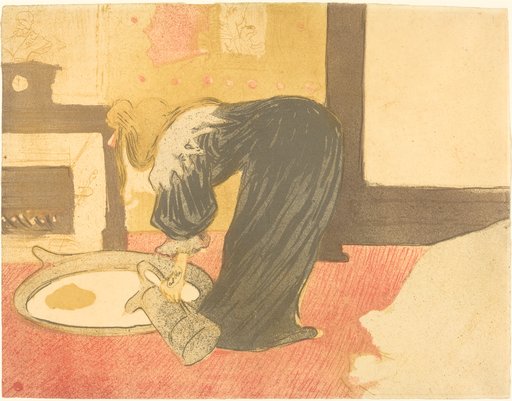
Menu from the Dinner Tarnais (Dîner des Tarnais) is a print by the Impressionist artist Henri de Toulouse-Lautrec. It dates from 1896 and is held in the collection of the Cleveland Museum of Art.
- Accession no.
- 2016.251
- Credit line
- Bequest of Elizabeth Carroll Shearer
About this work
Overview
It bridges the gap between commercial design and fine art, reflecting his interest in documenting specific social circles.
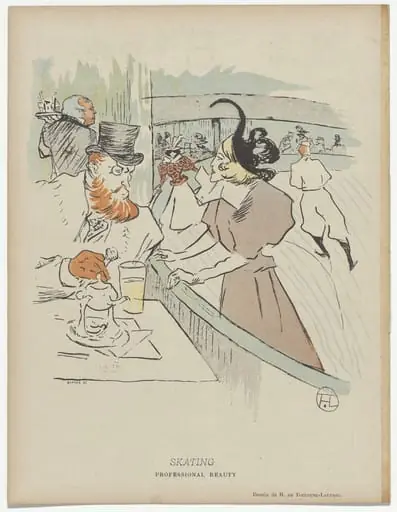
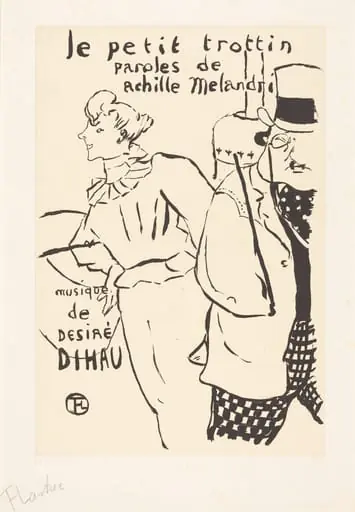
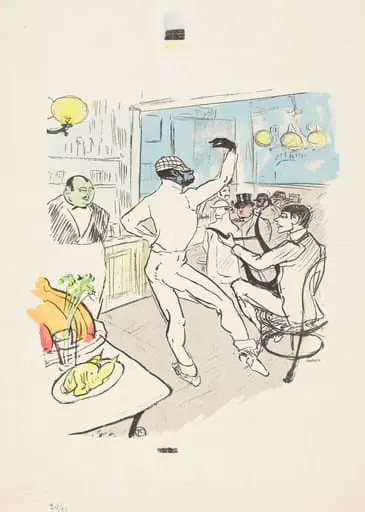
Created in 1896, the Menu from the Dinner Tarnais is a printed invitation designed by Henri de Toulouse-Lautrec for a private gathering of individuals from the Tarn region living in Paris. Though produced as a functional item, the work carries the hallmarks of his illustrative practice, bold lines, flattened perspectives, and a focus on social types. It bridges the gap between commercial design and fine art, reflecting his interest in documenting specific social circles.
Subject & Meaning
The menu commemorates a dinner hosted by members of the Tarnais community, a group of expatriates from the Tarn department in southern France. Rather than depicting performers or nightlife, it turns inward to celebrate regional identity among Parisian exiles. The inclusion of names and toasts suggests a sense of camaraderie and nostalgia, framing the event as both a social ritual and a quiet act of cultural preservation.
Technique & Style
Toulouse-Lautrec employed lithography to achieve sharp, linear clarity and tonal contrast. His use of simplified forms, rhythmic outlines, and minimal shading reflects his training in poster design and Japanese woodblock prints. The typography is integrated into the composition as a visual element, not merely functional text, demonstrating his ability to unify graphic structure with narrative intent.
History & Provenance
The menu was printed for a private event in 1896 and remained in the possession of the Tarnais family until entering public collections. Unlike his posters for cabarets, this piece was never mass-produced, making surviving examples rare. Its preservation offers insight into Toulouse-Lautrec’s lesser-known personal commissions and his engagement with non-commercial patrons.
Context
In the 1890s, regional associations among Parisians were common, serving as social anchors for those away from home. Toulouse-Lautrec, though aristocratic, identified with marginalized communities, and this menu aligns with his broader interest in group identity. It emerges alongside his more famous cabaret works, revealing a quieter, more personal dimension of his artistic practice.
Legacy
The Menu from the Dinner Tarnais exemplifies how Toulouse-Lautrec extended his graphic language beyond public entertainment into intimate, domestic settings. It influenced later designers who saw utility as compatible with artistic expression. Today, it stands as a document of social networks and regional pride, illustrating how art can emerge from everyday rituals rather than grand spectacle.
Artist & collection
Artist
Comte Henri Marie Raymond de Toulouse-Lautrec-Montfa (24 November 1864 – 9 September 1901), known as Toulouse-Lautrec (French: ), was a French painter, printmaker, draughtsman, caricaturist, and illustrator.