Subject
Elephant
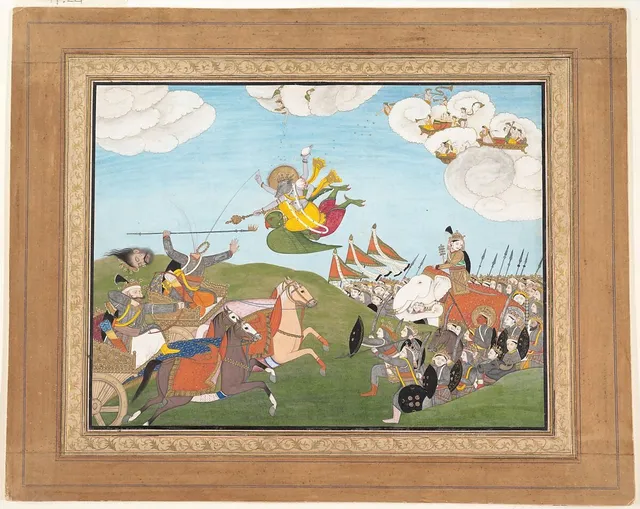
Elephant is a subject in art. The gallery holds 90 works in this subject in art, including works by Paulus Potter, Giovanni Battista Tiepolo and Aelbert Cuyp.
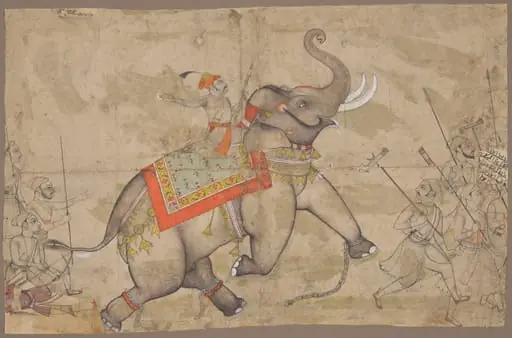
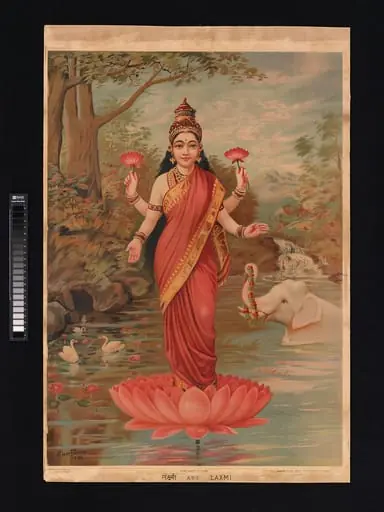
The elephant is among the oldest and most widely venerated animal subjects in art, and its meaning shifts profoundly across cultures. The largest living land animals, elephants comprise three recognised species—the African bush elephant (Loxodonta africana), the African forest elephant (L. cyclotis), and the Asian elephant (Elephas maximus)—but it is the Asian elephant that has shaped the deepest artistic traditions, owing to its long history of domestication across South and Southeast Asia. From prehistory onward, Indian art treated the elephant as a symbol of strength, fertility, rain, and royal power, an association crystallised in the myth of Airavata, the white elephant who emerged from the churning of the milky ocean to become the mount of the god Indra.
In the religious art of Asia the elephant became inseparable from sacred narrative. The elephant-headed Ganesha, remover of obstacles and patron of arts and letters, is one of the most reproduced figures in Hindu iconography. In Buddhist art the white elephant signifies purity and the Buddha's miraculous conception: Queen Maya's dream of a six-tusked white elephant entering her side is among the most enduring scenes in the life of the Buddha, carved on the railings of the Bharhut stupa in Madhya Pradesh as early as the second century BC and repeated thereafter from Gandhara to Japan. This visual lineage underlies East Asian devotional works such as those in this collection depicting Shakyamuni and the Buddha's parinirvana (Nehan-zu), where mourning animals gather at his deathbed.
European artists, by contrast, long worked from imagination. After the western Roman Empire fell, living elephants vanished from Europe, and medieval bestiaries rendered them as fantastical beasts laden with Christian allegory—chastity, and Christ's power to lift humanity from sin. The Renaissance reintroduced the living animal: in 1514 Hanno, an Asian elephant gifted by King Manuel I of Portugal to Pope Leo X, became a Roman celebrity commemorated in a fresco by Raphael. The fascination culminated in Gian Lorenzo Bernini's Elephant and Obelisk, unveiled in the Piazza della Minerva in 1667, and in Rembrandt's tender black-chalk studies of the elephant Hansken, drawn from life in Amsterdam in 1637.
The elephant's symbolic charge persisted into modernity, most memorably in Salvador Dalí's spindly-legged beasts in The Elephants (1948), where the animal becomes an emblem of weightless power, bridging ancient myth and Surrealist dream.
Key artists


Overview
The elephant, the largest living land animal, has been a compelling subject in art for millennia across virtually every culture it has touched. Three extant species are recognized: the African bush elephant (Loxodonta africana), the African forest elephant (L. cyclotis), and the Asian elephant (Elephas maximus). Distinguished by their prehensile trunks, tusks, large ear flaps, and pillar-like legs, elephants have appeared in human artistic production since the Stone Age, evolving from prehistoric rock carvings to sophisticated religious icons and modern conservation imagery. Their depiction spans continents and civilizations, reflecting both the animal's physical impressiveness and its deep integration into human symbolic, religious, and political life. The collection holds 126 works featuring elephants, ranging from Japanese Buddhist paintings to untitled works, indicating the motif's extraordinary persistence across media and traditions.
Iconography & meaning
Elephants carry layered and often contradictory meanings across cultures. In Asian religious traditions, the elephant overwhelmingly signifies wisdom, strength, and royal authority. Hindu cosmology features World Elephants supporting the Earth at the cardinal directions, while Ganesha, the elephant-headed deity, embodies wisdom and the removal of obstacles. The elephant vahana (vehicle) of various devas represents divine knowledge and royal power. In Buddhist iconography, a white elephant appeared to Queen Maya in a dream foretelling the birth of Gautama Buddha, making the creature a symbol of the Buddha's sacred destiny. White elephants specifically denote rarity, sacredness, and good luck in Thailand and Burma. In the Islamic tradition, the Year of the Elephant (570 CE) marks the failed invasion of Mecca by Abraha, whose elephant Mahmud refused to enter the city, an event recorded in the Quran. African traditions cast the elephant as a wise chief who settles disputes impartially. Conversely, elephants have also symbolized burdensomeness and the exotic unknown, while medieval European artists, unfamiliar with living specimens, produced highly inaccurate depictions that sometimes spawned mythological creatures, the scattered skulls of dwarf elephants possibly inspiring cyclopes in Greek mythology.
Across movements & periods
Artistic treatment of elephants has varied dramatically across periods and cultures, shaped by proximity to living specimens and cultural context. Prehistoric North African artists rendered elephants with remarkable realism in Pleistocene rock art, as at Libya's Tadrart Acacus. Ancient Roman sculptors incorporated elephants into imperial and mythological narratives, exemplified by a circa 190 CE sarcophagus depicting Bacchus's conquest of India. Medieval European artists, lacking direct experience, produced distorted images that reveal the challenges of depicting unfamiliar fauna. The Renaissance and Baroque periods brought greater naturalism as global exploration increased access to living elephants, Rembrandt's 1637 sketches of the performing curiosities. By the nineteenth century, artists like Thomas Daniell produced careful zoological studies of Indian elephant heads, reflecting colonial encounter and scientific curiosity. Modern and contemporary artists have shifted toward expressive and conservation-oriented imagery, Amrita Sher-Gil's 1940 Two Elephants representing both formal innovation and emerging environmental consciousness. Across these periods, accuracy of depiction generally correlated with cultural familiarity, while symbolic content remained remarkably stable, wisdom, power, and the sacred persisting as core associations.
Notable depictions
Several canonical depictions stand out in the history of elephant art. Rembrandt van Rijn's 1637 sketches of Hansken, a famous performing elephant then touring Europe, demonstrate the Dutch master's engagement with exotic live subjects and his remarkable ability to capture animal presence through economical line admiring. Amrita Sher-Gil's Two Elephants (1940), held at the National Gallery of Modern Art, represents a significant modernist treatment by one of India's foremost twentieth-century painters, blending European training with South Asian subject matter. The Roman sarcophagus with the Triumph of Dionysus (circa 190 CE, The Walters Art Museum) exemplifies classical integration of the elephant into imperial mythological narrative. In architecture and monumental sculpture, the twelfth-century elephant carvings at Angkor Thom, overlooking the palace of Khmer king Jayavarman VII, demonstrate the motif's political and protective functions in Southeast Asian court culture. Thomas Daniell's Two Studies of an Indian Elephant Head (1840) represents the documentary impulse of colonial-era natural history illustration, while Leo Gestel's abstracted modernist sketch shows the motif's adaptability to avant-garde simplification. The collection's own Japanese Buddhist paintings, including the Shaka with Arhats and Benevolent Deities groupings, constitute significant examples of the elephant's integration into devotional iconographic programs.
Legacy
The elephant's artistic afterlife extends into urgent contemporary relevance. As African bush and Asian elephants are listed as endangered and African forest elephants as critically endangered, artistic representation has increasingly served conservation advocacy, poster art and documentary photography now functioning as primary vehicles for raising awareness about poaching and habitat destruction. The historical trajectory from Rembrandt's sketches of a performing curiosity to Sher-Gil's modernist meditation and contemporary conservation imagery traces a shift from exotic spectacle to empathetic engagement and environmental responsibility. The motif's persistence across 60 million years of proboscidean evolution and at least 30,000 years of human artistic production, as noted in archaeological evidence, underscores its unique hold on human imagination. Digital platforms now disseminate elephant imagery globally, while the animal's iconic status in human culture, recognized across sources, continues to generate new artistic responses. The collection's 126 works, predominantly in Japanese Buddhist painting, preserve a significant concentration of traditional religious deployments even as the living species faces unprecedented threat, creating a poignant tension between enduring cultural reverence and contemporary ecological crisis.
Works
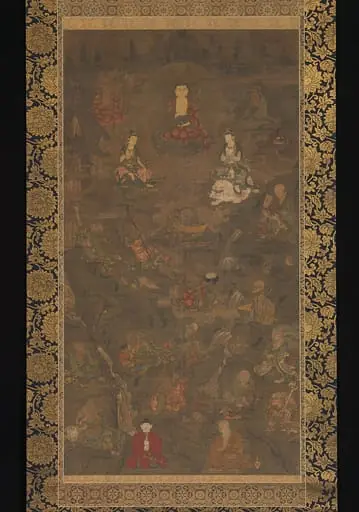 釈迦三尊十六羅漢像|Shaka (Shakyamuni), the Historical Buddha, with Two Attendant Bodhisattvas and Sixteen Arhats
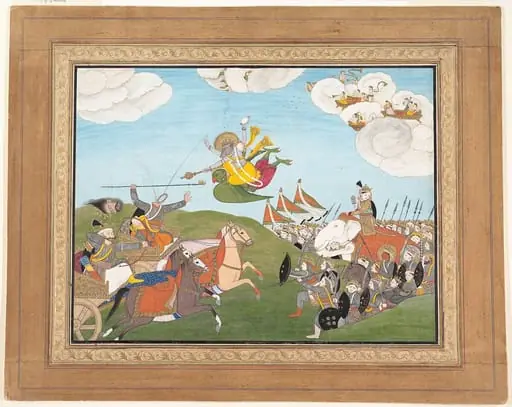 Untitled
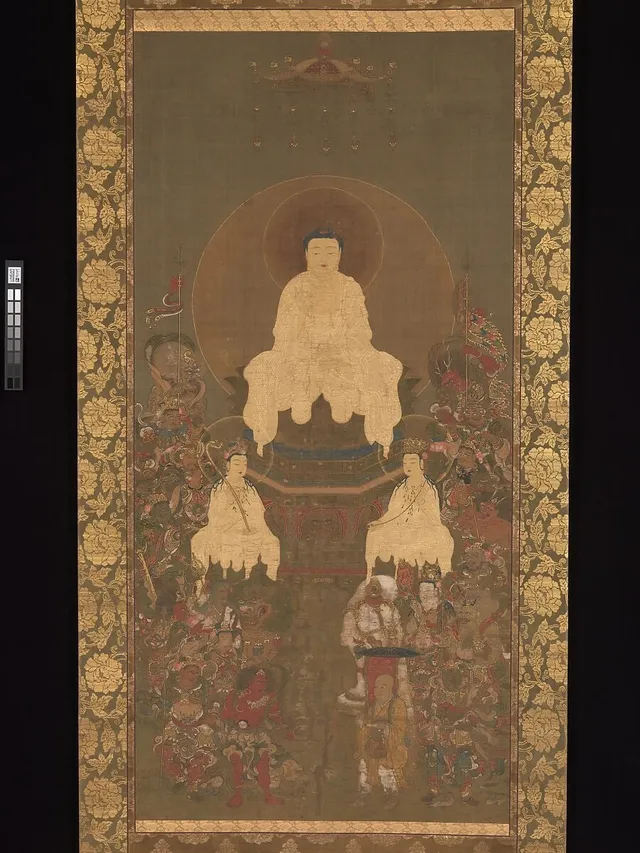
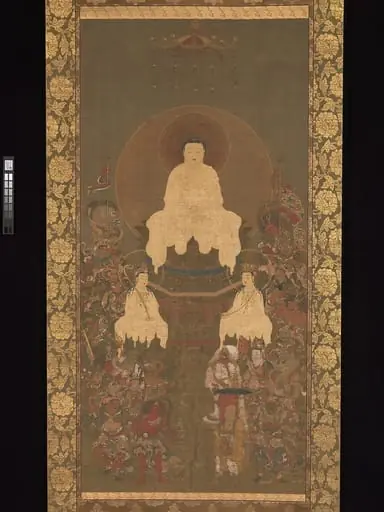 釈迦三尊十六善神像|Shaka (Shakyamuni), the Historical Buddha, with Two Attendant Bodhisattvas and Sixteen Benevolent Deities
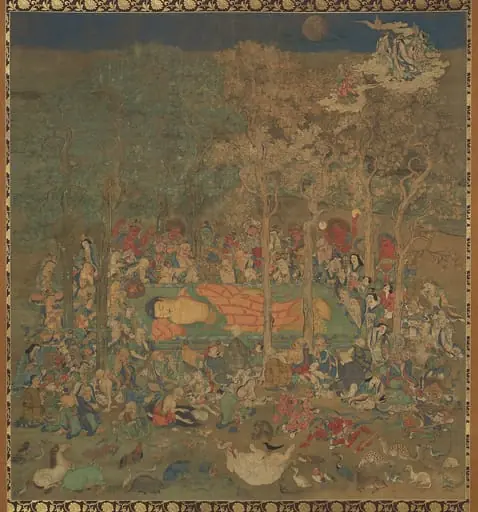 涅槃図|Death of the Historical Buddha (Nehan-zu)
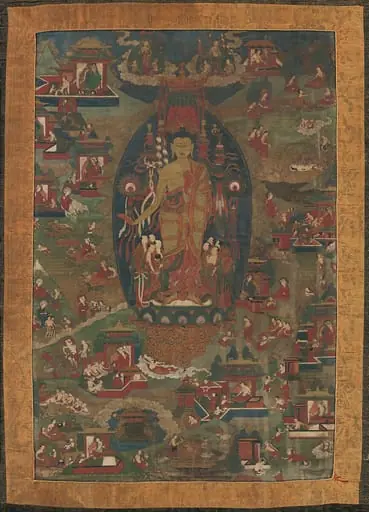 Untitled
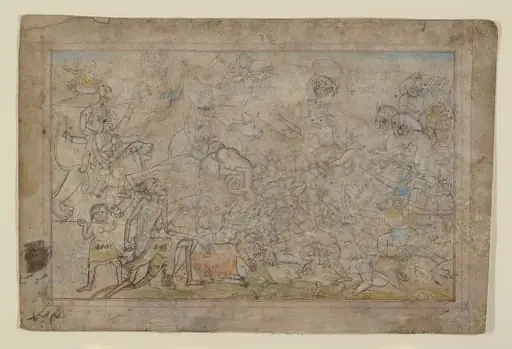 Untitled
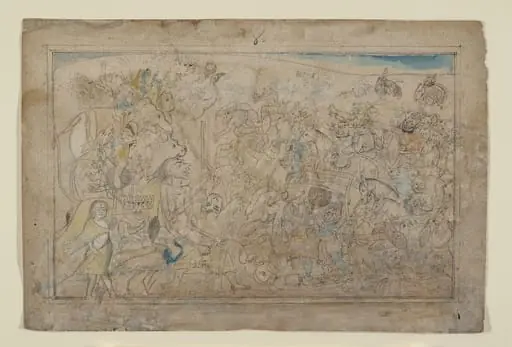 Untitled
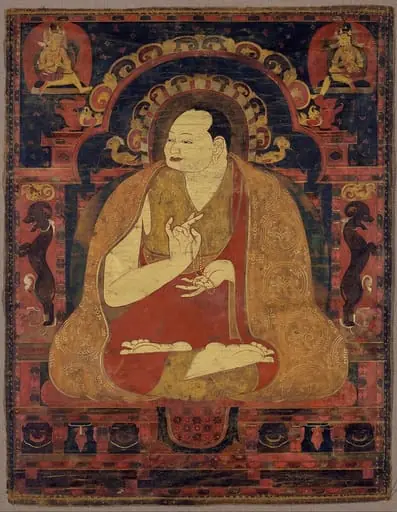 Untitled
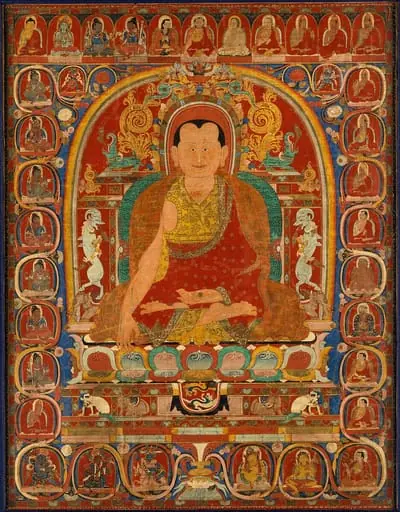 Untitled
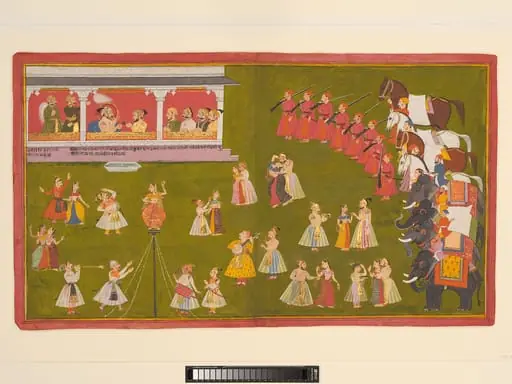 Untitled
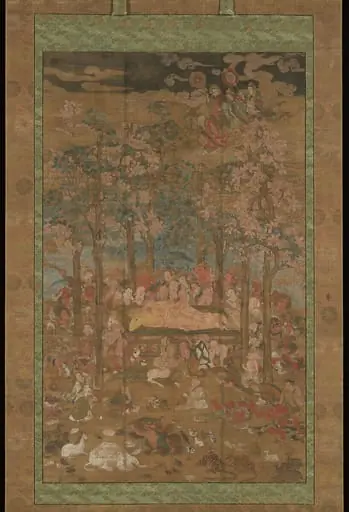 仏涅槃図|Death of the Historical Buddha (Nehan-zu)
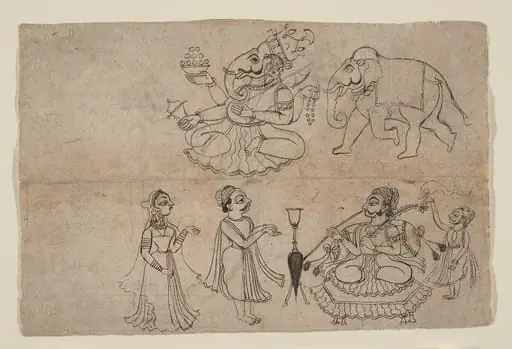 Untitled
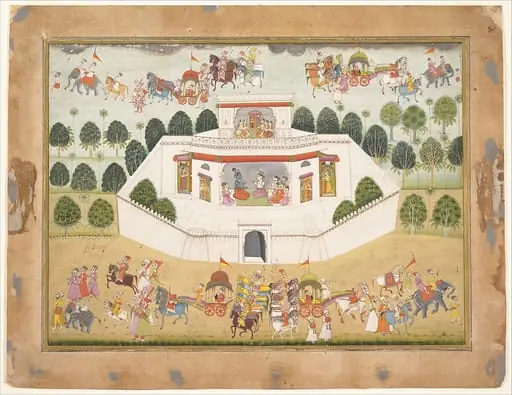 Untitled
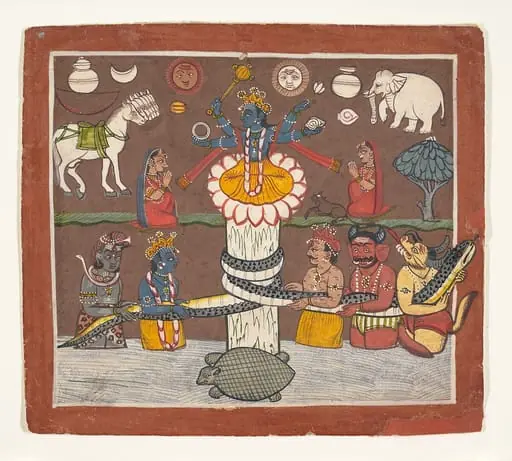 Untitled
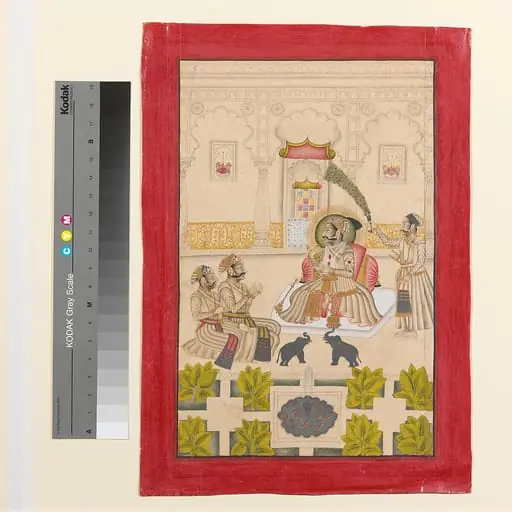 Untitled
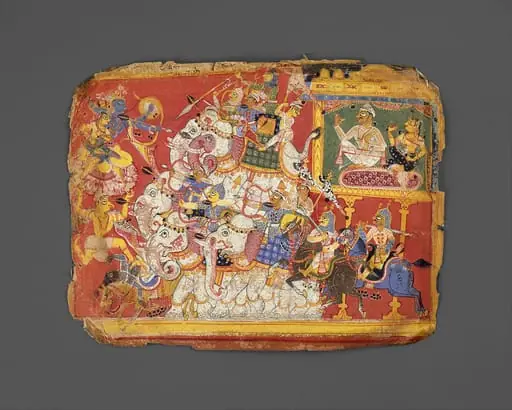 Untitled
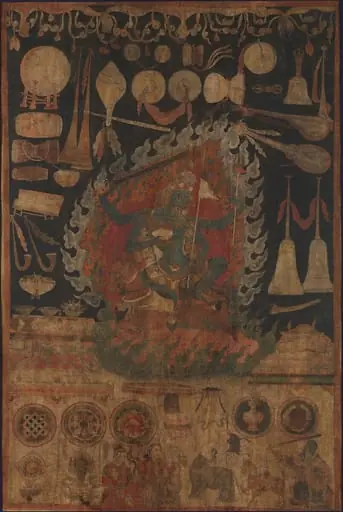 Untitled
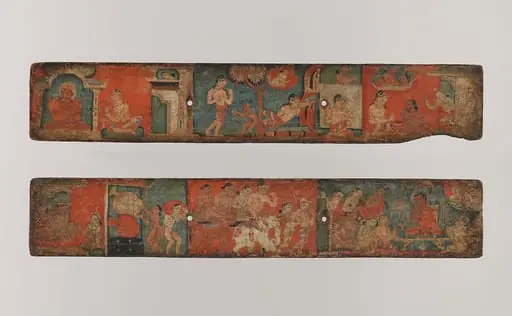 Untitled
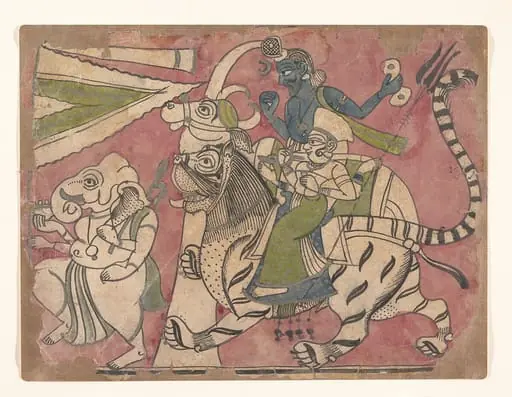 Untitled
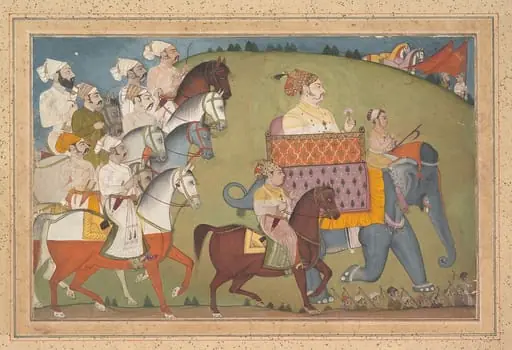 Untitled
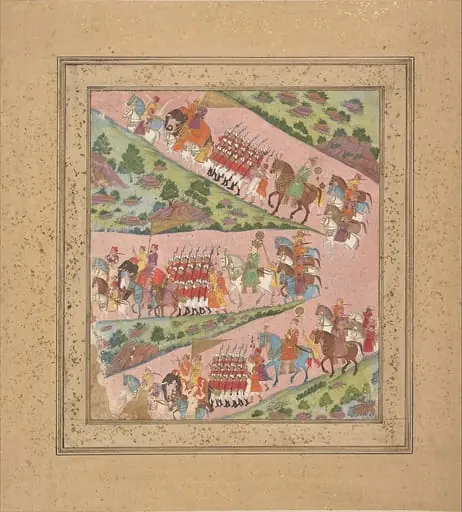 Untitled
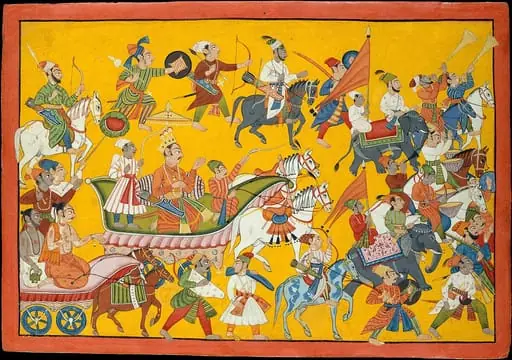 Untitled
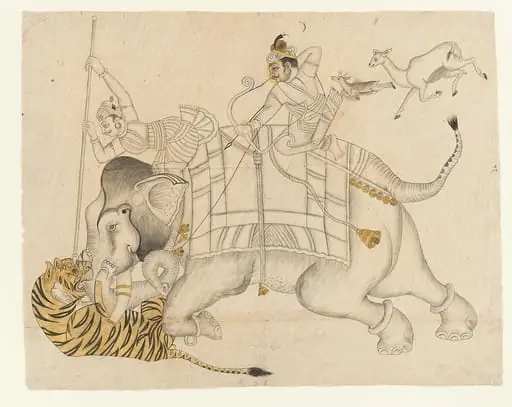 Untitled
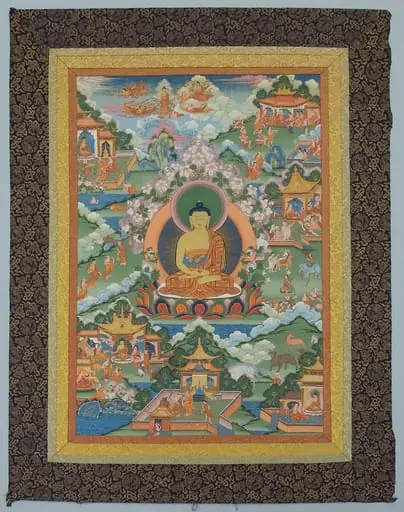 Untitled
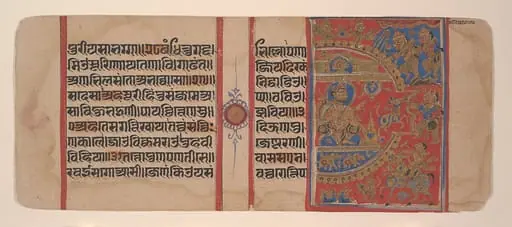 Untitled
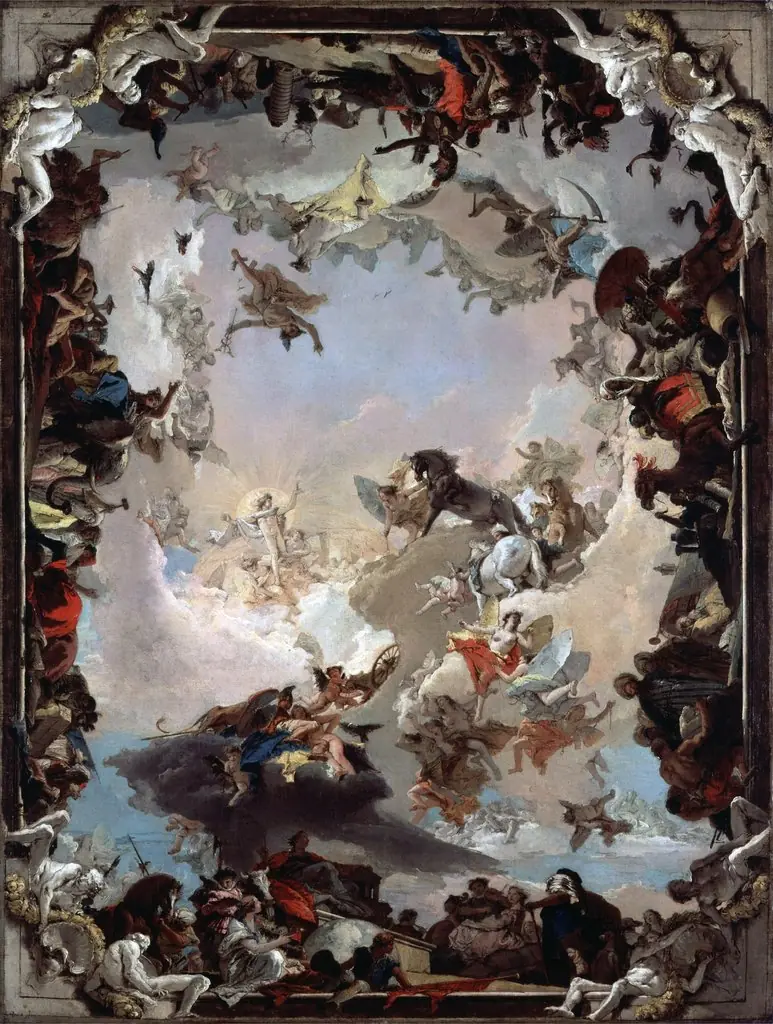 Allegory of the Planets and Continents
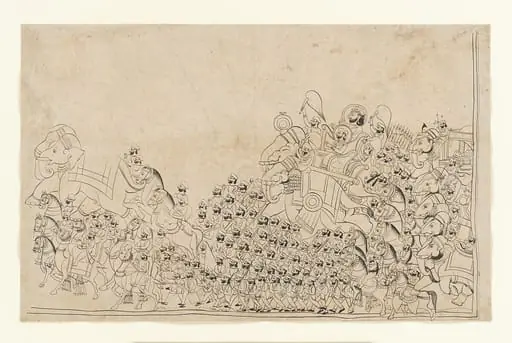 Untitled
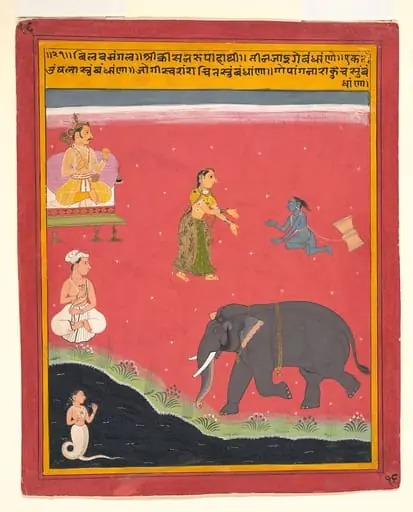 Untitled
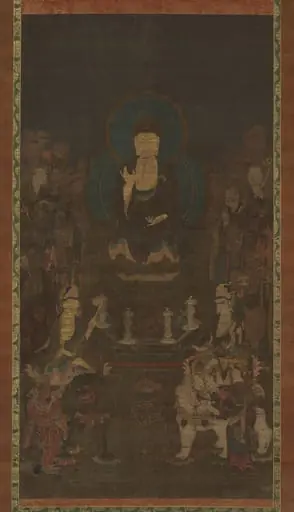 釈迦三尊十大弟子像|Shaka (Shakyamuni), the Historical Buddha, with Two Attendant Bodhisattvas and the Ten Great Disciples
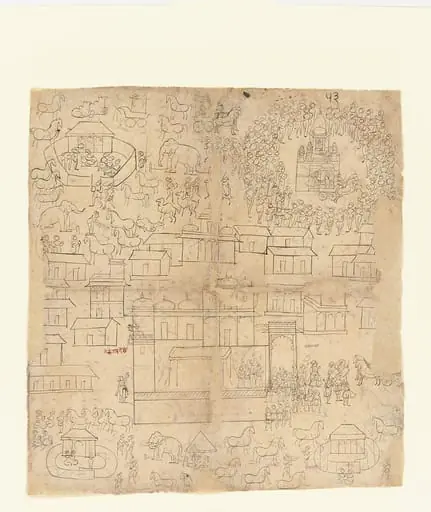 Untitled
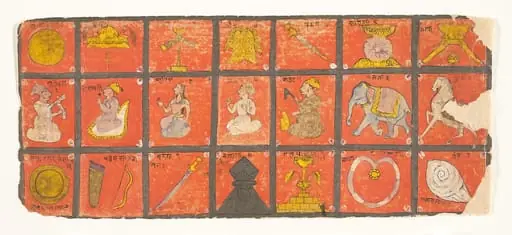 Untitled
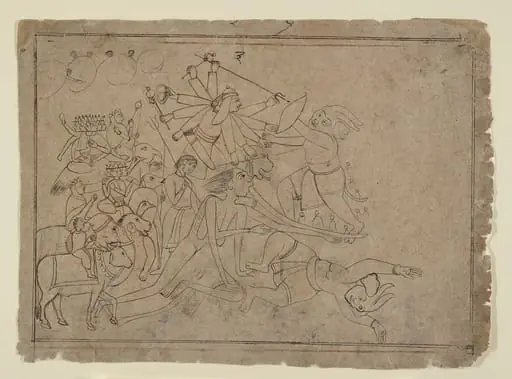 Untitled
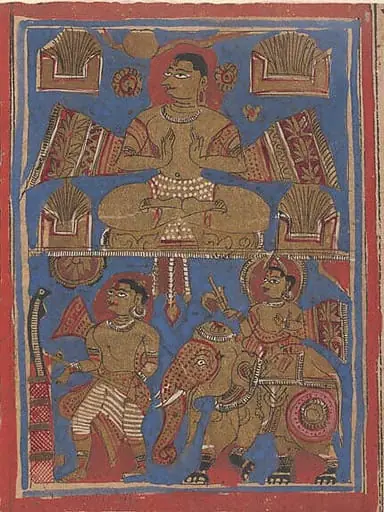 Untitled
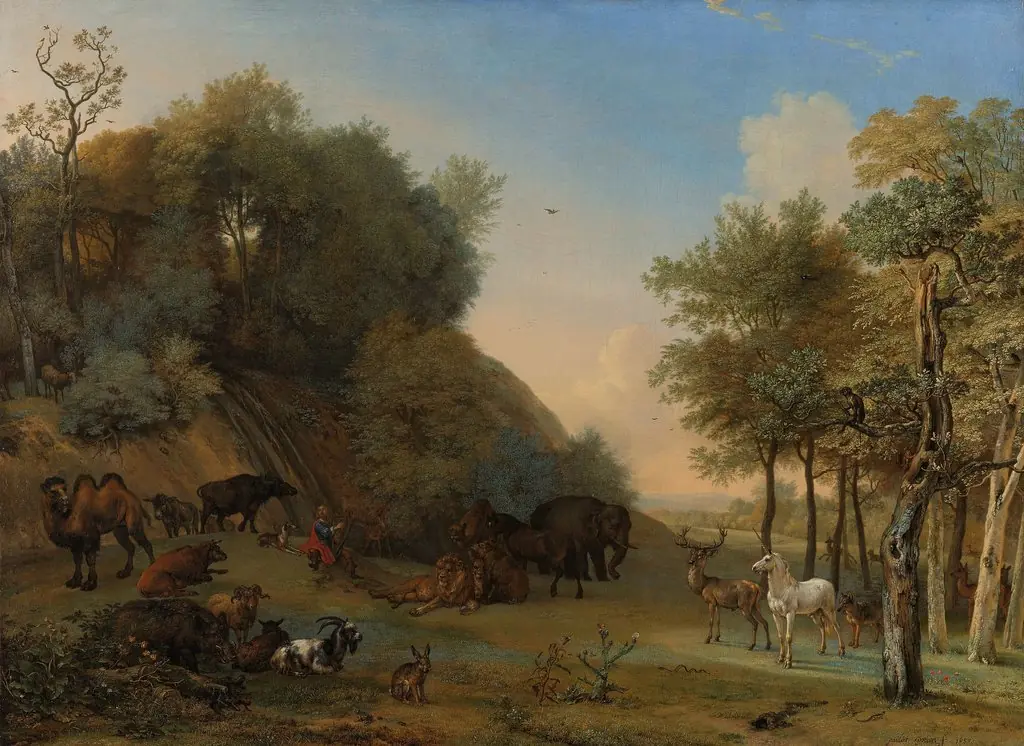 Orpheus and the Animals
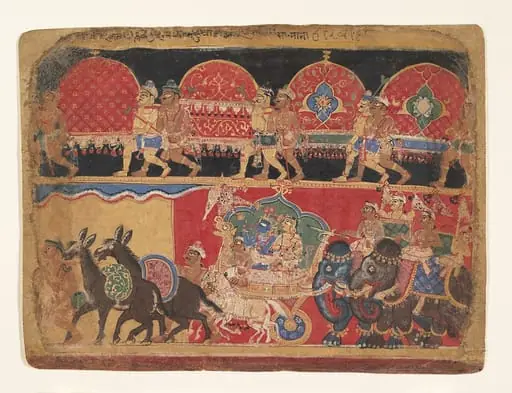 Untitled
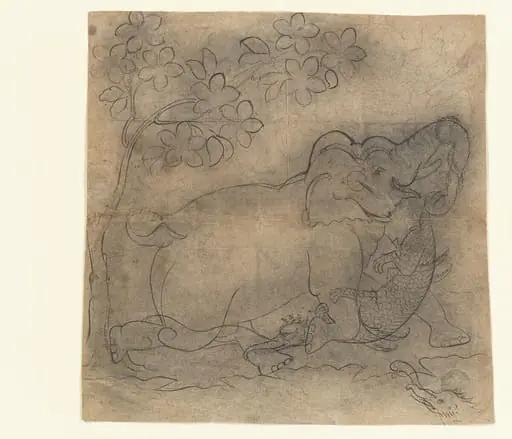 Untitled
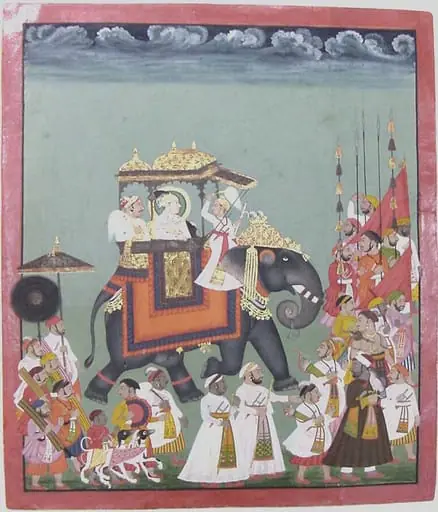 Untitled
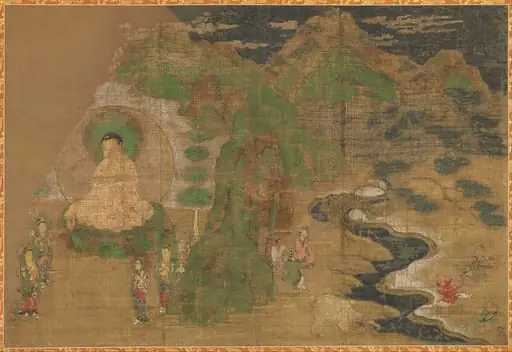 仏伝図|Scene from the Life of the Buddha
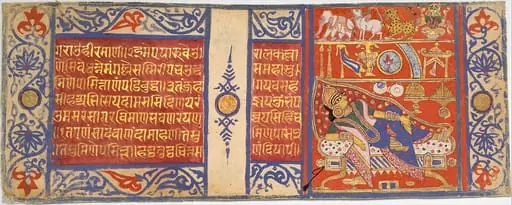 Untitled
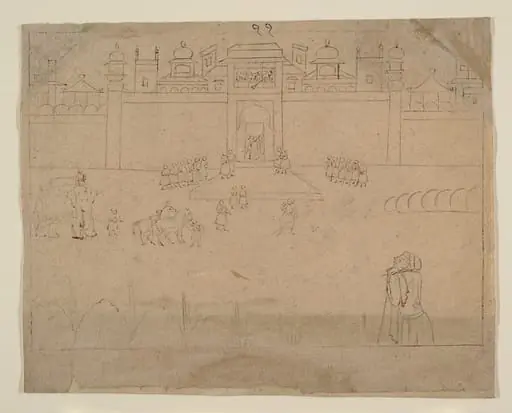 Untitled
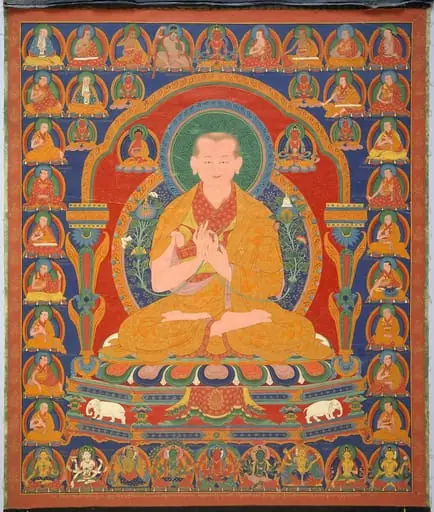 Untitled
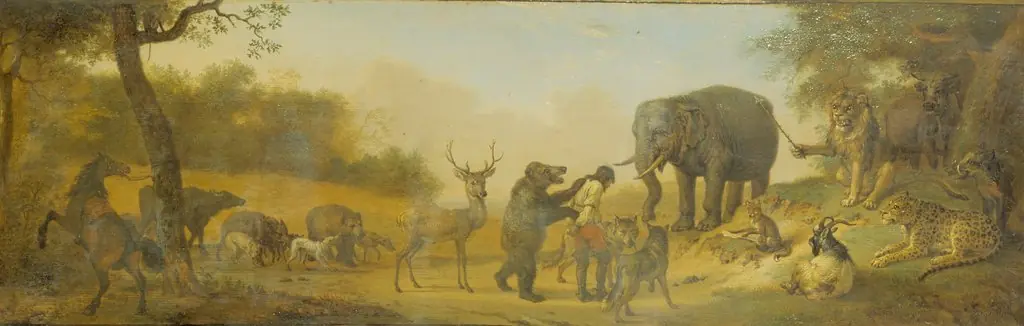 Hunter and Hounds being Judged
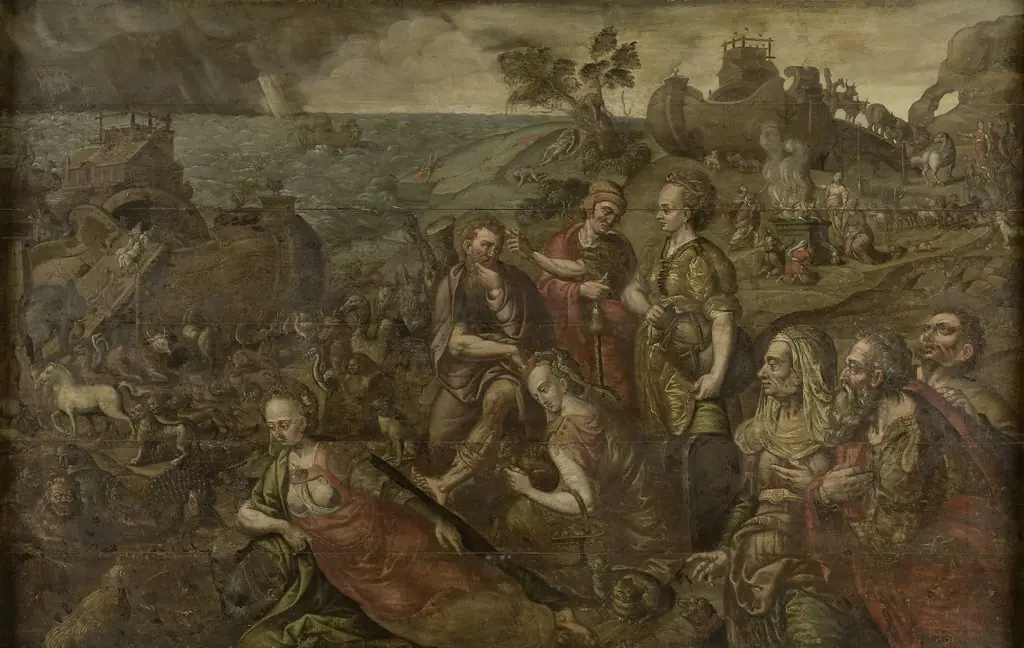 Noah's Ark
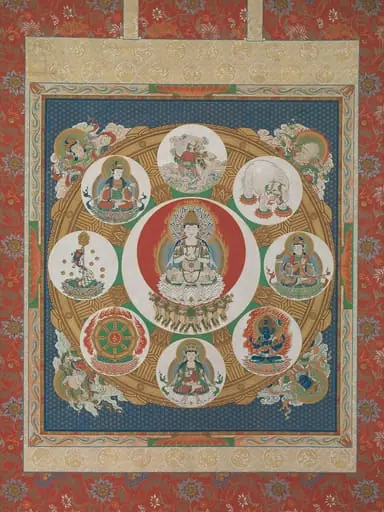 一字金輪曼荼羅|Mandala of the One-Syllable Golden Wheel
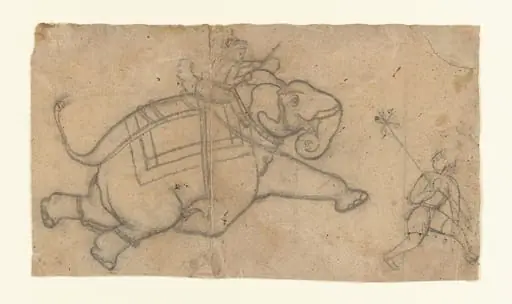 Untitled
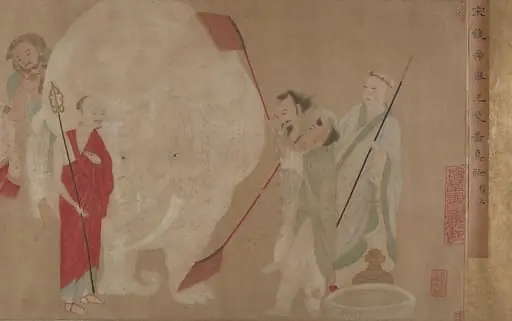 明/清 佚名 錢選(僞款) 洗象圖 卷|Washing the Sacred Elephant
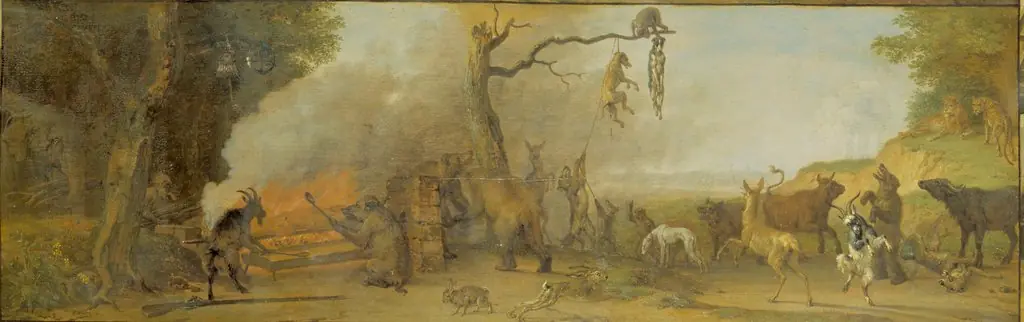 Execution of Hunter and Hounds
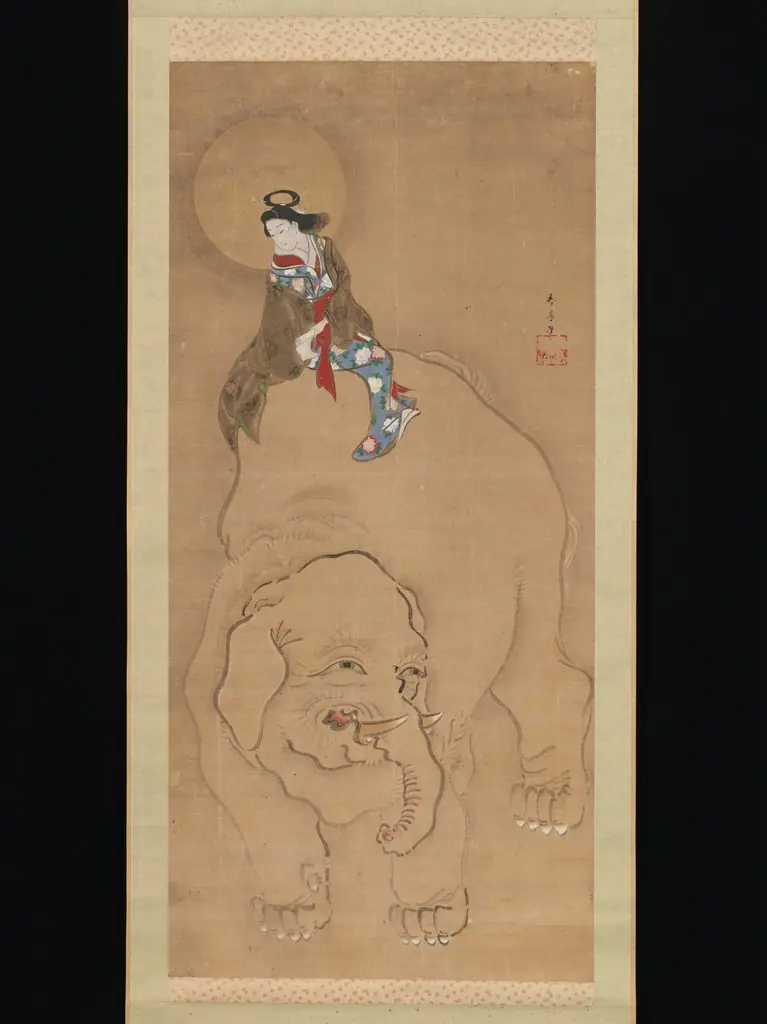 Eguchi no Kimi
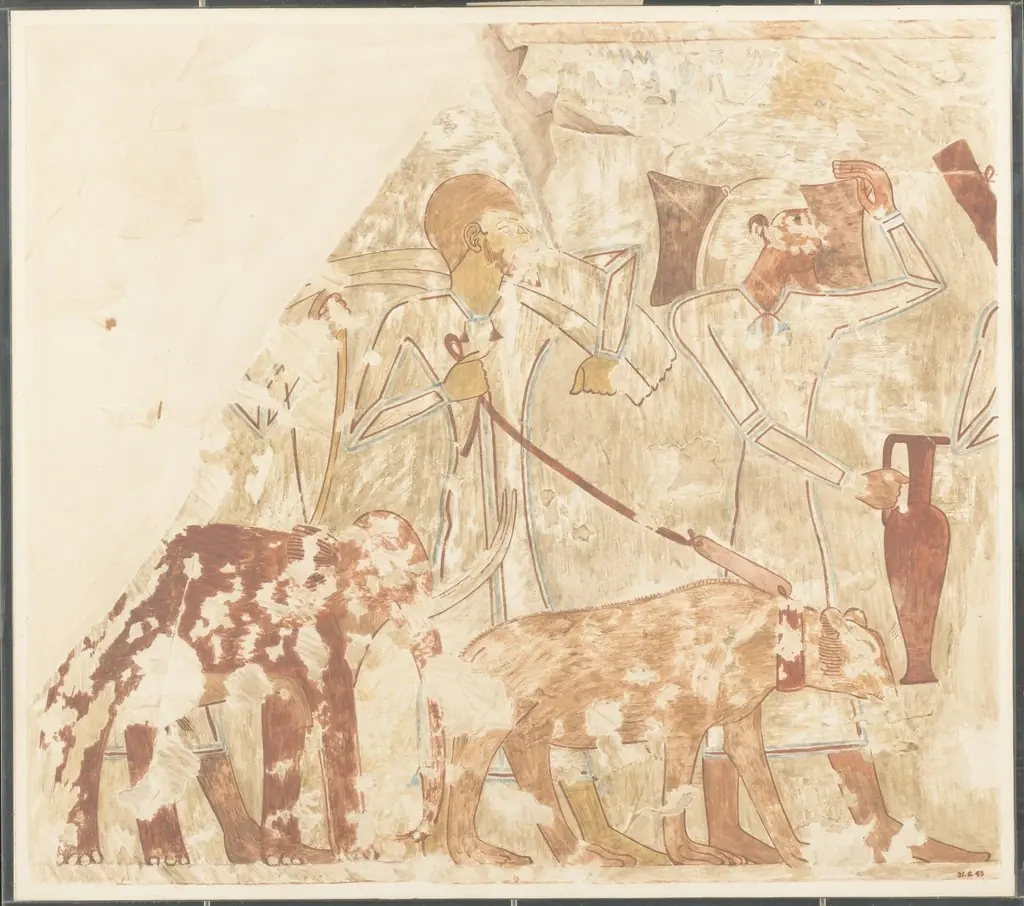 Syrians Bringing an Elephant and a Bear, Tomb of Rekhmire
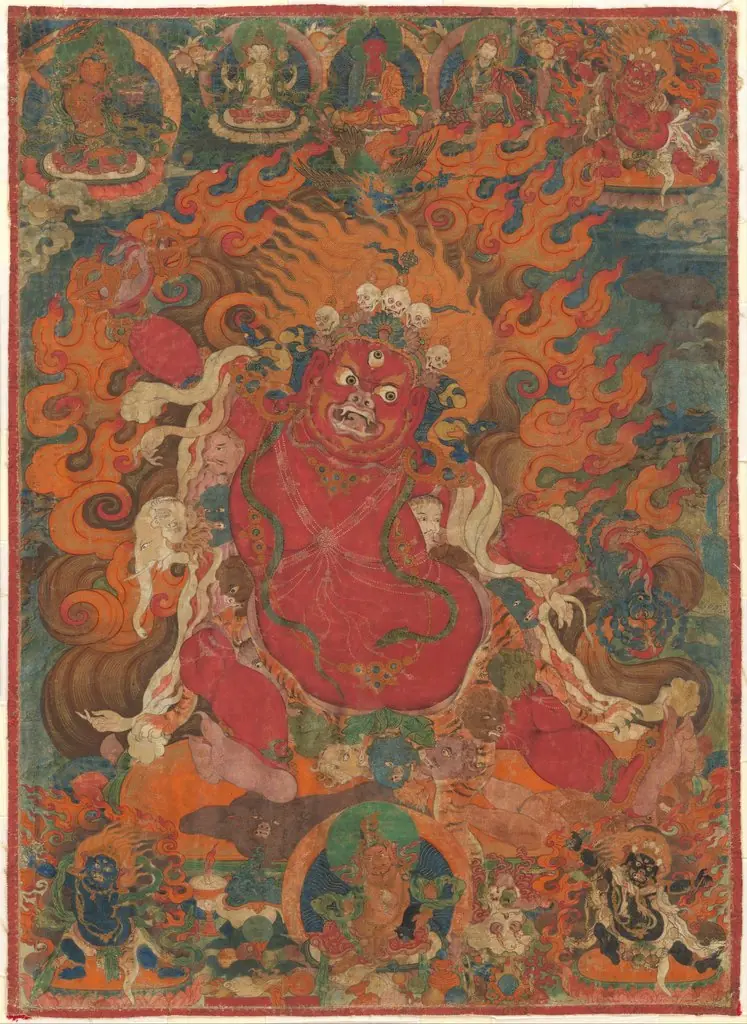 Guru Dragpo
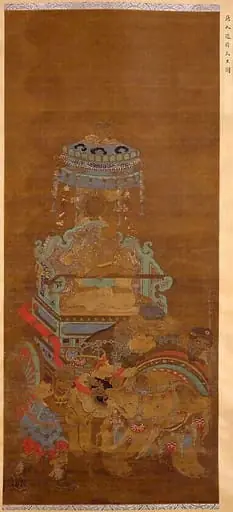 明 佚名 遊行天王圖 軸|Journey of the Tianwang (Devaradja)
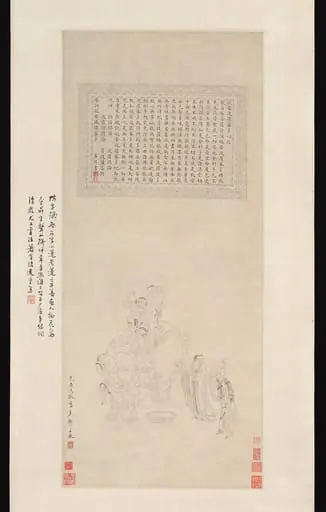 清 陳字 洗象圖 軸|Washing the White Elephant
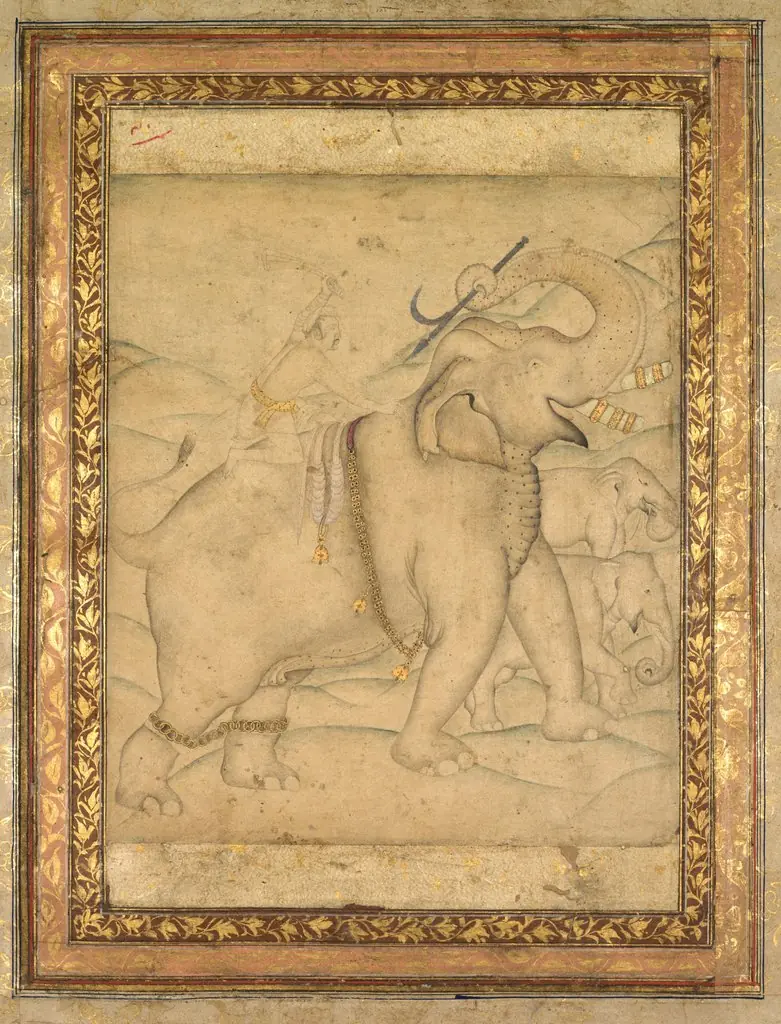 Portrait of Emperor Jahangir Riding an Elephant
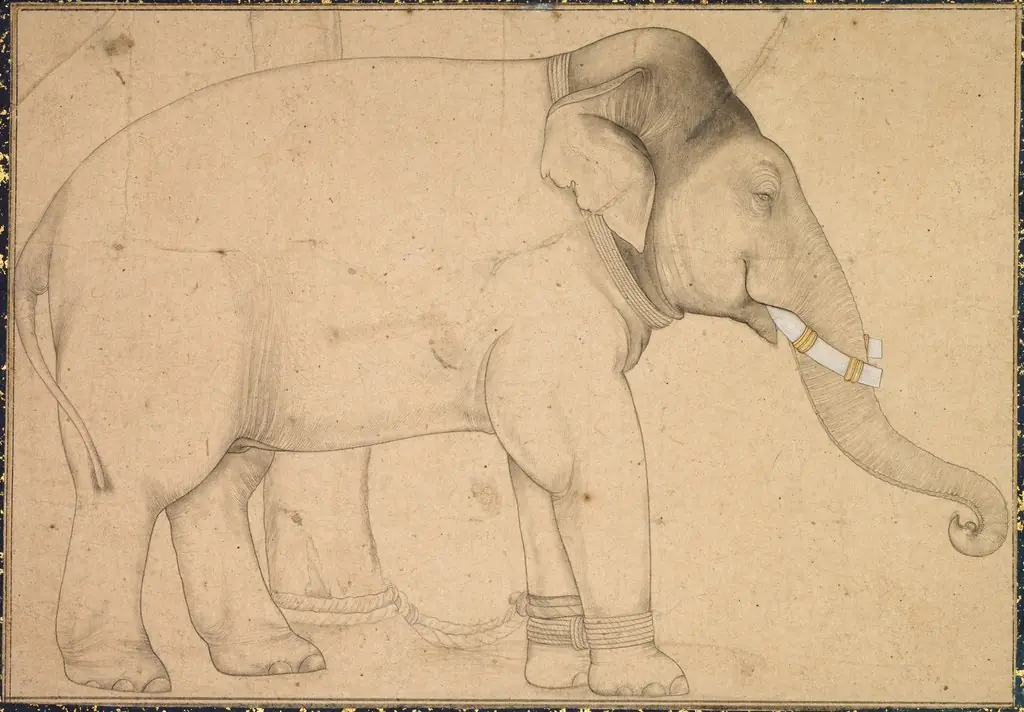 Drawing of an Elephant
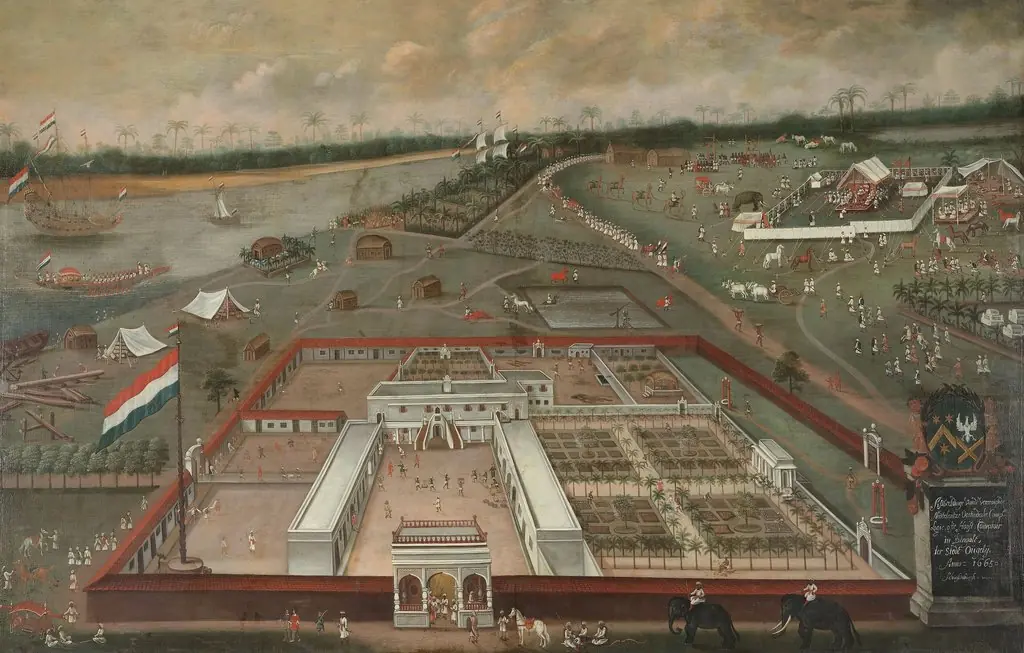 The Trading Post of the Dutch East India Company in Hooghly, Bengal
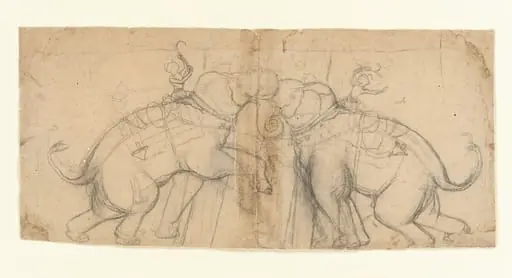 Untitled
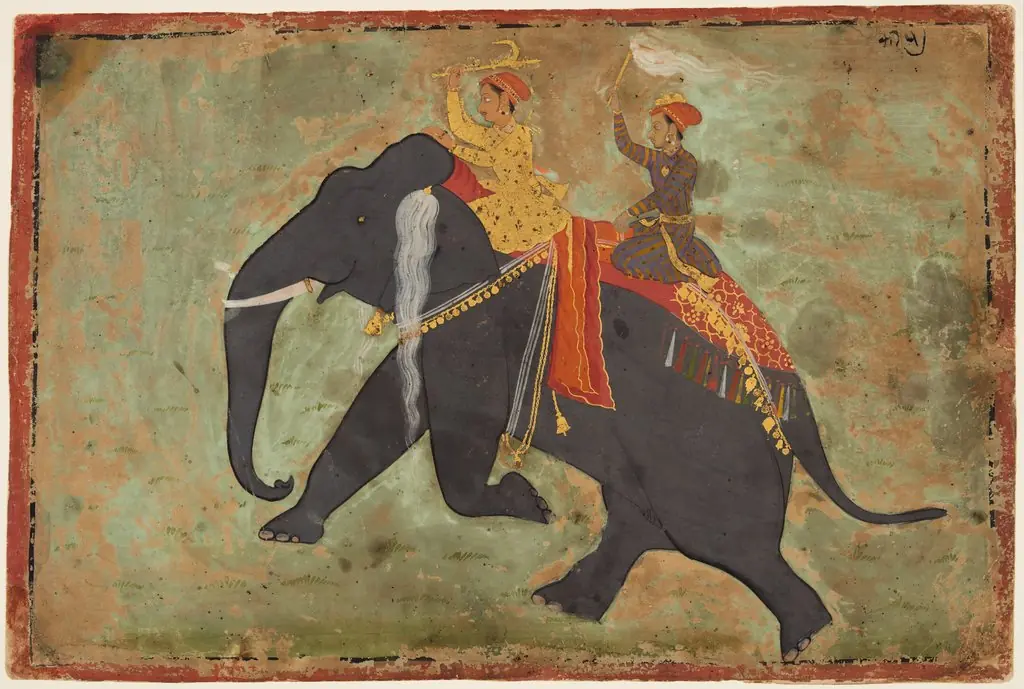 Prince Amar Singh (1672–1710) Drives His Own Elephant
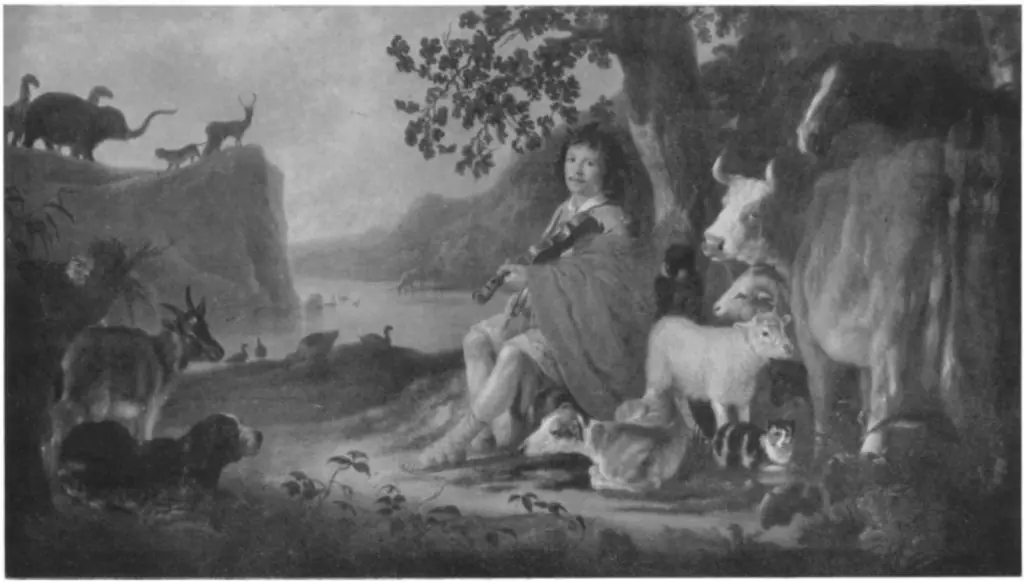 A musician as Orpheus, possibly a Self-portrait
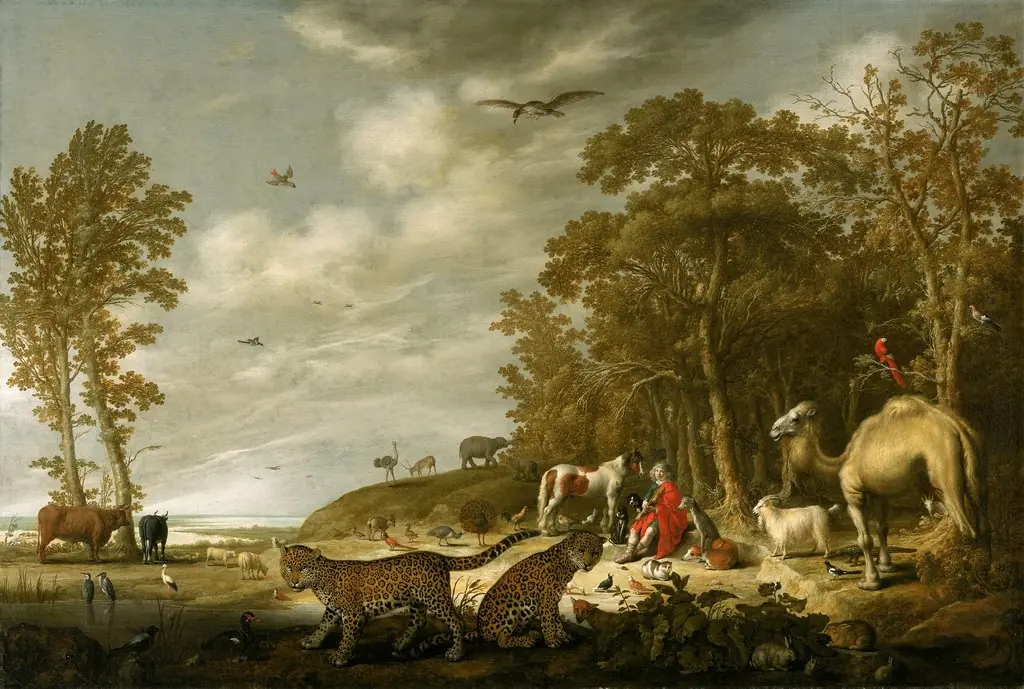 Orpheus Charming the Animals
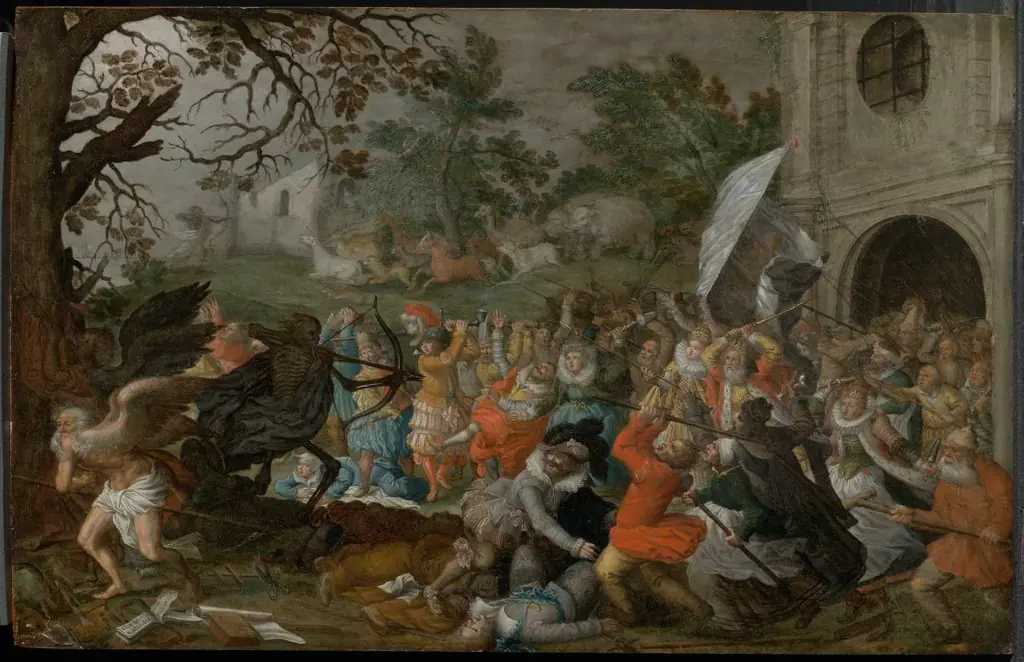 Men and Animals Struggling Against Death & Father Time
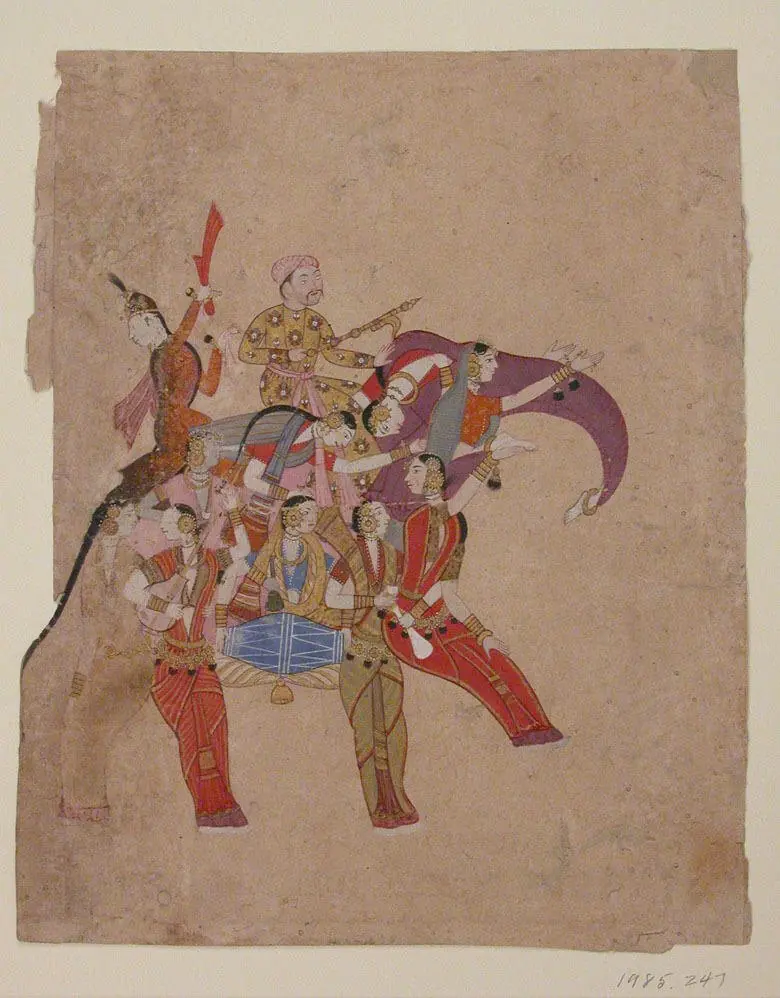 Composite Elephant - Deccan Painting Early 17th Century
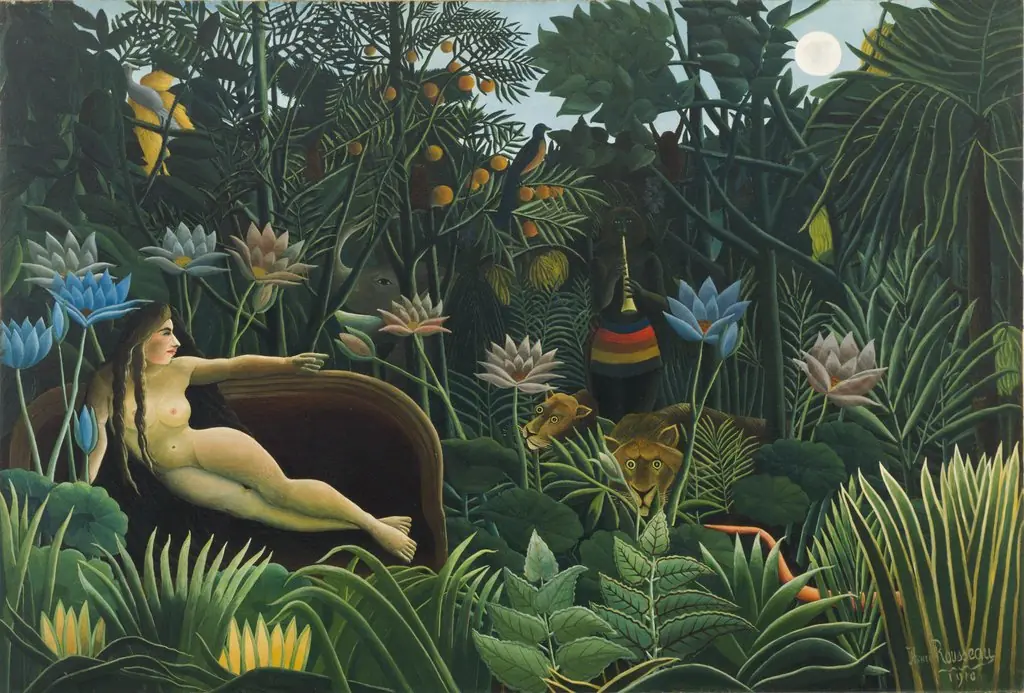 The Dream
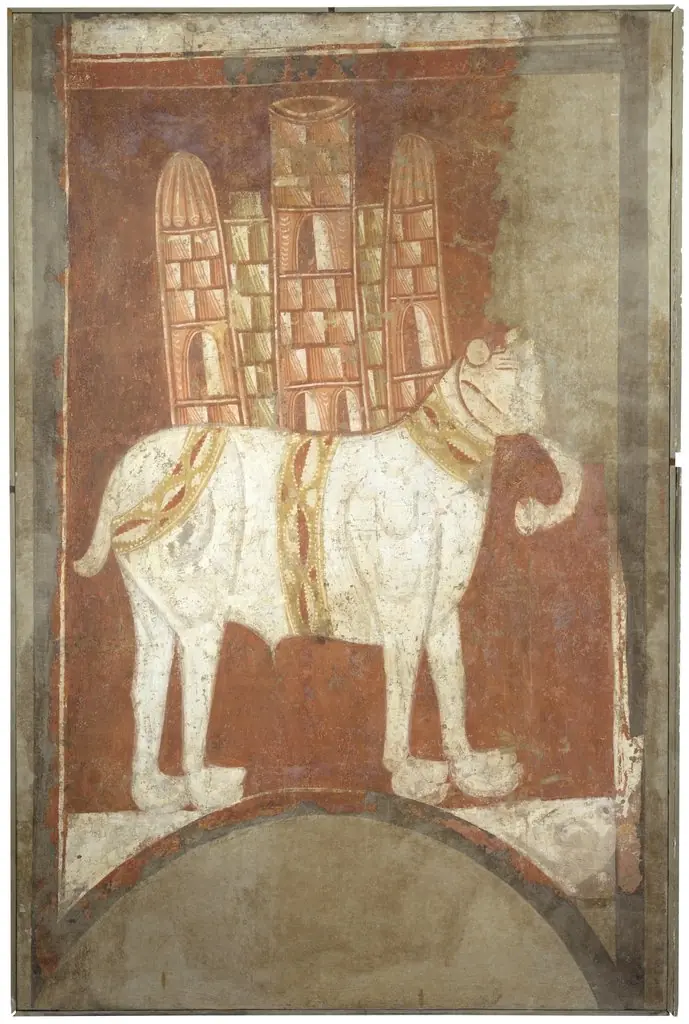 Elephant
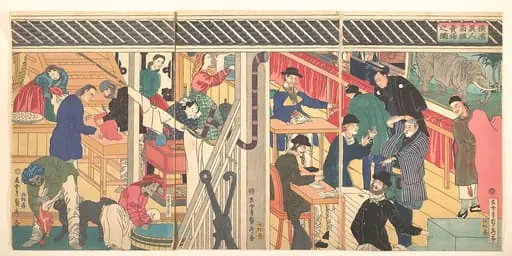 「横浜異人商館買場之圖」|Foreign Business Establishment in Yokohama (Yokohama ijin shōkan uriba no zu)
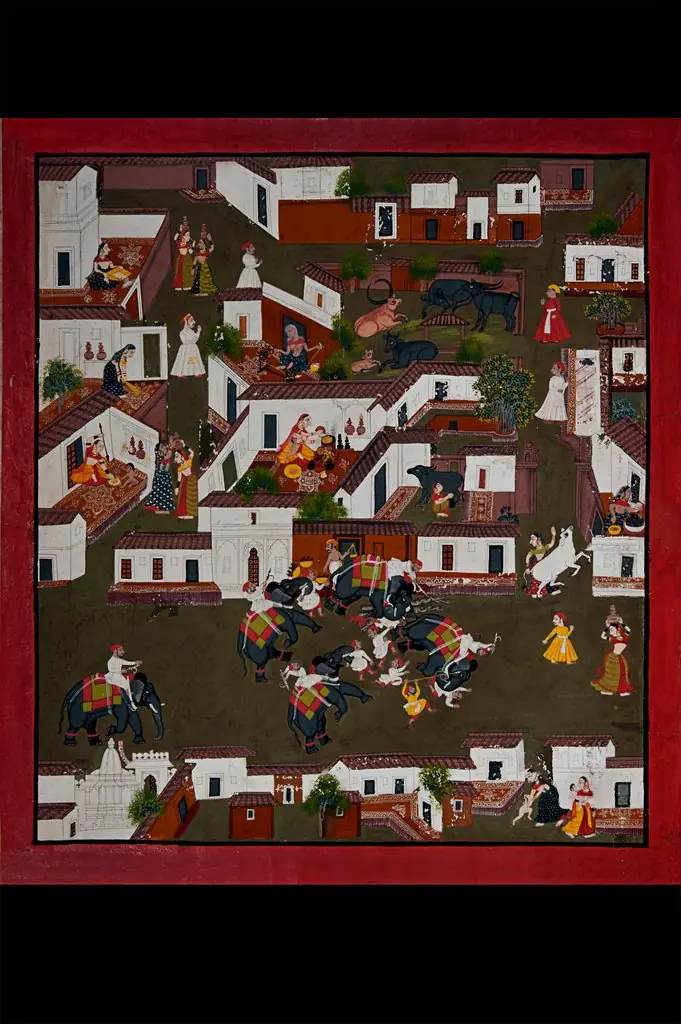 Daily life in a village
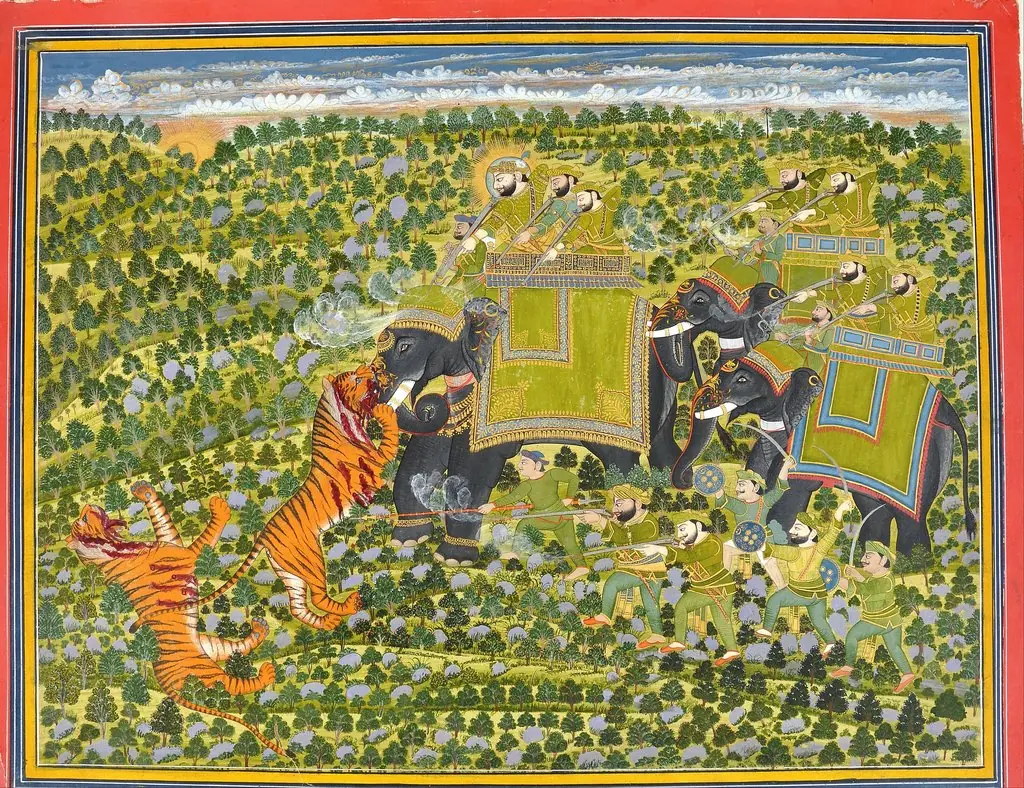 Raghuraj Singh hunting tigers Datia,
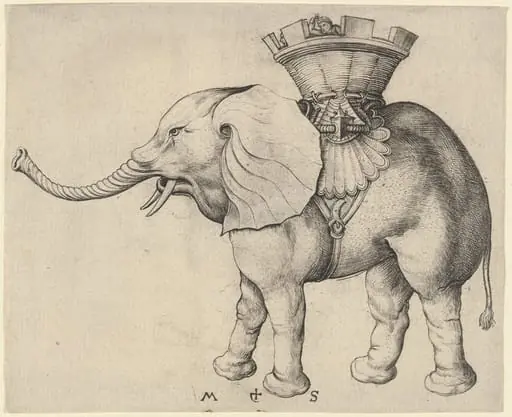 Elephant
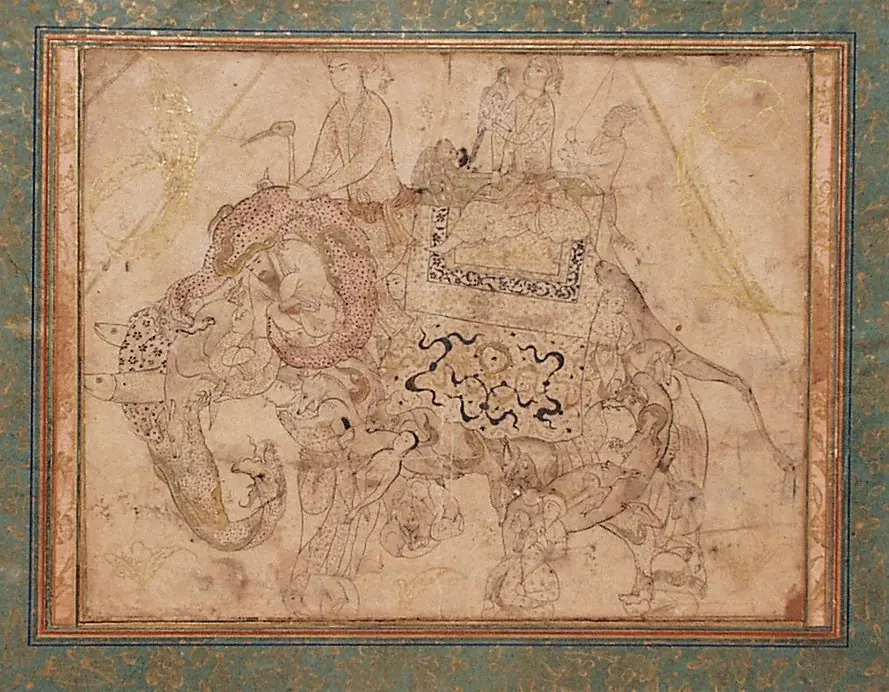 A composite elephant ridden by a prince - 17th century
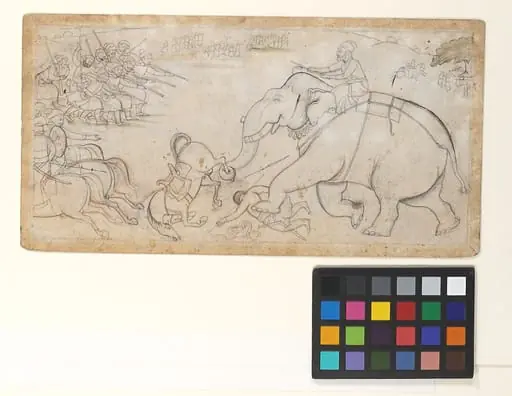 Untitled
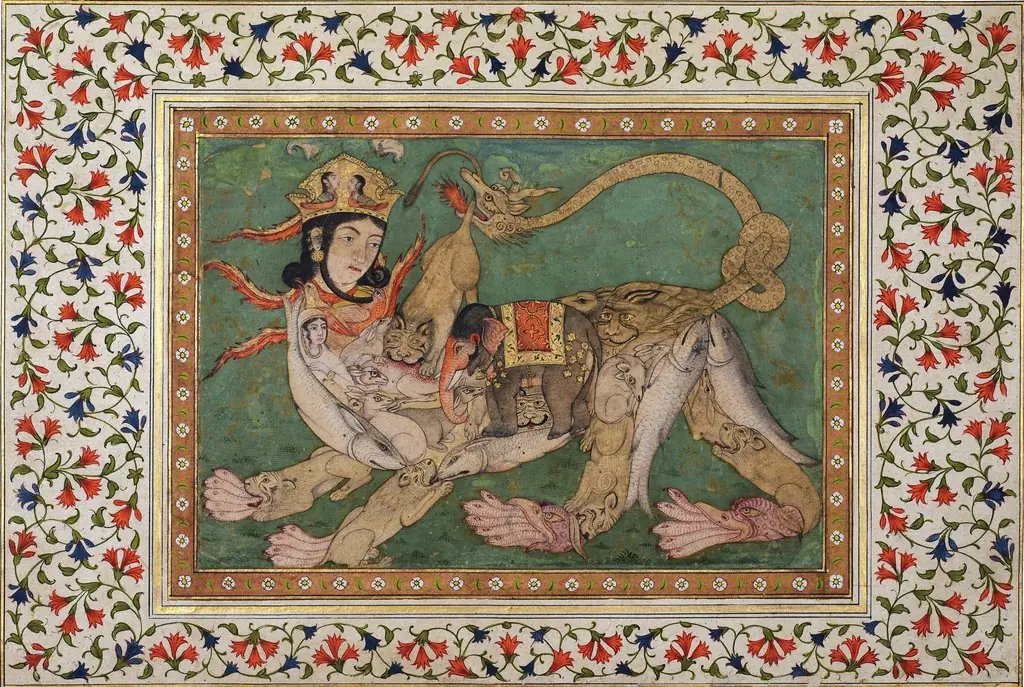 Al Buraq
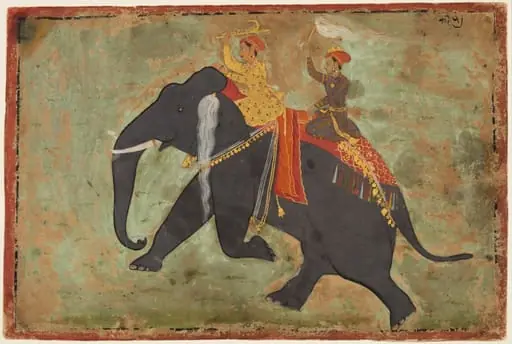 Prince Amar Singh (1672–1710) Drives His Own Elephant
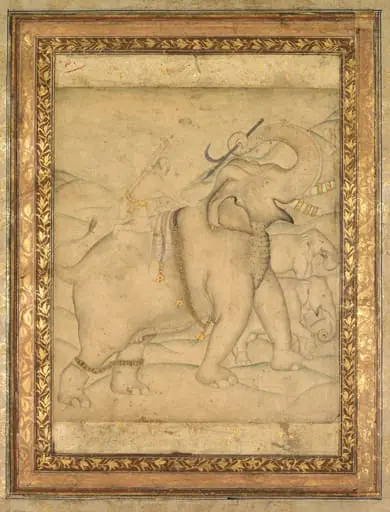 Portrait of Emperor Jahangir Riding an Elephant
 Untitled
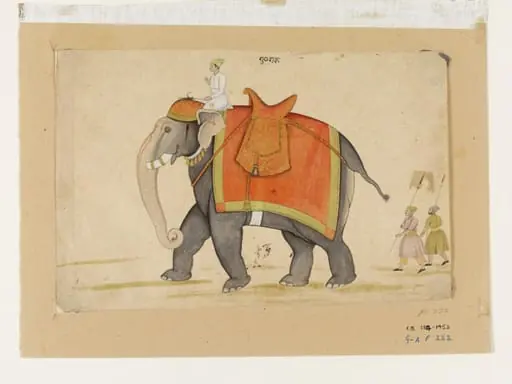
 A Raja on an Elephant
 Untitled
 Untitled
 Untitled
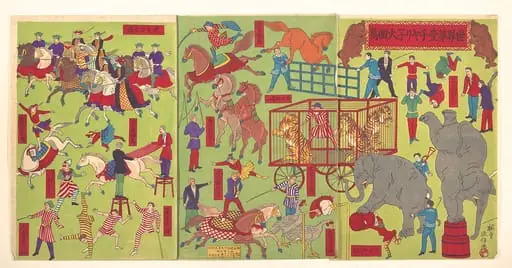
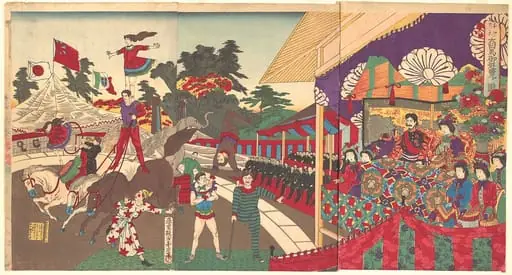 チャリネ大曲馬御遊覧ノ図|Illustration of the Imperial Excursion to see the Charini's Circus (Charine daikyokuba goyūran no zu)
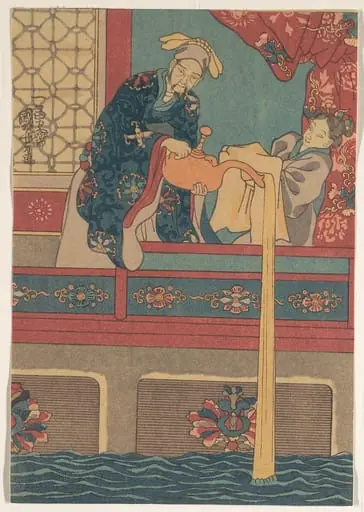 Untitled
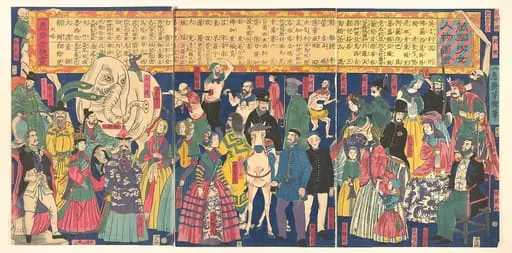 万国男女人物図絵|Picture of Men and Women from all Nations (Bankoku danjo jinbutsu zue)
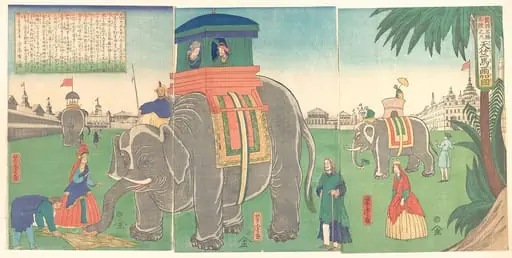 Tenjiku maru no zu|A View of Indian Elephants
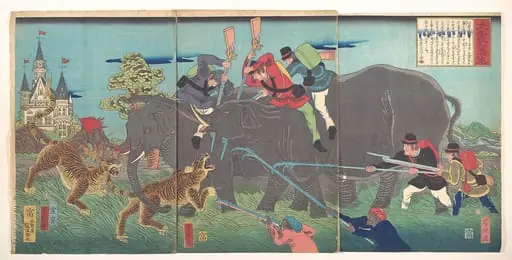 Daizō shasei|Big Elephants Being Attacked
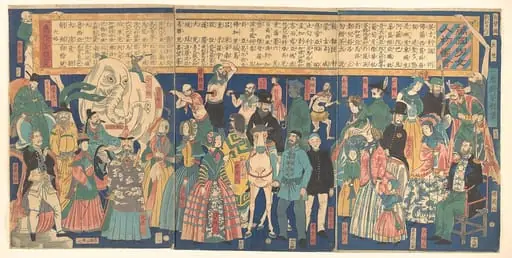 Bankoku danjō jimbutsu zue|Picture of Men and Women from all nations (Bankoku danjo jinbutsu zue)
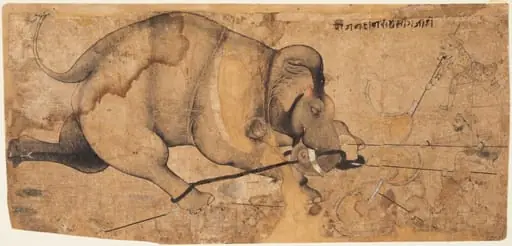 Rao Ram Singh I’s Elephant Gone Amok
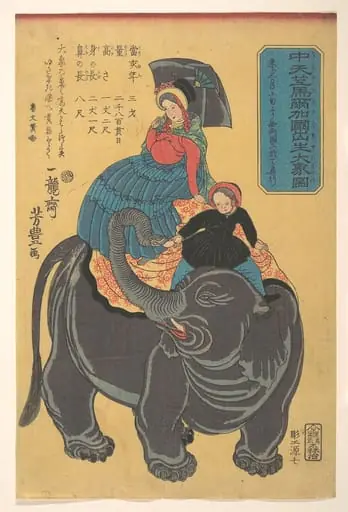 Chū tenjiku Maruka koku shūsshō daizō zu|Picture of an Elephant Born in Maruka in Central India
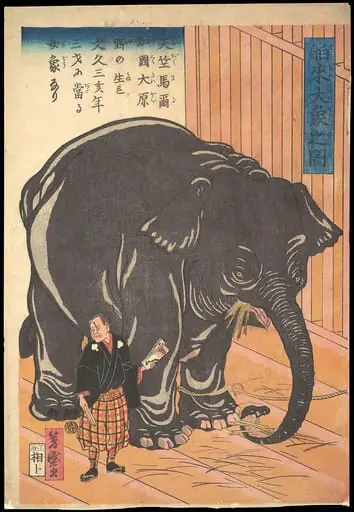 Hakurai taizo no zu|View of the Large Imported Elephant
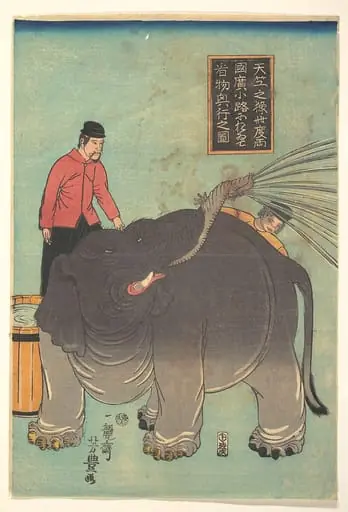 Untitled
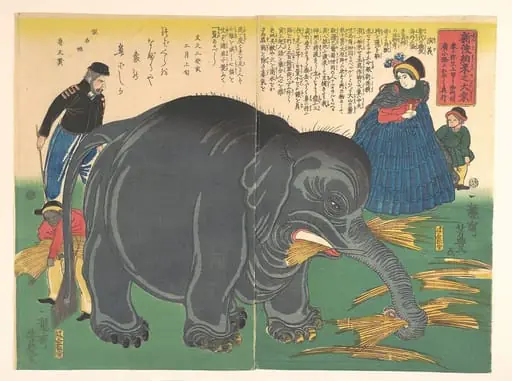 一龍斎芳豊画 「新渡舶来之大象」|Newly Imported Great Elephant (Shinto hakurai no daizō)
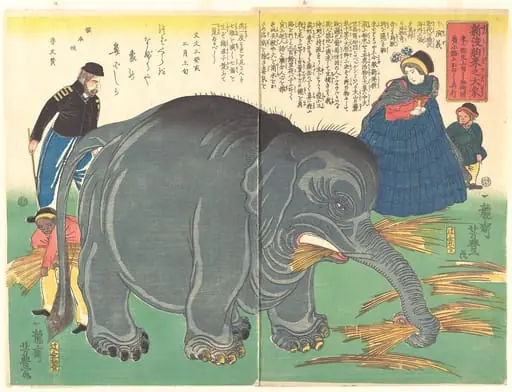 Untitled
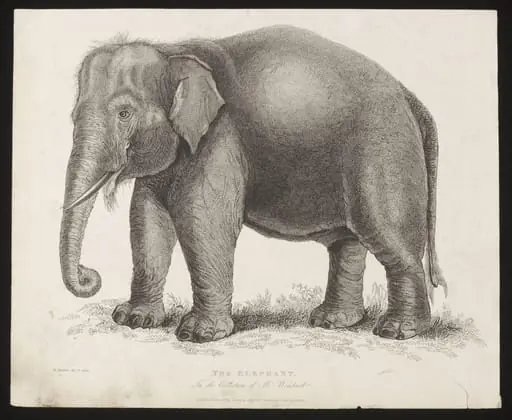 The Elephant.
Frequently asked questions
What is Elephant?
Elephants are the largest living land animals.
How many Elephant works does Artifact World Gallery have?
Artifact World Gallery holds 90 public-domain Elephant works, all free to view and download.
Who are the key Elephant artists?
Key Elephant artists in the collection include Paulus Potter, Giovanni Battista Tiepolo and Aelbert Cuyp.
Where can I see Elephant works?
Elephant works in the collection are held by Metropolitan Museum of Art, Cleveland Museum of Art and Rijksmuseum.