Artwork
À Stendhal
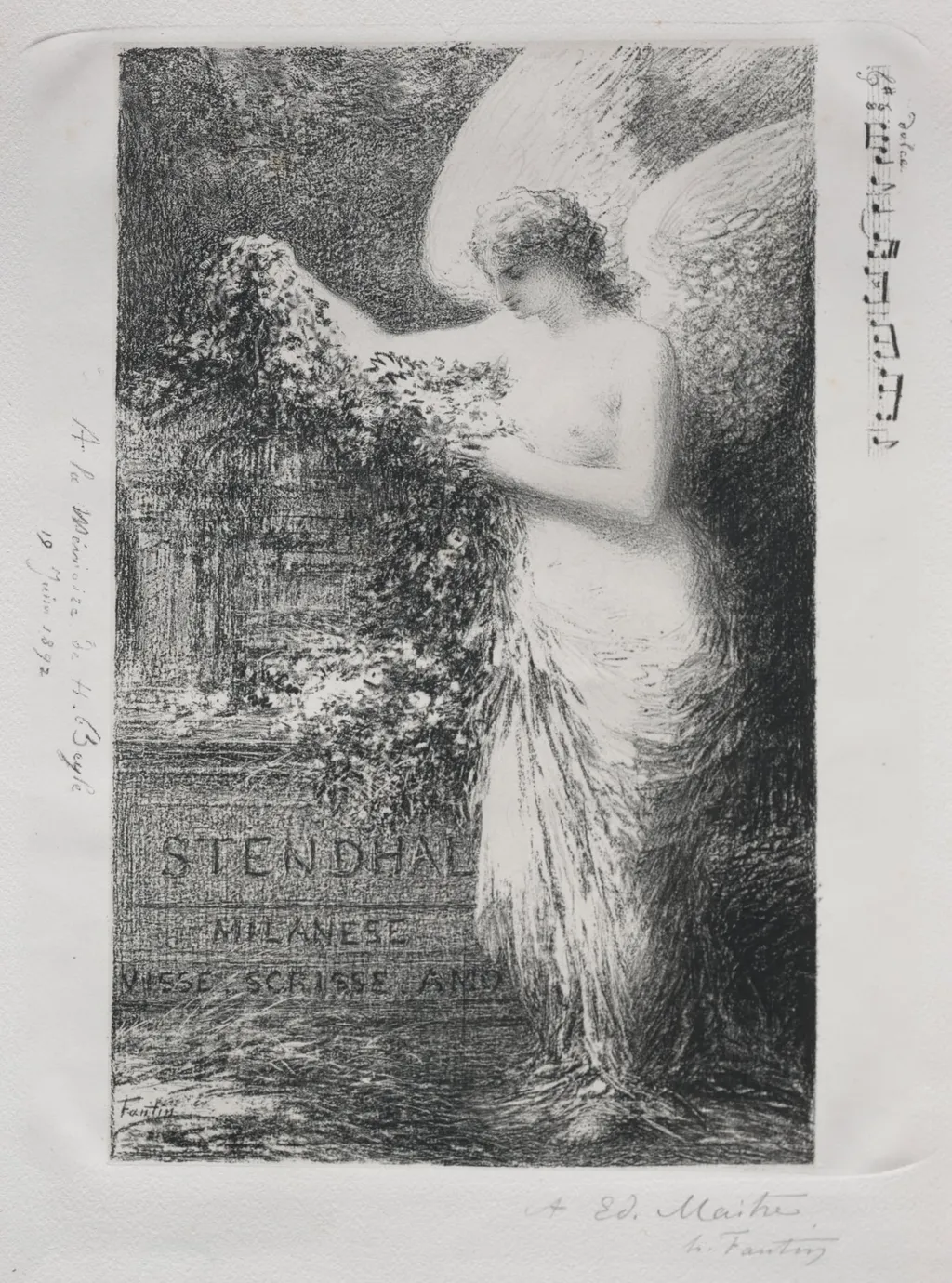
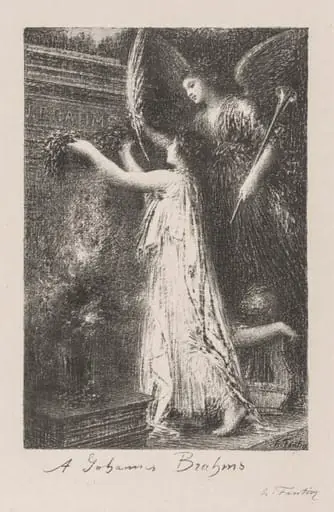
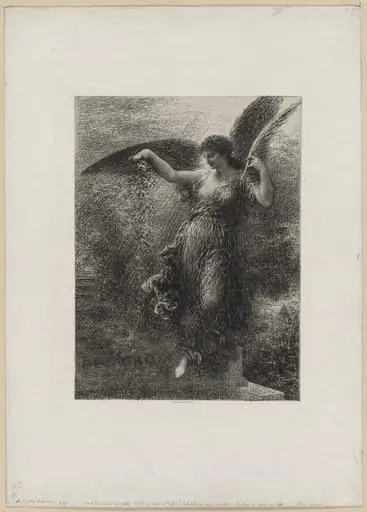
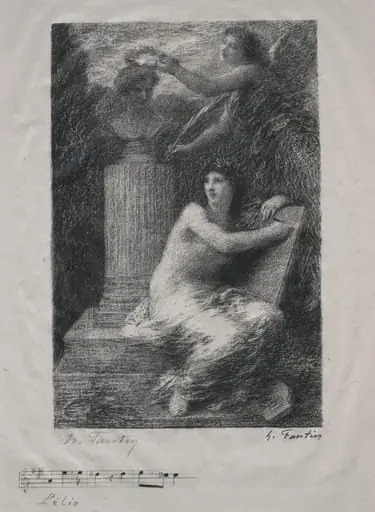
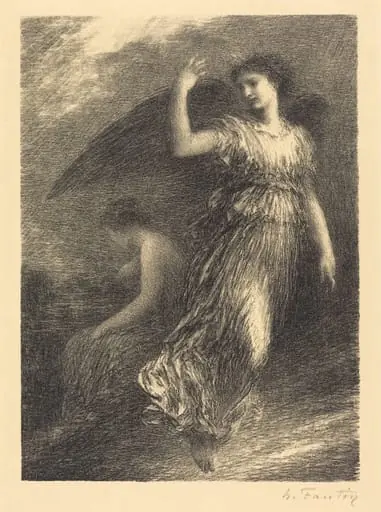
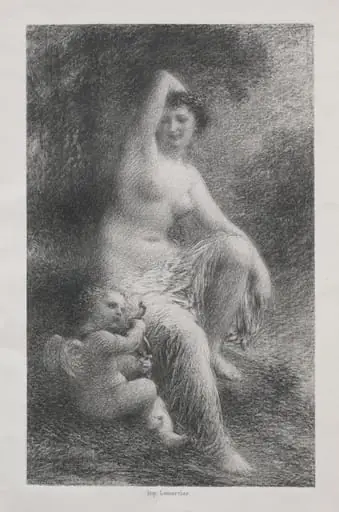
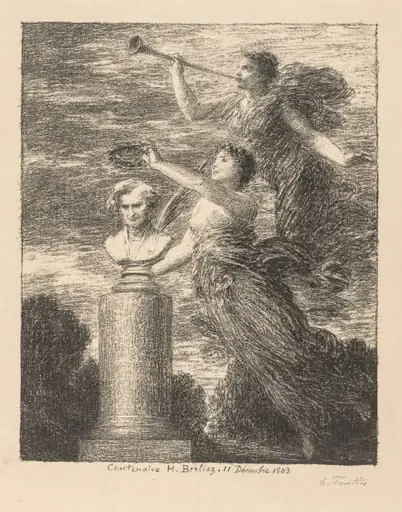
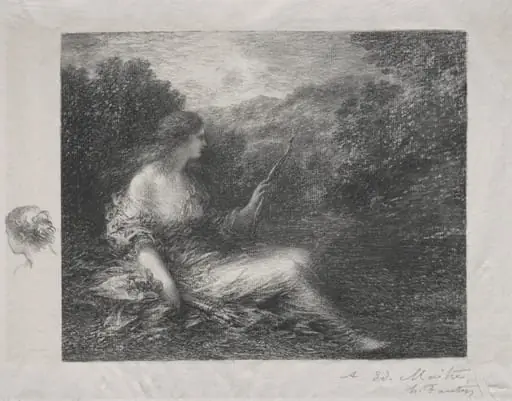
À Stendhal is a print by the Impressionist artist Henri Fantin-Latour. It dates from 1892 and is held in the collection of the Cleveland Museum of Art.
- Accession no.
- 1921.55
- Credit line
- Gift of Ralph King
About this work
Overview
Executed in ink on paper, it reflects his continued interest in quiet, introspective scenes.
Henri Fantin-Latour created the lithograph À Stendhal in 1892, near the end of his career. Though best known for still lifes and group portraits of literary figures, this work departs from his usual subjects, focusing instead on a solitary woman in a domestic setting. Executed in ink on paper, it reflects his continued interest in quiet, introspective scenes. The piece is part of the Cleveland Museum of Art’s permanent collection.
Subject & Meaning
The subject is a woman seated at a piano, illuminated by a single source of light that catches her face and hands. The surrounding room remains in deep shadow, suggesting solitude and contemplation. The presence of a bookcase and sheet music implies a connection to literature and music, possibly alluding to Stendhal’s literary legacy. The image evokes an internal, private moment rather than a public performance.
Technique & Style
Fantin-Latour employed chiaroscuro with deliberate restraint, using sharp contrasts between light and dark to isolate the figure. The lithographic medium allowed for fine tonal gradations, yet he favored bold areas of shadow to obscure details like the bookcase and furniture. This selective focus heightens the sense of intimacy, reducing the scene to essential forms and emotional resonance.
History & Provenance
Created in 1892, À Stendhal was produced during a period when Fantin-Latour increasingly turned to printmaking. It was likely made as an independent work, not part of a larger series. The lithograph entered the Cleveland Museum of Art’s collection in the 20th century, where it remains as a rare example of his non-portrait subjects and his late stylistic preoccupations with mood and light.
Context
In the 1890s, Fantin-Latour distanced himself from the avant-garde movements gaining traction in Paris, preferring to explore personal, introspective themes. His choice to reference Stendhal, a 19th-century French writer known for psychological depth, suggests an affinity for inner life over external spectacle. The work aligns with broader fin-de-siècle interests in solitude and the quiet power of domestic spaces.
Legacy
À Stendhal stands as a quiet testament to Fantin-Latour’s enduring fascination with atmosphere and psychological nuance. While not widely exhibited, it exemplifies his mastery of lithography and his ability to convey emotion through minimal means. The work contributes to understanding how traditional techniques were used to express modern sensibilities in late 19th-century French art.
Own this work as a print
Artist & collection
Artist
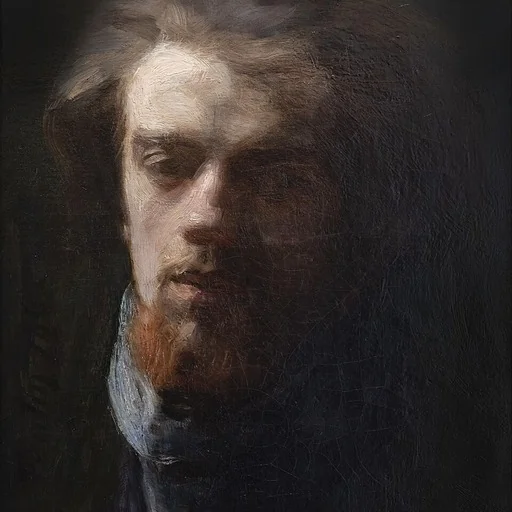
Ignace Henri Jean Theodore Fantin-Latour (French pronunciation:; 14 January 1836 – 25 August 1904) was a French painter and lithographer best known for his flower paintings and group portraits of Parisian artists and writers.