Artwork
Woman in Green
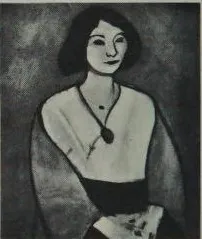
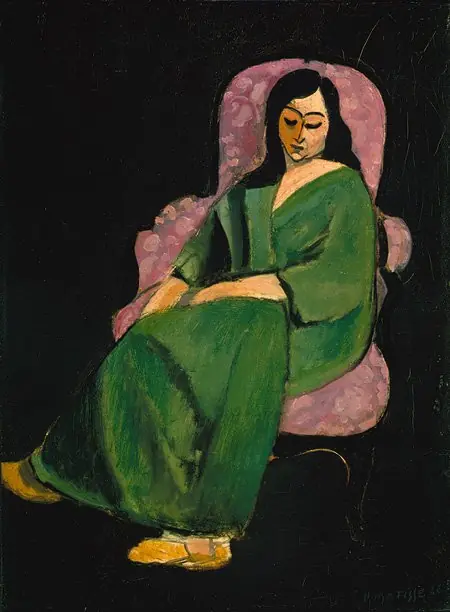
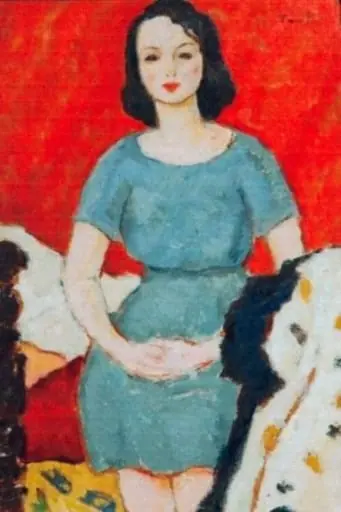
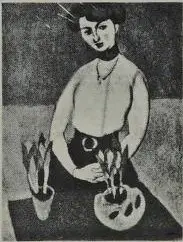
Woman in Green is an oil painting by the Fauvist artist Henri Matisse. It dates from 1909 and is held in the collection of the Hermitage Museum.
About this work
Overview
Henri Matisse created Woman in Green in 1909 using oil on canvas. The painting belongs to his Fauvist period, marked by expressive color and simplified forms. Though Matisse is best known for his innovative use of hue and line, this work reflects a quieter, more introspective side of his practice, focusing on stillness rather than dynamism.
Subject & Meaning
The absence of sharp features and the muted environment suggest an emphasis on presence over personality, evoking contemplation rather than narrative.
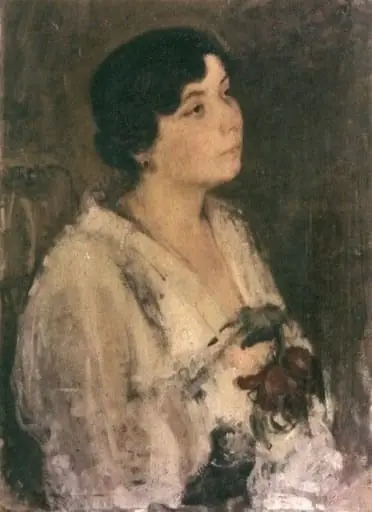
The painting depicts a woman seated in a chair, her body angled slightly to the right. Her face is softened, almost indistinct, inviting ambiguity rather than identification. The absence of sharp features and the muted environment suggest an emphasis on presence over personality, evoking contemplation rather than narrative. The green dress and background merge, dissolving boundaries between figure and space.
Technique & Style
Matisse applied oil paint in broad, flat areas with minimal modeling, rejecting traditional chiaroscuro. The woman’s form is defined by contour rather than volume, and the background’s near-identical green tone unifies the composition. Brushwork is deliberate but unobtrusive, prioritizing harmony over texture. The blurred facial features reduce individuality, reinforcing a sense of quiet abstraction.
History & Provenance
Completed in 1909, the painting entered the collection of the State Hermitage Museum in Saint Petersburg, where it remains today. Its acquisition likely occurred during the early 20th century, as Russian collectors increasingly engaged with modern French art. The work’s journey reflects broader patterns of cross-cultural exchange during a period of artistic upheaval in Europe.
Context
In 1909, Matisse was refining his Fauvist language after the initial shock of 1905’s Salon d'Automne. While contemporaries like Derain pushed toward intensity, Matisse began tempering chromatic force with compositional restraint. Woman in Green exemplifies this shift, color remains central, but its function evolves toward emotional resonance and spatial cohesion rather than sensory assault.
Legacy
The painting stands as an early example of Matisse’s move toward simplification and psychological depth. It influenced later modernists who sought to convey mood through color relationships rather than detailed representation. Though less celebrated than his later cut-outs or odalisques, Woman in Green reveals a pivotal moment in his transition from Fauvist experimentation to a more meditative aesthetic.
Artist & collection
Artist
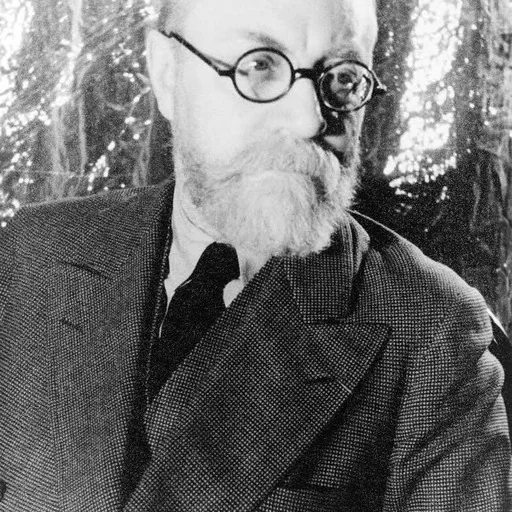
Henri Émile Benoît Matisse (French:; 31 December 1869 – 3 November 1954) was a French visual artist, known for both his use of colour and his fluid and original draughtsmanship.