Artwork
Girl with Tulips
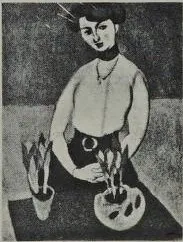
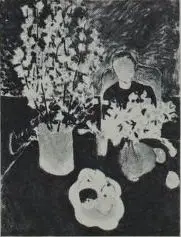
Girl with Tulips is an oil painting by the Post-Impressionist artist Henri Matisse. It dates from 1910 and is held in the collection of the Hermitage Museum.
About this work
Overview
Painted in 1910, Girl with Tulips is an oil on canvas work by Henri Matisse, created during a period of intense experimentation with color and form.
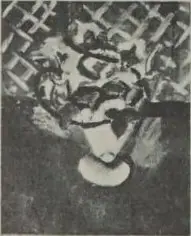
Painted in 1910, Girl with Tulips is an oil on canvas work by Henri Matisse, created during a period of intense experimentation with color and form. It depicts a young girl holding a bouquet of tulips, rendered with restrained detail and a focus on tonal relationships. The painting belongs to the State Hermitage Museum’s collection and exemplifies Matisse’s move away from naturalistic representation toward expressive use of hue and simplified structure.
Subject & Meaning
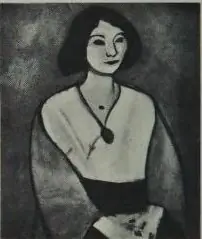
The subject is a young girl, dressed in a dark gown with a light apron and white collar, her hair secured by a dark bow. She faces the viewer with a calm, uninflected gaze, her posture still and composed. The tulips, rendered in soft reds and pinks, serve as both a natural element and a symbolic counterpoint to her stillness. The absence of narrative context invites contemplation rather than storytelling, emphasizing presence over event.
Technique & Style
Matisse employed broad, flat areas of color with minimal modeling, rejecting chiaroscuro in favor of tonal contrast. The warm golden background enhances the cool blues and grays of the girl’s attire, while the tulips introduce subtle warmth without disrupting the palette’s equilibrium. Brushwork is deliberate but unobtrusive, prioritizing harmony over texture. The composition is tightly framed, directing attention to the girl and flowers as a unified visual unit.
History & Provenance
The painting was completed in 1910 and entered the collection of the State Hermitage Museum in Saint Petersburg, where it remains today. Its acquisition likely occurred during the early Soviet period, when Russian institutions actively expanded their holdings of modern Western art. Unlike some of Matisse’s more radical works, this piece was never publicly controversial, allowing for stable preservation and display.
Context
Created during Matisse’s Fauvist phase, the work reflects his ongoing interest in color as an emotional and structural force, even as he moved toward greater restraint. While contemporaries like Picasso were deconstructing form, Matisse sought balance through tonal relationships and simplified silhouettes. Girl with Tulips aligns with his broader exploration of domestic interiors and quiet figures, a counterpoint to the dynamism of his more famous Fauve landscapes.
Legacy
Though less widely reproduced than Matisse’s larger compositions, Girl with Tulips illustrates his ability to convey dignity and serenity through minimal means. It influenced later artists interested in color harmony and psychological stillness, particularly within mid-century modernist portraiture. Its enduring presence in the Hermitage underscores its role as a quiet but significant example of early 20th-century French painting.
Artist & collection
Artist
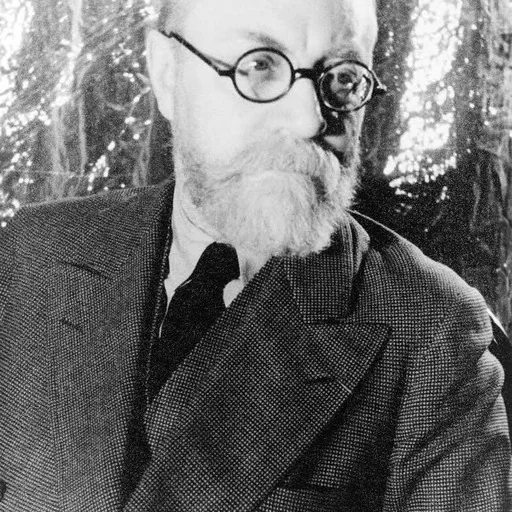
Henri Émile Benoît Matisse (French:; 31 December 1869 – 3 November 1954) was a French visual artist, known for both his use of colour and his fluid and original draughtsmanship.