Artwork
Portrait of a Man
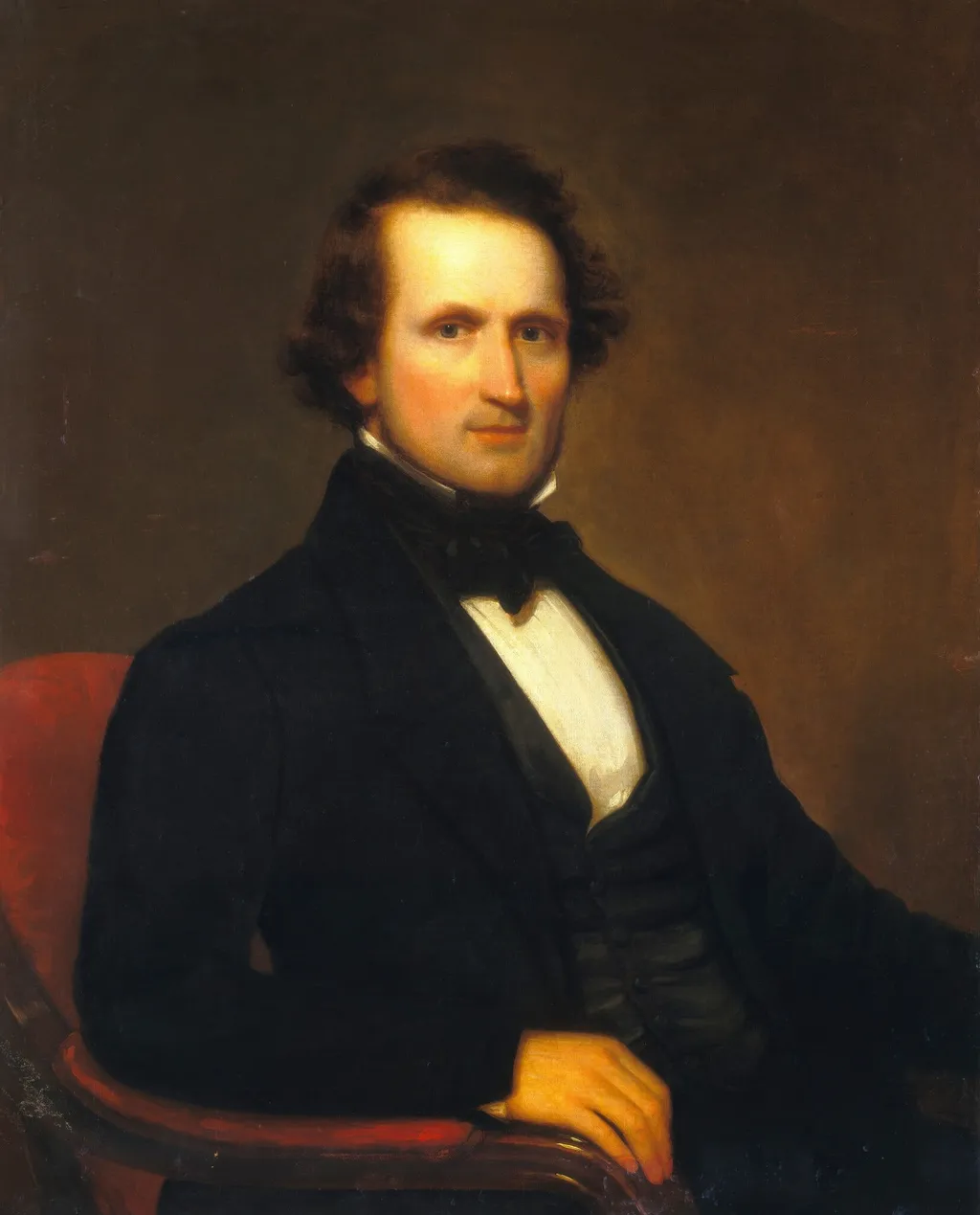
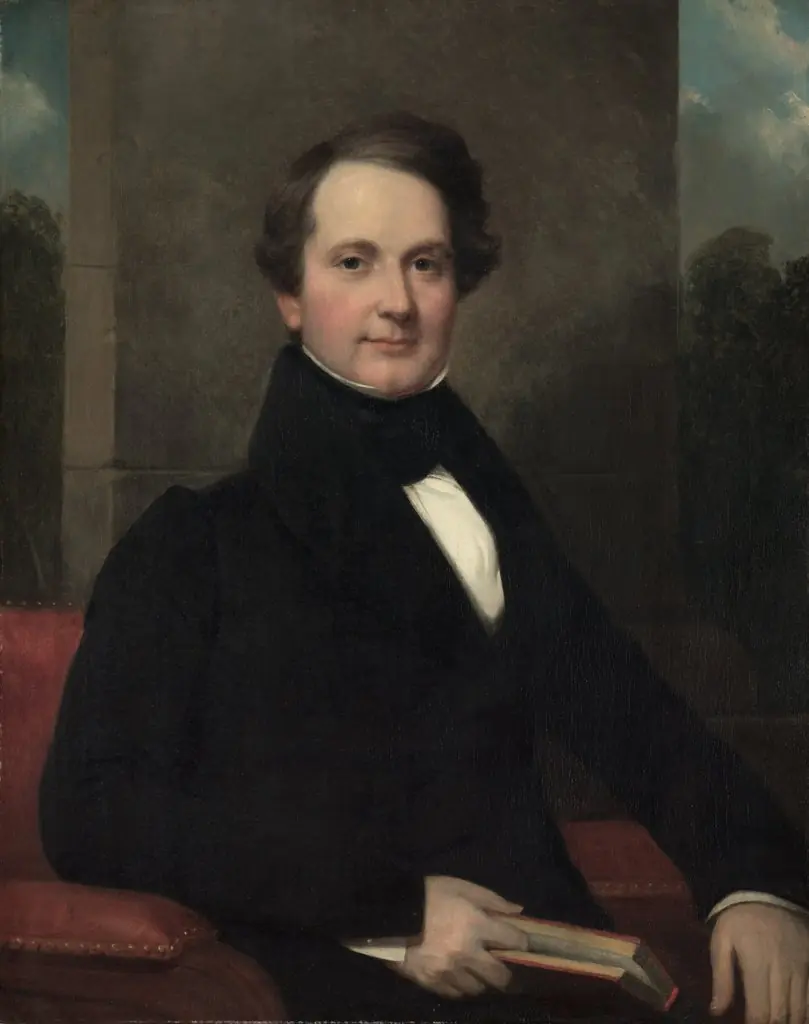
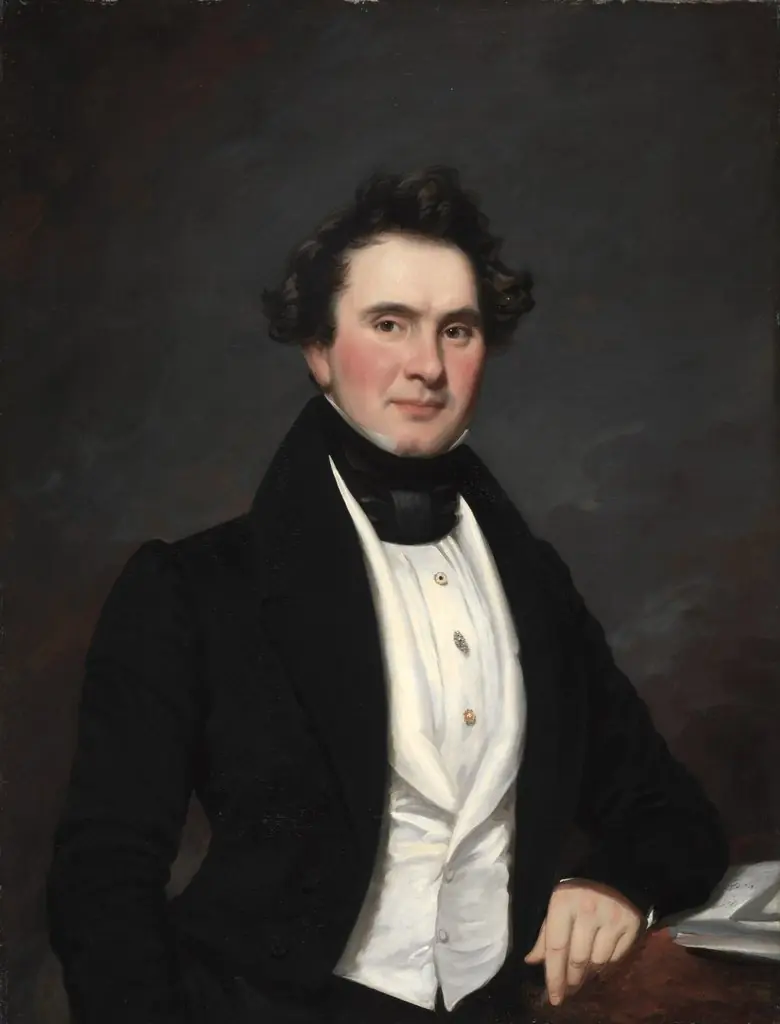
Portrait of a Man is an oil painting. It dates from 1840 and is held in the collection of the National Gallery of Art.
About this work
Subject & Meaning
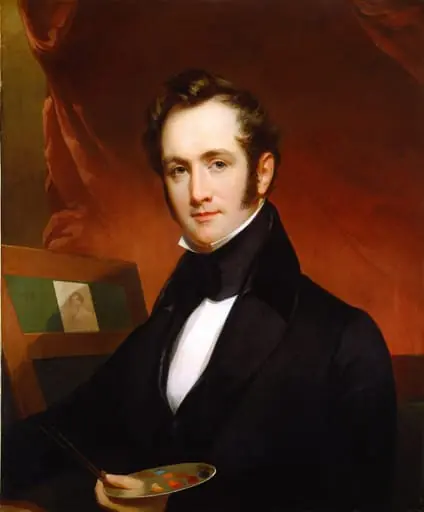
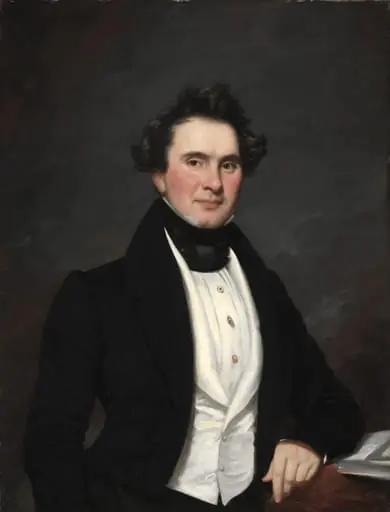
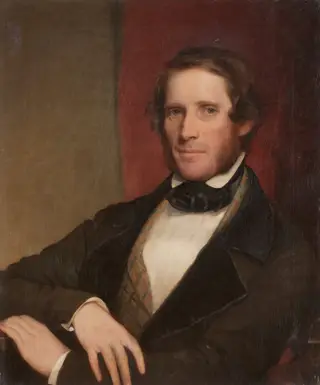
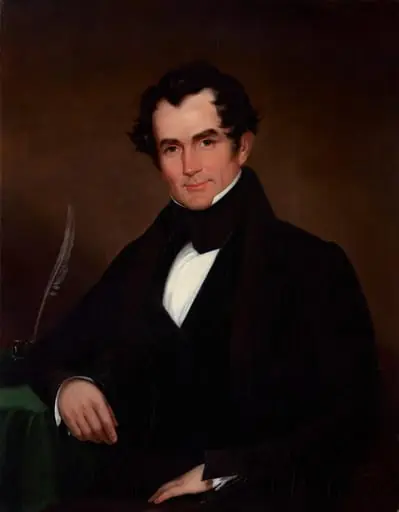
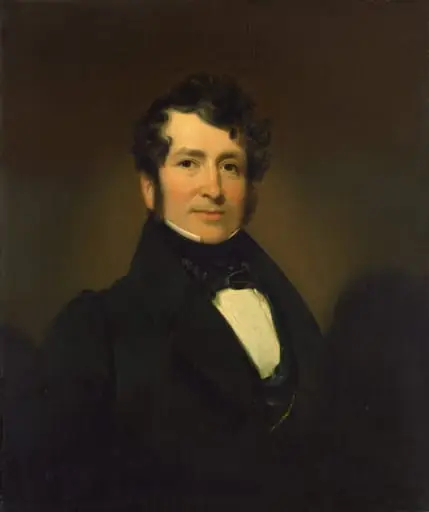
The painting portrays an unidentified male sitter, identified in the documentation as a man, characteristic of mid‑nineteenth‑century American portraiture.
The painting portrays an unidentified male sitter, identified in the documentation as a man, characteristic of mid‑nineteenth‑century American portraiture. Executed in oil on canvas in 1840, the work functions as a conventional portrait that likely sought to convey the subject’s presence and social standing. Its iconography is limited to the typical attributes of a portrait, namely the direct gaze and modest attire, without overt symbolic elements.
The portrait entered the National Gallery of Art through the Andrew W. Mellon collection, reflecting its significance within the museum’s holdings.
Technique & Style
The work is an oil painting executed on canvas, a standard support for 19th‑century American portraiture. According to the catalog entry, the piece measures 86.5 cm in height by 68.7 cm in width, confirming its modest scale typical of contemporary portrait formats. The material description lists oil paint applied to canvas, indicating the artist’s use of traditional oil‑on‑canvas technique to render the sitter.
As a portrait genre work, it depicts a male sitter, emphasizing frontal composition and restrained modeling characteristic of the period. The painting’s formal qualities thus stem from its oil medium, canvas support, and the conventional portrait dimensions recorded in the documentation.
History & Provenance
Portrait of a Man is an oil on canvas painting dated 1840 by a 19th-century American artist. It originally belonged to Rose M. de Forest (Mrs. Augustus de Forest) of New York before being acquired by Thomas B. Clarke on 11 March 1922. After Clarke’s death the work passed through his estate and was sold on 29 January 1936 via M. Knoedler & Co., New York, to the A. W. Mellon Educational and Charitable Trust in Pittsburgh, which gifted it to the National Gallery of Art, Washington, D.C., in 1947, where it is accessioned as 1947.17.37.
The painting depicts a man and measures 86.5 × 68.7 cm. No specific commission for the portrait is recorded in the available sources.
Context
Portrait of a Man, an oil on canvas dated 1840, exemplifies mid‑19th‑century American portraiture and is categorized as a portrait. Its provenance traces from Rose M. de Forest to Thomas B. Clarke and ultimately to the National Gallery of Art through the A. W. Mellon Educational and Charitable Trust in 1947. The painting is part of the National Gallery of Art’s collection in Washington, D.C., where it occupies a representative place in the institution’s holdings of American portraiture from the period.
Overview
This oil on canvas, titled Portrait of a Man, depicts a male figure seated in a chair. The subject is rendered in attire characteristic of an earlier period, contributing to a sense of historical remove. The artist employed a restrained color palette, which imbues the composition with a quiet and serene quality. The painting invites viewers to observe the sitter's composed presence.
Artist & collection