Artwork
The Ford
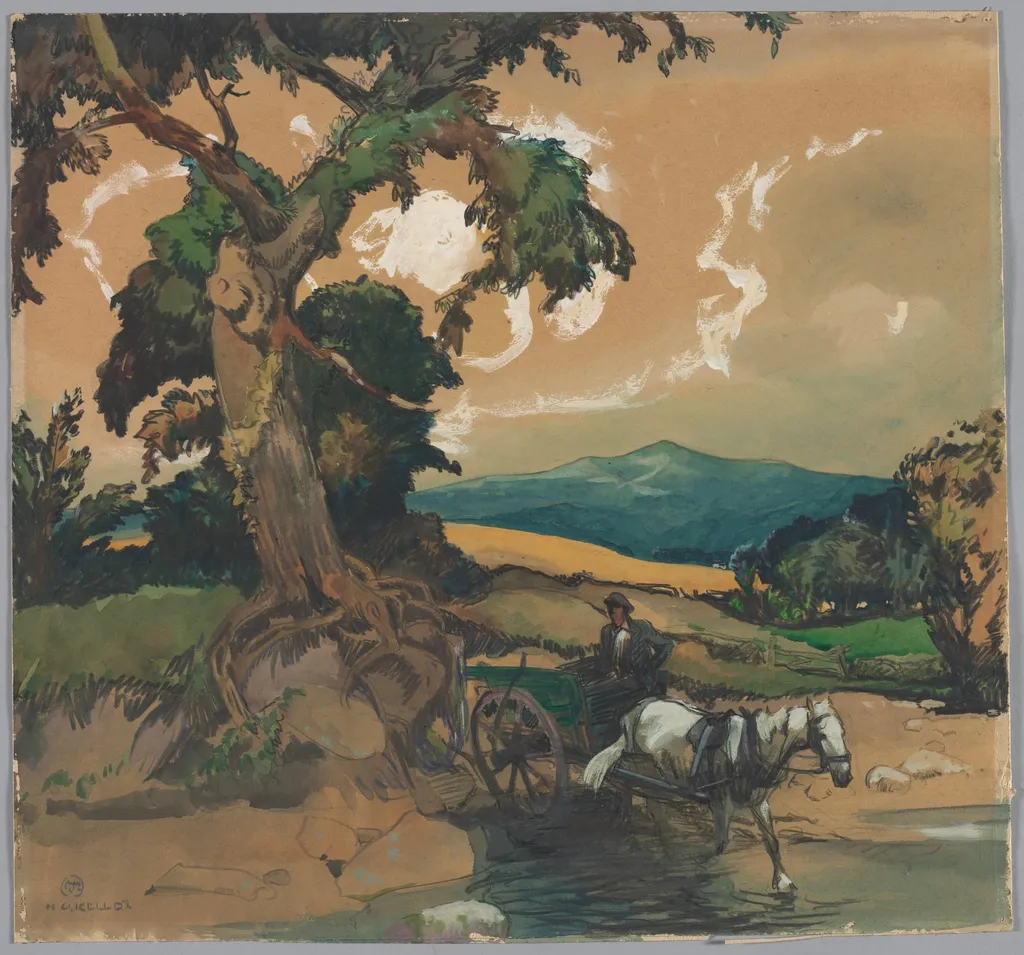
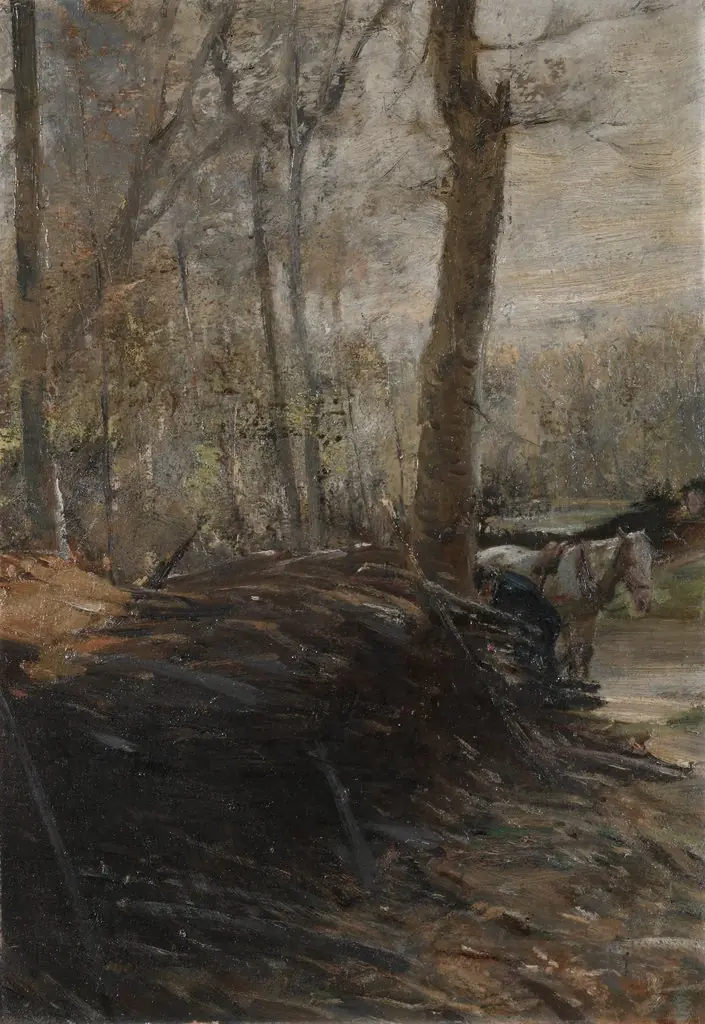
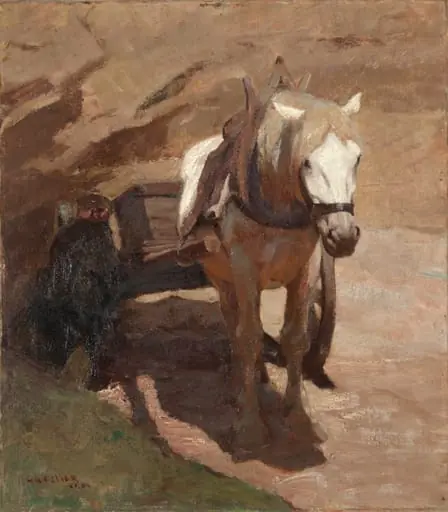
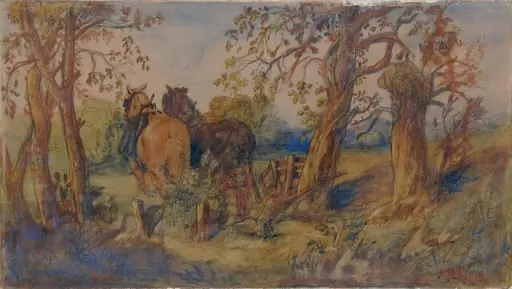
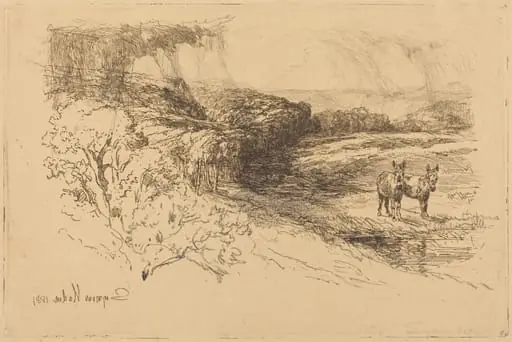
The Ford is a drawing by Henry Keller. It dates from 1919 and is held in the collection of the Cleveland Museum of Art.
- Accession no.
- 1919.876
- Credit line
- Gift of J. H. Wade
About this work
Overview
Created in 1919, The Ford is a watercolor drawing by Henry Keller, a German‑born American artist associated with the Cleveland School. The work is part of the Cleveland Museum of Art’s collection and exemplifies Keller’s mature period.
Subject & Meaning
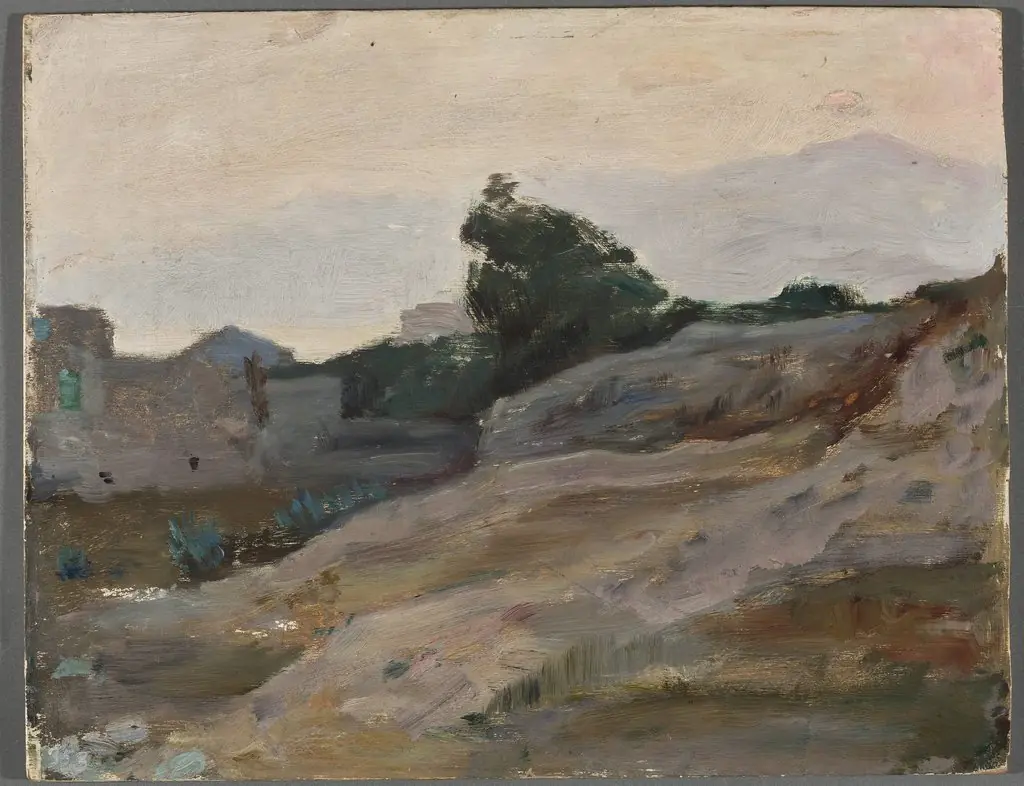
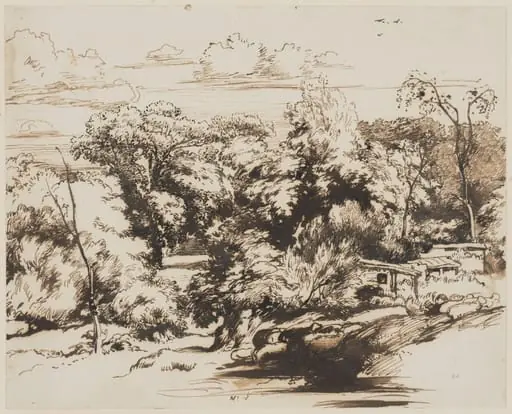
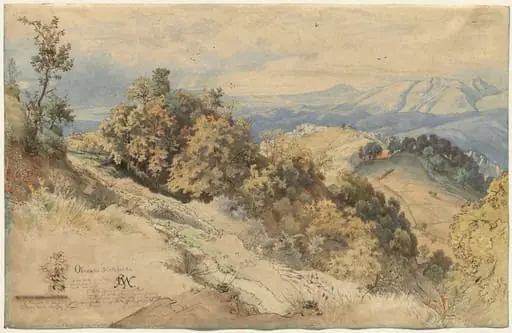
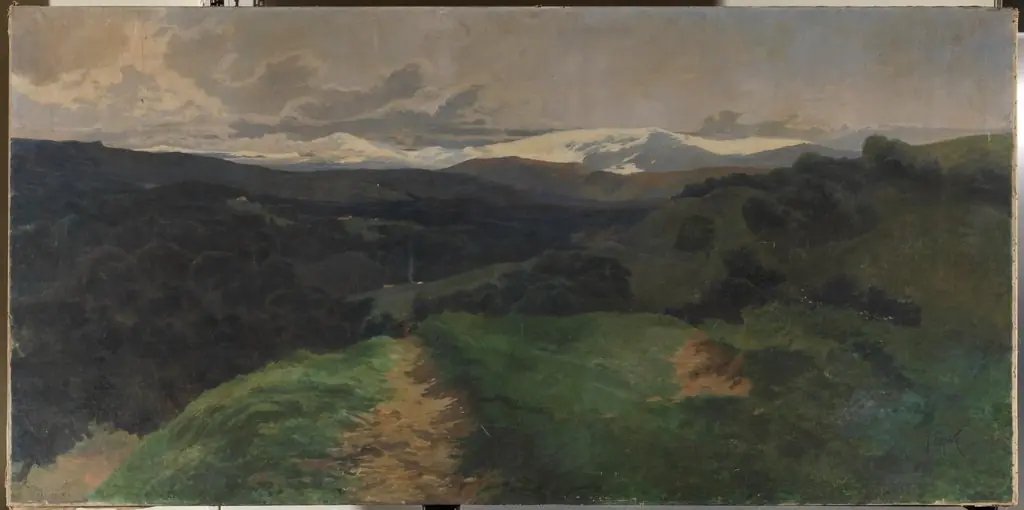
The composition depicts a tranquil rural scene: a wagon drawn by two horses rests beneath a large tree, while a solitary figure sits on the wagon. Beyond, gentle hills rise beneath a bright sky dotted with clouds, suggesting a moment of quiet repose in an agricultural landscape.
Technique & Style
Keller employs swift, fluid brushwork that conveys movement within the stillness of the setting. A palette of warm earth tones, greens, browns, and muted blues, blends to create a harmonious atmosphere, while the loose handling of watercolor adds a sense of immediacy to the scene.
History & Provenance
Born in 1869 in Germany, Keller emigrated to the United States and became a central figure in Cleveland’s artistic community. He taught watercolor techniques to students such as Charles E. Burchfield and Paul Travis, influencing a generation of regional artists. The Ford entered the Cleveland Museum of Art’s holdings, where it remains on display.
Own this work as a print
Artist & collection
Artist
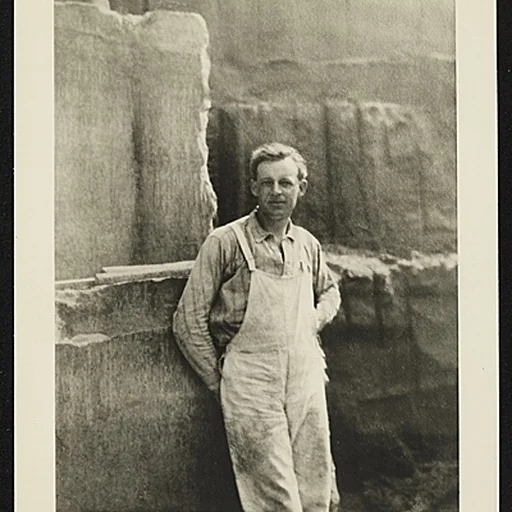
Henry George Keller (April 3, 1869 – August 3, 1949) was an American artist who led a generation of Ohio watercolor painters of the Cleveland School.