Artwork
Mural Sketch, Pastoral Study, No. 1
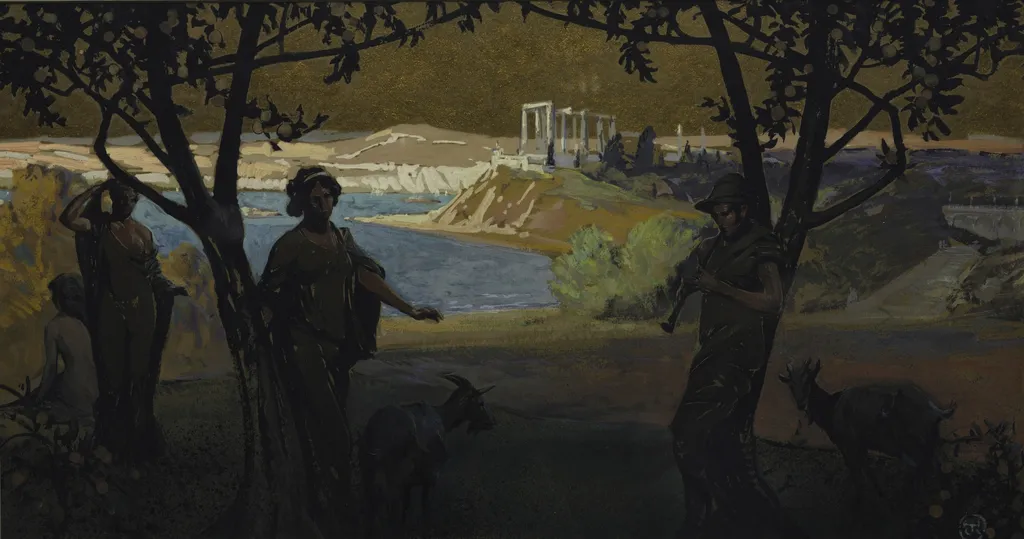
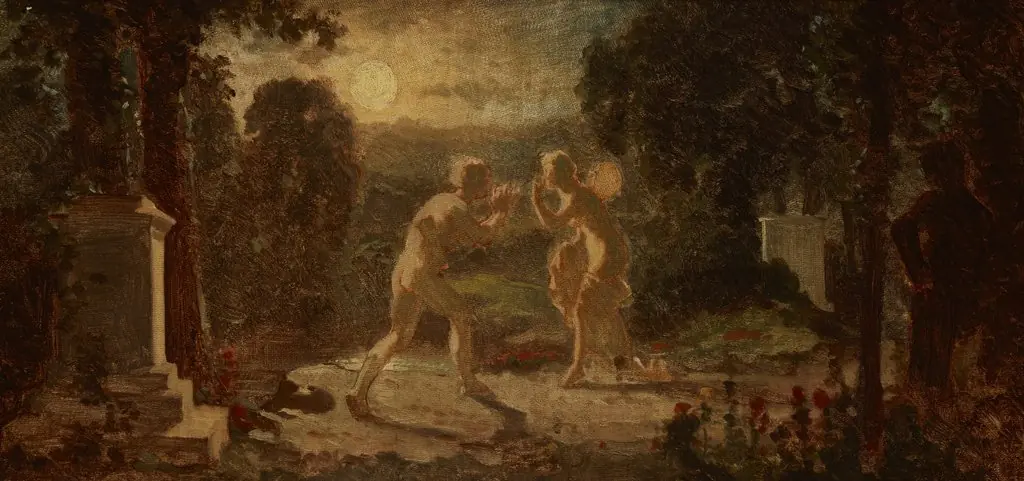
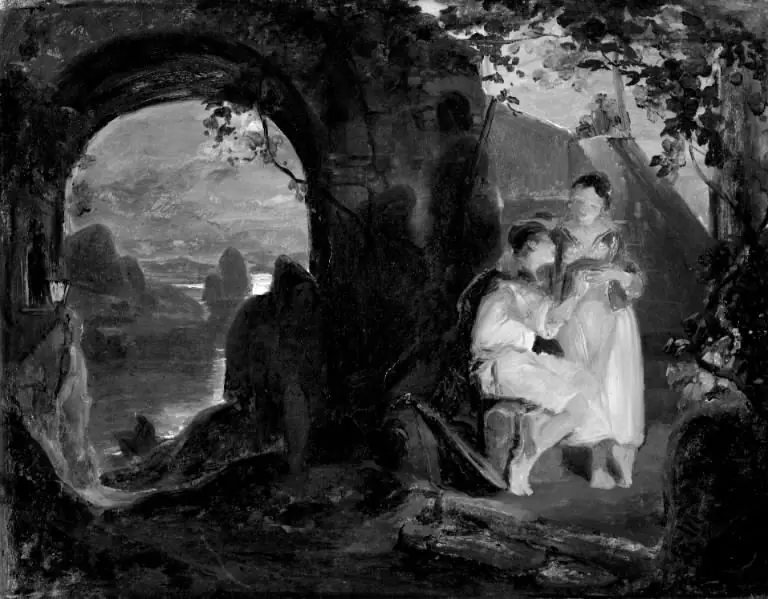
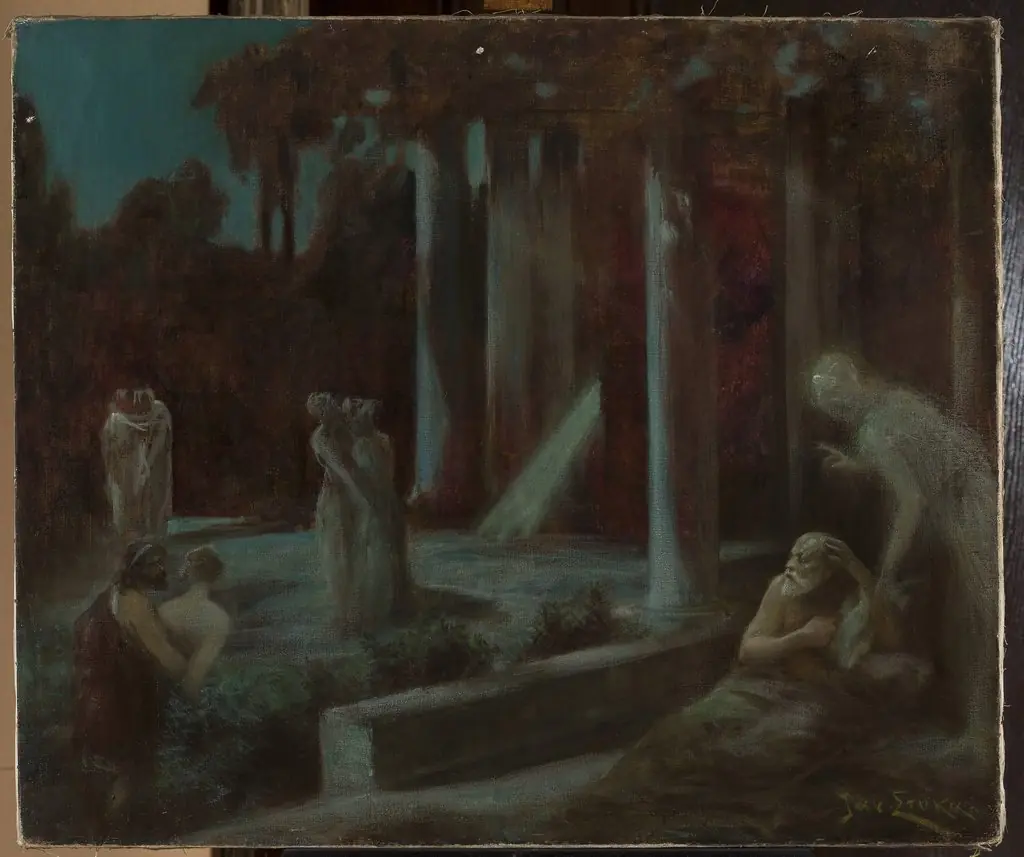
Mural Sketch, Pastoral Study, No. 1 is an unspecified painting by the Art Informel artist Henry Keller. It dates from 1920 and is held in the collection of the Cleveland Museum of Art. Mural Sketch, Pastoral Study, No.
About this work
Technique & Style
The canvas exhibits minor craquelure consistent with age but remains structurally sound, preserving the integrity of the artist's gestural application.
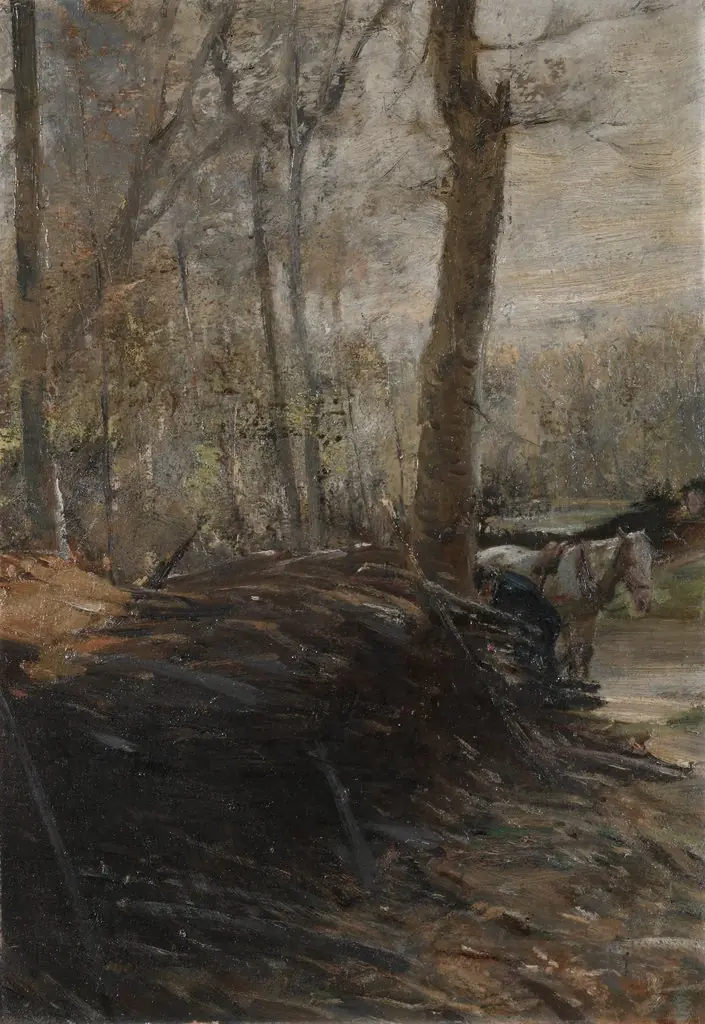
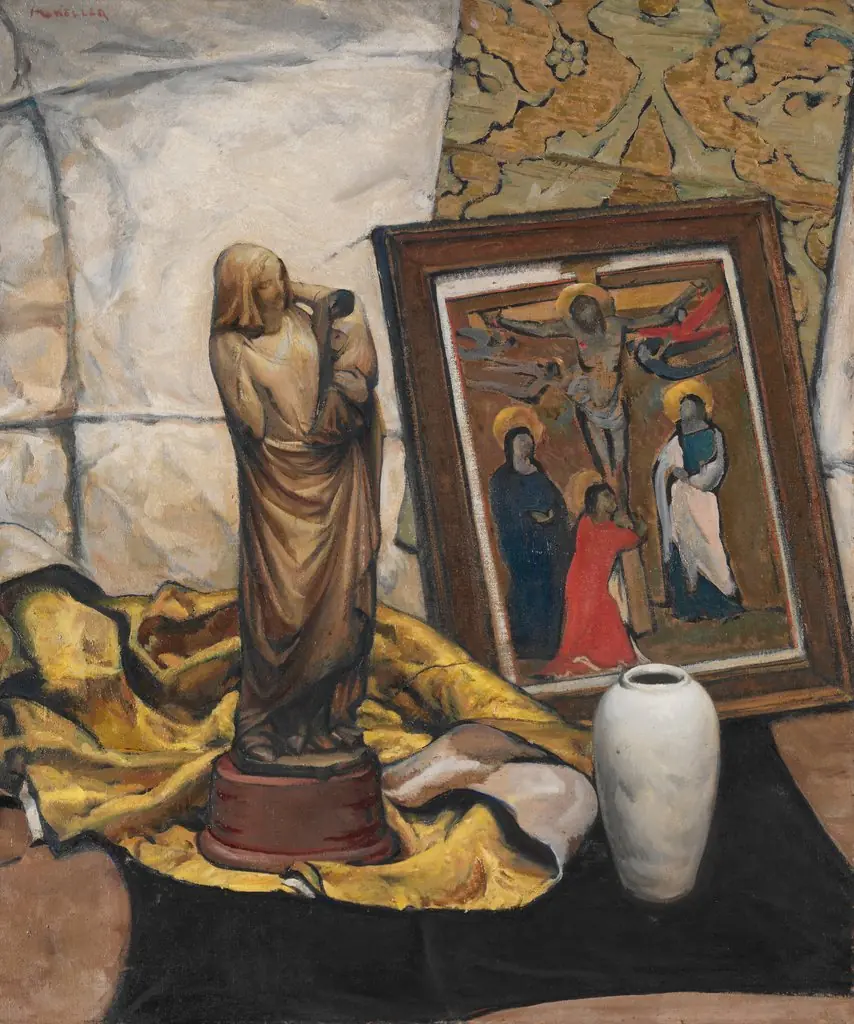
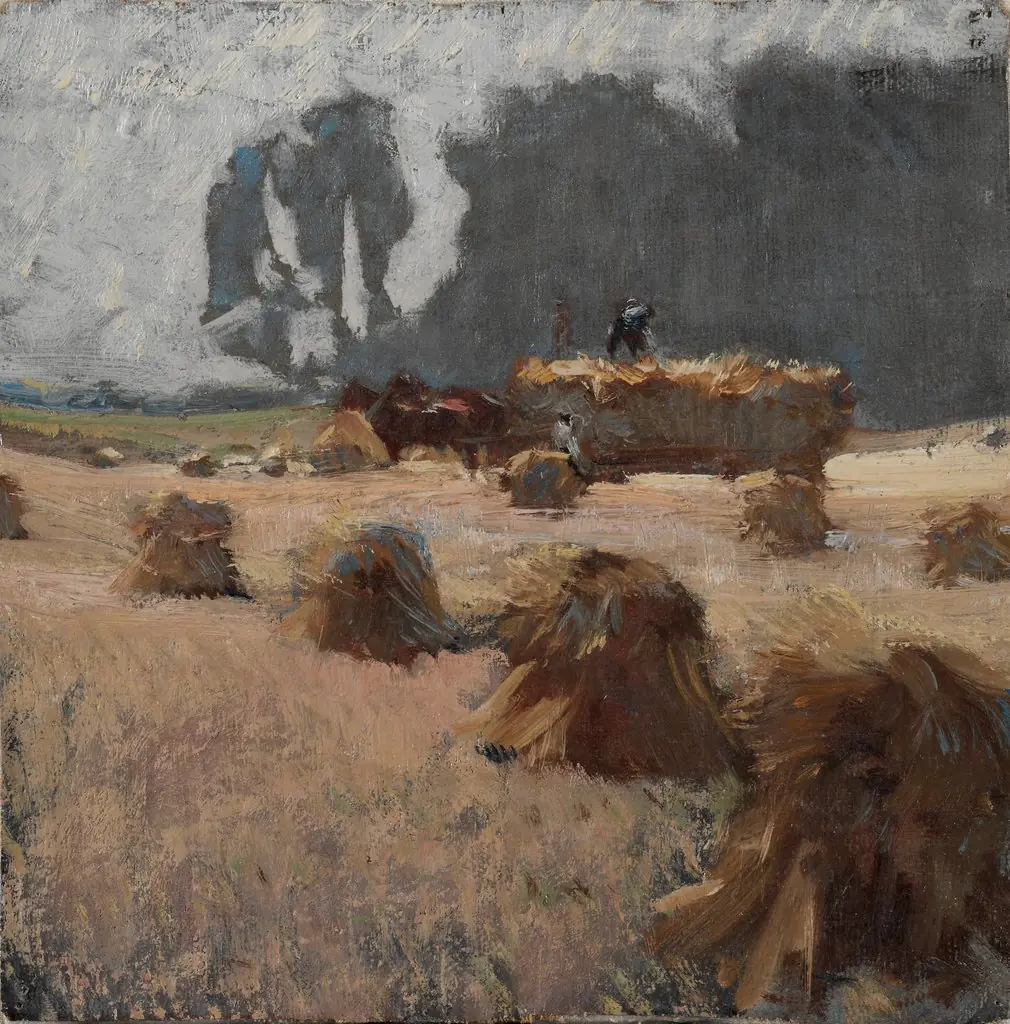
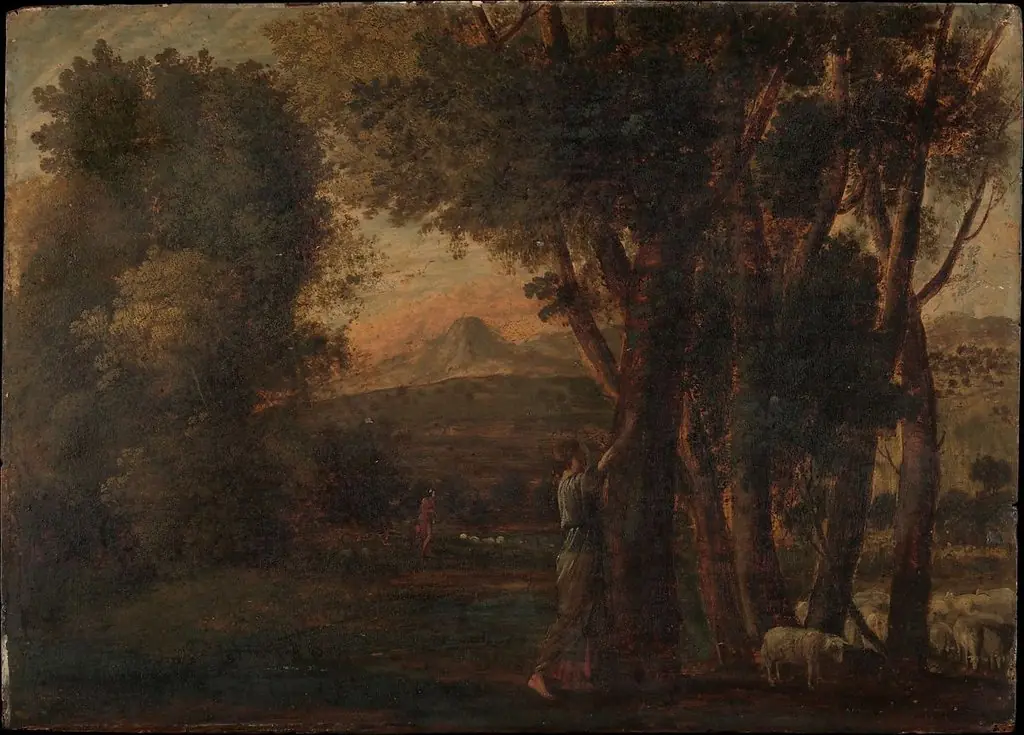
Executed in oil on canvas in 1920, this work functions as a preparatory study for a larger mural project. The painting was created in Cleveland and is characterized by a loosely rendered pastoral landscape with muted earth tones and simplified forms, reflecting Keller's synthesis of American regionalism and European modernist influences. Its loose brushwork and compositional focus on atmospheric effects demonstrate the transitional approach between easel painting and mural execution.
The canvas exhibits minor craquelure consistent with age but remains structurally sound, preserving the integrity of the artist's gestural application.
History & Provenance
Mural Sketch, Pastoral Study, No. 1 is a painting created by Henry Keller in 1920. Keller, an American artist born in Germany in 1869 and active until his death in 1949, produced this work during his tenure at the Cleveland School of Art. The piece entered the collection of the Cleveland Museum of Art, where it remains housed.
The work was made in Cleveland and is cataloged in the museum's records with an inception date of 1920. It appears in the museum's collection as item 1968.279, reflecting its formal accession and ongoing stewardship by the institution.
Mural Sketch, Pastoral Study, No. 1 is held by the Cleveland Museum of Art, where it is part of the museum's permanent collection. The work is catalogued under the inventory number 1968.279. It was created in 1920 in Cleveland, and entered the museum's holdings in 1968, as indicated by the accession year embedded in that number.
No exhibition history is documented in the available sources, and the painting has not been associated with any specific loan or temporary display beyond its presence in the Cleveland Museum of Art's collection.
Context
Henry Keller created Mural Sketch, Pastoral Study, No. 1 in 1920 while active in Cleveland's art scene, reflecting his role in American regionalist painting. The work is part of the Cleveland Museum of Art's collection, documenting his early modernist approach to pastoral subjects within the Midwest context.
Scholarship on Keller emphasizes his synthesis of European modernism with local landscapes, positioning this sketch within his broader exploration of rural American themes during the 1920s. Its inclusion in Cleveland's holdings highlights regional artistic development alongside national trends in early 20th-century American art.
Legacy
Henry Keller's 1920 Mural Sketch, Pastoral Study, No. 1, housed at the Cleveland Museum of Art, influenced regional American painting through its pastoral themes and modernist approach. Though specific exhibition history is not documented in the provided sources, its inclusion in the museum's collection established a precedent for recognizing Keller's contribution to early 20th-century American art. The work's stylistic balance between European modernism and local subject matter inspired later Ohio-based artists exploring rural landscapes.
Scholars have noted its role in shaping Keller's reputation as a bridge between traditional and modernist practices, though comprehensive assessments of its legacy remain limited in published literature. The painting's technical composition and thematic focus on agrarian life reflect broader cultural dialogues about American identity during the interwar period.
The work is part of the Cleveland Museum of Art's permanent collection, affirming its institutional significance.
Overview
Mural Sketch, Pastoral Study, No. 1, created by Henry Keller in 1920, is a watercolor painting that embodies the informal and gestural characteristics of the art informel movement.
Subject & Meaning
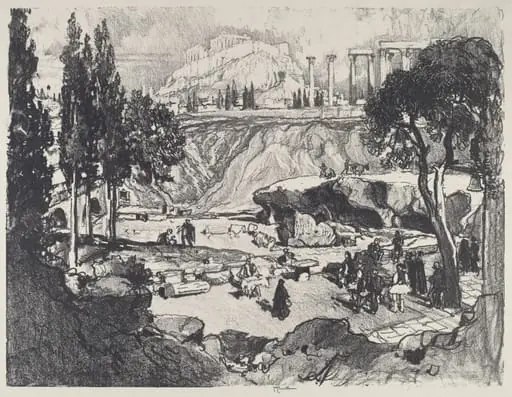
The painting juxtaposes two contrasting scenes: a group of dark, shadowy figures under a tree in a dim forest, and a vibrant, sunlit background featuring rolling hills, water, and ancient ruins with columns. This stark contrast between light and dark may symbolize the interplay between obscurity and illumination.
Artist & collection
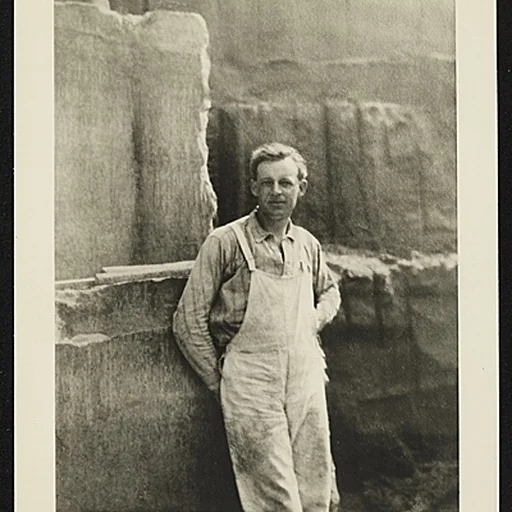
Artist
Henry George Keller (April 3, 1869 – August 3, 1949) was an American artist who led a generation of Ohio watercolor painters of the Cleveland School.