Artwork
Mrs. John Cox (Mrs. Thankful Harris Gore)
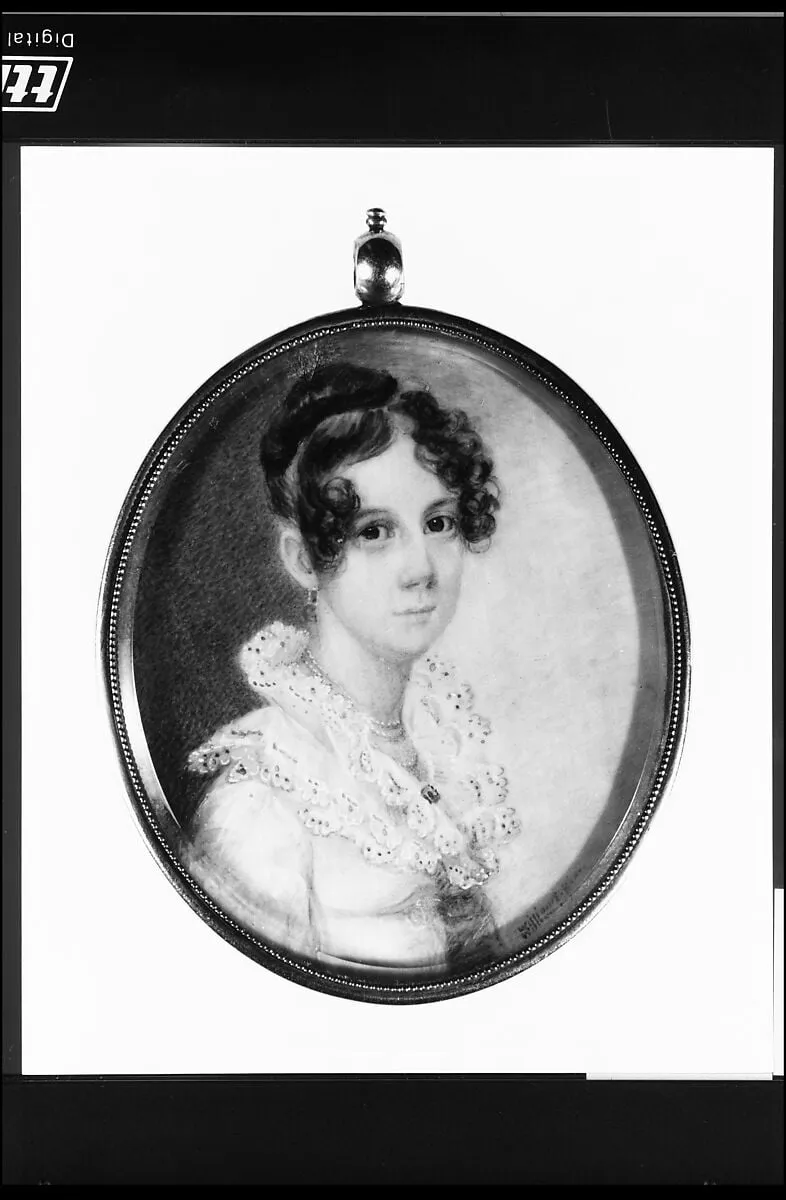
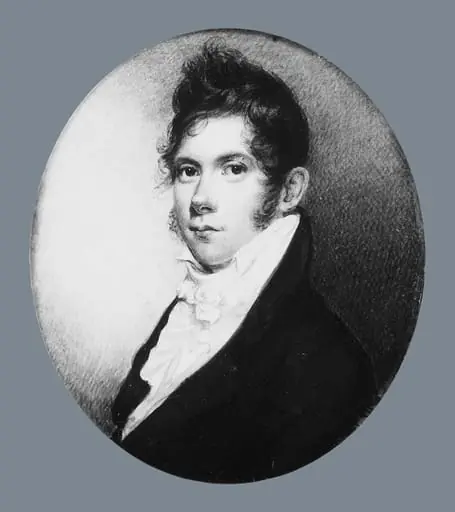
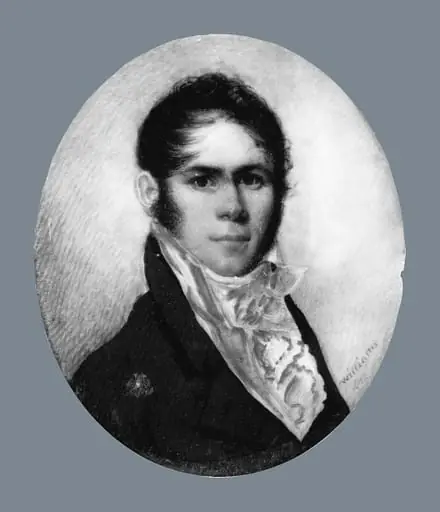
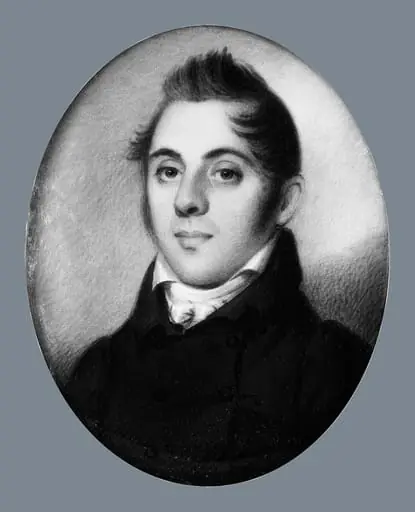
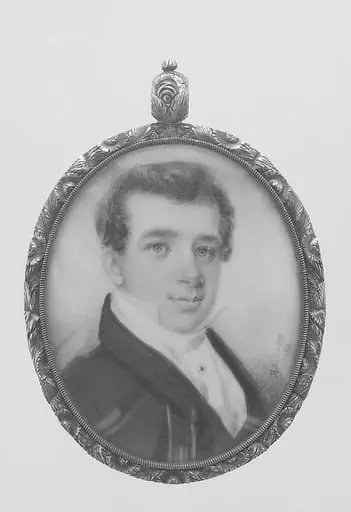
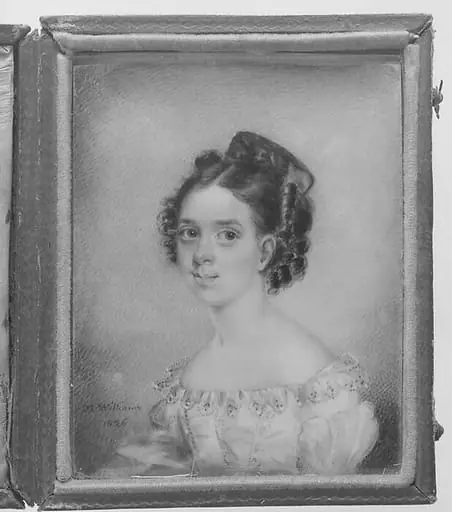
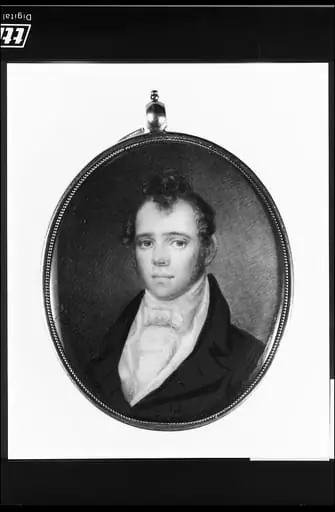
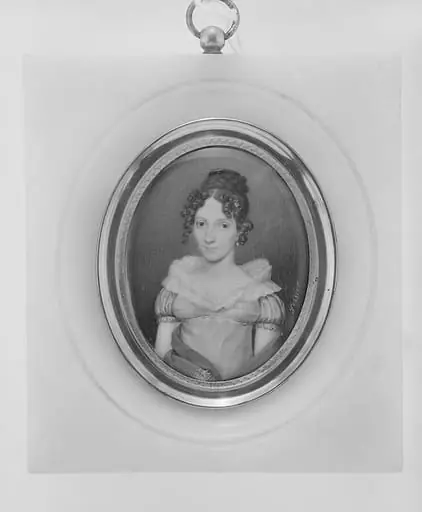
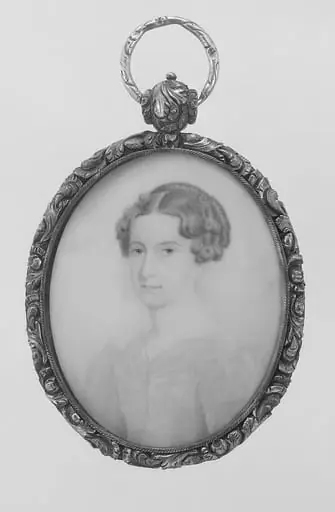
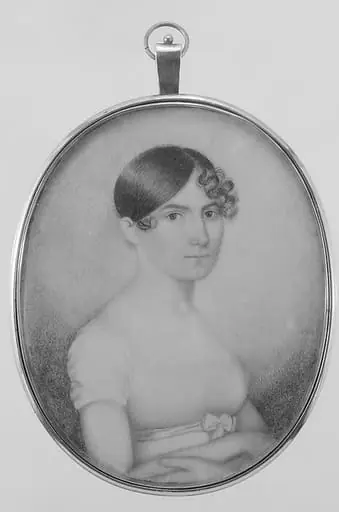
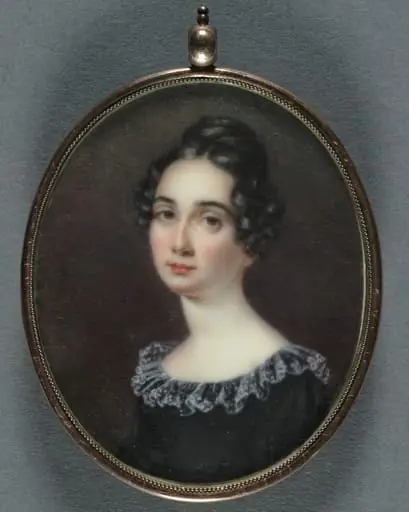
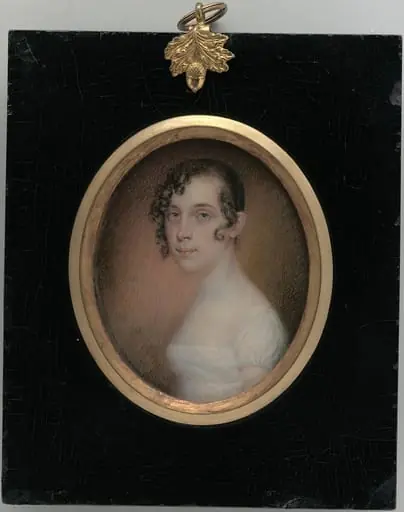
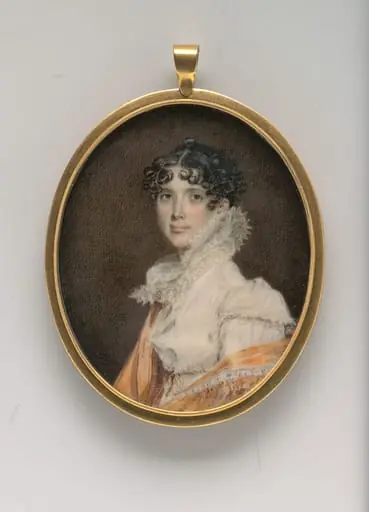
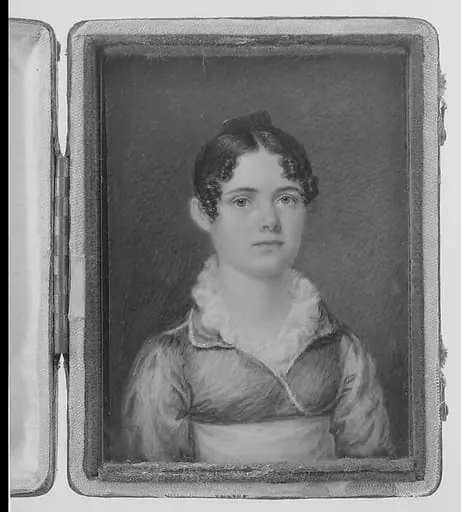
Mrs. John Cox (Mrs. Thankful Harris Gore) is a watercolor painting by the American Folk Art artist Henry Williams. It dates from 1810 and is held in the collection of the Metropolitan Museum of Art.
About this work
Subject & Meaning
Thankful Harris Gore, as a young woman of the early nineteenth-century American elite.
The painting portrays Mrs. John Cox, also known as Mrs. Thankful Harris Gore, as a young woman of the early nineteenth-century American elite. Rendered in watercolor on ivory by Henry Williams in 1810, the work belongs to the portrait genre and is housed in The American Wing of the Metropolitan Museum of Art. Its depiction of a single female sitter functions as a visual record of personal identity and social standing, reflecting the sitter's place within contemporary family and civic structures.
As a portrait, the image conveys the subject's status through conventional composition and dress, serving both as an artistic achievement and a historical document of gendered representation in early America.
Technique & Style
The portrait was executed in watercolor on a thin ivory panel, a support typical of early American miniatures that provides a smooth, slightly translucent ground. Henry Williams applied thin, layered washes to build up delicate tonal gradations, using fine brushwork to render the sitter's facial features and the lace-trimmed collar with soft modeling that preserves the ivory's natural sheen. The compact format, measuring approximately 6.3 × 5.1 cm, emphasizes a tightly cropped head-and-shoulders composition, while the restrained palette of muted pinks and blues conveys a genteel, intimate presence.
History & Provenance
Mrs. John Cox (Mrs. Thankful Harris Gore) is a watercolor portrait painted in 1810 by Henry Williams. The work was created as a likeness of Mrs. John Cox, née Thankful Harris Gore, and is held in the American Wing of the Metropolitan Museum of Art. No specific accession or inventory number is disclosed in the available documentation, and no exhibition history is recorded in the referenced sources.
Legacy
The painting is housed in The American Wing of the Metropolitan Museum of Art, a location that signals its recognition as an important example of early American portraiture. Its identification as a watercolor on ivory by Henry Williams, created in 1810, is recorded in the museum's internal catalogue, underscoring its relevance to studies of gender representation in the period. The work's presence in a leading American art institution reflects its lasting reputation within the field of early American art.
Overview
This miniature portrait, created around 1810 by Henry Williams, depicts Mrs. Thankful Harris Gore, also known as Mrs. John Cox. Executed in watercolor on ivory, it presents a detailed likeness of the sitter. Such small-scale works were popular during the early 19th century, serving as personal mementos. The artist captures the subject with a direct gaze, characteristic of the period's portraiture.
Context
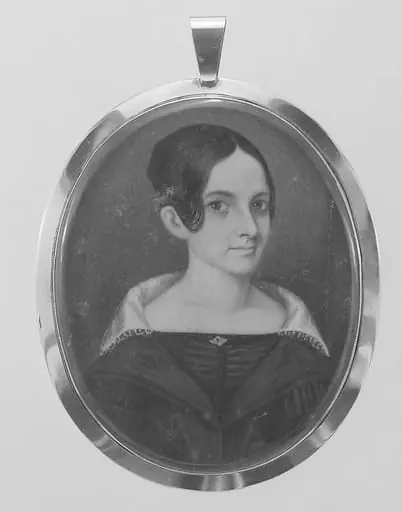
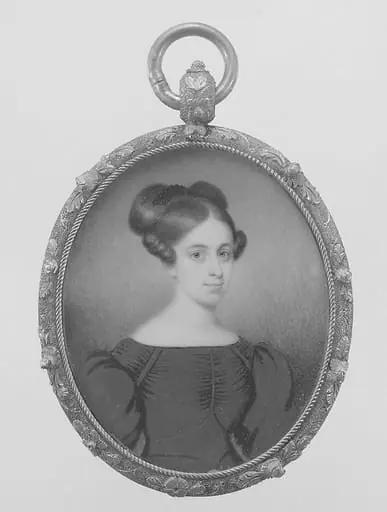
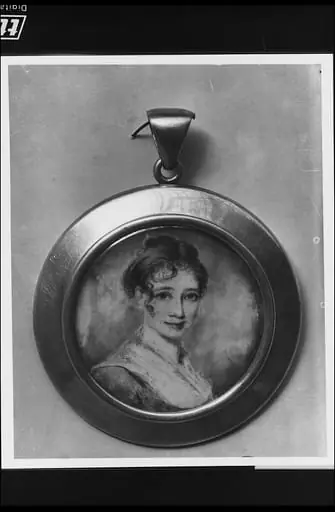
Miniature portraits served a similar function to modern photographs, allowing individuals to carry images of loved ones or to commemorate significant life events. These intimate objects were typically commissioned by affluent patrons, reflecting their social standing and personal connections. The small format made them ideal for private display or as sentimental keepsakes, often worn as jewelry or kept in small cases.
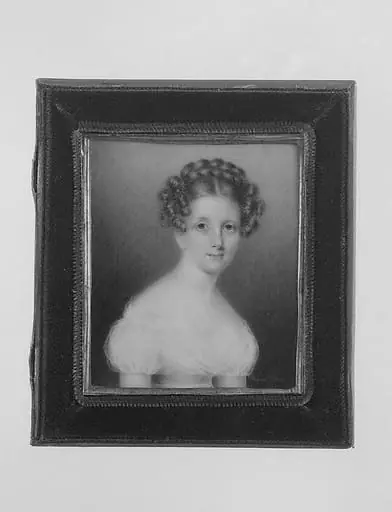
Artist & collection

Artist
Henry Williams had a habit of turning people’s faces into tiny mirrors, his watercolors on ivory are so precise you can count the threads in a coat’s weave.