Artwork
Edward Coverly
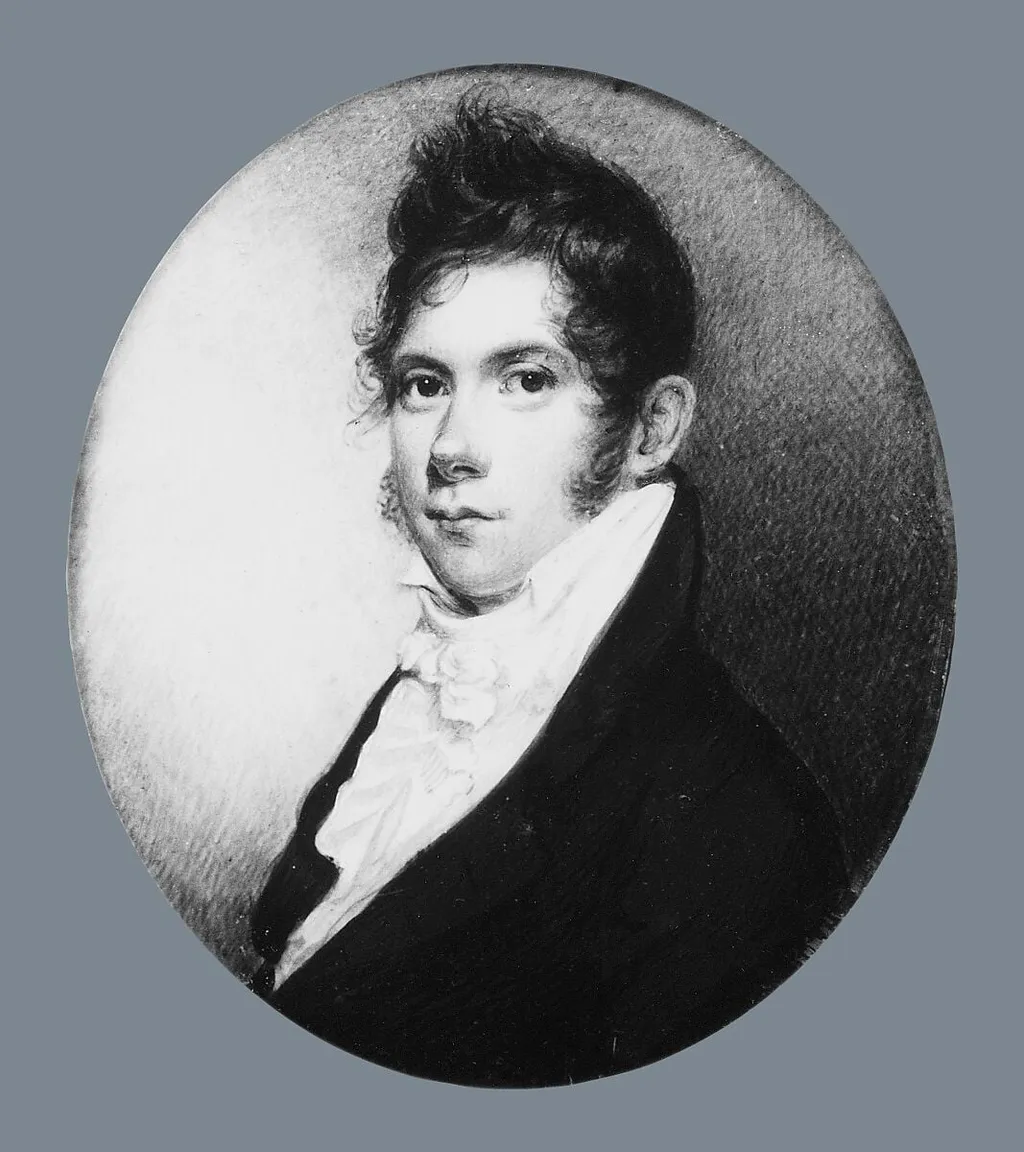
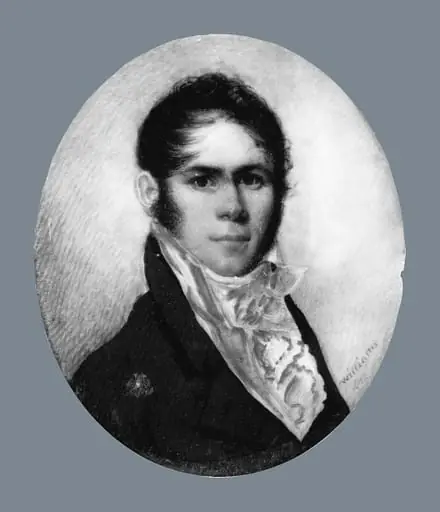
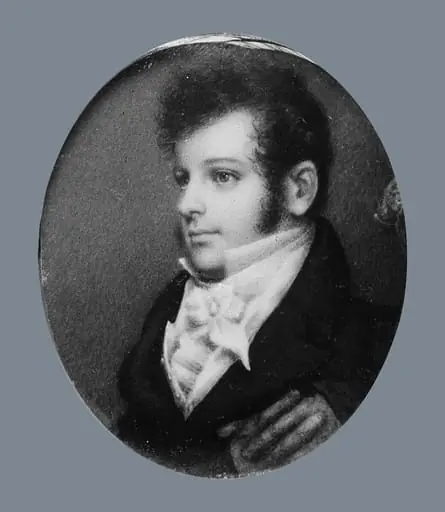
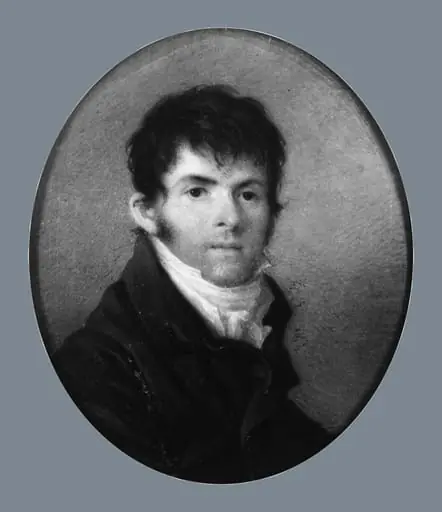
Edward Coverly is a watercolor painting by the American Folk Art artist Henry Williams. It dates from 1812 and is held in the collection of the Metropolitan Museum of Art.
- Accession no.
- 15.65
- Credit line
- Amelia B. Lazarus Fund, 1915
About this work
Subject & Meaning
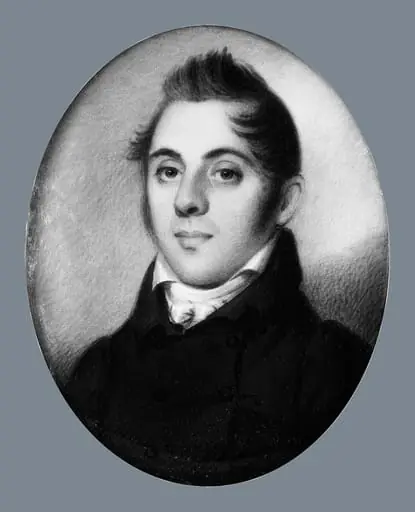
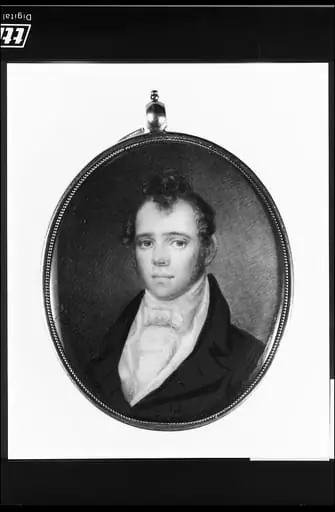
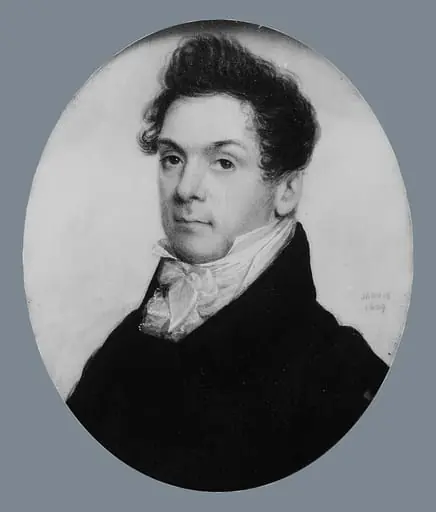
The portrait Edward Coverly depicts a man presented in a frontal, three-quarter view typical of early nineteenth-century miniature portraiture.
The portrait Edward Coverly depicts a man presented in a frontal, three-quarter view typical of early nineteenth-century miniature portraiture. Rendered in watercolor on ivory by Henry Williams in 1810, the image emphasizes the sitter’s facial features and attire to convey individual identity and social standing. As a genre portrait, the work foregrounds the subject’s presence without overt allegorical or narrative elements, aligning with the conventions of elite portraiture in the United States during this period.
Technique & Style
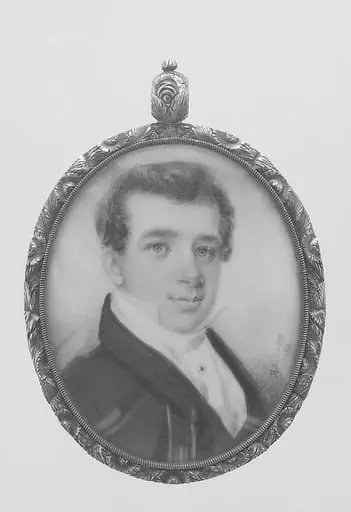
Edward Coverly is executed in watercolor on ivory, a miniaturist's combination that allowed for fine, luminous detail on a small scale. The work measures 7.8 by 6.7 centimeters, a compact format consistent with early nineteenth-century portrait miniatures intended for intimate viewing. Its classification within the Metropolitan Museum of Art's American Wing reflects the period's transatlantic portrait tradition, in which watercolor washes built up over the smooth ivory support produced the soft modeling and delicate flesh tones characteristic of the medium.
The portrait genre and small dimensions further indicate a finely handled, closely observed likeness rather than a large-scale formal composition.
Overview
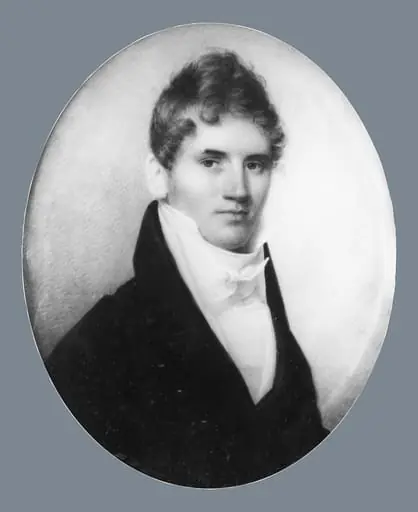
Edward Coverly is a watercolor miniature on ivory created by Henry Williams in 1812. The work depicts a young man presented in a bust-length format, characterized by a dark coat and a high white collar. Executed in the traditional miniature style, the portrait is painted on a small, circular ivory support, a material favored for its smooth texture and ability to reflect light through the paint layers.
Williams employed the technique of glazing, applying thin, translucent layers of watercolor to model the facial features and achieve a soft, luminous complexion. This format was typical for personal portraiture in the early 19th century, designed to be worn as jewelry or kept in a locket or pocket as a private memento. The piece exemplifies the refined craftsmanship of the Regency era, where artists specialized in capturing likeness on a diminutive scale with meticulous detail.
As a specific work by Henry Williams, it contributes to the understanding of his output in portraiture during this period, reflecting the enduring popularity of ivory miniatures before the widespread adoption of photography.
Context
Miniature portraits like "Edward Coverly" were highly personal objects, distinct from larger, more formal oil paintings. Their compact size made them ideal for portability, often set into lockets, brooches, or small cases. They served as cherished keepsakes, allowing individuals to carry images of family members or loved ones, reflecting the sentimental customs of the period.
Artist & collection

Artist
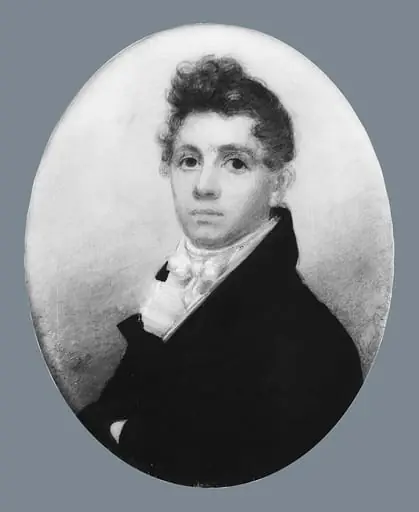
Henry Williams had a habit of turning people’s faces into tiny mirrors, his watercolors on ivory are so precise you can count the threads in a coat’s weave.