Artwork
Christian Golgotha, sketch
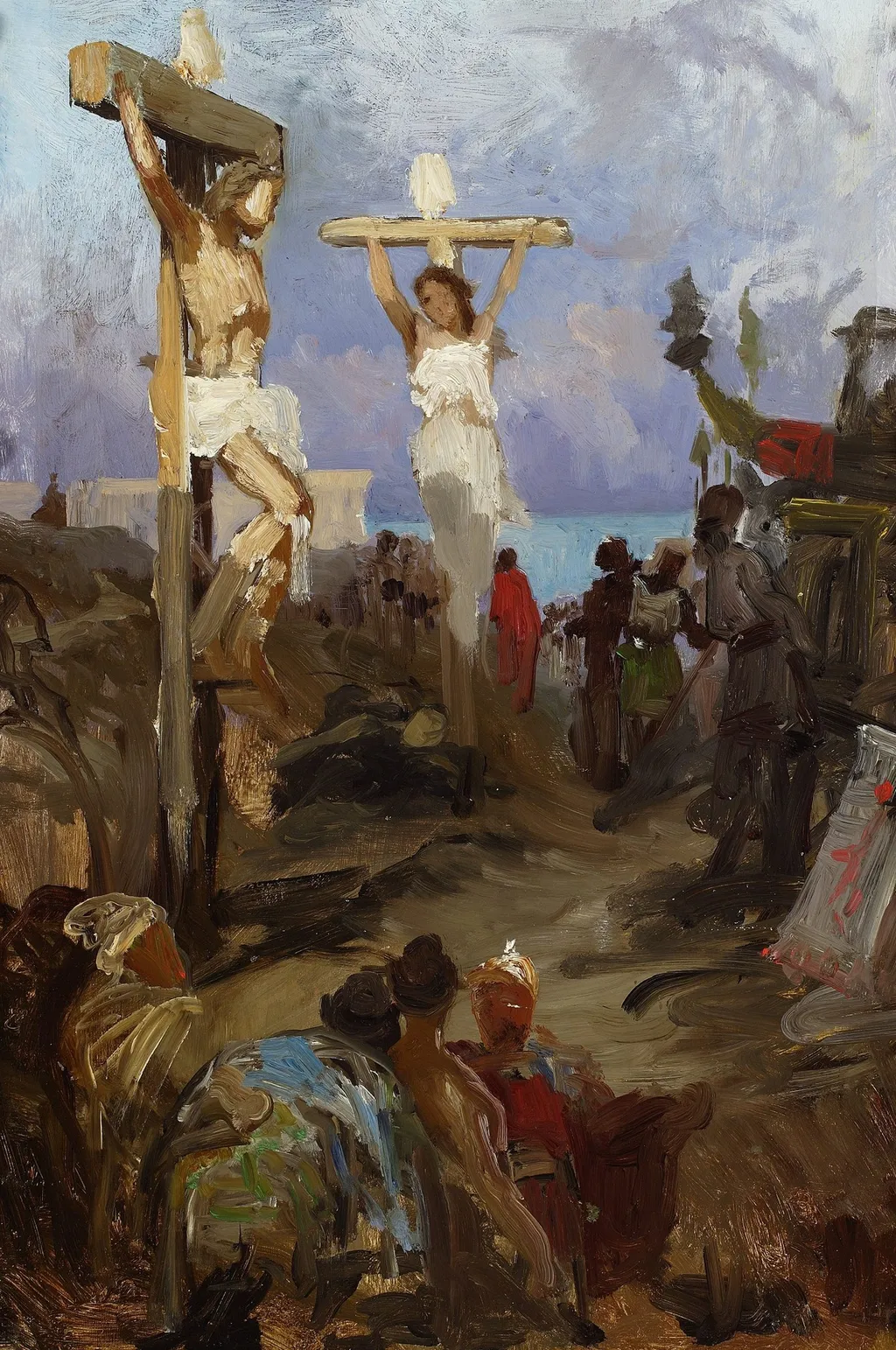
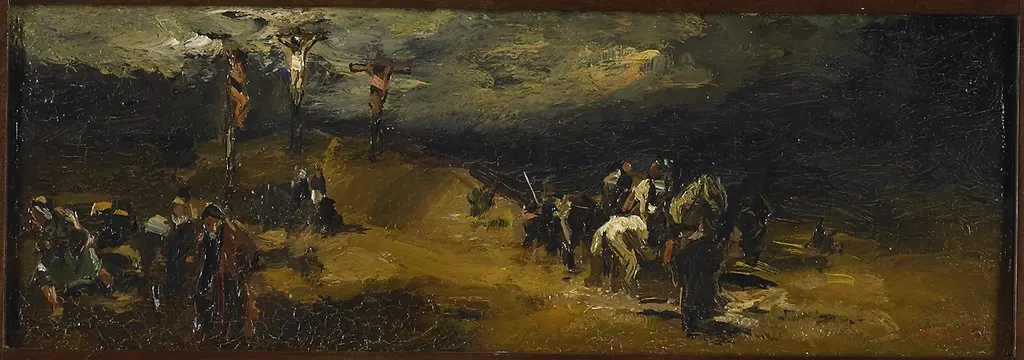
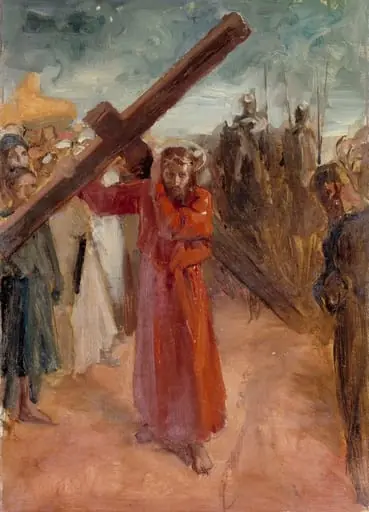
Christian Golgotha, sketch is an oil painting by the Post-Impressionist artist Henryk Siemiradzki. It dates from 1890 and is held in the collection of the National Museum in Warsaw.
About this work
Overview
Created in 1890, this oil sketch by Henryk Siemiradzki is a preparatory study for a larger religious composition. It belongs to a body of work centered on early Christian martyrdom, reflecting the artist’s prolonged engagement with biblical themes during his years in Rome. Though unfinished, the piece conveys a deliberate emotional weight through its restrained palette and focused composition.
Subject & Meaning
The foreground figure dominates the composition, while the second, partially obscured, suggests a broader context of persecution.
The scene portrays two figures crucified on crosses, set against a brooding sky. The foreground figure dominates the composition, while the second, partially obscured, suggests a broader context of persecution. Siemiradzki avoids overt drama, instead emphasizing quiet suffering and spiritual gravity. The work reflects a 19th-century interest in historical authenticity and moral solemnity within Christian narratives.
Technique & Style
Siemiradzki employs chiaroscuro to model forms and deepen spatial recession, contrasting illuminated flesh against a near-black background. Brushwork is loose in places, consistent with its status as a sketch, yet controlled enough to define anatomical structure. The palette is muted, ochres, umbers, and slate grays, reinforcing the scene’s somber tone without decorative flourish.
History & Provenance
The sketch entered the collection of the National Museum in Warsaw, where it remains today. It was likely produced during Siemiradzki’s time in Rome, where he studied ancient architecture and Christian iconography. As a preparatory work, it was not exhibited publicly in his lifetime but was preserved as part of his artistic process and later recognized for its historical value.
Context
Siemiradzki worked within a European tradition that fused classical aesthetics with religious subject matter. His focus on early Christian martyrdom aligned with broader 19th-century scholarly interest in reconstructing ancient life. Unlike Romantic depictions of martyrdom, his approach favored archaeological precision and restrained emotion, reflecting academic ideals of the time.
Legacy
Though less known than his finished large-scale works, this sketch reveals Siemiradzki’s methodical approach to composition and lighting. It contributes to understanding how 19th-century Polish artists engaged with international academic traditions. Today, it serves as a document of artistic process and a quiet testament to the persistence of religious themes in secular art contexts.
Own this work as a print
Artist & collection
Artist
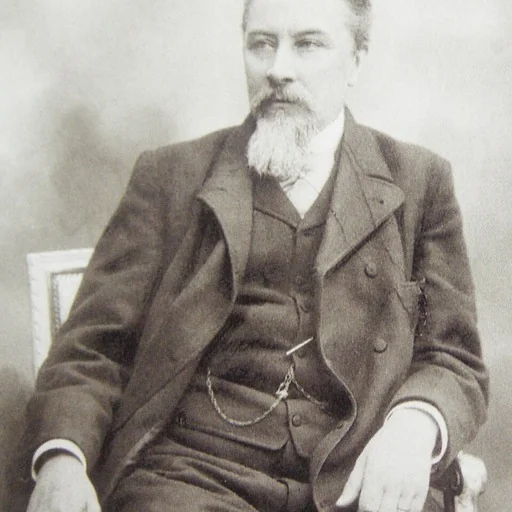
Henryk Hektor Siemiradzki (24 October 1843 – 23 August 1902) was a Polish painter.

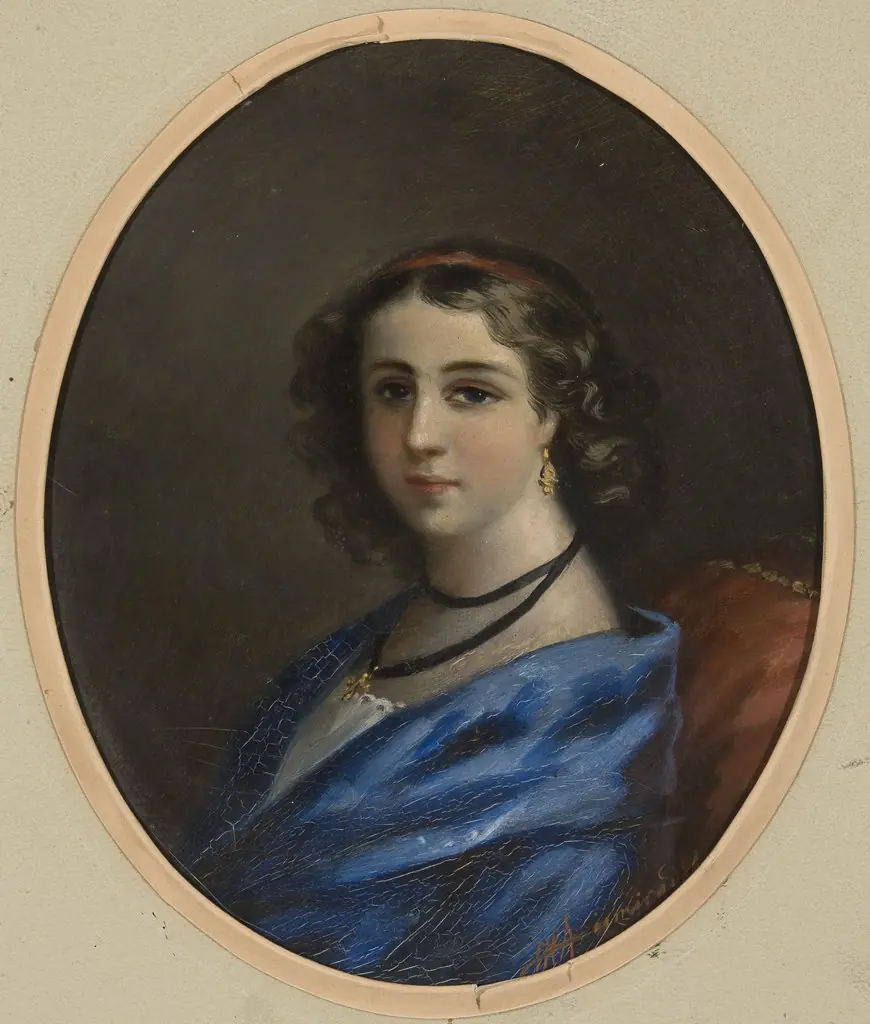 Portrait of a woman
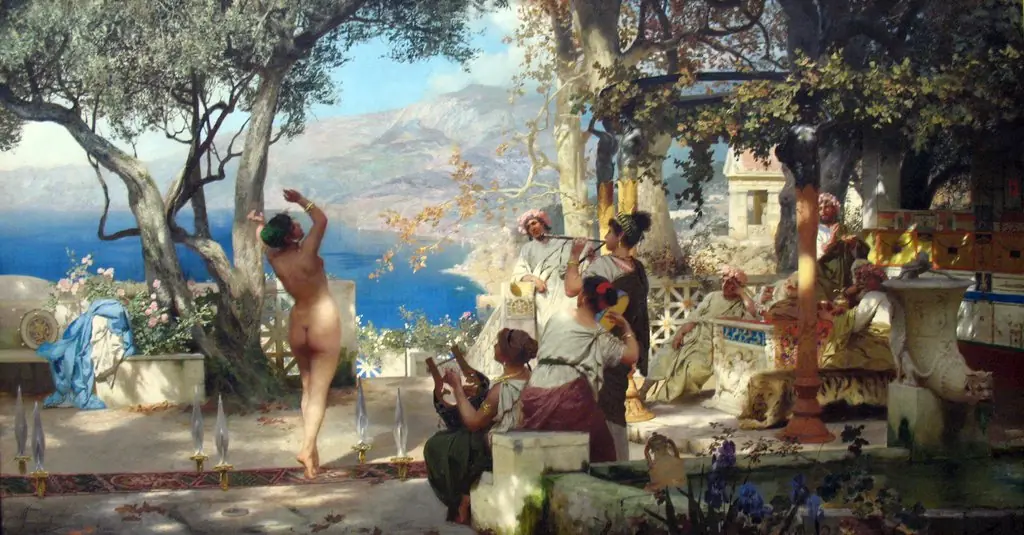 Dance amongst swords
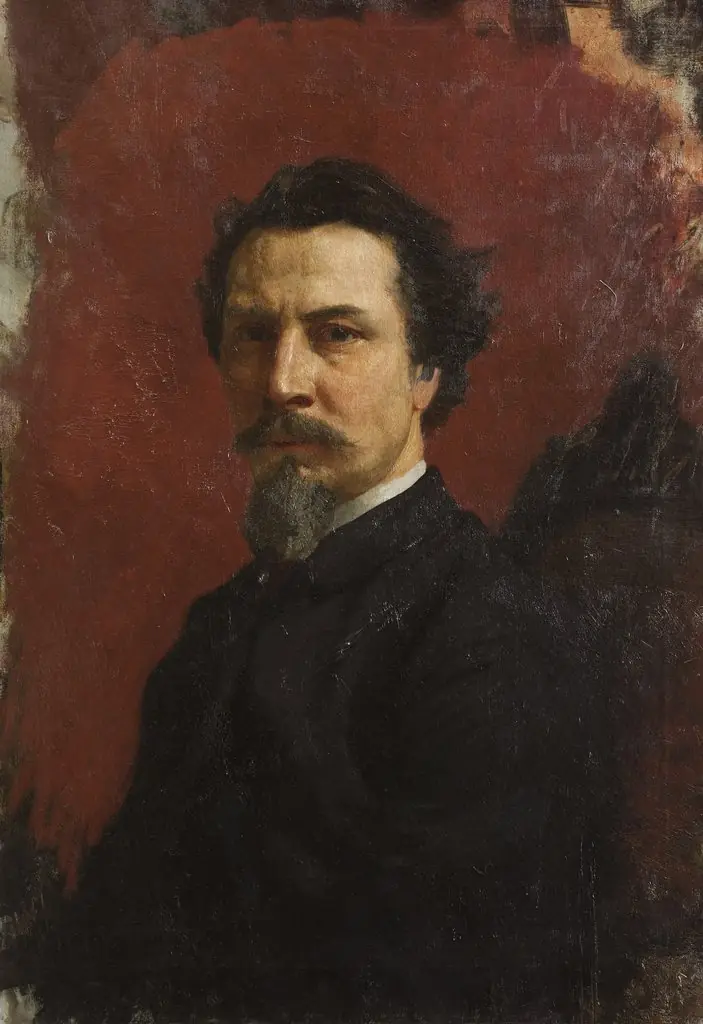 Self-Portrait
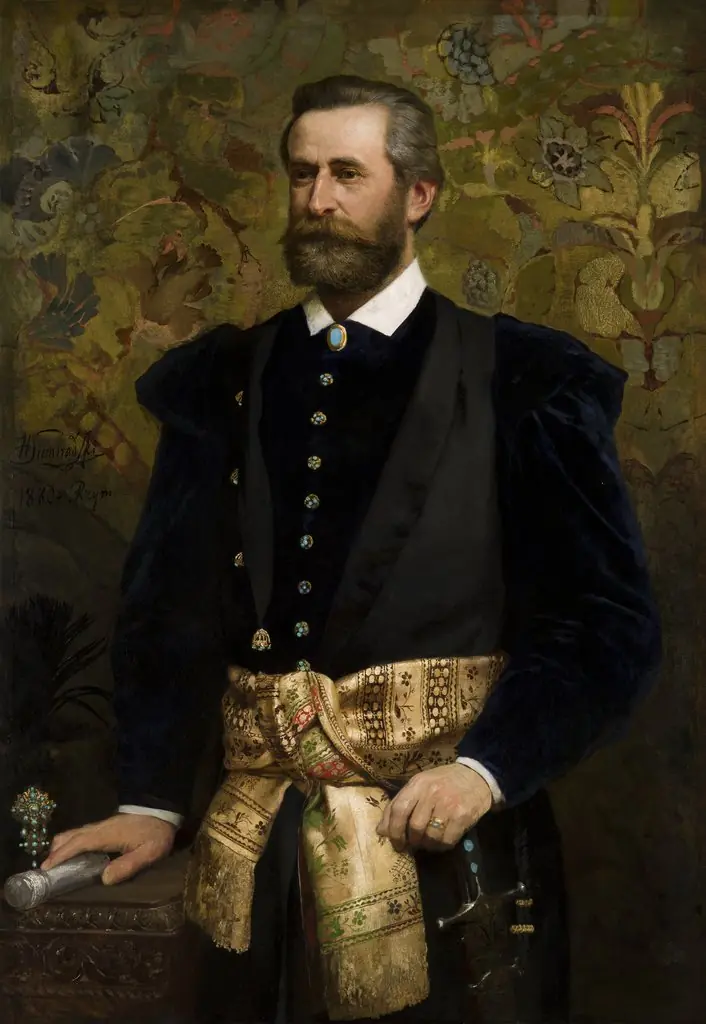 Portrait of Ludwik Wodzicki (1834–1894), Marhal of the Galician Seym
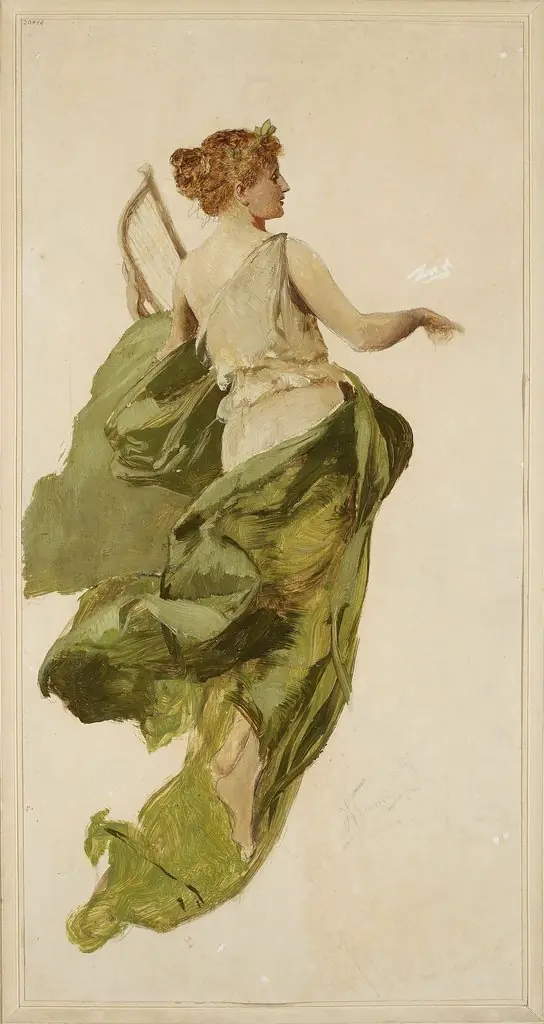 Allegory of Music, sketch for the project of the stage curtain of the Słowacki Theatre in Kraków
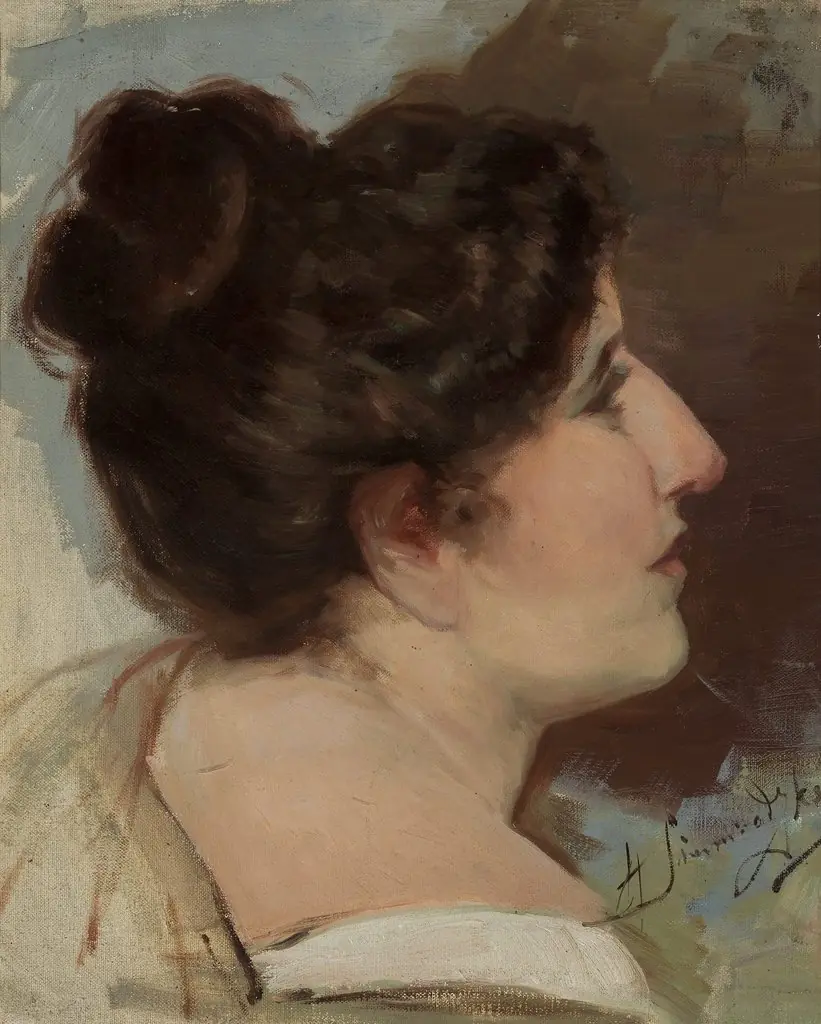 Study of a head
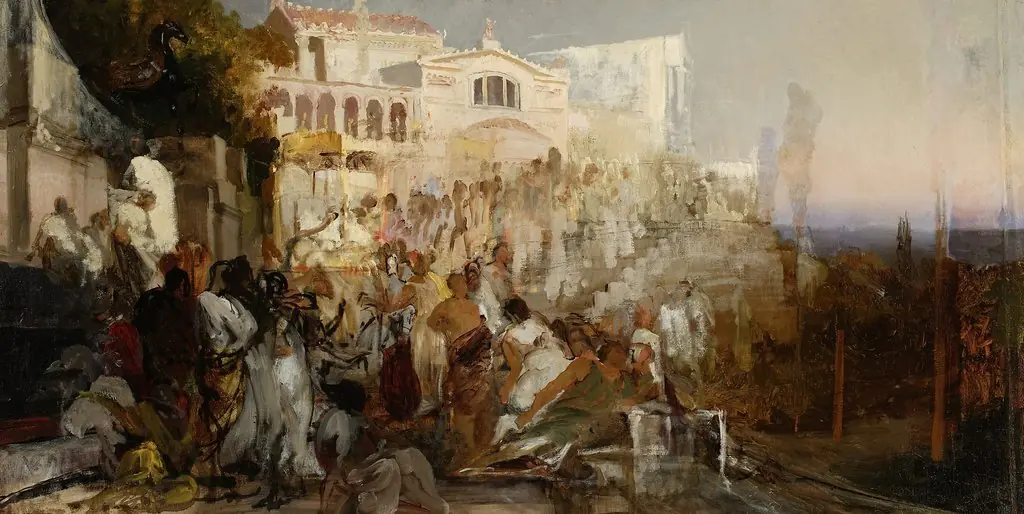 Candlesticks of Christianity, sketch
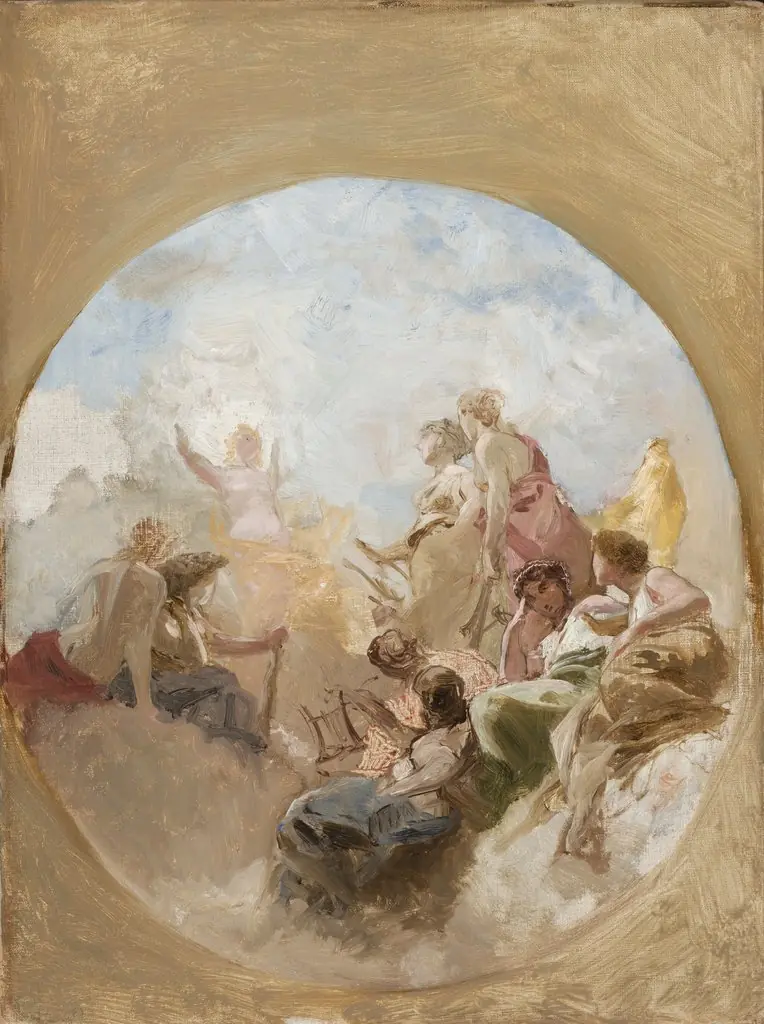 "Aurora" ("Goddess of the Dawn") – Sketch to a Plafon at the House of Jura Nieczajew-Malcew in Sanktt Petersburg