Artwork
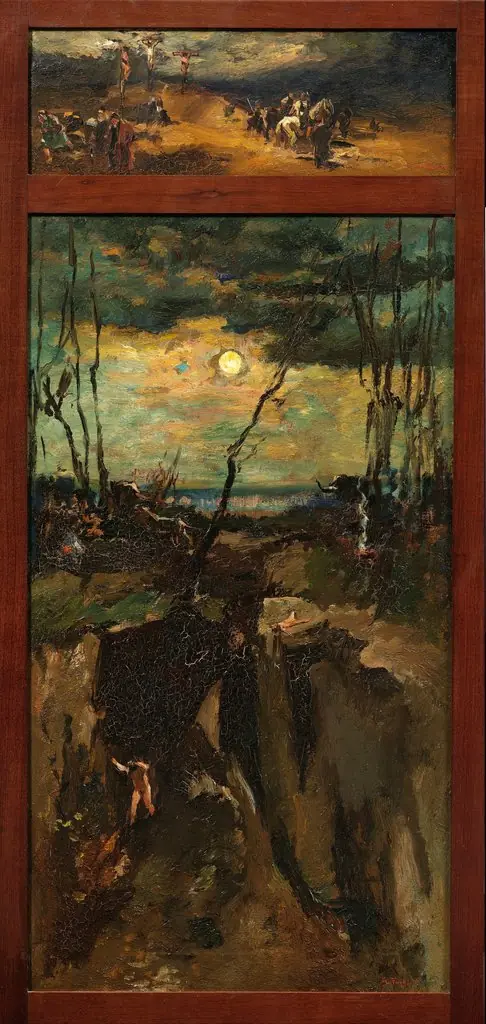
Crucifixion of Christ
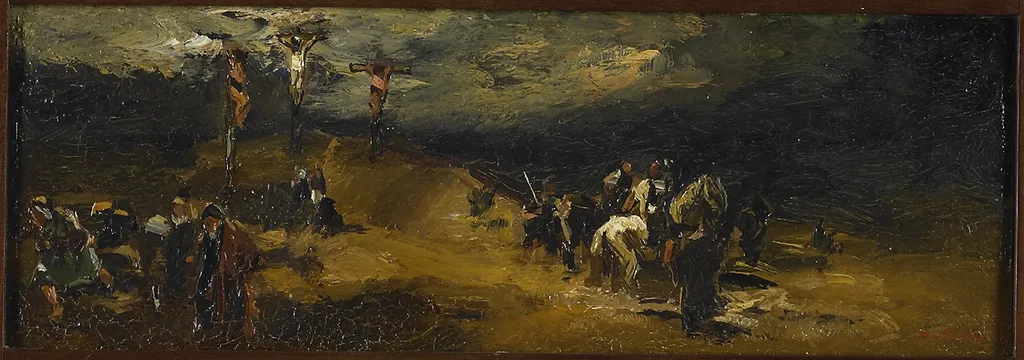
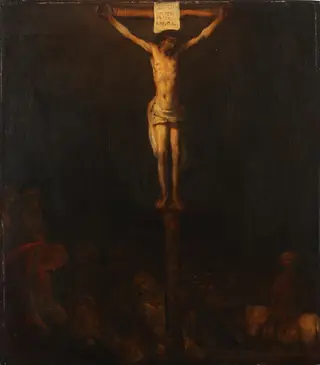
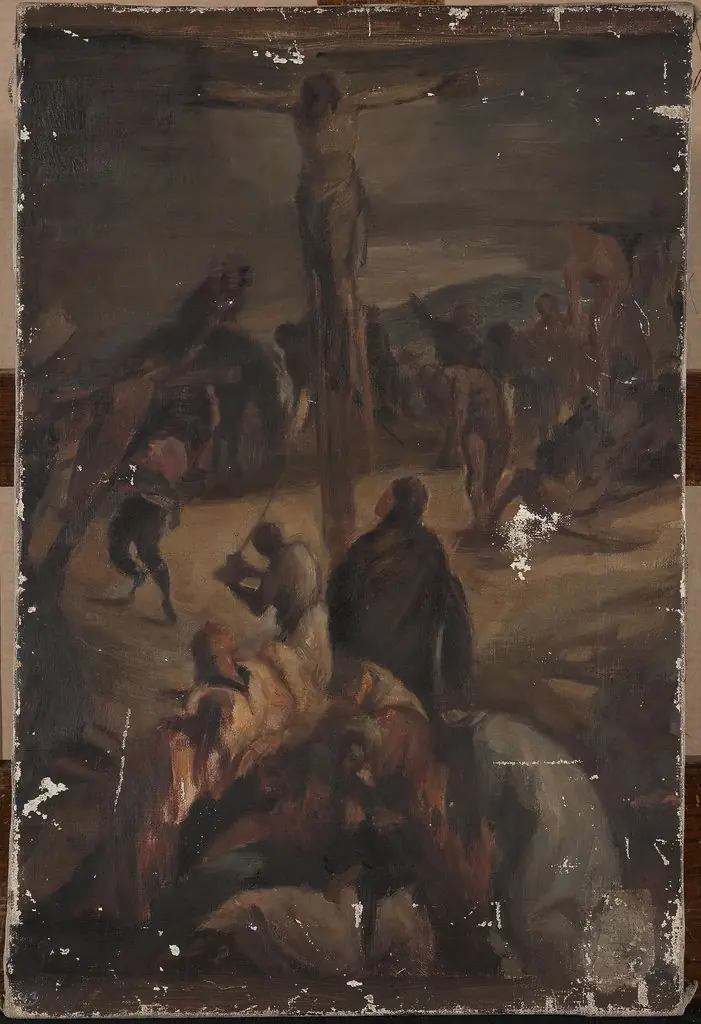
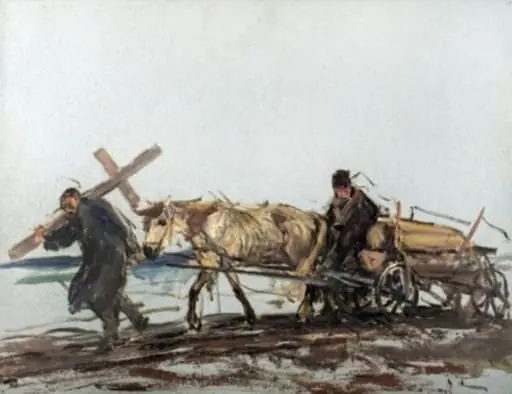
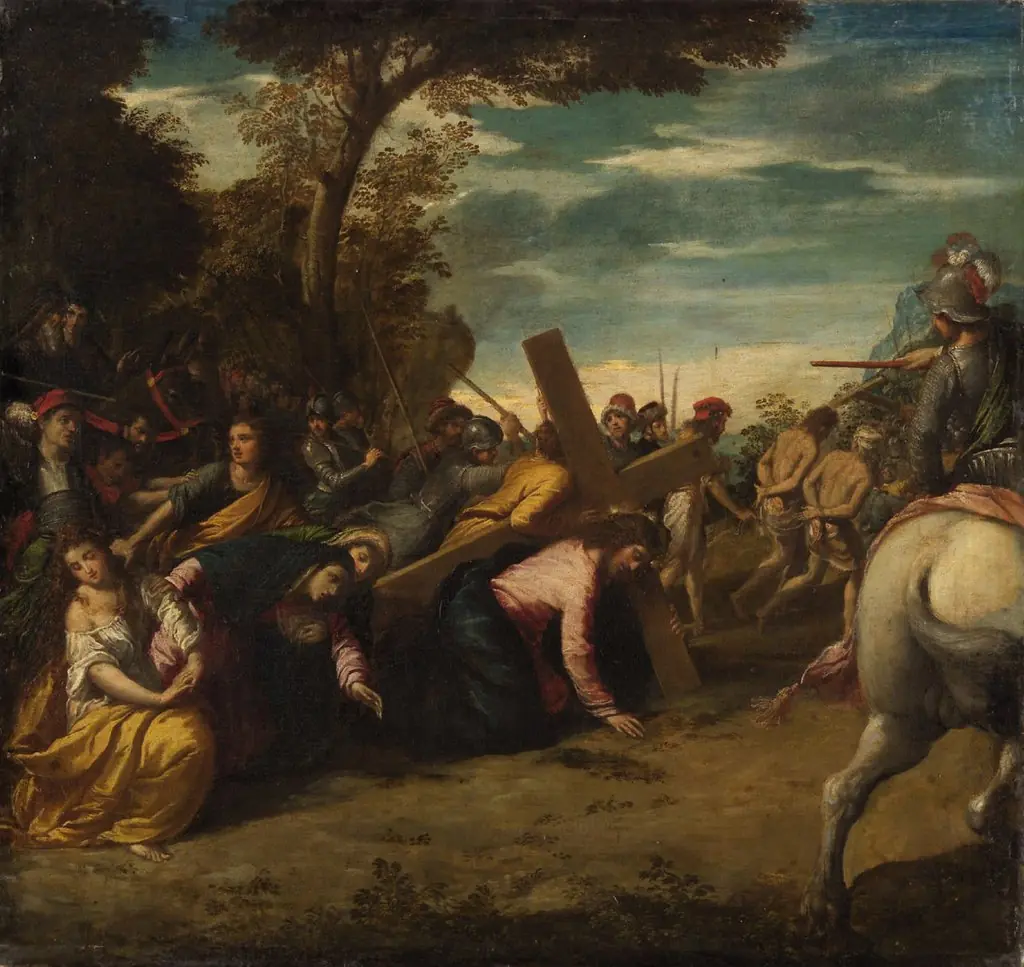
Crucifixion of Christ is an oil painting by the Symbolist artist Willem de Zwart. It dates from 1930 and is held in the collection of the Rijksmuseum.
About this work
Subject & Meaning
Willem de Zwart's 1930 oil painting depicts the crucifixion of Jesus Christ, a central event in Christian theology where the Son of God is executed on a cross.
Willem de Zwart's 1930 oil painting depicts the crucifixion of Jesus Christ, a central event in Christian theology where the Son of God is executed on a cross. As a work of religious art, the piece focuses entirely on this main subject, portraying the physical suffering and sacrifice associated with the Passion narrative. The composition utilizes the traditional iconography of the crucifixion to represent themes of redemption and divine love within the Christian faith.
Technique & Style
Willem de Zwart’s Crucifixion of Christ (1930) is an oil painting on canvas, measuring 15.5 cm high and 44.5 cm wide. The work is held in the Rijksmuseum’s collection and is classified as a religious painting depicting the crucifixion of Jesus Christ. The material consists of canvas and oil paint, and the piece is catalogued as a painting within the museum’s religious art holdings.
No information regarding the artist’s handling technique, surface condition, or finer stylistic details is provided in the sources.
History & Provenance
The painting titled Crucifixion of Christ was created by the artist Willem de Zwart in 1930. Executed in oil on canvas, the work measures 15.5 cm in height and 44.5 cm in width. It depicts the crucifixion of Jesus Christ within the genre of religious art. The piece is currently held in the collection of the Rijksmuseum.
Overview
Willem de Zwart’s Crucifixion of Christ is an oil painting completed in 1930. Executed in a Symbolist manner, the work belongs to the religious genre and is part of the Rijksmuseum’s collection. It presents the biblical moment of the crucifixion with a focus on mood and emotional resonance rather than narrative detail.
Context
De Zwart, known primarily for landscapes and genre scenes associated with the Hague School and Amsterdam Impressionism, turned to religious iconography in this late work. The painting exemplifies a period when Dutch artists revisited traditional themes through modernist lenses, integrating Symbolist symbolism with contemporary techniques.
Artist & collection
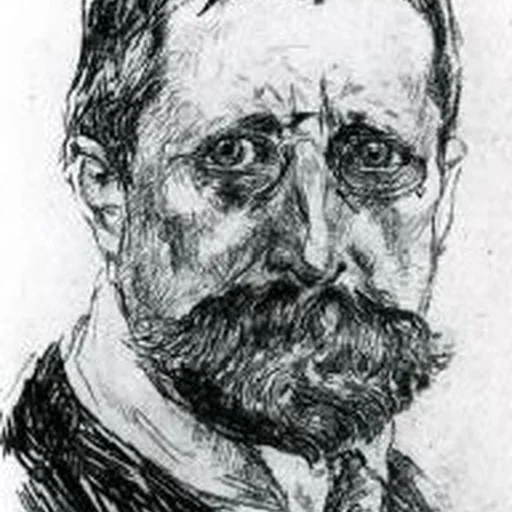
Artist
Wilhelmus "Willem" Hendrikus Petrus Johannes de Zwart (16 May 1862 – 11 December 1931) was a Dutch painter, engraver, and watercolorist with many connections to the Hague School and later associated with the Amsterdam Impressionism…