Artwork
René-Charles Dassy and His Brother Jean-Baptiste-Claude-Amédé Dassy
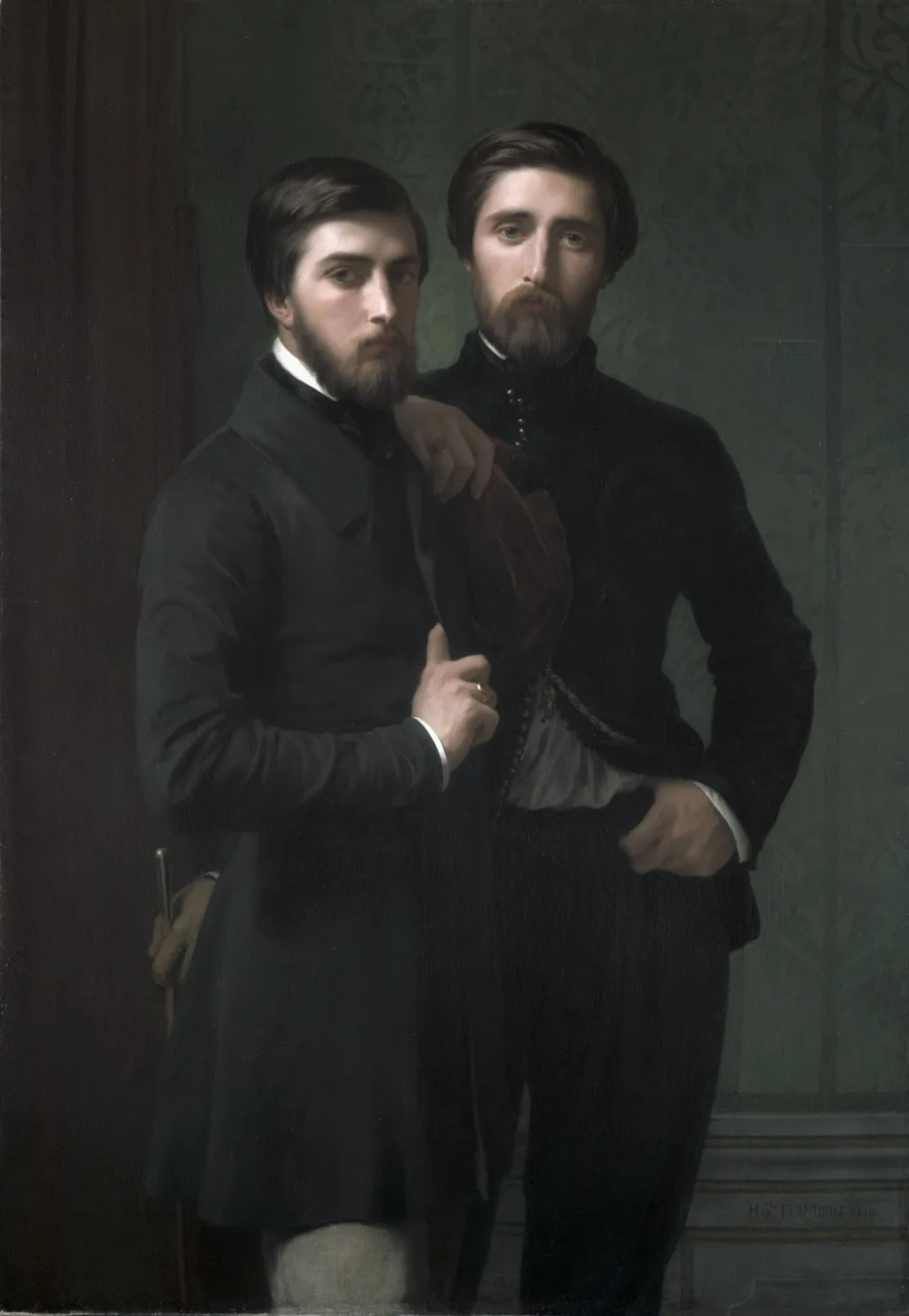
René-Charles Dassy and His Brother Jean-Baptiste-Claude-Amédé Dassy is an unspecified painting by the French Romanticist artist Hippolyte Flandrin. It dates from 1850 and is held in the collection of the Cleveland Museum of Art.
About this work
Technique & Style
The lack of sourced information on pigment, surface preparation, or stylistic characterization limits any further technical description.
Classified as a painting, the work was produced in France in 1850 by Hippolyte Flandrin. The physical support measures 133.4 cm in height by 92.7 cm in width, a tall vertical format consistent with a traditional double portrait composition. Beyond this classification and the support dimensions, the available sources do not provide further detail on the specific medium (such as oil on canvas), brushwork, handling, condition, or stylistic qualities of the work.
The lack of sourced information on pigment, surface preparation, or stylistic characterization limits any further technical description.
History & Provenance
The painting was created by Hippolyte Flandrin in France in 1850, as indicated by the work's date and its place of execution. It is now held in the collection of the Cleveland Museum of Art, where it remains on display. No further details about earlier ownership, commission, or subsequent transfers are provided in the available sources.
The painting René-Charles Dassy and His Brother Jean-Baptiste-Claude-Amédé Dassy by Hippolyte Flandrin is held in the collection of the Cleveland Museum of Art in Cleveland. The work, created in 1850, carries the museum's accession number 2000.17. It is cataloged as a painting originating from France with dimensions of 133.4 cm in height and 92.7 cm in width. The provided sources do not list any specific exhibition history for this work.
Overview
Created circa 1850 by French painter Hippolyte Flandrin, this oil work presents a pair of young men in formal attire. The composition is modest in scale and resides in the Cleveland Museum of Art, illustrating Flandrin’s restrained approach within the mid‑nineteenth‑century French artistic climate.
Subject & Meaning
The figures are two brothers, René‑Charles Dassy and Jean‑Baptiste‑Claude‑Amédé Dassy, rendered as poised youths. One holds a folded document, suggesting a moment of correspondence or study, while the other rests a hand on his hip, conveying a subtle contrast of activity and contemplation.
Context
Although rooted in neoclassical discipline, the painting aligns with the broader Romantic sensibility of the era, emphasizing emotion through facial seriousness and the interplay of light and dark. Flandrin’s contemporaries, such as Ingres, similarly balanced classical form with expressive lighting.

Own this work as a print
Artist & collection
Artist
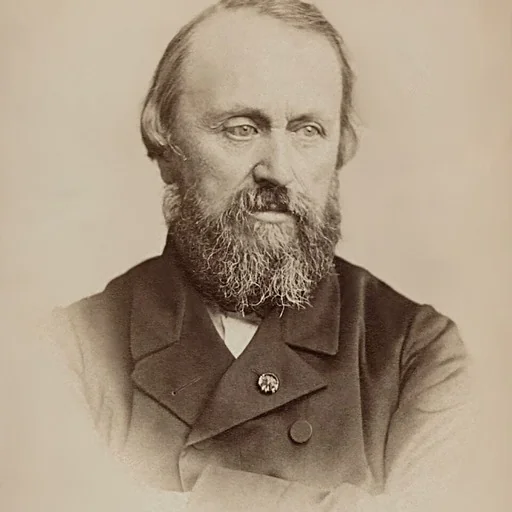
Jean-Hippolyte Flandrin (23 March 1809 – 21 March 1864) was a French Neoclassical painter. His most celebrated work, Jeune Homme Nu Assis au Bord de la Mer (1836) is held in the Louvre.

 Jaime Girona y Agrafel
 Self-portrait as a young man
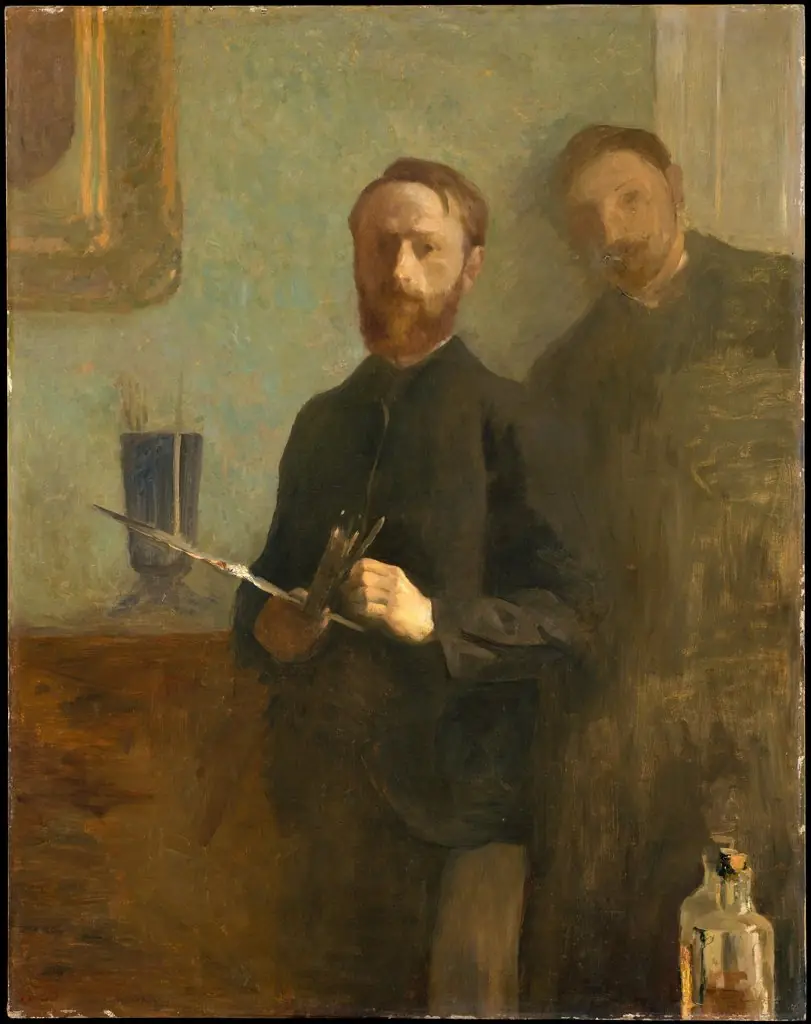 Self-Portrait with Waroquy
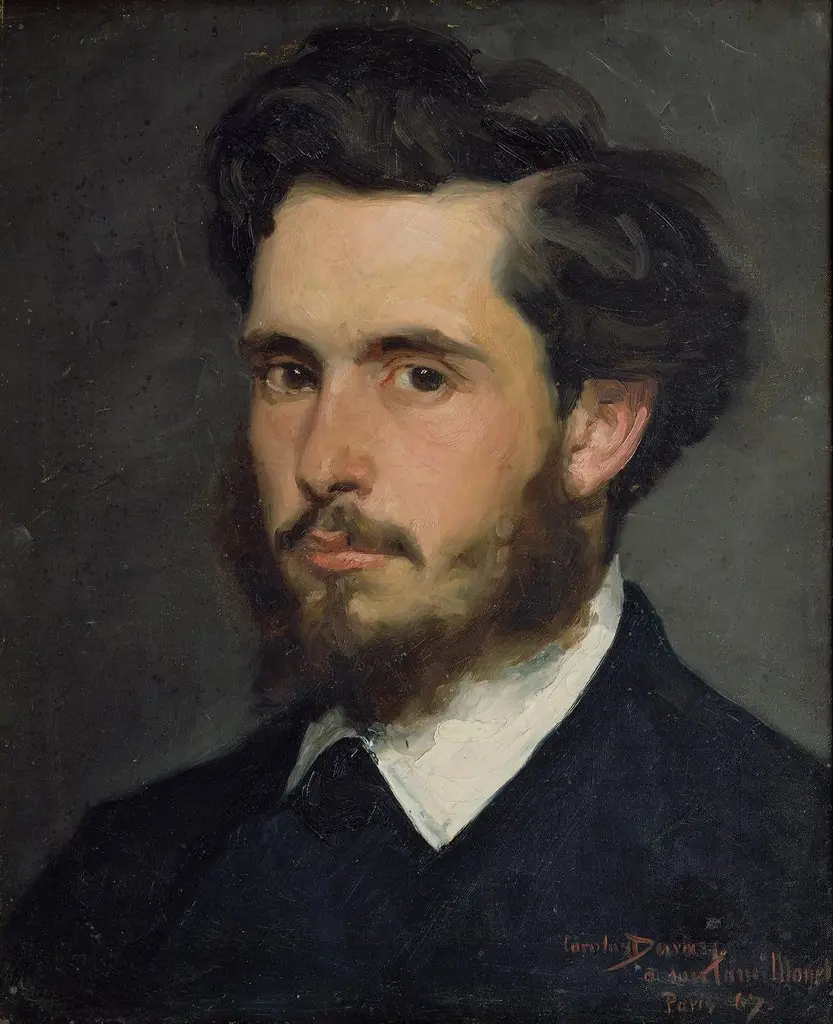 Portrait de Claude Monet
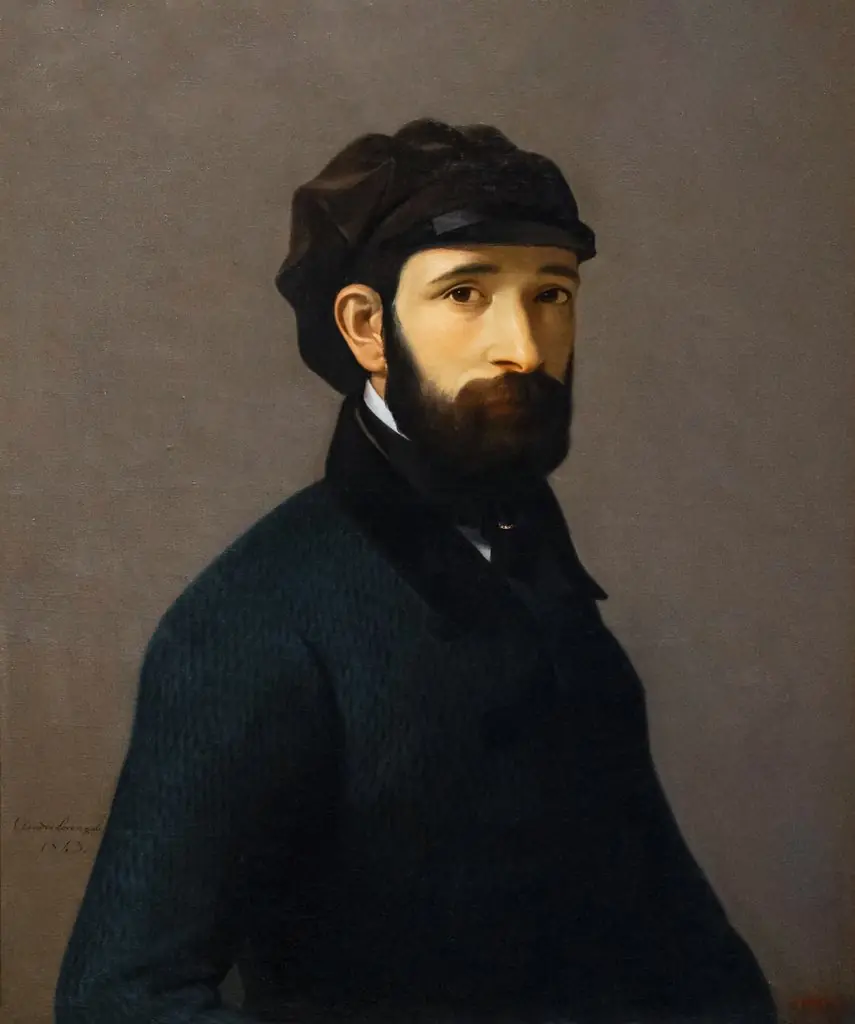 Self-portrait
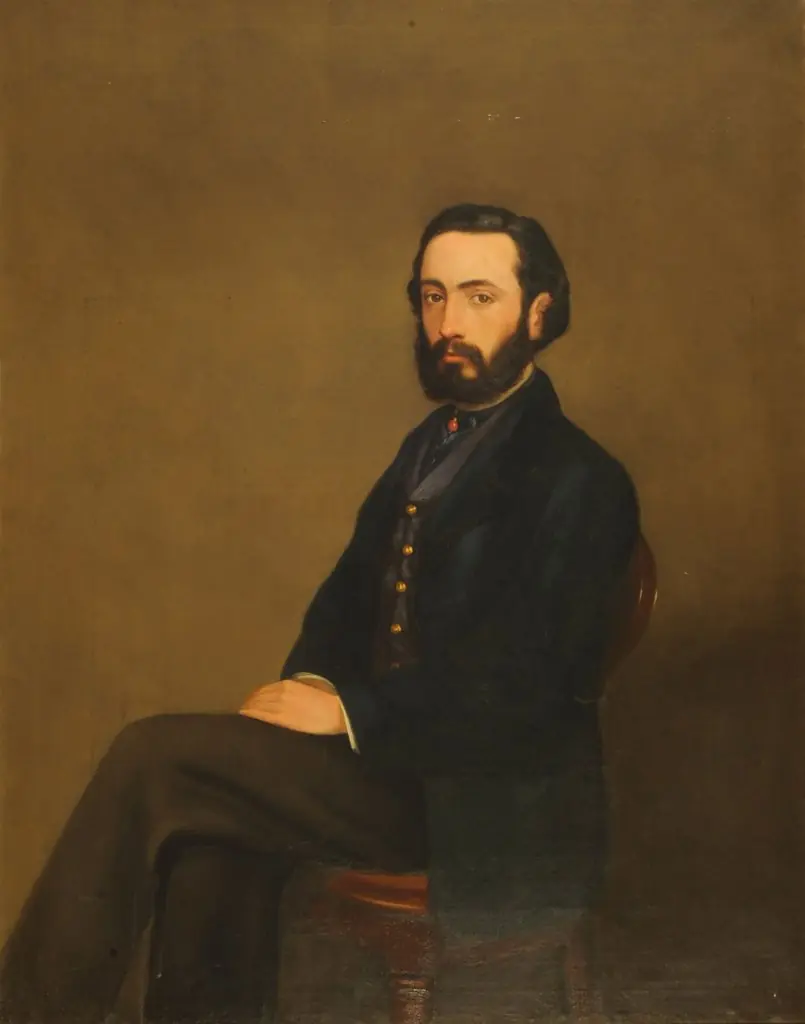 Selbstporträt
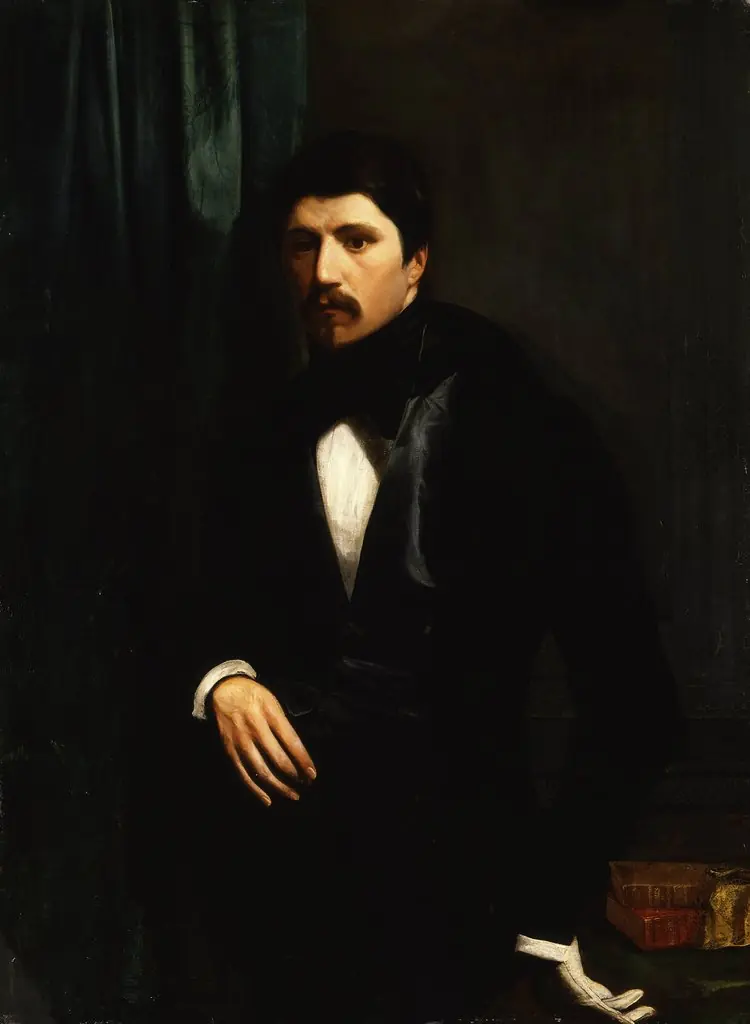 Self-portrait
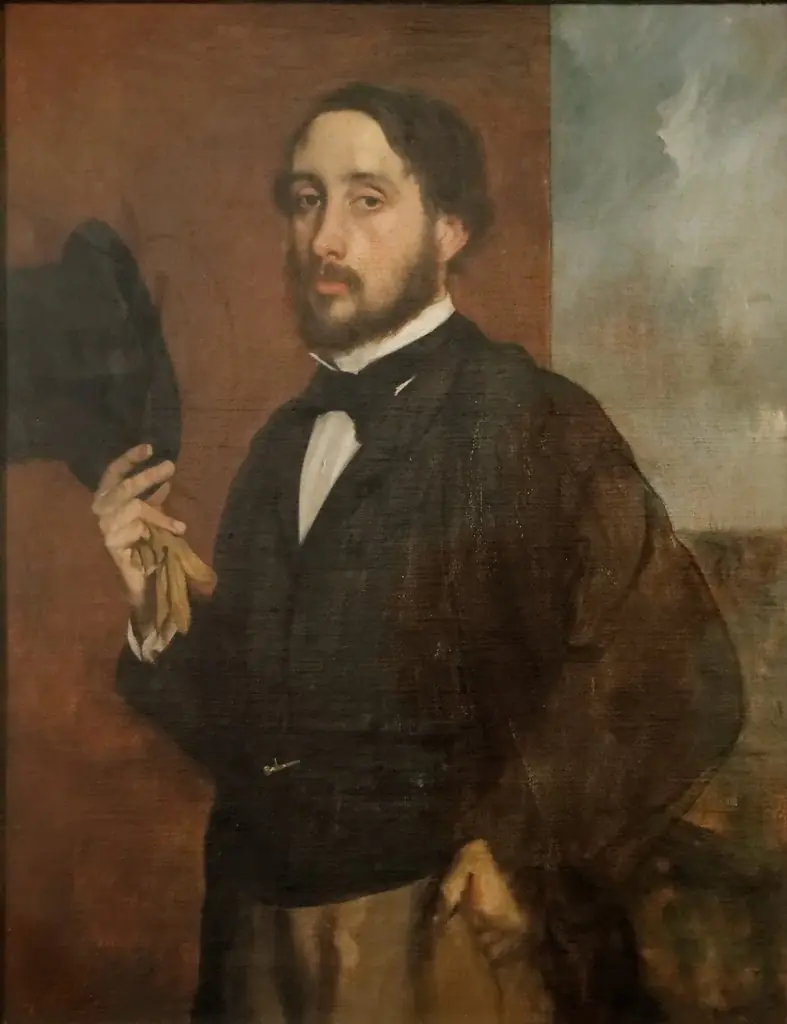 Self-portrait
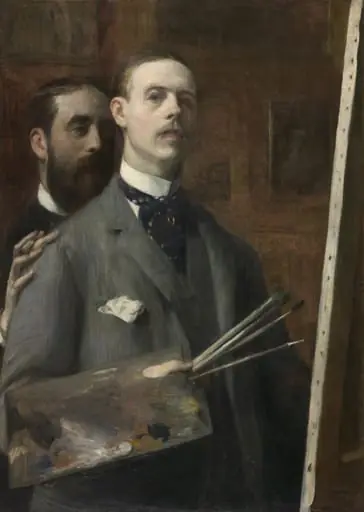 Self-Portrait with Raphael de Ochoa
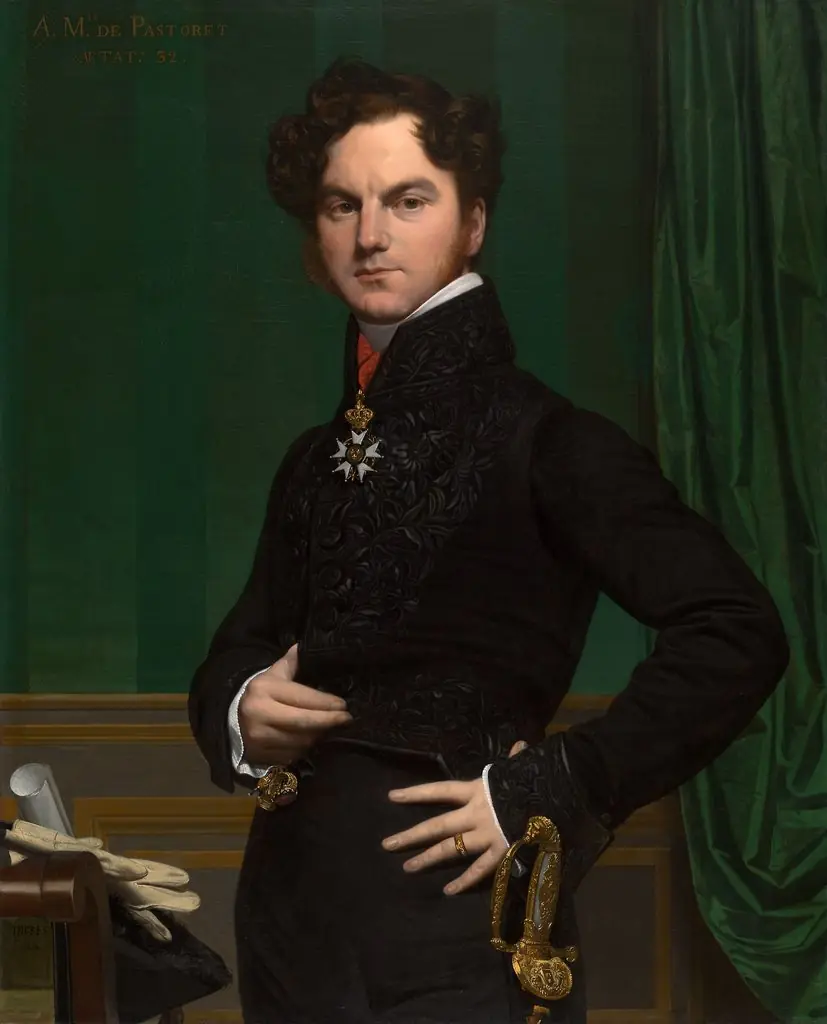 Amédée-David, the Comte de Pastoret
 José María de Murga y Reolid I marqués de Linares
- René-Charles Dassy and His Brother Jean-Baptiste-Claude-Amédé Dassy