Artwork
Amédée-David, the Comte de Pastoret
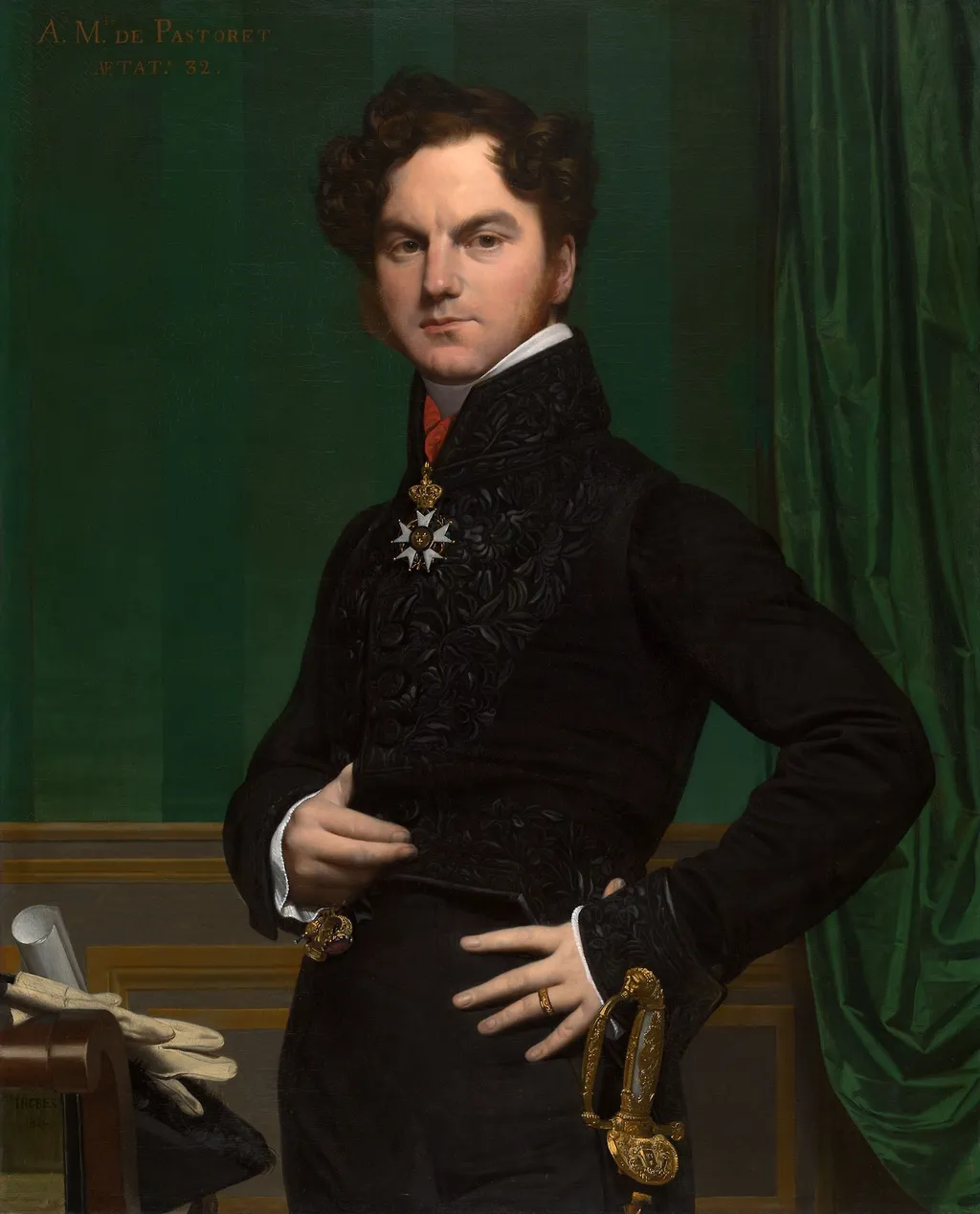
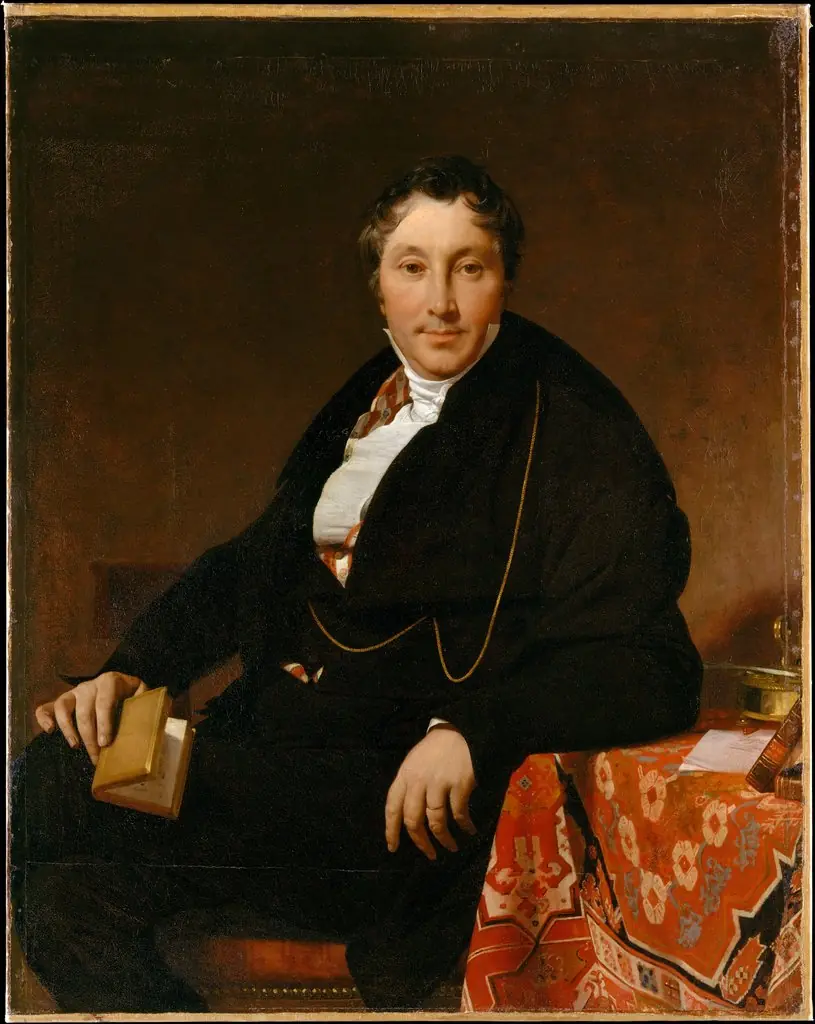
Amédée-David, the Comte de Pastoret is an oil painting by the Neoclassicist artist Jean Auguste Dominique Ingres. It dates from 1823 and is held in the collection of the Art Institute of Chicago.
About this work
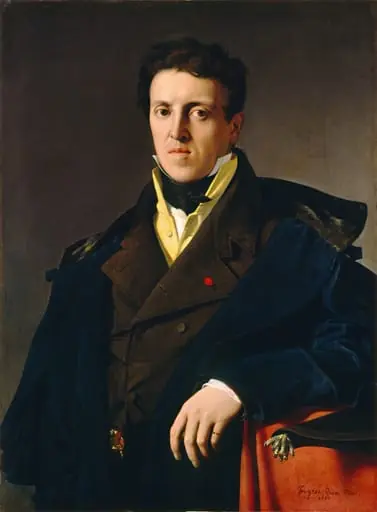
This 1823 painting by Ingres shows a 32-year-old French count. He wears the Legion of Honor medal, a sign of high rank. The work is oil paint on canvas, meant to mark power and position.
Ingres often painted officials and nobles. This one keeps the sitter’s status clear with a single medal.
Look up the Art Institute of Chicago next.
Subject & Meaning
The 1823 oil on canvas portrait shows Count Amédée‑David de Pastoret, a 32‑year‑old French conseiller d'État and member of the Académie des Beaux‑Arts, who was both a close relation of Jean‑Auguste‑Dominique Ingres and a patron of several of the artist’s works. He is rendered in a pose with his hand in his waistcoat, wearing a Legion of Honour medal, a sword and a ring, against a draped curtain, symbols of official authority, military distinction and elite status. The composition reflects Ingres’s interest in idealized representation of contemporary aristocratic authority and documents the sitter’s dual role as political figure and artistic benefactor.
The painting entered the Art Institute of Chicago collection in 1971 after a documented chain of ownership that includes the sitter, his widow, their daughter, Edgar Degas, David David‑Weill and Paul Durand‑Ruel.
Technique & Style
The composition depicts the sitter standing with his hand placed inside his waistcoat, a pose accompanied by a sword and the medal of the Legion of Honour.
Executed in oil paint on canvas, this portrait measures 103 cm in height and 83.5 cm in width. The composition depicts the sitter standing with his hand placed inside his waistcoat, a pose accompanied by a sword and the medal of the Legion of Honour. Drapery and a curtain serve as background elements framing the figure.
Stylistically, the work is classified as a portrait created during a period where the artist faced critical reception for similar endeavors, leading to a six-year hiatus from painting portraits.
History & Provenance
Painted in 1823, the portrait of Count Amédée‑David de Pastoret was commissioned by the sitter himself, a close relation of Ingres and a member of the Académie des Beaux‑Arts. The work was created in the same year as Ingres’ portrait of Madame Marcotte de Sainte‑Marie and was poorly received, leading to a six‑year hiatus in the artist’s portrait production, after which Ingres painted his 1832 Portrait of Monsieur Bertin. The painting remained in the sitter’s collection until his death in 1857, passed to his widow and then to their daughter, the Marquise de Rougé du Plessis‑Bellière.
It appeared in the 1884 catalogue of the marquise’s collection at Château de Moreuil, was sold in 1897 to Galerie Durand‑Ruel, acquired by Edgar Degas in 1918, then bought by David David‑Weill, later sold to Wildenstein Gallery and finally to the Art Institute of Chicago in 1971.
The portrait is currently held by the Art Institute of Chicago, where it was acquired in 1971 from the Wildenstein Gallery. Its provenance traces back to the sitter, Amédée-David de Pastoret, who commissioned the work, before passing to his widow and subsequently their daughter, the Marquise de Rougé du Plessis-Bellière. The painting appeared in the marquise's 1884 collection catalogue at Château de Moreuil and was sold as lot 85 in a May 1897 auction to Edgar Degas via the Durand-Ruel gallery.
Following Degas's death, it was sold in a 1918 Paris auction to collector David David-Weill before reaching its current institution. The work has been featured in major retrospectives, including the 1967–1968 exhibition at the Petit Palais in Paris and the 2006 show at the Musée du Louvre.
Context
Painted alongside the portrait of Madame Marcotte de Sainte-Marie, Amédée-David, the Comte de Pastoret was badly received at its debut, an experience that discouraged Ingres from producing portraits for the next six years until his 1832 Portrait of Monsieur Bertin. The sitter was a close relation of the painter and a member of the Académie des Beaux-Arts who also commissioned other Ingres works, including The Dauphin's Entry Into Paris.
The painting has been treated in standard Ingres scholarship, including Daniel Ternois's monograph Ingres (1980), Ternois and Ettore Camesasca's Tout l'œuvre peint de Ingres (1984), the 1999 Metropolitan Museum catalogue Portraits by Ingres: Image of an Epoch edited by Gary Tinterow and Philip Conisbee, and the 2006 Louvre retrospective catalogue Ingres: 1780–1867 edited by Vincent Pomarède. The canvas itself was included in the 1967–68 Ingres retrospective at the Petit Palais in Paris and in the 2006 Louvre exhibition.
Overview
Jean-Auguste-Dominique Ingres painted this oil on canvas portrait of Amédée-David, the Comte de Pastoret, in 1823. The work captures the thirty-two-year-old French count, a prominent figure, adorned with the Legion of Honor medal. This painting exemplifies Ingres's approach to depicting influential individuals, emphasizing their social standing and achievements through formal presentation.
Own this work as a print
Artist & collection

Artist
Jean-Auguste-Dominique Ingres was a French Neoclassical painter. Ingres was profoundly influenced by past artistic traditions and aspired to become the guardian of academic orthodoxy against the ascendant Romantic…

 "Portrait of the Writer Alexander Muravyov "(1806-1874)
 Portrait of Władysław Branicki, seated with a letter in his hand
 Mr. James Mackie
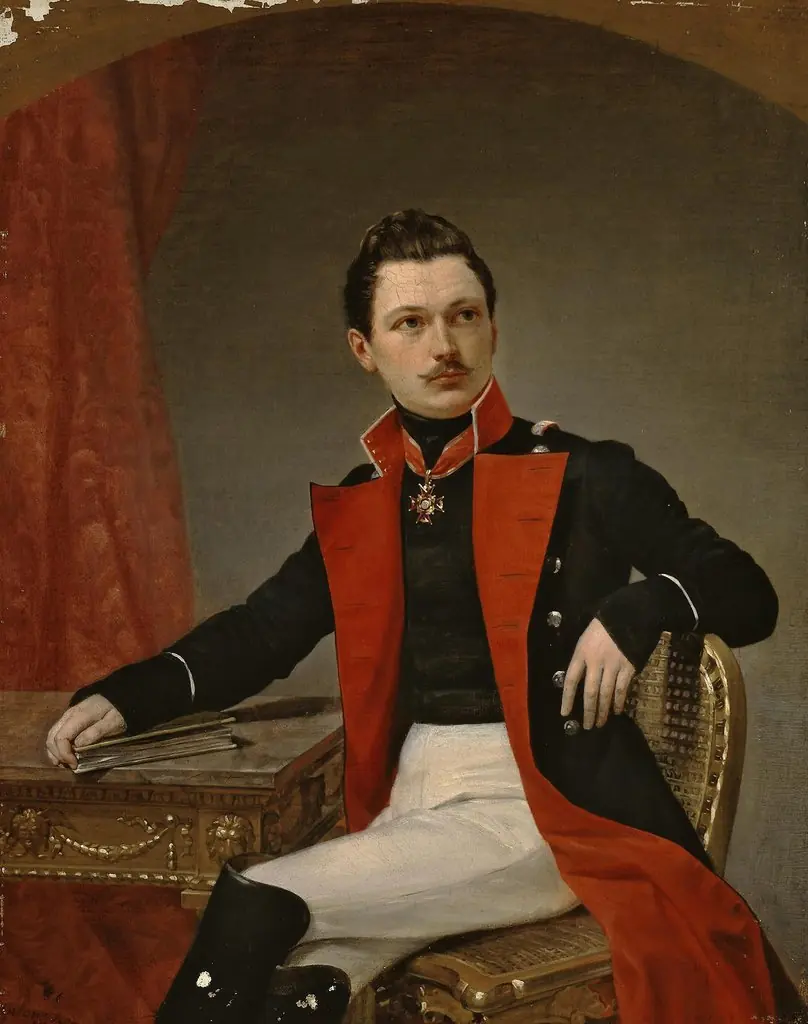 Portrait of P.A.Balashov
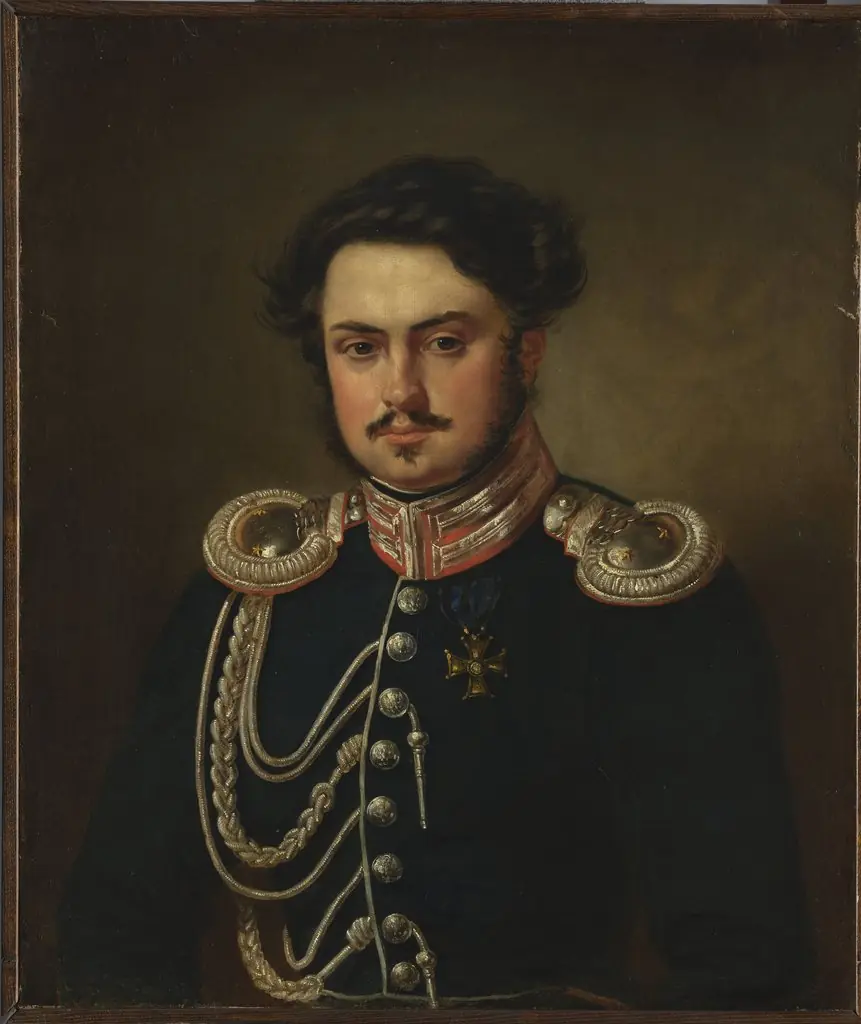 Portrait of Seweryn Madan, officer of the guard cavalry staff
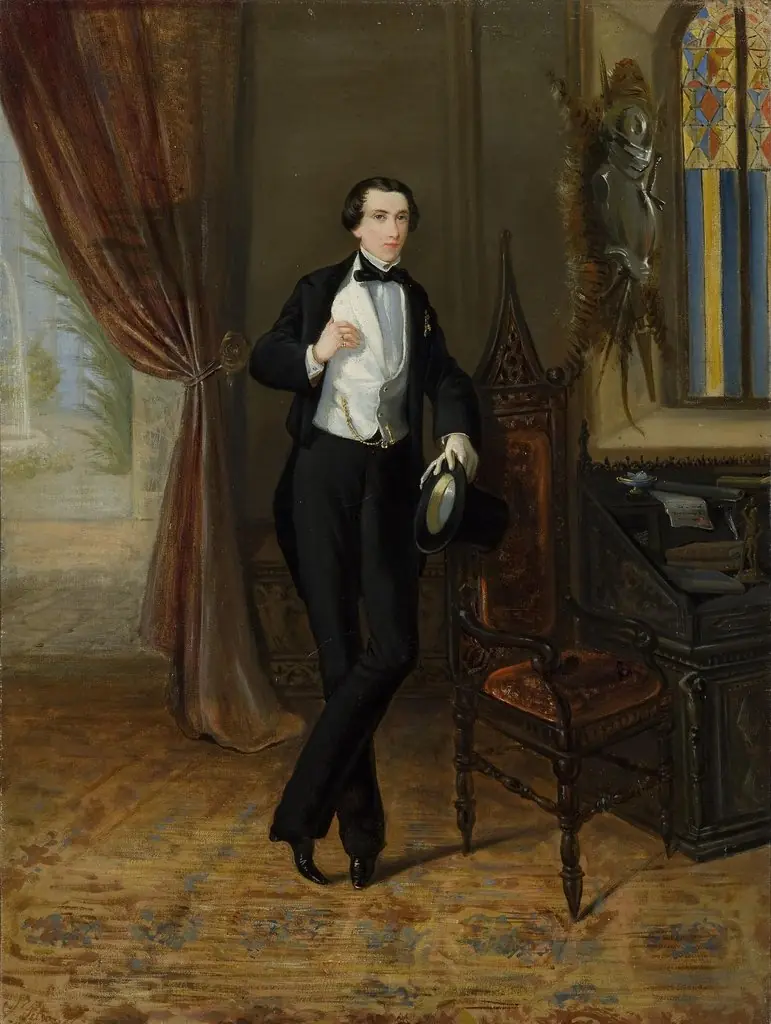 Portrait of Young Duke N.B. Yusupov
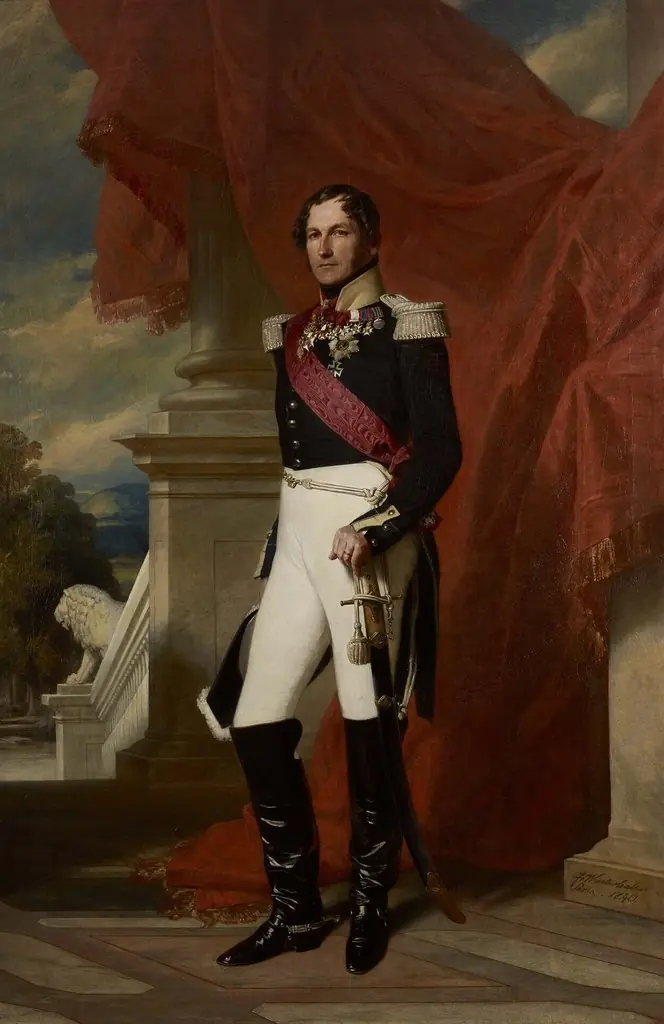 Leopold I, King of the Belgians
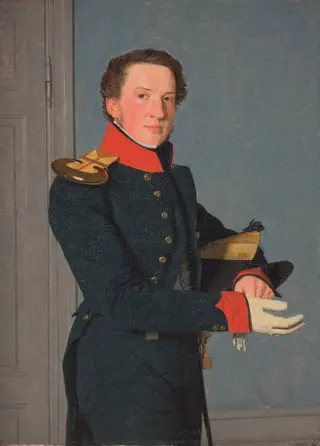 Portrait of the Naval Lieutenant D. Christen Schifter Feilberg
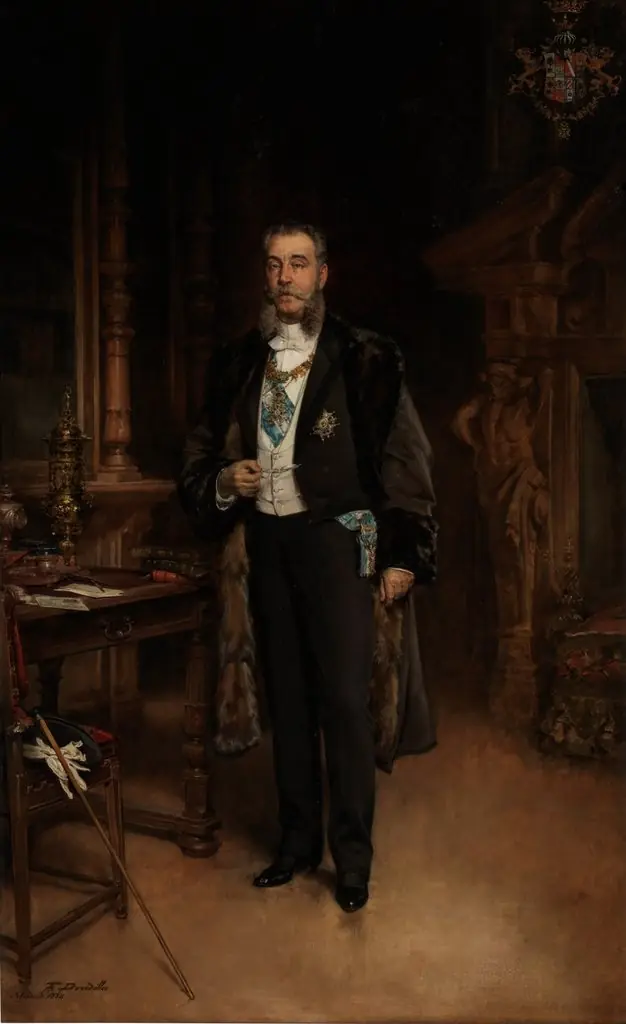 José María de Murga y Reolid I marqués de Linares
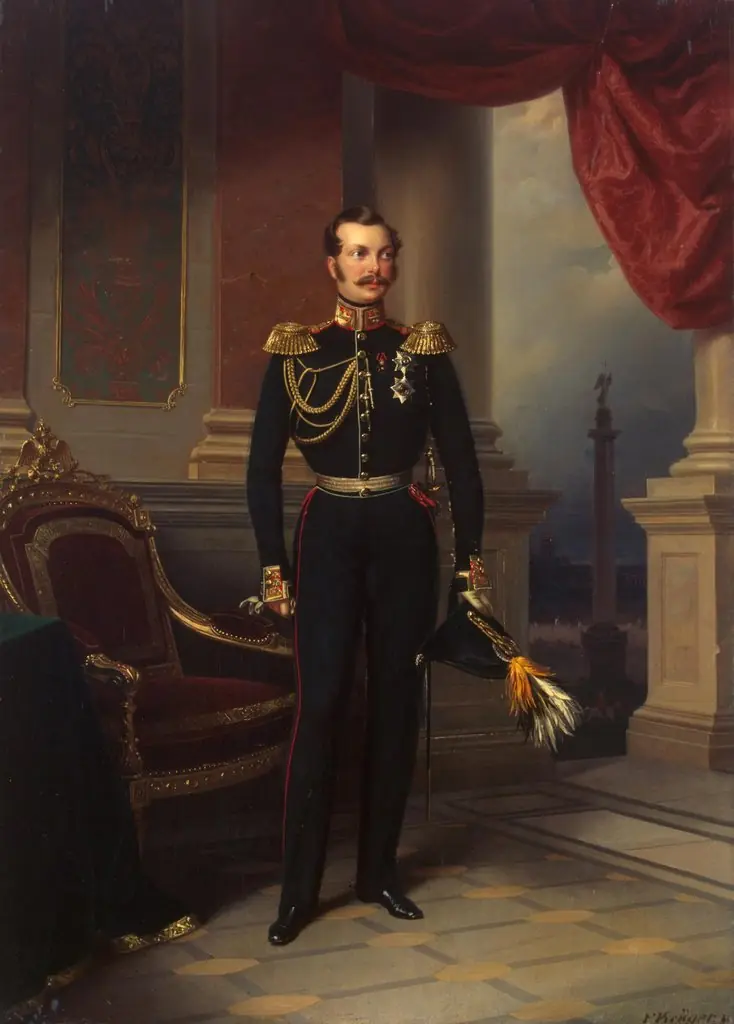 Portrait of Grand Prince Alexander Nikolayevich
 Portrait of Grand Duke Nikolai Pavlovich
- Amédée-David, the Comte de Pastoret