Artwork
Conrad Schall
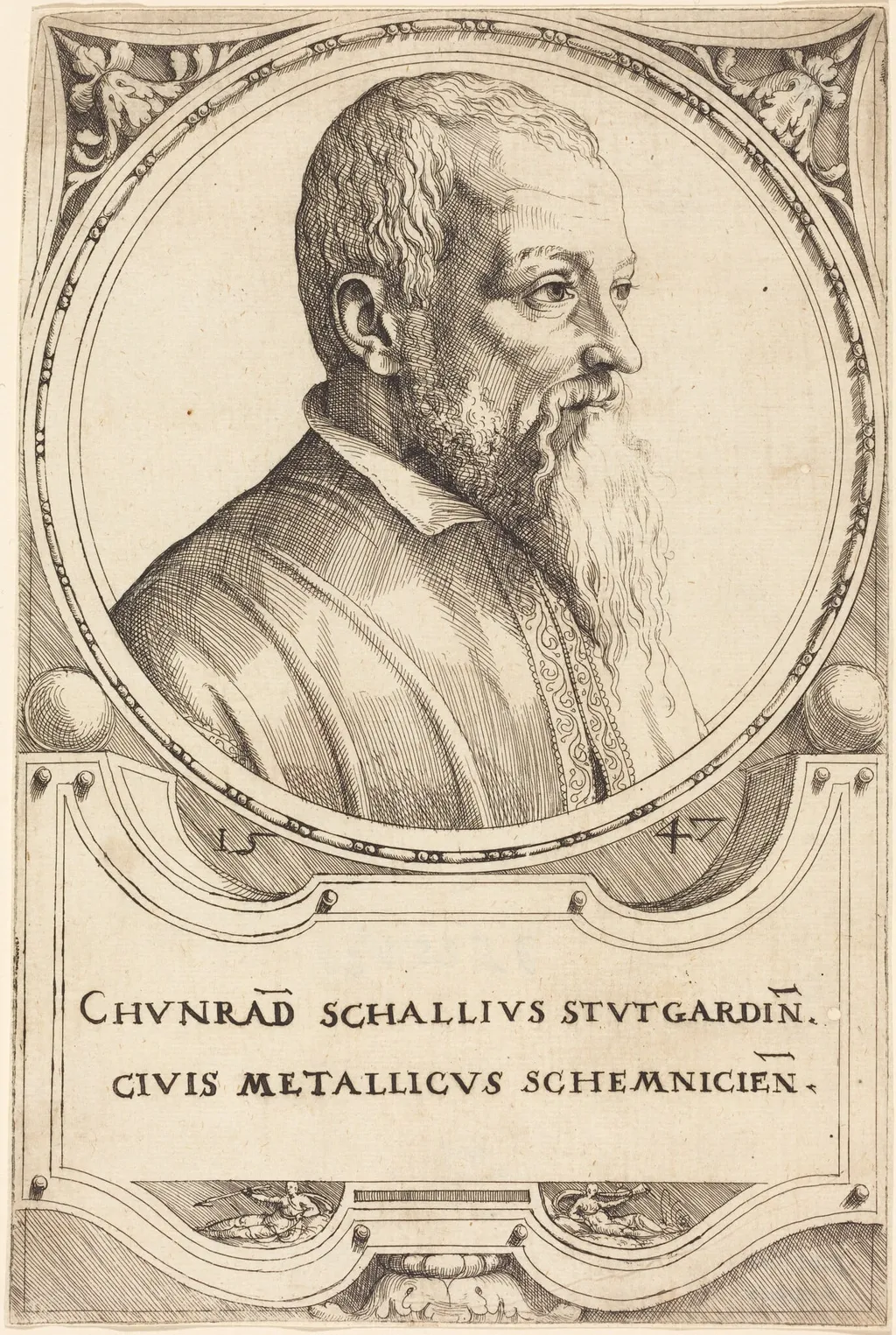
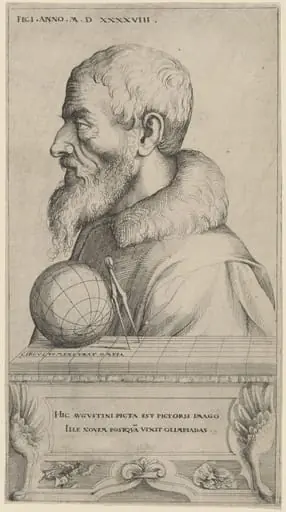
Conrad Schall is an ink print by the Renaissance artist Augustin Hirschvogel. It dates from 1547 and is held in the collection of the National Gallery of Art.
About this work
Overview
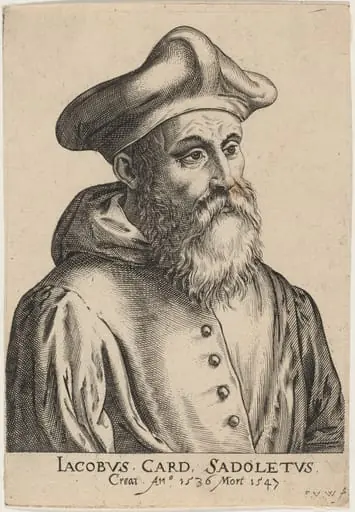
Conrad Schall is an etching created by Augustin Hirschvogel in 1547, characteristic of the detailed, small-scale printmaking prevalent during this period.
Subject & Meaning
The etching portrays a serene, bearded man with a contemplative expression, his gaze directed away from the viewer. The subject’s identity, Conrad Schall, is specified in the title, though the etching focuses on capturing his demeanor rather than conveying a specific narrative or symbolism.
Technique & Style
Executed in black ink on a light background, the etching showcases intricate lines, nuanced shading, and a thoughtful balance of light and shadow, contributing to the image’s depth and textured appearance. These technical aspects align with Hirschvogel’s association with the Danube School, known for meticulous craftsmanship.
History & Provenance
Created in 1547 by Augustin Hirschvogel, a multifaceted artist also recognized for his work in mathematics and cartography, Conrad Schall reflects the artistic inclinations of the Danube School in 16th-century Bavaria and Austria.
Context
This work embodies the Renaissance values of realism and humanism through its realistic portrayal and emphasis on the subject’s emotional state, distinguishing it from more idealized or mythological themes common in other Renaissance artworks.
Own this work as a print
Artist & collection
Artist
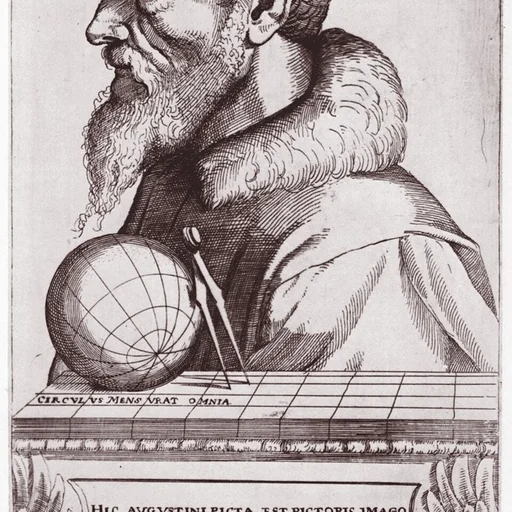
Augustin Hirschvogel (1503 – February 1553) was a German artist, mathematician, and cartographer known primarily for his etchings.

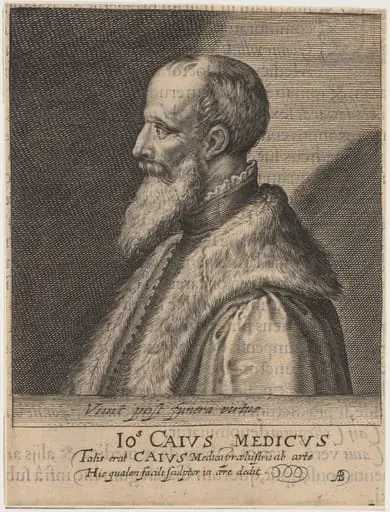 John Caius, Co-Founder of Gonville and Caius College, Cambridge
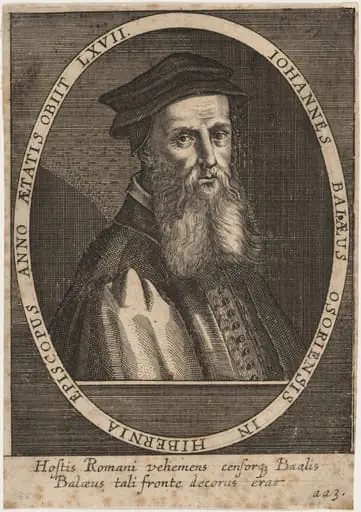 John Bale, Bishop of Ossory
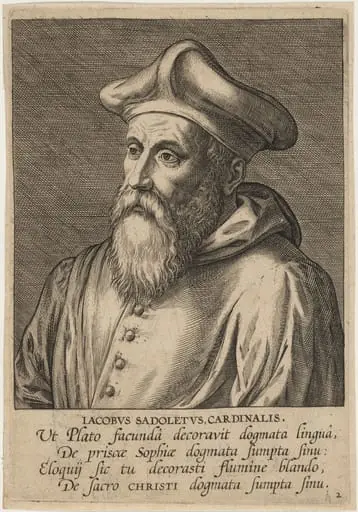 Cardinal Jacopo Sadoleto
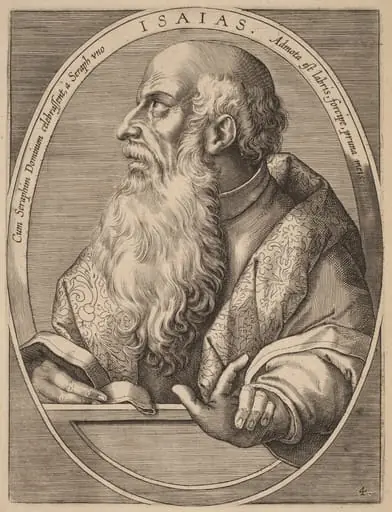 Isaias
![Johan Gols [The Artist's Father], by Hendrick Goltzius](https://artifactworldgallery.com/img/hendrick-goltzius--johan-gols-the-artist-s-father--c8b45dabaade4192-w320.webp) Johan Gols [The Artist's Father]
Johan Gols [The Artist's Father]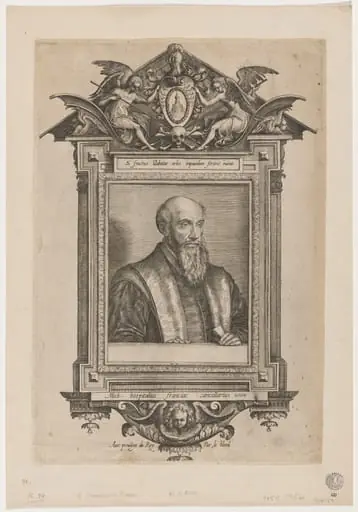 Portrait of a Man with a Long Beard
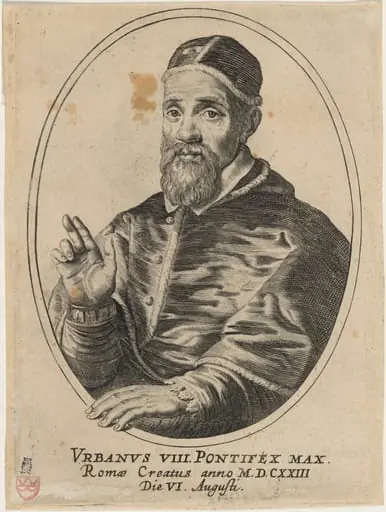 Pope Urban VIII (Maffeo Barberini)
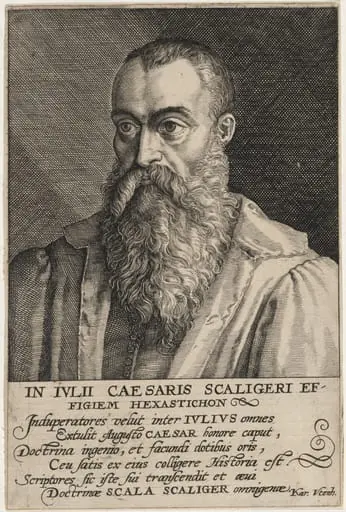 Julius Caesar Scaliger
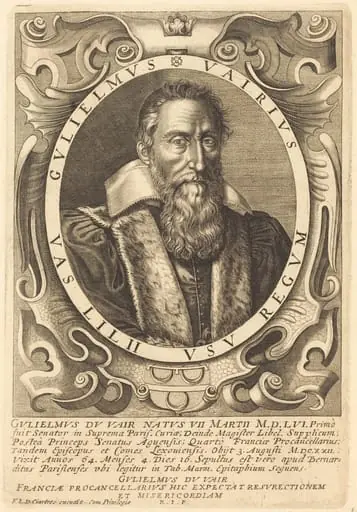 Guillaume du Vair
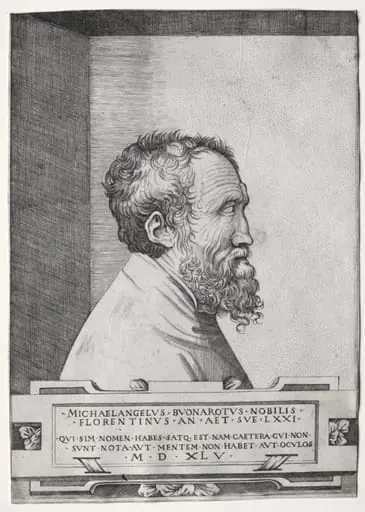 Portrait of Michelangelo in profile facing right
 Cardinal Jacopo Sadoleto
- Christopher Schwaiger