Artwork
Plate 17: White Heron(?) and Black Stork Killing a Snake with a Dragon's Blood Tree
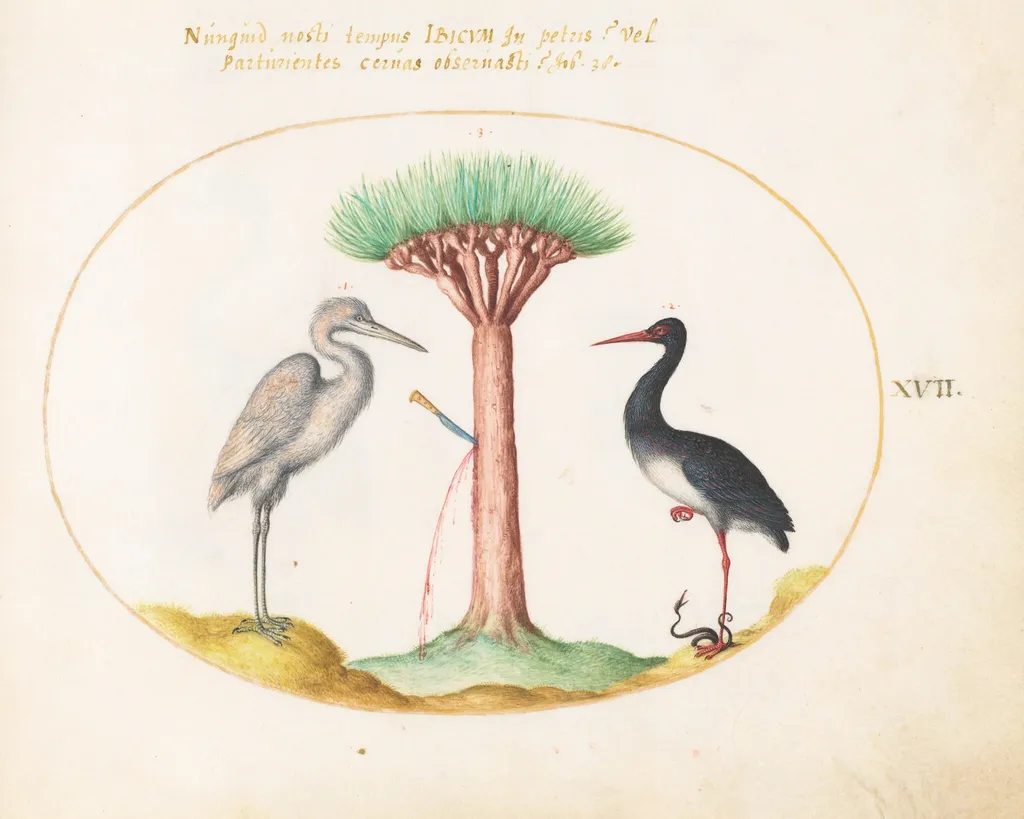
Plate 17: White Heron(?) and Black Stork Killing a Snake with a Dragon's Blood Tree is a gouache drawing by the Renaissance artist Joris Hoefnagel. It dates from 1594 and is held in the collection of the National Gallery of Art.
- Inscription
- Inscribed:Upper center in (gold?): Numquid nosti tempus IBICVM In petris? vel / Parturientes cervas observasti? Job.38.(“Know you the time when the wild goats bring forth among the rocks or have you observed the hinds when they fawn?” Job 39:1) (Latin Vulgate Bible); center right in (gold?): XVII.; birds in image numbered .1. and .2., in red ink; dragon’s blood tree in image numbered .3., in red ink Facing page: Upper center in black ink: .2. / Ibidis anguinecis Basiliscus nasciture ovo / Principium sequitur, res mala s[a]epe bonum. [In red ink]: A:S. (Stockelius?); lower center in red ink: Aegyptus portenta Colit, Crocodilon adorat / Pars haec, illa panet saturam serpentibus IBIM. / Effigies sacri nitet aurea Cercopitheci.
About this work
Overview
Created around 1594 by Joris Hoefnagel, a Flemish artist renowned for natural history illustrations, topographical views, and manuscript illuminations, Plate 17 is a watercolor and gold paint drawing on parchment. It showcases Hoefnagel's meticulous style, blending natural observation with decorative flair.
Subject & Meaning
The piece depicts a serene yet dramatic scene: a white heron and a black stork flank a dragon's blood tree, with the stork attacking a contorted snake entwined around the trunk. The contrast between the peaceful setting and the violent act adds depth to the illustration.
Technique & Style
Hoefnagel employed watercolor and gold paint on parchment, achieving a refined elegance. The dragon's blood tree is detailed with green leaves and a reddish-brown trunk, while the birds are precisely rendered, highlighting the artist's observational skill.
History & Provenance
As one of the last manuscript illuminators, Hoefnagel's work contributed to the evolution of topographical drawing and the emergence of floral still-life painting in northern Europe by the late 16th century.
Context
Plate 17 reflects Hoefnagel's role in bridging medieval manuscript illumination with the burgeoning interests in natural history and independent floral still-life genres of the late Renaissance.
Legacy
This work exemplifies Hoefnagel's influence on the development of natural history illustration and floral still-life painting, leaving a legacy in the transition from medieval to early modern European art practices.
Own this work as a print
Artist & collection

Artist
Joris Hoefnagel or Georg Hoefnagel (1542 – 24 July 1601) was a Flemish painter, printmaker, miniaturist, draftsman and merchant.

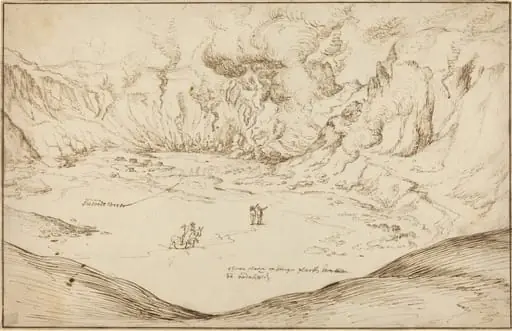 Forum Vulcani: The Hot Springs at Pozzuoli
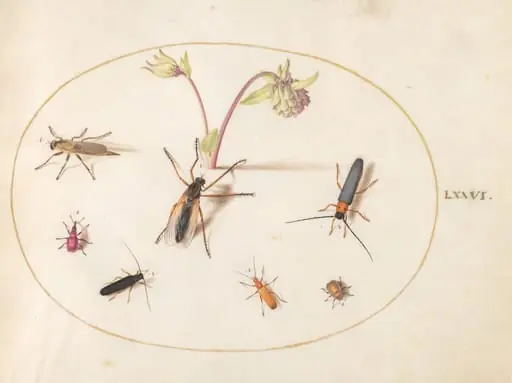 Plate 76: Insects with a Pink and Cream Columbine
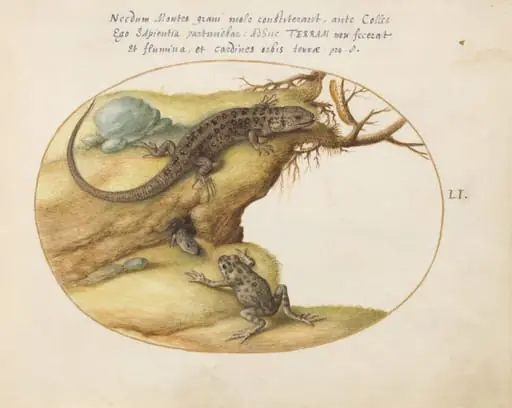 Plate 51: Two Sand Lizards, a Common Parsley Frog(?), and a Caterpillar
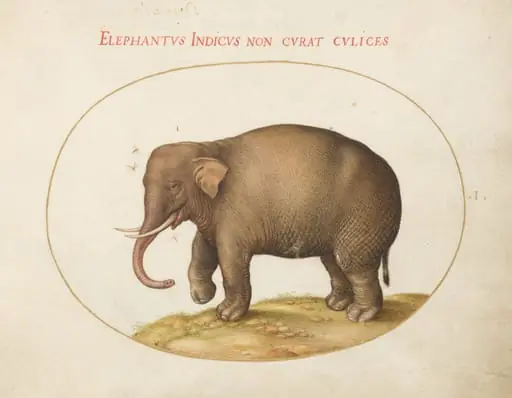 Plate 1: Elephant with Insects
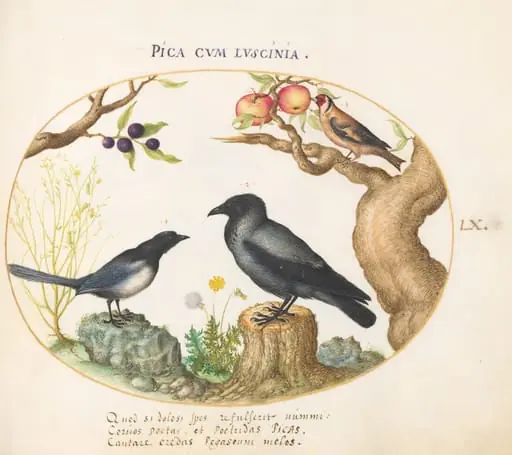 Plate 60: Magpie, Crow, and Goldfinch
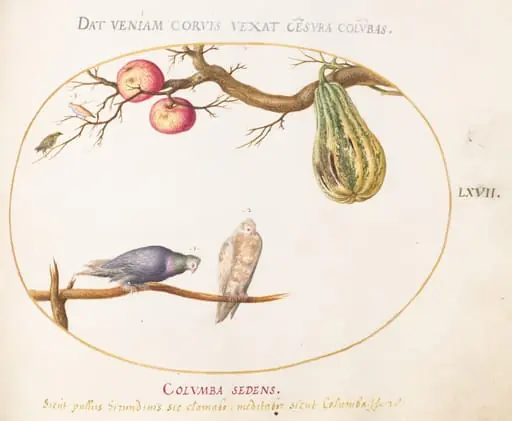 Plate 67: Two Doves beneath a Gourd and Apples
 Plate 31: Seven Moths
 Plate 21: Swamp Hen and Woodcock with a Streaked Rosefinch, a Finch, and Oak Galls
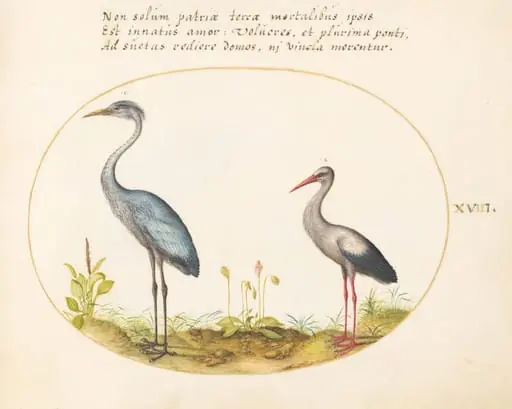
- Plate 18: Heron and Stork
 Plate 16: Gray Heron and Purple Heron(?) with a Sunflower
 Plate 50: An Avocet with Two Other Birds
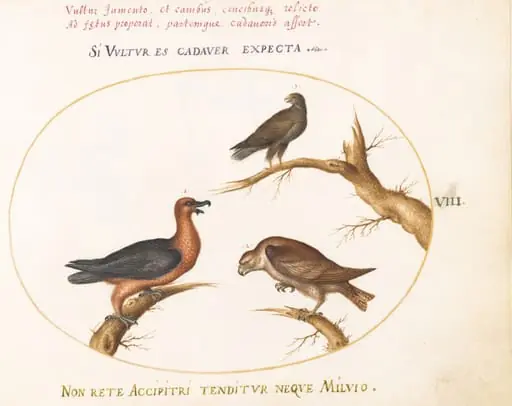 Plate 8: Bearded Vulture with Two Birds of Prey
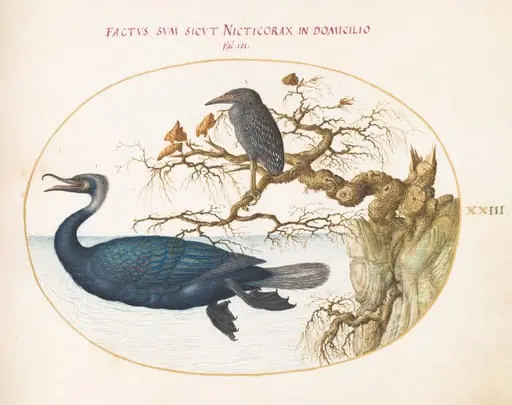 Plate 23: A Brandt's Cormorant with a Juvenile Crowned Night Heron
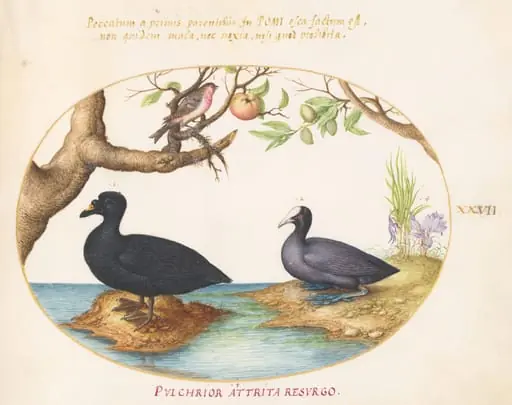 Plate 27: A Common Scoter, a Eurasian Coot, and a Rosefinch(?)
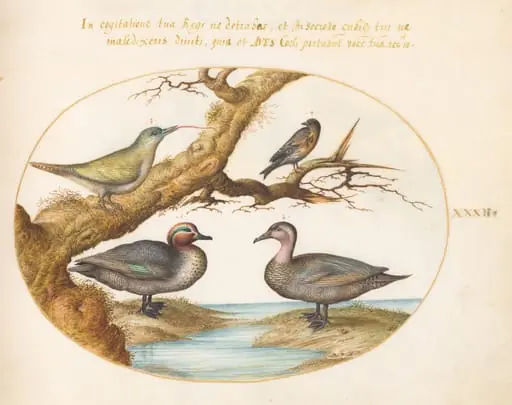 Plate 32: A Green-Winged Teal, a Juvenile Green Woodpecker, and Two Other Birds
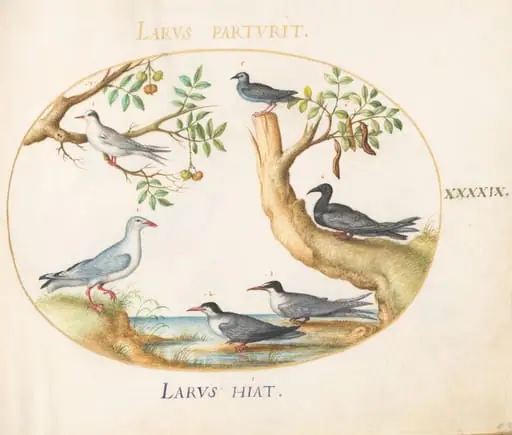 Plate 49: Gulls with a Carob Tree and a Pistachio Tree(?)