Artwork
Plate 27: A Cross Fox, a Hyena/Baboon, a "Sea Wolf," and a Gulon (Wolverine?)
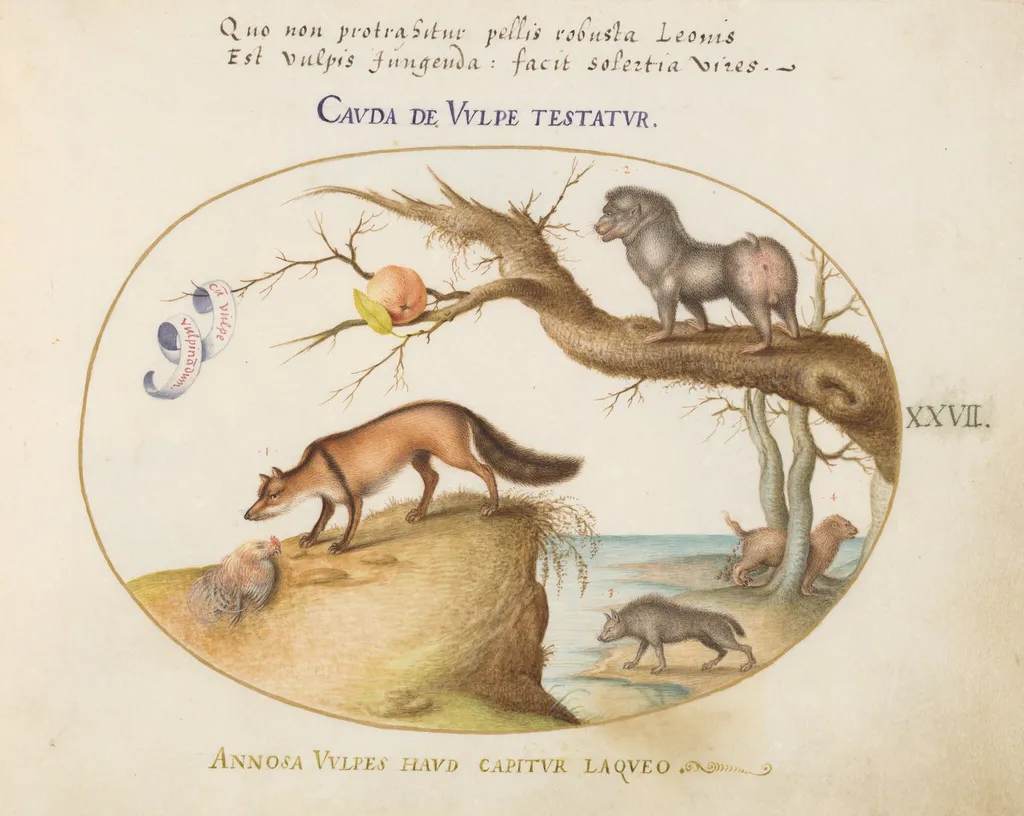
Plate 27: A Cross Fox, a Hyena/Baboon, a "Sea Wolf," and a Gulon (Wolverine?) is a gouache drawing by the Renaissance artist Joris Hoefnagel. It dates from 1594 and is held in the collection of the National Gallery of Art. Plate 27: A Cross Fox, a Hyena/Baboon, a 'Sea Wolf,' and a Gulon (Wolverine?
- Inscription
- Inscribed:upper center in black ink: Quo non protrabitur pellis robusta Leonis / Est vulpis iungenda: facit solertia vires.; upper center in violet ink: CAVDA DE VVLPE TESTATVR. (“A fox is given away by his tail.” Erasmus, _Adages_, 1.9.35) (trans. Bass 2019, 207); center right in black ink: XXVII.; animals in image numbered .1., .2., .3., and .4.; banderole/scroll at left in image in red ink: cu[m] vulpe vulpina[m] dum.; lower center in (gold?): ANNOSA VVLPES HAVD CAPITVR LAQVEO. Facing page: upper center in red ink: Omnis caro sicut foenum verterascet: et sicut FOLIVM / fructificans in arbore viridi.Ecc[es]:14. (“All flesh shall fade as grass, and as the leaf that springs out on a green tree.” Ecclesiasticus 14:18) (Latin Vulgate Bible); middle center in black ink: Subdola, saeva, rapax, Inventrix mille malorum / Corpore quot pili, totidem sunt pectore fraudes.; lower center in brown ink: Dum lynces orcando fremunt: ursus f[a]erus uncat: Ast Lupus ipse ululat: frendet agrestis aper.
About this work
Overview
Plate 27: A Cross Fox, a Hyena/Baboon, a 'Sea Wolf,' and a Gulon (Wolverine?) is a watercolor and gold paint drawing on parchment created by Joris Hoefnagel around 1594. It showcases the artist's skill in blending naturalistic observation with artistic detail.
Subject & Meaning
The drawing depicts four animals in a small scene: a red fox, a monkey-like creature, a wolverine, and a hyena-like animal. The composition may suggest a narrative, with the animals' gazes drawn to an apple except for the fox, potentially hinting at a story or symbolism.
Technique & Style
Hoefnagel employed watercolor and gold paint to achieve a detailed, layered effect. The use of glazing techniques allowed for the build-up of colors, contributing to the work's visual richness. The gold paint framing the scene adds to its ornate quality.
History & Provenance
Joris Hoefnagel, a Flemish artist trained as a painter, printmaker, and draftsman, was instrumental in the transition from illuminated manuscripts to detailed naturalistic studies. His work reflects a blend of artistic skill and observational precision, characteristic of his contributions to natural history illustration.
Own this work as a print
Artist & collection

Artist
Joris Hoefnagel or Georg Hoefnagel (1542 – 24 July 1601) was a Flemish painter, printmaker, miniaturist, draftsman and merchant.

 Forum Vulcani: The Hot Springs at Pozzuoli
 Plate 76: Insects with a Pink and Cream Columbine
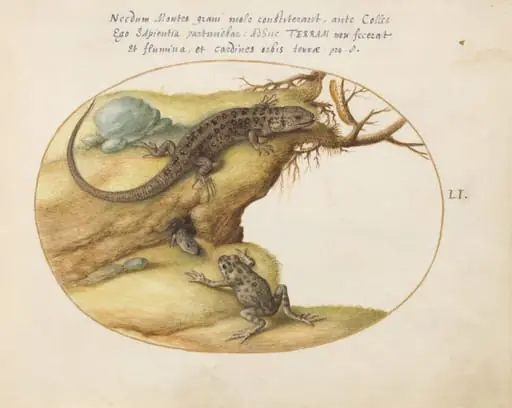 Plate 51: Two Sand Lizards, a Common Parsley Frog(?), and a Caterpillar
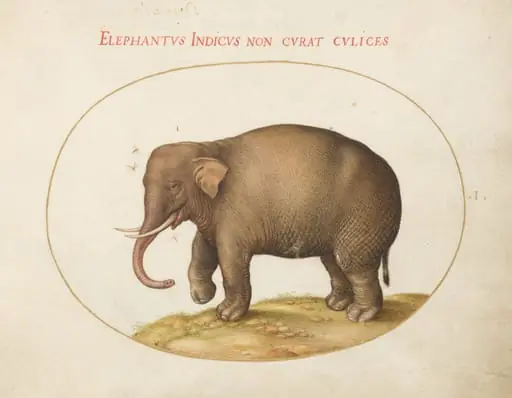 Plate 1: Elephant with Insects
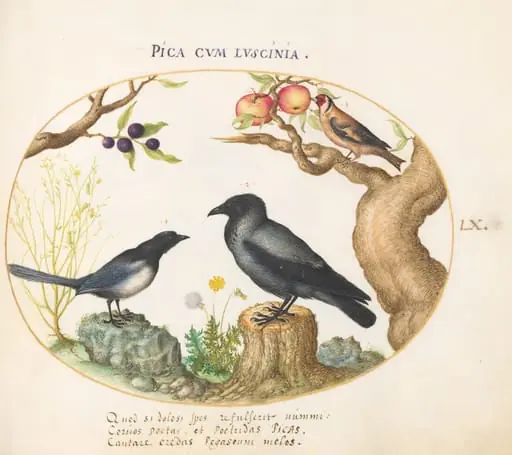 Plate 60: Magpie, Crow, and Goldfinch
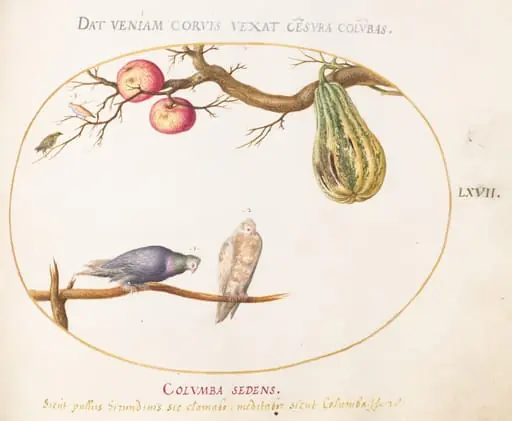 Plate 67: Two Doves beneath a Gourd and Apples
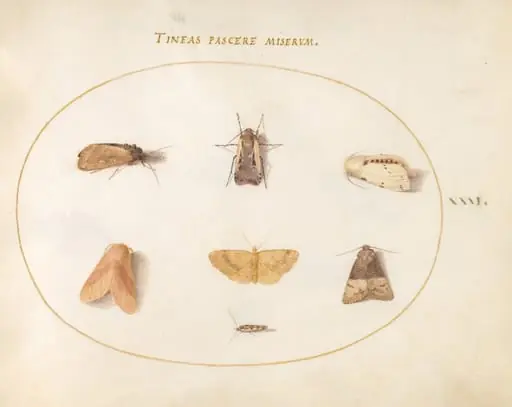 Plate 31: Seven Moths
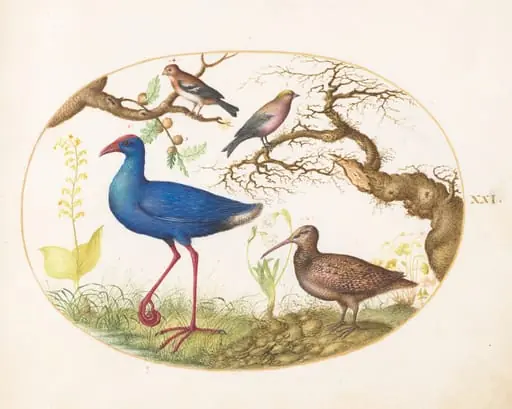 Plate 21: Swamp Hen and Woodcock with a Streaked Rosefinch, a Finch, and Oak Galls
- Plate 49: Marmot, Hamsters, Rat, Field Mouse, Shrew, and a Coatimundi
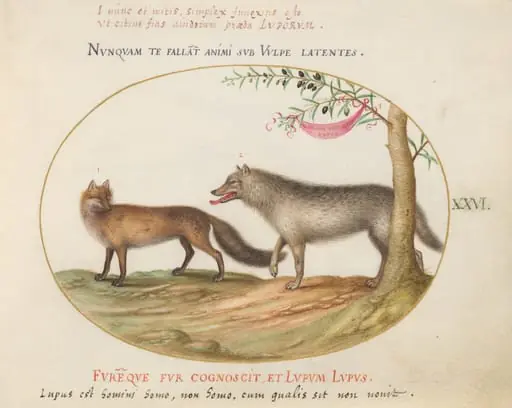 Plate 26: A Red Fox and a Wolf
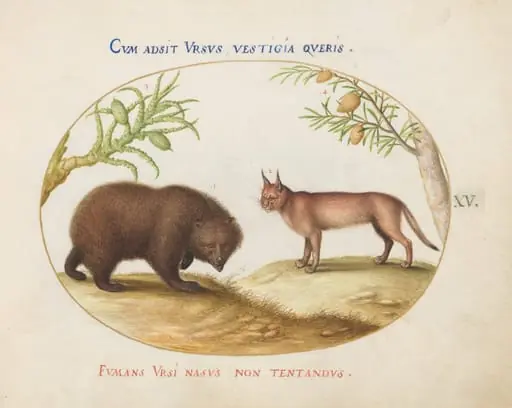 Plate 15: A Bear and a Lynx(?)
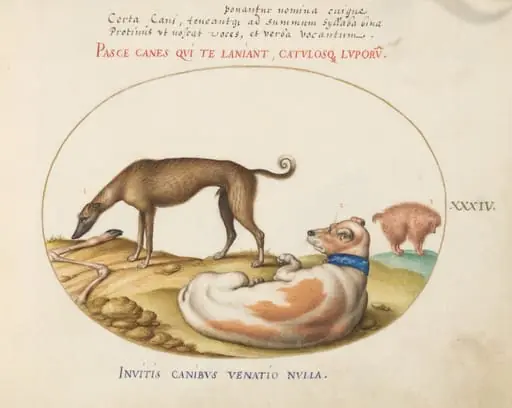 Plate 34: Three Dogs, Including a "Mimick"
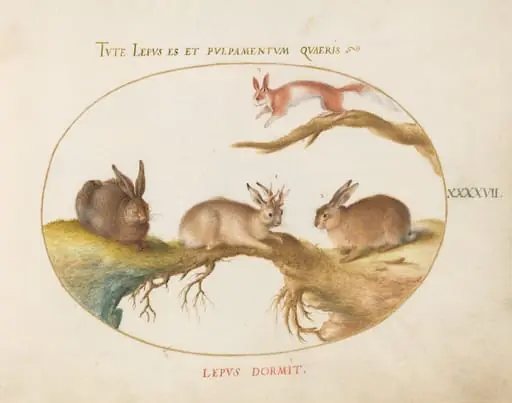 Plate 47: A Hare, "Jackalope," a Rabbit, and a Spotted Squirrel
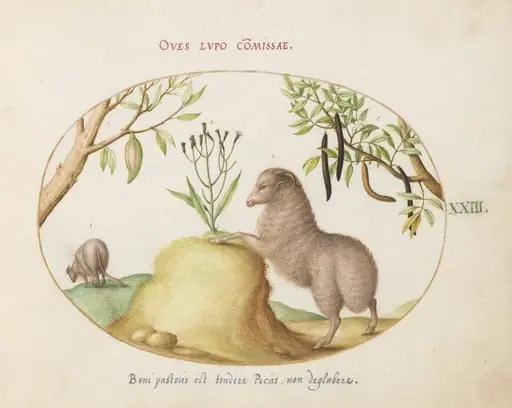 Plate 23: A Fat-Tailed Sheep, a Sheep with a Long Tail, a "Cassia purgatrix,"and Other Plants
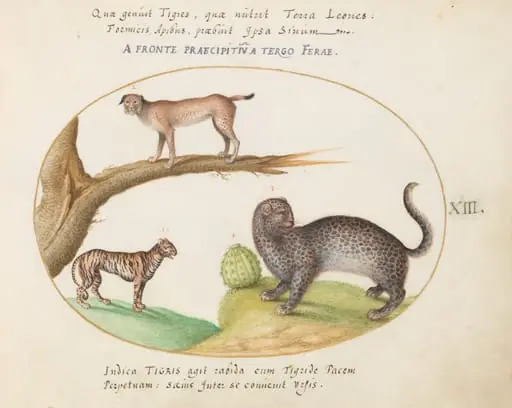 Plate 13: A Tiger, a Lynx, and a Jaguar(?)
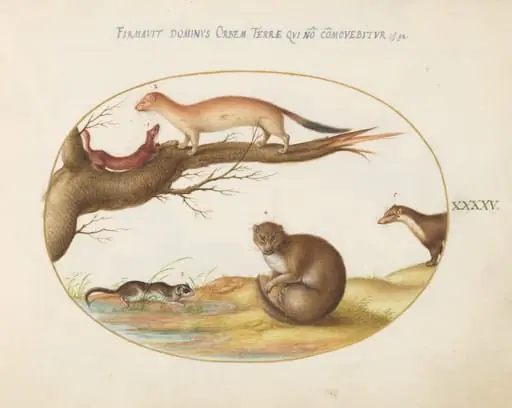 Plate 45: Weasels, a Ferret, and a "Nut Mouse"
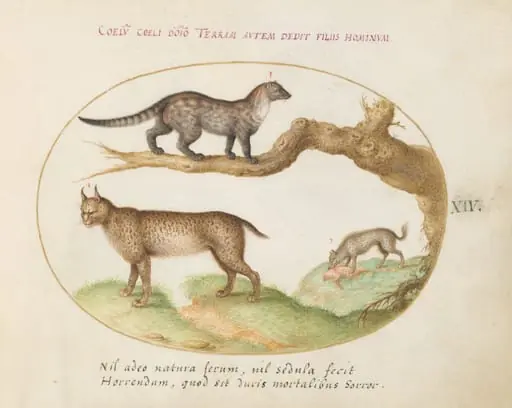 Plate 14: A Civet, a Lynx, and a Hyena Eating a Dog
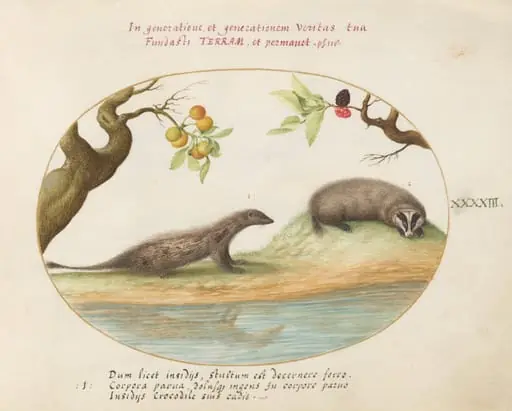 Plate 43: Mongoose and Badger with Fruit Trees
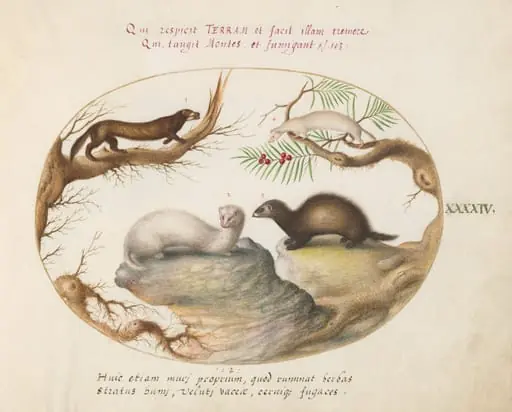 Plate 44: Polecat, Mink, and Ermine