
Subject
Monkey
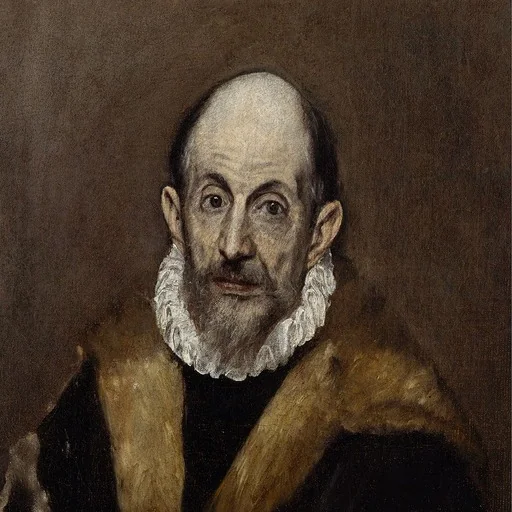
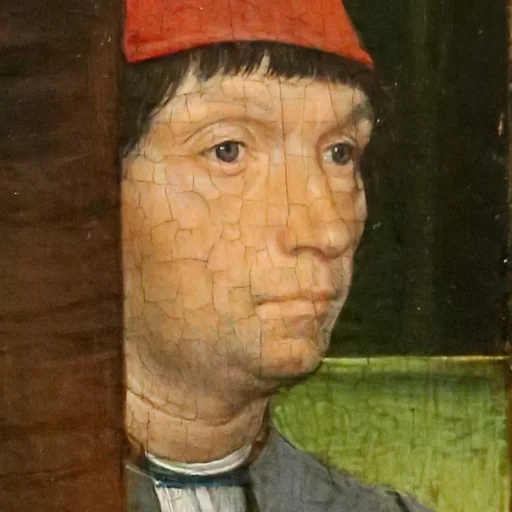
Monkey is a subject in art. The gallery holds 91 works in this subject in art, including works by Lodewijk Tieling, El Greco and Hans Memling.
Few animals have carried as heavy a symbolic load in Western art as the monkey, prized precisely because it seems to mimic humanity while falling short of it. In medieval manuscripts the ape capers through the margins as a "thoughtless imitator," aping knights, nuns and physicians to expose human vanity, gluttony and folly; Christian writers, troubled by a creature so nearly human yet not, cast it as a figure of the sinner and even of the devil. An ape clutching an apple alluded to the Fall, while a chained monkey embodied the soul fettered by base desire. The Renaissance complicated this morality. The phrase *ars simia naturae*—"art is the ape of nature"—turned the copycat into an emblem of the artist who studies and imitates creation, and monkeys, increasingly arriving in Europe as exotic diplomatic gifts and aristocratic pets, came to personify the five senses and worldly curiosity.
Out of this tradition grew the *singerie* ("monkey trick"), a genre of pictures in which monkeys dressed as people perform human roles. Pieter van der Borcht established it as an independent theme around 1575, and Flemish masters such as David Teniers the Younger, Jan Brueghel the Elder and Abraham Teniers made it a recognised category. It flowered in eighteenth-century Rococo France: Christophe Huet covered the walls of the Grande Singerie at the Château de Chantilly (c. 1737, for the prince de Condé) with monkeys soldiering and tightrope-walking amid chinoiserie, while Chardin's *Le Singe peintre* mocked the artist himself. Alexandre-Gabriel Decamps revived the satire in *The Experts* (1837; Metropolitan Museum), where bewigged apes appraise a Poussin-style landscape—a barb aimed at the Académie jury that had rejected him.
The monkey is equally central to Asian art. The Hindu warrior-god Hanuman of the *Ramayana* and the Chinese trickster Sun Wukong of the sixteenth-century *Journey to the West* anchor vast devotional and narrative traditions, while ink painters of China and Japan prized the long-armed gibbon as an image of unworldly grace. In Buddhist painting monkeys appear among the grieving animals of *nehan-zu* scenes of the Buddha's death—as in works held in this collection.
The theme persisted into modernism. Henri Rousseau's dreamlike *The Equatorial Jungle* (1909; National Gallery of Art) sets a macaque and tailed gibbons peering from invented foliage, fusing the exotic-pet fascination with naïve fantasy. From marginalia to Surrealist forebears, the monkey has remained art's mirror to humankind—at once double, parody and prey.
Key artists
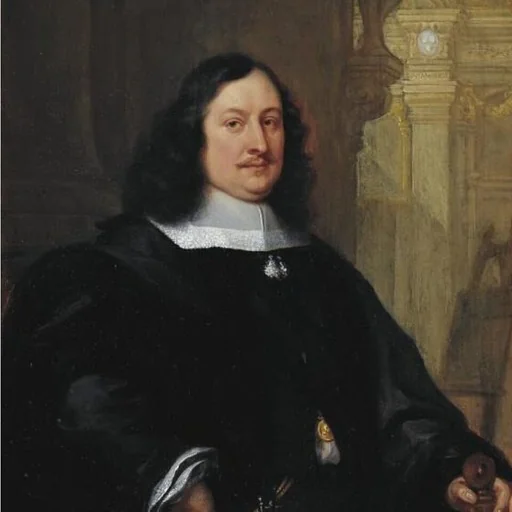
Works
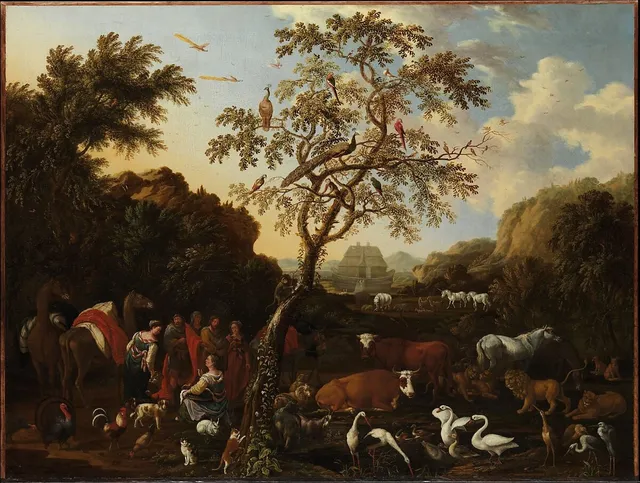
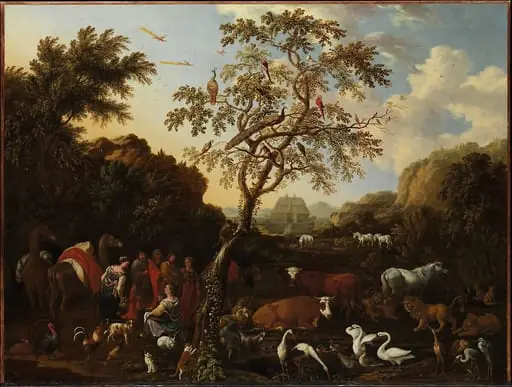 The Ark
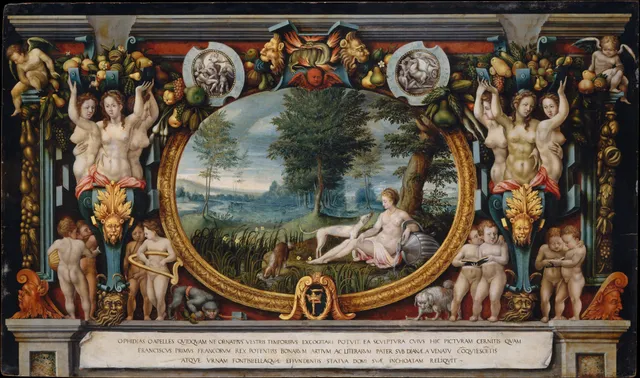
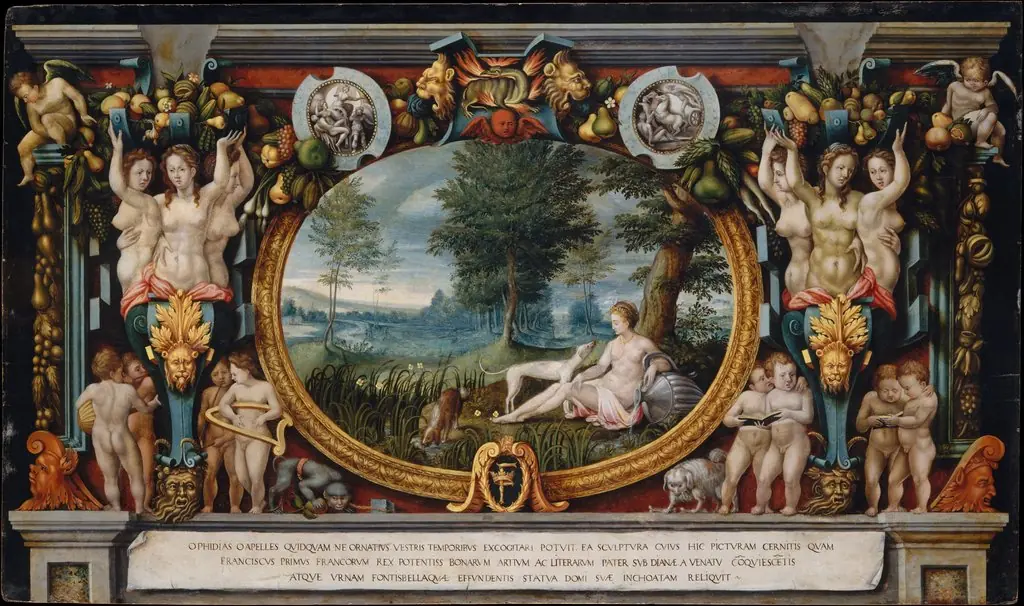 The Nymph of Fontainebleau
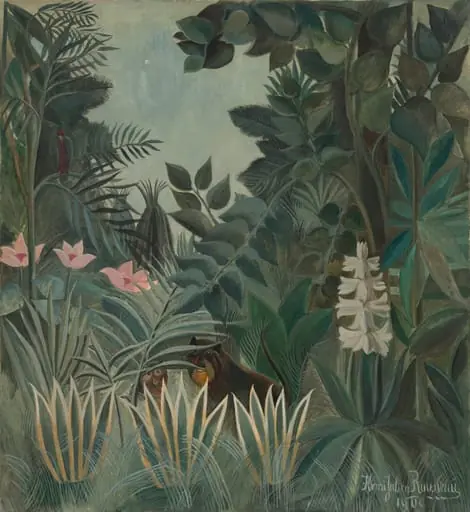 The Equatorial Jungle
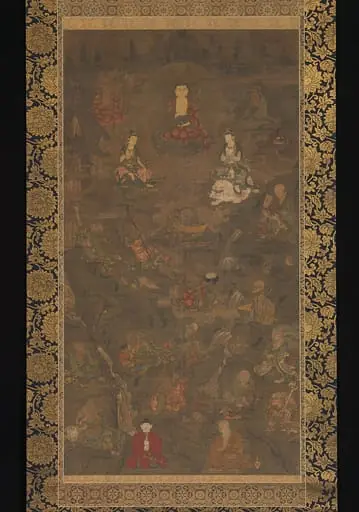 釈迦三尊十六羅漢像|Shaka (Shakyamuni), the Historical Buddha, with Two Attendant Bodhisattvas and Sixteen Arhats
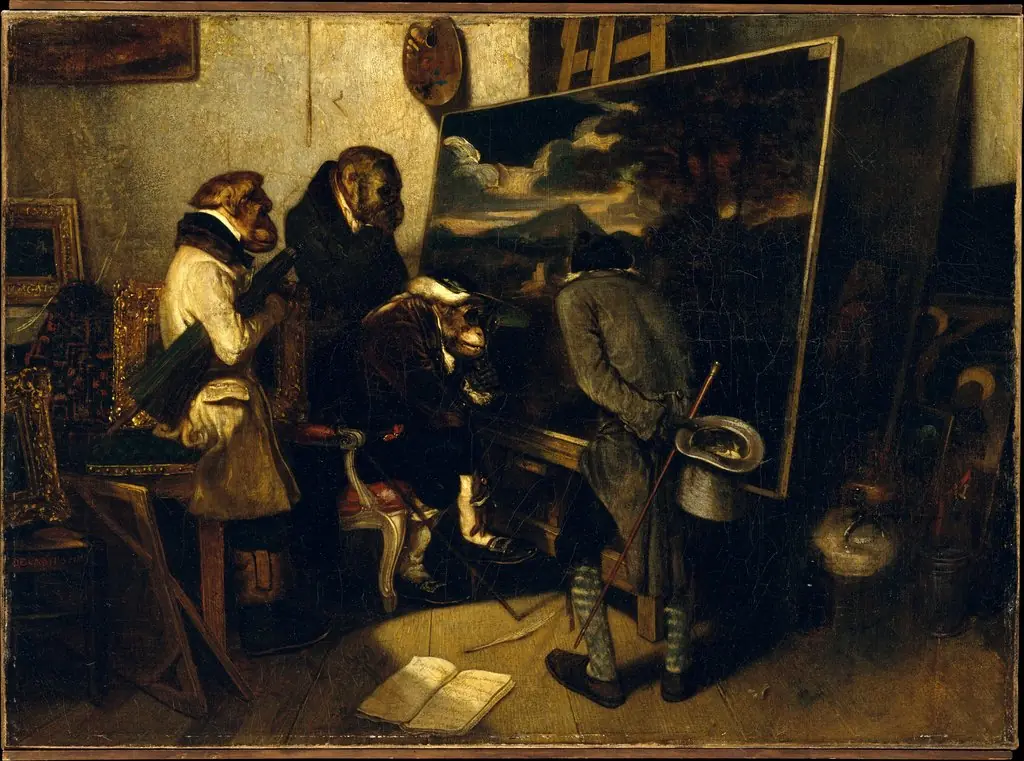 The Experts
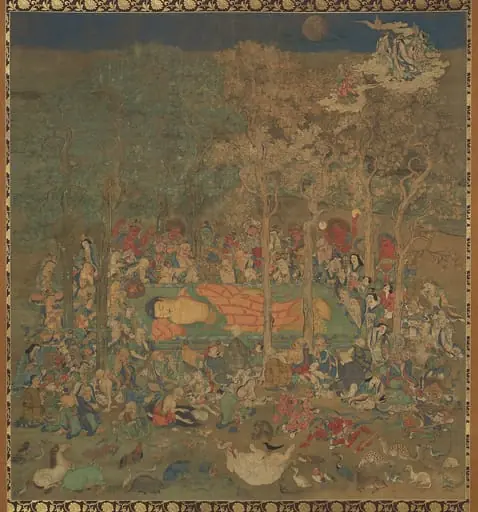 涅槃図|Death of the Historical Buddha (Nehan-zu)
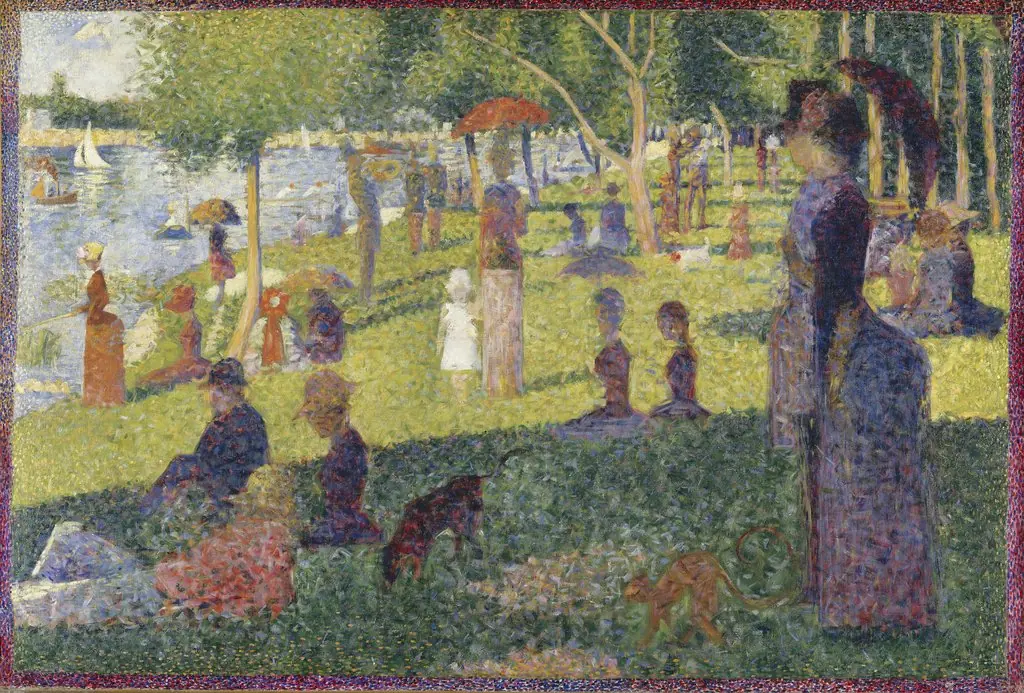 Final study for "La Grande Jatte"
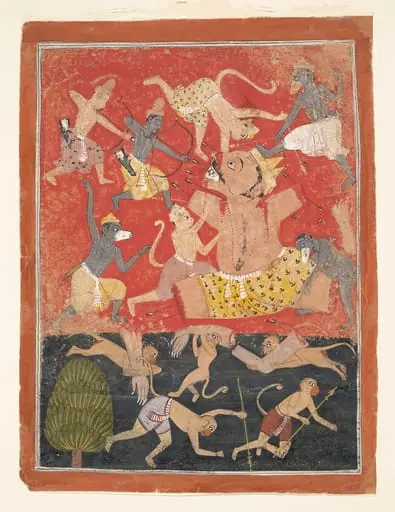 Untitled
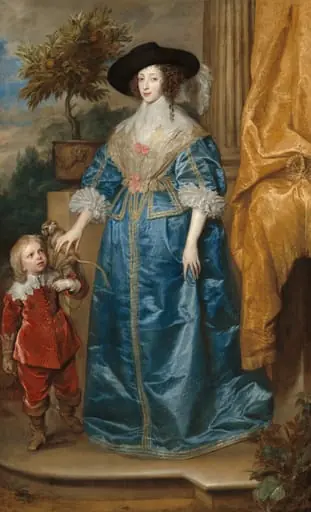 Queen Henrietta Maria with Sir Jeffrey Hudson
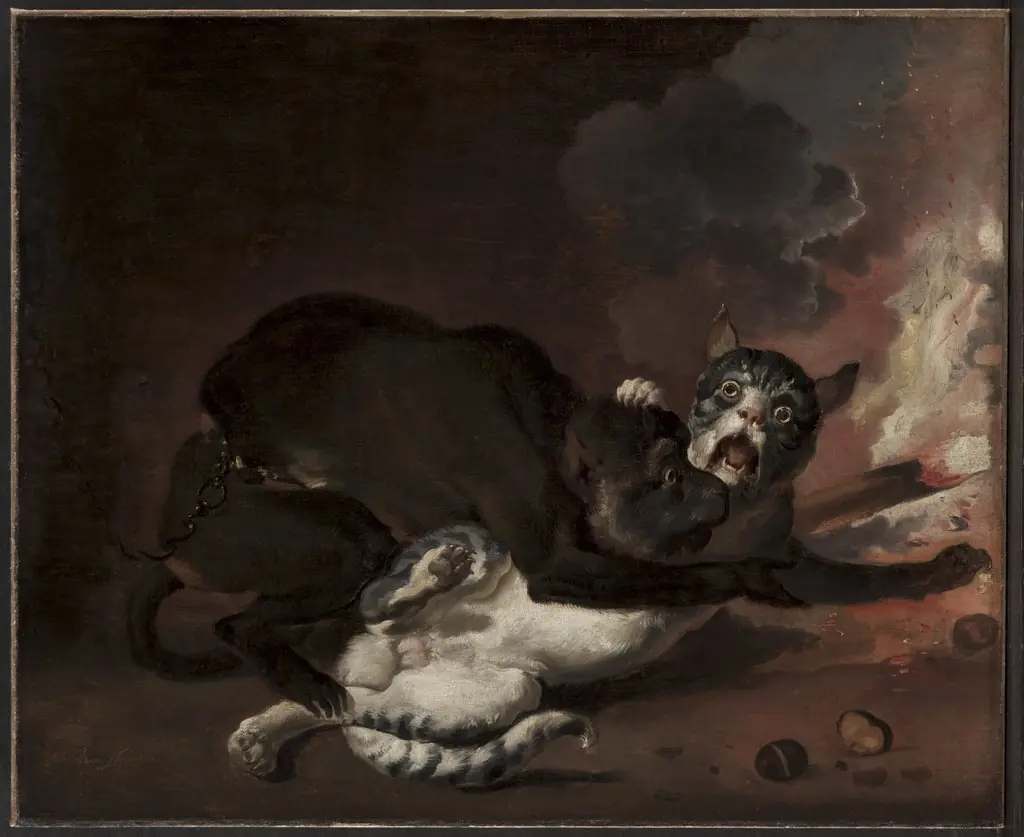 The Monkey and the Cat
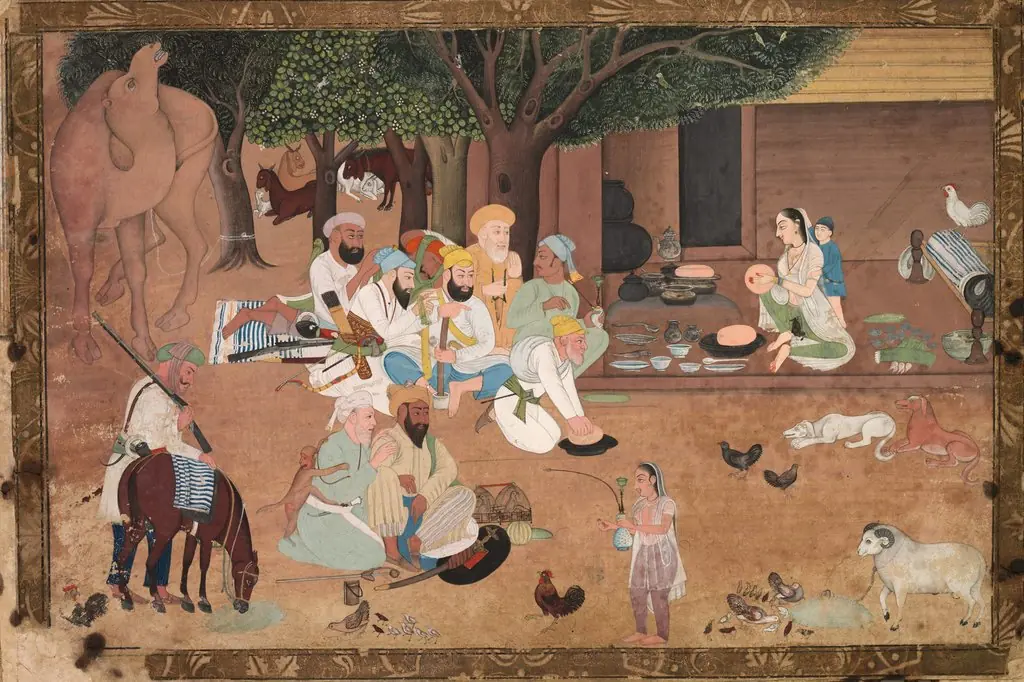 Traveling Warriors Stopping at a Farm
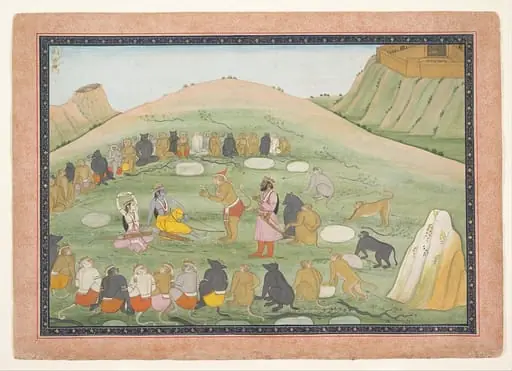 Untitled
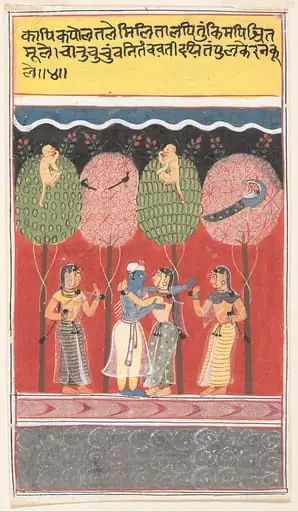 Untitled
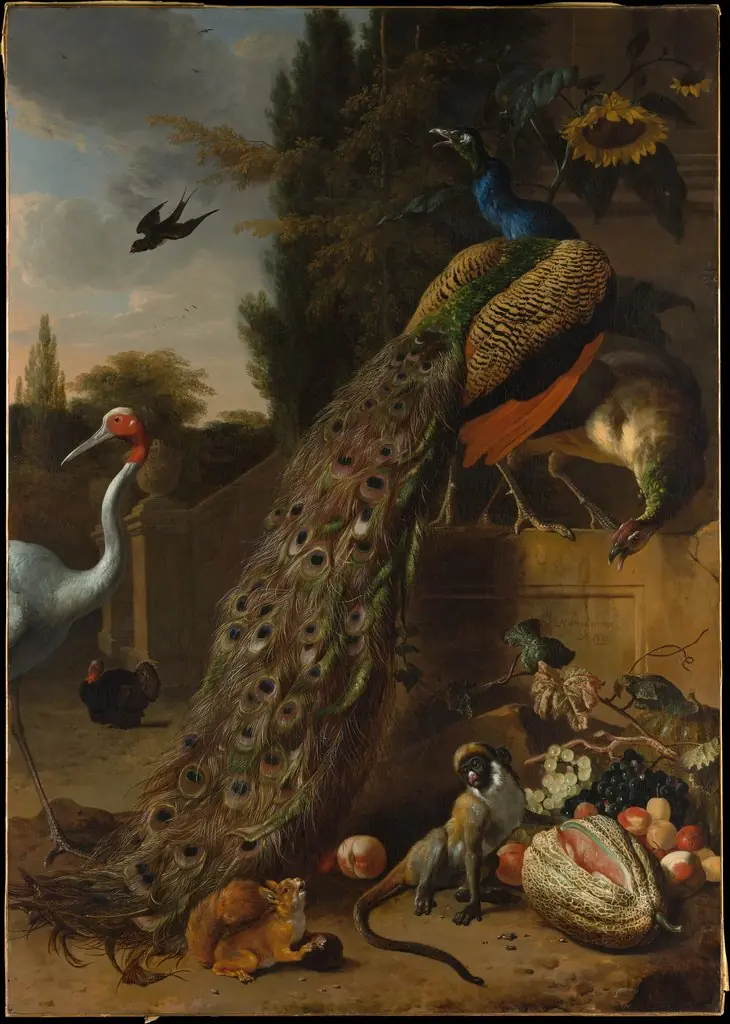 Peacocks
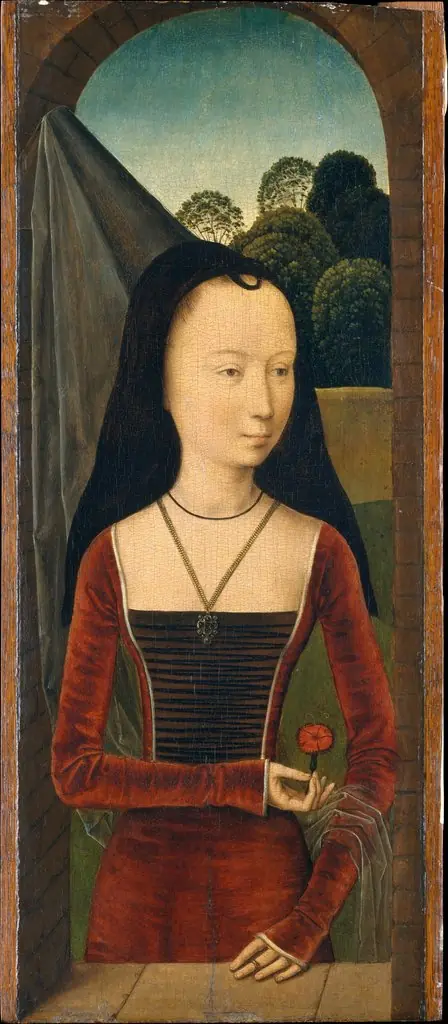 Young Woman with a Pink
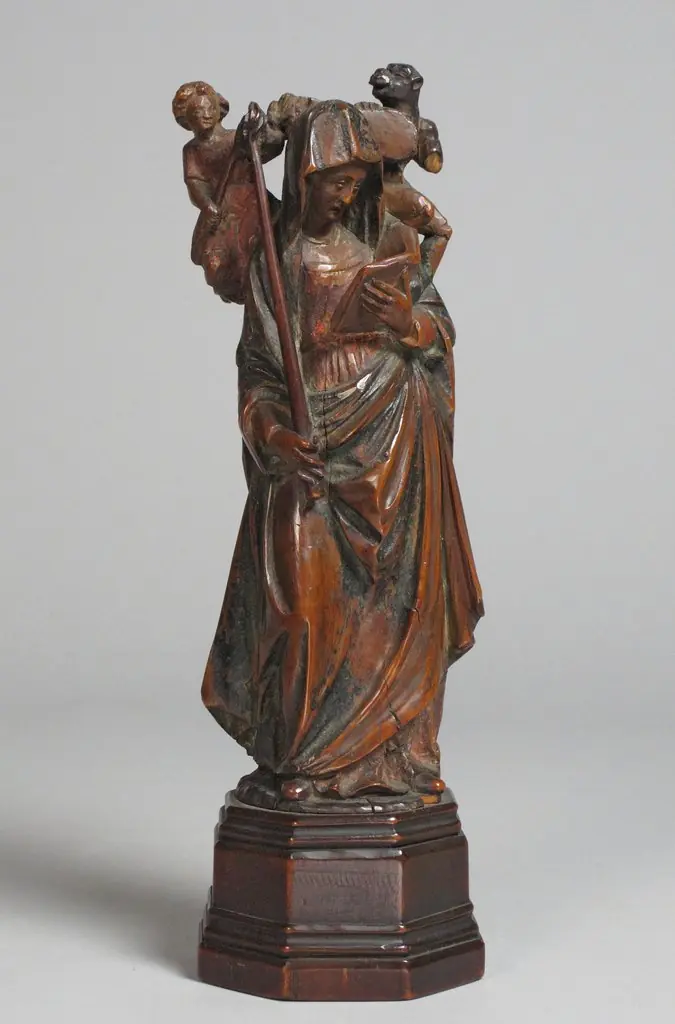 Saint Geneviève
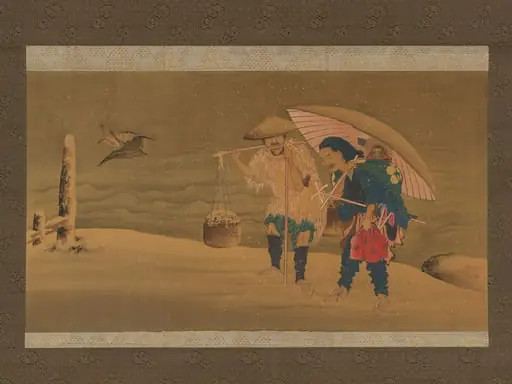 Untitled
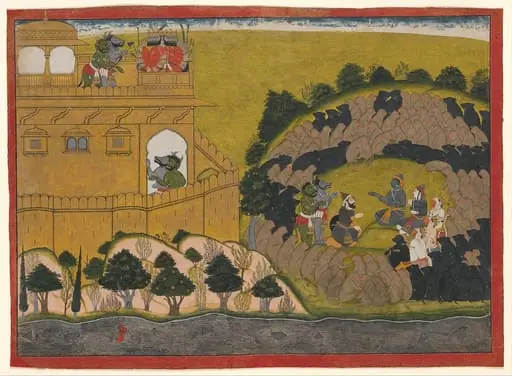 Untitled
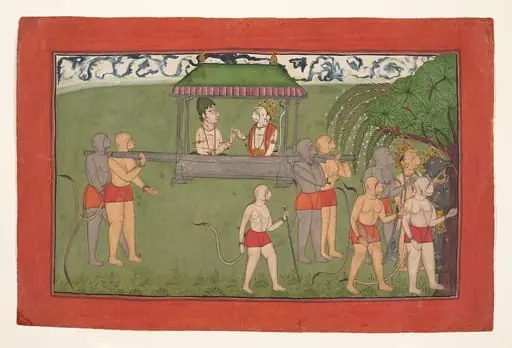 Untitled
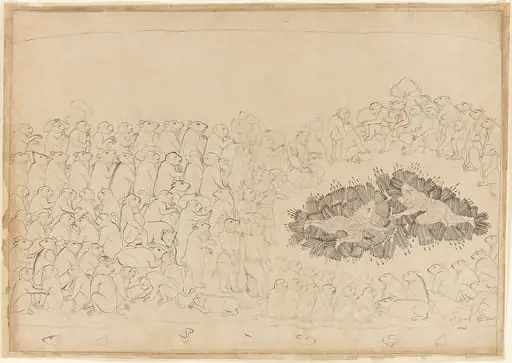
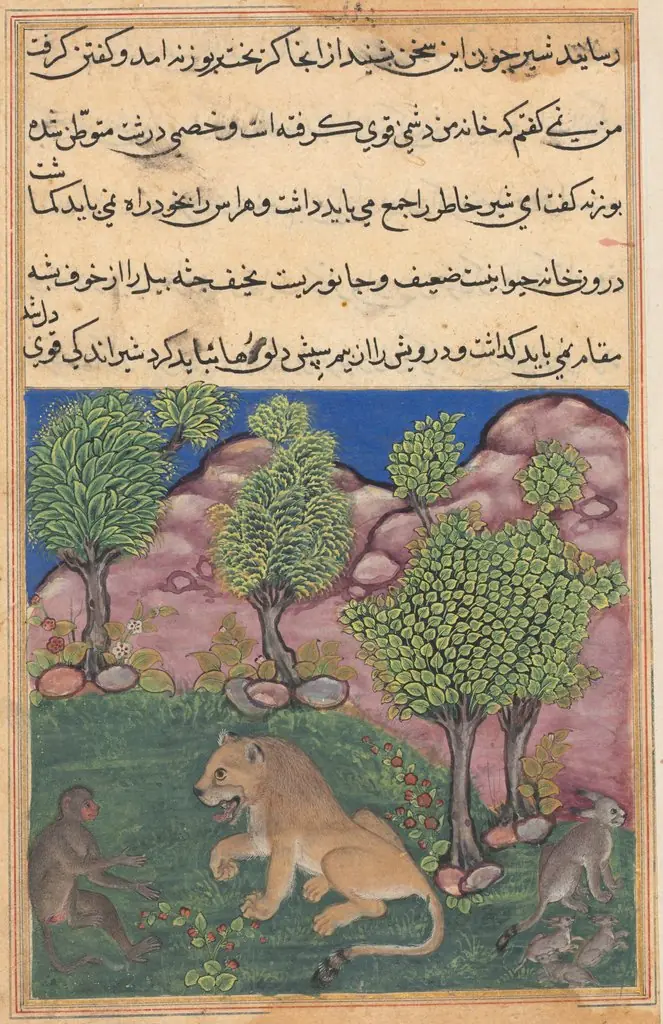 The monkey advises the suspicious lion to cast off fear and take possession of his territory, from a Tuti-nama (Tales of a Parrot): Twenty-ninth Night
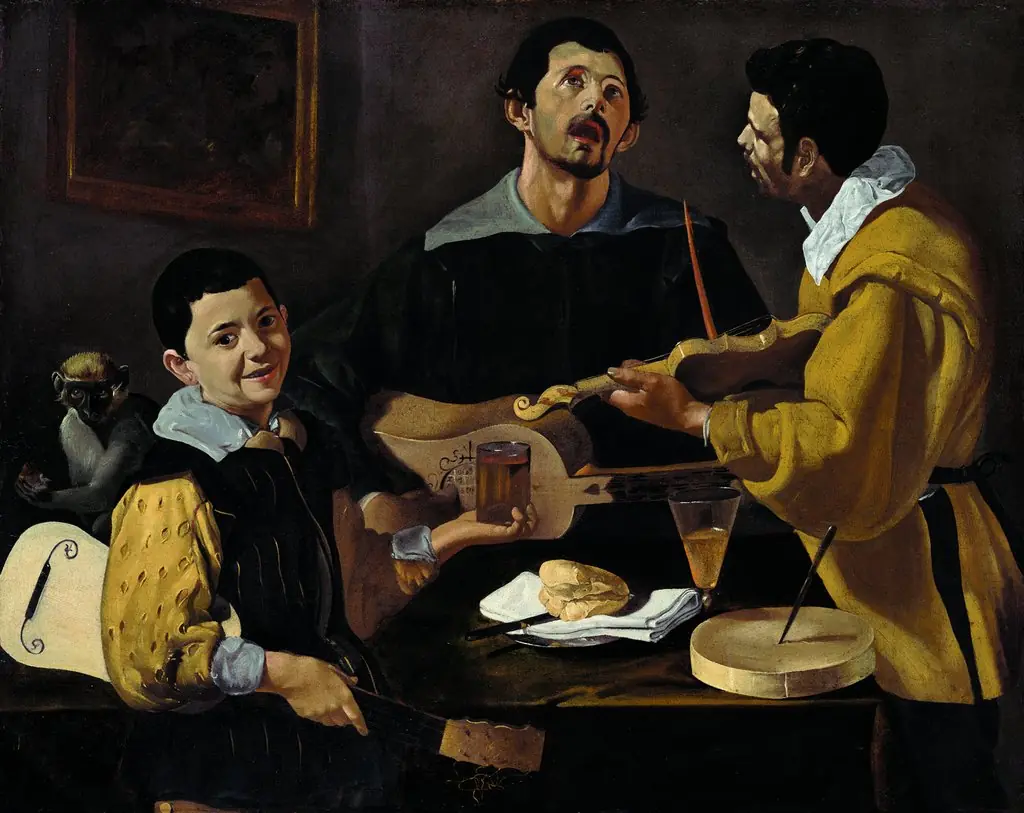 Three Musicians
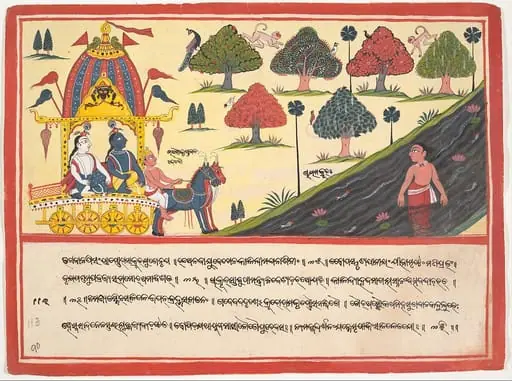 Untitled
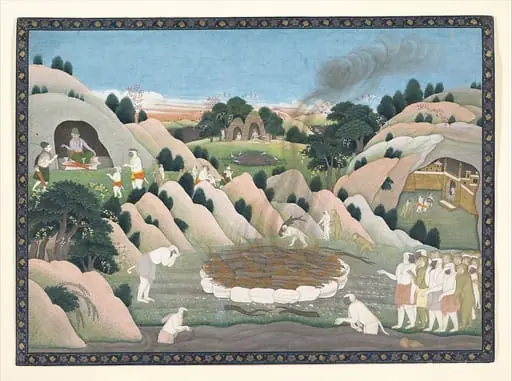 Untitled
 Untitled
 Untitled
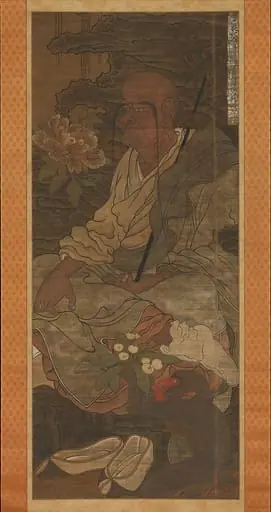 羅漢図(十六羅漢図の内)|Arhat from a series of sixteen Arhats
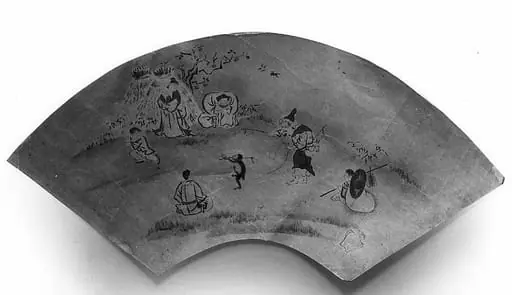 Untitled
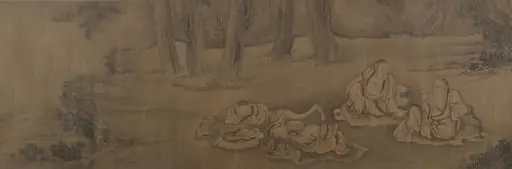 明/清 佚名 傳王齊翰 商山四皓圖 卷|Scholars and Monkeys under Trees
 Untitled
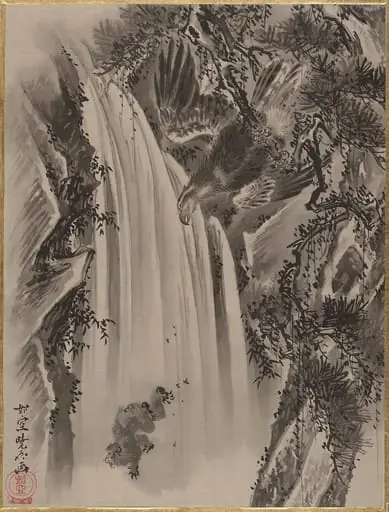
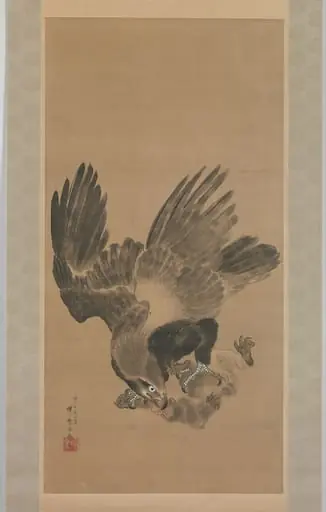 猿を襲う鷲図|Eagle Attacking a Monkey
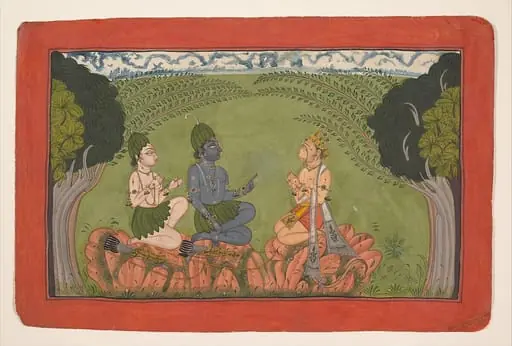 Untitled
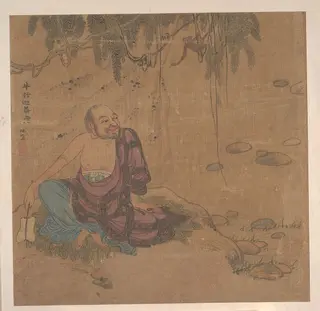 明 宋旭 羅漢圖 冊|Ten Paintings of Luohans
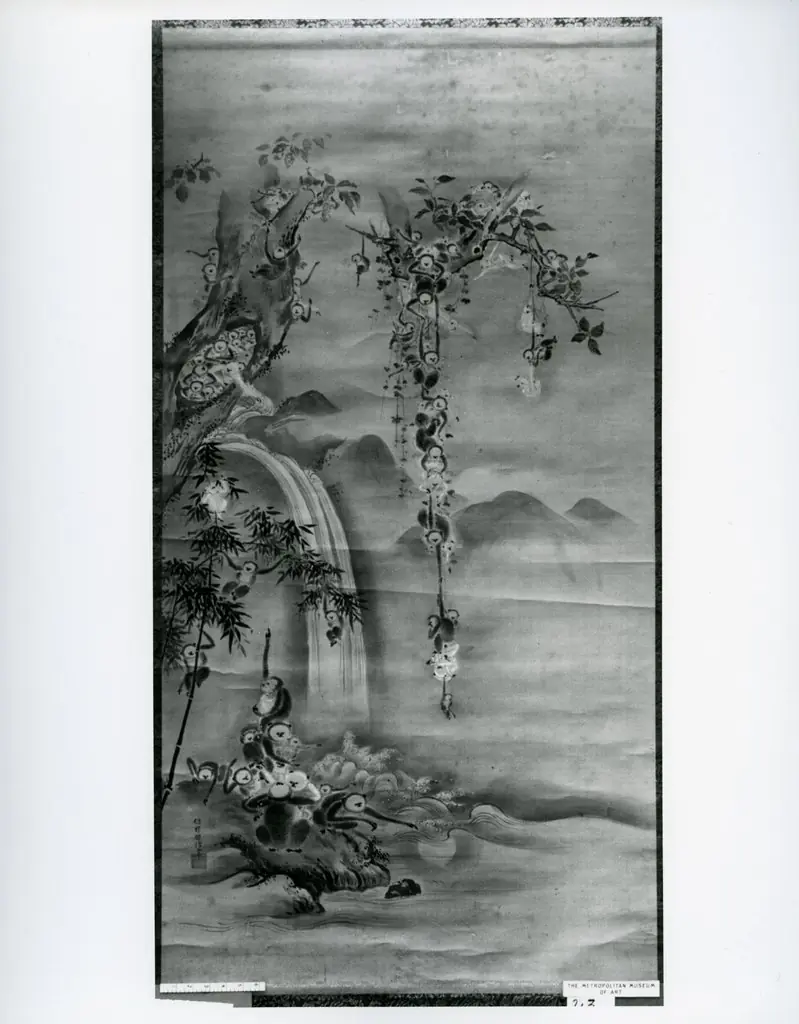 Family of Monkeys
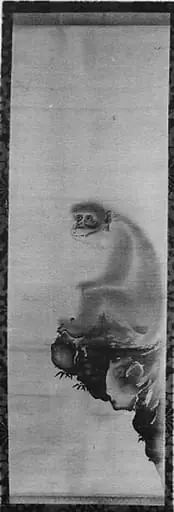 Untitled
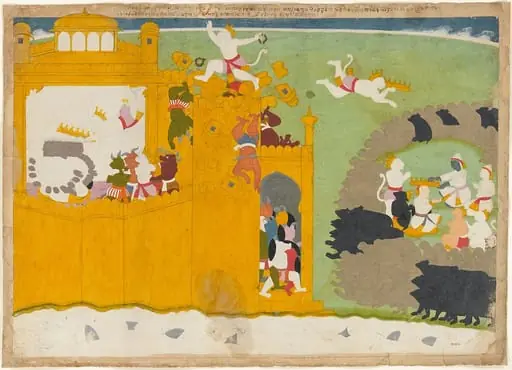 Untitled
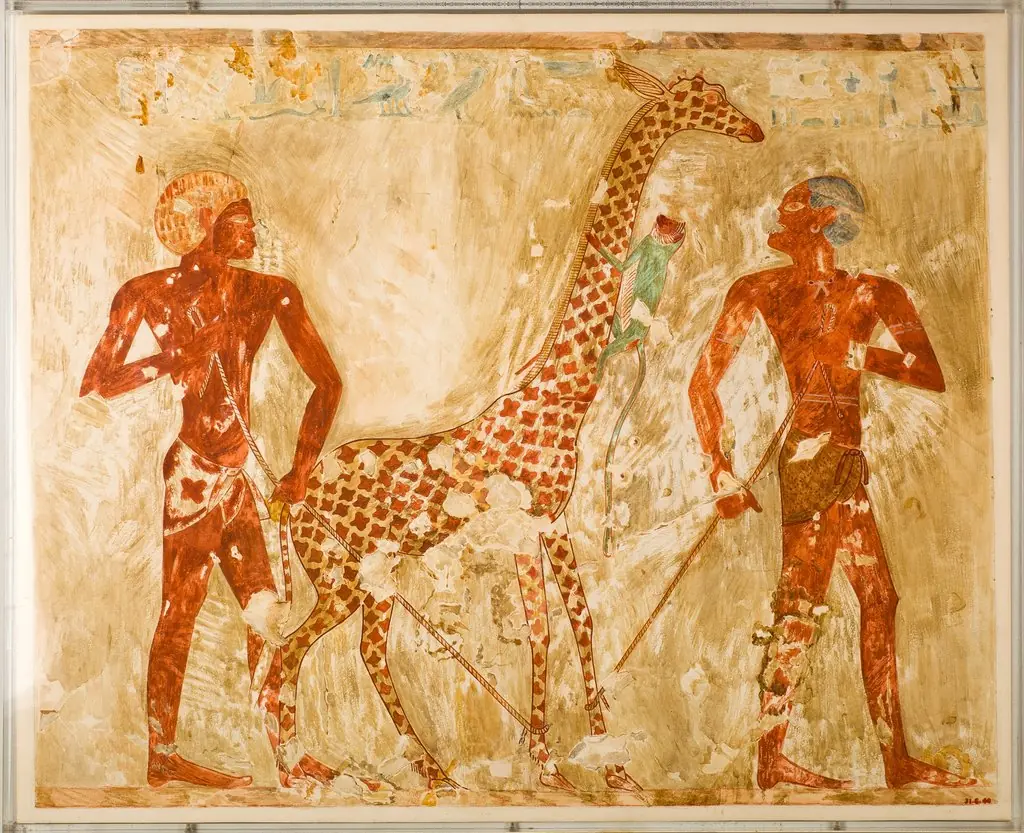 Nubians with a Giraffe and a Monkey, Tomb of Rekhmire
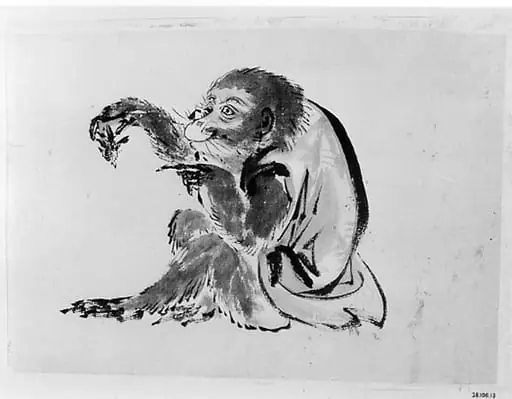 Untitled
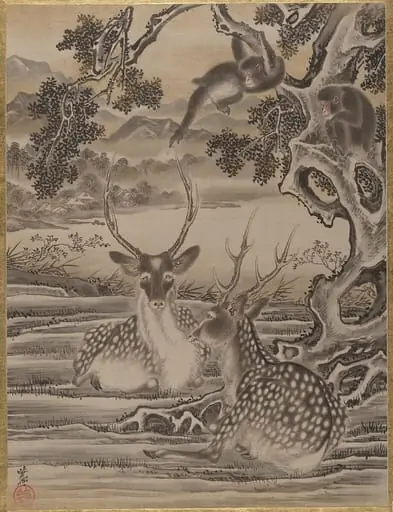 Untitled
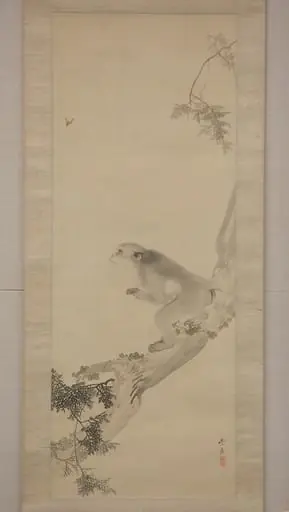 Untitled
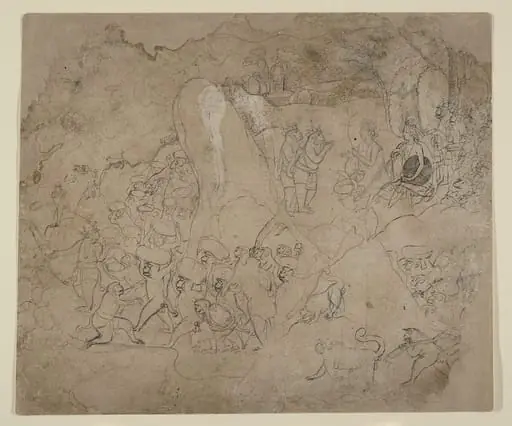 Untitled
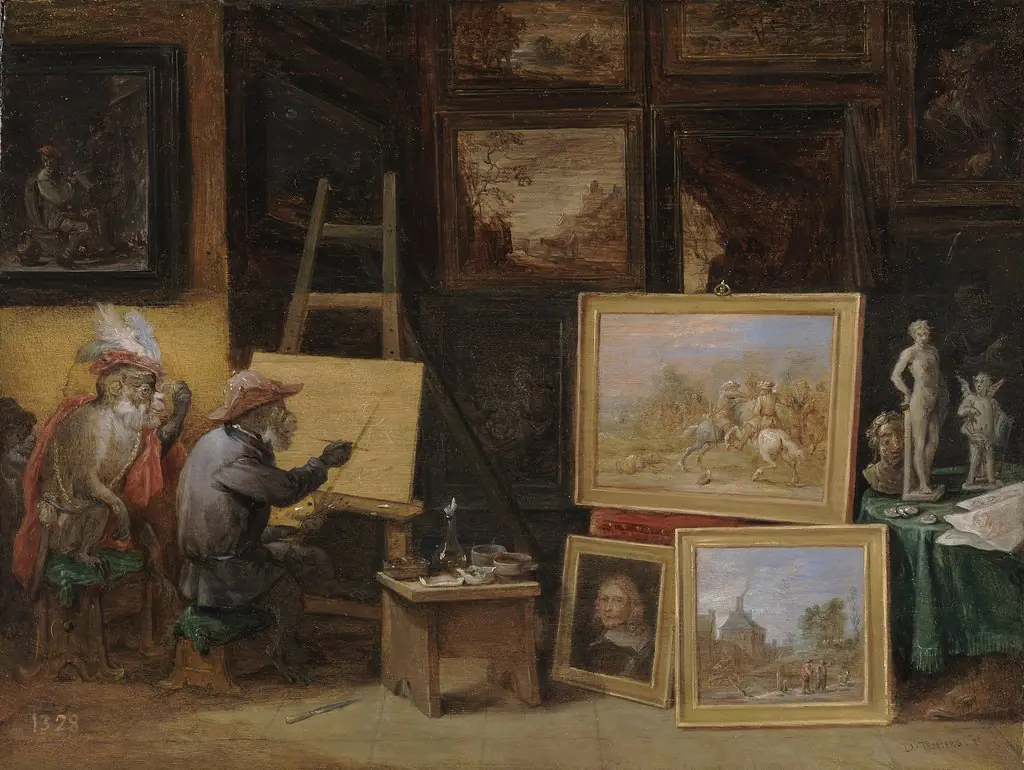 The Monkey Painter
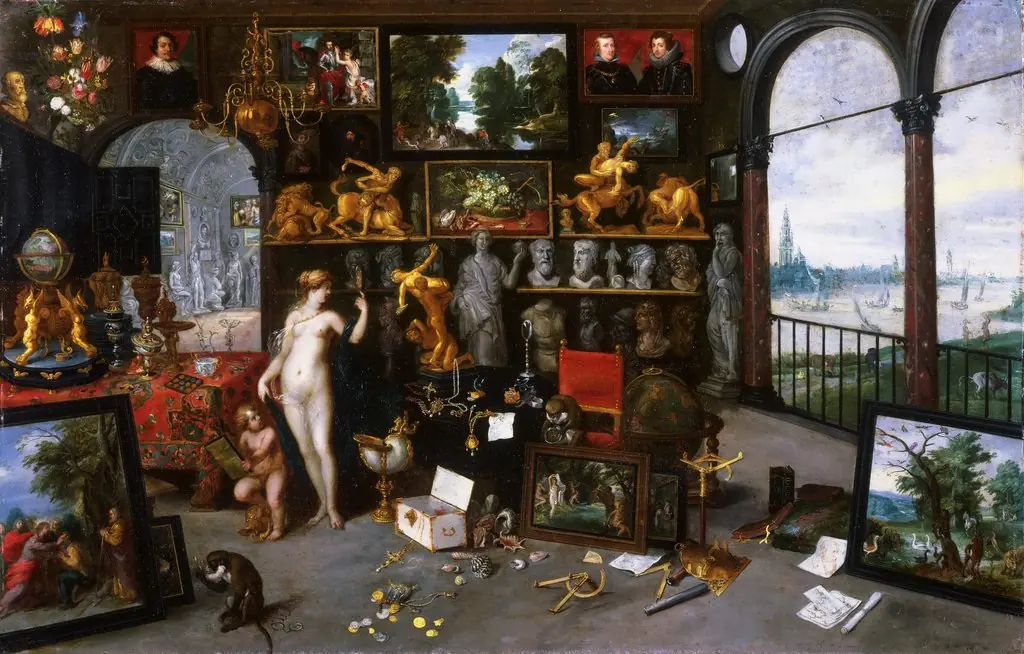 Allegory of Sight (Venus and Cupid in a Picture Gallery)
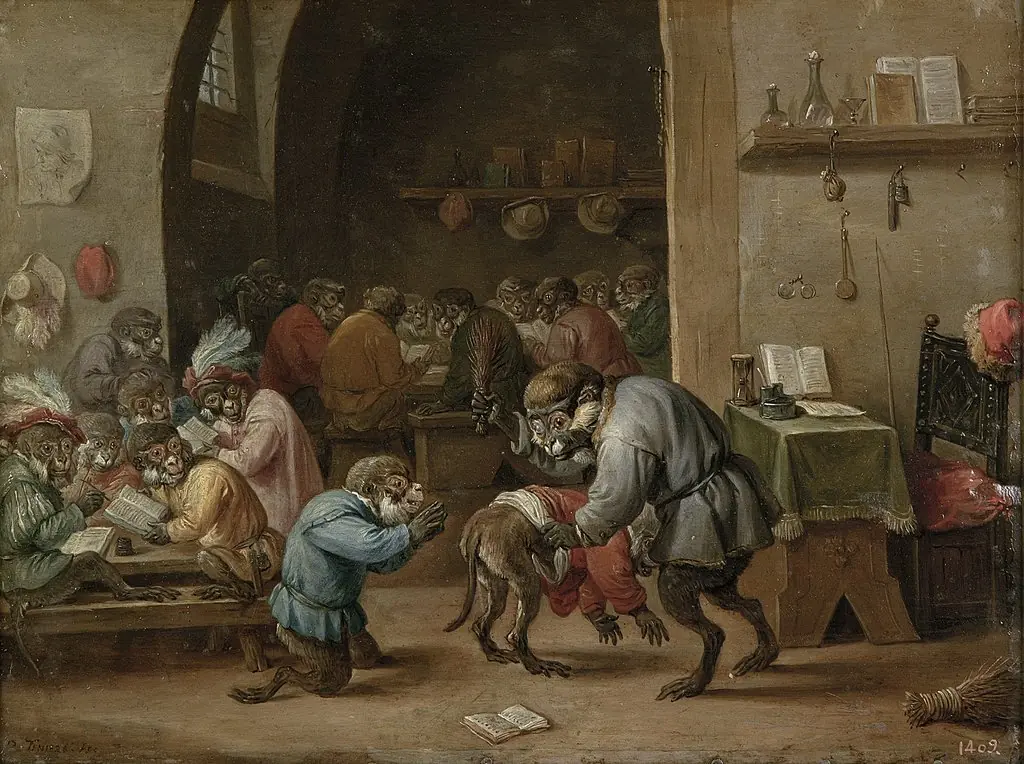 Monkeys in the school
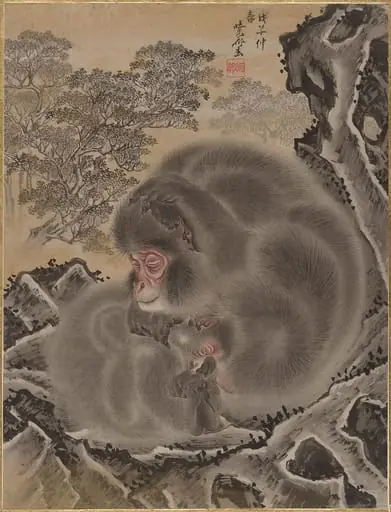 Untitled
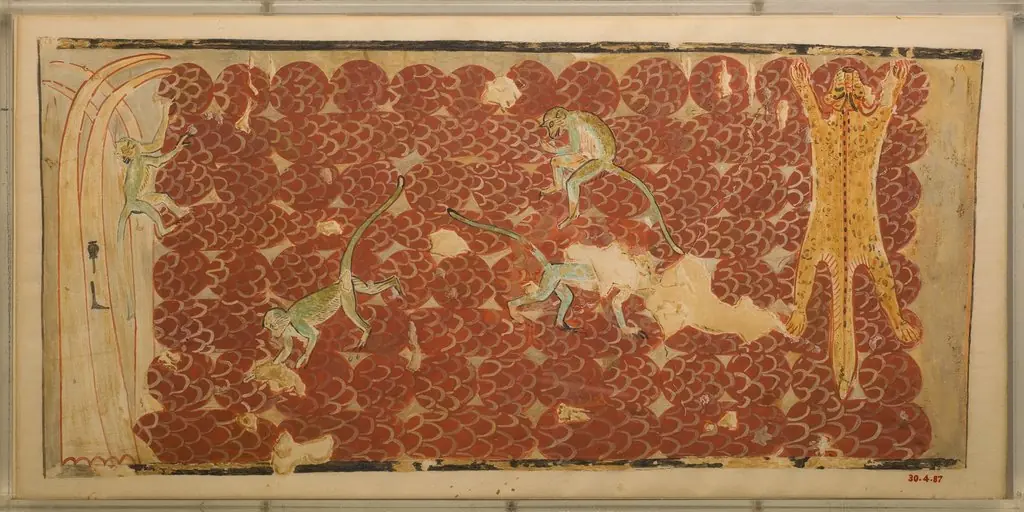 Provisions from Nubia Stored in the Temple, Tomb of Rekhmire
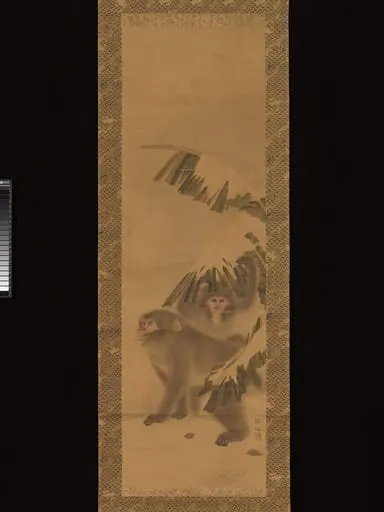 Untitled
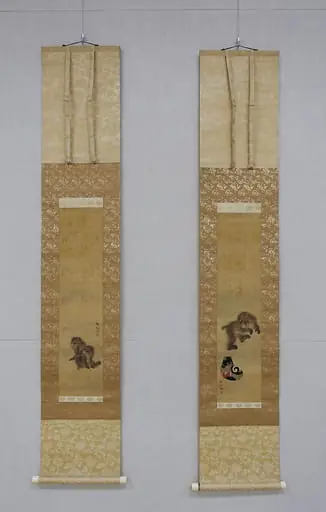 Untitled
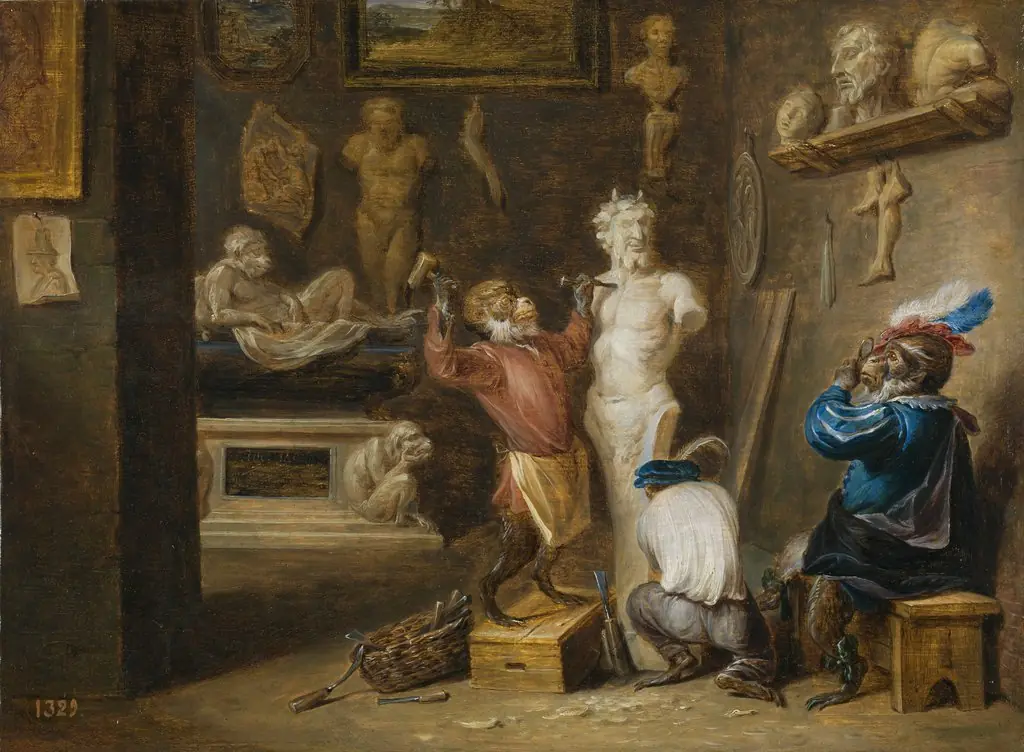 The Monkey Sculptor
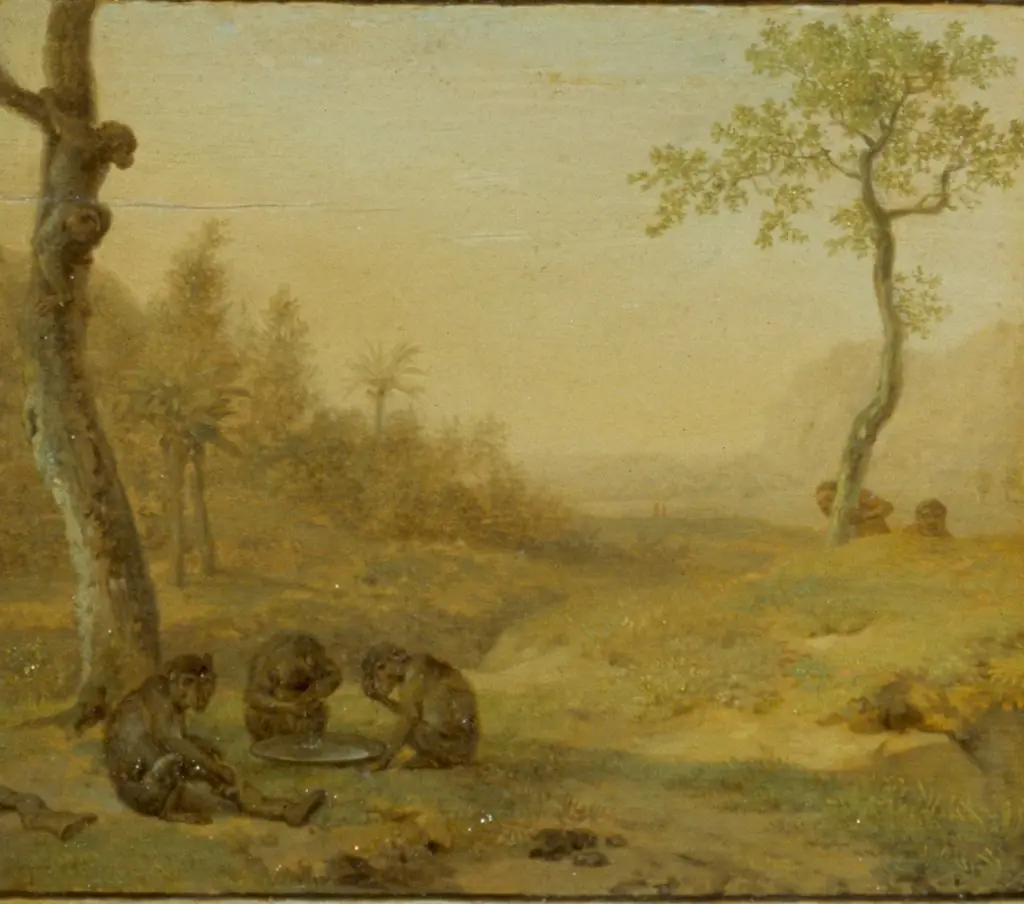 Catching Monkeys
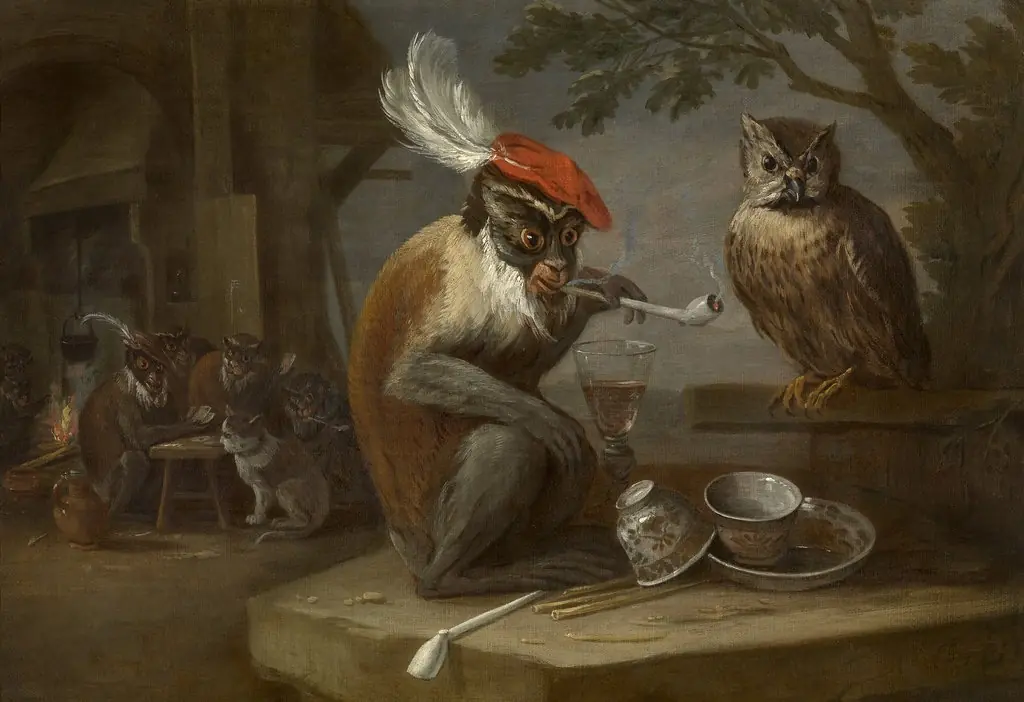 Monkey Trick
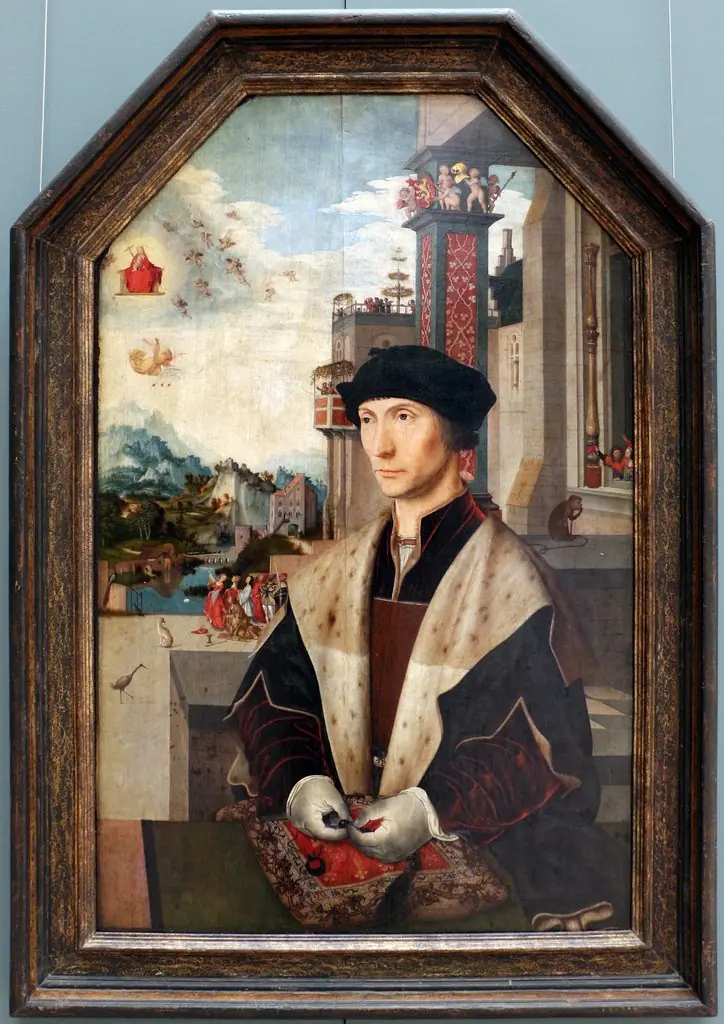 Portrait of the knight Abel van Coulster (1477-1548), representative to the Hof van Holland in 1512
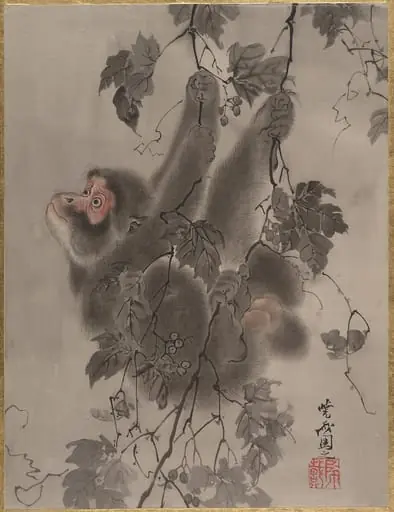 Untitled
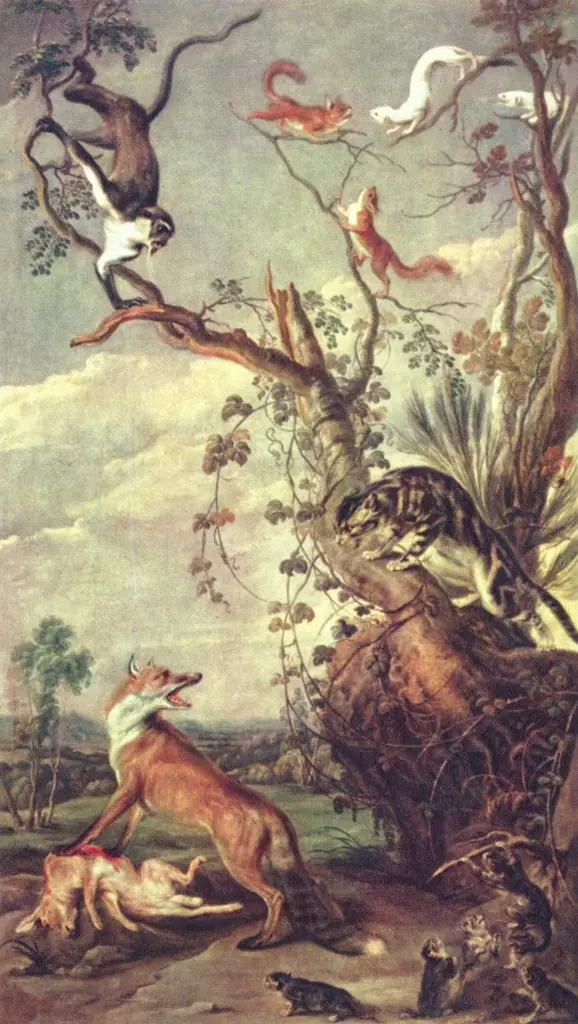 Fox and cat
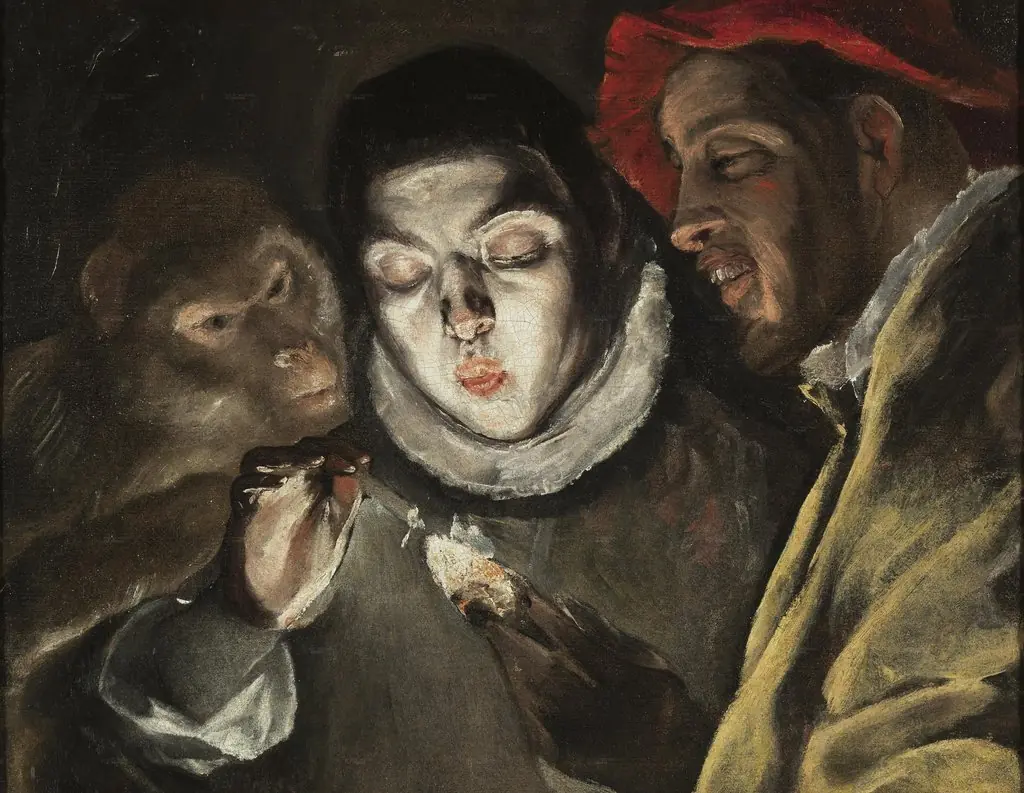 The Fable
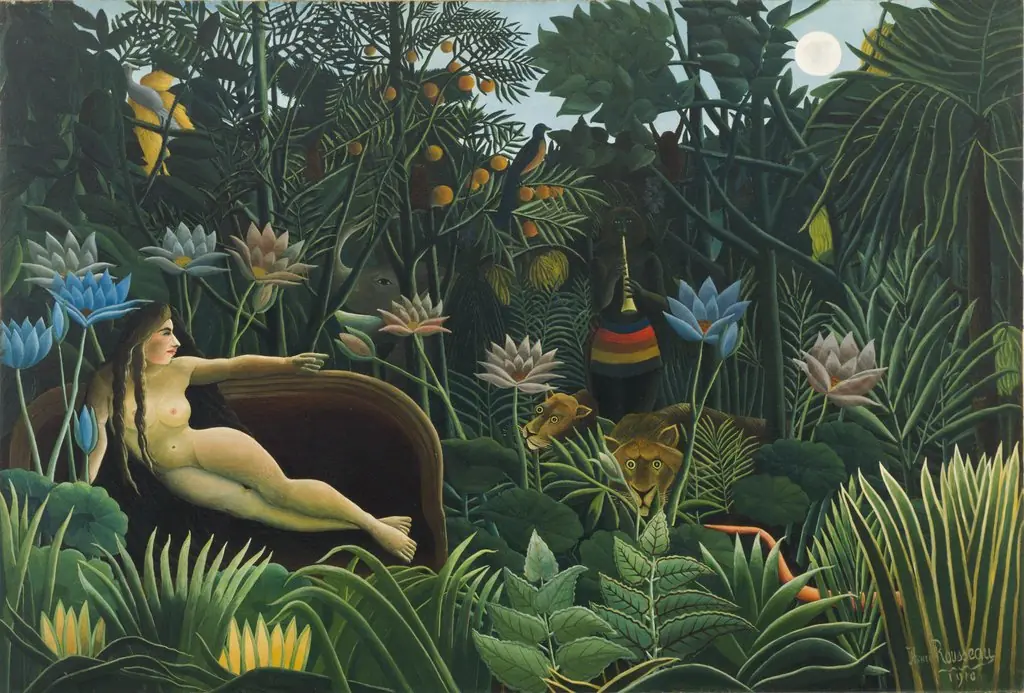 The Dream
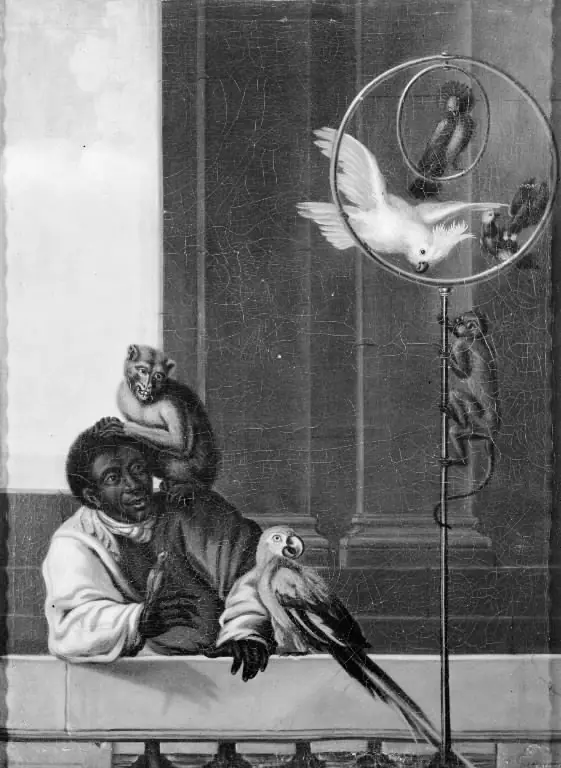 Negro
Negro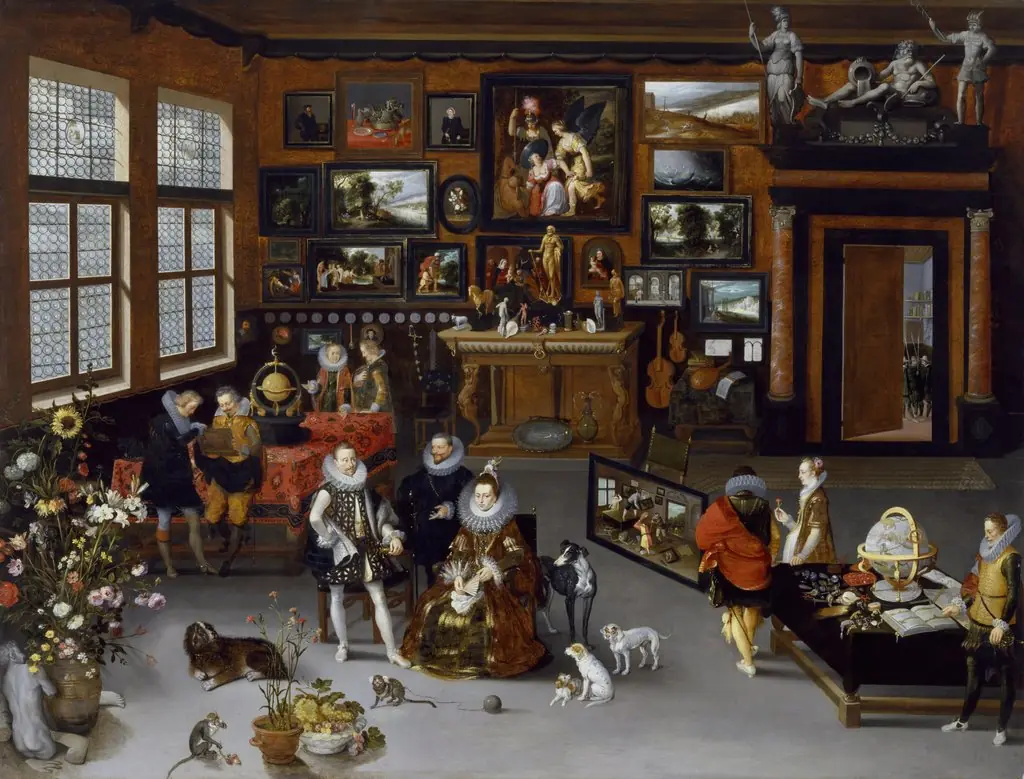 The Archdukes Albert and Isabella Visiting a Collector's Cabinet
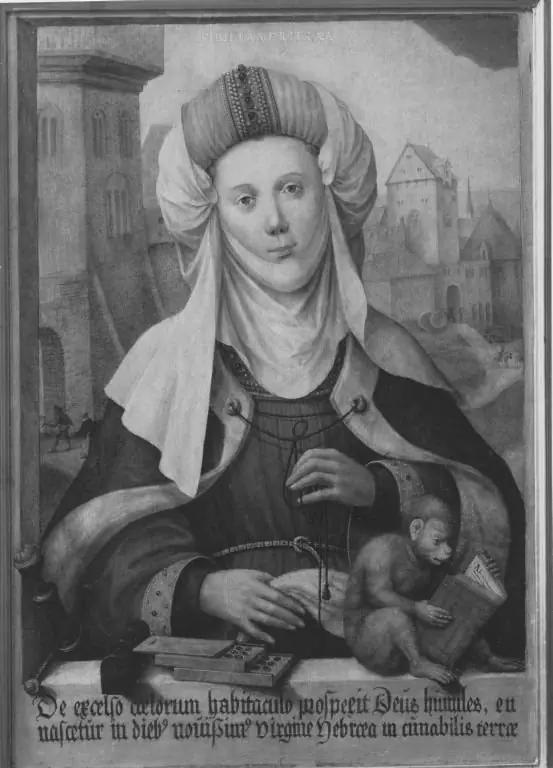 Sibylla Erythraea
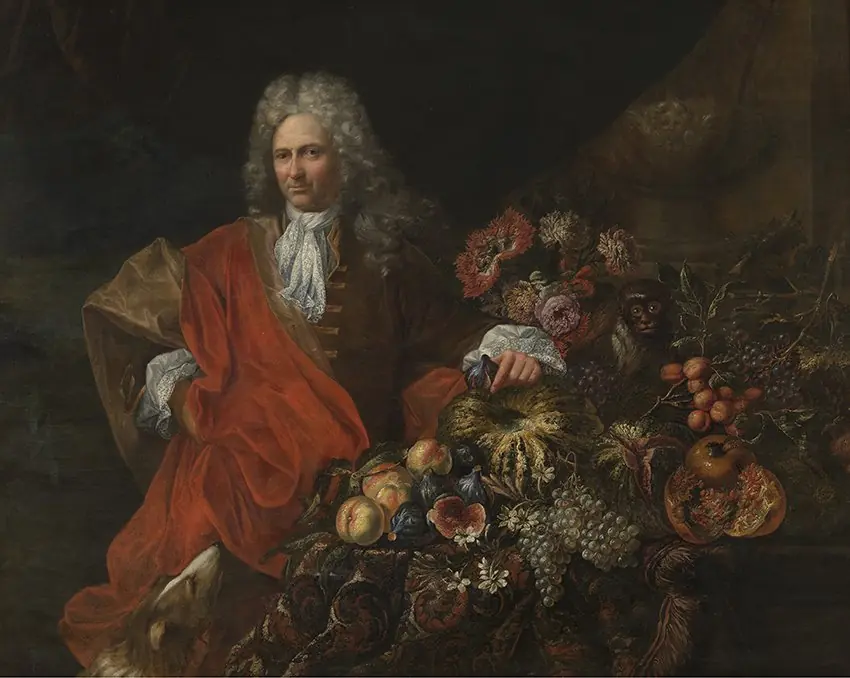 Allegorisch portret van een man
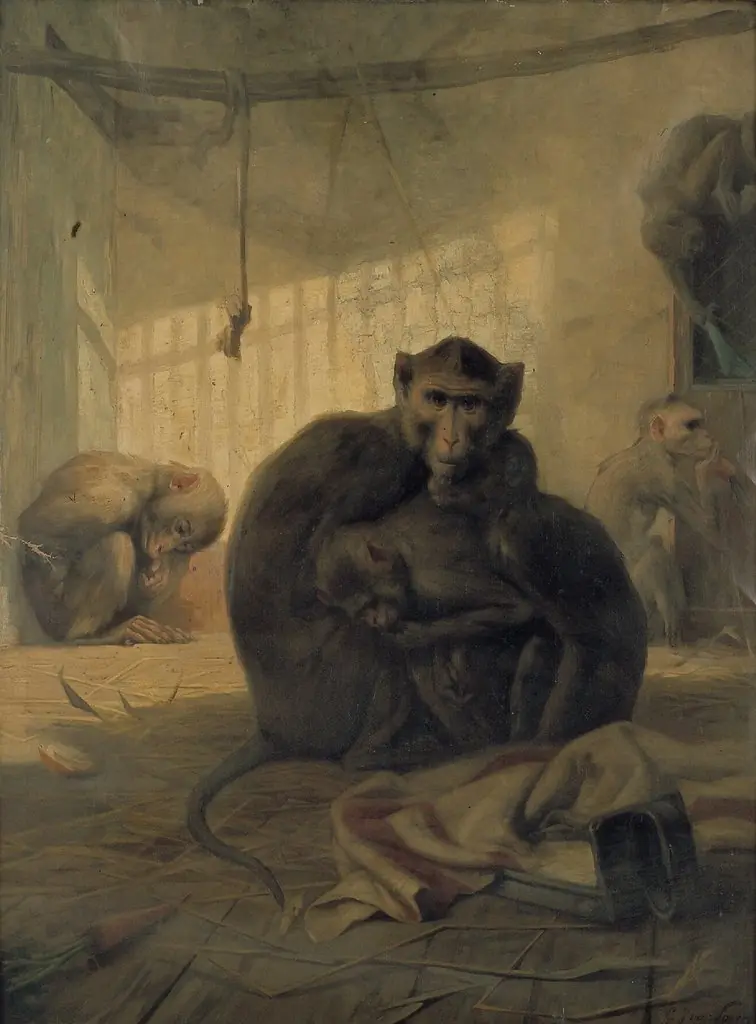 Apen in een kooi, genaamd 'Heimwee'
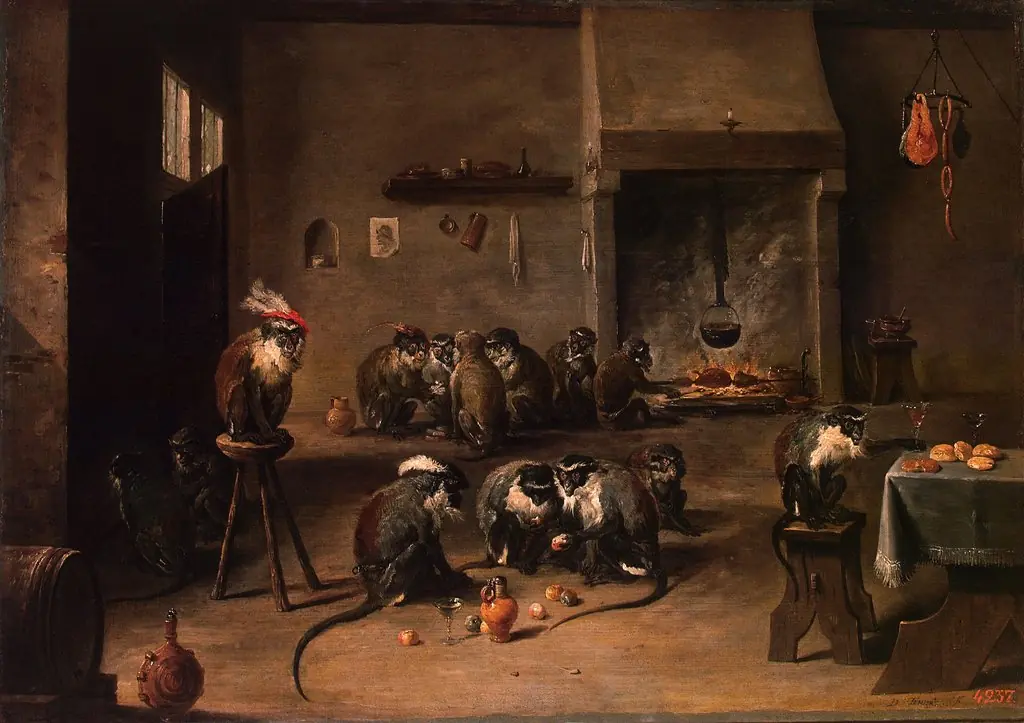 Monkeys in the Kitchen
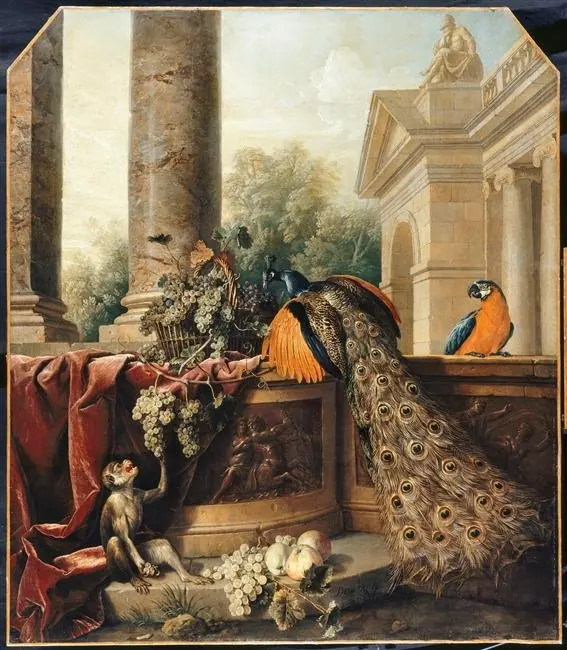 Still Life with a Peacock
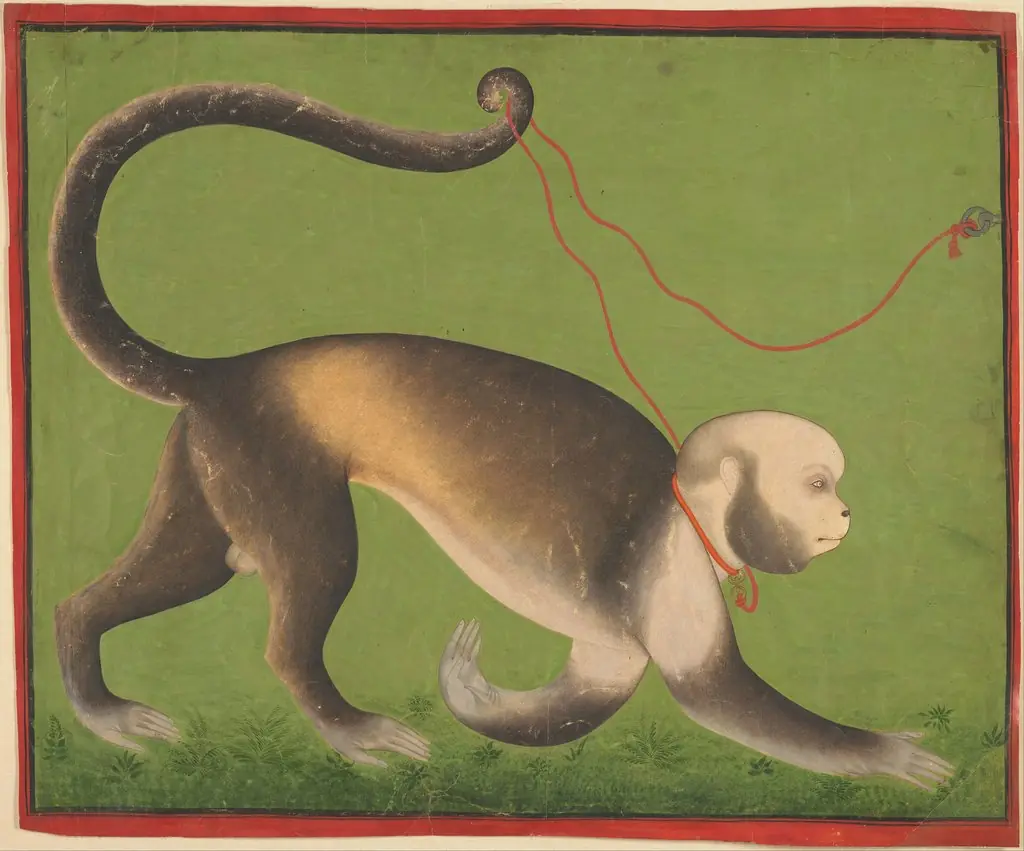 A Monumental Portrait of a Monkey
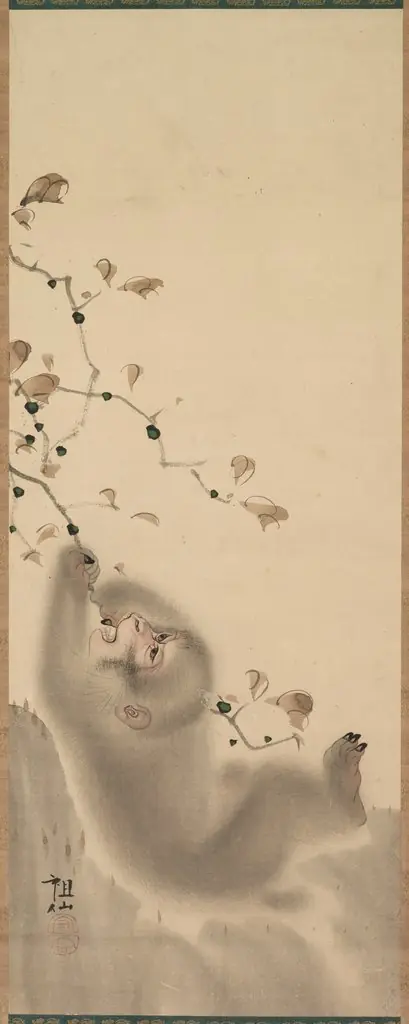 Monkey Hanging on to a Branch
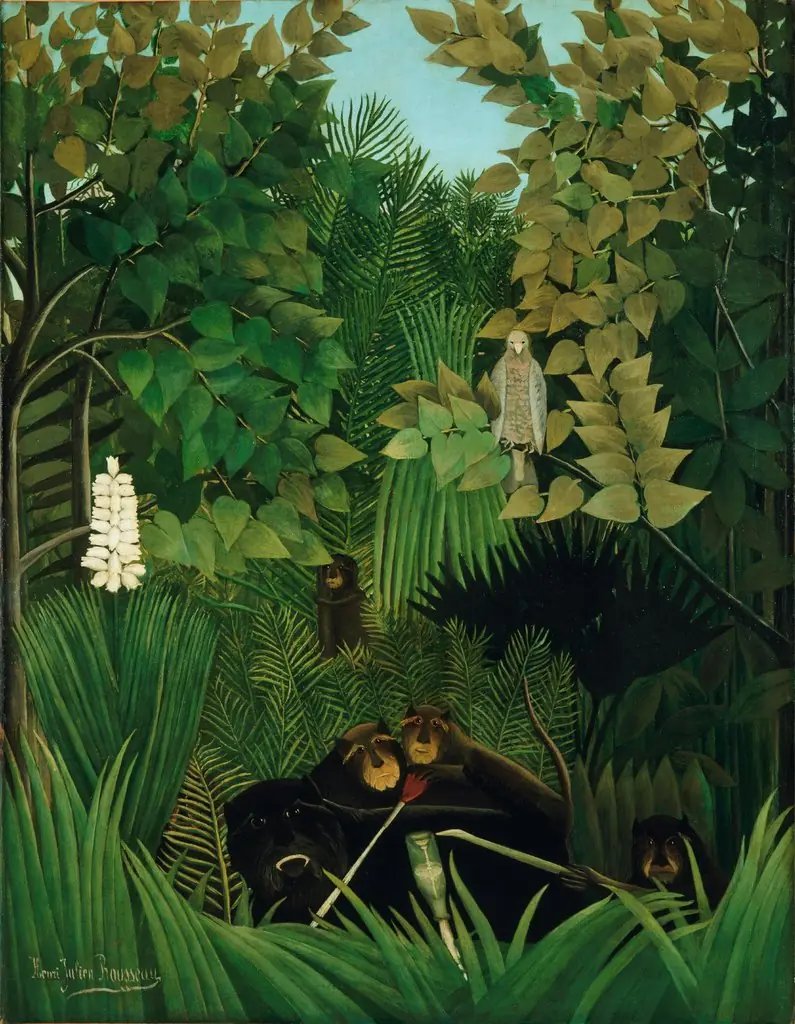 The Merry Jesters
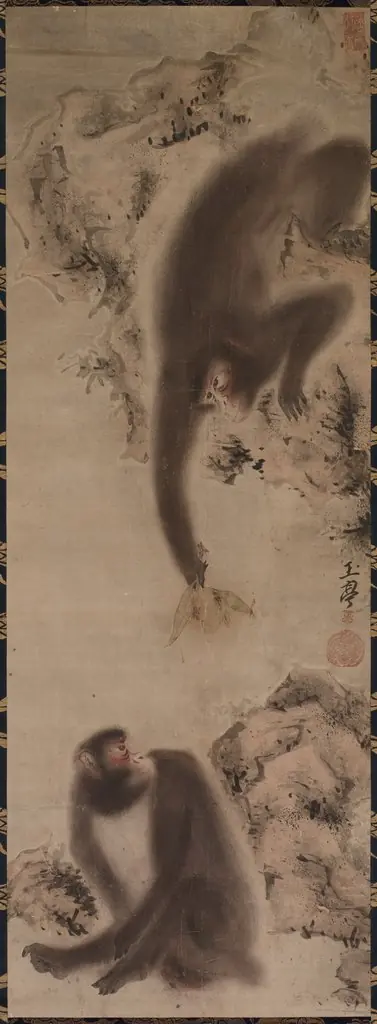 Monkeys
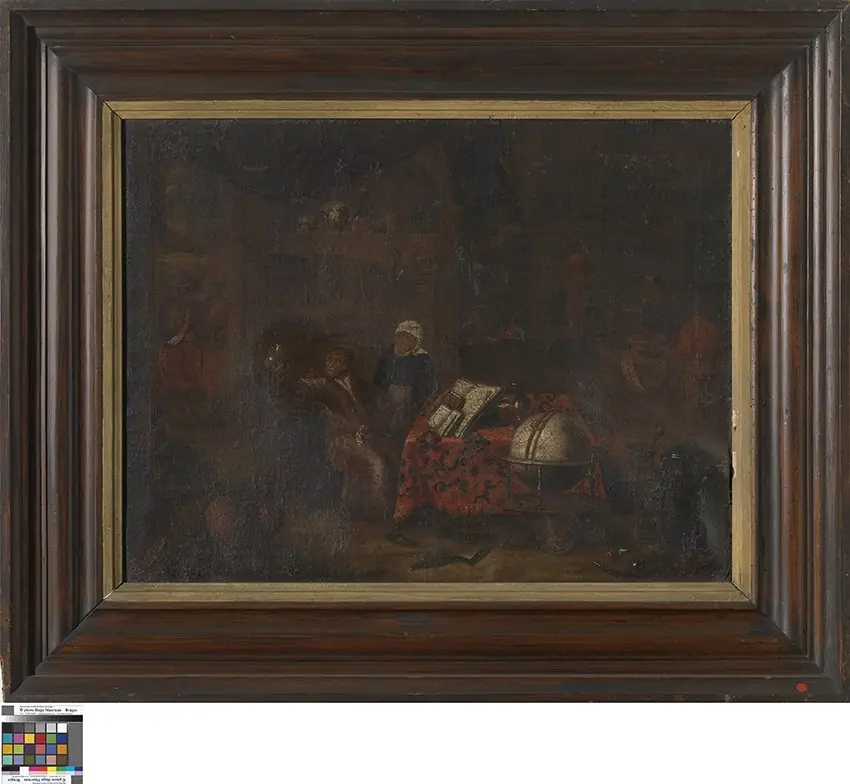 Singerie
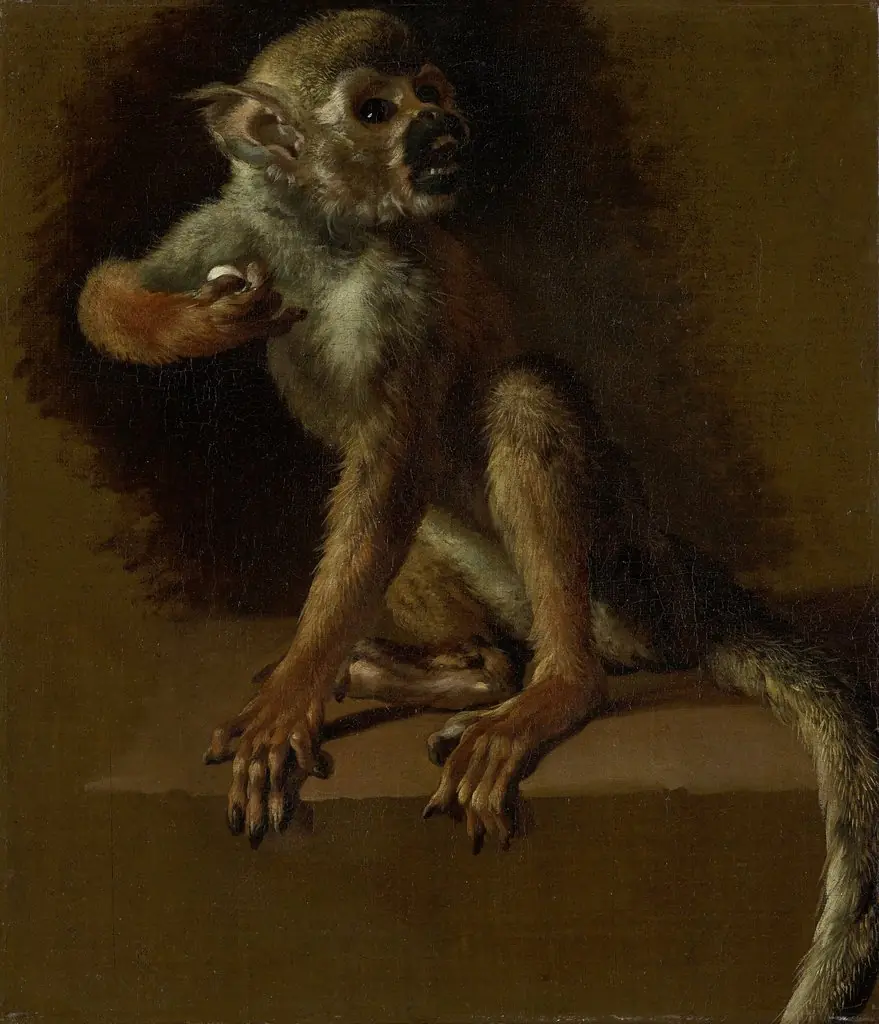 A Seated Monkey
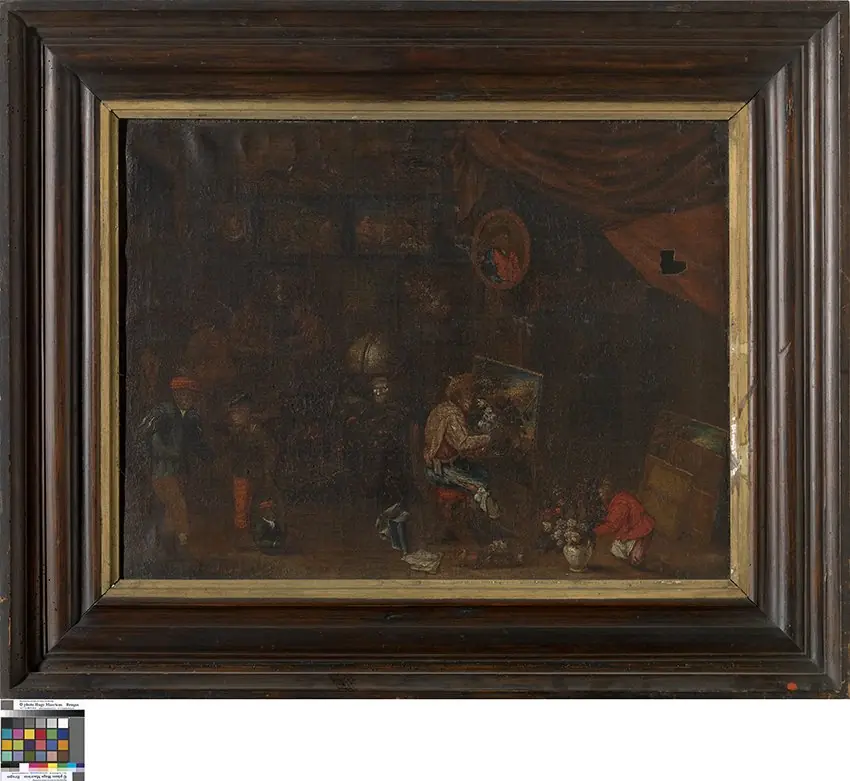 Singerie in een kunstkamer
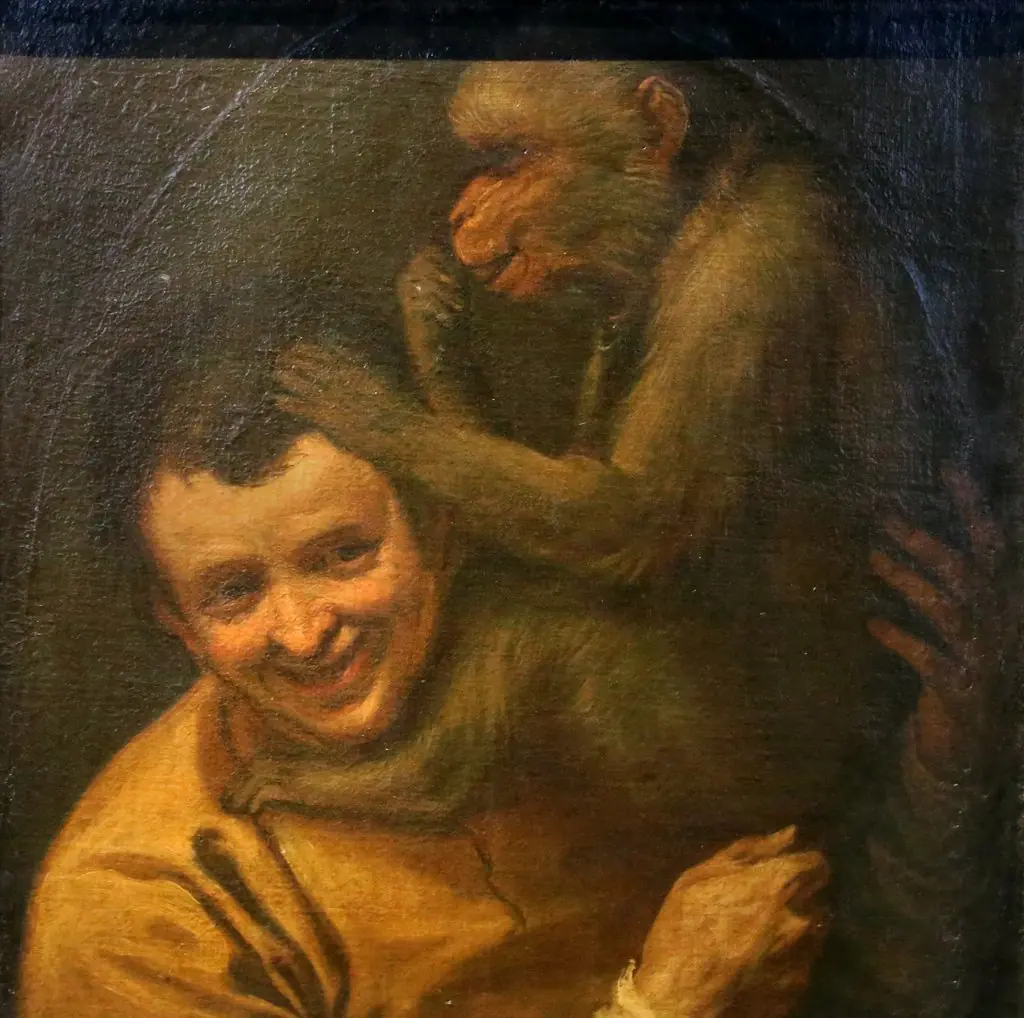 Man with a Monkey
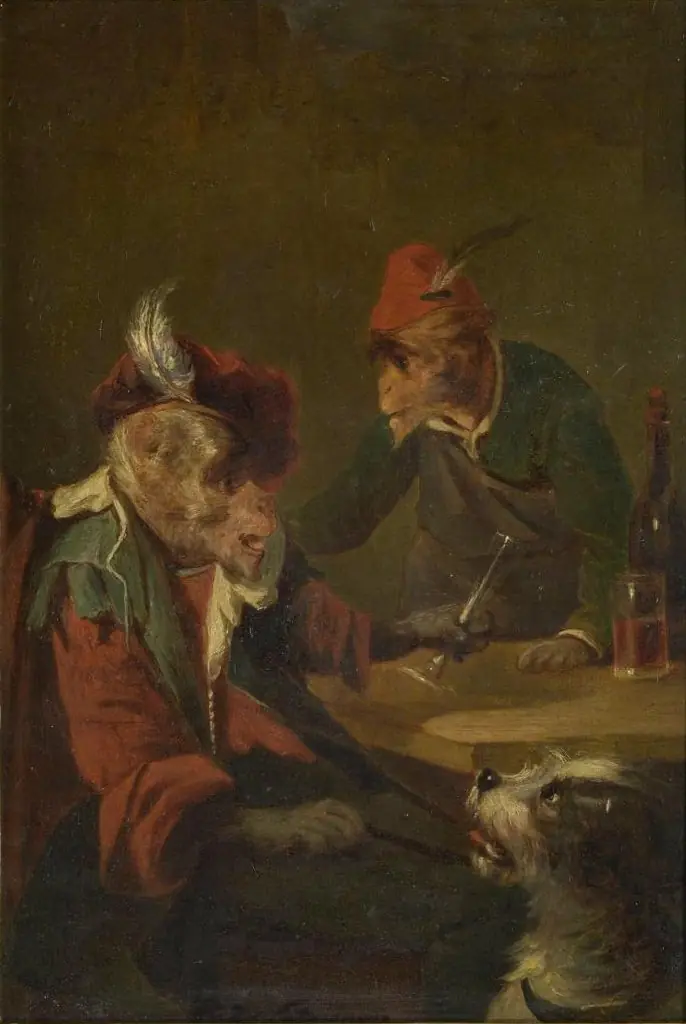 Drinking monkeys and a dog
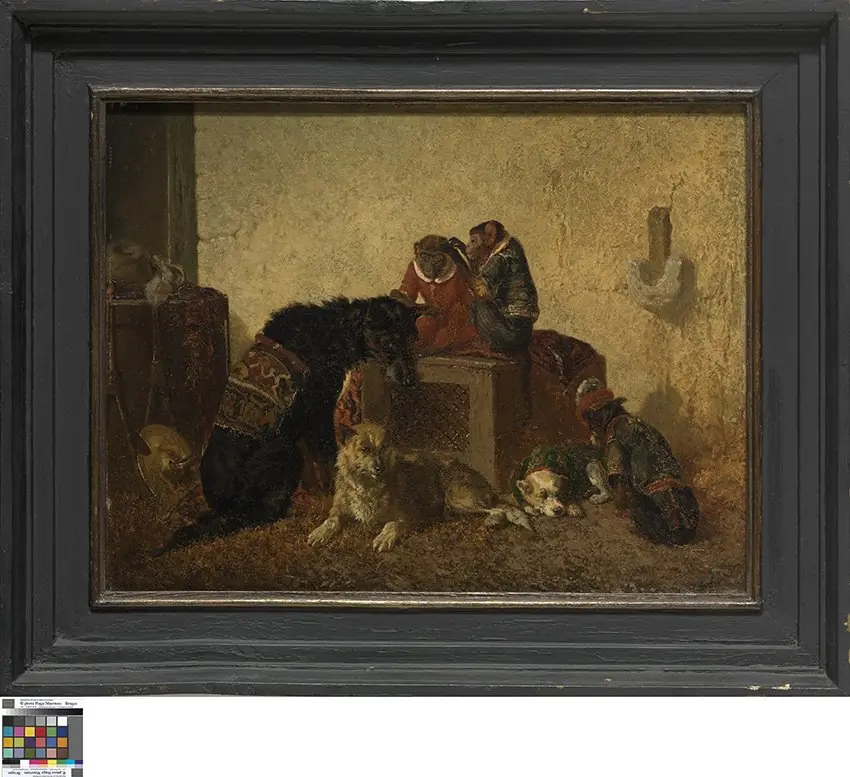 Apen en honden
![Monkey and Cottage; Little Breton Boy [recto]](https://artifactworldgallery.com/img/paul-gauguin--monkey-and-cottage-little-breton-boy-recto--b3a09959c238ad80-w320.webp) Monkey and Cottage; Little Breton Boy [recto]
Monkey and Cottage; Little Breton Boy [recto]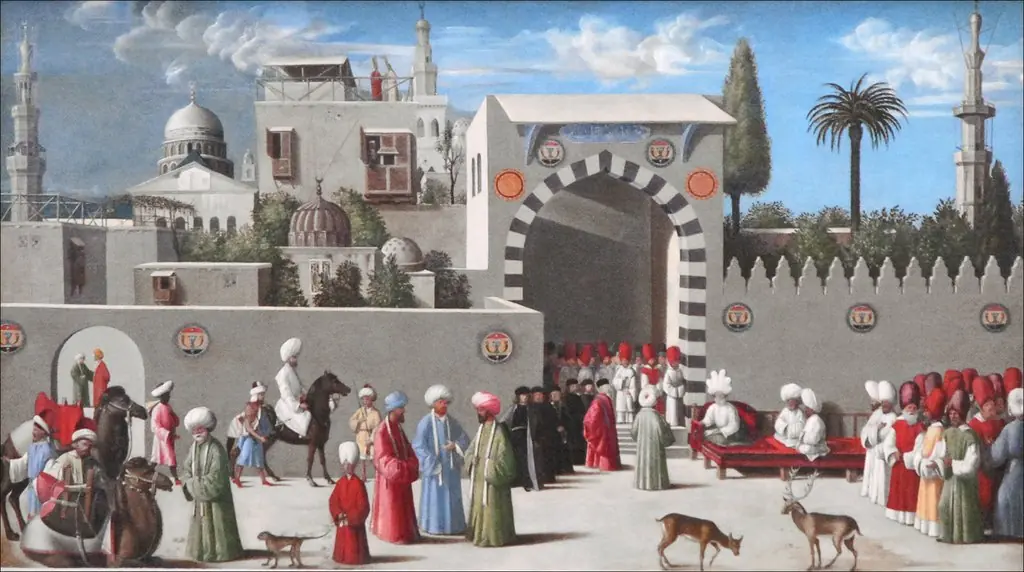 Reception of a Venetian Delegation in Damascus in 1511
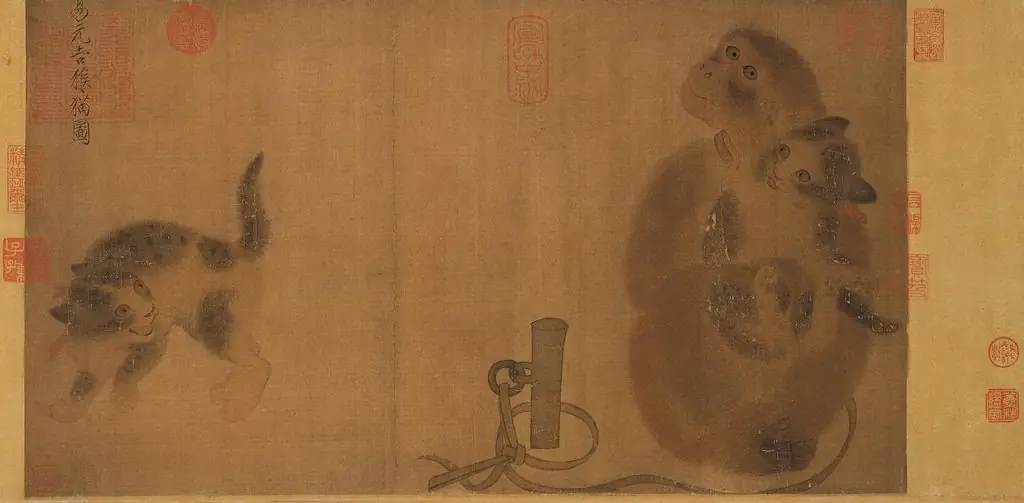 Monkey and Cats
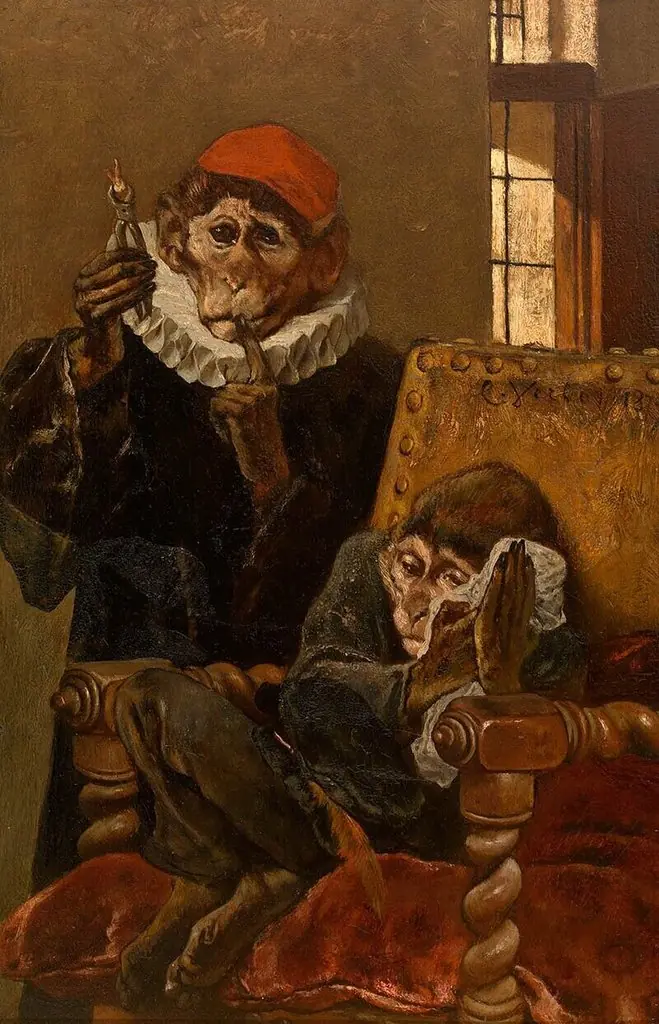 The Dentist
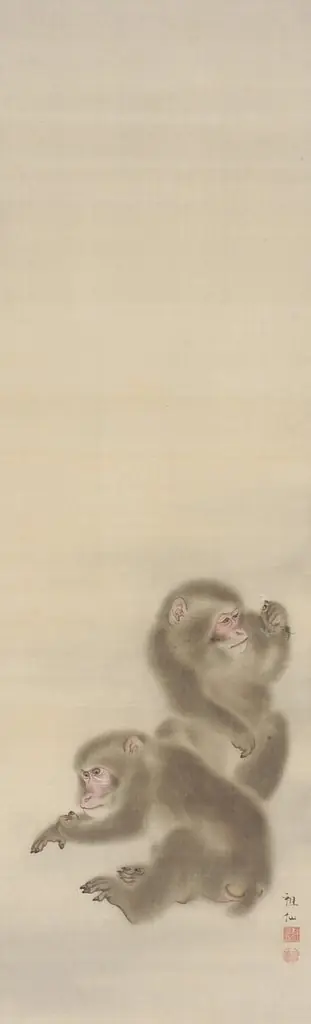 Two Monkeys
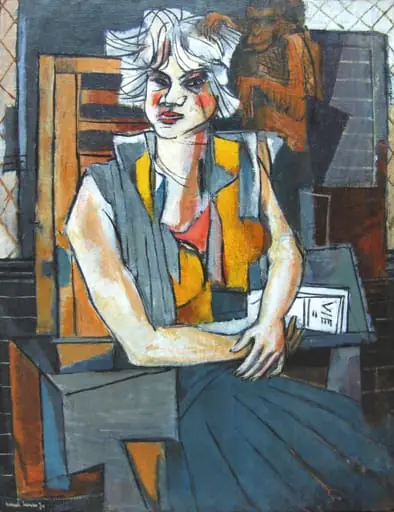 Girl Portrait
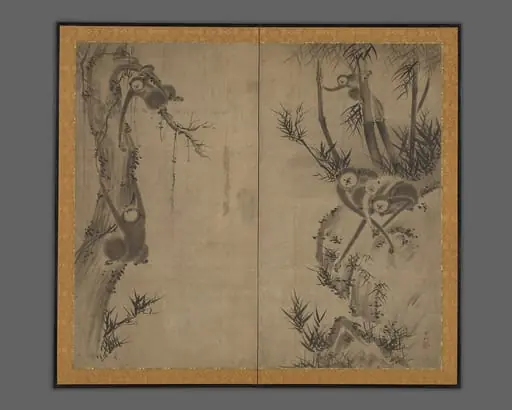 Untitled
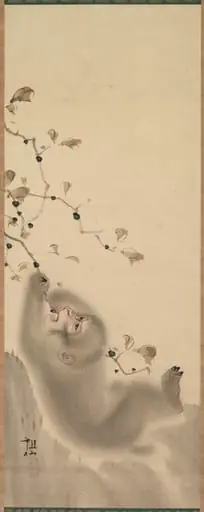 Monkey Hanging on to a Branch
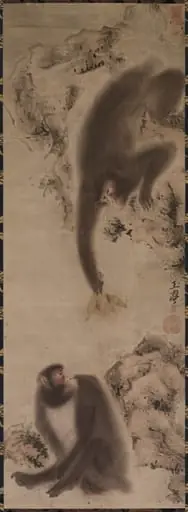 Monkeys
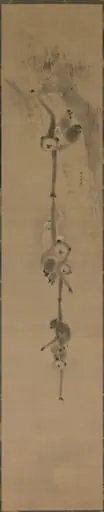 Gibbons Reaching for the Moon
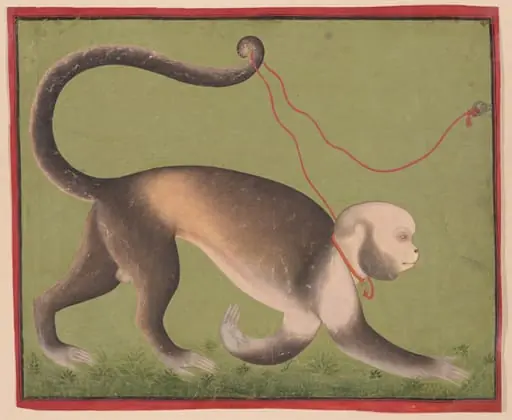 A Monumental Portrait of a Monkey
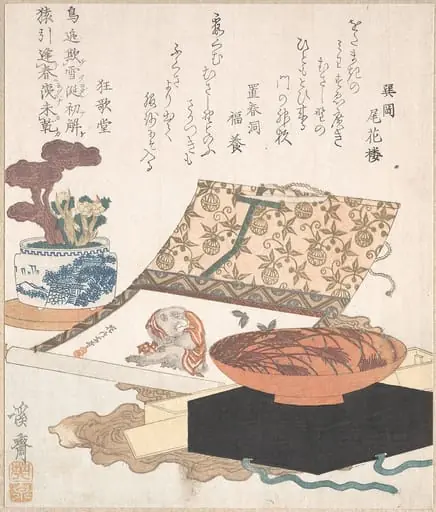 Untitled
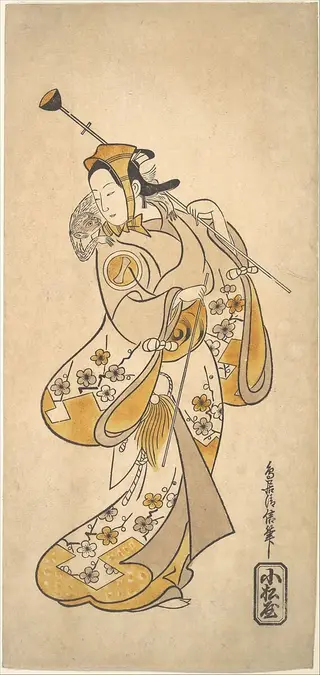 Untitled
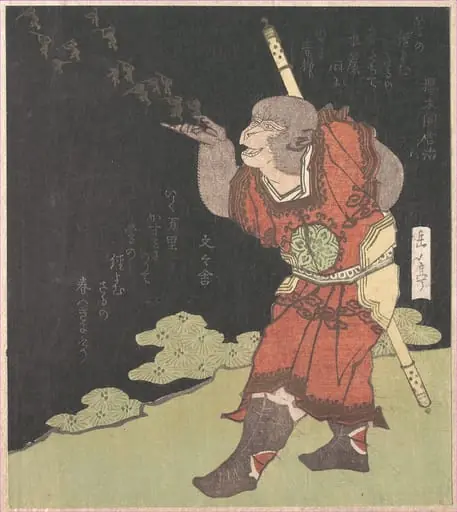 孫悟空|The Monkey King Songokū, from the Chinese novel Journey to the West
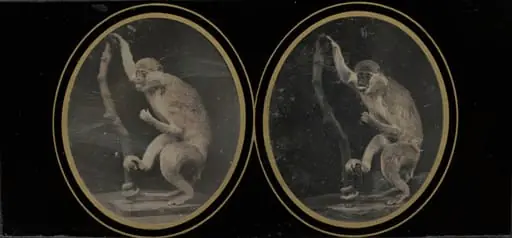 Monkey on Branch
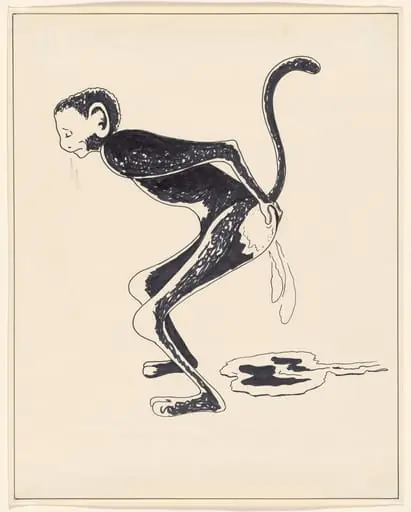 Untitled
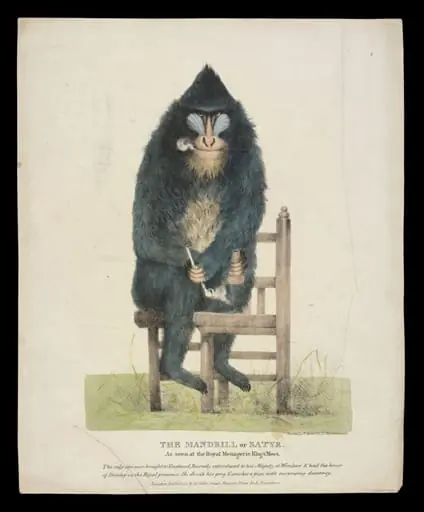 Print Collection
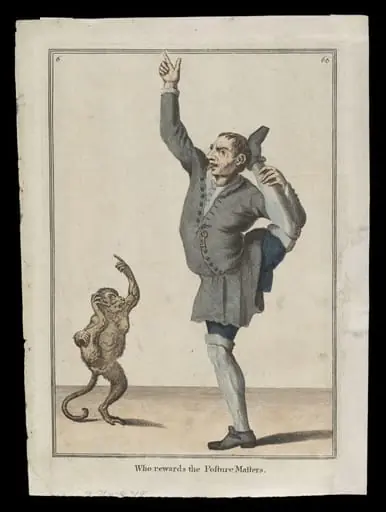 H Beard Print Collection
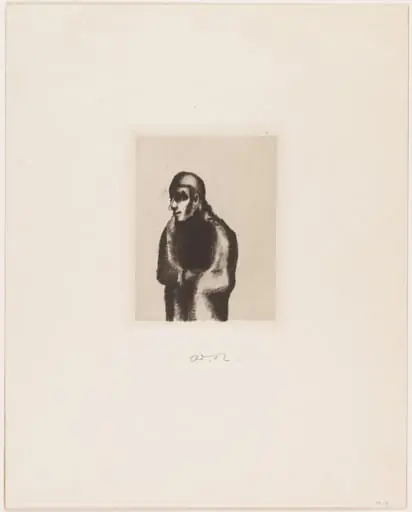 Untitled
Frequently asked questions
What is Monkey?
Monkey is a common name that may refer to most mammals of the infraorder Simiiformes, also known as simians.
How many Monkey works does Artifact World Gallery have?
Artifact World Gallery holds 91 public-domain Monkey works, all free to view and download.
Who are the key Monkey artists?
Key Monkey artists in the collection include Lodewijk Tieling, El Greco and Hans Memling.
Where can I see Monkey works?
Monkey works in the collection are held by Metropolitan Museum of Art, Cleveland Museum of Art and Groeningemuseum.