Artwork
Cologne
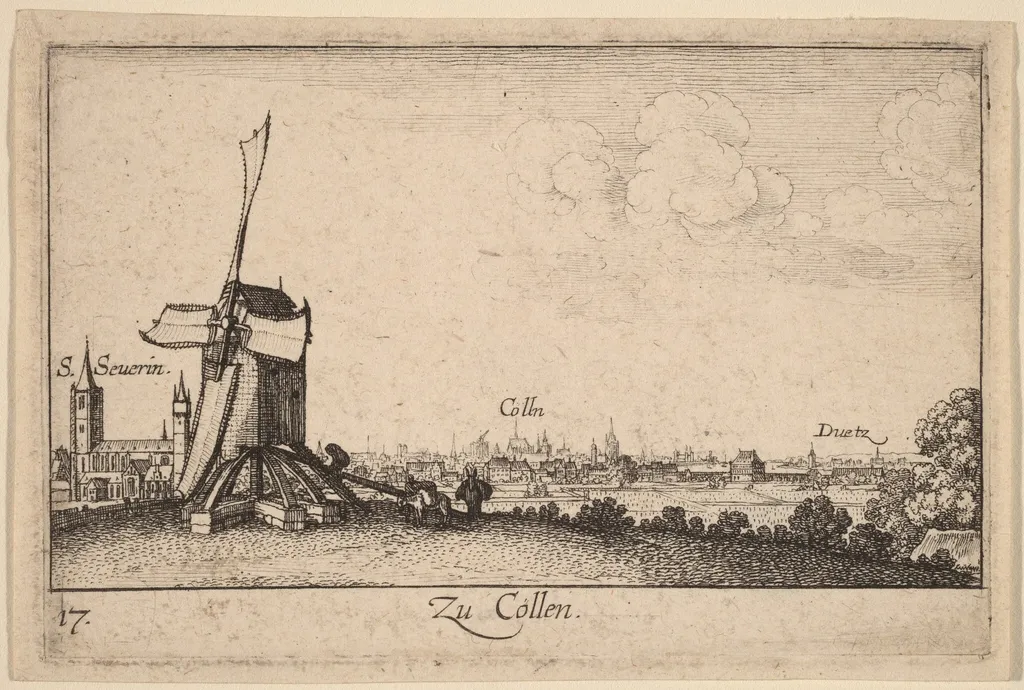
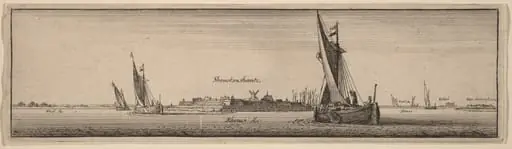
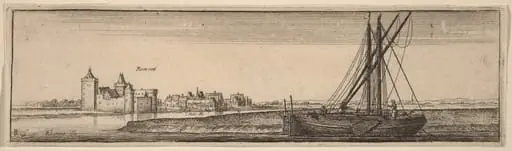
Cologne is an ink print by the Baroque artist Wenceslaus Hollar. It dates from 1635 and is held in the collection of the National Gallery of Art.
About this work
Overview
Cologne is a 1635 etching by Wenceslaus Hollar, a Czech-born artist prominent in 17th-century England. This work exemplifies his expertise in detailed cityscapes and landscapes, a genre known as vedutas.
Subject & Meaning
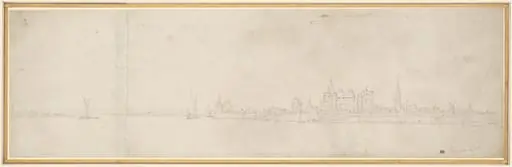
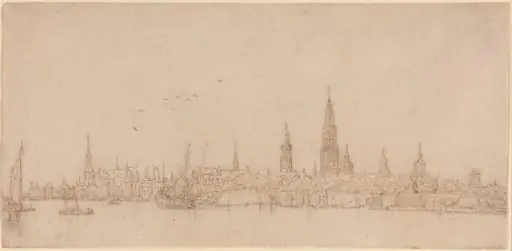
The etching depicts Cologne with precision, featuring a windmill on the Rhine's left bank (labeled S. Severin), a densely packed cityscape with church spires, and labeled locations like Colln and Duetz, highlighting Hollar's ability to capture urban topography.
Technique & Style
Characterized by fine lines, the etching showcases Hollar's technical skill in etching, with meticulous details from the windmill's blades to distant architectural elements, set against a serene sky with wispy clouds and subtly rippled water.
History & Provenance
Created in 1635, Cologne reflects Hollar's contribution to 17th-century printmaking, particularly in capturing European urban scenes during this period. Specific provenance details are not provided.
Context
As a veduta, Cologne belongs to a tradition of European landscape and cityscape printing that flourished in the 17th century, catering to interests in geography, architecture, and the beauty of everyday scenes.
Legacy
While specific legacy details of Cologne are not outlined, Hollar's body of work, including this etching, contributes to the historical record of European cities and the evolution of etching as an artistic medium.
Own this work as a print
Artist & collection
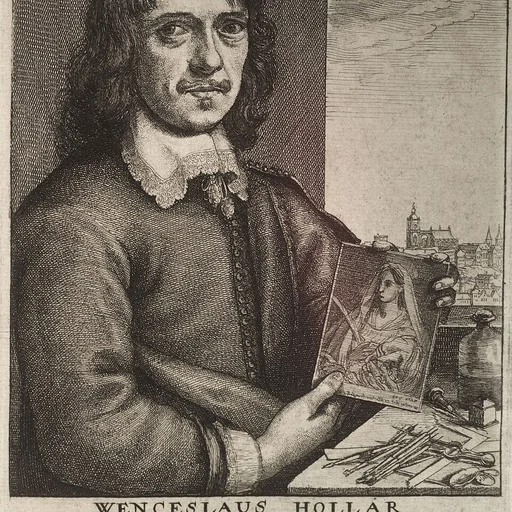
Artist
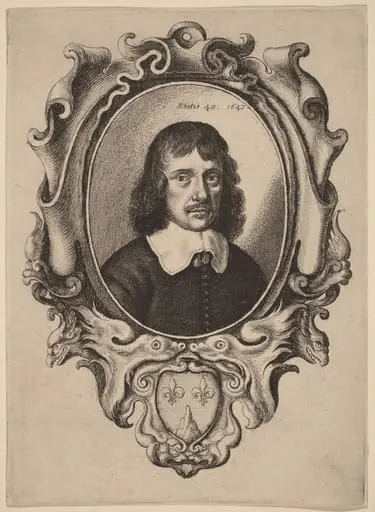
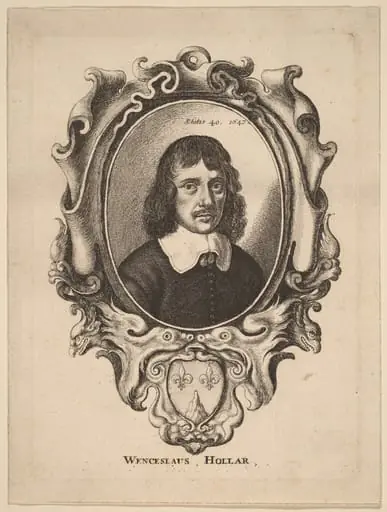
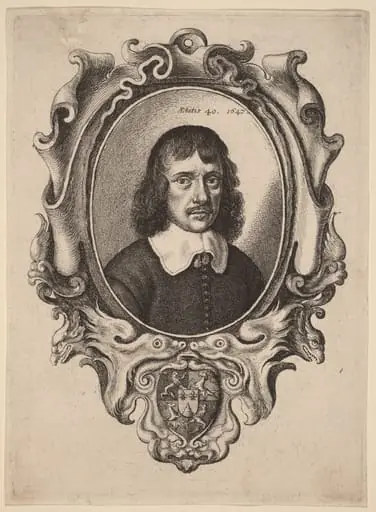
Wenceslaus Hollar (Czech: Václav Hollar (Czech pronunciation: ), German: Wenzel Hollar; 23 July 1607 – 25 March 1677) was a Czech engraver, etcher and painter.