Artwork
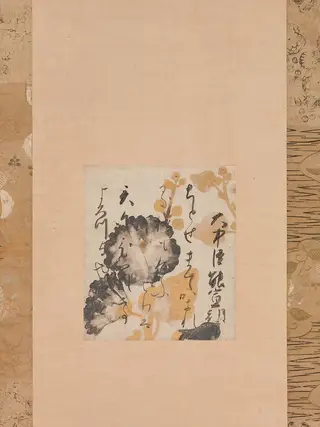
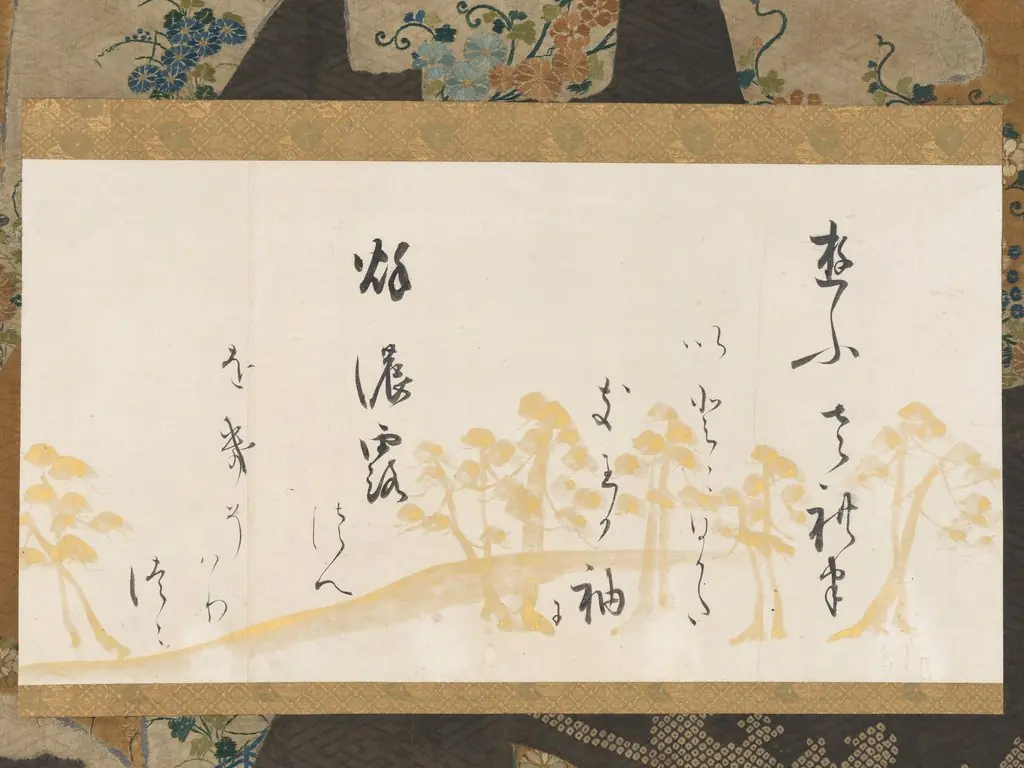
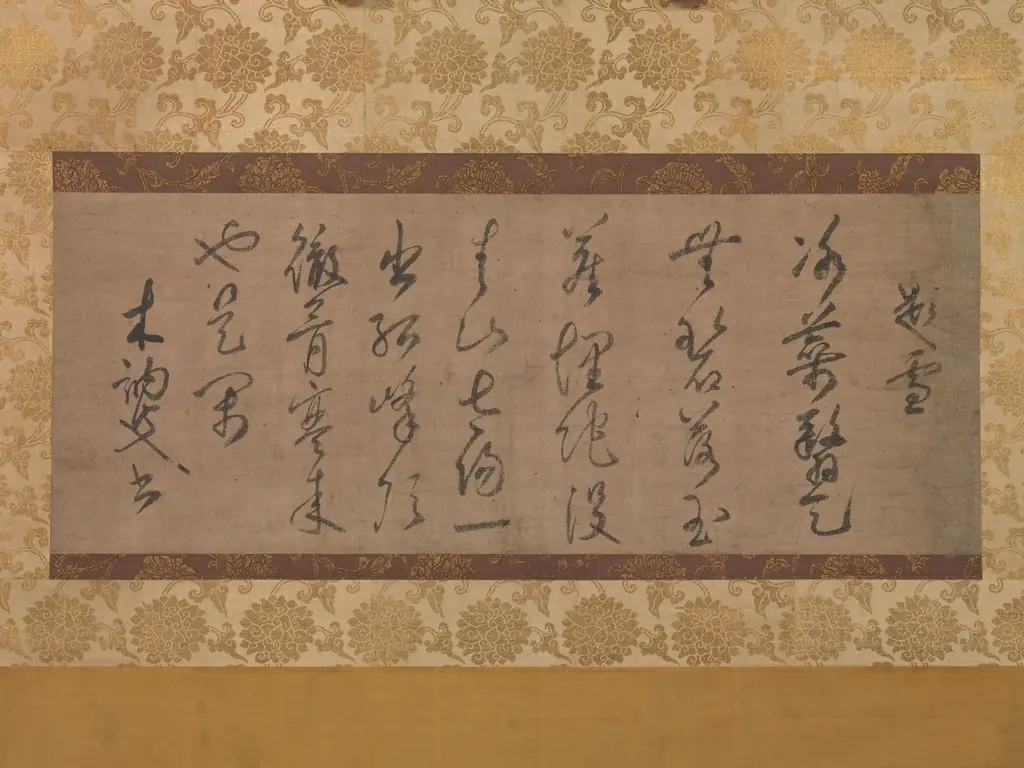
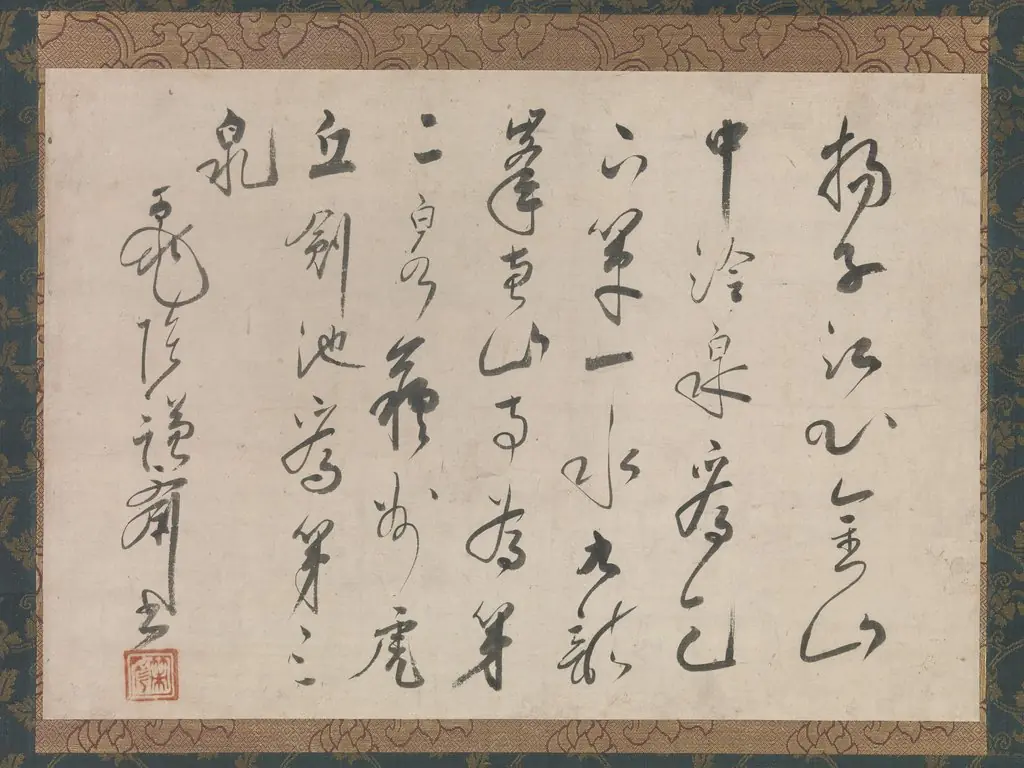
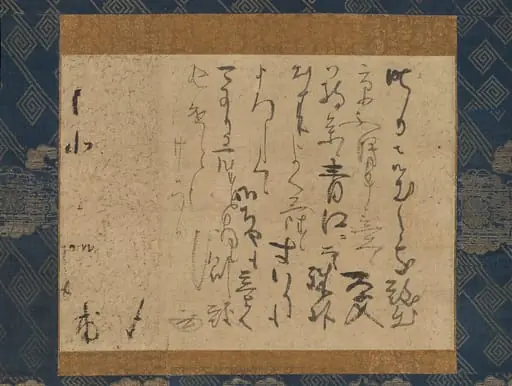
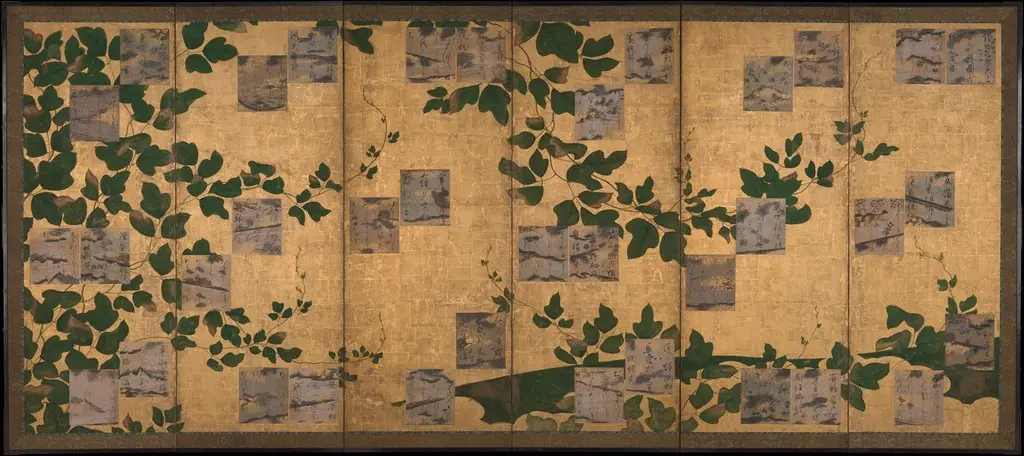
Chinese Couplet by Bai Juyi and Waka by Fujiwara no Toshiyuki (partial) from “Japanese and Chinese Poems to Sing” (Wakan rōeishū)
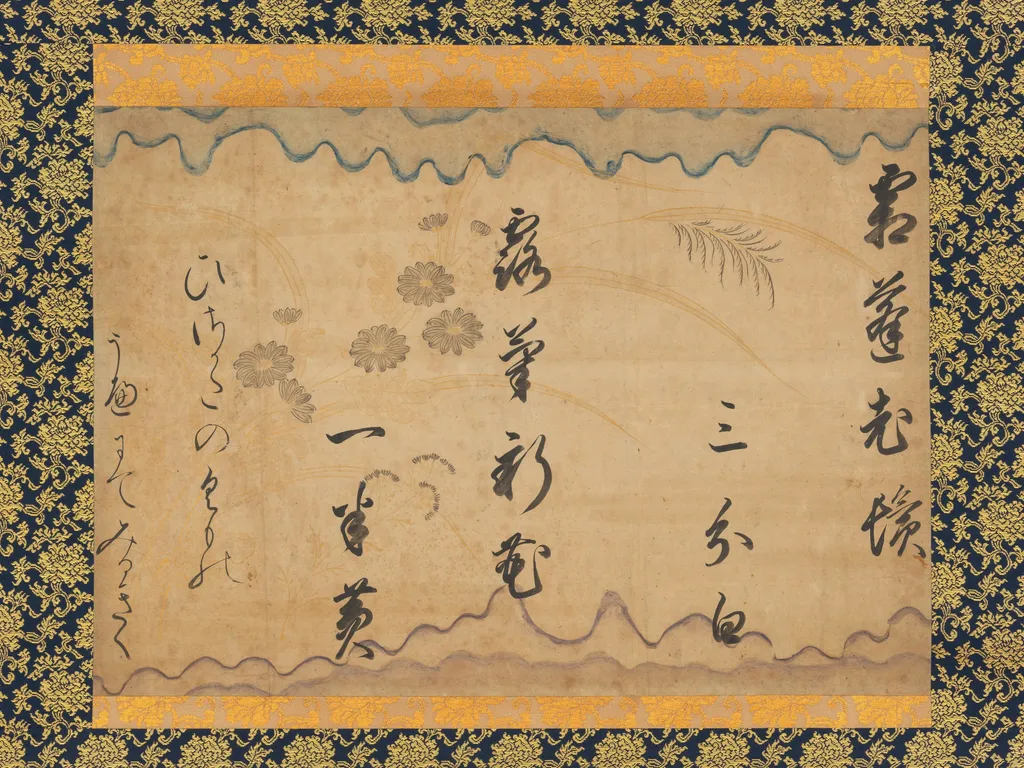
Chinese Couplet by Bai Juyi and Waka by Fujiwara no Toshiyuki (partial) from “Japanese and Chinese Poems to Sing” (Wakan rōeishū) is an unspecified painting by the Joseon dynasty painting artist Konoe Sakihisa. It dates from 1600 and is held in the collection of the Metropolitan Museum of Art.
About this work
This painting is called Chinese Couplet by Bai Juyi and Waka by Fujiwara no Toshiyuki. It was created in 1600 by Konoe Sakihisa. The artist included poems from a collection called “Japanese and Chinese Poems to Sing”, which is an interesting fact about this work. You can learn more about this type of art at The Metropolitan Museum of Art.
Overview
Created in 1600 by court painter Konoe Sakihisa, this small-scale painting presents a juxtaposition of Chinese and Japanese verse. The work is part of the Metropolitan Museum of Art’s collection and exemplifies the early‑modern Japanese practice of integrating literary content within visual art.
Subject & Meaning
The composition pairs a couplet by the Tang poet Bai Jūyì with a waka by Fujiwara no Toshiyuki, both drawn from the anthology Wakan rōeishū, a compilation intended for sung performance. By placing the two poems side by side, the painting highlights the cultural dialogue between Chinese and Japanese poetic traditions.
Technique & Style
Executed with delicate brushwork on paper, the piece employs the monochrome ink style favored by aristocratic painters of the period. Sakihisa’s rendering of the calligraphic text is integrated into the pictorial space, allowing the verses to function as both literary and visual elements.
History & Provenance
The painting entered the Metropolitan Museum of Art’s holdings through a 20th‑century acquisition, though its earlier ownership record is limited. Its survival offers insight into the private devotional and scholarly practices of early Edo‑era courtiers.
Context
During the early 1600s, Japanese elites frequently compiled and illustrated anthologies that combined Chinese and native poetry, reflecting a broader East Asian literary exchange. The Wakan rōeishū, compiled in the 10th century, remained a reference for such cross‑cultural projects, and Sakihisa’s work continues that tradition.
Own this work as a print
Artist & collection
Artist

- 本阿弥光悦書・俵屋宗達下絵 小倉百人一首和歌巻断簡|Two Poems from One Hundred Poems by One Hundred Poets
 本阿弥光悦書 木版下絵和歌巻断簡|Twelve Poems from the New Collection of Poems Ancient and Modern
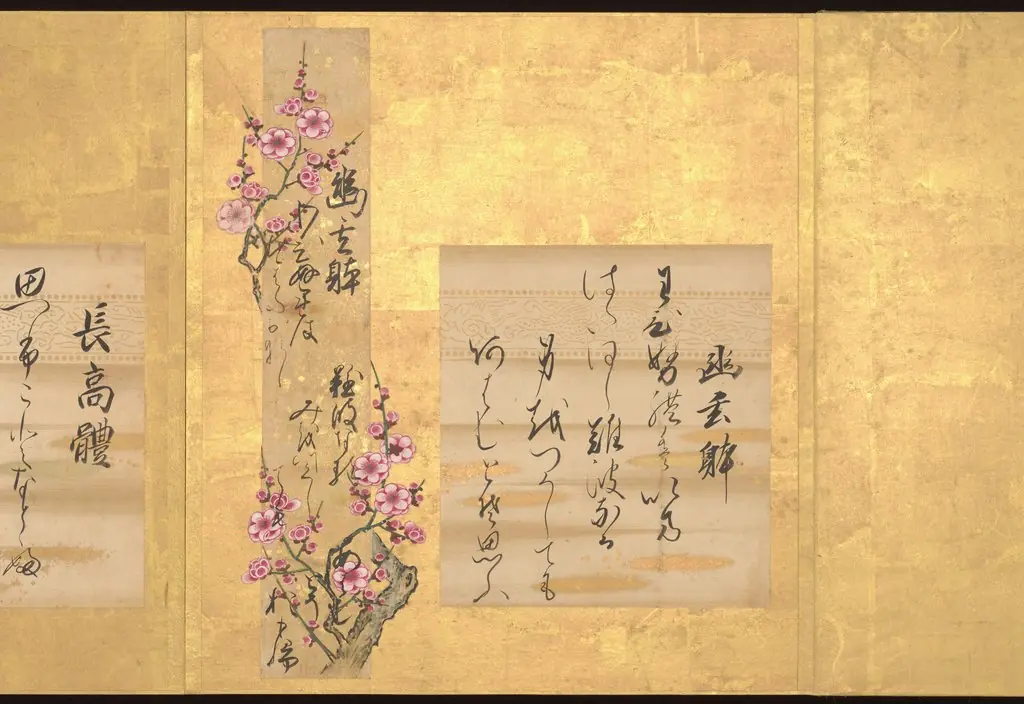 Teika’s Ten Styles of Japanese Poetry
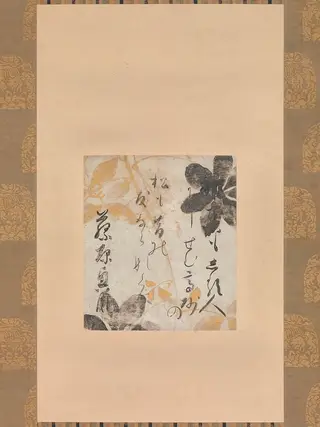 鉄線下絵和歌色紙|Poem by Fujiwara no Okikaze with Underpainting of Clematis
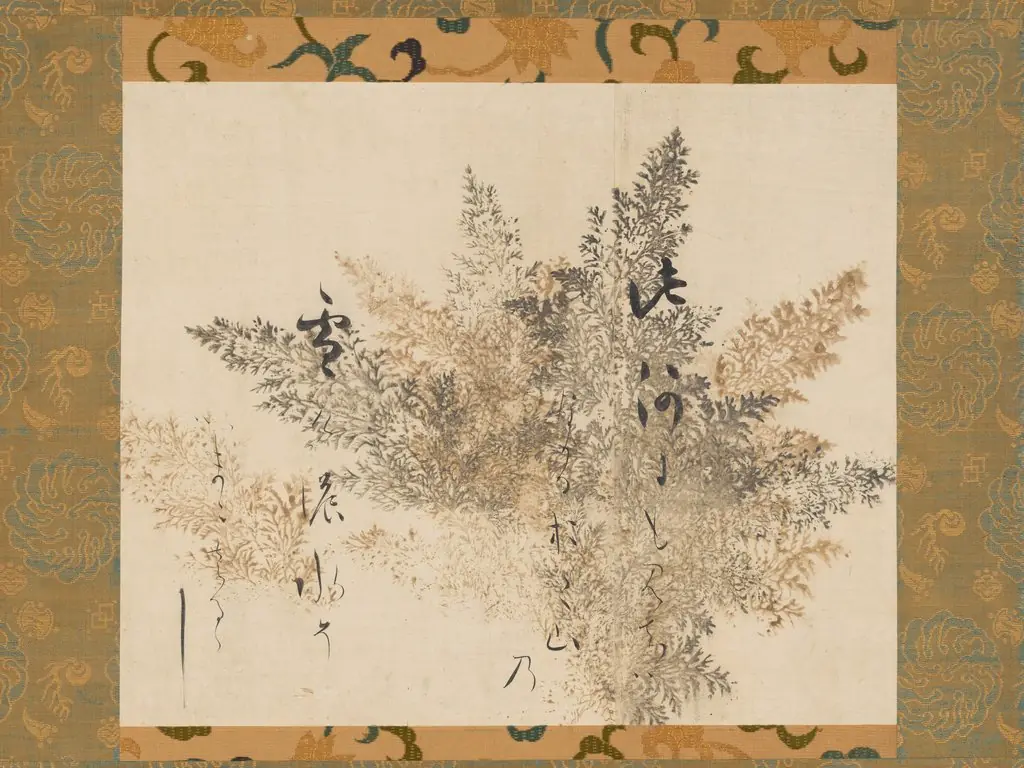 Waka Poem with Printed Gold-and-Silver Underpainting of Cypress Fronds
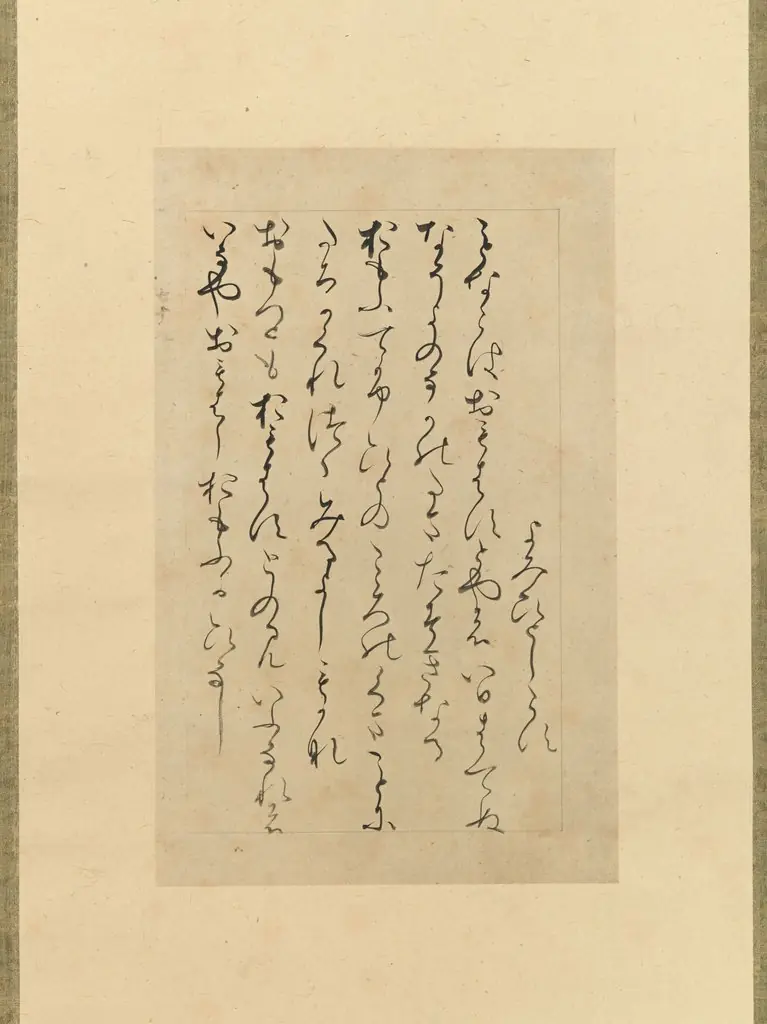 Three poems from the “Collection of Poems Ancient and Modern” (Kokin wakashū), known as the “Imaki Fragment” (Imaki-gire)
 Anthology of Japanese and Chinese Poems (Wakan rōeishū) with Underpainting of Arrowroot Vines